
Best Water Leak Sensors for Early Detection (Protect Your Home Before Damage Spreads)
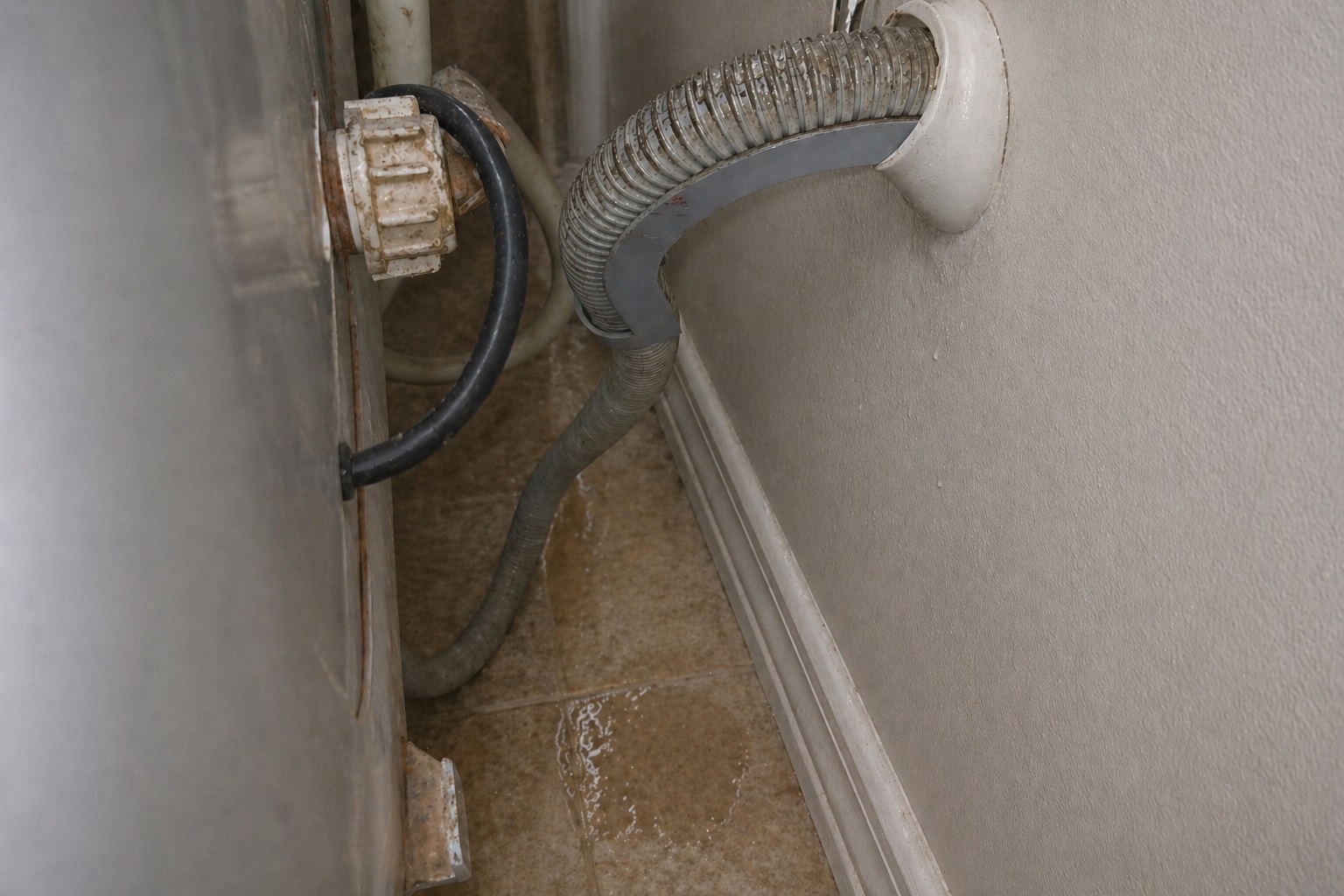
Most water damage doesn’t start with a dramatic flood, but with a slow drip that quietly spreads moisture behind walls or under cabinets before anyone notices. A slow leak under a sink, behind an appliance, or near a water heater can go unnoticed for days or even weeks.
By the time visible damage appears, flooring, cabinets, and drywall may already be compromised. Many homeowners install leak alarms only after damage begins, but installing water leak sensors before problems develop is one of the most effective ways to prevent costly repairs.
Installing reliable water leak sensors for early moisture detection is one of the simplest and most effective ways to protect your home. In this guide, we’ll review the best water leak sensors available today and explain how to use them effectively to protect your home.
Unlike large flood systems or smart monitoring networks, standalone leak sensors focus on immediate local alerts. These early leak detection devices provide fast alerts that help homeowners stop water damage before it spreads.
When water reaches the sensor probes, the alarm sounds loudly, giving you time to shut off water and limit damage before mold growth or structural issues begin.
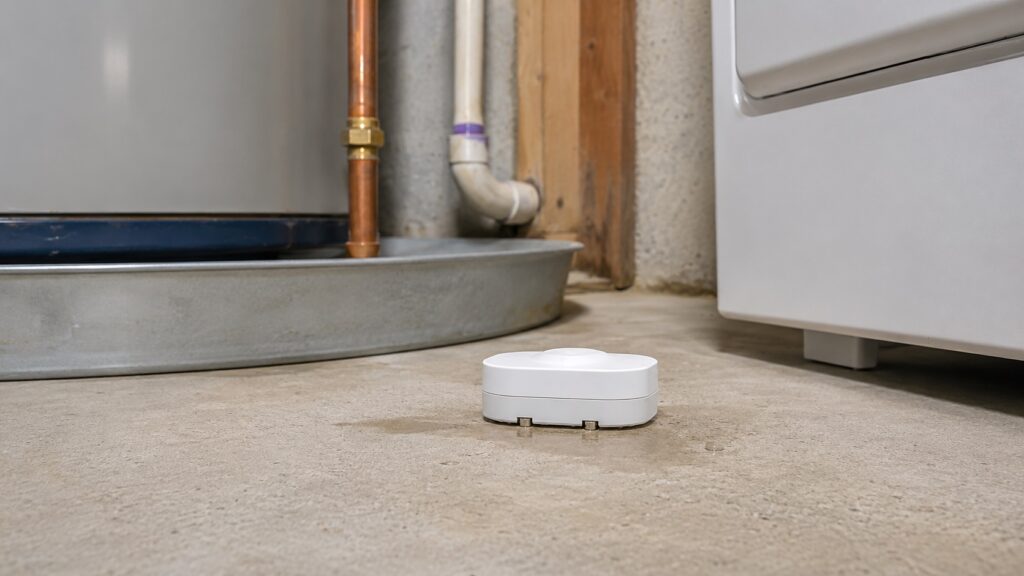
If you’re considering upgrading to app-connected devices, you may also want to review our guide to best smart leak detectors for homes, which covers WiFi-enabled monitoring systems. In this guide, however, we’ll focus on dependable standalone sensors that provide fast alerts without complicated setup.
This guide is part of our Humidity Monitoring resource center , where you can find practical tools and strategies to detect moisture problems before serious damage develops.
Disclosure: As an Amazon Associate, this site earns from qualifying purchases. This does not affect the price you pay. Our recommendations are based on research, product reliability, and real-world usability in moisture-prone environments.
Quick Picks: Best Water Leak Sensors for Early Detection
- Best Overall — Basement Watchdog 110 dB Water Alarm w/ Detachable Sensor (BWD-HWA)
- Best Simple Standalone — Zircon Leak Alert Electronic Water Detector
- Best Multi-Pack — GoveeLife Water Leak Detector 5 Pack
- Best Loud Alarm — X-Sense Water Leak Detector WS01
- Best With Sensor Cable — SwitchBot Water Leak Detector with Cable
Best Water Leak Sensors for Early Moisture Detection
Basement Watchdog 110 dB Water Alarm w/ Detachable Sensor (BWD-HWA)
Category: Best Overall
The Basement Watchdog BWD-HWA is one of the most trusted standalone leak alarms available today. It has been widely used in basements, laundry rooms, and under sinks because of its powerful alarm and flexible sensor cable. Instead of relying on wireless connections or apps, this device focuses on reliable detection where leaks are most likely to start.
One of its biggest advantages is the detachable sensor cable, which allows you to monitor tight or hidden areas such as behind washing machines or under water heaters. This flexibility makes it especially useful for homeowners trying to monitor areas that are difficult to reach with standard floor sensors.
Key Features:
- 110 dB audible alarm for clear alerting
- Detachable sensor cable for hard-to-reach areas
- Battery-powered standalone design
- Detects small amounts of water quickly
- Suitable for basements, sump pits, and plumbing zones
Pros:
- ✔ Extremely loud alarm that is easy to hear
- ✔ Flexible sensor cable improves placement options
- ✔ Proven long-term reliability
- ✔ Simple installation without tools
Cons:
- ✖ Requires battery replacement over time
- ✖ No remote alerts or app connectivity
Best For:
- Basements with sump pumps
- Water heater areas
- Laundry rooms
- Homes with older plumbing systems
Check the Basement Watchdog BWD-HWA on Amazon to see current availability.
Zircon Leak Alert Electronic Water Detector
Category: Best Simple Standalone Sensor
The Zircon Leak Alert Electronic Water Detector is designed for homeowners who want a simple, dependable solution without complicated setup. It activates automatically when water touches the sensor base, making it ideal for small, high-risk areas where leaks often begin unnoticed.
This type of sensor works especially well in kitchens and bathrooms, where small plumbing leaks can develop slowly. Early leak identification in these areas helps prevent cabinet swelling, flooring damage, and mold growth—issues that can quickly become expensive if ignored.
Key Features:
- Standalone water detection with audible alarm
- Compact design for tight spaces
- Battery-powered operation
- Low-profile shape for placement under fixtures
- Simple, tool-free setup
Pros:
- ✔ Very easy to install
- ✔ Reliable water-trigger detection
- ✔ Compact design fits in narrow spaces
- ✔ Suitable for multiple placement locations
Cons:
- ✖ Alarm volume slightly lower than larger models
- ✖ Limited detection area compared to cable-based systems
Best For:
- Under kitchen sinks
- Bathroom cabinets
- Behind toilets
- Small plumbing areas
Check the Zircon Leak Alert Electronic Water Detector on Amazon to see current availability.
GoveeLife Water Leak Detector 5 Pack (105dB Adjustable Alarm)
Category: Best Multi-Pack
The GoveeLife Water Leak Detector 5 Pack is ideal for homeowners who want coverage in multiple locations without purchasing individual sensors separately. Because leaks can develop in many parts of a home at once, using multiple sensors is often the most effective prevention strategy.
This model includes adjustable alarm settings and multiple detection probes, helping identify leaks quickly even when water levels are low. Having several units allows you to monitor common risk zones such as under sinks, near washing machines, and beside water heaters simultaneously.
Key Features:
- Five standalone sensors included
- 105 dB adjustable alarm
- Multiple detection probes
- Battery-powered design
- Suitable for wide-area coverage
Pros:
- ✔ Multiple sensors improve home-wide coverage
- ✔ Loud adjustable alarm settings
- ✔ Good value for multi-location monitoring
- ✔ Easy placement in different rooms
Cons:
- ✖ Requires monitoring several batteries
- ✖ No centralized monitoring
Best For:
- Whole-home leak monitoring
- Laundry rooms
- Kitchen plumbing areas
- Water heater zones
Check the GoveeLife Water Leak Detector 5 Pack on Amazon to see current availability.
X-Sense Water Leak Detector WS01
Category: Best Loud Alarm
The X-Sense WS01 is designed for homeowners who want a strong audible alert that can be heard quickly when water is detected. In homes where leaks often occur in quiet areas such as basements or utility rooms, a loud alarm can make the difference between catching a leak early and discovering it hours later after damage has spread.
This sensor uses both top and bottom detection probes, allowing it to react to rising water levels or small puddles forming underneath appliances. That dual detection capability makes it particularly useful in locations where leaks develop slowly, such as beneath water heaters or behind washing machines.
Using sensors like this alongside regular inspections—such as those described in how to detect slow plumbing leaks —can significantly reduce the chance of unnoticed water damage.
Key Features:
- 110 dB loud alarm for fast detection alerts
- Top and bottom water detection probes
- Battery-powered standalone operation
- Compact waterproof design
- Suitable for both finished and unfinished spaces
Pros:
- ✔ Very loud alarm improves response time
- ✔ Detects water from multiple directions
- ✔ Reliable performance in damp environments
- ✔ Easy installation without tools
Cons:
- ✖ Limited detection range compared to cable sensors
- ✖ Requires periodic battery replacement
Best For:
- Basements and crawl spaces
- Water heater rooms
- Utility closets
- High-risk leak zones
Check the X-Sense Water Leak Detector WS01 on Amazon to see current availability.
SwitchBot Water Leak Detector with Cable
Category: Best With Sensor Cable
The SwitchBot Water Leak Detector with Cable is designed for situations where water leaks may begin in hidden or narrow areas. Instead of relying only on a flat base sensor, this unit includes an extended cable probe that can be positioned precisely where leaks are most likely to develop.
This type of design is particularly helpful under appliances, behind washing machines, or inside tight cabinet spaces. Many homeowners underestimate how often leaks begin in concealed areas. By placing cable probes in these locations, you can detect moisture early and prevent widespread damage to flooring or structural materials.
If you suspect moisture problems around cabinets or hidden plumbing, you may also want to review signs of water damage under kitchen sinks to recognize early warning symptoms.
Key Features:
- Extended cable probe for targeted detection
- Compact sensor body
- Loud audible alarm
- Battery-powered operation
- Designed for tight or hidden placement areas
Pros:
- ✔ Cable probe increases placement flexibility
- ✔ Detects leaks in hard-to-reach locations
- ✔ Effective for appliance monitoring
- ✔ Suitable for concealed plumbing zones
Cons:
- ✖ Slightly more complex placement than basic sensors
- ✖ Cable requires careful positioning
Best For:
- Under dishwashers
- Behind washing machines
- Inside cabinet bases
- Hidden plumbing areas
Check the SwitchBot Water Leak Detector with Cable on Amazon to see current availability.
Water Leak Sensor Comparison Table
| Feature | Basement Watchdog BWD-HWA | Zircon Leak Alert | GoveeLife 5-Pack | X-Sense WS01 | SwitchBot Cable Model |
|---|---|---|---|---|---|
| Category | Best Overall | Best Simple Standalone | Best Multi-Pack | Best Loud Alarm | Best With Sensor Cable |
| Alarm Volume | 110 dB | 90 dB (approx.) | Up to 105 dB | 110 dB | 100+ dB |
| Sensor Type | Cable + Base | Base Detection | Base Detection | Top + Bottom Probes | Cable Probe |
| Power Source | Battery | Battery | Battery | Battery | Battery |
| Best Use Location | Basements, Water Heaters | Under Sinks | Whole-Home Coverage | Utility Areas | Hidden Leak Zones |
| Quick Link | Check on Amazon | Check on Amazon | Check on Amazon | Check on Amazon | Check on Amazon |
How to Choose the Right Water Leak Sensors for Early Leak Detection
Choosing the right water leak sensors for early warning moisture detection depends less on brand names and more on understanding where leaks are most likely to occur in your home. This is especially important when selecting the best water leak sensors for specific areas like kitchens, laundry rooms, and basements.
Most water damage begins in predictable locations, and the right sensor setup focuses on monitoring those areas effectively. Understanding where to place water leak sensors is just as important as choosing the right model, since poor placement can delay detection and increase repair costs.
If you have experienced previous leaks or suspect slow moisture buildup, it may also be helpful to review our complete guide to removing mold permanently , which explains how early detection tools help prevent long-term mold damage.
1. Choose Between Single Sensors and Multi-Pack Options
One of the first decisions homeowners face is whether to install a single sensor or several sensors throughout the home. While a single unit can protect a specific area, most homes benefit from placing sensors in multiple locations.
Multi-pack sensor kits are often the best choice when you need coverage under sinks, near appliances, and around water heaters. Leaks rarely occur in just one place, so wider coverage increases the chances of early detection.
Window leaks are another common source of hidden moisture. Reviewing signs of water damage around windows can help identify additional areas to monitor.
Single Sensor May Be Enough If:
- You only need to monitor one high-risk location
- Your home has limited plumbing exposure
- You want a simple starter setup
Multi-Pack Sensors Are Better If:
- Your home has multiple plumbing zones
- You want protection across several rooms
- You have older appliances or pipes
- You want to monitor laundry rooms and basements
2. Consider Alarm Loudness and Alert Strength
Alarm loudness is one of the most important features in standalone leak sensors. When a leak begins, you need to hear the alarm immediately, even if you are in another room or on another floor.
Sensors rated around 100–110 decibels are typically loud enough to alert homeowners quickly. Lower-volume alarms may still be useful in small homes or apartments but can be harder to hear in larger properties.
In unfinished basements or utility areas, loud alarms become even more important. These areas are often separated from living spaces, making quiet alerts ineffective.
3. Look for Cable Sensors When Monitoring Hidden Areas
Not all leaks occur in open spaces. Many begin behind appliances, inside cabinets, or under tight plumbing connections. In these cases, cable-based leak sensors provide better protection than flat base sensors.
Cable sensors allow you to place the detection probe directly where leaks are most likely to begin. This targeted placement increases detection speed and reduces the risk of hidden moisture buildup.
Hidden leaks can be especially damaging because they may go unnoticed for extended periods. Learning to recognize early signs is important, which is why many homeowners also review signs of slow hidden water leaks when installing new monitoring devices.
Warning: Leaks behind appliances often continue for weeks before visible damage appears, making these locations some of the most important areas to monitor.
4. Choose Durable Sensors for Moisture-Prone Areas
Basements, crawl spaces, and laundry rooms often experience higher humidity levels than other parts of the home. Sensors used in these environments should be durable enough to withstand damp conditions without malfunctioning.
Water-resistant housing and reliable probe materials help maintain long-term performance. Even when sensors are not submerged, high humidity environments can shorten the lifespan of poorly constructed units.
If humidity control is a concern in your home, you may also benefit from reviewing ways to reduce humidity in your home to prevent moisture-related damage beyond plumbing leaks.
5. Match the Water Leak Sensor Type to Your Home’s Risk Zones
Every home has different leak risks depending on plumbing layout, appliance age, and building design. Matching the sensor type to specific risk zones ensures better protection. If you’re unsure where to place water leak sensors, begin with areas that contain active plumbing or water supply lines.
Most Common Leak Locations in Homes
High-risk areas to monitor include:
- Under kitchen sinks
- Behind dishwashers
- Near washing machines
- Around water heaters
- Inside bathroom cabinets
- Basements and sump areas
Placing sensors in these locations dramatically improves early leak detection and reduces the chance of severe water damage. For example, a slow dishwasher leak may only release a few drops at a time, but over several weeks, that moisture can damage flooring and cabinets.
Many homeowners first discover leaks after noticing damp flooring near a washing machine, which makes laundry rooms one of the most important areas to monitor.
Where to Place Water Leak Sensors in Your Home
One of the most common questions homeowners ask is where to place water leak sensors for the fastest possible detection. Installing sensors in the right locations dramatically improves your ability to catch leaks before major damage occurs.
Most water leaks develop in predictable areas, especially where plumbing connections, appliances, or water supply lines are located. Focusing on these high-risk zones helps ensure early detection and reduces the chance of hidden moisture damage.
Best Locations to Install Water Leak Sensors
- Under kitchen sinks — One of the most common leak sources due to supply lines and drain connections.
- Behind washing machines — Hose failures can release significant amounts of water quickly.
- Near water heaters — Tanks and fittings can leak slowly before visible damage appears.
- Under dishwashers — Small leaks often develop unnoticed behind cabinetry.
- Inside bathroom cabinets — Tight plumbing connections increase leak risk.
- Basements and sump pump areas — Early detection helps prevent flooding and moisture damage.
- Near refrigerators with water lines — Ice maker supply lines are common failure points.
Room-by-Room Sensor Placement Strategy
Instead of placing sensors randomly, many homeowners benefit from using a simple room-by-room placement strategy. This ensures that all major water sources are monitored effectively.
- Kitchen: Under the sink, behind the dishwasher, and near the refrigerator water line.
- Laundry Room: Behind the washing machine and near floor drains.
- Bathrooms: Inside sink cabinets and near toilet supply lines.
- Basement: Near sump pumps, water heaters, and main plumbing lines.
- Utility Areas: Near HVAC condensate lines and water filtration systems.
If you’re unsure whether moisture has already developed in certain areas, reviewing early warning signs such as signs of water damage under kitchen sinks can help identify where sensors are most urgently needed.
How to Set Up Water Leak Sensors for Maximum Protection
Proper placement is just as important as choosing the right device. Even the best sensor cannot prevent damage if it is installed in the wrong location or positioned incorrectly.
Many homeowners install sensors soon after moving into a new home, especially when the plumbing history is unknown. Waiting until after a leak occurs often results in preventable damage.
Place Sensors at the Lowest Point of Risk Areas
Water naturally flows downward, so sensors should be placed at the lowest point where water is likely to collect. This increases detection speed and improves reliability. For example, a small supply line leak under a kitchen sink often drips to the back corner of the cabinet before becoming visible, making that location ideal for sensor placement.
Recommended Placement Locations:
- Floor areas directly below supply lines
- Behind appliances with water connections
- Inside cabinet bases near plumbing
- Near sump pumps or water heaters
- Under bathroom fixtures
If you are installing sensors near appliances, reviewing warning signs such as those described in signs of mold behind dishwashers can help identify early moisture problems.
Keep Sensors Clear of Obstructions
Objects placed between the sensor and potential leak sources can delay detection. Avoid placing items such as storage containers or cleaning supplies directly on top of the sensor.
Sensors should remain fully exposed to ensure water contacts the detection probes quickly.
Test Sensors After Installation
After installing a new sensor, always test it to confirm the alarm functions correctly. Most devices can be tested by placing a small amount of water on the probe area.
Testing ensures that batteries are installed correctly and that the alarm is loud enough to hear from other areas of the home.
Replace Batteries on a Regular Schedule
Battery-powered leak sensors require maintenance to remain effective. Waiting until batteries fail can result in silent leaks going undetected.
Tip: Set a calendar reminder to replace batteries during seasonal home maintenance to avoid unexpected failures.
Recommended Battery Maintenance:
- Replace batteries every 6–12 months
- Check battery levels during seasonal home maintenance
- Use fresh, high-quality batteries
Common Mistakes to Avoid When Using Water Leak Sensors
Even reliable leak sensors can fail to protect your home if they are used incorrectly. Avoiding common mistakes ensures that your system works as intended.
Mistake #1: Installing Too Few Sensors
Many homeowners place a single sensor under one sink and assume they are fully protected. Unfortunately, leaks can occur anywhere plumbing exists.
Installing sensors in multiple locations significantly improves detection coverage and reduces risk. All too often, homeowners discover leaks only after cabinets begin to swell or flooring starts to discolor—signs that water has been present for days or even weeks.
Mistake #2: Ignoring Hidden Leak Areas
Some of the most damaging leaks begin in concealed areas where moisture builds gradually. Cable sensors or compact sensors should be placed in these hidden locations whenever possible.
Hidden leaks often lead to structural damage and mold growth if left undetected. Understanding early warning signs, such as signs of water damage behind walls, can help prevent long-term problems.
In many homes, hidden leaks can weaken subfloor materials long before visible damage appears, making early detection critical.
Mistake #3: Not Testing Sensors Regularly
Failing to test sensors after installation or during routine maintenance can lead to unexpected failures. Regular testing confirms that alarms are functioning properly.
Mistake #4: Placing Sensors Too Far From Leak Sources
Sensors positioned too far from potential leak points may not detect small leaks quickly enough. Placement directly near plumbing connections produces faster alerts.
Mistake #5: Ignoring Moisture Conditions
Some homeowners focus only on visible water leaks while overlooking long-term humidity problems. Excess moisture can contribute to mold growth and structural damage even without standing water.
If humidity levels are consistently high, consider monitoring indoor moisture levels using techniques described in how to test indoor humidity levels .
Frequently Asked Questions About Water Leak Sensors
Where should water leak sensors be placed in a home?
Water leak sensors should be installed in locations where leaks are most likely to occur. These areas typically include under sinks, behind washing machines, near water heaters, and inside cabinet bases. Placing sensors at low points where water naturally collects improves detection speed.
In many homes, the highest-risk locations are areas where plumbing connections are hidden. Reviewing guides such as signs of water damage under kitchen sinks can help identify where moisture problems are most likely to develop.
How many water leak sensors does a typical home need?
Most homes benefit from installing multiple sensors rather than relying on a single device. A typical setup includes sensors in kitchens, bathrooms, laundry rooms, and basement areas. Larger homes or homes with older plumbing systems often require more coverage to monitor potential leak sources effectively.
Do water leak sensors help prevent mold growth?
Yes, early leak detection plays a major role in mold prevention. Mold growth begins when moisture remains in building materials for extended periods. By detecting leaks quickly, sensors reduce the amount of time surfaces stay wet, which helps limit mold development.
If mold has already developed, addressing moisture sources quickly is critical. You can learn more in our complete mold removal guide , which explains how moisture control supports long-term prevention.
Are standalone leak sensors reliable without WiFi?
Standalone leak sensors are highly reliable because they do not depend on wireless connections. Instead of sending alerts to mobile devices, these sensors use loud audible alarms to notify homeowners immediately when water is detected.
This simplicity makes standalone models dependable in environments where WiFi coverage may be limited, such as basements or utility rooms.
How long do batteries last in water leak sensors?
Battery life varies depending on the model and usage conditions, but most standalone leak sensors operate for several months to over a year on a single set of batteries. Regular testing and seasonal battery replacement help ensure reliable performance.
Can leak sensors detect very small leaks?
Yes, most leak sensors are designed to detect small amounts of water as soon as it reaches the detection probes. This makes them useful for identifying slow leaks before visible damage occurs.
However, placement remains critical. Sensors should be positioned where leaks are most likely to collect, not where water might take time to reach.
Do leak sensors work in basements and crawl spaces?
Leak sensors are especially valuable in basements and crawl spaces, where leaks often remain unnoticed. Installing sensors near sump pumps, water heaters, and plumbing lines helps reduce the risk of severe water damage.
Basements are among the most common locations for hidden moisture problems, making early detection tools particularly important in these areas.
Final Thoughts: Protecting Your Home with Early Leak Detection
Water damage rarely happens all at once. In most cases, it begins with small leaks that gradually worsen over time. Installing reliable water leak sensors for early detection is one of the simplest ways to catch these problems before they lead to costly repairs. Choosing the best water leak sensors for your home layout helps ensure that small leaks are detected before serious structural damage occurs.
Standalone leak sensors are especially valuable because they require minimal setup and deliver immediate alerts when water is detected. Whether placed under sinks, behind appliances, or near water heaters, these devices provide an early warning system that protects floors, cabinets, and structural materials from long-term exposure to moisture.
For homeowners looking to further expand protection, combining standalone sensors with more advanced systems—such as those covered in our guide to the best smart leak detectors for homes—can provide layered monitoring and improved coverage.
In many homes, early detection tools make the difference between a quick cleanup and extensive water damage restoration. Taking the time to install sensors in key locations today can help prevent major repairs, mold growth, and unexpected water damage in the future.
Using the best water leak sensors for early detection ensures small leaks are caught quickly before moisture spreads into structural materials.
One Comment
Comments are closed.