
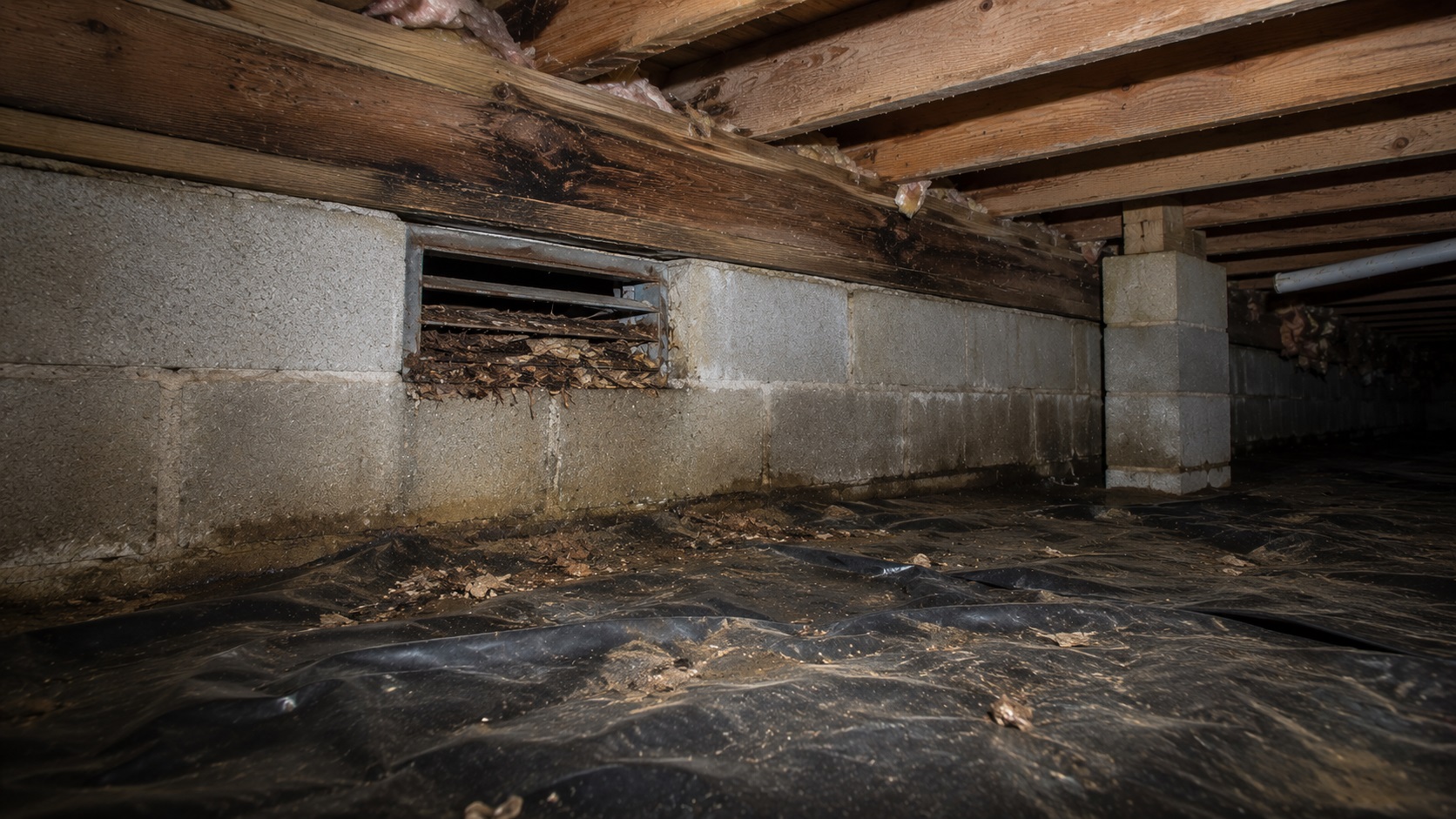
Signs of Poor Crawl Space Ventilation
Poor crawl space ventilation often shows up as a pattern of musty odors, damp surfaces, condensation, sagging insulation, rust, and uneven indoor humidity. These warning signs usually develop slowly because humid air becomes trapped beneath the home instead of drying out or moving away.
The most important clue is consistency. A single damp spot may point to a leak, but widespread humidity, repeated condensation, stale air, and moisture symptoms that return after drying often suggest poor crawl space airflow. Recognizing these signs of poor crawl space ventilation can help you investigate the crawl space before mold growth or wood deterioration becomes more serious.
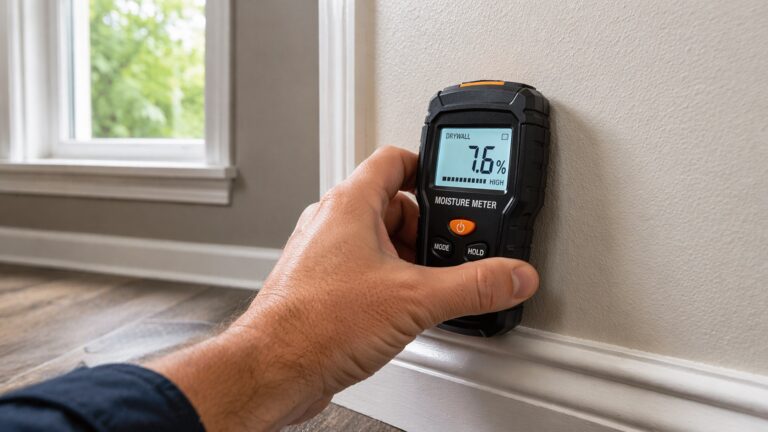
If symptoms also appear in floors, walls, or indoor air, compare them with a broader inspection strategy such as how to find hidden moisture in different areas of your home. That helps separate crawl space ventilation problems from plumbing leaks, roof leaks, and other hidden moisture sources.
What Poor Crawl Space Ventilation Usually Looks Like
Poor crawl space ventilation usually creates a group of small warning signs rather than one dramatic symptom. The pattern matters more than any single clue.
Most crawl spaces are designed to allow some level of air movement. This airflow helps reduce humidity, remove moisture vapor, and keep structural materials dry. When airflow is restricted, humid air becomes trapped inside the crawl space, allowing moisture levels to build slowly.
Common early indicators of poor crawl space ventilation include:
- Stale or musty odors coming from floors or vents
- Persistent dampness on crawl space surfaces
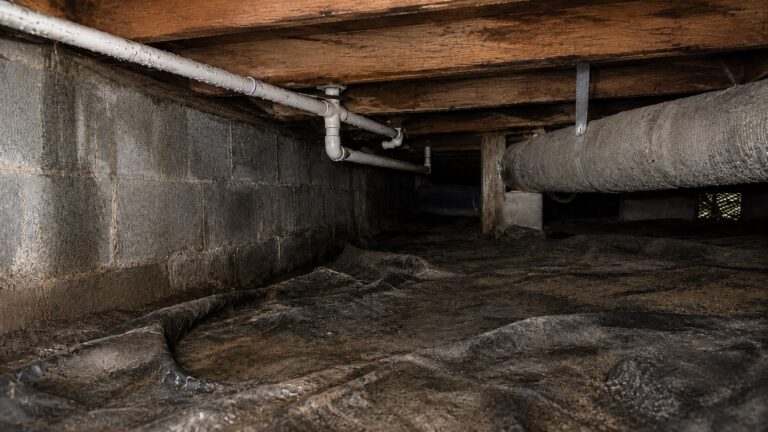
- Condensation forming on pipes or ducts
- Insulation that appears wet, sagging, or compressed
- Uneven indoor humidity levels
- Rust forming on metal components
- Visible mold-like staining on wood materials
A useful distinction is spread. Poor ventilation usually affects broad areas slowly: odors strengthen, wood darkens unevenly, insulation sags, and condensation returns in the same zones. A plumbing leak usually creates a more localized wet spot near a pipe, drain, or fixture.
Poor ventilation can create mold-friendly conditions before visible mold appears. If staining, odor, or damp wood is already present, compare those symptoms with signs of mold growth in crawl spaces.
Ventilation problems are especially common in crawl spaces with blocked vents, poorly positioned insulation, or heavy vegetation near vent openings. Over time, these conditions reduce airflow and allow moisture to accumulate in hidden areas.
Understanding these early patterns makes it easier to move toward more detailed inspections. If symptoms persist or increase, the next logical step is to investigate airflow conditions more directly using structured detection methods such as those described in how to detect inadequate crawl space airflow.
Musty Odors Coming From the Crawl Space
One of the earliest and most noticeable signs of poor crawl space ventilation is a persistent musty odor. Many homeowners first detect ventilation problems through smell rather than visible damage. These odors often drift upward into living spaces, especially through floor openings, wall cavities, and duct systems.
Musty smells develop when damp air becomes trapped inside the crawl space and organic materials begin to break down. Wood framing, insulation paper backing, and soil debris can all contribute to odor formation. When ventilation is working properly, these odors are diluted and removed through airflow. When airflow is restricted, the smell lingers and gradually becomes stronger.
Homeowners often describe this odor as:
- A damp, earthy smell similar to wet soil
- A stale, closed-in air smell near floor vents
- A noticeable odor that increases during humid weather
- A smell that becomes stronger after rain or seasonal humidity changes
It is important to understand that a musty smell does not always mean visible mold is present. In many cases, odor appears before mold growth becomes visible. Moisture trapped in wood and insulation can create favorable conditions for mold long before surface staining occurs. If odor persists, it is wise to compare conditions with known moisture patterns, such as those explained in why crawl spaces stay damp, which outlines how humidity behaves in enclosed spaces.
Another common mistake is assuming that odors originate from inside living areas. In many homes, crawl space air naturally moves upward due to temperature differences between indoor and outdoor environments. This upward movement carries humid air and odors into the home, sometimes making the smell appear to come from walls or floors.
Odor behavior also provides clues about severity. For example:
- Light odor: Often indicates mild humidity buildup
- Moderate odor: Suggests consistent dampness
- Strong persistent odor: May indicate mold development or chronic moisture retention
If musty smells continue despite cleaning indoor areas, the crawl space should be considered a likely source. Odors that return after temporary improvement often indicate that ventilation problems remain unresolved rather than fully corrected.
Damp Soil, Wet Vapor Barriers, or Lingering Humidity
Damp surfaces inside the crawl space are another strong indicator of poor ventilation. When airflow is limited, moisture vapor from soil and surrounding ground remains trapped in the crawl space instead of dissipating. Over time, this creates persistent damp conditions even when no visible water intrusion exists.
In crawl spaces with exposed soil, evaporation is a continuous process. Moisture naturally rises from the ground into the air. Proper ventilation helps remove this vapor before it accumulates. When ventilation fails, the vapor builds up and settles onto surfaces throughout the crawl space.
Common surface-level signs include:
- Damp soil that remains wet long after rainfall
- Plastic vapor barriers with visible water droplets
- Moisture collecting along edges of vapor barrier seams
- Persistent humidity that feels heavy or stagnant
- Wood framing that appears darker than surrounding areas
Plastic vapor barriers often reveal moisture patterns clearly. Droplets on top of the plastic, moisture along seams, or damp edges near foundation walls can suggest trapped humidity or ground moisture. A single puddle under one pipe is more likely to be a leak; widespread dampness across the barrier points more toward crawl space moisture conditions.
It is also common for homeowners to confuse damp surfaces with plumbing leaks. While leaks create localized wet spots, ventilation-related moisture typically affects larger areas more evenly. If dampness appears across wide sections of the crawl space rather than in one isolated location, poor airflow may be the underlying cause.
Humidity-related dampness can also spread gradually into structural materials. Insulation facing may feel moist, and wooden joists may appear slightly swollen or discolored. These changes often develop slowly, making them easy to overlook until the problem becomes more severe.
When damp conditions persist, it becomes important to determine whether airflow is functioning correctly. In some cases, blocked or undersized vents allow moisture to accumulate faster than it can escape. Identifying these airflow limitations early can prevent further damage and may reduce the likelihood of mold formation described in why crawl space ventilation causes moisture problems.
Lingering humidity also affects indoor comfort. Floors above poorly ventilated crawl spaces may feel cooler or slightly damp to the touch. This happens because moisture trapped below the home reduces insulation effectiveness and allows heat transfer to occur more easily.
Safety note: Do not enter a crawl space with standing water near electrical wiring, sewage contamination, strong mold odor, or visibly damaged framing. Inspect from the opening and call a professional if conditions appear unsafe.
If damp soil or vapor barrier condensation is consistently present, it often indicates that airflow alone is not keeping moisture levels under control. At this stage, further inspection of vents and airflow pathways becomes necessary to confirm whether ventilation performance is adequate.
Condensation on Pipes, Ducts, Insulation, or Framing
Condensation inside a crawl space is one of the clearest physical signs that ventilation is not working properly. When humid air becomes trapped and cannot circulate, moisture begins collecting on cooler surfaces. Over time, repeated condensation cycles create damp conditions that affect structural materials and mechanical systems.
The most common places where condensation forms include:
- Cold water pipes
- Metal HVAC ducts
- Wood framing near exterior walls
- Subfloor surfaces above the crawl space
- Insulation facing or vapor barrier materials
Condensation usually appears as small droplets that return on the same cool surfaces. If those droplets keep reappearing instead of drying between weather changes, the crawl space may not be moving humid air out quickly enough.
Metal components are especially vulnerable to condensation. Ductwork often carries cool air during warm months, making it one of the coldest surfaces in the crawl space. When humid air contacts these cooler surfaces, condensation forms quickly. Over time, this moisture can drip onto insulation, wood framing, or soil below.
Homeowners may also notice:
- Water droplets forming repeatedly on the same surfaces
- Rust beginning to develop on metal fasteners or ductwork
- Moisture pooling beneath pipes or duct joints
- Wet insulation located directly below condensation points
Condensation problems often worsen during seasonal humidity increases, especially in warm climates or during rainy weather. If condensation appears regularly rather than occasionally, the crawl space may not have enough airflow to remove excess moisture.
Understanding how condensation behaves can help determine whether airflow is the root cause. In many cases, repeated condensation cycles eventually lead to mold growth or wood discoloration. Comparing these symptoms with known airflow limitations—such as those explained in how to detect inadequate crawl space airflow—can help confirm whether ventilation issues are contributing to moisture buildup.
Mold-Like Stains or Wood Discoloration
Visible staining on wood framing is another warning sign that crawl space ventilation may be inadequate. While discoloration does not always indicate active mold growth, it often signals long-term exposure to elevated moisture levels. Poor airflow allows humidity to remain trapped, creating ideal conditions for gradual material changes.
Common types of discoloration include:
- Darkened patches on wooden joists
- Gray or black spotting on subfloor surfaces
- White residue forming on wood or masonry
- Uneven color patterns across structural components
These visual changes usually occur gradually rather than suddenly. In early stages, discoloration may appear as faint patches or streaks that spread slowly over time. As moisture exposure continues, stains may become more visible and widespread.
It is important to distinguish between mold-like staining and normal aging. Older wood often darkens naturally, but moisture-related discoloration usually appears uneven and localized near damp areas. Spots near condensation zones, vapor barrier seams, or poorly ventilated corners are especially important to monitor.
If visible staining is accompanied by musty odors or damp surfaces, the likelihood of moisture-related damage increases. Comparing visual symptoms with known mold warning signs—such as those described in signs of mold growth in crawl spaces—can help determine whether further inspection is necessary.
In some cases, staining may also indicate mineral buildup from evaporating moisture. White powder-like residue on masonry surfaces often forms when water vapor repeatedly condenses and evaporates. This pattern suggests ongoing humidity problems rather than isolated water leaks.
Wood discoloration should never be ignored, especially when it continues to spread. While minor changes may appear harmless at first, long-term exposure to moisture weakens wood fibers and increases the risk of structural deterioration.
Sagging Insulation and Rusted Metal Components
Insulation damage is another common symptom associated with poor crawl space ventilation. When humid air remains trapped beneath the home, insulation materials absorb moisture and gradually lose their shape and effectiveness. Over time, this creates visible changes that can affect indoor comfort as well as structural performance.
The most common insulation-related signs include:
- Fiberglass insulation sagging or pulling away from joists
- Wet or compressed insulation materials
- Insulation appearing darker than surrounding areas
- Loose insulation hanging below floor framing
Damp insulation loses performance and often pulls away from the floor framing. Floors above the crawl space may feel colder, slightly damp, or unevenly insulated even when the living space itself looks dry.
In addition to insulation damage, metal components within the crawl space may begin to rust. Rust formation occurs when moisture remains on metal surfaces for extended periods. Poor ventilation prevents these surfaces from drying, allowing corrosion to develop slowly.
Common rust-prone components include:
- Nails and fasteners securing wood framing
- Metal support brackets and connectors
- HVAC duct hangers
- Plumbing pipe fittings
Rust typically begins as small reddish-brown spots that spread outward over time. Early-stage rust may appear harmless, but continued moisture exposure weakens metal strength and increases the likelihood of component failure.
When insulation sagging and rust appear together, the cause is often long-term humidity rather than sudden water intrusion. This combination strongly suggests airflow limitations that prevent moisture from drying effectively.
If these symptoms continue to worsen, homeowners should consider examining airflow improvement options such as those discussed in how to improve airflow in crawl spaces. Addressing airflow problems early can reduce the chance of more serious structural damage later.
Indoor Humidity Problems Linked to Crawl Space Air
Poor crawl space ventilation does not stay confined to the crawl space itself. In many homes, air naturally moves upward from the crawl space into living areas. This movement allows moisture-laden air to affect indoor humidity levels, even when the crawl space is not directly visible.
One of the most noticeable indoor symptoms is elevated humidity inside the home. While humidity changes can come from many sources, crawl space ventilation problems often create patterns that feel persistent rather than occasional.
Common indoor signs linked to crawl space ventilation problems include:
- Floors feeling cool, damp, or slightly sticky
- Indoor air feeling heavy or stale
- Humidity levels remaining high even during dry weather
- Musty odors appearing in lower rooms
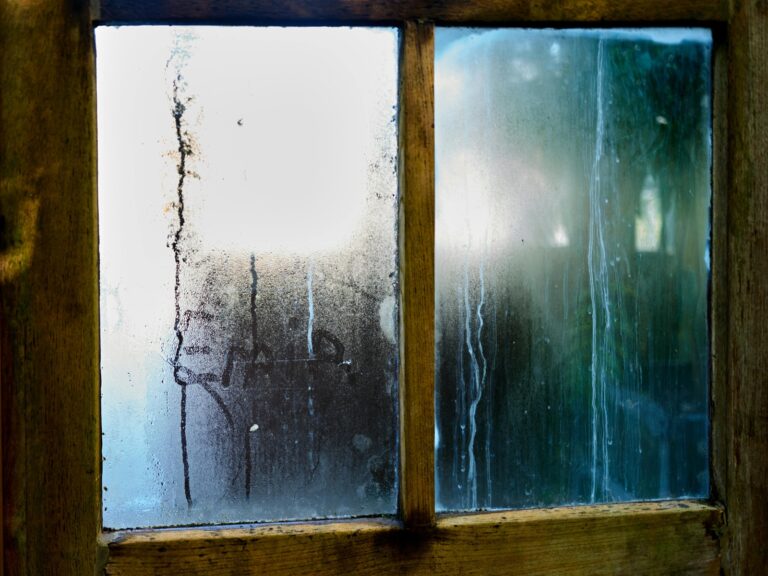
- Condensation forming on windows or vents
These indoor effects occur because humid crawl space air rises through gaps in flooring, wall penetrations, and duct systems. This upward movement is especially noticeable during seasonal changes when indoor and outdoor temperature differences increase.
If indoor humidity problems continue despite running ventilation fans or using dehumidifiers, crawl space airflow should be evaluated. Persistent humidity issues may also relate to structural moisture behavior patterns described in why crawl space ventilation causes moisture problems, which explains how airflow limitations lead to long-term moisture buildup.
When Poor Ventilation Becomes a Bigger Moisture Problem
Poor ventilation becomes more serious when the same symptoms keep returning after drying, cleaning, or seasonal changes. At that point, the problem is no longer just stale air; it is a recurring moisture pattern.
Moderate to advanced warning signs include:
- Persistent mold-like staining spreading across wood surfaces
- Strong musty odors that do not fade with cleaning
- Soft or slightly uneven floors above crawl spaces
- Insulation repeatedly becoming wet or falling loose
- Rust developing across multiple metal components
- Visible moisture patterns that return after drying
At this stage, poor ventilation is usually contributing to recurring moisture conditions rather than temporary humidity changes. If symptoms continue over multiple seasons, structural materials may begin absorbing moisture beyond safe levels.
When moisture patterns repeatedly return, it becomes important to investigate whether ventilation issues are combining with other causes. Conditions such as poor drainage or high ground moisture can intensify ventilation failures. In these cases, reviewing long-term moisture patterns such as those described in why crawl spaces stay damp can help identify overlapping causes.
In more advanced cases, professional evaluation may be necessary. If crawl space conditions worsen despite basic maintenance, airflow improvements or structural adjustments may be required to restore proper ventilation.
What These Signs Usually Mean Next
Recognizing symptoms is the first step. Once signs of poor crawl space ventilation appear, the next logical step is to inspect airflow pathways and ventilation openings. Many ventilation problems occur due to simple blockages rather than structural failure.
Important inspection points include:
- Crawl space vent openings along exterior walls
- Vegetation or debris covering vent openings
- Insulation blocking airflow inside the crawl space
- Signs of animal nesting near vents
- Damaged or missing vent covers
Blocked vents are one of the most common causes of poor ventilation, but this article should only help you recognize the signs. For a step-by-step vent check, use how to inspect crawl space vents for blockages.
If symptoms remain unclear, confirm airflow performance with how to detect inadequate crawl space airflow. If poor airflow is confirmed, review how to improve airflow in crawl spaces for correction options.
Frequently Asked Questions About Poor Crawl Space Ventilation
Can poor crawl space ventilation cause mold?
Yes. Poor ventilation allows moisture to remain trapped inside the crawl space, creating conditions that support mold growth. Mold does not appear immediately, but persistent humidity and damp materials significantly increase the likelihood of mold development over time.
Does a musty smell always mean mold is present?
No. Musty odors often appear before visible mold growth occurs. Damp materials and stagnant air can produce odors even without visible mold colonies. However, persistent odors should be investigated because they indicate ongoing moisture problems.
Are crawl space vents supposed to stay open all the time?
Vent position depends on climate, crawl space design, and whether the space is vented, sealed, or conditioned. The warning sign is not simply whether vents are open or closed; it is whether humidity, condensation, odors, or damp materials persist despite the current ventilation setup.
Can poor ventilation make floors feel damp?
Yes. Moisture trapped in crawl spaces reduces insulation effectiveness and allows damp air to affect flooring materials. This can make floors feel cool, humid, or slightly damp, especially during humid seasons.
When should a professional inspect crawl space ventilation?
A professional should inspect the crawl space if moisture signs keep returning, if insulation is wet or falling, if mold-like staining spreads, if floors feel soft, or if there is standing water, sewage contamination, electrical risk, or visible framing damage.
Conclusion: Recognizing Ventilation Problems Early Protects Your Home
Poor crawl space ventilation usually reveals itself through repeated patterns: musty odors, condensation, damp soil, wet or sagging insulation, rust, staining, and indoor humidity that does not improve easily. These signs matter most when they appear together or return after temporary drying.
If the symptoms point toward the crawl space, inspect vents and airflow pathways next. Early correction can reduce moisture buildup before it turns into mold growth, wood deterioration, or recurring indoor humidity problems.
Key Takeaways
- Poor crawl space ventilation often causes musty odors before visible damage appears.
- Condensation on pipes and ducts is a strong indicator of trapped humidity.
- Sagging insulation and rusted metal components signal long-term moisture exposure.
- Indoor humidity problems may originate from crawl space airflow failures.
- Blocked vents are one of the most common causes of poor ventilation.
- Early inspection and airflow correction help prevent mold growth and structural damage.
2 Comments
Comments are closed.