
How to Fix Persistent HVAC Condensation Issues (When Moisture Keeps Coming Back)
If HVAC condensation problems keep coming back, the system is usually still producing more moisture than it can drain, dry, or control. Cleaning a drain line, wiping water away, or drying the area may help for a short time, but recurring moisture means the source has not been corrected.
The lasting fix is to identify which part of the system is out of balance: drainage, airflow, indoor humidity, insulation, equipment sizing, or installation. If the main symptom is active water leaking from the unit, start with why HVAC units leak water indoors. If the issue has already become a repeated moisture pattern around building materials, compare it with structural moisture problems in homes.
This guide explains how to move from temporary cleanup to root-cause correction when HVAC condensation keeps returning.
Why HVAC Condensation Problems Keep Coming Back
Persistent condensation usually comes from one of two problems: the system is producing too much moisture, or the moisture it produces is not draining or drying properly.
What to Check First When Condensation Returns
When condensation returns after cleanup, check the pattern before repeating the same fix.
- If water backs up near the air handler, suspect drain slope, blockage, pan problems, or trap issues
- If ducts, boots, or nearby surfaces sweat, suspect insulation gaps, humid air contact, or cold surface condensation
- If the house feels humid even while cooling, suspect airflow, short cycling, oversized equipment, or inadequate dehumidification
- If the same materials stay damp after drying, suspect hidden moisture, poor ventilation, or repeated condensation reforming nearby
The pattern helps determine whether the next step is drain correction, airflow service, humidity control, insulation work, or a larger HVAC evaluation.
How System Imbalance Leads to Recurring Moisture
A recurring problem usually means one part of the moisture-control process is falling behind.
- The system produces too much condensation due to humidity or airflow problems
- The drainage system cannot remove water efficiently
- Environmental conditions allow moisture to reform repeatedly
When these factors combine, condensation becomes a recurring problem rather than a one-time issue.
If you’re unsure whether your system is already showing early warning signs, reviewing signs of HVAC condensation problems can help confirm whether conditions are already leading toward persistent moisture.
Most Common Causes of Persistent HVAC Condensation Issues
When condensation problems keep coming back, there is usually an unresolved cause related to drainage, airflow, humidity, insulation, or system design. This section summarizes the main causes from a repair-readiness angle; for a fuller causes breakdown, see why HVAC systems produce excess condensation.
Recurring Drain Line Clogs
One of the most frequent causes of persistent condensation problems is a drain line that repeatedly clogs. Even after cleaning, buildup can return quickly if conditions remain unchanged.
- Algae and biofilm regrow in warm, moist conditions
- Dust and debris continue to enter the drain system
- Slow drainage allows buildup to accumulate faster
This creates a cycle where the line works briefly and then slows again. If overflow has already occurred, review why HVAC drain lines overflow; if the line keeps clogging after cleaning, the next step is to check slope, trap configuration, pan condition, and recurring debris entry.
Excess Indoor Humidity
High humidity increases the amount of condensation your HVAC system produces. When moisture levels remain elevated, the system must constantly remove water from the air.
- Longer cooling cycles generate more condensation
- Drain systems handle higher water volume
- Minor issues become ongoing problems
If humidity is not controlled, condensation problems will continue even after other fixes are applied.
Poor Airflow Across the System
Airflow problems change how condensation forms and drains. When airflow is restricted, the evaporator coil becomes colder than intended, increasing moisture production.
- Dirty filters reduce air movement
- Blocked ducts limit circulation
- Fan or blower issues affect system balance
This leads to excess condensation and uneven moisture distribution. Over time, this contributes to recurring water problems.
If airflow restriction is severe enough to cause coil icing, turn the system off and have it evaluated before continuing to run it. Melting ice can look like a condensation leak, but the underlying problem may be airflow, refrigerant charge, or blower performance.
Oversized HVAC Systems
Systems that are too large for the space often cycle on and off too quickly. This behavior prevents consistent moisture removal.
- Short cycles reduce effective dehumidification
- Humidity remains high inside the home
- Condensation forms repeatedly under the same conditions
Oversized systems are a common but often overlooked cause of persistent condensation issues.
Improper Drainage Design or Installation
In some cases, the problem is built into the system itself. Poor installation can prevent proper drainage even when the system is otherwise functioning.
- Drain lines installed without proper slope
- Improper routing that traps water
- Components positioned incorrectly
These issues often lead to repeated clogs or slow drainage that cannot be fully resolved through cleaning alone.
Insulation and Environmental Issues
Condensation can also form outside the intended drainage system when insulation is inadequate or environmental conditions promote moisture buildup.
- Ducts or pipes may sweat in humid environments
- Cold surfaces attract moisture from warm air
- Water forms in areas not designed to handle it
This problem usually requires correcting the surrounding humidity, insulation, or air-sealing conditions.
When Cleaning and Drying Are Not Enough
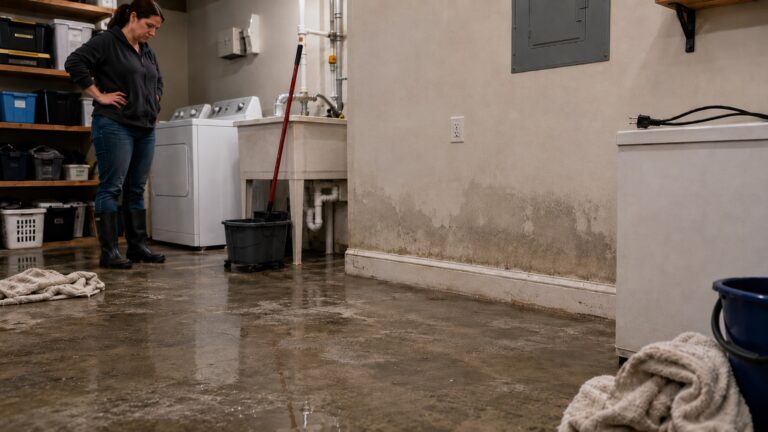
If you’ve already cleaned the drain line or dried affected areas and the problem keeps coming back, it means the root cause hasn’t been fixed. Cleaning and drying are important steps, but they only address the immediate symptoms—not the conditions that caused them.
- Drain lines clog again because moisture and debris conditions remain the same
- Damp areas return because condensation continues to form
- Odors persist because moisture is still present somewhere in the system
At this stage, repeated maintenance becomes a short-term workaround rather than a solution. If overflow has been part of the cycle, reviewing why HVAC drain lines overflow can help identify the specific drainage issue contributing to recurrence.
Similarly, if moisture has already caused damage, drying alone will not prevent it from happening again unless the underlying cause is corrected. In these cases, understanding how to dry areas affected by HVAC condensation helps manage damage—but does not eliminate the source of the problem.
Long-Term Fixes for Recurring Condensation Problems
Long-term fixes depend on where the repeat pattern starts. A drain problem needs a different correction than sweating ducts, high indoor humidity, short cycling, or poor airflow.
Improve Drainage Performance
Drainage fixes should correct why water slows down, backs up, or remains in the pan—not just clear the line once.
- Verify that the condensate line slopes continuously toward the outlet
- Check for low spots, sags, traps, or routing that lets water sit in the line
- Inspect the drain pan for rust, cracks, standing water, or poor outlet alignment
- Use maintenance to prevent buildup, but treat repeated clogging as a sign of a deeper drainage issue
The goal is steady drainage with no standing water in the pan or line after the system has been running.
If the same drain line keeps slowing down after cleaning, a closer inspection may be needed. The step-by-step drain check belongs in how to inspect HVAC drain lines for blockages.
Optimize Airflow
Airflow directly affects how condensation forms and how quickly moisture dries.
- Replace or clean air filters regularly
- Keep vents and ducts unobstructed
- Have blower speed, return airflow, and duct restrictions checked if condensation returns after filter replacement
Better airflow helps maintain balanced system operation and reduces excess moisture production.
Control Indoor Humidity
Reducing indoor humidity lowers the amount of water the coil and drain system must handle. Use a hygrometer instead of guessing, especially if the home still feels damp while the air conditioner is running. For measurement steps, see how to test indoor humidity levels.
- Use dehumidifiers in humid environments
- Limit activities that increase indoor moisture
- Ensure proper ventilation in high-humidity areas
Humidity control is especially important in climates where moisture levels remain high throughout the year.
Address Insulation Issues
Proper insulation prevents condensation from forming on surfaces outside the drainage system.
- Insulate exposed ducts and pipes
- Seal gaps where warm air contacts cold surfaces
- Prevent moisture from forming on external components
Correct insulation helps eliminate moisture sources that are often overlooked.
Evaluate System Size and Performance
If your HVAC system is not properly matched to your home, condensation problems may continue regardless of maintenance efforts.
- Oversized systems may not remove humidity effectively
- Short cycling reduces moisture control
- Performance issues can lead to repeated condensation
In these cases, professional evaluation may be needed to determine whether adjustments or upgrades are required.
How to Keep the Problem From Returning After Repairs
After the root cause has been corrected, prevention should focus on the part of the system that failed before.
- If the drain line clogged, inspect the pan and drain path before peak cooling season
- If airflow was restricted, replace filters on schedule and keep vents unobstructed
- If humidity stayed high, monitor indoor humidity instead of relying only on comfort
- If ducts or surfaces sweated, recheck insulation and air sealing after humid weather
For a broader maintenance-focused approach, see how to prevent HVAC condensation problems. If condensation has already caused mold or odor issues, review signs of mold growth from HVAC condensation so early warning signs are not missed.
When the Problem Requires Professional Repair
Some recurring HVAC condensation problems go beyond homeowner maintenance. If moisture returns after the drain has been cleared, the area has been dried, and basic airflow issues have been ruled out, the system may need professional evaluation for drainage design, blower performance, coil condition, refrigerant-related icing, equipment sizing, or installation problems.
Recurring Problems Without Clear Cause
- Condensation returns shortly after cleaning
- Drain lines clog repeatedly
- Moisture appears in different areas over time
These patterns suggest that multiple factors may be contributing to the problem, making it difficult to resolve without a full system assessment.
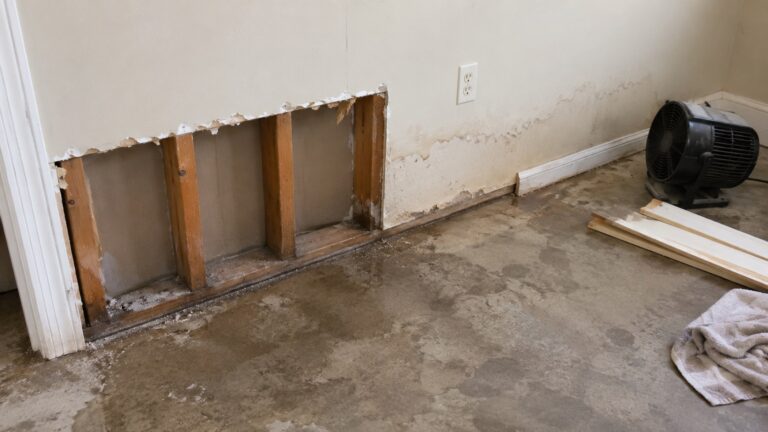
Evidence of Structural or Hidden Damage
- Soft or weakened drywall near HVAC areas
- Persistent dampness inside walls or ceilings
- Flooring that shows signs of warping or moisture
These signs indicate that moisture has been present long enough to affect structural materials, which often requires professional drying and repair.
Ongoing Leaks or System Performance Issues
- Water leaks during normal HVAC operation
- System cycles frequently or behaves inconsistently
- Cooling performance does not match expectations
These symptoms may point to airflow issues, system sizing problems, or internal component failures that require specialized expertise.
Mold Growth or Persistent Odors
- Visible mold appears near HVAC components
- Musty odors continue even after cleaning
- Mold returns after previous removal
Mold indicates that moisture has not been fully controlled. In these cases, both the moisture source and contamination must be addressed together.
Frequently Asked Questions About How to Fix Persistent HVAC Condensation Problems
Why does my AC condensation keep coming back?
AC condensation usually keeps coming back because water is still forming faster than the system can drain or control it. Common causes include slow drain lines, high indoor humidity, poor airflow, sweating ducts, short cycling, or installation problems.
How do I permanently fix HVAC condensation problems?
To permanently fix HVAC condensation problems, identify the repeat pattern first. Then correct the specific cause, such as drain slope, pan drainage, airflow restriction, indoor humidity, missing insulation, short cycling, or improper installation.
Can a clogged drain line keep returning?
Yes. A clogged condensate drain can keep returning if the line has poor slope, standing water, debris entry, algae growth, a pan problem, or a trap/routing issue that cleaning alone does not correct.
Is recurring condensation a sign of a bigger problem?
In many cases, yes. Persistent moisture often indicates system inefficiencies, environmental issues, or improper installation that require deeper evaluation.
Can HVAC system size cause condensation problems?
Yes. Oversized systems may not run long enough to remove humidity effectively, leading to repeated condensation and moisture issues.
Conclusion
Persistent HVAC condensation is a pattern, not a cleanup problem. If the same moisture keeps returning, identify where the pattern starts: the drain line, drain pan, airflow path, indoor humidity level, duct insulation, equipment cycle, or installation layout.
Once the repeat pattern is clear, the fix becomes more targeted. Clearing a line, drying materials, or wiping water away may be necessary, but the lasting solution is correcting the condition that lets condensation collect again.
Key Takeaways
- Common causes include drainage issues, airflow problems, high humidity, insulation gaps, and short cycling
- Long-term solutions require matching the fix to the repeat pattern
- Professional evaluation may be needed when condensation returns after basic drainage, drying, and airflow checks
One Comment
Comments are closed.