Why HVAC Drain Lines Overflow (Causes, Warning Signs, and What It Means for Your Home)
HVAC drain lines overflow when condensation cannot leave the air conditioning system fast enough. The cause is usually a clogged condensate line, a damaged or misaligned drain pan, poor drain slope, a failed condensate pump, or excessive moisture production from humidity or airflow problems.
Overflow is not the root problem. It is a warning sign that water is backing up somewhere in the drainage path. That backup may show up as water in the drain pan, dripping from a ceiling, moisture around the air handler, or a secondary drain line releasing water outside.
This guide explains why HVAC drain lines overflow, which warning signs usually appear first, and what repeated overflow means for your home. If you are still unsure whether the moisture is condensation-related, reviewing signs of HVAC condensation problems can help narrow down the source.
How HVAC Drain Lines Are Supposed to Work
Every time your air conditioner runs, it removes moisture from indoor air. That moisture condenses on the cold evaporator coil, drips into a drain pan, and should leave the system through the condensate drain line.
The Normal Condensation Process
When warm indoor air passes over cold coils, water forms naturally as part of the cooling process. This water drips into a primary drain pan located beneath the coils.
From there, the water flows into a condensate drain line, which carries it out of the home—usually through a gravity-fed pipe. In some systems, especially where gravity drainage isn’t possible, a condensate pump moves the water instead.
As long as water can move freely through this system, condensation does not cause damage. The surrounding materials remain dry, and moisture is safely removed from the home.
What Keeps the System Working Properly
For drainage to work correctly, several conditions must be met:
- The drain line must remain clear and unobstructed
- The pipe must be installed with proper downward slope
- The drain pan must be intact and correctly positioned
- Water must flow out faster than it accumulates
If any part of this system becomes restricted or fails, water begins to back up. Over time, even a small restriction can slow drainage enough to cause overflow during normal operation.
What Happens When Drainage Slows Down
Drain line overflow usually develops in stages. First, water drains more slowly than normal. Then it begins to stand in the primary pan. If the restriction continues, the pan fills faster than the line can empty and water spills into nearby materials.
If this has happened more than once, the problem may be part of a recurring moisture pattern rather than a one-time clog. Reviewing why moisture problems keep returning can help explain why the same drainage failures continue over time.
Most Common Causes of HVAC Drain Line Overflow
HVAC drain line overflow almost always comes down to one issue: water cannot leave the system fast enough. While that sounds simple, there are several specific causes that interfere with drainage. Understanding these causes helps you identify whether the problem is temporary, recurring, or part of a larger system failure.
Clogged Drain Lines from Algae and Biofilm
The most common cause of HVAC drain line overflow is clogging inside the condensate line. Because the line constantly carries moisture, it creates an environment where algae, slime, and biofilm can develop over time.
- Algae forms naturally in warm, damp conditions
- Dust and debris provide material for buildup
- Slime gradually narrows the pipe until water flow is restricted
At first, water may still drain slowly. But as buildup increases, the restriction becomes severe enough to cause water to back up into the drain pan. Eventually, the pan fills and overflows.
If you suspect a blockage but have not confirmed where it is, the next step is to inspect HVAC drain lines for blockages before assuming the pan, pump, or system design is the main problem.
Debris Buildup from Dirty Systems
Dust, insulation fibers, and loose debris can settle in the drain pan and wash into the condensate line. Once mixed with moisture and biofilm, even small debris can help form a stubborn blockage.
- Dirty air filters increase dust accumulation
- Construction debris can enter during renovations
- Insulation particles may collect near the coils
Improper Drain Line Slope
HVAC drain lines rely on gravity. If the pipe is not installed with the correct slope, water cannot flow efficiently.
- Flat or upward-sloping sections trap water
- Standing water allows debris to settle and harden
- Drainage slows even without a full blockage
This type of issue often leads to recurring overflow problems, even after the line has been cleaned.
Damaged or Misaligned Drain Pans
The drain pan is responsible for collecting condensation and directing it into the drain line. If it becomes damaged or misaligned, water may not enter the drain properly.
- Cracks allow water to leak before reaching the drain
- Rust weakens older pans
- Improper positioning causes uneven water flow
When this happens, overflow may appear even if the drain line itself is not clogged.
Loose or Disconnected Drain Line Connections
Over time, vibration from the HVAC system can loosen connections between drain components. This can cause water to leak before it exits the system.
- Water escapes at connection points
- Moisture builds up in hidden areas
- Leaks may appear in walls or ceilings
Because these leaks are often slow, they may go unnoticed until damage becomes visible.
Condensate Pump Failure
In systems where gravity drainage is not possible, a condensate pump is used to move water out of the home. If this pump fails, water cannot leave the system.
- Electrical failure stops the pump entirely
- Float switch issues prevent activation
- Mechanical wear reduces pumping efficiency
When the pump fails, the drain pan fills quickly and overflow can occur in a short period of time.
If water is near wiring, the pump, or the air handler controls, shut the system off and avoid touching wet electrical components until the area can be checked safely.
In situations where overflow has already caused water exposure, understanding how to dry areas affected by HVAC condensation is important to prevent further damage and reduce the risk of mold growth.
Less Obvious Causes That Can Lead to Drain Line Overflow
Not every overflow is caused by a simple clog. Some system conditions produce more condensate than usual or make a small restriction worse.
High Indoor Humidity Increases Condensation Load
When indoor humidity is elevated, the HVAC system removes more moisture from the air during each cooling cycle. This increases the volume of water entering the drain system.
- Longer cooling cycles produce more condensate
- Drain lines must handle higher water flow
- Minor restrictions become major bottlenecks
If humidity remains high, the system may generate more water than a partially restricted line can handle, leading to overflow.
Poor Airflow Across the Evaporator Coil
Airflow problems change how moisture behaves on the evaporator coil. When airflow is reduced, the coil may get too cold, produce uneven condensation, or even freeze and later release extra water as it thaws.
- Dirty or clogged air filters restrict airflow
- Blocked ducts reduce air movement
- Fan or blower issues limit circulation
These conditions can create irregular condensate flow, thaw-related water release, or more water entering the drain pan at once, making overflow more likely if the drain line is already restricted.
Oversized HVAC Systems and Short Cycling
An oversized HVAC system may short cycle, which can leave humidity higher than expected and create inconsistent condensate flow through the drain system.
- Short cycles prevent steady drainage flow
- Moisture accumulates unevenly in the system
- Drain systems may not clear fully between cycles
Over time, this inconsistency can contribute to repeated drainage issues.
Insulation Problems Around Ducts and Components
When ducts or HVAC components are not properly insulated, condensation can form outside the intended drainage system.
- Cold surfaces attract moisture from warm air
- Additional water forms outside the drain pan
- Moisture may drip into areas not designed to handle it
This may look like a drain overflow even when the water is actually forming on nearby cold surfaces. That distinction matters because clearing the drain line will not fix condensation caused by exposed or poorly insulated HVAC components.
Warning Signs Before an HVAC Drain Line Overflows
Overflow rarely happens without warning. In most cases, there are early signs that indicate drainage is slowing down or becoming restricted. Recognizing these signs allows you to address the problem before water damage occurs.
Slow or Inconsistent Drainage
One of the first signs of a developing problem is slow drainage from the system.
- Water remains in the drain pan longer than expected
- Drain flow appears weaker than normal
- Water clears slowly after the system shuts off
This indicates that something is restricting the flow, even if a full blockage has not yet formed.
Water Appearing in the Secondary Drain Line
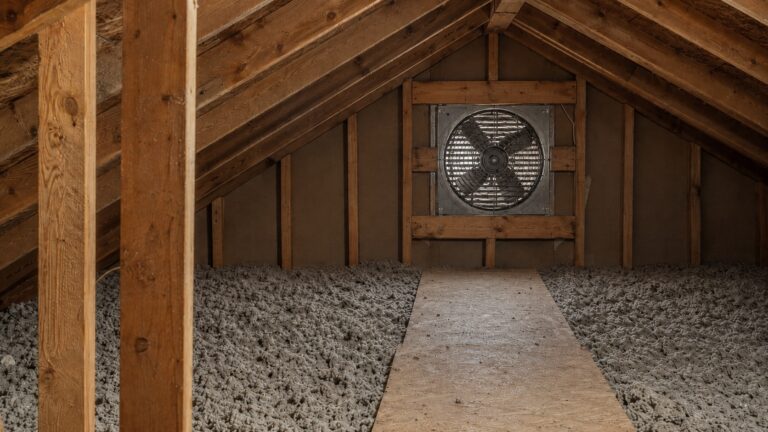
Many attic and closet air handlers include a secondary or emergency drain line. If water is coming from that outlet, the primary drain pan or primary line may already be backing up.
- Water dripping from a secondary outlet is a warning sign
- Indicates the primary line is restricted or clogged
- Provides early detection before major overflow occurs
Ignoring this warning often leads to more serious overflow problems.
Gurgling or Unusual Drain Sounds
Drain lines may produce unusual sounds when airflow or water flow is restricted.
- Gurgling indicates trapped air or partial blockage
- Irregular sounds suggest inconsistent drainage
These sounds often appear before visible water problems develop.
Musty Odors Near the HVAC System
Standing water inside the drain pan or line can begin to produce odors even before overflow occurs.
- Smell is strongest near the air handler
- Odor may spread through vents when the system runs
This can indicate stagnant water and the early stages of microbial growth.
Visible Water in the Drain Pan
While some water in the drain pan is normal during operation, it should not remain for long periods.
- Standing water that does not drain quickly is a warning sign
- Rising water levels indicate restricted flow
- Overflow becomes likely if the condition continues
If these warning signs are present, the system is already under stress and may overflow during extended operation.
Do not confuse a small amount of water moving through the pan during active cooling with standing water that remains after the system shuts off. Standing water, rising water, or water reaching the pan edge is the stronger warning sign.
What Happens When Drain Lines Overflow
When the drain system can no longer handle the volume of condensation, water spills out of the drain pan and begins to affect surrounding materials. The impact depends on the system’s location and how long the overflow continues.
Water Damage to Ceilings and Walls
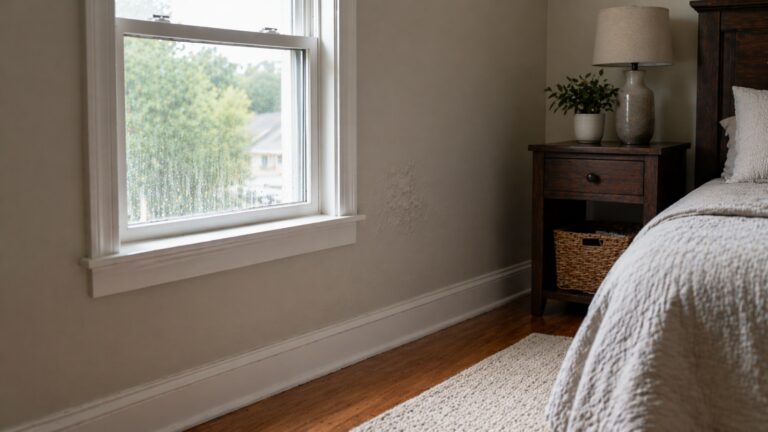
In attic-mounted systems, overflow often leads to ceiling damage below.
- Water stains form on drywall
- Paint may bubble or peel
- Ceiling materials can weaken over time
These signs may initially resemble roof leaks, but they are often caused by HVAC drainage failure. If you’re unsure about the source of water inside your home, reviewing why HVAC units leak water indoors can help differentiate between possible causes.
Floor and Structural Moisture Damage
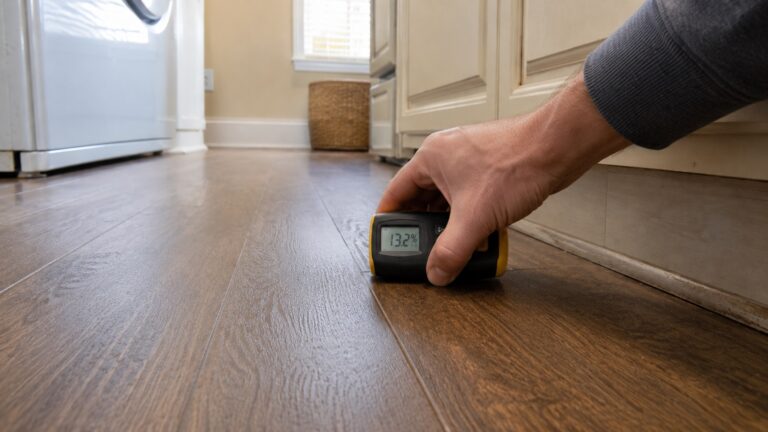
In systems located in closets, basements, or garages, overflow typically affects flooring and nearby structural materials.
- Water pools on floors or subfloors
- Carpet and padding absorb moisture
- Wood materials may begin to warp or weaken
Repeated exposure can lead to long-term structural issues if not addressed quickly.
Increased Risk of Mold Growth
Standing water and damp materials increase mold risk, especially when overflow reaches drywall, insulation, carpet, or wood framing.
- Mold may form on drywall, wood, or insulation
- Musty odors can spread through the home
- Hidden mold may develop behind surfaces
If mold signs are already present, reviewing signs of mold growth from HVAC condensation can help you assess how far the problem has progressed.
When Drain Line Overflow Indicates a Bigger Problem
A single overflow may come from a simple clog. Repeated overflow usually means the underlying cause has not been corrected.
Repeated Overflow After Cleaning
If the drain line has been cleared but overflow returns, the problem is likely not limited to a simple clog.
- Improper pipe slope may be slowing drainage
- System design may allow debris to accumulate quickly
- Moisture production may exceed drainage capacity
In that situation, the next step is not just clearing the line again, but checking why water keeps slowing down, backing up, or overwhelming the drain path.
Overflow Combined with Other HVAC Issues
Drain problems often appear alongside other system issues. When multiple symptoms occur together, they may point to a broader failure.
- Poor airflow increases condensation production
- Frequent system cycling creates uneven drainage
- Humidity levels remain consistently high
These combined conditions can overwhelm the drainage system and lead to ongoing moisture problems.
Hidden Moisture and Structural Impact
In some cases, overflow causes water to spread into hidden areas of the home.
- Moisture enters wall cavities or ceiling spaces
- Materials remain damp without visible signs
- Damage continues even after visible water is gone
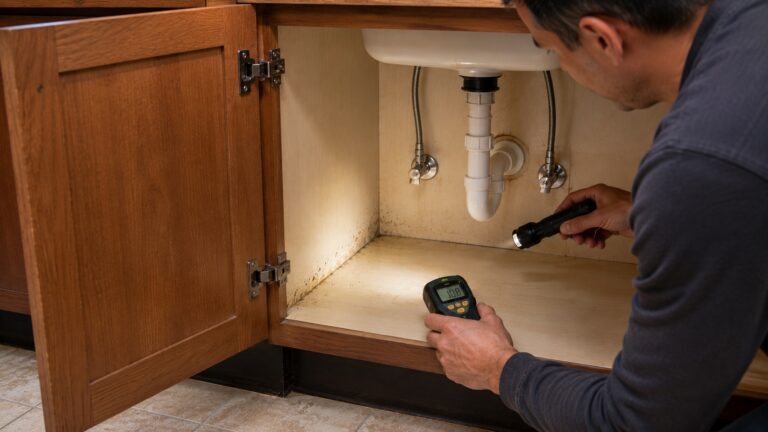
If hidden moisture is suspected, learning how to find hidden moisture in different areas of your home can help identify areas that require further inspection.
When to Call a Professional
Call an HVAC professional if the drain pan repeatedly fills, the secondary drain line is active, the condensate pump is not working, water is near electrical components, or overflow returns after the line has already been cleaned.
You should also get help if water has reached ceilings, wall cavities, flooring, insulation, or other materials that may stay damp after the visible leak is gone. For long-term system issues, reviewing how to fix persistent HVAC condensation issues can help you understand what repairs or system adjustments may be necessary.
Frequently Asked Questions About Why HVAC Drain Lines Overflow
Why does my HVAC drain line keep clogging?
Drain lines commonly clog due to algae growth, dust buildup, and debris accumulation. Without regular maintenance, these materials collect inside the pipe and restrict water flow over time.
Is an overflowing drain line dangerous?
It can be. The biggest risks are water near electrical components, ceiling or wall damage from attic systems, and hidden moisture in drywall, insulation, flooring, or framing. Repeated overflow is more concerning than a one-time small spill.
Why is water coming out of the secondary drain line?
This usually means the primary drain line is clogged, restricted, or not keeping up with the amount of condensate being produced. The secondary line is a warning outlet, especially on attic or closet systems, and should not be treated as normal drainage.
Can I use bleach to clear a drain line?
Do not rely on bleach as the main fix. Some systems and drain materials may not be suitable for harsh cleaners, and bleach will not correct poor slope, a failed pump, a cracked pan, or a heavy blockage. Follow the HVAC manufacturer’s guidance or have the line inspected if overflow keeps returning.
How often should HVAC drain lines be cleaned?
Most systems should have the condensate drain checked during routine HVAC maintenance. Systems in humid climates, attic locations, or homes where the air conditioner runs heavily may need more frequent inspection because algae and sludge can build up faster.
What HVAC Drain Line Overflow Means for Your Home
An overflowing HVAC drain line means condensation is being produced faster than the system can remove it. The immediate cause may be a clog, damaged pan, failed pump, poor slope, or excess condensation, but the important point is the same: water is backing up where it should not.
If the problem happens once, inspect the drain path and dry any affected materials. If it happens repeatedly, look beyond the visible water and find the condition that keeps slowing drainage, increasing condensation, or allowing moisture to return.