How to Detect Leaks Under Bathroom Sinks
To detect a leak under a bathroom sink, empty the vanity, dry every surface, place dry paper towels under the P-trap, supply lines, shutoff valves, and wall openings, then run water while watching where moisture first appears. Moisture that returns in the same spot after the cabinet has been dried is much stronger evidence of an active leak than one damp area found during a quick inspection.
Bathroom sink leak detection is about finding a reliable pattern. Timing helps separate drain leaks, supply line leaks, faucet seepage, condensation, old staining, and hidden wall moisture. For example, moisture that appears only while the sink drains usually points toward the drain assembly, while dampness that returns even when the sink is not being used often points toward a pressurized supply line or shutoff valve.
Small plumbing leaks can cause more damage than homeowners expect because they often stay hidden inside cabinets and wall openings. Understanding how plumbing leaks cause structural damage helps explain why even minor recurring dampness under a bathroom sink deserves attention.
Why Bathroom Sink Leaks Are Hard to Detect
Bathroom sink leaks are often harder to detect than they appear. The vanity cabinet may already be exposed to humidity from showers, wet hands, cleaning supplies, and damp towels. Because of that, moisture inside the cabinet can be mistaken for normal bathroom dampness.
Several conditions make bathroom sink leaks easy to miss:
- Small vanity cabinets limit visibility around pipes
- Stored bottles and supplies hide the cabinet floor
- Bathroom humidity can create condensation on cold pipes
- Old stains may remain from previous leaks
- Leaks may only appear while the sink is draining
- Water may travel along pipe surfaces before dripping
The most reliable way to detect a leak is to create a clean, dry baseline and then observe how moisture returns. If the cabinet is already damp, cluttered, or stained, it becomes much harder to tell whether the problem is active or old.
If the cabinet already shows staining, swelling, peeling surfaces, or soft material, compare those symptoms with the common signs of water damage under sink cabinets before deciding whether the moisture is new or old.
Step-by-Step Process to Detect Leaks Under Bathroom Sinks
The safest way to detect a leak under a bathroom sink is to inspect in stages. Each stage helps narrow down where the water is coming from without guessing, loosening fittings, or overtightening connections unnecessarily.
Safety note: Do not loosen supply lines, shutoff valves, or compression fittings while water is on. If water is near an outlet, wiring, or powered device inside the vanity, stop using the area until the electrical risk has been addressed.
1. Empty the Vanity Cabinet
Start by removing everything from the cabinet under the sink. Cleaning bottles, toilet paper, towels, trash bags, and personal care products can hide damp areas or create misleading moisture marks.
As you remove items, check them for signs of water exposure. Wet packaging, swollen cardboard, rust rings from cans, or damp towels may show where moisture has been collecting.
Look closely at the cabinet floor once everything is removed. Pay attention to:
- Dark stains
- Soft spots
- Warped surfaces
- Raised laminate edges
- Water marks near the back wall
- Residue beneath pipe joints
These signs do not always prove an active leak, but they help identify where testing should focus.
2. Dry Every Visible Surface
Before running any water, dry the entire cabinet area. Use a towel to wipe the cabinet floor, back wall, pipe surfaces, shutoff valves, and visible fittings. If the area remains damp before testing begins, you will not know whether new moisture is forming.
Drying also helps reveal whether moisture is actively returning. If a surface becomes wet again after being thoroughly dried, that is much stronger evidence of a current leak.
Pay special attention to pipe joints and valve connections. These small areas can hold droplets that look insignificant at first but reveal the starting point of a slow leak.
3. Place Dry Paper Towels Under Key Areas
Paper towels are useful because they show small drips quickly. Place dry paper towels beneath the P-trap, below shutoff valves, under supply line connections, and along the back of the cabinet floor.
You can also lightly wrap a dry paper towel around a suspected joint without forcing or bending the pipe. If a small leak is present, the paper towel will usually show a localized wet spot.
Good test locations include:
- Under the curved P-trap
- Beneath slip joint connections
- Below shutoff valves
- At supply line connection points
- Near the wall drain entry
- Along the back cabinet wall
This method is simple, inexpensive, and effective for identifying slow drips that may not be visible during a quick inspection.
4. Run Water and Observe Timing
Once the cabinet is dry and paper towels are in place, begin testing by running water. The goal is to observe when moisture appears and how it behaves. Timing is one of the most important clues in identifying the source of a leak.
Start with cold water, then test hot water, and finally fill the sink partially and let it drain. Watch closely during each phase and check the paper towels for new moisture.
Use one test at a time. If you run the faucet, splash water around the sink rim, and drain a full basin all at once, it becomes harder to tell whether the leak came from the faucet body, drain assembly, supply line, or cabinet back wall.
Pay attention to patterns such as:
- Water appearing only while the faucet is running
- Moisture forming only while the sink is draining
- Dampness that continues even after water is turned off
- No immediate moisture, but wet spots appearing minutes later
These patterns help narrow down whether the issue is related to supply lines, drain components, or water entering from above.
5. Check Drain Connections During and After Drainage
Drain leaks typically appear when water flows through the system. After filling the sink and releasing the water, observe the P-trap and all visible joints carefully.
Common signs of a drain-related leak include:
- Drips forming at slip joint connections
- Water collecting beneath the curved section of the P-trap
- Moisture appearing only during or shortly after draining
- Residue or buildup around pipe connections
Drain leaks are often intermittent, which means they may not appear during a quick test. If needed, repeat the fill-and-drain cycle multiple times to confirm whether moisture consistently returns.
If water is detected near drain connections but the exact source is unclear, repeat the test under the same conditions and compare the result with broader methods for how to detect slow plumbing leaks around fixtures.
6. Check Supply Lines and Shutoff Valves
Supply line leaks behave differently because they may occur continuously under pressure. These leaks can appear as slow drips, fine moisture buildup, or consistent dampness near fittings.
Inspect the following areas carefully:
- Connections where supply lines attach to the faucet
- Shutoff valves beneath the sink
- Compression fittings and threaded joints
- The length of braided or plastic supply hoses
Signs of supply line leaks include:
- Moisture that appears even when the sink is not in use
- Droplets forming along hoses or fittings
- Rust or corrosion on metal components
- Paper towels showing localized wet spots without draining activity
Because these leaks may be small and steady, they can go unnoticed until cabinet materials begin to absorb water. If dampness persists regardless of sink use, supply lines should be considered a likely source.
7. Check the Faucet Base and Sink Rim
Not all water under a bathroom sink starts from the pipes. Water can seep through the faucet base, drain opening, sink rim, or countertop cutout and then drip into the vanity from above.
After drying the cabinet, run water normally and wipe around the faucet base and sink rim. Then look underneath the sink for moisture forming directly below the faucet body, drain opening, basin opening, or countertop cutout. If the cabinet only becomes wet after water is splashed around the sink top, the source may be above the cabinet rather than in the drain or supply lines.
How to Tell the Difference Between a Leak and Condensation
One of the most common challenges when detecting bathroom sink leaks is distinguishing between actual plumbing leaks and condensation. Bathrooms are humid environments, and cold water lines can attract moisture from the air, creating droplets that look similar to leaks.
Condensation typically has different characteristics than a leak:
- Moisture appears evenly along pipe surfaces
- Water forms after hot showers or high humidity
- No single drip point or stain origin is visible
- Moisture reduces when bathroom humidity is controlled
- Paper towels may show dampness over a broad area rather than one point
A leak usually behaves more consistently. It tends to return from the same joint, connection, valve, or pipe opening. It may also appear during specific water-use patterns, such as draining the sink or using hot water.
If moisture only appears after showers and disappears when bathroom ventilation improves, condensation may be the issue. If moisture returns after controlled sink testing, a leak is more likely.
How to Identify Slow or Intermittent Leaks
Some bathroom sink leaks only appear under specific conditions, such as heavy drainage, hot water use, pressure changes, or slight movement in a loose connection.
To identify intermittent leaks, repeat the inspection under different conditions:
- Run hot water for several minutes
- Run cold water separately
- Fill the sink and release the drain quickly
- Check the cabinet after normal bathroom use
- Inspect again after several hours of no sink use
Record where and when moisture appears. If dampness shows up only after draining, the drain assembly is more likely. If moisture appears without using the sink, supply lines, shutoff valves, or hidden plumbing may be involved.
Common Leak Sources Under Bathroom Sinks
Different leak sources leave different patterns. Knowing what each source usually looks like can make inspection much easier.
P-Trap Leaks
The P-trap is the curved drain section beneath the sink. Leaks here often appear during drainage or shortly after water has passed through the pipe.
Common signs include:
- Water collecting beneath the curved trap
- Dampness at slip nuts
- Mineral residue around joints
- Drips after the sink drains
Supply Line Leaks
Supply lines carry pressurized water to the faucet. Because they remain under pressure, they may leak even when the sink is not being used.
Signs include dampness near fittings, corrosion, droplets on braided hoses, or paper towels becoming wet while the sink is off.
Shutoff Valve Leaks
Shutoff valves can leak around the stem, packing nut, or connection points. These leaks may be very slow and may only show as a small wet ring or drip below the valve.
If a shutoff valve is damp even when the sink has not been used, it should be inspected carefully.
Faucet Body Leaks
Leaks from the faucet body or faucet base may drip into the cabinet from above. These leaks can be mistaken for supply line leaks because water may travel down fittings or hoses before dripping.
Check whether water appears only after the faucet is used, especially around the underside of the faucet mounting area.
Wall Drain Connection Leaks
The drain pipe usually enters the wall behind the vanity. If moisture appears near this opening, the leak may involve the wall drain connection or hidden plumbing behind the cabinet.
Moisture near wall penetrations should be taken seriously because it may spread into drywall, framing, or flooring behind the vanity.
Signs the Leak May Be Hidden or Inside the Wall
If the cabinet becomes wet but no visible drain, supply line, valve, or faucet-base leak appears during testing, the moisture may be entering from behind the vanity or inside the wall.
Moisture Near Wall Penetrations
If dampness is concentrated around where pipes enter the wall, the leak may be located behind the cabinet rather than under the sink.
Warning signs include:
- Wet areas around pipe openings in the wall
- Staining that spreads outward from wall penetrations
- Moisture appearing behind rather than beneath plumbing
These signs suggest that water may be traveling from inside the wall cavity into the cabinet space.
Back Panel Staining or Softness
The back panel of a bathroom vanity is often made from thin material that reacts quickly to moisture. If this panel becomes soft, discolored, or warped, it may indicate hidden moisture behind the cabinet.
Look for:
- Dark or uneven staining behind pipes
- Flexible or weakened panel surfaces
- Peeling or bubbling finishes
When these symptoms appear, the leak may not be visible from the front and may require further investigation beyond the cabinet area.
Moisture That Returns Without Visible Dripping
If the cabinet becomes damp again after being completely dried, but no visible dripping is observed, the leak may be concealed. Water could be slowly seeping from behind the wall or collecting in hidden areas before spreading into the cabinet.
In these situations, more advanced detection methods may be needed. A broader guide on how to detect plumbing leaks inside walls can help determine whether the issue extends beyond the visible sink plumbing.
When Leak Detection Requires Professional Help
Many bathroom sink leaks can be identified using simple observation and testing, but some situations require professional evaluation. If the source of moisture remains unclear or the damage appears to be spreading, it is important to avoid guesswork and seek a more thorough inspection.
Professional help may be necessary if you notice:
- Moisture returning after repeated testing without a visible source
- Water appearing near wall penetrations or behind the cabinet
- Soft or damaged cabinet materials that continue to worsen
- Flooring outside the vanity showing signs of dampness or warping
- Multiple possible leak points that are difficult to isolate
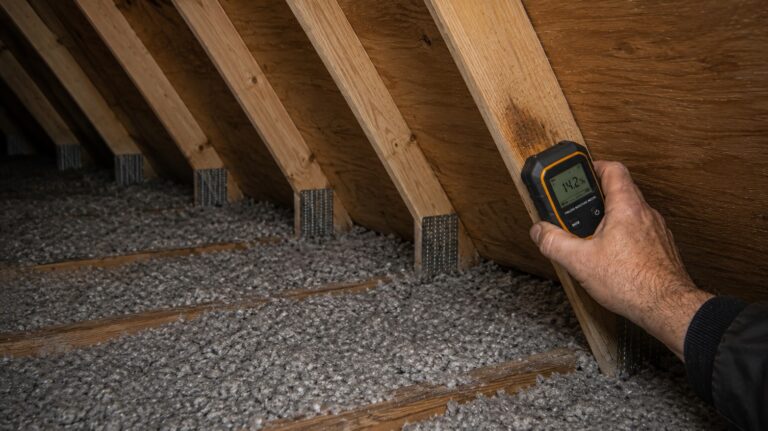
Plumbers and moisture specialists can use tools such as moisture meters, pressure tests, and targeted inspections to locate hidden leaks without unnecessary damage to walls or cabinetry. This is especially important when leaks may be affecting wall cavities, flooring, or framing around the vanity.
If moisture appears in more than one bathroom location, behind the vanity, near the toilet, or around shower plumbing, a broader inspection for hidden bathroom leaks may be needed before the affected cabinet or wall materials are repaired.
Frequently Asked Questions About Detecting Bathroom Sink Leaks
How do I confirm a bathroom sink leak?
The most reliable way to confirm a bathroom sink leak is to dry the vanity cabinet completely, place paper towels under the P-trap, supply lines, shutoff valves, and wall openings, then run one test at a time. Moisture that returns in the same location after a controlled test is stronger evidence than a single damp spot.
Can bathroom humidity cause false leak signs?
Yes. High humidity can create condensation on cold pipes, which may look like a leak. However, condensation usually forms evenly across surfaces and changes with humidity levels, while leaks produce localized and repeating moisture patterns.
What is the easiest way to test bathroom sink pipes?
The easiest test is the paper towel method. Dry the vanity, place towels under the P-trap, shutoff valves, supply line connections, and back wall openings, then run cold water, hot water, and a fill-and-drain test separately.
Why does water only appear sometimes?
Intermittent leaks may only occur during specific conditions, such as when the sink is draining, when hot water is used, or when pressure changes. Repeating tests at different times helps identify these patterns.
How long can a hidden leak go unnoticed?
A slow leak under a bathroom sink can go unnoticed for weeks or months if stored items hide the cabinet floor or the leak only appears during certain sink use. Recurring odor, swelling, staining, or dampness after drying should be treated as an active warning sign.
Key Takeaways
- Leak detection under bathroom sinks requires observation over time, not just a quick inspection
- Drying the cabinet first makes it easier to identify new moisture
- Paper towels help detect small leaks that are otherwise difficult to see
- Timing patterns reveal whether the leak is from the drain, supply line, or faucet area
- Condensation can mimic leaks but behaves differently under testing
- Recurring moisture, hidden dampness, or wall involvement may indicate a more serious issue
- Professional inspection is recommended when the source cannot be clearly identified