Should You Repair or Replace Mold-Damaged Drywall?
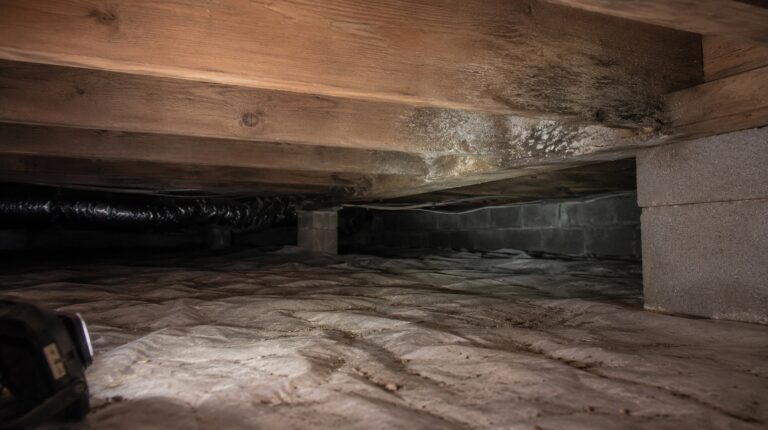
Mold-damaged drywall can sometimes be cleaned or repaired, but it often needs to be replaced when moisture has reached the drywall paper, softened the panel, spread behind the wall, or returned after previous cleaning. The right decision depends on where the mold is, how much drywall is affected, whether the wall is still damp, and whether the moisture source has been fixed.
As a general rule, small surface mold on intact painted drywall may be repairable if the area is dry, firm, and caused by a limited humidity problem. Moldy drywall should usually be replaced when it is soft, swollen, crumbling, water-stained from an active leak, moldy through the paper facing, or affected by recurring moisture. If the mold may be inside the wall cavity, the decision becomes less about surface cleaning and more about safe removal, drying, and moisture correction.
This article focuses on the repair-or-replace decision. For a broader mold cleanup framework, see How To Remove Mold Permanently. If you are still trying to understand how moisture problems start, spread, and return throughout a home, the larger guide on how to find, fix, and prevent moisture problems in homes explains the full moisture-control process.
Can Mold-Damaged Drywall Be Repaired?
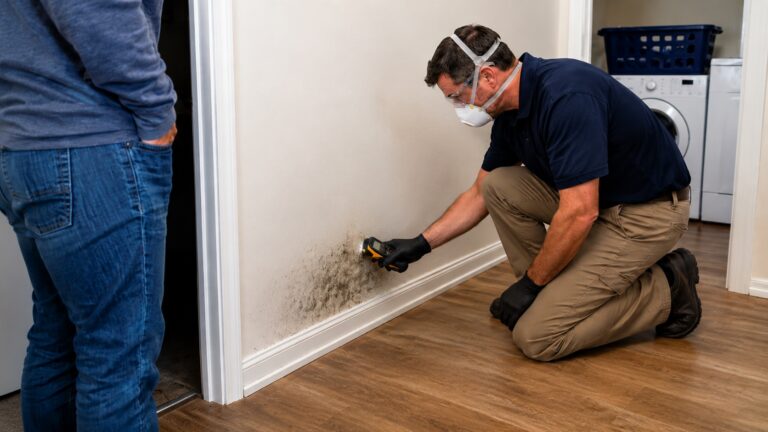
Mold-damaged drywall can sometimes be repaired, but only when the mold is limited to the surface and the drywall itself is still structurally sound. The safest repair scenario is a small patch of mold on a painted wall where the paint is intact, the drywall feels firm, the wall is dry, and the cause is a clear surface moisture issue such as bathroom humidity or poor airflow behind furniture.
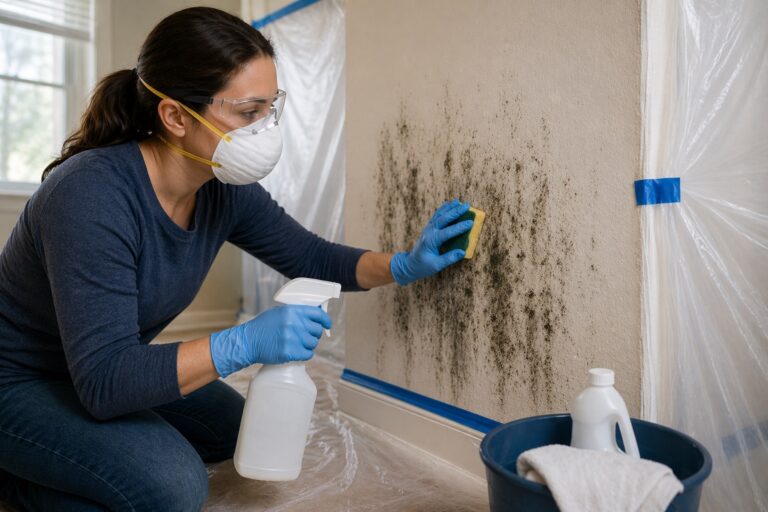
In that kind of situation, the drywall panel may not be ruined. The mold may be growing on dust, paint film, soap residue, or surface moisture rather than deep inside the paper facing. After the moisture source is corrected, the affected area may be cleaned and monitored. If you need the actual cleanup process, use the separate guide on how to remove mold from drywall instead of treating this decision guide as a step-by-step removal article.
However, drywall becomes much harder to save once mold is growing into the paper face or the gypsum panel has absorbed water. Drywall is not like tile, glass, or sealed metal. The outer paper is porous, seams can trap moisture, and the back side of the panel may stay damp longer than the visible surface. That is why mold on drywall requires more caution than a simple wall stain.
Why Moldy Drywall Is Different From Ordinary Wall Staining
Drywall mold is not only a cosmetic problem. A stain on painted drywall may sit on the surface, but mold needs moisture to grow. When mold appears, the more important question is why the wall stayed damp long enough for growth to develop. The visible patch may be the whole problem, or it may be the first clue of moisture behind the wall.
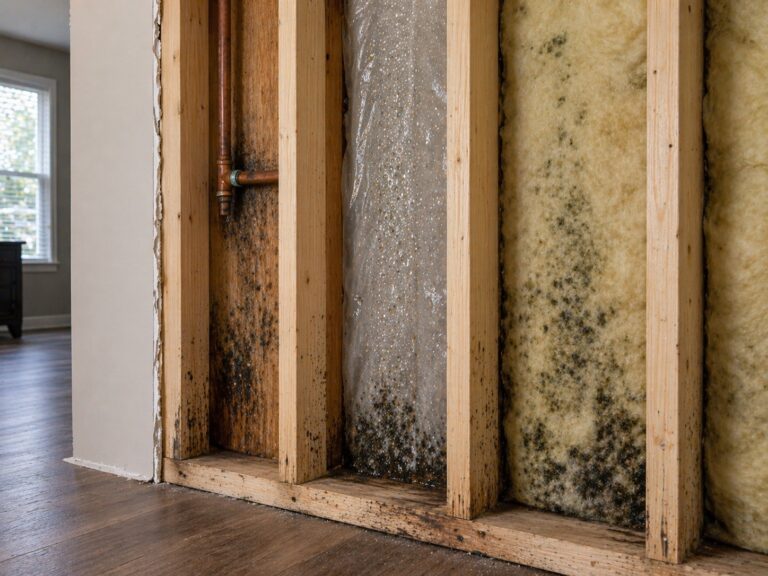
Drywall has several layers and weak points where moisture can hide, including:
- Paint or primer on the surface
- Paper facing under the paint
- Joint compound and taped seams
- The gypsum core of the drywall panel
- The back side of the drywall inside the wall cavity
- Insulation, studs, or framing behind the panel
- Baseboards, trim, cabinets, or fixtures that limit airflow
This is why the repair-or-replace decision should not be based only on whether the mold can be wiped away. A homeowner might clean the visible spots and still have damp paper, wet insulation, or hidden growth behind the drywall. If the wall was affected by a leak, flood, roof issue, basement seepage, or plumbing problem, drying and source correction matter before any repair decision is final.
For water-damaged walls, drying must come before repair. If the drywall was recently wet, see how to dry walls after water damage before assuming the wall is ready to patch, paint, or replace.
Quick Decision: Repair Small Surface Mold, Replace Damaged Drywall
The simplest way to decide is to judge the drywall material, not just the visible mold. Repair is only reasonable when the drywall is dry, firm, intact, painted, and affected only at the surface. Replacement is usually safer when the panel has absorbed water, softened, swollen, stained through the paper, or may be moldy on the back side.
| Situation | Better Direction | Why |
|---|---|---|
| Small mold patch on intact painted drywall | Repair or clean may be reasonable | The growth may be limited to surface dust, paint film, or condensation residue. |
| Soft, swollen, crumbly, or sagging drywall | Replace | The panel has lost strength and cleaning will not restore the material. |
| Mold on exposed or damaged drywall paper | Replace | The paper facing is porous and may be contaminated below the surface. |
| Mold after a leak, flood, roof issue, or basement seepage | Inspect and usually replace affected sections | Water may have reached the back side, seams, insulation, or framing. |
| Mold that returns after cleaning | Investigate moisture and consider replacement | Recurring growth usually means the source was not fixed or the material is still contaminated. |
If the wall is damaged by both mold and water, replacement may be only one part of the repair. You may also need to remove wet material, dry the wall cavity, correct the moisture source, and rebuild the surface properly. For the repair side of that process, see how to fix water-damaged drywall.
Why the Moisture Source Matters More Than the Mold Patch
A small mold patch can have very different meanings depending on the moisture source. Mold near a shower ceiling may be from repeated humidity and poor ventilation. Mold at the bottom of a basement wall may be from seepage, capillary moisture, or water trapped behind baseboards. Mold beside a window may point to condensation, failed caulk, flashing problems, or hidden water intrusion. Mold behind a cabinet may come from a slow plumbing leak that has been active for months.
This is why the first question is not simply, “Can I clean this?” The better question is, “Why did this drywall get moldy in the first place?”
If the cause is temporary and surface-level, repair may be realistic. If the cause is ongoing, hidden, or structural, cleaning the visible drywall will not solve the problem. The mold may return because the wall is still receiving moisture. In those cases, the drywall decision should be delayed until the source is identified and stopped.
Common moisture sources behind mold-damaged drywall include:
- Bathroom humidity without enough exhaust ventilation
- Condensation on cold exterior walls
- Slow plumbing leaks inside walls
- Roof leaks that wet ceiling drywall or upper walls
- Basement wall seepage
- Window leaks or failed flashing
- Flooding or repeated floor-level water exposure
- Moisture trapped behind baseboards, cabinets, or furniture
If mold appears to be coming from inside the wall rather than sitting on the surface, compare your situation with the warning signs in Signs of Mold Behind Walls. Hidden mold is one of the clearest reasons not to treat drywall mold as a simple wipe-and-paint project.
When Moldy Drywall May Be Repairable
Moldy drywall may be repairable when the mold is small, shallow, and clearly limited to the finished surface. This usually means the drywall is painted, the paint film is still intact, the panel feels firm, and the moisture problem has already been corrected. In these cases, the mold may be growing on surface dust, condensation residue, or the outer coating rather than inside the drywall paper.
The best repair candidates are minor surface patches in areas such as bathrooms, laundry rooms, closets, or behind furniture where air circulation was poor. The wall should not feel soft. The paint should not be bubbling. The drywall paper should not be exposed. There should be no active leak, no spreading stain, and no musty odor coming from the wall cavity.
Repair may be reasonable only when all of these are true:
- The mold is limited to a small visible patch.
- The drywall is painted or otherwise sealed.
- The wall surface is dry.
- The drywall feels firm when lightly pressed.
- The mold is not growing along a seam, baseboard, or cut edge.
- There is no known plumbing, roof, window, or basement leak nearby.
- The moisture source was surface humidity, not liquid water intrusion.
For example, a small patch of mildew-like growth on a painted bathroom wall may not require cutting out the drywall if the wall is dry and solid. The better repair may be cleaning the surface properly, improving exhaust ventilation, reducing humidity, and monitoring the area. But even then, the wall should not simply be painted over without addressing the moisture condition that allowed growth in the first place.
When Mold-Damaged Drywall Should Be Replaced
Mold-damaged drywall should usually be replaced when the drywall has absorbed water, lost strength, or allowed mold to grow into the paper facing. Once drywall becomes soft, swollen, crumbly, or mold-stained through the paper, surface cleaning is unlikely to restore the material. At that point, the issue is no longer just mold on the wall. It is damaged building material.
Replacement is usually the better decision when you see one or more of these signs, especially after a leak or repeated moisture exposure:
- The drywall feels soft, spongy, or weak.
- The panel is swollen, warped, sagging, or bulging.
- The paint is bubbling or peeling because of trapped moisture.
- The paper facing is fuzzy, torn, delaminated, or mold-stained.
- Mold follows seams, tape lines, corners, or baseboards.
- The mold appeared after a leak, flood, roof issue, or basement water intrusion.
- The wall smells musty even after surface cleaning.
- Mold returns in the same area after cleaning.
- The back side of the drywall may be wet or contaminated.
Drywall that has been soaked by liquid water is especially risky to save. Even if the front surface dries, the back side of the drywall can remain damp against insulation, studs, or exterior sheathing. This hidden moisture can allow mold to keep growing after the visible surface looks clean.
Replacement is also more likely when mold appears near the bottom of a wall. Lower-wall mold often points to water trapped behind baseboards, floor-level leaks, basement seepage, or previous flooding. In those situations, the trim and drywall edge may hide more damage than the exposed wall surface shows.
Surface Mold vs. Mold Embedded in Drywall
The most important distinction is whether the mold is sitting on the surface or growing into the drywall material. Surface mold on intact paint is much easier to address than mold embedded in drywall paper. Embedded mold usually means the drywall has become a food source and moisture reservoir, not just a background surface.
Signs the Mold May Be Surface-Level
Mold may be surface-level when it appears as small specks or patches on intact paint, especially in a humid room. The wall feels dry and solid, the paint is not damaged, and there is no staining that suggests water moved through the wall. This is the most likely situation where cleaning and moisture correction may be enough.
Surface mold is more likely when:
- The mold is on glossy or semi-gloss painted drywall.
- The wall is in a humid room with poor ventilation.
- The drywall is firm and flat.
- There are no water stains, soft areas, or bubbling paint.
- The pattern matches condensation or poor airflow rather than a leak path.
Signs the Mold May Be Embedded
Mold may be embedded when it stains the drywall paper, follows damaged seams, appears on exposed paper, or returns after cleaning. If the surface has been wet long enough for the paper to break down, the mold may not be removable by cleaning alone.
Embedded mold is more likely when:
- The drywall paper is visible, torn, fuzzy, or deteriorated.
- The mold is darkly stained into the surface instead of sitting on top.
- The wall has been wet from a leak or flood.
- The drywall feels soft or crumbly.
- The mold continues along seams, inside corners, or cut edges.
- The same area becomes moldy again after cleaning.
This is also where material behavior matters. Mold on drywall is different from mold on wood, masonry, or painted trim. Drywall paper can deteriorate quickly once it stays damp, while some structural materials require a different evaluation. For a broader material comparison, see Mold on Drywall vs Wood.
Why Painting Over Mold-Damaged Drywall Is Not a Repair
Painting over mold-damaged drywall is not a real repair. It may hide the stain temporarily, but it does not remove mold, dry the wall, fix damaged drywall paper, or stop the moisture source. If the wall is still damp, mold can continue growing beneath the coating or return around the edges of the painted area.
Primer and paint should only come after the affected material is cleaned or replaced, the wall is dry, and the moisture source has been corrected. Using paint as the first response can make the problem harder to track because it covers the warning signs without solving the cause.
This is especially important in bathrooms, basements, and lower-wall areas. If mold keeps returning in the same location, the problem is usually moisture behind or around the drywall, not a paint problem.
Why Soft or Swollen Drywall Usually Needs Replacement
Soft or swollen drywall usually needs replacement because the panel has lost some of its physical integrity. Drywall is designed to stay dry. When it absorbs water, the gypsum core can weaken, the paper can separate, and the finished surface can lose its bond. Mold growth on already-weakened drywall adds another reason to remove the affected section instead of trying to restore it cosmetically.
Homeowners often notice this as a wall that feels spongy near a stain, bends slightly when pressed, flakes apart near the baseboard, or leaves a chalky residue when touched. In ceiling drywall, moisture damage may appear as sagging, bubbling paint, brown rings, or soft areas around the stain.
Once drywall reaches this stage, cleaning the visible mold does not restore the panel. The damaged section may need to be removed so the wall cavity can be inspected and dried. After the moisture problem is corrected, the wall can be rebuilt with new drywall rather than patched over compromised material.
Repair vs. Replace Decision Checklist
Use the checklist below to decide which direction is more realistic. This is not a substitute for a professional inspection when mold is widespread or hidden, but it can help you avoid the two most common mistakes: replacing drywall before fixing the moisture source, or cleaning drywall that should have been removed.
Before using the checklist, gently press the area with a gloved hand, compare it with nearby unaffected drywall, look for bubbling paint or exposed paper, and check whether the stain lines up with a plumbing wall, window, ceiling leak, baseboard, or exterior wall. Do not cut into the wall until you have considered wiring, plumbing, insulation, and the possibility of hidden mold behind the panel.
Repair or Cleaning May Be Reasonable If:
- The mold covers a small, isolated area.
- The drywall is painted and the paint surface is still intact.
- The wall feels firm, flat, and dry.
- There is no active leak nearby.
- The mold appears related to surface humidity or condensation.
- The drywall paper is not exposed or deteriorated.
- There is no musty odor coming from inside the wall.
- The mold does not return after cleaning and humidity control.
In this situation, the drywall itself may not be ruined. The repair plan usually focuses on safe surface cleaning, better ventilation, lower humidity, and monitoring. If the mold appeared because the wall stayed damp after a minor leak, make sure the wall is fully dry before making the final repair decision.
Replacement Is Usually the Better Choice If:
- The drywall is soft, swollen, sagging, or crumbly.
- The mold appears to be embedded in the paper surface.
- The wall was wet from a plumbing leak, roof leak, flood, or basement seepage.
- The mold covers a large area or is spreading.
- The mold follows seams, corners, baseboards, or cut edges.
- The paint is bubbling, peeling, or lifting from moisture.
- There is a persistent musty smell.
- The mold returns after previous cleaning.
- You suspect mold on the back side of the drywall.
When several of these signs appear together, drywall replacement is usually safer than repeated surface cleaning. The goal is not only to remove stained material but also to expose hidden moisture, dry the cavity, and prevent the same wall from becoming moldy again.
What to Do Before Cutting Out Moldy Drywall
Cutting out moldy drywall can release dust and expose hidden damage, so it should not be the first move in every situation. Before removing drywall, slow down and identify the moisture source, the likely size of the affected area, and whether the job is still within a safe DIY scope.
Do not cut, sand, or tear out moldy drywall without precautions. Disturbing contaminated drywall can release dust, and walls may contain electrical wiring, plumbing, insulation, or hidden wet materials. If the area is large, the water source was contaminated, or you suspect hidden wall-cavity mold, stop and get professional help.
For general public-health guidance, the EPA recommends fixing the moisture source and removing mold-contaminated materials that cannot be cleaned and dried properly. See the EPA’s mold cleanup guidance for more detail.
Start with these questions:
- Is the moisture source fixed?
- Is the wall still damp?
- Is the mold isolated or spreading?
- Could there be insulation, framing, or wiring behind the affected area?
- Is the affected area small enough to handle safely?
- Would cutting into the wall disturb a larger hidden mold problem?
If the source is still active, removing the drywall will not solve the problem. New drywall can become moldy again if the leak, seepage, condensation, or humidity condition remains. This is why moisture correction should happen before cosmetic restoration.
If the drywall was damaged by water, the wall cavity may need drying before it is closed again. That includes the studs, insulation, sheathing, and back side of nearby drywall. Closing a damp wall with new material can trap moisture and restart the same mold cycle.
When Mold May Be Behind the Drywall
Mold behind drywall becomes a replacement concern when the visible mold is paired with staining, musty odor, recurring growth, wall softness, or a known leak. In those cases, the front surface may show only part of the affected material.
Warning signs that mold may extend behind the drywall include:
- A musty smell that remains after surface cleaning
- Mold that returns in the same area
- Water stains that spread outward from one point
- Soft drywall near the visible mold
- Mold near baseboards after a leak or flood
- Mold near a plumbing wall, shower, toilet, sink, or appliance
- Mold near a ceiling stain from a roof or upstairs plumbing leak
- Paint bubbling or peeling from moisture underneath
Hidden mold does not always mean the entire wall must be demolished, but it does mean the repair decision should be made carefully. A small inspection opening, moisture testing, or professional evaluation may be needed before the wall is patched and repainted.
If you are seeing odor, staining, or repeated growth without a clear surface cause, compare the situation with the guide to signs of mold behind walls. That article owns the hidden-mold symptom territory, while this article focuses on whether the affected drywall should be repaired or replaced.
Why Mold Comes Back After Drywall Cleaning
Mold usually comes back after drywall cleaning because the moisture problem was not fully corrected or the drywall material was already contaminated. The surface may look clean for a while, but if the wall keeps receiving moisture, mold can return on the same paint, along the same seam, or behind the same trim.
Common reasons mold returns after drywall cleaning include:
- The wall was cleaned before it was fully dry.
- The leak source was not repaired.
- Bathroom humidity stayed too high.
- The drywall paper was already contaminated.
- Mold was growing on the back side of the drywall.
- Insulation or framing behind the wall stayed damp.
- Airflow remained poor behind furniture, cabinets, or trim.
- The affected area was painted before the cause was fixed.
Recurring mold is one of the strongest signs that the issue is not just a dirty wall surface. It usually means the wall still has a moisture source, a material problem, or hidden contamination. In that situation, repeated cleaning can delay the real repair and allow more damage to develop. For a deeper look at recurrence causes, see why mold keeps coming back after cleaning.
How Location Changes the Repair-or-Replace Decision
The same amount of visible mold can mean different things depending on where it appears. Location helps you judge whether the mold is probably surface-level, leak-related, or connected to trapped moisture behind the drywall.
Bathroom Drywall
Bathroom drywall often develops surface mold from shower steam, poor exhaust ventilation, and repeated condensation. If the wall is painted, dry, firm, and only lightly affected, repair or cleaning may be reasonable. But mold near the tub, shower surround, toilet, vanity, or baseboard may also point to leaks, failed caulk, or moisture trapped behind trim.
Basement Drywall
Basement drywall deserves more caution because moisture can come from foundation seepage, damp concrete, floor-wall joints, poor drainage, or high indoor humidity. Mold near the bottom of basement drywall often pushes the decision toward removal, especially if baseboards are swollen or the wall smells musty.
Drywall Near Windows
Mold around windows may be caused by condensation, but it can also come from window leaks, failed exterior sealing, or flashing issues. If mold follows the window trim or appears below the sill, investigate water intrusion before deciding that the drywall only needs cleaning.
Ceiling Drywall
Mold on ceiling drywall may come from roof leaks, plumbing above the ceiling, attic condensation, or bathroom humidity. Sagging, staining, bubbling paint, or soft ceiling material usually means replacement is more likely than repair.
Drywall Behind Furniture or Cabinets
Mold behind furniture or cabinets can be caused by poor airflow and cold-wall condensation. But cabinets can also hide plumbing leaks, and furniture can hide exterior wall moisture. If the drywall is firm and the issue is clearly airflow-related, cleaning and prevention may work. If there is staining, softness, or odor, replacement or deeper inspection may be needed.
When to Call a Mold Remediation Professional
You should call a mold remediation professional when the mold-damaged drywall may involve hidden growth, widespread contamination, recurring moisture, or unsafe removal conditions. Small surface mold on intact painted drywall may be manageable for some homeowners, but moldy drywall caused by leaks, flooding, wall-cavity moisture, or repeated growth is different.
Professional help is especially important when:
- The mold covers a large area.
- The drywall is soft, swollen, crumbling, or sagging.
- The mold keeps returning after cleaning.
- There is a strong musty odor from the wall.
- You suspect mold behind the drywall.
- The mold followed a plumbing leak, roof leak, flood, or basement seepage.
- The drywall was affected by sewage, floodwater, or water that may be contaminated.
- Insulation, framing, or multiple wall sections may be affected.
- Someone in the home is unusually sensitive to mold or indoor air contaminants.
- You are unsure how far the moisture traveled.
A professional can help determine whether the drywall can be cleaned, partially removed, or fully replaced. They can also help contain dust, identify hidden moisture, dry affected cavities, and confirm whether surrounding materials need attention. For more escalation guidance, see when to hire a mold remediation professional and signs you need professional mold removal.
How to Prevent Mold From Returning After Drywall Repair or Replacement
Repairing or replacing mold-damaged drywall only works if the moisture source is fixed. New drywall can become moldy again if the same wall is still exposed to leaks, condensation, high humidity, or trapped cavity moisture.
After mold-damaged drywall is cleaned, repaired, or replaced, focus on these prevention steps:
- Fix plumbing leaks, roof leaks, window leaks, or basement seepage before closing the wall.
- Dry the wall cavity before installing new drywall.
- Remove wet insulation that cannot dry properly.
- Improve bathroom exhaust ventilation where humidity caused the mold.
- Reduce indoor humidity in damp rooms.
- Keep furniture slightly away from cold exterior walls to improve airflow.
- Monitor the area after repair for staining, odor, softness, or recurring spots.
- Avoid repainting until the wall is clean, dry, and stable.
If the drywall mold was caused by moisture behind the wall, prevention may involve more than the drywall itself. You may need to correct drainage, waterproofing, window sealing, ventilation, insulation, or plumbing conditions. If the same wall has repeated moisture issues, the problem belongs to the larger moisture-control system, not just the drywall surface.
Common Mistakes to Avoid
Painting Over Mold
Painting over mold is one of the most common mistakes. Paint may hide the stain, but it does not remove growth, dry the wall, or fix the moisture source. If the wall stays damp, the mold can return through or around the new coating.
Cleaning Soft Drywall Instead of Replacing It
Soft drywall is already damaged. Even if the visible mold fades after cleaning, the panel may no longer be sound. Soft, swollen, or crumbling drywall should usually be removed so the wall cavity can be inspected and dried.
Replacing Drywall Before Fixing the Leak
New drywall will not solve an active leak. If the source is still present, the replacement panel may become stained, wet, or moldy again. Always fix the moisture source before rebuilding the wall.
Assuming the Front Surface Shows the Whole Problem
The visible mold patch may be smaller than the affected area behind the wall. This is especially true near baseboards, ceilings, plumbing walls, windows, and basement walls. When odor, staining, or softness is present, the back side of the drywall may need inspection.
Ignoring Safety During Removal
Cutting, tearing, or sanding moldy drywall can disturb dust and mold-contaminated material. If removal is necessary, use appropriate precautions and know when the job is beyond safe DIY scope. For product-related safety planning, see best mold safety equipment for homeowners and best respirators for mold cleanup.
FAQ: Repairing or Replacing Mold-Damaged Drywall
Can moldy drywall ever be repaired instead of replaced?
Yes, but only in limited cases. Moldy drywall may be repairable when the mold is small, surface-level, on intact painted drywall, and the wall is dry and firm. If the drywall paper is moldy, the panel is soft, or the moisture came from a leak, replacement is usually the safer choice.
Should I replace drywall if mold is only on the paint?
Not always. If the mold is only on intact paint, the drywall feels solid, and the cause is surface humidity, cleaning and moisture control may be enough. But if the paint is bubbling, peeling, stained, or covering damp drywall, the wall needs closer inspection before you decide to keep it.
Can you paint over mold-damaged drywall?
No. Painting over mold-damaged drywall is not a proper repair. Mold and moisture must be addressed first. Paint should only be applied after the affected area is cleaned or replaced, the wall is dry, and the moisture source has been corrected.
How do I know if mold is inside the drywall?
You may suspect mold inside the drywall if there is a persistent musty odor, soft drywall, spreading stains, recurring mold, bubbling paint, or mold near a known leak. Mold around baseboards, ceilings, plumbing walls, and window trim is more likely to involve hidden moisture than mold sitting on an open painted surface.
Does soft drywall always need to be replaced?
Soft drywall usually needs replacement, especially when mold is present. Softness means the panel has absorbed moisture and lost strength. Cleaning the surface does not restore the damaged gypsum core or paper facing.
Can mold come back after replacing drywall?
Yes. Mold can come back after replacing drywall if the moisture source was not fixed. New drywall can become moldy again from the same leak, condensation, seepage, high humidity, or trapped cavity moisture that damaged the first panel.
When should a professional remove mold-damaged drywall?
A professional should remove mold-damaged drywall when the mold is widespread, recurring, hidden behind the wall, caused by significant water damage, or connected to insulation, framing, or structural moisture. Professional help is also wise when you are unsure how far the moisture traveled.
Final Decision: Save Only Dry, Firm, Surface-Level Drywall
You should repair mold-damaged drywall only when the mold is minor, surface-level, and the drywall is dry, firm, painted, and intact. You should usually replace mold-damaged drywall when the panel is soft, swollen, crumbling, moldy through the paper, affected by a leak, or showing recurring mold after cleaning.
The most important step is not choosing repair or replacement as quickly as possible. It is identifying why the drywall became moldy in the first place. If the moisture source remains, either option can fail. Clean drywall can become moldy again, and new drywall can be damaged by the same unresolved water problem.
When in doubt, treat mold-damaged drywall as both a material problem and a moisture problem. Save only what is dry, firm, intact, and truly surface-level. Replace what is wet, weakened, embedded, or recurring. Investigate hidden moisture before closing the wall.