
Does Insurance Cover Water Damage from Leaks? What Homeowners Need to Know
Insurance may cover water damage from leaks, but only in certain situations. The most important question is not simply whether your home has water damage. The more important question is what leaked, how it failed, how long it leaked, and whether the leak is covered by your policy.
A pipe that suddenly bursts behind a wall may be treated very differently from a slow drip under a sink that damaged the cabinet over several months. Both are leaks. Both can damage drywall, flooring, cabinets, trim, insulation, and personal property. But insurance companies usually classify them differently.
In general, homeowners insurance is more likely to cover water damage from a sudden and accidental leak. It is less likely to cover water damage from gradual leakage, poor maintenance, neglected repairs, foundation seepage, flooding, or long-term moisture. Because policies vary by company, state, endorsement, and claim history, this guide explains common leak-coverage patterns rather than guaranteeing a specific claim result. For the broader coverage picture, compare this with what water damage insurance typically covers.
Understanding the difference matters because leak damage can spread behind walls, under flooring, through ceilings, and into hidden cavities before the surface looks serious. Fast action, careful documentation, and preventing recurring moisture damage can reduce repair costs and make the claim history clearer.
The Short Answer: Sudden Leaks Are More Likely to Be Covered
Homeowners insurance is more likely to cover water damage from a leak when the leak is sudden, accidental, and not excluded by the policy. Examples may include a burst pipe, a failed washing machine hose, a sudden water heater rupture, or an unexpected indoor plumbing discharge.
Water damage from a leak is less likely to be covered when the damage developed slowly over time. This includes long-term dripping, neglected repairs, worn-out components, repeated leaks, old roof problems, foundation seepage, and moisture that the homeowner had a reasonable chance to correct earlier.
The claim usually depends on the source and timing of the leak. If the water appeared suddenly and damaged finished materials before the homeowner could reasonably prevent it, the claim may be stronger. If the evidence suggests weeks or months of dampness, the insurer may treat the damage as gradual or maintenance-related.
Quick signs the claim may be stronger
Leak damage may be covered when the water release is sudden and accidental. This means the event happened unexpectedly and was not simply the result of long-term deterioration or ignored maintenance.
Common examples include:
- A pressurized pipe suddenly bursts behind a wall
- A washing machine supply hose fails and releases water
- A dishwasher line suddenly leaks under the kitchen floor
- A water heater tank ruptures unexpectedly
- A toilet supply line breaks and floods the bathroom
- A covered roof event allows water to enter the home
Even in these situations, the insurer may still ask questions. When did the leak happen? When was it discovered? Did the homeowner stop the water quickly? Were photos taken before demolition? Were wet materials dried promptly? Is there evidence that the damage existed before the reported loss?
Coverage is not based only on the presence of water. It is based on whether the policy covers the cause of the water damage.
Quick signs the claim may be weaker
Leak damage is usually not covered when the insurer decides the problem was gradual, preventable, excluded, or related to poor maintenance.
Common examples include:
- A pipe that has been dripping slowly for months
- An old sink drain that has repeatedly leaked into a cabinet
- A roof leak caused by long-term deterioration
- Water entering through foundation cracks or basement walls
- Moisture from condensation or high indoor humidity
- Damage from neglected caulking, grout, flashing, or seals
- Floodwater, groundwater, or surface runoff entering the home
These situations can still cause serious damage, but insurance may classify them as maintenance or excluded water sources. That is why the same wet drywall or warped flooring can lead to different claim outcomes depending on the leak’s cause.
Why the Type of Leak Controls the Coverage Question
The word “leak” is too broad for insurance purposes. A leak can be sudden, slow, hidden, obvious, internal, external, clean-water, contaminated, weather-related, or maintenance-related. The insurer usually starts by identifying the source and timing of the water before deciding whether the resulting damage is covered.
Sudden and accidental leaks
A sudden and accidental leak is the strongest type of leak claim. It usually involves an unexpected failure that releases water quickly and causes damage before the homeowner can reasonably stop it.
For example, if a pipe bursts inside a wall while you are away from home, the resulting damage to drywall, flooring, trim, and insulation may be covered. The insurer may also review whether emergency mitigation was started quickly and whether the damage matches the reported timeline.
Sudden leaks can still create hidden moisture. Water may run down wall cavities, spread under flooring, or soak into ceiling materials. That is why leak damage should be viewed as part of a broader system of finding, fixing, and preventing moisture problems in homes, not just a visible stain on the surface.
Gradual or long-term leaks
Gradual leaks are much harder to claim. A slow drip under a sink, a loose toilet seal, a small roof leak, or a hidden pipe leak can cause extensive damage over time. But if the insurer determines that the leak was ongoing, the claim may be denied or limited.
Gradual damage often leaves clues. The adjuster may look for old stains, darkened wood, soft cabinet bases, warped flooring, corrosion, peeling paint, musty odor, mold, or material deterioration that suggests the leak existed for a while.
This does not always mean the homeowner knew about the leak. Hidden leaks can develop behind walls, under floors, and inside cabinets. However, some policies still exclude or limit damage from repeated seepage or leakage that occurs over an extended period.
Hidden leaks and timing disputes
Hidden leaks are one of the most confusing categories. A leak can be hidden and sudden, or hidden and gradual. Insurance coverage may depend on which one the evidence supports.
For example, a pipe that bursts inside a wall and is discovered when water appears on the floor may be a sudden hidden leak. A tiny pipe fitting that drips inside the wall for six months before mold and soft drywall appear may be a gradual hidden leak.
The homeowner may not be able to tell the difference at first. That is why early documentation matters. Photos, plumber reports, moisture readings, damaged material samples, and the condition of nearby framing or cabinets can help clarify whether the leak appears recent or long-term.
Before removing wet materials, try to document the first visible damage, the suspected leak source, nearby old stains, any mold or corrosion, and the exact date you discovered the problem.
If you suspect the problem developed out of sight, compare the situation with signs of slow hidden water leaks so you can look for clues before assuming the leak was sudden.
Common Leak Scenarios That May Be Covered
The following leak scenarios often create stronger claims when the water release was sudden, accidental, and not excluded by the policy. In many cases, the policy may help pay for resulting water damage, such as damaged drywall or flooring, but not the failed part that caused the leak.
Burst pipe behind a wall
A burst pipe behind a wall is one of the clearest examples of a potentially covered leak. If the pipe suddenly fails and water damages drywall, insulation, flooring, trim, or nearby personal property, homeowners insurance may apply.
The claim is stronger when the pipe failure was sudden, the homeowner shut off the water quickly, the area was documented before demolition, and drying began promptly. The claim may become weaker if the pipe had been dripping slowly for a long time or if the wall shows signs of old moisture damage.
Because wall leaks can hide moisture inside cavities, surface drying is not always enough. A wall may look dry while insulation, framing, or the back side of drywall remains damp. If the damage is hidden, it may help to understand how to find hidden water leaks inside walls before assuming the visible stain shows the full extent of the problem.
Sudden appliance leaks
Appliance leaks may be covered when they happen suddenly. Washing machines, dishwashers, refrigerators with water lines, ice makers, and water heaters can release enough water to damage floors, cabinets, baseboards, subfloors, and nearby walls.
For example, a washing machine supply hose that suddenly splits and floods a laundry room is different from a hose connection that has been dripping unnoticed for months. A sudden hose failure may create a stronger claim. A long-term drip may be treated as gradual leakage or maintenance-related damage.
Appliance leaks can be especially damaging because water often travels under flooring before it becomes obvious. Laminate, vinyl, hardwood, carpet padding, and subfloor materials can trap moisture below the surface.
Water heater rupture
A sudden water heater rupture may be covered if the tank or connection fails unexpectedly and releases water into the home. This can damage utility rooms, finished basements, nearby walls, flooring, stored items, and mechanical areas.
The insurer may look at whether the water heater failed suddenly or had been leaking slowly around the base. Rust stains, repeated puddles, corrosion, or old water marks may create a dispute about whether the damage was sudden or long-term.
If the water heater leak affects a finished basement, the claim may also involve basement-specific coverage questions. A basement water heater rupture is usually different from outside water entering the basement through the foundation, which is why basement water claims should be separated from basement flood damage insurance coverage.
Toilet, tub, or fixture overflows
Some toilet, tub, shower, or sink overflow damage may be covered if the overflow is sudden and accidental. For example, a toilet supply line that breaks or a bathtub overflow that damages flooring and ceiling materials below may be evaluated as a sudden water loss.
However, the details matter. A one-time accidental overflow is different from a fixture that has leaked repeatedly, a toilet seal that has been failing for a long time, or water damage caused by ignored plumbing symptoms.
Bathrooms are also high-risk areas for hidden moisture. Water can move under tile, behind baseboards, into subflooring, and through ceilings below. Even if the visible water is cleaned up quickly, trapped moisture may remain inside materials.
Covered roof leak damage
Roof leak damage may be covered when the leak results from a covered event. For example, if wind or storm damage creates an opening in the roof and rain enters the home, interior water damage may be covered.
But roof leaks are often disputed because many roof problems develop gradually. Old shingles, deteriorated flashing, clogged gutters, poor maintenance, or repeated unresolved leaks may lead the insurer to deny the claim.
The key question is whether the roof leak was caused by a sudden covered event or by long-term wear. A ceiling stain after a storm does not automatically prove coverage, but it does make documentation important.
Leak Scenarios That Are Often Denied or Limited
Leak damage is often denied or limited when the insurer decides the problem was gradual, preventable, maintenance-related, or caused by an excluded water source. A slow leak can still damage cabinets, flooring, walls, framing, insulation, and personal property, but insurance is generally stronger for sudden losses than for long-term moisture that should have been corrected earlier.
Slow under-sink leaks
Under-sink leaks are common because supply lines, drain fittings, disposal connections, valves, and traps can loosen or deteriorate over time. If the leak drips slowly into a cabinet base for weeks or months, the resulting damage may be denied as gradual leakage.
Signs of long-term under-sink leakage include swollen cabinet bottoms, dark staining, musty odor, soft particleboard, peeling finish, corrosion, and mold around the back wall or pipe penetrations.
If the leak was sudden, such as a supply line that failed abruptly, the claim may be stronger. If the damage appears old, widespread, or repeatedly wet, the insurer may view it as maintenance-related.
Long-term hidden pipe leaks
Hidden leaks behind walls or under floors are not automatically covered just because the homeowner could not see them. Some policies distinguish between sudden hidden leaks and repeated seepage or leakage that occurs over time.
A hidden pipe that bursts suddenly may be covered. A small leak that slowly wets framing, drywall, flooring, or insulation for months may be disputed or excluded.
Evidence matters. A plumber’s report, photos of the pipe, the condition of surrounding materials, and the pattern of damage can all influence how the insurer interprets the loss.
Neglected repairs or poor maintenance
Insurance usually does not cover damage that results from neglected repairs. If a homeowner knew about a leak and did not fix it, the insurer may deny later damage that could have been prevented.
Examples include ignoring repeated ceiling stains, delaying a known roof repair, leaving a dripping supply valve unrepaired, failing to replace a visibly deteriorated hose, or repeatedly cleaning up water without finding the source.
Maintenance records can help. If you repaired known problems promptly and kept invoices or contractor notes, those records may support the argument that you did not ignore ongoing moisture.
Foundation seepage and groundwater
Water entering through foundation walls, basement floors, slab cracks, or cove joints is usually treated differently from an indoor plumbing leak. This type of water often comes from groundwater, drainage problems, hydrostatic pressure, or seepage.
Standard homeowners insurance commonly excludes these sources. Even if the water appears suddenly during a heavy rain, the insurer may classify it as groundwater intrusion rather than a covered leak.
If the leak is related to foundation water entry, the solution is usually drainage, waterproofing, grading correction, sump system evaluation, or foundation repair rather than a standard leak claim.
Floodwater, sewer backup, and drain backup
Floodwater from outside the home is usually not covered by standard homeowners insurance. Sewer backup and drain backup may also be excluded unless the homeowner has a specific endorsement.
These water sources can look similar after they enter the home, but insurance classifies them differently. A pipe burst, a sewer backup, and outside floodwater may all leave wet flooring, but each may fall under a different coverage category.
Because water source matters, do not assume that every wet floor is handled under the same policy section. Ask your insurer whether the loss falls under homeowners coverage, flood insurance, sewer backup coverage, water backup coverage, or another endorsement.
Does Insurance Cover Hidden Water Leaks?
Insurance may cover hidden water leaks, but hidden does not automatically mean covered. The insurer still needs to determine whether the leak was sudden and accidental or whether it slowly damaged drywall, flooring, cabinets, insulation, or framing over time.
When a hidden leak may be covered
A hidden leak may be covered when it appears to come from a sudden failure inside the home. For example, a pipe may burst inside a wall cavity and release water before the homeowner notices a wet floor, ceiling stain, or damp baseboard.
In this type of situation, the insurer may look for evidence that the leak happened recently, caused damage quickly, and was not part of an ongoing maintenance issue. A plumber’s report can help clarify the failed component, the likely cause, and whether the damage pattern is consistent with a sudden event.
Why hidden slow leaks are often disputed
Hidden slow leaks are often disputed because they can create extensive damage before anyone sees the problem. A tiny drip behind a wall, under a cabinet, or beneath flooring can continue for weeks or months. By the time the homeowner notices staining, odor, mold, or soft materials, the damage may look long-term.
The insurer may look for signs such as old staining, darkened framing, rot, corrosion, mold growth, repeated patching, or widespread material deterioration. These clues can suggest that the leak existed for an extended period.
If the evidence points to long-term leakage, the claim may be denied or limited even if the homeowner did not intentionally ignore the problem.
Evidence insurers may look for
Evidence matters in hidden leak claims. The insurer may review photos, plumber reports, restoration notes, moisture readings, damaged materials, appliance condition, pipe condition, and the pattern of water movement.
Helpful documentation may include:
- Photos of the first visible signs of water damage
- Photos of the failed pipe, valve, hose, or fixture
- Moisture readings from walls, floors, or cabinets
- A plumber’s written explanation of the leak source
- Restoration company notes showing affected materials
- Receipts for emergency mitigation and repairs
- Dates showing when the damage was first discovered
If you are unsure how to organize the evidence, use how to photograph water damage for insurance claims as a documentation guide before major repairs or demolition begin. For denial risks beyond leak timing, see common reasons water damage claims are denied.
Roof Leaks, Foundation Leaks, and Other Special Leak Types
Not every leak is a plumbing leak. Water can enter through roofing materials, flashing, siding gaps, windows, foundations, basement walls, slab cracks, drains, or sewer lines. These sources may look similar once the water reaches the interior, but insurance may treat them differently.
The more clearly you can identify the source, the easier it is to understand which part of the policy may apply.
Roof leak water damage
Roof leak water damage may be covered when a covered event damages the roof and allows water into the home. For example, wind may damage shingles or flashing, creating a new opening that lets rain enter.
However, roof leaks caused by long-term deterioration are often disputed. If the roof is old, missing maintenance, repeatedly leaking, or damaged by wear rather than a sudden covered event, the insurer may deny the claim.
Interior damage from roof leaks can travel far from the entry point. Water may enter at the roof, run along rafters or sheathing, soak insulation, and finally appear as a ceiling stain in another area. That is why roof-related water damage often needs both interior documentation and roof inspection evidence.
Foundation seepage is usually not treated like a plumbing leak
Water entering through foundation walls, slab cracks, basement floor joints, or porous masonry is usually not treated like a sudden plumbing leak. It is often classified as seepage, groundwater intrusion, drainage failure, or hydrostatic pressure.
Standard homeowners insurance commonly excludes these sources. If your leak appears during rain, along the basement wall-floor joint, through floor cracks, or near foundation walls, compare the situation with basement flood damage insurance coverage because basement water claims often follow a different coverage path.
Sewer and drain backups may require endorsements
Sewer and drain backups are also separate from ordinary supply pipe leaks. If water or sewage backs up through a basement drain, toilet, shower, or utility sink, the claim may depend on whether the policy includes water backup or sewer backup coverage.
Without the right endorsement, these claims may be denied or limited. If the water is contaminated, avoid direct contact, keep children and pets away, and call qualified help. Sewage cleanup is not the same as drying clean water from a broken supply pipe.
Does Insurance Cover Mold After a Leak?
Insurance may cover mold after a leak if the leak itself is covered and the mold is directly related to that covered water damage. If the leak is excluded, gradual, maintenance-related, or caused by long-term moisture, the mold is much less likely to be covered. Some policies also exclude mold or limit mold cleanup to a specific amount.
Mold after covered water damage
If a pipe bursts suddenly and wets drywall, insulation, or flooring, mold that develops before the area can be fully dried may be tied to the covered water loss. The claim is stronger when the homeowner reports the damage quickly, documents the affected materials, and begins reasonable drying or mitigation.
Even then, mold cleanup may be capped or limited. The insurer may cover the water damage but apply a separate mold limit for testing, remediation, removal, or reconstruction.
Mold after slow or excluded leaks
Mold after a slow leak is more likely to be disputed. If a cabinet, wall cavity, ceiling, or floor has been damp for a long time, the insurer may decide that the mold resulted from gradual leakage or neglected maintenance.
The same issue applies to mold from seepage, humidity, condensation, and floodwater. If the water source is excluded, the mold that follows may also be excluded.
For the broader mold-specific coverage rules, compare this situation with whether home insurance covers mold damage. Mold after a leak follows the same basic logic: the source of moisture controls the coverage question.
Fast drying matters after any leak
Fast drying matters whether the claim is approved or not because trapped moisture can support mold growth inside drywall, insulation, flooring, trim, cabinets, or carpet padding.
After a leak, do not assume the area is dry just because the surface looks normal. Hidden moisture can remain inside porous materials and enclosed cavities. If the leak affected wall cavities, flooring layers, ceilings, or insulation, professional drying may be needed.
A guide on how to prevent mold after minor water leaks can help separate basic prevention from larger insurance and remediation questions.
What to Do Before Filing a Leak Damage Claim
Your first steps after discovering a leak can affect repair costs, mold risk, and claim clarity. The goal is to stop active damage, document the scene, and avoid removing important evidence too quickly.
Stop the leak if it is safe
If water is actively leaking, shut off the supply valve or main water valve if you can do so safely. Turn off the appliance if the leak involves a washing machine, dishwasher, refrigerator, or water heater. Do not touch electrical equipment, enter standing water, or step into a wet room if there may be an electrical hazard.
If the leak involves sewage, contaminated water, ceiling collapse risk, or water near electrical systems, call emergency help or qualified professionals instead of trying to handle it alone.
Take photos and videos before repairs
Before major cleanup or demolition, document the leak and the damage. Take wide photos of the room, close photos of damaged materials, and detailed photos of the suspected source.
Photograph wet drywall, ceiling stains, flooring damage, cabinet swelling, damaged pipes, appliance hoses, water heater areas, baseboards, insulation, and any visible water path. If water traveled into another room or floor level, document that too.
Keep damaged materials until documented
If materials need to be removed for safety or drying, photograph them first. Keep samples or damaged parts when practical, especially if a failed hose, pipe, valve, or fitting may help explain the source of the leak.
Do not throw away important evidence before speaking with your insurer unless the material creates an immediate safety or sanitation problem. Ask the adjuster or insurer what they need to see.
Call the insurer promptly
Contact your insurer or agent as soon as reasonably possible. Explain what leaked, when you discovered it, what damage you see, and what steps you have taken to stop further damage.
Ask what emergency mitigation is allowed, whether an adjuster needs to inspect the damage, and whether the insurer wants documentation from a plumber, roofer, restoration company, or mold professional.
If you need the full claim sequence, use how to file a water damage insurance claim as the step-by-step process guide. This article’s main job is to help you understand whether leak-related damage may be covered.
Save plumber and mitigation records
Keep records from every professional who inspects or repairs the leak. A plumber’s report, roofer’s inspection, restoration estimate, moisture map, drying log, or repair invoice can help explain what happened.
Save receipts for emergency repairs, water extraction, drying equipment, damaged belongings, temporary repairs, and cleanup. Dates matter because leak claims often turn on whether the damage appears sudden or long-term.
If the water damage is active or recent, review what to do immediately after water damage for insurance so you can respond quickly without losing important documentation.
When to Call a Professional for Leak Damage
Some leak damage is simple and visible. Other leak damage spreads behind walls, under flooring, through ceilings, into insulation, or around structural materials. When the damage is hidden, widespread, contaminated, or connected to a claim, the right professional can help document the source, stop the damage, and create records the insurer may need.
Call a plumber for pipe, fixture, or appliance leaks
A plumber can identify whether the leak came from a burst pipe, failed valve, loose drain, appliance supply line, toilet connection, water heater, or hidden plumbing line. This matters because the insurer may need to know what failed and whether the leak was sudden or long-term.
Ask for a written description of the source and repair when possible. A clear plumber’s report can help separate sudden water discharge from gradual leakage or maintenance-related damage.
Call a water damage restoration company for widespread moisture
A restoration company may be needed when water has affected drywall, insulation, carpet padding, subflooring, cabinets, ceilings, or multiple rooms. These materials can stay wet internally even after the surface looks dry.
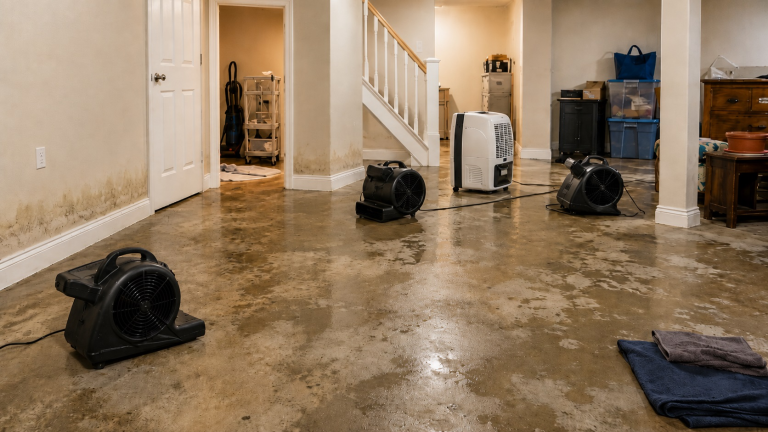
Restoration professionals can extract water, remove unsalvageable materials, set up drying equipment, document moisture levels, and create useful claim records if the leak is covered.
Call a roofer for roof-related leaks
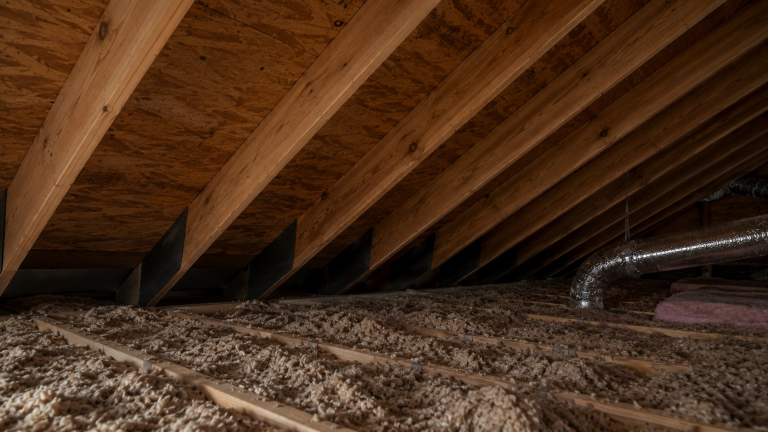
If the water appears near a ceiling, attic, chimney, skylight, vent, or exterior wall after rain, a roofer may be needed to determine whether the leak came from storm damage, flashing failure, roof wear, or another exterior opening.
Roof leak claims often depend on whether the source was a sudden covered event or long-term deterioration. Photos of the roof, attic, ceiling stain, and affected materials can help connect the interior damage to the exterior cause.
Call a mold remediation professional if mold appears
If mold appears after a leak, especially behind walls, under flooring, inside cabinets, around insulation, or across a large area, a mold remediation professional may be needed. Surface cleaning is not always enough when moisture has entered porous materials or enclosed cavities.
Mold can also affect the claim because some policies limit or exclude mold cleanup. If professional remediation is needed, ask for documentation that explains the affected area, moisture source, materials involved, and recommended scope of work.
How to Reduce Future Leak Claim Problems
The best way to avoid leak-related claim disputes is to prevent small leaks from becoming long-term damage. Insurance is more likely to question damage that appears old, recurring, neglected, or preventable, while repair records can help show that you responded reasonably to known water problems.
Fix small leaks early
Do not wait on small leaks under sinks, around toilets, near appliances, or below roof penetrations. A slow drip can eventually damage cabinets, floors, subfloors, framing, insulation, and drywall.
Early repair also creates a clearer record. If a larger sudden leak happens later, prior repair receipts can help show that known problems were addressed instead of ignored.
Install leak detectors in high-risk areas
Leak detectors and water alarms can help catch problems before they spread. Useful locations include under sinks, near water heaters, behind washing machines, near dishwashers, by refrigerator water lines, beside sump pumps, and in finished basements.
These devices are especially helpful in hidden areas where a leak might otherwise continue for weeks. Early detection can reduce damage, mold risk, and the chance that a claim becomes disputed as gradual leakage.
Monitor hidden moisture after repairs
After a leak repair, keep checking the surrounding area. Look for musty odor, new staining, soft drywall, swelling trim, warped flooring, or moisture returning after drying.
Recurring moisture after a repair can mean the original leak was not fully fixed, water remains trapped in materials, or another moisture source is present. If you keep cleaning or repainting the same area without solving the source, the damage can become harder to claim later.
Keep maintenance and repair records
Save records for plumbing repairs, roof repairs, appliance hose replacements, water heater service, leak detection work, and restoration drying. If a claim occurs later, these records can help show that you maintained the home.
Also keep photos of repairs when practical. A folder with receipts, dates, contractor notes, and before-and-after photos can be useful if you ever need to explain the history of a leak-prone area.
Frequently Asked Questions
Does homeowners insurance cover water damage from a leaking pipe?
Homeowners insurance may cover water damage from a leaking pipe if the pipe failure was sudden and accidental. Damage from a long-term slow leak, repeated dripping, corrosion, or neglected maintenance is more likely to be denied or limited.
Does insurance cover slow leaks?
Slow leaks are often difficult to cover because many policies exclude gradual leakage or maintenance-related damage. A slow leak under a sink, behind a wall, or under flooring may be denied if the evidence suggests the damage developed over time.
Does insurance cover hidden water leaks behind walls?
It depends. A sudden hidden pipe burst may be covered. A hidden drip that leaked for weeks or months may be disputed or excluded. The insurer may review plumber reports, photos, moisture patterns, mold, staining, corrosion, and material condition to estimate how long the leak existed.
Does insurance cover appliance leaks?
Insurance may cover appliance leak damage if the leak was sudden and accidental, such as a washing machine hose that suddenly failed. Long-term appliance drips, worn connections, ignored leaks, or maintenance-related failures are less likely to be covered.
Does insurance cover roof leak water damage?
Roof leak water damage may be covered when the leak comes from a covered event, such as storm damage that creates a sudden opening. Damage from old roofing, worn flashing, clogged gutters, or repeated unresolved roof leaks is more likely to be denied.
Does insurance cover water damage from a toilet overflow?
A sudden accidental toilet overflow may be covered, depending on the policy and circumstances. Repeated toilet leaks, long-term seal failure, ignored plumbing problems, or sewage backup may be treated differently and may require special coverage.
Does insurance cover mold after a leak?
Mold after a leak may be covered if the leak itself was covered and the mold resulted directly from that water damage. Mold from slow leaks, humidity, seepage, floodwater, or delayed cleanup is much less likely to be covered.
Should I file a claim for a small leak with minor damage?
It depends on the amount of damage, your deductible, the likely cause, and whether finished materials or hidden areas are affected. For a very small leak with minimal damage, paying for repairs directly may make more sense. For significant damage, hidden moisture, ceiling leaks, flooring damage, or possible mold, contact your insurer or agent before making major repairs.
Key Takeaways
- Homeowners insurance is more likely to cover sudden and accidental leak damage.
- Slow leaks, neglected repairs, and long-term moisture are commonly disputed or excluded.
- Hidden leaks may be covered or denied depending on evidence and policy language.
- Insurance may cover resulting water damage but not always the failed part that caused the leak.
- Roof leaks, foundation seepage, sewer backup, and floodwater follow different coverage rules.
- Mold after a leak depends on whether the original leak was covered.
- Photos, videos, plumber reports, drying records, and receipts can support a claim.
- Fast repairs, leak detectors, and maintenance records can reduce future water damage problems and claim disputes.
2 Comments
Comments are closed.