
What Mold Damage Insurance Typically Covers
Mold damage insurance coverage can be confusing because the insurance company usually does not look at mold as a stand-alone problem. Instead, it usually looks at what caused the moisture that allowed the mold to grow. That means two homes can have similar mold damage but very different claim outcomes depending on whether the mold came from a covered sudden water event, a slow leak, long-term humidity, flooding, seepage, or poor maintenance.
In general, mold damage may be covered when it results directly from a sudden and accidental water event that your homeowners insurance policy covers. Examples may include a burst pipe, a sudden appliance supply-line failure, or water damage from a covered storm opening. Mold is much less likely to be covered when it develops from gradual leaks, poor ventilation, basement seepage, chronic humidity, neglected maintenance, or floodwater that is excluded from a standard homeowners policy.
This guide explains which mold-related costs may be included in a claim, which moisture situations are often excluded, and how to think through the difference between covered mold damage and mold treated as a maintenance problem. If you still need the broader yes-or-no answer, start with whether home insurance covers mold damage, then use this article to understand what parts of a mold claim may actually be included.
The Main Rule: Mold Coverage Depends on the Cause
The most important rule is simple: insurance coverage usually depends on the original water source, not just the mold itself. Mold is a result of moisture. Before an insurer decides whether mold cleanup, testing, removal, or repairs are covered, the claim usually has to answer one question first: what caused the moisture?
If the moisture came from a sudden and accidental event covered by the policy, mold-related costs may be included, usually subject to limits. If the moisture came from a long-term condition, poor maintenance, slow seepage, or preventable humidity, the mold damage is commonly excluded.
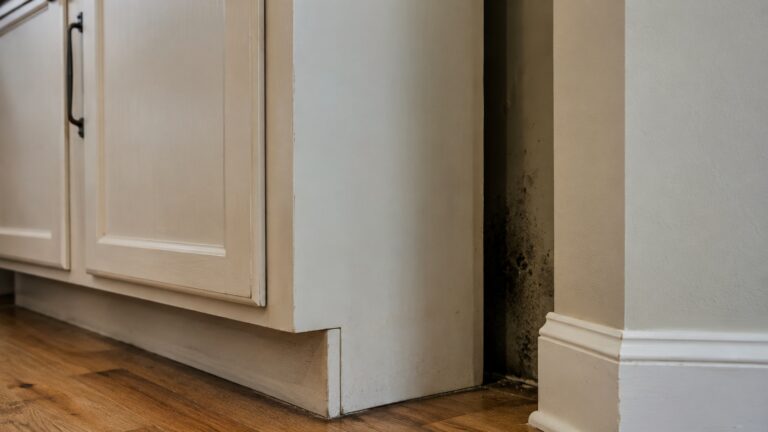
For example, mold that develops after a pipe suddenly bursts inside a wall may be treated differently from mold that develops under a sink cabinet after a small drip continued for six months. In both cases, the homeowner may see mold on drywall, wood, or cabinetry. But the insurance logic is different because one event may be sudden and accidental, while the other may be considered gradual damage.
The source of water, the timeline, the policy language, the homeowner’s response, and any mold sublimits or endorsements can all affect the outcome.
What Mold Damage Insurance May Cover
When mold damage is tied to a covered water event, insurance may help pay for several parts of the cleanup and repair process. The exact coverage depends on the policy, deductible, exclusions, mold limits, and claim investigation. Still, there are several common categories that may be considered.
Mold cleanup after a covered water event
If mold grows because of a covered water loss, the policy may help pay for cleanup or remediation. This might include removing mold-contaminated materials, cleaning affected surfaces, controlling airborne particles during remediation, and addressing the affected area so the home can be restored safely.
This does not mean every mold problem qualifies. The mold usually has to be connected to a covered event. If the mold developed because the home stayed humid for months, because a bathroom had poor ventilation, or because a known leak was ignored, the cleanup may not be covered.
Removal of damaged building materials
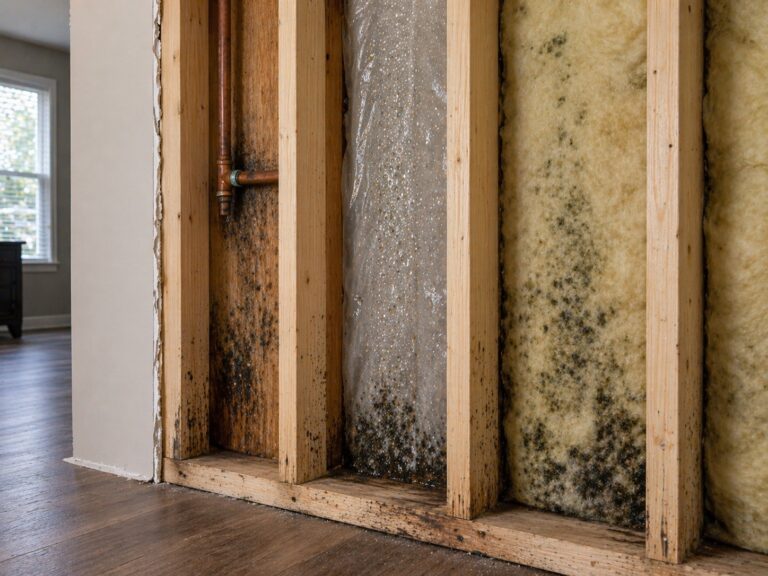
Mold often affects porous or semi-porous materials such as drywall, insulation, carpet padding, trim, subflooring, and wood framing. When those materials are damaged by a covered water event and cannot be safely cleaned, the policy may help pay for removal and disposal.
For example, if a sudden pipe failure soaks a section of drywall and mold develops before the wall cavity can be fully dried, removal of that affected drywall may be part of the covered restoration. But if the same drywall became moldy because of long-term condensation or an unrepaired roof leak, the claim may be treated differently.
Material decisions also depend on whether the mold is surface-level or deeply embedded. A small amount of surface mold on a cleanable nonporous material is different from mold growth inside wet drywall or insulation. For broader cleanup planning, the parent guide on how to remove mold permanently after the moisture source is fixed explains why moisture correction matters before mold cleanup can last.
Repairs to covered water-damaged areas
Mold coverage is often connected to repair coverage. If the original water damage is covered, the policy may help restore the damaged building materials to their pre-loss condition, depending on the policy terms. This can include drywall replacement, flooring repair, trim replacement, repainting, or other restoration work related to the covered loss.
The important distinction is that insurance usually separates covered sudden damage from long-term deterioration. A sudden washer hose failure that damages a laundry room wall may be handled differently from mold behind the same wall caused by months of unresolved condensation or repeated small leaks.
Testing or inspection when required by the claim
Mold testing is not always necessary, and insurance does not automatically pay for every mold inspection a homeowner orders. However, testing or professional inspection may be considered when it is needed to evaluate a covered claim, define the affected area, or confirm the condition of materials before or after remediation.
Homeowners should be careful here. Paying for mold testing before speaking with the insurer does not guarantee reimbursement. If the claim is active, ask the insurance company or adjuster what documentation, inspection, or testing they want before scheduling unnecessary services.
Temporary living expenses in severe covered cases
In some serious covered losses, a home may be temporarily unsafe or unlivable during cleanup and repairs. If the policy includes additional living expense coverage and the mold issue is part of a covered claim, the insurer may help with temporary housing or related costs while the home is restored.
This is usually limited to significant situations where the damage affects habitability. A small contained mold cleanup under a sink is not the same as a large covered loss that affects several rooms, requires containment, or prevents normal use of the home.
Common Mold Damage Scenarios That May Be Covered
Mold damage is more likely to be considered for coverage when the mold follows a sudden, accidental, covered water event. The word “covered” is important. The fact that water entered the home does not automatically mean the mold is covered. The insurer usually looks at whether the original water event is included under the policy.
Burst pipes
A burst pipe is one of the clearest examples of a mold-related claim that may qualify for coverage. If a pipe suddenly breaks, releases water into a wall, ceiling, floor, or cabinet area, and mold develops as part of that covered water loss, the mold cleanup may be included within the claim.
Timing still matters. A pipe that suddenly burst while the homeowner was away for a short period may be treated differently from a pipe that was visibly leaking for months and never repaired.
Sudden appliance leaks
Appliance-related water damage may also lead to mold coverage when the leak is sudden and accidental. Common examples include a washing machine hose that fails, a dishwasher supply line that breaks, a refrigerator water line that suddenly releases water, or a water heater failure that soaks nearby materials.
If hidden materials stayed wet after the appliance leak, mold remediation may be considered part of the covered water-damage claim, especially when water traveled under flooring, behind cabinets, or into wall cavities.
However, not every appliance leak is treated the same way. A sudden hose rupture is different from a slow drip that stains the cabinet floor for months. If the damage pattern suggests long-term leakage, the mold portion may be denied as gradual damage.
Accidental plumbing overflows
A sudden toilet overflow, sink overflow, or accidental discharge from an interior plumbing fixture may also create a covered water-loss situation. If the overflow soaks nearby drywall, flooring, trim, or cabinetry and mold develops before the materials are properly dried, the mold damage may be considered within the claim.
Homeowners should be especially careful with wastewater, sewer backups, and drain backups. These situations may involve contamination risks and different policy language, exclusions, or endorsements. A simple accidental overflow is not always treated the same as a sewer backup or outside water intrusion.
Storm-created openings
Mold may also be covered when a covered storm event damages the home and creates an opening that allows rainwater to enter. For example, if wind damages roofing materials, water enters through the damaged roof area, and mold later develops inside the ceiling or attic, the mold may be evaluated as part of the storm-related claim.
This scenario must be understood carefully. Insurance does not usually cover every roof leak simply because rainwater entered the home. A storm-created opening is different from an old roof, failed flashing, worn sealant, poor maintenance, or a leak that developed gradually over time.
If the mold is connected to roof moisture, the claim usually depends on whether the roof opening was sudden storm damage or a gradual roof-maintenance problem.
Fire suppression water damage
Water used to extinguish a fire can soak drywall, framing, insulation, flooring, and personal property. If mold develops because materials were saturated during fire suppression and could not be dried immediately, mold cleanup may be considered part of the covered fire-related damage.
This type of claim can become complex because there may be smoke damage, structural damage, water damage, and mold risk at the same time. In severe cases, professional restoration and careful documentation are usually necessary.
Mold Damage Insurance Usually Does Not Cover
Many mold claims are denied because the mold is tied to a moisture source the policy does not cover. This does not mean the mold is harmless or unimportant. It simply means the insurance company may treat it as a maintenance, prevention, or excluded-water problem rather than a covered sudden loss.
Slow leaks
Mold from slow leaks is one of the most common claim problems. A small leak under a sink, behind a shower wall, below a refrigerator water line, or inside a wall cavity can create ideal mold conditions over time. By the time the homeowner notices odor, staining, swelling, or visible growth, the insurer may see the damage as gradual rather than sudden.
This is why documentation and timing matter. A leak that happened suddenly and was reported quickly is different from one that left long-term staining, layered damage, rot, or repeated moisture patterns. If the evidence suggests the leak existed for weeks or months, coverage becomes much harder.
Long-term humidity or condensation
Mold from chronic humidity is usually not treated as a covered insurance loss. Bathrooms, basements, crawl spaces, attics, closets, and poorly ventilated rooms can develop mold when indoor humidity stays high or surfaces remain damp repeatedly.
Common humidity-related mold causes include poor ventilation, inadequate bathroom exhaust, damp basement air, condensation on cold surfaces, unconditioned crawl spaces, and indoor moisture that is never controlled. These problems are usually handled through prevention, ventilation, drying, and moisture correction rather than insurance claims.
For long-term prevention, it helps to understand how to find, fix, and prevent moisture problems in the home before mold becomes a recurring issue.
Poor ventilation
Poor ventilation can cause mold even when there is no plumbing leak or storm damage. Bathrooms without adequate exhaust, attics with blocked airflow, closets with trapped damp air, and crawl spaces with moisture imbalance can all develop mold gradually.
Because these problems usually build over time, insurers commonly treat them as maintenance or building-condition issues rather than sudden covered losses.
Groundwater, seepage, and flooding
Standard homeowners insurance often excludes floodwater, groundwater intrusion, and seepage through foundations. If mold develops after basement flooding, crawl space standing water, foundation seepage, or water entering through the ground, the mold may also be excluded.
This is one of the most important distinctions for basement and crawl space mold. Water from inside plumbing may be treated differently from water that enters from outside soil, groundwater, surface runoff, or flooding. Separate flood insurance or special endorsements may apply in some situations, but standard homeowners coverage should not be assumed.
Neglected maintenance problems
Mold connected to neglected maintenance is often excluded. Examples include long-unrepaired roof leaks, known plumbing drips, failed exterior caulking, overflowing gutters, damaged siding, blocked ventilation, or moisture problems the homeowner ignored after noticing warning signs.
Insurance is generally meant for sudden covered losses, not routine upkeep. If the insurer believes the mold developed because the home was not maintained or because the homeowner delayed repairs after noticing water damage, the claim may be denied or limited.
Why Mold Coverage Limits Matter
Even when mold damage is connected to a covered water event, coverage may still be limited. Many homeowners are surprised to learn that mold coverage can have its own sublimit, deductible rules, inspection requirements, or endorsement language. A policy may cover the original water damage but place a smaller limit on mold testing, mold removal, or mold-related repairs.
This is why it is important to read the policy carefully and ask direct questions. Do not assume that a covered water claim means unlimited mold remediation coverage. Mold cleanup can become expensive quickly, especially when wall cavities, flooring, insulation, cabinets, or structural materials are affected.
Mold sublimits
A mold sublimit is a smaller dollar limit inside the policy that applies specifically to mold, fungi, or microbial growth. For example, a policy may provide broad coverage for a covered water loss but cap mold-related expenses at a lower amount.
That sublimit may apply to remediation, testing, containment, disposal, or repairs related to mold. In some policies, mold coverage may be very limited unless the homeowner purchased added coverage. In others, mold may be covered only when it results from a covered peril and is reported within the required timeframe.
Deductibles
A deductible is the amount the homeowner pays before insurance contributes to the claim. If the mold damage is minor and the deductible is high, filing a claim may not make financial sense. If the mold is extensive, hidden, or connected to major covered water damage, the deductible may be only one part of a larger restoration decision.
Homeowners should compare the deductible, likely remediation cost, possible policy limits, and potential claim consequences before assuming the claim will pay enough to justify filing. For a better sense of potential out-of-pocket exposure, see this guide to how much mold remediation costs.
Endorsements
An endorsement is added coverage that changes or expands the standard policy. Some insurers offer mold endorsements, water backup endorsements, increased mold limits, or other add-ons that may affect how a mold claim is handled.
Endorsements matter because standard policy language may be more limited than homeowners expect. If you live in a humid climate, have a basement, own an older home, or have had previous water problems, it may be worth asking your agent whether mold-related endorsements are available before a loss happens.
Testing and remediation limits
Some policies may limit how much they will pay for mold testing, air sampling, lab analysis, post-remediation verification, or professional remediation. Others may require approval before certain services are performed. This is especially important if you hire a mold inspector or remediation company before the insurer has inspected the loss.
In an active claim, ask the insurer what documentation they require, whether testing is authorized, and whether remediation must follow a specific scope. Acting quickly matters, but spending money without understanding the claim process can create reimbursement problems.
How to Tell If Your Mold Damage Might Be Covered
No article can determine coverage for a specific claim without the policy and facts. But homeowners can use a simple decision process to estimate whether the mold damage is more likely to be considered part of a covered claim or an excluded moisture problem.
Trace the water source
Start by identifying the original source of moisture. Was it a burst pipe, appliance failure, accidental overflow, storm-created opening, groundwater seepage, roof maintenance issue, humidity problem, or unknown source?
Also note whether the damage pattern looks recent or old. Fresh wet materials, a known rupture, and a clear discovery date support a different claim story than layered staining, rot, repeated dampness, or mold spread across areas with no recent water event.
The more clearly the mold can be tied to a sudden covered water event, the stronger the claim may be. The more the evidence points to long-term moisture, repeated dampness, or preventable conditions, the harder coverage may be.
Document the timeline
Timing is one of the most important details in a mold claim. Write down when you first noticed water, when you first saw mold, when the moisture source was stopped, and what steps were taken to dry the area.
If the mold appeared after a recent covered water event, that timeline helps support the claim. If the timeline is unclear or the damage looks old, the insurer may question whether the mold came from a covered event or a long-term problem.
Keep damaged materials until instructed
Do not remove and throw away damaged materials before documenting them unless safety requires immediate removal. If wet drywall, flooring, trim, insulation, or personal property is discarded too early, it can become harder to prove the source and extent of the damage.
Photograph the affected area, the water source, damaged materials, surrounding rooms, and any visible mold before cleanup begins. For a more detailed evidence process, use this guide to document mold damage for an insurance claim.
Review your policy language
Look for policy sections related to water damage, mold, fungi, rot, seepage, flood, sewer backup, maintenance, exclusions, and endorsements. Pay attention to whether mold coverage is included, excluded, capped, or added by endorsement.
If the wording is unclear, ask your agent or adjuster to explain which part of the policy applies. Do not rely only on general internet advice, because mold coverage varies by policy and insurer.
Ask about mold endorsements and limits
When you speak with the insurer, ask direct questions:
- Does my policy include mold coverage?
- Is there a mold sublimit?
- Does mold coverage apply only after a covered water loss?
- Is mold testing covered?
- Do I need approval before hiring a remediation company?
- Are there special rules for water backup, seepage, or flooding?
These questions help you understand the claim before you spend money on testing, demolition, or remediation that may not be reimbursed.
Mistakes That Can Weaken a Mold Damage Claim
Mold claims often become harder when the homeowner waits too long, removes evidence too early, or cannot show how the mold started. Fast, careful action protects both the home and the claim.
- Waiting too long to report damage: Delays can make mold worse and make the original water source harder to prove.
- Cleaning before documenting: Removing visible evidence before photos, notes, or inspection can weaken the claim record.
- Failing to stop the water source: Homeowners are generally expected to take reasonable steps to prevent further damage.
- Assuming all mold is covered: Mold from humidity, seepage, slow leaks, or neglect is often excluded.
- Throwing away materials too soon: Damaged drywall, flooring, insulation, or personal property may be needed to support the claim.
- Hiring services without claim guidance: Testing or remediation may not be reimbursed if it was unnecessary, unauthorized, or outside the covered scope.
If your concern is claim denial risk, the next article in this cluster goes deeper into how to avoid mold damage claim denials by preserving evidence, acting quickly, and keeping the claim focused on the cause of moisture.
When Professional Remediation Matters for Coverage
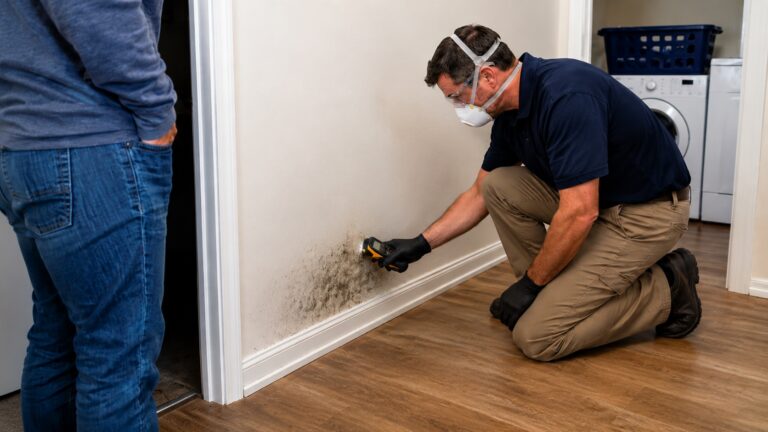
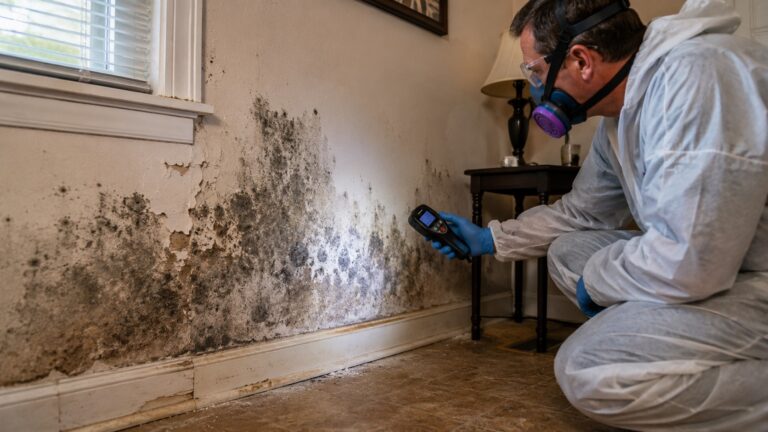
When mold damage is part of an insurance claim, professional help may matter for more than cleanup. The insurer may need a written scope of work, photos, moisture readings, drying records, containment details, or remediation documentation before approving certain mold-related costs.
Professional remediation is especially important when the mold is widespread, hidden inside walls or ceilings, connected to insulation or structural wood, affecting HVAC components, or tied to a major covered water event. If the claim is active, ask the insurer whether they need to inspect the damage before demolition or cleanup begins.
For the broader DIY-versus-professional decision, review when to hire a mold remediation professional.
FAQ
Does homeowners insurance cover mold from a burst pipe?
Homeowners insurance may cover mold from a burst pipe if the pipe failure is considered a covered sudden and accidental water event and the mold resulted directly from that event. Coverage still depends on the policy language, deductible, mold limits, and how quickly the damage was reported and addressed.
Does insurance cover mold from a slow leak?
Mold from a slow leak is usually much harder to get covered. Insurance policies commonly exclude gradual damage, long-term leaks, deterioration, and maintenance-related moisture problems. If the leak was ongoing for weeks or months, the insurer may deny the mold portion of the claim.
Does insurance cover mold testing?
Mold testing may be covered when it is necessary for a covered claim and allowed under the policy. However, insurance does not automatically reimburse every mold test a homeowner orders. In an active claim, ask the insurer whether testing is needed and whether it must be approved first.
Does insurance cover hidden mold inside walls?
The location of the mold does not determine coverage by itself. Mold inside walls may be covered if it came from a covered sudden water event, such as a burst pipe. It may not be covered if it came from a slow leak, condensation, humidity, seepage, or poor maintenance.
Does insurance cover mold from basement flooding?
Standard homeowners insurance usually does not cover floodwater, groundwater intrusion, or seepage through foundations. If basement mold develops after excluded flooding or seepage, the mold is usually excluded as well. Separate flood insurance, sewer backup coverage, or special endorsements may apply in some situations, depending on the policy.
Can waiting too long cause a mold claim denial?
Yes. Waiting too long can weaken a mold damage claim if the delay allowed preventable mold growth, made the original water source harder to prove, or caused the damage to spread. Homeowners should stop the water source, document the damage, dry what can safely be dried, and notify the insurer promptly.
Can I add mold coverage to my insurance policy?
Some insurers offer limited mold endorsements, increased mold sublimits, or related water-damage endorsements. Availability varies by insurer, state, property type, and policy. It is best to ask your insurance agent about mold coverage before a loss occurs, not after mold has already appeared.
Mold Insurance Coverage Checklist
- Mold damage insurance coverage usually depends on the moisture source that caused the mold.
- Mold is more likely to be covered when it results directly from a covered sudden and accidental water event.
- Mold from slow leaks, poor maintenance, long-term humidity, seepage, or flooding is commonly excluded.
- Even covered mold damage may be limited by sublimits, deductibles, endorsements, and policy exclusions.
- Documentation matters because the insurer needs to connect the mold to the original covered event.
- Homeowners should stop the water source, document the damage, preserve evidence, and ask the insurer what documentation is required.
One Comment
Comments are closed.