What Causes Musty Smells in Homes and Where They Come From
A musty smell in a home usually means something is damp, poorly ventilated, or holding odor in porous materials. The smell may be earthy, stale, damp, moldy, or similar to an old closed-up room. It may appear in one room, spread through several areas, or become stronger after rain, humid weather, or when the HVAC system turns on.
Musty odors are often connected to moisture, but that does not always mean visible mold is present. The source may be hidden behind walls, under flooring, inside closets, in stored items, in carpet padding, in a basement, in a crawl space, or inside an HVAC system. The odor is a clue that something in the home is not drying, ventilating, or staying clean and dry the way it should.
Musty odors belong in the broader mold exposure and indoor air quality conversation because they often point to damp conditions that affect the air people breathe. The goal is not to panic or cover the smell with fragrance. The goal is to understand what is causing the odor and where moisture may be supporting it.
What Causes Musty Smells in Homes?
Musty smells are usually caused by damp materials, high humidity, poor airflow, hidden leaks, old water damage, mold-prone surfaces, or stored items that have absorbed moisture. The odor often develops when organic material stays damp long enough to release stale, earthy, or microbial odors into the air.
Common odor sources include drywall paper, wood, carpet padding, cardboard, fabric, dust, insulation, cabinets, stored belongings, HVAC dust, crawl space air, basement moisture, and old leak areas. These materials can absorb moisture and hold smell, especially when they are in areas with limited airflow.
A home may smell musty even when there is no obvious standing water. Moisture can be present as humidity, condensation, damp dust, wet carpet backing, moisture behind baseboards, or hidden dampness inside wall cavities. The source may be small, but the odor can spread as air moves through the room or HVAC system.
Musty smells are most common in places where moisture and poor drying overlap. Basements, crawl spaces, bathrooms, laundry rooms, closets, cabinets, garages, and rooms with limited ventilation are common examples. These areas often have cooler surfaces, less airflow, more stored items, or more frequent moisture exposure.
The smell may also come from an old problem that was cleaned on the surface but never fully dried. If carpet padding, insulation, wood, or drywall stayed damp after a leak, it may continue releasing odor long after the visible water is gone.
Why Moisture Is the Main Driver of Musty Odors
Moisture is the main reason musty odors develop because damp materials release odors more easily and support conditions where mold, mildew, bacteria, and stale organic debris can persist. A surface that barely smells when dry may smell earthy, stale, or sour once humidity, condensation, or a leak wets it.
Damp Materials Release Odors
Many building materials and household items are porous. Wood, drywall paper, carpet, padding, fabric, cardboard, upholstery, insulation, and dust can absorb moisture from leaks, condensation, spills, humidity, or damp air. Once they stay damp, they may begin to smell stale or musty.
This is why a room may smell worse near carpets, closets, baseboards, cabinets, or stored boxes. These materials can hold moisture and odor even if the surface looks dry. The smell may be strongest when the room has been closed for a while because the odor has had time to collect in stagnant air.
Humidity Keeps Surfaces From Drying
High humidity can make a home smell musty even without an obvious leak. When indoor air holds too much moisture, porous materials absorb that moisture and dry more slowly. Dust, fabric, wood, paper, and carpet can all hold a damp smell in humid conditions.
Humidity can also make old odors return. A closet, carpet, basement, or closed room may smell fine during dry weather and musty during humid weather because moisture in the air reactivates odor from materials that were already contaminated or damp-prone. This is the broader reason humidity can cause odor problems throughout a home.
Hidden Leaks Can Create Odor Without Visible Water
A hidden leak does not have to create dripping water to cause odor. Slow leaks inside walls, under cabinets, below flooring, around exterior openings, or near plumbing fixtures can wet materials that are not visible from the room. Over time, those damp materials may release musty odors before stains or mold spots appear.
This is one reason a musty smell should be treated as a moisture clue. A wall cavity, cabinet base, carpet pad, or floor layer may be damp even when the visible surface looks normal. If odor appears near one wall, one cabinet, one floor area, or one room, hidden moisture should be considered.
Poor Airflow Traps Smells
Airflow helps dilute odor and dry damp materials. When air does not move well, musty smells become stronger. This is common in closets, closed bedrooms, basements, crawl spaces, cabinets, storage rooms, and areas behind large furniture.
Poor airflow does not always create the moisture by itself, but it helps odor persist. A slightly damp surface in a well-ventilated area may dry before it smells strongly. The same surface in a closed, stagnant area may stay damp longer and produce a stronger musty odor.
Moisture Can Stay Hidden in Layers
Musty odors often persist because moisture is trapped in layers. Carpet may feel dry on top while the padding underneath is damp. A wall may look normal while the backside of drywall or insulation is wet. A cabinet may look clean inside while the underside or back panel is absorbing moisture.
This hidden moisture is why odor sometimes appears before visible damage. The smell may be the first sign that moisture is present in materials you cannot easily see. If the odor source is not obvious, use a focused process for tracing the source of musty smells instead of only checking visible surfaces.
Common Sources of Musty Smells in Homes
Musty odors can come from many places, but most sources share the same basic pattern: moisture, porous material, and poor drying. The smell may be strongest near the source, but air movement can carry it into nearby rooms or through the HVAC system.
Basements and Crawl Spaces
Basements and crawl spaces are common sources of musty smells because they are close to soil, foundations, groundwater, damp air, and exterior drainage conditions. Even when there is no standing water, these areas can hold humidity and odor in wood, insulation, stored items, concrete, dust, and framing.
A musty smell from a basement or crawl space may move upward into the living area through floor gaps, stairwells, ducts, plumbing chases, or air leaks. If the smell is stronger after rain, the source may involve foundation dampness, crawl space moisture, exterior drainage, or hidden water entry.
Bathrooms and Laundry Rooms
Bathrooms and laundry rooms produce frequent moisture from showers, tubs, sinks, washing machines, drains, wet towels, and humid air. If ventilation is weak or surfaces stay damp, musty odors can develop around walls, ceilings, cabinets, baseboards, grout, flooring, and stored fabrics.
In bathrooms, a musty smell may come from damp wall materials, hidden leaks behind fixtures, wet bath mats, poor exhaust fan performance, or moisture trapped behind cabinets and trim. In laundry areas, odor may come from washer hoses, floor drains, damp lint, wet clothing, or moisture behind appliances.
Closets and Stored Items
Closets often smell musty because they have limited airflow and contain porous materials. Clothing, shoes, cardboard boxes, paper, linens, leather goods, and stored fabrics can absorb moisture from humid air. When those items stay damp or compressed, they can hold stale odors.
A closet may smell musty even if the rest of the room seems normal. This is common on exterior walls, in closets with poor airflow, or in spaces where stored items are packed tightly against walls or floors.
Carpets, Rugs, and Padding
Carpets and rugs can hide musty odors because moisture may remain in the padding or backing after the surface feels dry. Past spills, pet accidents, leaks, flooding, wet shoes, or high humidity can all leave odor trapped below the surface.
Carpet padding is especially important because it dries slowly. If it was wet after a leak or flood, it may continue producing odor even after the carpet face has been cleaned.
HVAC Systems and Ducts
HVAC systems can create, collect, or spread musty odors. Damp dust, dirty filters, clogged condensate drains, wet insulation near ducts, or microbial growth inside damp components can all contribute to odor. Sometimes the HVAC system is not the original source, but it distributes air from a damp basement, crawl space, or room.
If the smell becomes stronger when the air conditioner, furnace, or fan turns on, the HVAC system or the area supplying return air should be inspected. Odor that appears only during system operation may be different from odor caused by one isolated room surface.
Cabinets, Walls, and Flooring
Kitchen cabinets, bathroom vanities, wall cavities, flooring layers, and baseboards can all hold musty odors after leaks. Water under a sink, behind a dishwasher, around a refrigerator line, or near a shower wall may stay hidden long enough to wet wood, drywall, subflooring, or cabinet bases.
These odor sources can be hard to find because the visible surface may look clean. The smell may come from the underside of a cabinet, the back of a wall panel, the edge of flooring, or the space behind trim.
Attics and Exterior Wall Leaks
Attics and exterior walls can produce musty smells when roof leaks, condensation, poor ventilation, or exterior water entry keep materials damp. The odor may move into rooms through ceiling gaps, wall cavities, closets, or air leaks.
Exterior wall leaks are especially easy to miss when the indoor sign is only odor. Water may enter around windows, doors, siding, vents, or wall penetrations and dampen hidden materials before visible staining appears.
Does a Musty Smell Always Mean Mold?
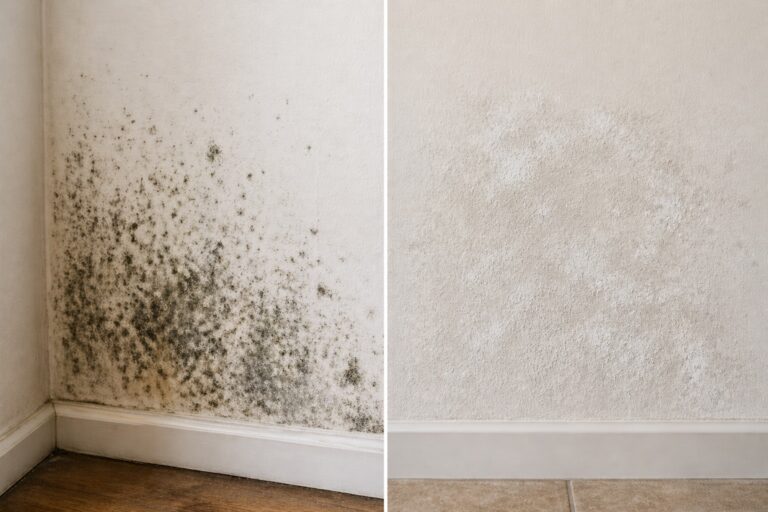
A musty smell does not always mean visible mold is growing in the room. Mold is one possible cause, but musty odors can also come from damp carpet padding, wet cardboard, humid closets, crawl space air, old water damage, HVAC dust, dirty drains, or materials that were wet and never fully dried.
That said, persistent musty odor should not be ignored. Mold and mildew are more likely to grow where moisture, organic material, and poor drying overlap. If a room smells musty, the conditions may be favorable for mold even if you cannot see growth on the surface.
Visible mold is not required for odor to be present. Mold may be hidden behind walls, under flooring, inside cabinets, behind baseboards, in insulation, or on the backside of materials. In other cases, the smell may come from damp materials rather than active visible mold.
The safest way to think about musty odor is this: it is a moisture clue first. The next step is to find out whether the smell is coming from humidity, hidden dampness, old water damage, porous materials, HVAC distribution, or mold-prone conditions. If the odor is distinctly mold-like, it may help to compare it with guidance on how to identify mold smells.
A musty smell becomes more concerning when it appears with visible mold, water stains, soft drywall, swollen trim, condensation, damp carpet, high humidity, or odor that worsens after rain. Those clues suggest the odor may be linked to an active moisture source rather than just stale air.
If you smell mold but do not see any growth, the source may still be hidden. Odor without visible growth is common when moisture is behind walls, under flooring, inside cabinets, or in enclosed spaces. That situation is closely related to mold smell with no visible mold, where the key issue is whether hidden damp materials are producing the odor.
Why Musty Smells Are Worse After Rain or Humidity
Musty smells often become stronger after rain or during humid weather because moisture changes how materials release odor. A room that seems normal during dry weather may smell damp, earthy, or stale when outdoor moisture rises, indoor humidity increases, or rainwater reaches hidden materials.
Rain Can Activate Hidden Moisture Problems
If a musty smell gets stronger after rain, the source may be connected to water entering or accumulating around the home. Basement seepage, crawl space dampness, roof leaks, window leaks, exterior wall leaks, drainage problems, and wet foundation areas can all create odor after storms.
The smell may appear before obvious water damage. Hidden materials can become damp enough to release odor without producing visible dripping or staining right away.
Humidity Can Reactivate Odors in Porous Materials
High humidity can make old odors stronger because porous materials absorb moisture from the air. Cardboard, wood, carpet, fabric, drywall paper, upholstery, and dust can all release stronger odors when damp air reaches them.
This is why a closet, basement, bedroom, or carpeted room may smell worse on humid days even if no new leak is present. The odor may be coming from materials that were already damp-prone, contaminated, or slow to dry.
Rain Can Push Moisture Through Exterior Weak Points
Wind-driven rain can force water into small exterior gaps around siding, trim, vents, windows, doors, roof edges, or wall penetrations. That moisture can dampen hidden wall materials and create musty odor indoors.
If odor appears after storms near one exterior-facing wall, the cause may be more than stale air. It may point to hidden moisture entering from outside.
Damp Outdoor Air Can Affect Indoor Air
Outdoor humidity can enter through leaks, open windows, crawl spaces, basements, attic bypasses, and ventilation pathways. When damp outdoor air reaches cooler indoor surfaces or stagnant rooms, it can make materials smell musty.
This is especially common in homes with poor ventilation, weak dehumidification, damp crawl spaces, or rooms that stay closed for long periods.
Why One Room May Smell Mustier Than the Rest of the House
One room may smell mustier than the rest of the house when it has more moisture, less airflow, more porous materials, or a hidden source nearby. The room may be on a shaded side of the house, next to a bathroom, above a crawl space, near an exterior leak, or filled with stored items that absorb humidity.
Room-specific odors often develop in spaces with closed doors, blocked vents, heavy furniture against walls, closets, carpet, or poor air circulation. The smell may collect there because air is not moving enough to dilute it or dry the materials.
A single musty room can also point to a localized source, such as a wall leak, damp carpet pad, wet closet, condensation issue, cabinet leak, HVAC supply problem, or moisture under flooring. If one area smells much worse than the rest of the home, it helps to compare that pattern with why some rooms smell musty more than others.
Why Musty Smells Come Back After Cleaning
Musty smells often come back after cleaning because the odor source was not removed or the moisture problem remained active. Surface cleaning can remove dust, mildew on exposed surfaces, or odor on visible materials, but it cannot dry wet wall cavities, carpet padding, crawl spaces, insulation, or hidden leaks.
If the smell returns within days or after the next humid period, the cause is probably deeper than surface dirt. Damp carpet padding, cardboard, upholstery, wood, drywall paper, and insulation can hold odor below the visible surface, especially when humidity or poor airflow keeps them from drying.
Recurring odor after cleaning is common enough that it deserves separate attention. For a deeper explanation, see why musty odors return after cleaning.
When Musty Smell Suggests Hidden Moisture or Mold Growth
A musty smell becomes more important when it appears with other moisture clues. Odor by itself does not prove hidden mold, but odor combined with dampness, staining, condensation, soft materials, or repeated rain-related patterns should be investigated.
Odor Plus Water Stains
If a musty smell appears near water stains, peeling paint, bubbling drywall, or darkened materials, hidden moisture may be present. The stain may show where moisture reached the visible surface, while the odor may come from materials behind it.
Odor Plus Soft or Swollen Materials
Soft drywall, swollen trim, warped flooring, or damp baseboards suggest that moisture may have affected the material structure. When these signs appear with odor, the problem is more likely to involve hidden moisture than simple stale air.
Odor Plus High Humidity
If indoor humidity stays high, musty odor can persist even without a visible leak. High humidity slows drying and can keep porous materials damp enough to smell. A hygrometer can help confirm whether humidity is part of the problem.
Odor That Gets Worse After Rain
Musty odor that worsens after rain may point to exterior water entry, foundation moisture, crawl space dampness, basement seepage, or roof and wall leaks. This pattern matters because it connects the odor to a weather-driven moisture source.
Odor With Visible Mold-Like Growth
If musty odor appears with visible mold-like growth, the odor may be linked to active mold conditions. The next step is to identify the moisture source and determine the extent of the affected materials. More specific warning signs are covered in signs odors are linked to mold growth.
If you smell odor but cannot find the source, pay attention to whether it appears with damp surfaces, room-specific patterns, rain timing, or hidden moisture clues. Those patterns overlap with signs odors indicate hidden moisture.
What to Check First When Your Home Smells Musty
When a home smells musty, start by looking for the most likely moisture and airflow sources. The goal is not to cover the odor with fragrance. The goal is to identify the strongest odor area, the timing of the smell, and the materials nearby that may be staying damp.
Check Humidity Levels
Use a hygrometer to check indoor humidity in the room that smells musty, then compare it with nearby rooms that do not smell. If the musty room consistently reads higher, damp air may be keeping porous materials from drying. Bathrooms, basements, crawl-space-connected rooms, laundry areas, and closed bedrooms often need extra attention.
Check for Recent or Past Water Damage
Look for staining, bubbling paint, soft drywall, swollen trim, warped flooring, damp carpet, or water marks around walls, ceilings, cabinets, windows, doors, and plumbing fixtures. A musty smell may come from an old leak area that was cleaned on the surface but never fully dried underneath.
Check Closets and Stored Items
Open closets, cabinets, storage bins, and boxes. Cardboard, fabric, shoes, paper, leather, and linens can hold musty odors when stored in humid or poorly ventilated spaces. If the odor is strongest inside a closet, the source may be stored materials, a damp exterior wall, or poor airflow.
Check Carpets, Rugs, and Padding
Smell near carpets, rugs, and floor edges, especially along baseboards and under furniture. Carpet can smell clean on the surface while padding underneath holds moisture or odor. If the smell is strongest near one floor area, past spills, pet accidents, leaks, or damp subflooring may be involved.
Check Basements and Crawl Spaces
If the home has a basement or crawl space, check whether the odor is stronger near access doors, floor openings, stairways, vents, or utility penetrations. Damp air from below can move into living areas and make the house smell musty even when the upstairs rooms look clean.
Check HVAC Operation
Notice whether the smell becomes stronger when the air conditioner, furnace, or fan turns on. If it does, the HVAC system may be spreading odor from damp ducts, dirty filters, a wet air handler area, a clogged condensate drain, or a damp room being pulled into the return air.
Check Exterior-Facing Walls After Rain
If the smell becomes stronger after rain, inspect rooms along exterior walls. Look near windows, doors, vents, baseboards, closets, and areas where exterior leaks could dampen hidden materials. If the odor source is not obvious, a more focused source-tracing process is covered in how to trace the source of musty smells.
When to Call a Professional
Call a professional if the musty smell persists after basic cleaning, drying, humidity control, and ventilation checks. Persistent odor usually means the source is still present, hidden, or returning with moisture.
Professional help is especially important if the odor appears with visible mold-like growth, water stains, soft drywall, swollen trim, wet flooring, damp insulation, or recurring moisture after rain. These signs suggest the smell may be connected to hidden moisture or mold-prone materials.
Do not cut into walls, pull up flooring, disturb large mold-like areas, or open HVAC components if you are not sure what you are dealing with. Hidden moisture work can expose mold, contaminated dust, wet insulation, damaged wiring, or weakened materials.
You should also get help if the odor seems to come from an HVAC system, crawl space, basement, attic, or wall cavity that you cannot inspect safely. Musty smells from hidden areas can spread into living spaces and may require moisture testing, ventilation correction, material removal, or building-envelope repair.
If anyone in the home is especially sensitive to poor indoor air quality, persistent musty odor should be taken seriously. This does not mean every odor is dangerous, but it does mean the source should be identified instead of masked with air fresheners.
For persistent odor that remains after the moisture source is found, the next step is usually correcting the source, drying affected materials, removing odor-holding porous items when needed, and improving ventilation. That solution-focused process belongs in how to eliminate persistent musty odors.
FAQ
Does a musty smell always mean mold?
No. A musty smell does not always mean visible mold is present. It can also come from damp materials, high humidity, old water damage, wet carpet padding, stored cardboard, poor airflow, crawl space air, or HVAC odor. However, persistent musty odor often means moisture conditions should be investigated.
Can humidity alone cause a musty smell?
Yes. High humidity can make porous materials absorb moisture and release stale odors. Even without an active leak, humid air can make closets, carpets, basements, fabrics, cardboard, and closed rooms smell musty.
Why does my house smell musty after rain?
A musty smell after rain may come from basement dampness, crawl space moisture, exterior leaks, roof leaks, window or door leaks, wall penetrations, wet soil near the foundation, or humidity entering the home. Rain can also reactivate odors in materials that were already damp-prone.
Why does only one room smell musty?
One room may smell musty because it has poor airflow, high humidity, damp carpet, a hidden leak, an exterior wall problem, stored items, blocked vents, or moisture under flooring. A room-specific odor usually means the source is local or that air is not moving well in that area.
Can HVAC systems spread musty odors?
Yes. HVAC systems can spread odor from damp ducts, dirty filters, wet coils, clogged condensate drains, crawl spaces, basements, or musty rooms connected to return air. If the smell appears when the system turns on, the HVAC system or return-air area should be inspected.
Why does musty smell come back after cleaning?
Musty smell usually comes back after cleaning when the moisture source remains or the odor is trapped in porous materials. Surface cleaning may not dry carpet padding, wall cavities, insulation, cabinets, crawl spaces, or hidden leak areas.
What clues help identify where a musty smell is coming from?
Start with humidity levels, recent water damage, closets, stored items, carpets, basements, crawl spaces, HVAC operation, and exterior-facing walls after rain. The strongest odor location, the timing of the smell, and whether it changes after rain, humidity, or HVAC operation usually give the best clues.
What a Musty Smell Usually Means
Musty smells in homes usually come from moisture, damp porous materials, poor airflow, hidden leaks, humidity, old water damage, or mold-prone conditions. The smell may be strongest in one room or spread through the whole home, but it should be treated as a clue that something is staying damp or poorly ventilated.
A musty odor does not always mean visible mold is present, but it should not be ignored when it persists, returns after cleaning, worsens after rain, or appears with staining, soft materials, high humidity, or visible growth. Covering the odor with fragrance does not correct the source.
The best approach is to identify where the odor is strongest, when it appears, what materials are nearby, and whether moisture is present. Once the cause is found, the solution usually depends on drying the source, improving airflow, reducing humidity, removing odor-holding materials, or correcting hidden water entry.