How Structural Damage Progresses After Moisture Exposure
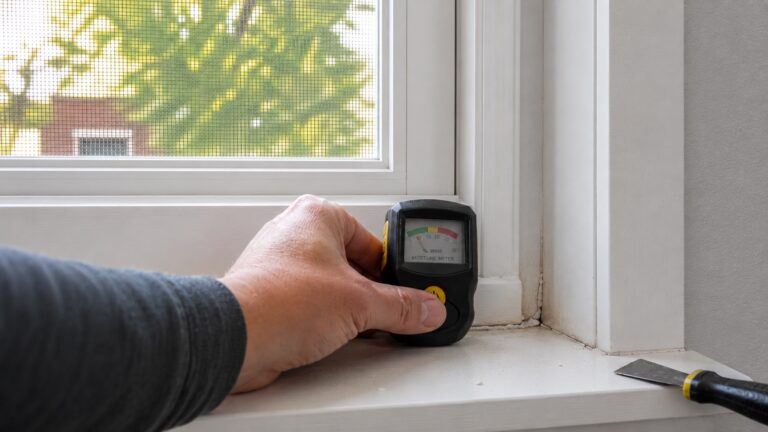
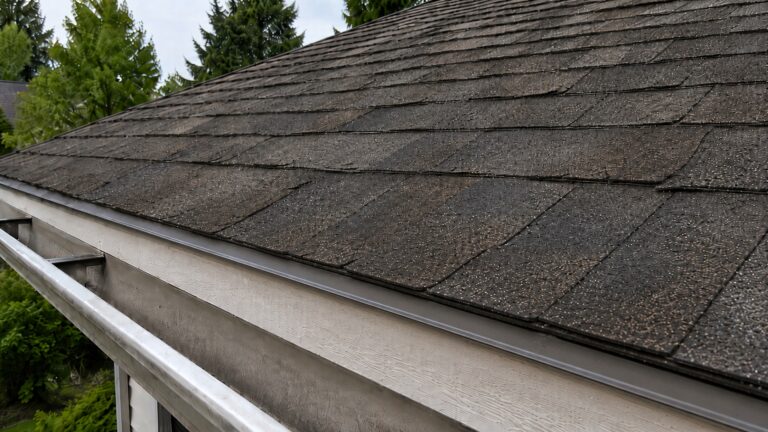
Structural damage from moisture usually progresses in stages, not all at once. A small stain, damp material, swollen trim, or soft drywall may be the first visible clue. The concern rises when moisture stays hidden, keeps returning, reaches framing or subfloors, or affects the way structural connections carry weight.
This progression matters because early moisture damage can often be stopped. If the source is corrected quickly and materials dry properly, the damage may remain limited to finishes or replaceable materials. If moisture stays trapped behind surfaces or continues reaching the same area, it can move from cosmetic damage to material breakdown, then to framing weakness, rot, corrosion, and visible movement.
Understanding this timeline helps homeowners avoid two common mistakes: panicking over every stain or ignoring moisture because the surface looks dry. A stain may be minor, but it may also be the visible endpoint of hidden water movement. A normal-looking floor, wall, or ceiling can still hide damp subflooring, framing, insulation, or cavities.
This guide explains the progression from early moisture exposure to hidden dampness, finish failure, framing weakness, rot, corrosion, and visible movement. For a broader structural overview, see Structural Moisture Problems in Homes: Causes, Risks, and Repair Guide. For whole-home moisture prevention and long-term planning, see How to Find, Fix, and Prevent Moisture Problems in Homes.
Why Structural Moisture Damage Progresses Over Time
Moisture damage progresses because building materials respond to water in different ways. Some materials absorb water quickly. Some trap moisture. Some dry unevenly. Some hide damage behind finished surfaces. Some lose strength only after repeated exposure or long-term dampness.
The progression depends on several factors:
- How much water entered the area
- How long materials stayed wet
- Whether the source was corrected
- Whether moisture stayed trapped behind finishes
- Whether the same area gets wet repeatedly or shows a recurring pattern
- Whether framing, subfloors, sheathing, fasteners, or bearing points were affected
- Whether rot, corrosion, or connection damage has begun
A small one-time leak that is found quickly may cause only minor staining or material damage. A slow leak inside a wall can cause more serious deterioration because the wood, insulation, drywall, and fasteners may stay damp for weeks or months. A crawl space that remains humid every season can gradually affect joists and subflooring even without a dramatic flood.
If the same wall, floor, ceiling, or crawl space keeps showing moisture symptoms after cleanup, compare the pattern with How to Detect Repeated Moisture Problems before assuming the area is truly dry.
Moisture progression is also influenced by location. Water on an open concrete floor is different from water trapped under vinyl flooring. A damp piece of trim is different from a damp sill plate. A wet ceiling stain is different from roof sheathing that stays damp above insulation. The same amount of water can create very different outcomes depending on where it goes and how quickly it dries.
Structural damage is usually the later part of the progression. Early symptoms often appear in finishes first: paint, drywall, trim, flooring, or insulation. Structural concern begins when moisture reaches framing, subfloors, sheathing, beams, posts, joists, rafters, wall plates, load-bearing walls, or connections. For a guide focused on recognizing broader structural warning signs, see Signs of Structural Moisture Problems.
A simple way to think about the progression is: source first, hidden moisture second, material failure third, structural weakening fourth, and visible movement last. The earlier the problem is caught in that chain, the more likely repairs stay limited.
Stage 1: Moisture Reaches Building Materials
The first stage is simple exposure. Water reaches materials that were not designed to stay wet. At this point, the damage may still be limited, but the source and pathway are important because water often travels farther than the visible stain suggests.
Leaks, Floods, Condensation, and Seepage
Moisture exposure can begin in many ways. A roof leak may wet attic insulation and ceiling drywall. A plumbing leak may run down inside a wall cavity. A dishwasher leak may spread under kitchen flooring. Basement seepage may dampen framing near finished walls. Crawl space moisture may reach joists from below. Condensation may collect on cold sheathing, ductwork, or framing.
Common moisture sources include:
- Roof, window, door, or exterior wall leaks
- Plumbing, appliance, or HVAC condensation leaks
- Flooding, basement seepage, or crawl space dampness
- Poor exterior drainage around the home
- High indoor humidity or recurring condensation
At this first stage, the most important step is identifying and stopping the source. If water continues entering the same area, the damage does not stay in stage one. It keeps moving into deeper materials.
If the moisture came from flooding, sewage, or water near electrical systems, treat the area as a safety issue before inspecting damage.
Why the Visible Stain May Not Show the Full Path
A visible stain is often only the final point where water appeared. Water may travel along framing, pipes, wiring, insulation, joists, roof sheathing, subfloor seams, or wall cavities before showing up on a surface. That means the most obvious stain may not be the most important part of the damage.
For example, a ceiling stain below a bathroom does not prove the damage is limited to the ceiling drywall. Water may have passed through the bathroom floor, subfloor, insulation, and joist area first. A stain near a window may point to moisture inside the wall assembly around the opening. A soft floor near a door may indicate water entered under the threshold and stayed under the finished flooring.
This is why early moisture exposure should be traced, not just covered. Painting over a stain or replacing trim without understanding the water path can leave hidden materials damp. That hidden dampness is what allows the next stages of damage to begin.
Stage 2: Materials Absorb Water and Dry Unevenly
Once moisture reaches building materials, those materials respond differently. Some absorb water and lose strength quickly. Some swell and then dry with permanent shape changes. Some hold water against nearby wood. Some appear dry on the surface while moisture remains underneath.
Drywall, Insulation, Flooring, and Wood Respond Differently
Drywall can soften, swell, crumble, stain, or support mold growth when it stays wet. It is usually not structural, but it is an important warning sign because it can hide wet framing or insulation behind it.
Insulation can trap moisture against wood framing and slow drying. Wet insulation in walls, ceilings, crawl spaces, or attics can keep studs, joists, rafters, and sheathing damp long after the visible surface looks dry.
Flooring can trap moisture beneath the finished surface. Vinyl, laminate, carpet, tile, and hardwood can all hide subfloor wetting. The homeowner may see cupping, loose tiles, raised seams, or a soft spot only after moisture has been present for a while.
Wood framing can absorb moisture, swell, shrink, twist, or support decay if dampness continues. A wet joist, stud, rafter, sill plate, or subfloor panel is not automatically ruined, but it must be dried and evaluated. For a deeper explanation of wood behavior, see How Moisture Weakens Structural Framing.
Why Uneven Drying Creates Later Symptoms
Uneven drying is one reason moisture damage may look worse days or weeks after the original leak. Materials do not dry at the same speed. A surface may dry while the back side remains damp. A subfloor seam may swell and stay raised. A wall cavity may hold moisture behind drywall. Wood framing may shrink after swelling, creating cracks, gaps, or loosened connections.
Later symptoms may include:
- Cracked paint or drywall tape
- Trim gaps or separation
- Cupped or crowned flooring
- Raised seams in subflooring
- Persistent musty odor
- Soft spots that appear after drying
- Doors or windows that begin sticking
- Recurring stains after the surface was cleaned
These delayed symptoms do not always mean severe structural damage, but they show that moisture affected more than the visible surface. When symptoms appear after the leak seems dry, hidden material movement or trapped moisture should be considered.
Do not rely on touch alone in this stage. A surface can feel dry while the back side of drywall, the underside of flooring, or the wood below a finish layer still holds moisture.
Stage 3: Hidden Moisture Remains Behind Surfaces
Hidden moisture is the stage where many structural problems begin to develop quietly. The visible water may be gone, the room may look dry, and the stain may stop spreading, but moisture can remain behind surfaces that slow evaporation.
This stage is important because structural damage often progresses out of sight. Water trapped in a wall cavity, subfloor, ceiling assembly, crawl space, attic, or basement finish system can keep materials damp long after the homeowner thinks the event is over.
Wall Cavities and Insulation
Wall cavities can hold moisture after plumbing leaks, floods, exterior wall leaks, window leaks, roof leaks, or condensation. Drywall may dry on the room-facing side while the back of the panel, insulation, studs, sheathing, or bottom plate remains damp.
Wet insulation makes this worse. Insulation can hold moisture against framing and reduce airflow inside the cavity. If the wall is closed too early, the wood may remain damp enough for mold, decay, or fastener problems to develop.
Lower wall areas deserve extra attention after flooding or floor-level leaks. Water can collect at the base of the wall, soak into bottom plates, and wick upward into drywall. A baseboard stain may be the only visible clue that deeper wall materials stayed wet.
Subfloors and Flooring Layers
Subfloors often hide moisture because finished flooring blocks airflow. Water from toilets, showers, tubs, sinks, dishwashers, washing machines, refrigerators, water heaters, exterior doors, and basement seepage can travel under the visible floor surface.
The finished flooring may look dry while moisture remains below it. Vinyl, laminate, carpet, hardwood, tile, and underlayment can all slow drying. Over time, the subfloor may swell, delaminate, soften, or lose fastener grip.
Hidden subfloor moisture often becomes obvious only after symptoms appear. The floor may feel soft, spongy, uneven, or bouncy. Tile may crack. Laminate may lift. Hardwood may cup. Carpet may smell musty. These symptoms can appear after the original leak seems resolved because the trapped moisture continued affecting the floor system.
Crawl Spaces, Basements, and Attic Assemblies
Crawl spaces, basements, and attics are common hidden moisture zones because homeowners do not inspect them daily. These areas often contain structural wood, insulation, fasteners, connectors, and support components that can remain damp for long periods.
In crawl spaces, damp soil, standing water, seepage, plumbing leaks, condensation, or poor drainage can affect joists, beams, rim joists, sill plates, and subfloor undersides before the living space above shows obvious damage. In basements, finished walls can hide damp masonry, wet framing, insulation, or sill plate moisture. In attics, roof leaks or condensation can wet insulation, rafters, trusses, and roof sheathing while the only interior clue is a ceiling stain.
Hidden moisture is not automatically structural damage, but it extends the risk window. The longer structural materials stay damp, the more likely the damage is to move into later stages.
Stage 4: Finishes and Nonstructural Materials Begin to Fail
Before structural materials fail, finish materials often show distress. This stage can look alarming, but it is not always structural. Paint, drywall, trim, flooring, cabinets, and insulation can fail before joists, beams, studs, or rafters are weakened.
The key is to treat finish damage as a warning sign. It may be the visible symptom of hidden moisture behind or below it.
Stains, Swelling, Peeling, Soft Drywall, and Musty Odor
Common symptoms at this stage include water stains, bubbling paint, peeling wallpaper, swollen trim, soft drywall, musty odor, loose flooring, warped baseboards, and surface mold. These signs usually mean moisture reached materials that were not meant to stay wet.
Drywall may become soft or crumbly. Baseboards may swell or pull away from the wall. Flooring may lift or cup. Cabinets may darken at the base. Paint may bubble where moisture is trapped behind it. These symptoms do not always prove structural damage, but they show the moisture problem has moved beyond a surface spill.
Musty odor is especially important because it can point to hidden dampness. If the room smells musty after the visible surface has dried, moisture may remain behind finishes, under flooring, or inside cavities.
Why This Stage Is Often Still Recoverable
Stage four is often still recoverable if the source is corrected and hidden moisture is addressed. Damaged drywall, trim, insulation, flooring, or cabinets may need removal or replacement, but the structural framing may still be sound if it did not stay wet long enough to weaken.
This is the stage where quick action can prevent a material problem from becoming a structural problem: stop the source, expose trapped moisture if needed, dry the affected area properly, and avoid covering damp materials.
For larger water events, hidden moisture, or wet structural areas, professional drying may be needed. The article When to Call Water Damage Restoration Services explains when basic homeowner drying is no longer enough.
Recoverable does not mean ignorable. If finish damage is repaired without drying the assembly, moisture can remain active behind the repair. New paint, new trim, or new flooring may hide the problem temporarily while the structure continues into the next stage.
Stage 5: Framing, Subfloors, and Connections Start to Weaken
Structural progression becomes more serious when moisture reaches framing, subfloors, sheathing, or connections. These materials help support loads, hold the home together, and keep floors, walls, ceilings, and roofs stable.
At this stage, the concern is no longer just what the surface looks like. The concern is whether the materials behind or below the surface still have the strength, stiffness, shape, and connection reliability they need.
Wood Framing Movement and Strength Loss
Wood framing can absorb moisture, swell, shrink, twist, split, or lose stiffness if it stays damp or gets wet repeatedly. Joists, studs, rafters, sill plates, rim joists, headers, beams, and posts matter more than surface materials because they help carry and transfer loads. This article focuses on where that weakening fits in the overall progression; the framing-specific mechanics are covered in How Moisture Weakens Structural Framing.
Early framing damage may not look dramatic. The wood may appear stained, damp, slightly warped, or moldy. More serious symptoms include softness, cracking, sagging, decay, or visible movement. Framing that remains wet after the surface dries should not be covered until it is properly dried and evaluated.
Moisture weakening is not only about rot. Repeated wetting and drying can distort framing and stress connections before advanced decay appears. That is why long-term dampness around structural wood deserves attention even when the wood has not visibly crumbled.
Subfloor Delamination and Fastener Movement
Subfloors are a common transition point between material damage and structural damage. They may absorb water from above, dry slowly from below, and remain hidden under finished flooring. When subfloor panels swell or delaminate, floors may begin to feel soft, uneven, or unstable.
Fasteners can also loosen as wet wood swells and shrinks. Subfloor nails or screws may lose grip. Joist hangers may shift or corrode. Sheathing attachments may weaken. These connection changes may not be obvious at first, but they can affect how the floor or wall system performs.
A soft floor after moisture exposure should never be judged by the floor covering alone. Check whether the softness is new, spreading, located near a leak source, or paired with musty odor, raised seams, cracked tile, or movement underfoot. The finished surface may hide a weakened subfloor, wet underlayment, or moisture-damaged framing below.
Connection and Bearing Point Concerns
Structural systems depend on connections and bearing points. Joists rest on beams or sill plates. Posts carry loads to footings. Rafters bear on walls. Subfloors fasten to joists. Headers transfer loads around openings. If moisture affects these areas, the structural risk increases.
Common high-risk locations include joist ends, post bases, beam pockets, sill plates, rim joists, joist hangers, stair framing, and roof framing connections. A small amount of decay or movement at a bearing point can matter more than a larger stain in a nonstructural area.
This is where progression should be taken seriously. If moisture has reached structural framing or load-bearing connections, do not simply replace finishes. The source must be stopped, the area must dry, and the affected structural components may need professional evaluation.
Stage 6: Rot, Corrosion, and Load-Path Problems Develop
If moisture continues long enough, the damage can move from material weakness into decay, corrosion, and load-path concerns. This is the stage where structural moisture damage becomes harder to reverse with drying alone.
Drying can stop active moisture conditions, but it cannot restore wood fibers that have already decayed, metal connectors that have lost strength, or framing connections that have shifted. Once structural materials begin breaking down, the repair conversation changes from drying to evaluation, reinforcement, replacement, or reconstruction.
Wood Rot and Decay
Wood rot develops when damp conditions allow decay fungi to break down wood material. In the overall damage progression, rot usually indicates that moisture has persisted beyond simple surface wetting. It often begins in areas that stay wet repeatedly, such as joist ends, sill plates, subfloor seams, post bases, roof sheathing, wall bottom plates, and rim joists.
Early rot may look like dark staining or slight softness. Advanced rot may feel punky, crumbly, brittle, stringy, or easy to penetrate. If rot affects framing, the damage may reduce the strength of wood members and the reliability of the structure around them.
Rot is only one part of structural progression, but it is an important stage because it means the wood itself is deteriorating. For the rot-specific process, see How Wood Rot Develops After Water Damage.
Corroded Connectors and Fasteners
Moisture can also affect metal parts of the framing system. Nails, screws, joist hangers, post bases, straps, brackets, bolts, and other connectors can corrode in damp conditions. This is especially common in crawl spaces, basements, roof areas, exterior wall assemblies, and places where wet wood stays in contact with metal hardware.
Light surface rust is not always a structural emergency, but heavy corrosion, missing fasteners, loose hangers, flaking metal, or softened wood around connectors should be treated seriously. A structural member depends not only on the wood itself but also on how it is connected and supported.
Connection problems can develop quietly. A joist may still look mostly intact while the hanger is corroded or the wood around the fasteners has softened. A subfloor may still be in place while fasteners have loosened from swelling and shrinkage cycles. Over time, these connection issues can contribute to bounce, sagging, separation, or movement.
When Load-Bearing Members Raise the Urgency
Load-bearing materials change the urgency of moisture damage. Rot in trim is different from rot in a beam. Soft drywall is different from a softened sill plate. A stained cabinet base is different from a damaged floor joist.
Moisture damage becomes more serious when it affects:
- Floor joists
- Beams
- Posts
- Sill plates
- Rim joists
- Headers
- Load-bearing wall framing
- Roof rafters or trusses
- Subfloor sections that support traffic or fixtures
- Stair framing
These areas should not be patched cosmetically before the structure is evaluated. If moisture affects load-bearing wood or its connections, compare the situation with Signs of Load-Bearing Wood Damage and consider professional inspection before repair work begins.
Stage 7: Structural Movement Becomes Visible
Visible movement is usually a later-stage warning sign. By the time floors sag, ceilings bow, walls shift, or openings move, moisture may have already affected materials below the surface. This does not mean the home is automatically unsafe, but it does mean the issue should no longer be treated as a finish repair.
Sagging, Bounce, Deflection, and Shifting
Sagging and deflection show that a surface or structural member has changed shape. A sagging ceiling may indicate water weight, weakened drywall, wet insulation, or framing concerns above. A dipping floor may indicate subfloor damage, joist weakening, beam problems, or support issues below.
Bouncy floors are also important. A floor can feel bouncy when joists are weakened, connections loosen, subflooring loses stiffness, or supports shift. Some floor bounce may be normal in older homes, but new bounce after water exposure should be investigated.
Shifting can appear as leaning posts, bowed walls, separated framing, uneven stair movement, or roof dips. These symptoms suggest that moisture damage may have affected support or load transfer.
Doors, Windows, Cracks, and Separated Finishes
Visible structural movement often appears around doors, windows, and finish transitions. Doors may begin sticking. Windows may bind. Cracks may widen near corners or openings. Trim may separate from walls. Cabinets may pull away. Flooring may gap or lift.
These symptoms can happen for many reasons, including normal seasonal movement or settlement. The concern rises when they appear after water damage, flooding, repeated leaks, crawl space dampness, roof leaks, or long-term moisture exposure.
If structural movement appears after water damage, the next step is not simply to patch cracks or plane doors. The underlying moisture path and affected structure need to be evaluated. If the area may be unsafe, see How to Evaluate Structural Safety After Water Damage.
When Moisture Damage Progression Can Still Be Stopped
Moisture damage progression can often be stopped when the source is corrected early and affected materials are dried properly. The earlier the intervention, the more likely the damage stays limited to finishes or replaceable materials.
Progression is easier to stop when:
- The leak or moisture source is fixed quickly.
- Wet materials are exposed instead of covered.
- Insulation, flooring, or drywall that traps moisture is removed when necessary.
- Framing is dried before decay develops.
- Subfloors remain firm and stable.
- Moisture readings return to normal.
- The same area does not keep getting wet.
- Musty odor and staining do not return after drying.
The key is source control. If the same wall, floor, crawl space, or ceiling keeps getting wet, the progression can restart even after repairs. New drywall, paint, trim, or flooring will not stop structural damage if the moisture source is still active.
Repair sequencing matters. Stop the water source first, dry the affected area, evaluate hidden materials, then repair or replace damaged components. If multiple areas are involved, How to Prioritize Moisture Repairs in Your Home can help sort urgent structural issues from follow-up repairs.
When Progression Requires Professional Repair
Professional repair becomes necessary when moisture damage has moved beyond surface materials and into structural components, hidden cavities, or repeated damage patterns. This is especially true when the affected area supports weight or shows movement.
Call a professional when you notice:
- Soft, punky, or rotted structural wood
- Sagging ceilings or floors
- Bouncy, dipping, or unstable flooring
- Wet or damaged joists, beams, posts, rafters, sill plates, or headers
- Corroded joist hangers or structural connectors
- Subfloor delamination or repeated floor softness
- Moisture that keeps returning after repairs
- Hidden moisture inside walls, ceilings, floors, crawl spaces, or attics
- Water damage near load-bearing walls or foundation edges
- Doors, windows, walls, or stair areas shifting after moisture exposure
If a ceiling is sagging, a floor feels unsafe, electrical systems were exposed to water, or structural movement appears suddenly, stay out of the affected area until it has been evaluated. Do not test a questionable floor, ceiling, stair, or attic area by walking on it.
Different professionals may be needed depending on the stage. A restoration company may handle drying and moisture mapping. A plumber, roofer, foundation contractor, HVAC technician, or exterior repair contractor may be needed to stop the source. A structural engineer or qualified structural contractor may be needed when load-bearing members, sagging, or structural uncertainty are involved.
When structural wood is damaged, the final decision may involve repair, reinforcement, or replacement. That decision depends on location, severity, load-bearing role, and whether the moisture source has been solved. For that next-stage decision, see Should You Repair or Replace Structural Wood Affected by Moisture?.
Common Misconceptions About Moisture Damage Progression
Structural moisture damage is often misunderstood because visible symptoms do not always match the hidden condition. These misconceptions can cause homeowners to overreact to minor stains or ignore damage until framing, subfloors, or connections are affected.
If the Water Is Gone, the Damage Stopped
Visible water may be gone while hidden moisture remains. Wall cavities, insulation, subfloors, crawl spaces, attic assemblies, and finished basement walls can stay damp after the surface looks dry. Damage stops only when the source is corrected and affected materials dry properly.
Structural Damage Happens Immediately
Some hazards can be immediate, such as unsafe floors, sagging ceilings, flooding, or electrical exposure. But many structural moisture problems progress gradually. Repeated dampness, hidden wet materials, rot, corrosion, and connection damage often develop over time.
A Stain Shows the Full Extent of Damage
A stain may only show where water finally appeared. The moisture path may include framing, insulation, subflooring, roof sheathing, wall cavities, or exterior assemblies. The hidden path can matter more than the visible stain.
Drywall Damage Is the Same as Structural Damage
Drywall damage is often an early warning sign, not proof of structural failure. Structural concern begins when moisture affects framing, subfloors, roof sheathing, beams, joists, rafters, posts, load-bearing walls, or connections.
Mold Means the Structure Has Already Failed
Mold indicates moisture conditions that need correction. It does not automatically mean the structure has failed. However, mold can show that materials stayed damp long enough for deeper damage risk to increase.
Finishes Can Be Repaired Before Moisture Is Addressed
Painting, installing flooring, replacing trim, or closing drywall before source correction and drying can trap moisture. Finish repair should come after the moisture source is fixed and hidden materials are evaluated.
Old Water Damage Cannot Progress
Old water damage may be inactive if the area is dry, stable, and no longer changing. But if the source continues, hidden moisture remains, or weakened materials were covered, the damage can continue progressing or reappear later.
FAQ About Structural Damage Progression
When does water damage start becoming structural?
Water damage starts becoming a structural concern when moisture reaches framing, subfloors, sheathing, fasteners, bearing points, or load-bearing areas. If the source is fixed quickly and materials dry properly, progression may stop before structural damage develops.
How long does it take moisture to cause structural damage?
There is no exact timeline. Structural damage depends on moisture amount, duration, material type, drying conditions, hidden cavities, and whether the same area gets wet repeatedly. A short leak that dries quickly is less risky than long-term hidden dampness.
Can structural damage be stopped if caught early?
Yes. Early moisture damage can often be stopped by correcting the source, exposing trapped wet materials, drying the affected area, and monitoring for recurrence. Once rot, sagging, connection failure, or load-bearing damage develops, repair may be needed.
Why did damage appear after the leak dried?
Damage can appear later because materials dry unevenly. Wood may shrink after swelling, flooring may cup, drywall may crack, or hidden moisture may continue affecting materials after the visible surface dries.
Does mold mean structural damage is progressing?
Mold does not automatically mean structural damage is progressing, but it does show that moisture conditions are present. If mold appears with softness, rot, sagging, recurring dampness, or structural materials, the concern is higher.
What is the first sign moisture damage is becoming structural?
Early structural concern often appears as soft floors, sagging surfaces, damp framing, repeated moisture in structural areas, subfloor swelling, or cracking and separation after water exposure. Staining alone is usually less serious than movement, softness, or load-bearing involvement.
Can moisture damage progress after repairs?
Yes. Moisture damage can progress after repairs if the original source was not fixed, hidden materials stayed damp, or damaged structural components were covered instead of evaluated. Durable repair requires source control, drying, inspection, and then rebuilding.
Key Takeaways: How Moisture Damage Progresses
- Structural moisture damage often progresses in stages rather than appearing all at once.
- Early symptoms often show up as stains, swelling, soft drywall, odor, or finish damage before structural members are weakened.
- Hidden moisture behind surfaces can keep damage progressing after visible water is gone.
- Structural concern increases when moisture reaches framing, subfloors, sheathing, fasteners, bearing points, or load-bearing areas.
- Rot, corrosion, loose fasteners, sagging, bounce, deflection, and spreading cracks are later-stage warning signs.
- Progression can often be stopped early by correcting the source, exposing trapped wet materials, drying properly, and monitoring for recurrence.
- Professional evaluation is needed when structural materials are soft, rotted, sagging, unstable, repeatedly wet, or visibly moving.