Signs Roof Valleys Are Failing
Roof valleys are some of the most leak-prone areas on a home because they collect water from two roof slopes and carry it down a narrow channel. When a valley is working properly, rainwater moves quickly off the roof without backing up under shingles, soaking debris, or reaching the roof deck. When a valley starts to fail, the first signs are often subtle: worn shingles along the valley line, debris that stays wet, rusted flashing, staining in the attic, or ceiling marks that appear after heavy rain.
Because valley leaks can spread before they become obvious indoors, early warning signs matter. A failing valley may not drip directly into the living space right away. Water can move along roof decking, rafters, insulation, or drywall before it finally shows up as a stain. That is why roof valleys deserve close attention when checking for common roofing material failures that can lead to hidden moisture damage.
Use the signs below to compare the outside valley condition with attic or ceiling evidence. A valley becomes more suspicious when exterior wear, debris, rust, and indoor staining all point to the same roof intersection.
What Roof Valley Failure Usually Means
Roof valley failure does not always mean the entire roof is failing. In many cases, the problem is concentrated along the channel where two roof planes meet. The valley may be failing because the shingles along the edge are worn, the valley flashing has deteriorated, debris is holding water in place, fasteners are exposed, or water is being pushed sideways under the roofing materials during heavy rain.
A roof valley can also fail beneath the surface. From the ground, the shingles may still look fairly normal, but the underlayment, flashing edges, or shingle integration may no longer be keeping water out. This is one reason valley leaks can confuse homeowners. The visible roof surface may not look severely damaged, yet ceiling stains or attic moisture may still appear after storms.
Common roof valley failure patterns include:
- Worn or missing granules along the valley line
- Cracked, lifted, or curled shingles near the valley edge
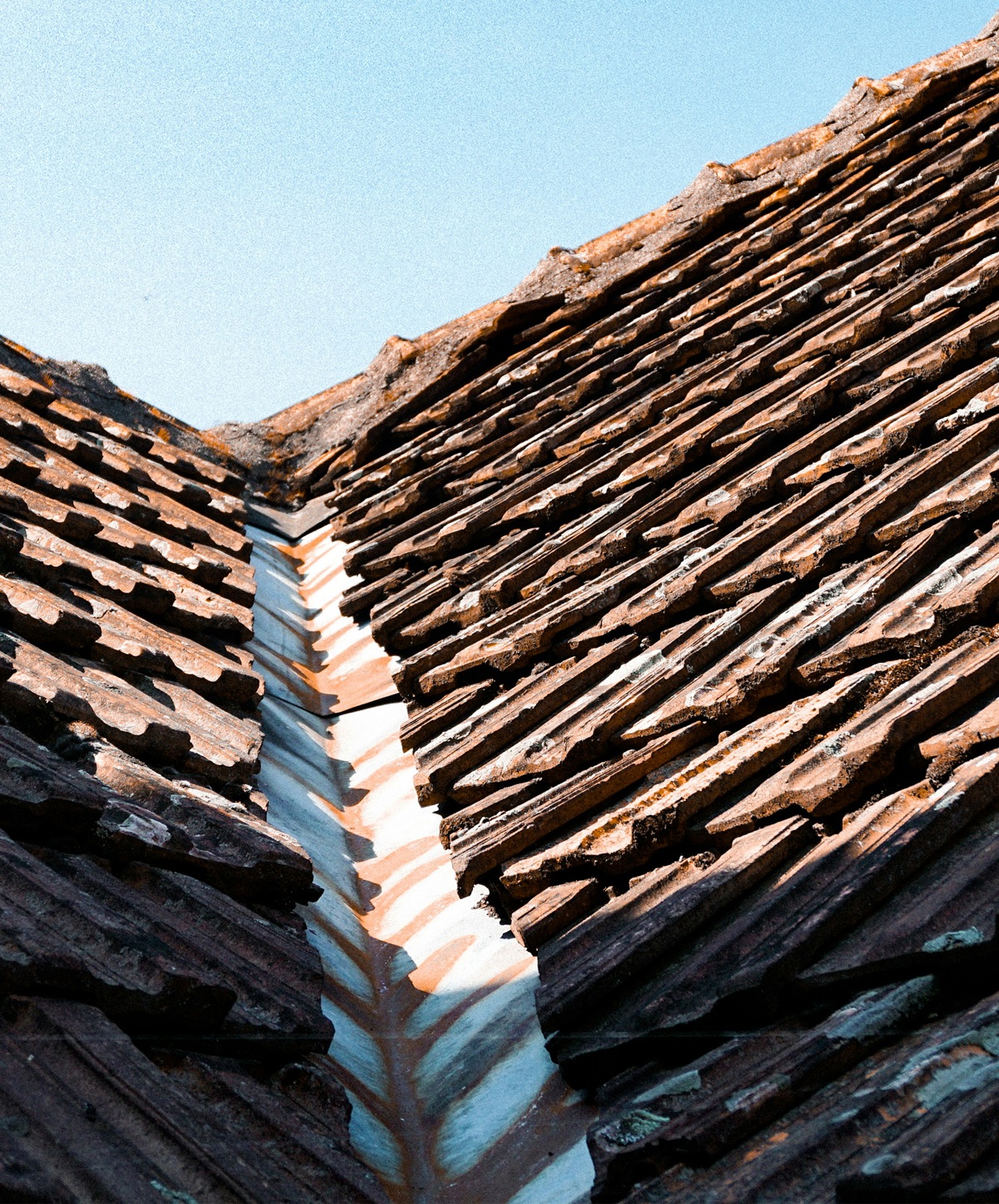
- Rust, staining, or exposed metal in the valley channel
- Leaves, pine needles, or grit collecting in the valley
- Water stains below the roof-plane intersection
- Wet attic insulation beneath the valley area
- Leaks that return after surface patching or roof cement
This article focuses on warning signs, not roof repair instructions. The goal is to help you recognize when a roof valley may be turning into a moisture entry point and when the area needs a safer professional inspection.
Why Roof Valleys Are More Vulnerable Than Flat Roof Areas
A roof valley carries runoff from both sides of a roof intersection, so it handles more water than most open roof slopes. During heavy rain, wind-driven rain, or storms with debris, that narrow channel becomes one of the hardest-working drainage areas on the roof.
This concentration of water is the main reason valley problems can develop faster than damage in flatter, more open roof areas. If shingles are aging, granules are wearing away, flashing is rusting, or debris is slowing drainage, the valley may start holding water where the roof was designed to shed it quickly.
Roof valleys are also natural debris collection points. Leaves, pine needles, small branches, seed pods, and loose shingle granules often slide into the valley and stay there. When that debris becomes wet, it can form a small dam. Water may then slow down, pool briefly, or move sideways under the edges of shingles instead of flowing cleanly down the roof.
Another reason valleys are vulnerable is that they involve transitions. Any place where roofing materials meet, overlap, or change direction requires careful water management. That does not mean every valley will leak, but it does mean valley areas should be checked more carefully than simple open roof slopes. If other roof-related moisture problems are showing up inside the home, compare the valley symptoms with nearby roof leak patterns instead of judging one ceiling stain in isolation.
Exterior Signs Roof Valleys Are Failing
The outside of the roof often gives the first clues that a valley is starting to fail. Some signs can be seen from the ground with binoculars, while others require a safe roof-level inspection by a professional. Homeowners should avoid climbing onto steep, wet, brittle, or storm-damaged roofs just to inspect a valley. From the ground, focus on patterns you can compare safely: a worn track down the valley, debris that stays in the same channel, rusted metal, missing shingle edges, or staining that lines up with the roof intersection. A roof valley is already a concentrated water path, and walking near it can make fragile materials worse.
Worn or missing granules along the valley
Granule loss along a roof valley is one of the most common early warning signs. Asphalt shingles use granules to protect the shingle surface from sunlight and weather exposure. Because valleys carry concentrated runoff, loose granules may wash away faster along the valley line than on other parts of the roof.
From the ground, this may look like darker shingle strips, shiny exposed asphalt, or a worn track running down the valley. You may also notice piles of granules collecting in gutters or at the lower end of the valley. Some granule loss is expected as a roof ages, but heavy or uneven granule loss along the valley can mean the water channel is wearing down faster than the surrounding roof surface.
Lifted, cracked, or curled shingles near the valley edge
Shingles along the valley edge need to stay flat and secure so water keeps moving down the channel. If shingles are curled, cracked, lifted, or broken near the valley, wind-driven rain can get under the edges. Once water gets beneath the visible surface, it may reach underlayment, flashing, decking, or nearby fasteners.
This type of damage is especially concerning when it follows the valley line rather than appearing randomly across the roof. A single damaged shingle may be an isolated issue. A repeated pattern of lifted or brittle shingles along the valley suggests the drainage path itself may be deteriorating.
Rust, staining, or exposed valley metal
Some roof valleys use exposed metal flashing, while others are covered by shingles. When metal is visible, rust, corrosion, dark streaking, bent sections, or separated edges can be warning signs. A small surface stain does not always mean the valley is leaking, but rust combined with shingle wear, debris buildup, or interior moisture should be taken seriously.
Exposed metal also becomes more concerning when fasteners are visible in the water path. Nails or screws placed where runoff flows can create small entry points as seals age. Over time, the fastener holes may widen, sealant may crack, and water may begin entering below the valley surface.
If the valley metal looks displaced, wavy, punctured, or poorly aligned, the problem may be more than cosmetic. Valley flashing has to direct water down and away from the roof opening. Once it separates or corrodes, water can move beneath nearby shingles rather than staying in the intended drainage channel. Broader flashing symptoms are covered separately in Signs Roof Flashing Is Failing, but valley flashing deserves special attention because of the amount of water it carries.
Debris buildup that changes water flow
Debris in a roof valley is not automatically proof that the valley is leaking, but it is a warning condition. Leaves, pine needles, twigs, seed pods, moss, and loose shingle granules can collect in the channel and slow the movement of water. When that debris stays wet, it can hold moisture against shingles and flashing longer than the roof was designed to tolerate.
The risk increases when debris forms a small dam. Instead of flowing straight down the valley, water may spread sideways, back up under shingle edges, or overflow into areas that were not designed for concentrated runoff.
Watch for debris patterns that return quickly after cleaning, dark wet streaks that follow the same valley line, or piles of granules gathering at the lower end of the channel. These signs suggest the valley is not shedding water cleanly. If the debris is coming from aging shingles, the valley may also be showing early material failure, not just a maintenance issue.
Sagging, uneven, or soft-looking valley areas
A roof valley should look straight, supported, and consistent with the surrounding roof planes. A sagging or uneven valley line can indicate deeper trouble, especially if the area also shows staining, shingle distortion, or repeated leaks. Valleys sit over framing and decking, so a dip may suggest the roof deck has weakened or the valley structure has been affected by long-term moisture.
This is not a symptom to ignore or test by walking on the roof. A soft-looking valley may already have damaged decking beneath the shingles. Walking on that area can worsen the problem and create a safety hazard. If a valley appears sunken, spongy, uneven, or deformed, it should be inspected by a qualified roofing professional before more water enters the roof system.
Interior Signs of a Roof Valley Leak
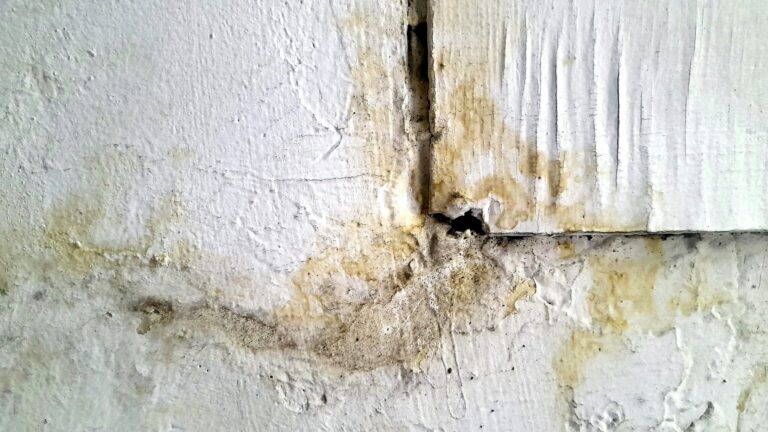
Roof valley failure does not always announce itself with dripping water. In many homes, the first interior clue is a stain that appears after storms, then fades or stops growing during dry weather. Because water can travel along framing before it reaches a ceiling, the visible stain may not sit directly under the exact entry point.
Interior signs that may point to a roof valley leak include:
- Brown or yellow ceiling stains near an inside corner or roof-plane intersection
- Paint bubbling or peeling after heavy rain
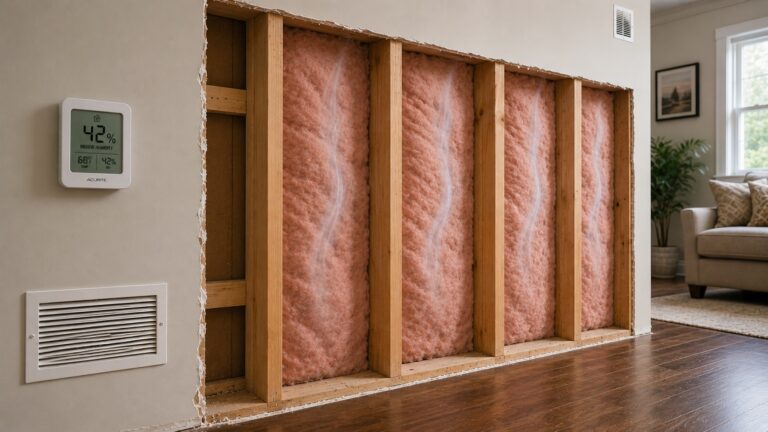
- Wet attic insulation below a valley area
- Darkened roof sheathing in a line beneath the valley
- Musty attic odors after storms
- Recurring damp spots that appear during wind-driven rain
- Staining that returns after a previous roof patch
The timing of the stain matters. A stain that appears after wind-driven rain, long heavy storms, or debris-clogged runoff is more suspicious for a valley drainage problem than a mark that grows during dry, cold weather. Roof condensation, plumbing leaks, and HVAC moisture can create similar stains, but valley leaks usually connect to storm patterns and roof geometry. If the stain is below a roof intersection, a valley should be one of the first areas considered.
Attic evidence can be especially helpful. Wet insulation, dark roof decking, rusty nails, or water tracks beneath the valley line can narrow the likely source. However, attic inspections should be done carefully. Wet insulation can hide damage, and steep attic framing can be unsafe to walk across. If you see moisture below a valley but cannot safely trace it, stop and schedule an inspection.
Recurring roof stains are another warning sign. If a valley was previously sealed with roof cement or patched at the surface but the stain returns, the underlying problem may not have been corrected. Repeated leaks after repairs are often a sign that the original water pathway was not fully identified, which is why recurring moisture belongs in a broader troubleshooting process like why roof leaks return after repairs.
Debris and Drainage Patterns That Warn of Valley Problems
Debris becomes a valley failure warning sign when it changes the water path. A clean valley should move rainwater down the channel without slowing, spreading sideways, or backing up beneath nearby roofing materials.
One of the most important signs is a repeated debris line. If leaves, pine needles, moss, or shingle granules keep collecting in the same valley, that area may have a slope, surface, or water-flow issue. The problem may be as simple as overhanging trees dropping material into the channel, but it can also indicate that the valley surface is rough, deteriorated, or no longer shedding water smoothly.
Another warning sign is debris that remains damp long after the rest of the roof has dried. Wet debris can hold moisture against shingle edges and flashing. Over time, this can accelerate granule loss, soften old sealant, stain valley metal, and give water more time to work into small openings.
Watch for water marks that do not follow the normal valley path. If staining, algae, or dirt trails spread sideways out of the valley, water may be escaping the channel instead of flowing straight down. This can happen when debris forms a small dam or when shingles along the valley edge are lifted, curled, or cut poorly.
Loose shingle granules in the valley are also important. A few granules in the gutter are normal as asphalt shingles age, but heavy granule accumulation in a valley can show that runoff is wearing down shingles in that high-flow area. If the valley is collecting granules and the shingles nearby look dark, smooth, or exposed, the roof surface may be losing protection where it needs it most.
Signs Valley Flashing May Be Deteriorating
Valley flashing helps protect the roof intersection beneath or between the visible shingles. Depending on the roof design, it may be exposed, partly visible, or hidden below shingles. Even when you cannot see all of it, symptoms around the valley can show that the water-control layer is no longer working correctly.
Visible rust is one of the clearest signs on exposed metal valleys. Rust does not automatically mean water is entering the home, but it shows that the metal has been exposed to moisture long enough to corrode. If rust appears along seams, fasteners, edges, or lower valley sections, the flashing may be weakening in areas that handle heavy runoff.
Separated valley edges are another concern. If shingles appear pulled away from the valley, if metal edges look raised, or if sealant has cracked along a transition, water may be able to move beneath the surface. These issues are especially risky in wind-driven rain because water can be pushed upward or sideways under materials that would normally shed water downward.
Exposed fasteners in or near the valley water path should also be treated as warning signs. Fasteners that penetrate flashing or shingles in high-flow areas can become leak points as washers, sealant, or surrounding materials age. If the fastener heads are rusty, loose, raised, or surrounded by dark staining, the valley should be inspected more closely.
Cracked sealant is common on older valley repairs, but it is not the same as a sound flashing system. Roof cement, caulk, or patching compound may temporarily slow water entry, but it can crack, shrink, or separate from the roof surface. If a valley depends on visible sealant to stay dry, the underlying flashing or shingle detail may already be compromised. For broader symptoms, compare the valley with roof flashing failure signs. For the mechanics behind those failures, see why roof flashing failures cause leaks.
How to Tell a Roof Valley Problem From Other Roof Leaks
Roof valley leaks can look similar to other roof leaks from inside the home. A ceiling stain does not always reveal the exact source. Water can enter at one point, travel along framing, and appear several feet away. Still, the pattern of the leak can help you decide whether a valley should be suspected.
A valley problem is more likely when the moisture appears below a place where two roof slopes meet. Inside the home, that may correspond to a ceiling corner, an angled ceiling line, an attic area beneath a roof intersection, or a room below a complex roof shape. If stains grow after heavy rain and the roof valley above that area shows debris, wear, or flashing symptoms, the valley becomes a strong suspect.
Roof penetration leaks behave differently. Vents, pipe boots, exhaust outlets, skylights, and other roof openings usually create moisture patterns near the specific penetration. If the stain is below a vent pipe or roof opening rather than below a roof-plane intersection, the issue may belong to a different leak source. That is why symptoms around vents and pipe boots are better compared with signs roof penetrations are leaking.
Condensation can also be mistaken for a valley leak. Condensation often appears as widespread dampness, frost, rusty nail tips, or moisture across multiple sections of roof sheathing. A valley leak is more likely to follow storm timing and appear in a specific path below the valley. If attic moisture appears during cold weather without rain, ventilation and condensation should be considered before assuming the valley is the source.
General shingle leaks may not follow the valley line at all. A damaged field shingle, wind-lifted tab, or nail pop can create a leak on an open roof slope. Valley leaks, by contrast, usually connect to the channel where water is concentrated. The more closely the stain, attic moisture, debris, and exterior wear line up with the valley, the more likely the valley is involved.
When a Failing Roof Valley Needs Professional Inspection
A roof valley should be inspected by a professional when the warning signs go beyond light debris or normal aging. Valleys carry too much water to rely on guesswork, especially if interior moisture has already appeared. A small defect in a high-flow valley can send water beneath shingles during every heavy storm.
Professional inspection is especially important if you notice ceiling stains, damp attic insulation, soft-looking roof areas, visible flashing separation, rusted valley metal, missing shingles, or repeated leaks after patching. These signs suggest that water may already be moving beneath the visible roof surface.
You should also be cautious if the roof is steep, wet, brittle, mossy, storm-damaged, or difficult to access safely. Valley areas are not good places for casual walking because the materials may already be weakened. If the valley looks uneven or soft, do not step on it to “test” the damage. That can worsen the roof and create a fall hazard.
A professional roofer can check whether the problem is limited to surface materials or whether the valley flashing, underlayment, decking, or adjacent shingles need repair. This distinction matters because surface patching may not solve a leak if water is entering through a hidden valley detail. If you are already seeing moisture inside the home, it may also be time to review when to hire a roofing contractor for moisture problems instead of waiting for the next storm to confirm the leak.
How to Reduce Moisture Damage While You Wait for Repairs
If you suspect a roof valley is failing, the goal is to limit additional moisture damage without creating a new safety risk. Do not climb onto a wet or steep roof to apply sealant, move shingles, or pull debris by hand unless you have the right equipment and experience. A temporary mistake in a valley can redirect water under the roof surface and make the leak worse.
Start by documenting what you can see safely. Take photos of ceiling stains, attic moisture, wet insulation, exterior valley debris, visible rust, or damaged shingles. Note the date, weather conditions, and whether the stain appeared during heavy rain, wind-driven rain, melting snow, or after a long wet period. These details help separate a true roof leak from condensation or another moisture source.
If water is actively dripping indoors, place a container beneath the drip and protect nearby flooring or furniture. If water is near light fixtures, outlets, wiring, or ceiling fans, avoid the area and treat it as an electrical hazard until it can be checked safely. Avoid painting over stains or replacing wet drywall before the source is corrected. Covering the symptom can make it harder to see whether the leak returns.
If attic access is safe, look for wet insulation, darkened roof sheathing, or water trails below the valley area. Do not compress or remove large amounts of insulation unless you know how to avoid electrical hazards, ceiling damage, and contamination. Wet insulation may need to be evaluated separately if the leak has been active for a while.
Avoid relying on roof cement as a permanent fix. Thick patching compounds can crack, trap moisture, or hide the actual failure point. In some cases, they make future repairs harder because the roofer must remove old patch material before finding the real leak path. A temporary patch may be appropriate in an emergency, but it should not replace proper valley evaluation.
Once the source is identified and repaired, keep monitoring the area after several storms. Valley leaks sometimes appear solved after one dry period, then return under heavier runoff. Long-term moisture control depends on confirming that the roof valley is shedding water correctly and that interior materials are drying as expected.
FAQ About Roof Valley Failure Signs
Can a roof valley leak even if the shingles look normal?
Yes. A valley can leak beneath the visible surface if the flashing, underlayment, fasteners, or shingle edges are failing. The shingles may still look acceptable from the ground while water is entering through a hidden detail below them.
Is debris in a roof valley always a leak problem?
No. Debris alone does not prove the valley is leaking, but it is a warning sign. Leaves, pine needles, and granules can slow drainage, hold moisture, and redirect water under shingle edges during heavy rain.
Why do roof valley leaks often show up after heavy rain?
Heavy rain sends more water through the valley than light rain. If the valley has worn shingles, damaged flashing, debris dams, or exposed fasteners, the higher runoff volume can expose weaknesses that do not leak during smaller storms.
Can roof cement permanently fix a leaking valley?
Usually no. Roof cement may temporarily slow water entry, but it does not correct failed flashing, worn underlayment, damaged shingles, exposed fasteners, or poor valley construction. If the leak returns after patching, the underlying water path likely was not fixed.
Should I climb onto the roof to inspect a valley?
In most cases, no. Roof valleys can be slippery, steep, and weakened by moisture. Use ground-level viewing, attic clues, and professional inspection instead of walking on a questionable valley area yourself.
Key Takeaways
- Roof valleys are high-risk leak areas because they collect runoff from two roof slopes.
- Common warning signs include granule loss, lifted shingles, rusted flashing, debris buildup, and interior stains after rain.
- Debris in a valley is not always proof of a leak, but it can slow drainage and increase moisture risk.
- Valley leaks may show up indoors as ceiling stains, wet attic insulation, dark roof sheathing, or musty attic odors.
- Repeated leaks after patching often mean the true valley failure point was not corrected.
- Professional inspection is safest when visible valley deterioration lines up with attic moisture, ceiling stains, or repeated leaks after patching.
What to Do When Valley Signs Line Up
Failing roof valleys are easy to overlook until water reaches the ceiling, attic insulation, or roof deck. The earliest signs often appear outside as worn shingles, debris buildup, rusted metal, exposed fasteners, or uneven valley lines. Inside the home, valley leaks may show up as stains after storms, damp attic insulation, dark roof sheathing, or recurring moisture that returns after surface patching.
The most important pattern is alignment. If exterior valley wear, debris, and interior moisture all point to the same roof intersection, the valley should be treated as a likely leak source. Cleaning debris may help if the roof materials are still sound, but rusted flashing, lifted shingles, soft decking, or recurring stains need more than a surface fix.
If the same valley shows exterior wear, poor drainage, and matching attic or ceiling moisture, do not treat it as a cosmetic roof issue. Have the valley inspected before repeated runoff turns a small leak path into hidden decking damage, insulation problems, or recurring interior repairs.