
Preventive Plumbing Replacement Schedule for Homes: What to Check and Replace
A preventive plumbing replacement schedule helps homeowners check and replace aging parts before they leak into cabinets, floors, walls, and finished materials. Many plumbing failures start with small components, such as worn supply lines, stiff shutoff valves, brittle refrigerator tubes, aging washing machine hoses, failing toilet parts, or corroded water heater connections.
The goal is not to replace every part too early. The goal is to know what should be checked every year, what should be reviewed every few years, and what should be replaced as soon as wear appears. This guide focuses on planning and prevention, not step-by-step repair, and supports the broader moisture-risk guidance in how plumbing leaks cause structural damage.
Why Every Home Needs a Plumbing Replacement Schedule
Most homeowners do not think about plumbing parts until something leaks. That is understandable because many high-risk parts are hidden behind appliances, under cabinets, behind toilets, or near water heaters. A small drip under a sink can damage the cabinet floor, a refrigerator water line can leak behind the appliance, a washing machine hose can fail suddenly, and a shutoff valve may not work when it is needed most.
A replacement schedule gives each part a place in the maintenance plan. Instead of guessing, the homeowner can review plumbing parts by interval: yearly checks, 3–5 year review items, 5–10 year review items, replacement during appliance work, and longer-term parts that are tracked by condition.
This kind of schedule is especially useful in homes where:
- The age of plumbing parts is unknown
- Appliances have been replaced without changing hoses or valves
- Several shutoff valves have not been tested in years
- Supply lines are hidden inside cabinets or behind fixtures
- The home has hard water or visible mineral buildup
- There has already been a leak under a sink, behind an appliance, or near a toilet
- The water heater area has older supply connections or visible corrosion
A schedule also separates routine inspection from actual replacement. Not every part needs yearly replacement. Many parts only need annual checks and replacement when age, condition, or risk justifies it. For broader timing guidance, use how often plumbing parts should be replaced as the general lifecycle guide.
How to Use This Plumbing Replacement Schedule
This schedule is based on risk, not just age. A plumbing part becomes more important when it is pressurized, hidden, flexible, frequently used, visibly worn, or connected to a high-consequence area such as a water heater, washing machine, dishwasher, refrigerator, or toilet.
Use the schedule in four ways:
- Check yearly: Look for early warning signs, movement, corrosion, dampness, stiffness, or stress.
- Review every few years: Replace shorter-life parts such as rubber seals, older hoses, brittle plastic lines, or heavily used fixture components.
- Review every 5–10 years: Evaluate longer-life flexible lines, fixture valves, toilet fill valves, water heater supply lines, and appliance connections.
- Replace during access: When an appliance, toilet, faucet, vanity, or water heater is already being moved or replaced, inspect the connected plumbing parts before covering them again.
The schedule should be flexible. If a part shows warning signs, it should move up. A cracked hose, corroded fitting, damp cabinet floor, stuck valve, or bulging line should not wait for a future date. Warning signs should override the normal timeline. For help interpreting those symptoms, see signs plumbing parts are near failure.
If you need help deciding which parts deserve attention first, use plumbing parts most likely to fail first as a risk-based companion guide.
Preventive Plumbing Replacement Schedule
The table below gives a simple homeowner schedule. It is not a warranty or a strict rule. It is a planning tool that helps you decide which plumbing parts need yearly attention, which parts should be reviewed every few years, and which parts can be tracked by condition.
| Interval | What to Check or Replace | Main Goal |
|---|---|---|
| Every year | Hoses, supply lines, shutoff valves, toilet operation, faucet connections, drain fittings, water heater connections, visible exposed plumbing | Catch early warning signs before leaks begin |
| Every 3–5 years | Toilet flappers, rubber hoses, brittle plastic lines, questionable flexible connectors, worn fixture seals | Replace short-life flexible and rubber parts before they fail |
| Every 5–10 years | Braided appliance hoses, fixture supply lines, toilet fill valves, water heater supply lines, older fixture shutoff valves, faucet cartridges in heavily used fixtures | Prevent aging pressurized-part failures |
| During appliance or fixture replacement | Hoses, valves, supply lines, drain fittings, shutoff valves, and nearby connectors serving the replaced item | Avoid connecting new equipment to old weak parts |
| Long-term / condition-based | Copper pipes, PEX lines, PVC or ABS drains, main water lines, drain lines, hose bibs, visible exposed piping | Track material condition, corrosion, leaks, and system history |
Use the table as a starting point, then adjust the schedule for water pressure, hard water, hidden access, prior leak history, and whether the part is connected to an appliance that can release water quickly.
This schedule works best when paired with a whole-home moisture prevention mindset. Plumbing replacement is only one part of learning how to find, fix, and prevent moisture problems in homes. The goal is to stop predictable plumbing failures before they create damp cabinets, wet flooring, hidden wall moisture, or mold-supporting conditions.
For best results, write the month and year on replacement tags, receipts, or a home maintenance log. Unknown-age parts are harder to schedule and usually need closer review.
Plumbing Parts to Check Every Year
Annual checks are the foundation of the schedule, but they are not automatic replacement tasks. Once a year, inspect the parts that are easiest to forget: appliance hoses, under-sink supply lines, fixture shutoff valves, toilet tank parts, drain connections, water heater fittings, and visible exposed plumbing. If the home has had prior leaks, check those areas more often.
Appliance Hoses and Water Lines
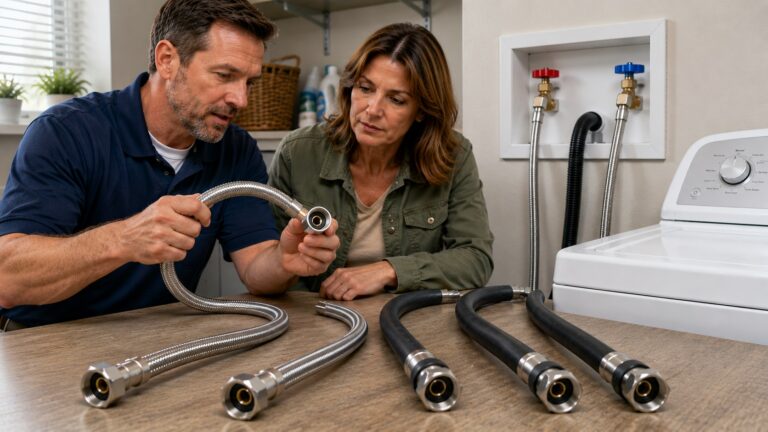
Appliance hoses should be checked every year because they are often hidden and pressurized. Start with washing machine hoses, dishwasher supply lines, refrigerator water lines, and ice maker connections. Look for cracks, bulges, kinks, rust, mineral buildup, dampness, or strained fittings.
Washing machine hoses deserve special attention because they can release a large amount of water if they fail. If the hoses are older, rubber, kinked, or unknown in age, review the dedicated guide on when to replace washing machine hoses.
Refrigerator and ice maker water lines should also be checked when the refrigerator is moved for cleaning or service. Plastic tubing that looks brittle, discolored, sharply bent, or pinched should move up the replacement schedule. For a broader comparison, see how long appliance water hoses last.
Supply Lines and Shutoff Valves
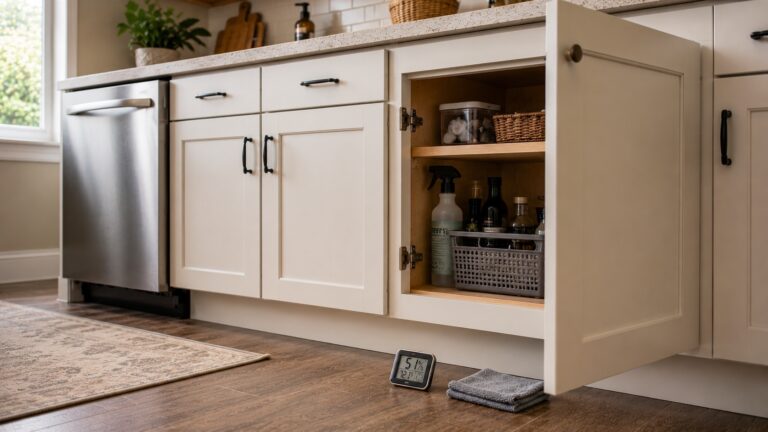
Supply lines under sinks and behind toilets should be checked yearly. These small lines are under pressure and can leak into cabinets, vanities, flooring, or wall areas. Look for corrosion at the fittings, dampness, kinks, stiffness, fraying, or signs that the line is stretched or twisted.
Shutoff valves should also be reviewed. A shutoff valve must work when a leak happens. If the valve is stiff, corroded, leaking around the stem, loose, or unable to stop water fully, it should be replaced or evaluated. For more specific guidance, use when to replace plumbing shutoff valves.
Do not force an old valve that feels stuck or fragile. A seized valve can begin leaking or break when handled roughly. If it does not operate smoothly, move it up the replacement schedule or have it replaced by a plumber before you need it during an emergency.
Toilet, Faucet, and Drain Parts
Toilet, faucet, and drain parts should be checked every year because they often show small symptoms before they fail. They may not always cause sudden flooding, but they can waste water, wet cabinet materials, or create repeated moisture near fixtures.
For toilets, listen for running, hissing, random refilling, slow filling, or weak flushing behavior. Check the toilet supply line and shutoff valve at the same time, because the connection area matters as much as the tank parts.
For faucets and sink drains, look above and below the fixture. A dripping faucet, loose handle, stiff handle, leaking sprayer hose, damp cabinet floor, swollen particleboard, loose slip nut, or corroded drain part may point to worn internal parts or loose connections.
Water Heater Connections
Water heater connections should be checked every year because they involve pressurized water, heat, valves, and safety-related parts. Look around the cold water inlet, hot water outlet, supply connectors, shutoff valve, drain valve, temperature and pressure relief valve, expansion tank, and discharge pipe.
Warning signs include corrosion, rust stains, dampness, dripping, white mineral buildup, green staining, kinked connectors, or moisture on the floor near the heater. If a water heater supply line looks corroded, strained, or damp, review when to replace water heater supply lines before waiting for the connection to fail.
Do not treat water heater warning signs casually. A leaking relief valve, corroded hot or cold water connection, failed expansion tank, or dripping drain valve may involve pressure, heat, or safety concerns. When in doubt, have the system evaluated before the leak spreads.
Visible Exposed Plumbing
Exposed plumbing in basements, garages, crawl spaces, utility rooms, and under cabinets should be checked yearly. The goal is not to replace all visible pipe. The goal is to notice corrosion, staining, loose supports, condensation, mineral deposits, rust, or signs of prior leaks.
Long pipe runs usually last much longer than hoses, valves, and seals, but exposed pipes still provide clues about the system. If multiple areas show corrosion, repeated seepage, or water staining, the home may need a broader plumbing evaluation rather than routine part replacement.
Plumbing Parts to Review Every 3–5 Years
The 3–5 year window is for parts that wear faster because they contain rubber, flexible material, small seals, or pressure-sensitive components. A homeowner may not need to replace every part at year three or year five, but hidden, pressurized, or difficult-to-inspect parts should be reviewed seriously during this window.
Toilet Flappers and Rubber Tank Seals
Toilet flappers and rubber tank seals often wear out faster than other toilet parts. Chlorine, mineral-heavy water, repeated movement, and age can cause rubber to harden, warp, crack, or stop sealing properly.
Review these parts every 3–5 years, especially in frequently used bathrooms. Replace them sooner if the toilet runs, refills randomly, needs handle jiggling, or shows inconsistent flushing behavior. These are usually small parts, but they affect water use and toilet reliability.
Older Rubber Appliance Hoses
Rubber appliance hoses should be reviewed carefully in the 3–5 year range. This is especially true for washing machine hoses because they are pressurized and exposed to vibration. If the hose is rubber, cracked, bulging, stiff, kinked, or older than expected, replacement is usually the safer choice.
Rubber hoses should not be judged only by whether they are currently leaking. A hose can be near failure before water appears. Swelling, cracking, or connection corrosion are enough reason to move replacement up the schedule.
Brittle Plastic Refrigerator or Ice Maker Lines
Plastic refrigerator and ice maker lines should be reviewed in this interval if they look brittle, discolored, pinched, sharply bent, or old. These lines are often hidden behind the refrigerator, so even a slow leak can damage flooring before it is noticed.
Refrigerator lines should also be checked after the appliance is moved. A line can become kinked or strained when the refrigerator is pushed back into place. If the line is old and difficult to inspect, replacement may be safer than waiting for a visible leak.
Questionable Flexible Connectors
Any flexible connector with unknown age, visible wear, poor routing, or questionable fittings should be reviewed in the 3–5 year window. This includes sink supply lines, toilet supply lines, faucet sprayer hoses, dishwasher lines, and other flexible connections that move or hold pressure.
Replace these parts sooner if they show corrosion, fraying, kinks, dampness, cracks, or mineral buildup, especially when they are hidden under cabinets or behind appliances.
Plumbing Parts to Review Every 5–10 Years
The 5–10 year window is for plumbing parts that often last longer than short-life rubber seals but still should not be treated as permanent. This includes many braided hoses, fixture supply lines, toilet fill valves, older shutoff valves, water heater connectors, and some frequently used faucet components. A clean, accessible, properly installed part may last longer, while a hidden, stressed, corroded, or heavily used part may need replacement sooner.
Braided Appliance Hoses and Supply Lines
Braided hoses and supply lines are often more durable than plain rubber hoses, but they are not lifetime parts. The outer braid may look strong while the inner liner, fittings, or connection points age. Review them in the 5–10 year range, especially if they are hidden, strained, or attached to older valves.
Look for fraying, kinks, corrosion at the fittings, dampness, mineral buildup, or signs that the line is stretched. A braided hose that is old and under pressure should not be ignored just because the outside still looks mostly intact.
Toilet Fill Valves
Toilet fill valves often last several years, but they eventually wear out from repeated use, mineral buildup, and seal deterioration. Review them in the 5–10 year range and replace sooner if the toilet runs, hisses, fills slowly, fills noisily, or refills without being flushed.
When replacing a fill valve, it is also smart to check the toilet supply line and shutoff valve. A toilet repair is a good opportunity to review the entire toilet connection area.
Older Fixture Shutoff Valves
Fixture shutoff valves should be reviewed in the 5–10 year window, especially if they have not been used, tested, or replaced in a long time. These valves are usually found under sinks, behind toilets, near appliances, and near some water heater connections. Their job is simple but important: stop water quickly when a fixture or connected part leaks.
A shutoff valve does not need replacement just because it is five years old. It does need attention if it is stiff, corroded, leaking, loose, difficult to turn, or unable to stop water completely. Older multi-turn valves are especially prone to stiffness and internal wear when they sit unused for years.
If a valve feels stuck, do not force it aggressively. A fragile valve can begin leaking when handled roughly. Instead, move it up the replacement schedule or have it evaluated during related fixture work.
Water Heater Supply Lines and Nearby Valves
Water heater supply lines and nearby valves should be reviewed in the 5–10 year range, and sooner if there is corrosion, dampness, mineral buildup, or visible stress. These parts are connected to pressurized hot and cold water lines, so deterioration can create more than a small nuisance leak.
Check the cold water inlet, hot water outlet, flexible connectors, shutoff valve, and nearby fittings. If the water heater is being replaced, do not automatically reuse old connectors. Water heater replacement is a natural time to install fresh compatible supply lines and evaluate nearby valves.
Water heater expansion tanks, drain valves, and relief valve discharge issues should also be reviewed as part of the broader water heater plumbing system. If the water heater area has multiple warning signs, the schedule should move from routine maintenance to professional evaluation.
Faucet Cartridges and Heavily Used Fixture Parts
Faucet cartridges, stems, sprayer hoses, and other fixture parts often last many years, but heavily used fixtures should be reviewed in the 5–10 year window. A kitchen faucet used many times a day may wear faster than a guest bathroom faucet used occasionally.
Watch for dripping, handle stiffness, wobbling, squeaking, poor temperature control, leaking around the base, or moisture below the fixture. These symptoms may mean the cartridge, seal, sprayer hose, or connection hardware is wearing out.
Fixture parts are often replaced based on symptoms rather than a strict calendar, but the schedule helps keep older, heavily used fixtures from being ignored until they leak into cabinets or countertops.
Parts to Replace During Appliance or Fixture Work
One of the best times to replace plumbing parts is when an appliance or fixture is already being moved, disconnected, repaired, or replaced. Access is often the hardest part of plumbing maintenance, so inspect connected hoses, valves, fittings, and drain parts before hiding them again.
This prevents a common mistake: connecting new equipment to old weak plumbing parts. A new dishwasher can still leak if the old supply line is reused, a new faucet can still be vulnerable if the shutoff valves are corroded, and a new refrigerator can still create hidden water damage if it is connected to brittle old tubing.
When Replacing a Washing Machine
When a washing machine is replaced, inspect or replace the hoses and check the laundry shutoff valves. Washing machine hoses are high-risk because they are pressurized and hidden behind the appliance. If the hoses are old, rubber, kinked, corroded at the fittings, or unknown in age, replacement is usually wise.
Also check whether the valves operate smoothly. A laundry valve that cannot shut off water creates added risk during hose failure or future appliance service.
When Replacing a Dishwasher
When a dishwasher is replaced, check the supply line, shutoff valve, drain hose, and nearby cabinet or flooring areas. Dishwasher leaks are often hidden beneath or behind the appliance. If old parts are reused without inspection, a new dishwasher installation can still leave the home vulnerable.
Look for kinked lines, loose drain connections, corrosion, damp cabinet edges, or signs that the previous dishwasher leaked. If the supply line or drain hose is old or damaged, replace it before sliding the appliance back into place.
When Replacing a Refrigerator
When replacing a refrigerator with a water dispenser or ice maker, inspect the water line and the shutoff valve. Refrigerator water lines are often hidden and can be pinched when the appliance is pushed back. Brittle plastic tubing, corroded fittings, and sharp bends should be corrected before the new appliance is fully installed.
If the existing line is old or unknown in age, review when to replace refrigerator water lines before reusing it. A refrigerator replacement is one of the easiest times to prevent future hidden water damage behind the appliance.
When Replacing Toilets, Faucets, or Vanities
Toilet, faucet, and vanity work should trigger a review of supply lines, shutoff valves, drain fittings, and nearby water-damaged materials. If a toilet is being replaced, inspect the toilet supply line and angle stop. If a faucet is being replaced, inspect the hot and cold supply lines, shutoff valves, sprayer hose, and drain assembly.
Vanity replacement is also a good time to look for old leaks. If the cabinet base is swollen, stained, or musty, do not install new cabinetry over an unresolved plumbing issue.
When Replacing a Water Heater
Water heater replacement should include a review of the connected plumbing parts. Check the hot and cold supply connections, shutoff valve, expansion tank if present, drain valve area, discharge pipe, and nearby fittings. Old connectors should not automatically be reused.
Because water heaters involve pressure, hot water, and safety components, many homeowners should have these parts evaluated by a professional during replacement. This is a good time to correct aging or improper plumbing connections before the new heater is placed into service.
Longer-Term Plumbing Components to Track by Condition
Not every plumbing component belongs on a short replacement schedule. Pipes, main lines, drain lines, and some exposed plumbing materials often last much longer than hoses, seals, valves, and flexible connectors. These parts should be tracked by condition, material, leak history, and visible deterioration rather than replaced on the same schedule as appliance hoses.
This distinction keeps the schedule realistic. A homeowner may need to replace several supply lines and valves long before the home needs pipe replacement. On the other hand, repeated pipe leaks, severe corrosion, outdated materials, or drainage failures may point to a larger plumbing issue that goes beyond routine preventive replacement.
Copper, PEX, PVC, and ABS Lines
Copper, PEX, PVC, and ABS lines are typically longer-term plumbing materials. They should be reviewed for leaks, corrosion, cracking, poor support, staining, movement, freeze damage, or improper installation, but they are not usually replaced every few years like flexible hoses or rubber seals.
Track these materials by condition. If several leaks appear in different areas, if pipe material is known to be problematic, or if corrosion is widespread, the homeowner may need a larger plumbing evaluation.
Main Water Lines and Drain Lines
Main water lines and drain lines should be monitored for performance and condition. Warning signs include repeated clogs, sewer odor, slow drainage throughout the home, discolored water, pressure changes, visible corrosion, or damp areas near exposed piping.
These systems are not part of a simple hose-and-valve replacement schedule. They usually require a plumber if there are recurring problems, suspected underground issues, or signs of major deterioration.
Outdoor Hose Bibs and Exposed Utility Plumbing
Outdoor hose bibs and exposed plumbing in garages, basements, crawl spaces, and utility rooms should be checked for leaks, freeze damage, corrosion, loose mounting, and poor drainage around the penetration point. These components may last many years, but exposure to weather, movement, and seasonal temperature changes can shorten their service life.
If a hose bib leaks inside the wall, drips after shutoff, or becomes loose at the exterior wall, it should be evaluated before water reaches framing or wall cavities.
How to Prioritize If Many Plumbing Parts Are Old
If many plumbing parts in the home are old or unknown in age, do not try to replace everything at once without a plan. Start with the parts that are most likely to cause hidden or high-volume leaks. A good priority system focuses on pressure, visibility, condition, and consequence.
The highest priority parts are usually small, pressurized, flexible, hidden, or needed during emergencies. These are the parts that can leak when no fixture is being used or fail before the homeowner notices water. If the budget is limited, start with the parts that combine the greatest risk with the easiest access.
Priority 1: Pressurized and Hidden Parts
Pressurized hidden parts should usually be reviewed first. These include washing machine hoses, refrigerator water lines, dishwasher supply lines, toilet supply lines, sink supply lines, and water heater supply connections. A leak in one of these parts can continue even when no one is using the fixture.
Hidden placement increases the risk because the leak may not be seen right away. A refrigerator line can damage flooring behind the appliance, a dishwasher line can wet the subfloor below the unit, a sink supply line can drip behind stored items in a cabinet, and a washing machine hose can release water quickly if it fails.
Priority 2: Parts Already Showing Warning Signs
Any part showing warning signs should move up the schedule. Warning signs include corrosion, dripping, dampness, swelling, cracking, bulging, fraying, kinks, stiffness, poor shutoff performance, running toilet behavior, and mineral deposits that return after cleaning.
This is where the schedule should stay flexible. A newer part with serious warning signs is more urgent than an older part that is dry, visible, and stable. If you need help deciding which symptoms matter most, review the guide to signs plumbing parts are near failure.
Priority 3: Unknown-Age Hoses, Lines, and Valves
Unknown-age plumbing parts should be treated as review-now items, especially if they are connected to appliances or fixtures. If you do not know when a washing machine hose, refrigerator line, dishwasher supply line, toilet supply line, or shutoff valve was installed, inspect it carefully and consider replacement if it is hidden, worn, or difficult to access.
This is especially important after buying a home. Previous owners may have replaced appliances without replacing hoses or valves. A home inspection may not reveal every weak line behind appliances or inside cabinets. Building your own schedule gives you control over future maintenance.
Priority 4: Parts That Are Easy to Replace During Access
Convenient access should influence the schedule. If a refrigerator is already pulled out, inspect the water line. If a dishwasher is already removed, inspect the supply and drain connections. If a toilet is being replaced, review the supply line and shutoff valve. If a vanity is being removed, check the valves, faucet connections, and drain assembly.
Replacing aging parts during access can prevent future leaks and avoid paying for the same area to be opened again. It also prevents new fixtures or appliances from being connected to old weak parts.
What Should Be Handled by a Plumber
Some preventive plumbing replacement tasks are simple, but others should be handled by a plumber. The deciding factors are pressure, safety, corrosion, access, and what could happen if the part breaks during replacement.
Call a plumber if the main shutoff valve is unreliable, a fixture valve is severely corroded, a valve leaks when touched, a supply line is connected to fragile old pipe, or a water heater component is involved. Professional help is also wise when multiple parts are failing across the home, because the issue may involve high water pressure, hard water, aging materials, or system-wide deterioration.
Water heater parts deserve extra caution because temperature and pressure relief valves, expansion tanks, supply lines, and corroded fittings may involve pressure, heat, or safety issues. If there is relief valve discharge, repeated dripping, severe corrosion, or uncertainty about the system, professional evaluation is safer than guessing.
Plumbers should also be called when there are signs of hidden moisture around the part. Wet cabinet bases, soft flooring, damp drywall, mold odor, recurring stains, or previous leaks may mean the surrounding materials need inspection before the visible part is replaced.
How to Keep Track of Plumbing Replacement Dates
A plumbing replacement schedule is easier to follow when dates are written down. Homeowners often forget when hoses, supply lines, valves, toilet parts, or appliance connections were last replaced. Without records, parts become “unknown age,” which makes planning harder.
A simple home plumbing log can prevent that problem. Keep a note on your phone, a spreadsheet, a printed checklist, or a folder with receipts. Record the part, location, replacement date, brand or material if useful, and the next review date. Labeling the hose, valve, or supply line with the install month and year can also help when the part is hidden behind an appliance or inside a cabinet.
Useful details to track include:
- Washing machine hose replacement date
- Dishwasher supply line replacement date
- Refrigerator or ice maker water line replacement date
- Toilet supply line and fill valve replacement dates
- Sink supply line and shutoff valve replacement dates
- Water heater supply line and expansion tank dates
- Main water shutoff valve service or replacement date
- Any leak history in cabinets, floors, walls, or appliance areas
Pair the log with annual plumbing maintenance tasks so the schedule becomes part of a yearly routine. This helps homeowners catch weak parts before they fail and prevents the same areas from being forgotten year after year.
FAQ: Preventive Plumbing Replacement Schedule for Homes
What plumbing parts should be checked every year?
Check appliance hoses, supply lines, shutoff valves, toilet operation, faucet connections, sink drain fittings, water heater connections, and visible exposed plumbing every year. These checks help catch corrosion, dampness, stiffness, cracking, kinks, and other warning signs before leaks cause damage.
What plumbing parts should be reviewed every 3–5 years?
Rubber appliance hoses, toilet flappers, brittle plastic water lines, worn seals, and questionable flexible connectors should be reviewed in the 3–5 year range. Some may need replacement sooner, especially if they are hidden, pressurized, cracked, stiff, swollen, or unknown in age.
Should I replace plumbing parts if I do not know their age?
Unknown-age plumbing parts should be reviewed promptly, especially appliance hoses, supply lines, and shutoff valves. If the part is hidden, pressurized, corroded, stiff, brittle, cracked, or connected to an appliance, replacement may be safer than waiting for visible failure.
Should shutoff valves be tested every year?
Accessible shutoff valves should be checked periodically to confirm they are not seized, leaking, or unable to stop water. Do not force an old or corroded valve. If it feels stuck, fragile, or unreliable, have it evaluated instead of waiting until a leak happens.
What plumbing parts should be replaced when replacing appliances?
When replacing a washing machine, dishwasher, refrigerator, toilet, faucet, vanity, or water heater, inspect the connected hoses, water lines, shutoff valves, drain fittings, and nearby connectors. Replacement is often easier while the area is already open or the appliance is already moved.
Do pipes need the same replacement schedule as hoses and valves?
No. Pipes usually last much longer than hoses, valves, seals, and flexible connectors. Pipes should be tracked by material, condition, corrosion, leak history, and system performance. Shorter-life parts such as hoses, supply lines, shutoff valves, toilet parts, and fixture seals usually need attention sooner.
Plumbing Replacement Schedule: Key Takeaways
- A preventive plumbing replacement schedule helps homeowners replace weak parts before leaks begin.
- Most plumbing parts need yearly checks, not yearly replacement.
- Shorter-life parts include rubber hoses, toilet flappers, brittle plastic lines, and questionable flexible connectors.
- Braided hoses, fixture supply lines, toilet fill valves, water heater supply lines, and older valves should be reviewed in the 5–10 year range.
- Appliance and fixture replacement is one of the best times to replace connected hoses, valves, and supply lines.
- Pressurized hidden parts should be prioritized first because leaks can spread before they are visible.
- Warning signs should always override the normal schedule.
- A simple plumbing log helps track replacement dates and prevents unknown-age parts from being forgotten.

One Comment
Comments are closed.