
How to Prevent Mold Behind Walls (Proven Methods That Stop Hidden Mold Growth)
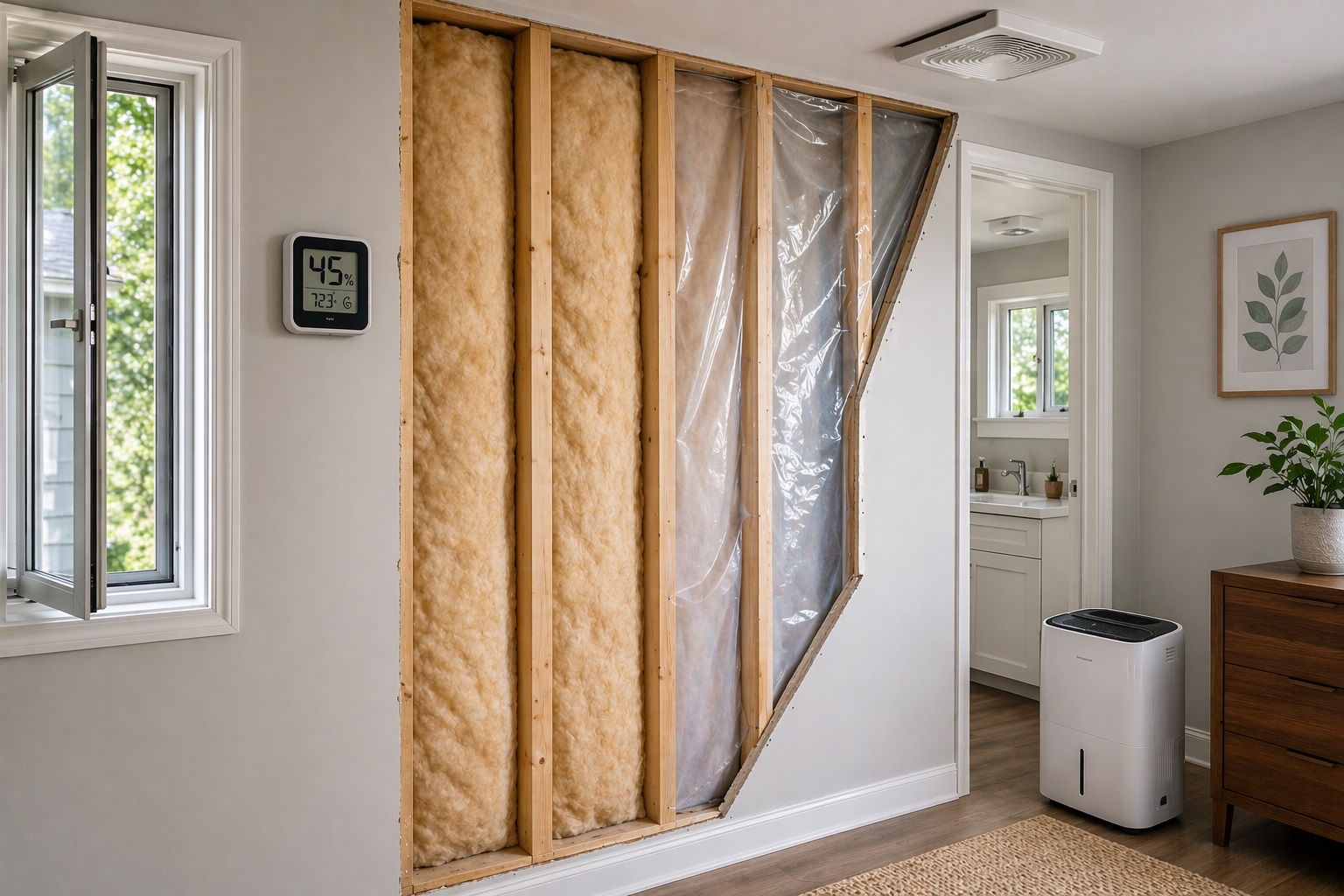
To prevent mold behind walls, control moisture before it reaches drywall, insulation, or framing. Hidden mold usually starts when leaks, condensation, high humidity, or poor drying leave wall materials damp long enough for growth to begin.
The most effective prevention steps are simple but consistent: keep indoor humidity controlled, fix leaks quickly, improve ventilation in moisture-heavy rooms, prevent wall condensation, and verify that damp materials are fully dry before closing or repainting them.
If moisture may already be present, review the signs of hidden moisture in walls before treating the issue as prevention only.
For a whole-home moisture strategy that connects leak detection, drying, repair, and prevention, see how to find, fix, and prevent moisture problems in homes.
Why Mold Forms Behind Walls
Mold forms behind walls when moisture reaches enclosed materials such as drywall paper, wood framing, or insulation and cannot dry quickly.
Walls provide an ideal environment for mold because they often contain:
- Drywall paper and wood framing
- Limited airflow
- Hidden moisture sources
- Temperature differences that create condensation
Once moisture remains trapped inside these materials, mold spores can begin growing quickly. Understanding the root causes helps prevent these conditions from developing.
For the root causes behind these conditions, see what causes mold in walls.
The Most Effective Ways to Prevent Mold Behind Walls
Preventing mold requires consistent attention to moisture control. Most successful prevention strategies focus on identifying potential moisture sources before damage occurs.
The most effective prevention methods include:
- Controlling indoor humidity levels
- Repairing leaks quickly
- Improving ventilation
- Monitoring moisture levels regularly
- Maintaining building materials properly
- Preventing condensation buildup
Using multiple prevention strategies together provides the strongest protection against hidden mold growth.
Prevention Method 1: Control Indoor Humidity Levels
Humidity control is one of the most important steps in preventing mold growth behind walls. High humidity allows moisture to accumulate inside building materials even when no visible leaks exist.
Maintaining indoor humidity below 60% reduces mold risk, and many homes do better closer to the 30% to 50% range when conditions allow.
Why High Humidity Causes Hidden Mold
When humidity levels rise, moisture can migrate into wall materials or condense on cooler surfaces. Over time, this moisture accumulation can support mold growth.
High humidity commonly occurs in:
- Bathrooms after showers
- Kitchens during cooking
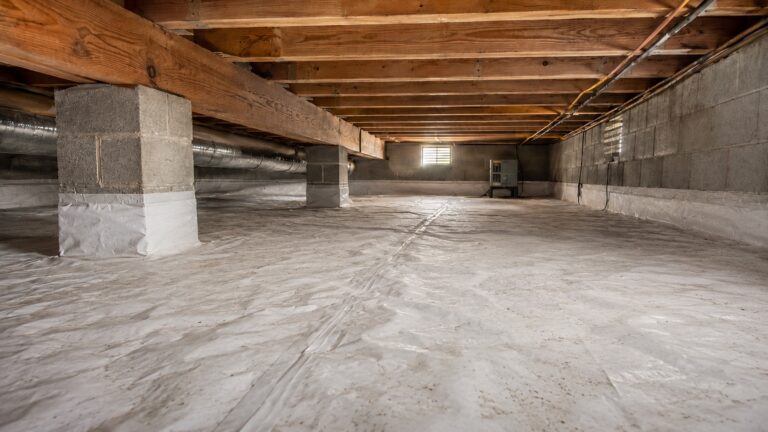
- Basements and crawl spaces
- Homes in humid climates
- Rooms with limited airflow
How to Monitor Indoor Humidity Levels
Tracking humidity levels helps identify conditions that support mold growth. Monitoring tools provide early warnings when humidity rises above safe levels.
Recommended monitoring practices include:
- Checking humidity daily in high-risk areas
- Monitoring seasonal humidity changes
- Comparing humidity levels between rooms
- Using reliable humidity monitoring devices
For a more complete guide to measuring indoor humidity and choosing where to monitor, review how to test indoor humidity levels.
Prevention Method 2: Repair Water Leaks Immediately
Stopping water leaks quickly prevents moisture from spreading into wall cavities. Even minor leaks can introduce enough moisture to support mold growth if left unresolved.
Leaks often begin small and worsen over time, making early detection especially important.
Common Leak Sources That Cause Mold
Leaks can originate from multiple sources within a home. Identifying these sources helps reduce the likelihood of hidden moisture problems.
Common leak sources include:
- Pipe connections behind fixtures
- Roof damage allowing water intrusion
- Appliance water line failures
- Damaged plumbing fittings
- Window and siding leaks
If hidden leaks are suspected, using methods from the how to find hidden water leaks inside walls guide helps locate moisture sources quickly.
Important: Do not repaint, seal, or close a wall until the moisture source is fixed and the affected materials are confirmed dry. If drywall is soft, crumbling, swollen, or contaminated by floodwater or sewage, stop and call a qualified professional.
Prevention Method 3: Improve Ventilation Throughout the Home
Ventilation plays a major role in preventing mold behind walls. When airflow is limited, moisture remains trapped longer, increasing the likelihood of mold growth inside wall cavities.
Why Poor Ventilation Causes Mold Growth
Without proper airflow, moisture accumulates inside rooms and spreads into nearby materials. Over time, this trapped moisture can enter drywall, insulation, and framing.
Poor ventilation commonly leads to:
- Humidity buildup inside enclosed spaces
- Condensation forming on cold surfaces
- Slow drying after moisture exposure
- Persistent damp conditions
How to Improve Ventilation in High-Risk Areas
Some rooms require more airflow than others due to frequent moisture exposure. Improving ventilation in these areas significantly reduces mold risk.
Focus on improving airflow in:
- Bathrooms
- Kitchens
- Laundry rooms
- Basements
- Closets
- Rooms with exterior walls
Ventilation improvements may include:
- Installing exhaust fans in bathrooms
- Using kitchen ventilation hoods
- Running circulation fans regularly
- Opening windows when humidity conditions allow
- Maintaining unobstructed air pathways
The goal is to move moist air outdoors before it condenses on cool wall surfaces or migrates into wall cavities.
Prevention Method 4: Prevent Condensation Inside Walls
Condensation inside walls is one of the most overlooked causes of mold growth. Preventing condensation helps stop moisture from accumulating in hidden spaces.
Condensation occurs when warm, humid air contacts cooler surfaces inside walls. Repeated condensation events gradually introduce moisture into materials.
Common Causes of Wall Condensation
Condensation often develops under specific environmental conditions that promote moisture buildup.
Common condensation causes include:
- Poor insulation inside exterior walls
- Large temperature differences between indoors and outdoors
- High indoor humidity levels
- Cold wall surfaces during winter
- Improper vapor barrier installation
These conditions allow moisture to collect repeatedly, increasing the likelihood of mold growth over time.
How to Reduce Condensation Risk
Preventing condensation requires controlling humidity levels and improving insulation performance.
Effective condensation prevention strategies include:
- Maintaining indoor humidity below 60%
- Improving wall insulation when necessary
- Using correctly placed vapor barriers where the wall assembly and climate require them
- Keeping airflow consistent throughout rooms
- Reducing indoor moisture production
Reducing condensation significantly lowers the risk of hidden moisture accumulation inside walls.
Prevention Method 5: Use Exhaust Systems During Moisture-Producing Activities
Moisture-producing activities such as cooking and showering release large amounts of water vapor into indoor air. Using exhaust systems during these activities helps remove moisture before it spreads into surrounding materials.
When to Use Exhaust Fans
Exhaust fans should be used whenever moisture levels rise during normal household activities.
Recommended times to use exhaust systems include:
- During and after showers
- While cooking meals
- When using dishwashers
- During laundry operations
- After cleaning activities that involve water
Running exhaust fans for at least 20 to 30 minutes after moisture-producing activities helps remove excess humidity.
Maintaining Exhaust Systems for Maximum Efficiency
Proper maintenance ensures ventilation systems operate effectively. Poorly maintained exhaust systems may not remove moisture efficiently.
Maintenance recommendations include:
- Cleaning exhaust fan covers regularly
- Checking airflow performance
- Inspecting ductwork for blockages
- Replacing worn-out fan units
If an exhaust fan does not clear steam or odors within a reasonable time, it may be undersized, clogged, or venting poorly.
Prevention Method 6: Maintain Proper Airflow Around Walls
Restricted airflow near wall surfaces increases the likelihood of condensation and moisture accumulation. Maintaining open airflow paths allows surfaces to dry more efficiently.
How Furniture Placement Affects Airflow
Furniture placed directly against walls may restrict airflow and trap moisture between surfaces.
Common airflow restrictions include:
- Large furniture placed tightly against exterior walls
- Storage boxes blocking airflow
- Curtains covering ventilation openings
- Crowded closets with limited airflow
Maintaining small airflow gaps between furniture and walls allows moisture to evaporate more effectively.
Improving Air Circulation Throughout Rooms
Increasing air circulation helps prevent stagnant moisture conditions that support mold growth.
Effective air circulation methods include:
- Using ceiling fans
- Installing circulation fans in enclosed spaces
- Opening interior doors periodically
- Allowing airflow between rooms
Improved circulation supports faster drying and reduces the likelihood of hidden mold development.
Prevention Method 7: Monitor Moisture Levels Regularly
Regular moisture monitoring helps detect hidden problems before mold begins developing. Instead of waiting for visible damage, tracking moisture levels provides early warnings that moisture may be accumulating inside walls.
This is especially useful near plumbing walls, exterior walls, bathrooms, kitchens, basements, and previously repaired areas.
Why Moisture Monitoring Prevents Mold Growth
Moisture often accumulates slowly inside walls before visible symptoms appear. Measuring moisture levels helps identify these hidden conditions early.
Regular monitoring helps detect:
- Hidden leaks inside walls
- Moisture spread patterns
- Incomplete drying after water damage
- Areas at risk of mold growth
- Changes in moisture conditions over time
Understanding safe moisture ranges improves detection accuracy. Reviewing the moisture levels that indicate water damage guide helps determine when readings become concerning.
How to Use Moisture Meters for Preventive Checks
Moisture meters are among the most reliable tools for preventive monitoring. These devices allow homeowners to check moisture levels in drywall, wood, and other building materials.
Preventive moisture checks may include:
- Scanning walls near plumbing fixtures
- Testing exterior-facing walls
- Checking previously repaired areas
- Measuring moisture after storms
- Comparing readings across nearby surfaces
Use the same meter in the same locations over time so changes are easier to spot. If you are choosing equipment for home monitoring, review the best moisture meters for home use guide.
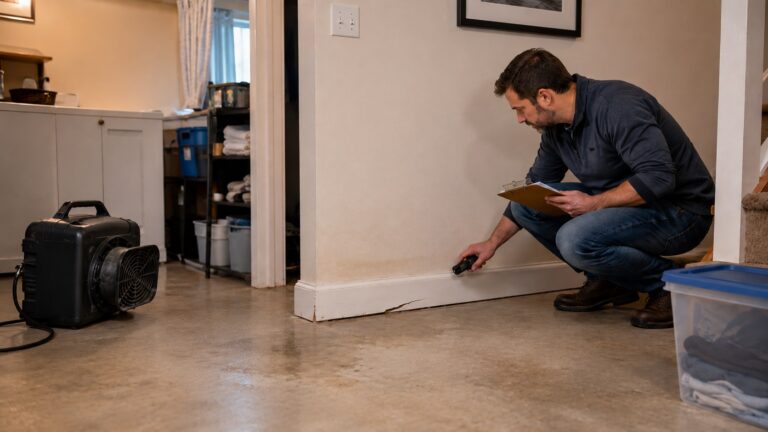
Prevention Method 8: Perform Routine Wall Inspections
Routine inspections allow homeowners to identify early warning signs before moisture spreads inside walls. These inspections help detect small problems that could eventually lead to mold growth.
What to Look for During Wall Inspections
Careful observation of wall surfaces helps identify changes that may indicate developing moisture problems.
Watch for:
- Discoloration or staining on drywall
- Bubbling or peeling paint
- Soft or warped wall materials
- Musty odors in specific areas
- Recurring damp spots
If these symptoms appear, reviewing the signs of hidden moisture in walls helps determine whether moisture conditions are developing.
How Often to Inspect Walls for Moisture Risks
Inspection frequency depends on environmental conditions and property risk factors. Homes located in humid climates or areas prone to heavy rainfall may require more frequent inspections.
Recommended inspection frequency includes:
- Monthly inspections in high-risk areas
- Seasonal inspections after heavy rainfall
- Checks following plumbing repairs
- Inspections after severe weather events
Regular inspections reduce the likelihood of hidden moisture problems going unnoticed.
Prevention Method 9: Maintain Building Materials and Exterior Surfaces
Exterior surfaces protect interior walls from moisture intrusion. Maintaining these materials prevents water from entering wall cavities.
Small exterior failures can send water into wall cavities long before interior mold becomes visible.
Exterior Maintenance Tasks That Prevent Mold
Important maintenance tasks include:
- Inspecting roof shingles for damage
- Cleaning gutters and downspouts
- Sealing cracks in exterior walls
- Repairing damaged siding
- Checking window and door seals
Maintaining these surfaces helps prevent water from entering structural components.
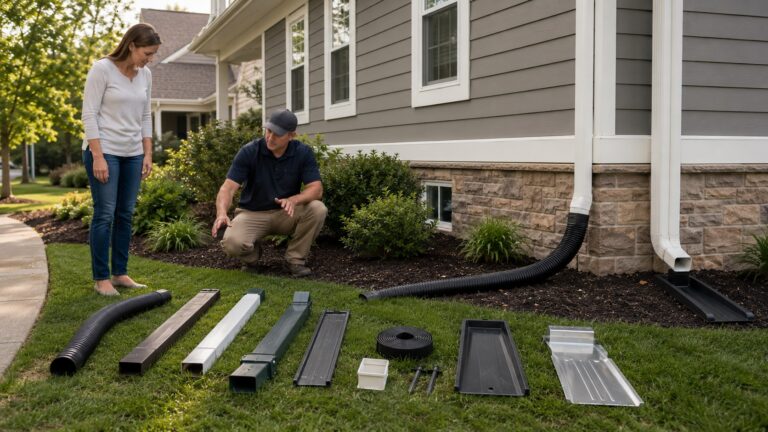
Foundation and Drainage Maintenance
Water pooling near foundations increases the likelihood of moisture entering walls. Proper drainage prevents water from accumulating around the structure.
Effective drainage practices include:
- Maintaining proper grading around the home
- Extending downspouts away from foundations
- Repairing foundation cracks
- Installing drainage systems when necessary
Proper drainage helps prevent moisture from entering wall cavities from below ground level.
Prevention Method 10: Follow Seasonal Mold Prevention Practices
Seasonal changes affect moisture levels inside homes. Adjusting prevention practices throughout the year helps maintain consistent moisture control.
Winter Mold Prevention Strategies
Cold weather increases condensation risk due to temperature differences between indoor and outdoor air.
Winter prevention methods include:
- Maintaining consistent indoor temperatures
- Reducing indoor humidity levels
- Improving insulation performance
- Preventing condensation on cold surfaces
Summer Mold Prevention Strategies
Warm weather increases humidity levels, especially in humid climates.
Summer prevention methods include:
- Using dehumidifiers when necessary
- Running air conditioning systems
- Maintaining ventilation systems
- Monitoring humidity levels daily
Seasonal adjustments help maintain safe moisture conditions year-round.
What to Do When Prevention May Already Be Too Late
Even with strong prevention practices, moisture problems can occasionally develop inside walls. When early signs of moisture appear, taking action quickly helps prevent mold growth from spreading.
Responding early reduces repair costs and prevents structural damage from becoming severe.
Step 1: Identify Early Warning Signs
The first step in preventing mold from spreading is recognizing early warning symptoms. Many mold problems begin with subtle signs that appear before visible mold develops.
Common early warning signs include:
- Musty odors that persist over time
- Discoloration appearing on walls or ceilings
- Peeling or bubbling paint
- Soft or swollen drywall
- Recurring moisture in the same location
If these symptoms appear, reviewing the signs of mold behind walls helps determine whether hidden mold growth is likely.
Step 2: Locate the Source of Moisture
Stopping moisture at its source is essential for preventing mold growth. Identifying the origin of moisture helps prevent recurring damage.
Moisture sources may include:
- Hidden plumbing leaks
- Roof damage
- Condensation buildup
- Exterior water intrusion
- High indoor humidity
If the moisture source is unclear, following the how to find hidden water leaks inside walls guide helps locate leak sources safely.
Step 3: Dry Affected Materials Quickly
Drying moisture-damaged materials reduces the likelihood of mold growth. Most mold problems begin when materials remain damp for extended periods.
Effective drying strategies include:
- Remove standing water and stop the moisture source first
- Use dehumidifiers and air movement to speed drying
- Keep wet areas open to airflow when it is safe to do so
- Remove materials that stay wet, crumble, smell musty, or were exposed to contaminated water
Understanding how quickly mold develops after moisture exposure helps determine urgency. Reviewing the how long does mold take to grow after water damage guide explains typical mold growth timelines.
Step 4: Verify That Materials Are Fully Dry
Before repairs are completed, confirming that materials are fully dry helps prevent recurring mold problems. Moisture trapped inside walls can continue supporting mold growth even after surfaces appear dry.
Moisture testing helps determine whether drying efforts have been successful.
Understanding safe moisture ranges improves accuracy. Reviewing the moisture levels that indicate water damage guide explains how to evaluate moisture readings correctly.
Frequently Asked Questions About Preventing Mold Behind Walls
What is the best way to prevent mold behind walls?
The most effective prevention method is controlling moisture. This includes repairing leaks quickly, maintaining proper ventilation, and keeping indoor humidity below 60%.
Can mold grow behind walls without visible water?
Yes, mold can grow behind walls without visible leaks. High humidity, condensation, and slow leaks can introduce moisture gradually, creating conditions that support mold growth.
How often should I check for moisture inside walls?
Routine checks should be performed monthly in high-risk areas such as bathrooms, kitchens, and basements. Additional inspections should occur after storms or plumbing repairs.
Does ventilation prevent mold behind walls?
Yes, proper ventilation reduces humidity and improves airflow, which helps prevent moisture from accumulating inside wall cavities.
What humidity level causes mold behind walls?
Mold risk increases significantly when indoor humidity levels rise above 60%. Maintaining humidity below this level helps reduce the likelihood of mold growth.
What should I do if mold keeps returning?
Recurring mold usually indicates an unresolved moisture source. Identifying and repairing the underlying cause is essential to prevent repeated mold growth.
Key Takeaways: Mold Prevention Depends on Moisture Control
Preventing mold behind walls requires consistent attention to moisture management. Most mold problems develop slowly and can be prevented by addressing moisture early.
The most important prevention steps include:
- Maintaining humidity below 60%
- Repairing leaks immediately
- Improving ventilation in high-risk areas
- Monitoring moisture levels regularly
- Inspecting walls and plumbing connections
- Maintaining exterior building materials
Applying these prevention methods consistently helps reduce the likelihood of mold growth inside walls.
Preventing mold behind walls is far easier and less expensive than removing established mold growth. The safest approach is to control humidity, stop leaks early, keep moisture-prone rooms ventilated, and confirm damp materials are dry before closing or repainting them.
If mold has already developed, prevention alone is no longer enough. First stop the moisture source, avoid covering damp or moldy materials, and follow a safe cleanup process before repairs are closed. For mold cleanup guidance, review how to remove mold permanently. For the broader prevention system this article belongs to, review how to prevent recurring moisture damage.
One Comment
Comments are closed.