How to Prevent Hidden Plumbing Leaks (Maintenance Steps That Reduce Water Damage Risk)
To prevent hidden plumbing leaks, inspect accessible pipe connections regularly, replace aging supply lines before they fail, keep water pressure under control, monitor high-risk areas such as sinks, toilets, appliances, and water heaters, and address small drips, corrosion, or pressure changes immediately.
Hidden plumbing leaks often start slowly behind walls, under floors, inside cabinets, or near appliances. Even a small recurring drip can damage finishes, weaken nearby materials, and create conditions that allow mold to grow if moisture stays trapped.
This guide focuses on maintenance steps that reduce hidden leak risk before water damage spreads. If moisture symptoms are already present, use how to find hidden water leaks inside walls to trace an active leak instead.
Why Hidden Plumbing Leaks Are So Common
Many plumbing systems operate behind finished surfaces where leaks remain invisible. Because these systems are under pressure and used daily, small weaknesses can gradually develop into moisture problems without producing obvious signs.
How Small Leaks Develop Over Time
Hidden plumbing leaks rarely begin as large failures. In many cases, they start as small weaknesses in seals, fittings, valves, or supply connections. These weak points may release only a small amount of water at first, but repeated seepage can slowly saturate nearby cabinets, flooring, drywall, or framing.
Common causes of gradual leak development include:
- Loose pipe fittings
- Worn rubber washers or seals
- Corroded metal connections
- Brittle plastic components
- Minor vibration damage near appliances
- Temperature expansion and contraction in hot water lines
Because these leaks release small amounts of water repeatedly, moisture can accumulate slowly and remain hidden for weeks or months before obvious damage appears.
Why Hidden Plumbing Areas Are Hard to Monitor
Many plumbing lines run through concealed areas such as wall cavities, subfloors, and cabinet bases. These locations restrict visibility and airflow, allowing leaks to persist without detection.
Common concealed plumbing locations include:
- Behind bathroom and kitchen walls
- Under sink cabinets
- Beneath flooring materials
- Inside ceiling cavities
Because these spaces are rarely inspected, moisture may spread extensively before becoming visible.
How Daily Water Usage Increases Leak Risk
Frequent plumbing use increases pressure on pipe connections and fixtures. Over time, repeated water flow causes gradual wear on seals and fittings.
Daily usage-related risk factors include:
- High-frequency appliance use
- Temperature changes in hot water systems
- Pressure fluctuations in supply lines
- Movement of flexible plumbing hoses
These conditions increase the likelihood of hidden leaks forming if maintenance is neglected.
Why Installation Quality Matters
Installation quality also affects hidden leak risk. A plumbing connection may look dry when it is first installed, but poor alignment, improper support, overtightened fittings, undertightened fittings, or incompatible materials can create stress points that fail later.
Installation-related leak risks often involve:
- Loose connections that were never fully secured
- Poorly sealed pipe joints
- Misaligned pipes that place stress on fittings
- Unsupported pipe runs that move during use
- Connections exposed to repeated vibration or pressure changes
This does not mean homeowners need to open walls to inspect every pipe. It means visible plumbing work, recent repairs, appliance connections, and accessible shutoff areas should be monitored closely after installation or service. For a broader explanation of how plumbing leaks damage framing, flooring, cabinets, and wall systems, see how plumbing leaks cause structural damage.
Routine Plumbing Inspections That Prevent Hidden Leaks
Routine inspection helps catch loose fittings, worn seals, corrosion, and small drips before they spread into hidden areas.
Inspect Visible Pipe Connections Regularly
Visible plumbing connections provide early clues about developing problems. Checking exposed fittings allows homeowners to detect leaks before they spread into concealed areas.
Inspection steps include:
- Examining supply lines for moisture
- Checking drain connections for looseness
- Inspecting pipe joints for corrosion
- Monitoring fittings for water residue
Even small moisture traces near visible pipes may indicate developing leaks.
Check Cabinet Plumbing Areas Frequently
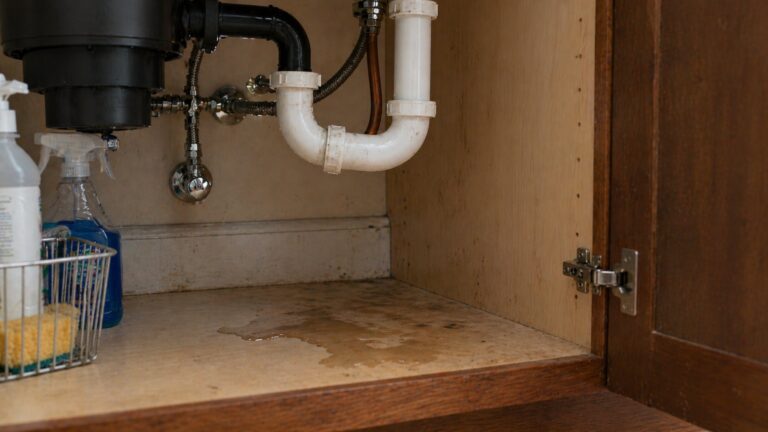
Cabinet plumbing areas experience frequent water exposure and should be inspected regularly. Small leaks inside cabinets can spread beneath flooring and into surrounding structures.
Common cabinet inspection steps include:
- Looking for dampness beneath sink plumbing
- Checking cabinet floors for soft spots
- Inspecting pipe connections for corrosion
- Monitoring odors inside cabinet spaces
If stains, odors, soft cabinet floors, or swollen panels appear beneath a sink, reviewing signs of water damage under sink cabinets can help separate early cabinet damage from routine surface moisture.
Inspect Appliance Water Connections
Appliances connected to water supplies are common sources of hidden leaks. Routine inspection of these connections helps prevent unnoticed moisture accumulation.
Appliances to inspect include:
- Dishwashers
- Washing machines
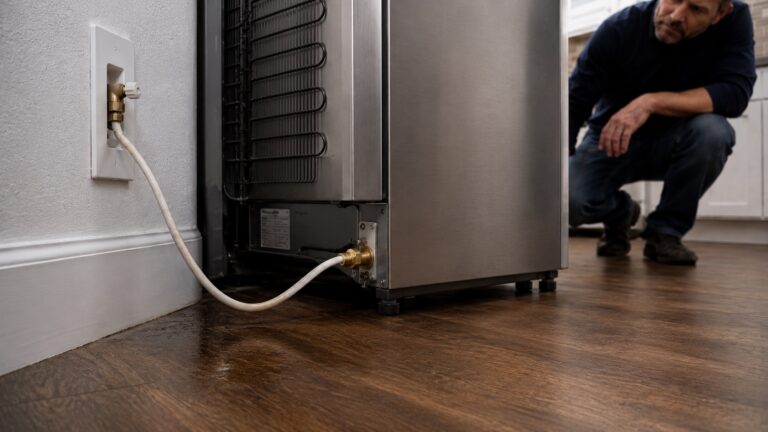
- Refrigerators with water dispensers
- Water heaters
Check appliance connections after installation, service, or movement, because vibration and hose stress can loosen fittings over time.
Look for Early Signs of Pipe Wear
Pipe wear frequently develops before leaks begin. Identifying signs of deterioration helps prevent hidden moisture problems.
Watch for:
- Rust formation on metal pipes
- Discoloration along pipe surfaces
- Minor dripping at joints
- Weak or brittle pipe materials
Addressing wear-related issues early significantly reduces leak risk.
Preventive Maintenance Practices That Reduce Hidden Leak Risk
Preventive maintenance focuses on the weak points most likely to fail first: fittings, flexible hoses, supply lines, seals, shutoff valves, pressure controls, and recently serviced connections.
Tighten Loose Pipe Connections Periodically
Pipe fittings naturally loosen over time due to vibration, temperature changes, and water pressure fluctuations. Loose connections are one of the most common causes of hidden plumbing leaks.
Preventive tightening practices include:
- Checking visible pipe joints every few months
- Tightening connections showing minor movement
- Inspecting fittings after plumbing repairs
- Monitoring connections near appliances
Even slight looseness in fittings may allow water to escape gradually into hidden spaces.
Replace Aging Supply Lines Before Failure
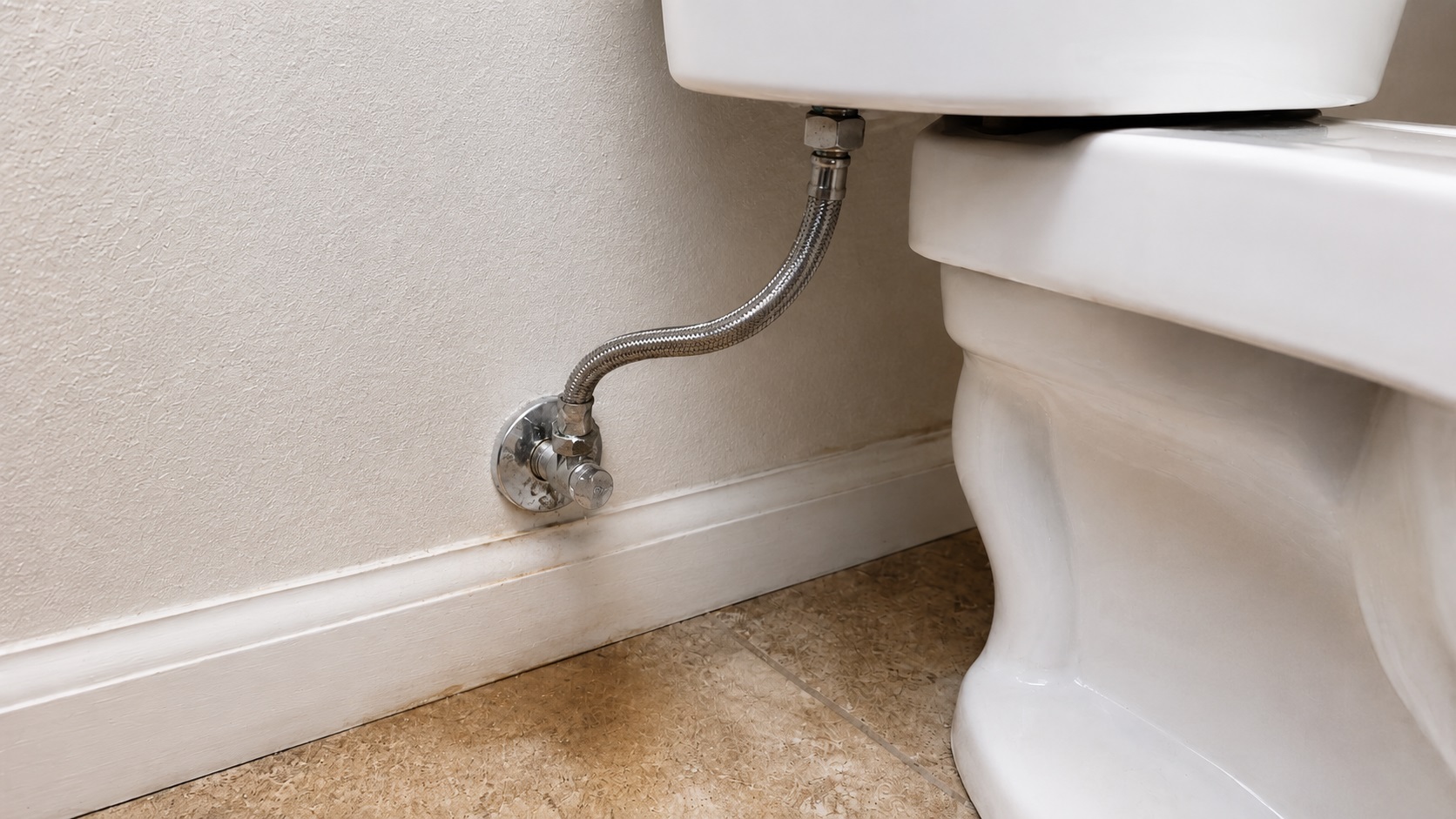
Flexible supply lines used in sinks, toilets, and appliances degrade over time. Aging hoses often develop internal weaknesses that lead to slow leaks or sudden failures.
Replacement guidelines include:
- Replacing cracked, kinked, corroded, or bulging supply lines before they fail
- Upgrading brittle plastic or rubber hoses to stronger approved replacement lines
- Checking washing machine, toilet, sink, dishwasher, and refrigerator lines during routine inspections
- Inspecting hoses after appliance movement, vibration, or service work
Replacing aging hoses proactively reduces the risk of hidden moisture accumulation.
Maintain Proper Water Pressure Levels
Excessive water pressure places additional stress on plumbing connections and increases the likelihood of hidden leaks. Maintaining stable pressure reduces long-term strain on plumbing components.
Pressure-related preventive steps include:
- Testing household water pressure with a simple pressure gauge
- Watching for sudden pressure spikes, banging pipes, or unusually forceful flow
- Having a pressure-reducing valve checked if pressure stays too high
- Inspecting fixtures, hoses, and supply connections after pressure problems
Stable pressure protects plumbing systems from unnecessary strain. Pressure problems are especially important because they can stress fittings long before a visible leak appears.
If a home has noisy pipes, frequent hose failures, recurring drips at fittings, or sudden changes in fixture performance, water pressure should be treated as part of the prevention routine rather than ignored until damage appears.
Maintain Seals Around Plumbing Fixtures
Sealants and caulking protect plumbing penetrations from water entry. Over time, these materials dry out and lose effectiveness.
Seal maintenance practices include:
- Inspecting caulk lines near sinks and fixtures
- Replacing cracked or peeling sealant
- Monitoring seams around plumbing penetrations
- Maintaining watertight fixture connections
Proper sealing prevents water from migrating into concealed spaces.
High-Risk Plumbing Areas That Require Extra Attention
Certain plumbing locations are more vulnerable to hidden leaks than others. Focusing preventive efforts on these high-risk zones improves overall protection against water damage.
Kitchen Plumbing Systems
Kitchens contain multiple plumbing connections operating daily. These connections experience frequent movement and temperature changes, increasing wear over time.
Kitchen areas requiring attention include:
- Under-sink plumbing assemblies
- Dishwasher supply lines
- Refrigerator water connections
- Garbage disposal units
If moisture symptoms appear in kitchen cabinetry, reviewing signs of water damage under sink cabinets may help identify early warning patterns.
Bathroom Plumbing Fixtures
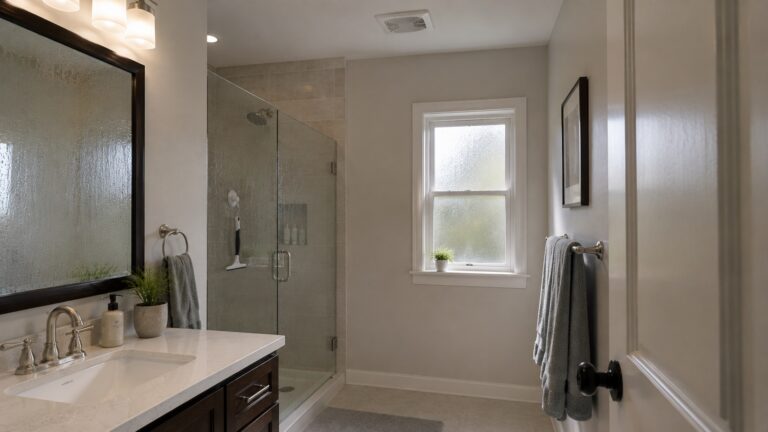
Bathroom plumbing systems operate frequently and often involve multiple connections in compact spaces. Moisture exposure in bathrooms increases the likelihood of hidden leaks.
Common bathroom risk areas include:
- Sink supply lines
- Toilet water connections
- Shower valve assemblies
- Bathtub plumbing systems
Routine bathroom inspections help identify small issues before moisture spreads into surrounding structures.
Laundry Room Connections
Laundry rooms often contain high-pressure water lines that cycle repeatedly. These conditions increase stress on hoses and fittings.
Key laundry inspection points include:
- Washing machine hoses
- Utility sink plumbing
- Drain connections
- Water heater supply lines
Frequent inspection helps prevent leaks caused by hose fatigue or connection failure.
Water Heater Installations
Water heaters operate under pressure and heat, making them vulnerable to long-term wear. Small failures in these systems often produce hidden leaks.
Water heater inspection steps include:
- Checking valves for moisture
- Inspecting connections for corrosion
- Monitoring drain lines
- Observing surrounding flooring conditions
Water heater maintenance significantly reduces hidden leak risks.
Behavioral Habits That Help Prevent Plumbing Leaks
Daily habits play a significant role in preventing hidden plumbing leaks. Small behavioral changes reduce stress on plumbing systems and help identify problems early.
Reduce Stress During Heavy Water Use
Heavy water use can increase stress on supply lines, valves, appliance hoses, and older fittings, especially when several fixtures or appliances run at the same time.
Helpful habits include:
- Avoiding simultaneous high-water use
- Spacing out heavy appliance use
- Monitoring water flow during peak periods
- Reducing unnecessary water demand
Reducing strain helps extend plumbing lifespan.
Address Minor Issues Immediately
Small plumbing problems often develop into larger failures if ignored. Prompt attention prevents moisture from spreading into hidden spaces.
Common minor issues to address include:
- Small drips at connections
- Loose fixture components
- Unusual pipe noises
- Sudden changes in water pressure
Addressing minor problems early prevents hidden leak development.
Monitor Plumbing After Repairs
After completing plumbing work, monitoring repaired areas helps confirm that connections remain secure. Newly installed fittings may require adjustment.
Post-repair monitoring steps include:
- Checking connections for leaks
- Inspecting surrounding surfaces
- Observing water flow patterns
- Confirming stable pressure levels
Post-repair observation helps prevent unnoticed installation-related leaks.
Early Warning Signals to Address Before Leaks Spread
Small plumbing changes should be addressed before they become concealed leaks. Unexplained water use, pressure changes, unusual sounds, and damp odors can all signal that a connection, valve, hose, or pipe area needs attention.
Unexplained Increases in Water Bills
A sudden or gradual increase in water usage often signals a developing leak. Hidden leaks may release small amounts of water continuously, causing measurable changes in monthly consumption.
Warning indicators include:
- Unexpected increases in water bills
- Higher usage without lifestyle changes
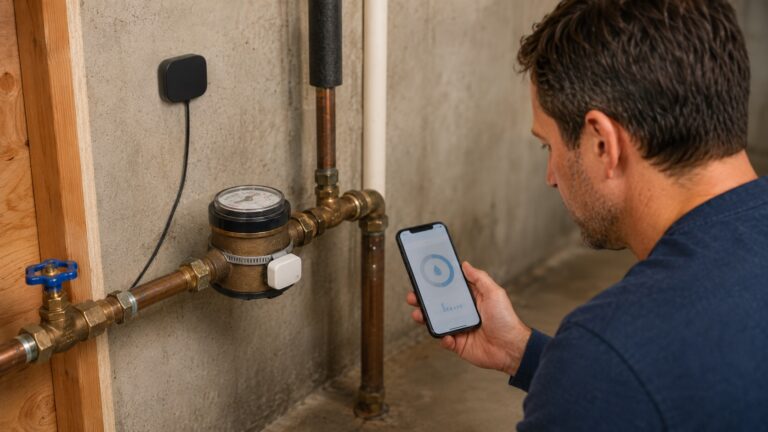
- Water meter movement when fixtures are off
- Recurring billing fluctuations
These signs frequently indicate slow leaks occurring behind walls or beneath flooring.
Changes in Water Pressure
Water pressure changes often signal developing plumbing problems. Pressure fluctuations place stress on pipe connections and increase leak risk.
Watch for:
- Sudden drops in pressure
- Inconsistent water flow
- Pressure surges during use
- Unusual fixture performance
Persistent pressure changes should be investigated to prevent future leaks.
Sounds Inside Walls or Floors
Unusual sounds often indicate movement or leakage inside concealed plumbing systems. Even small noises may signal developing failures.
Common sound-related warning signs include:
- Dripping sounds behind walls
- Hissing noises near pipes
- Water movement when fixtures are off
- Ticking sounds during pressure changes
Sound-related warnings often appear before visible moisture develops.
Subtle Moisture Symptoms in Nearby Areas
Hidden plumbing leaks frequently produce early moisture symptoms near concealed pipe locations. Recognizing these signs helps prevent larger water damage events.
Look for:
- Minor discoloration near plumbing areas
- Soft spots along floors
- Small moisture stains on surfaces
- Persistent damp odors
If visible symptoms appear near lower wall areas, reviewing signs of water damage behind baseboards can help confirm whether hidden moisture is present.
Monitoring Plumbing Systems to Prevent Future Leaks
Ongoing monitoring helps homeowners notice pressure changes, odors, damp cabinet bases, and appliance leaks before moisture spreads into hidden materials.
How Often to Check Plumbing Systems
Inspection frequency depends on usage patterns and plumbing age. High-use systems require more frequent monitoring.
Recommended inspection intervals include:
- Monthly checks for kitchen plumbing
- Monthly inspection of bathroom fixtures
- Quarterly checks for water heaters
- Inspection after major appliance installation
Consistent inspection schedules reduce the likelihood of hidden leaks forming unnoticed.
Use Simple Monitoring Tools in High-Risk Areas
Simple monitoring tools can add another layer of protection in areas where small leaks are easy to miss. Leak alarms, moisture meters, and humidity monitors do not replace inspections, but they can help homeowners notice problems before water spreads into hidden materials.
A moisture meter can be useful when checking suspicious cabinet bases, nearby drywall, or flooring after a suspected leak. For tool options, see our guide to the best moisture meters for hidden water damage.
In damp rooms such as bathrooms, laundry rooms, basements, or enclosed utility areas, a hygrometer can also help track whether humidity is staying high enough to slow drying or encourage moisture buildup. For that, see our guide to the best hygrometers for home humidity.
Keeping Records of Plumbing Maintenance
Maintaining records helps track plumbing performance and identify recurring problems. Documentation supports preventive maintenance planning.
Useful recordkeeping practices include:
- Recording repair dates
- Documenting replaced components
- Tracking maintenance schedules
- Noting unusual plumbing behavior
Maintenance records help identify patterns that may signal developing issues.
Monitoring Moisture-Prone Areas
Areas near plumbing lines require consistent observation. Monitoring these locations helps detect moisture early.
Key areas to monitor include:
- Cabinet bases near plumbing
- Flooring near fixtures
- Wall surfaces behind appliances
- Ceiling areas below plumbing lines
If moisture symptoms develop near cabinet bases, plumbing fixtures, or nearby flooring, treat the area as a possible active leak source and inspect the accessible connections before moisture spreads farther.
Environmental Factors That Influence Leak Risk
Temperature Changes and Pipe Expansion
Pipes expand and contract as temperatures change. Repeated expansion weakens joints and increases the likelihood of leaks.
Temperature-related risks include:
- Frequent hot and cold water cycling
- Seasonal temperature fluctuations
- Uninsulated pipes exposed to temperature extremes
- Rapid heating or cooling conditions
Managing temperature exposure helps reduce long-term pipe stress.
High Indoor Humidity Levels
Excess humidity increases moisture buildup around plumbing systems. Persistent humidity slows evaporation and increases corrosion risk.
Humidity-related risk conditions include:
- Poor ventilation in wet areas
- Condensation forming on pipes
- Moisture buildup near fixtures
- Extended damp indoor conditions
If humidity problems are suspected, reviewing signs of high humidity in a house can help identify environmental moisture issues.
Water Quality and Pipe Corrosion
Water composition influences pipe longevity. Certain minerals accelerate corrosion, increasing leak risk.
Water-related risk factors include:
- Hard water mineral buildup
- Corrosive water chemistry
- Accumulated sediment in pipes
- Long-term scaling inside plumbing systems
Monitoring water quality helps reduce corrosion-related failures.
When Hidden Plumbing Leak Risks Require Immediate Attention
While preventive maintenance reduces the likelihood of hidden plumbing leaks, certain warning signals indicate elevated risk and require immediate attention. Recognizing these urgency triggers helps prevent structural damage and reduces the chance of widespread moisture problems.
Repeated Minor Leaks in the Same Area
Recurring small leaks often signal underlying plumbing weaknesses. Even minor drips that appear harmless can gradually develop into hidden moisture problems.
Urgent warning signs include:
- Leaks returning after repairs
- Repeated dripping from the same connection
- Moisture reappearing in previously repaired areas
- Ongoing corrosion near pipe joints
Recurring leaks usually indicate deeper issues that require further inspection.
Visible Pipe Corrosion or Structural Damage
Corroded pipes weaken over time and increase the likelihood of hidden leaks forming behind walls or beneath floors. Visible deterioration should never be ignored.
Signs of structural pipe damage include:
- Rust accumulation along pipe surfaces
- Pitting or rough pipe textures
- Flaking metal surfaces
- Water stains forming beneath connections
Pipe corrosion often develops slowly and eventually leads to leakage if left untreated.
Persistent Moisture in Concealed Areas
Moisture appearing in concealed spaces often indicates an active plumbing issue. Even if the source is not immediately visible, persistent dampness should be addressed quickly.
Common concealed-area warning signs include:
- Damp cabinet floors
- Soft areas beneath flooring
- Staining along lower wall edges
- Recurring musty odors near plumbing
If hidden moisture appears near wall trim or baseboards, reviewing signs of water damage behind baseboards may help confirm the presence of concealed water exposure.
Long-Term Prevention Strategies for Hidden Plumbing Leaks
Long-term prevention strategies strengthen plumbing reliability and reduce the risk of hidden moisture problems developing over time. These practices focus on maintaining system integrity and minimizing stress on plumbing components.
Schedule Periodic Professional Inspections
Professional inspections help identify plumbing weaknesses that may not be visible during routine homeowner checks. Experienced professionals can detect subtle signs of pipe deterioration or improper installation.
Professional inspections may include:
- Pressure testing plumbing systems
- Inspecting concealed pipe routes
- Evaluating system condition
- Identifying early corrosion patterns
Periodic professional inspections reduce long-term leak risk and improve system reliability.
Upgrade Aging Plumbing Components
Older plumbing systems are more vulnerable to leaks due to material fatigue and corrosion. Replacing aging components reduces the likelihood of sudden failures.
Common upgrade targets include:
- Old supply lines
- Outdated pipe materials
- Worn valves and connectors
- Obsolete fixture assemblies
Modern plumbing components provide improved durability and leak resistance.
Install Leak Detection Devices
Leak detection devices do not stop pipes from failing, but they can reduce water damage by alerting homeowners quickly when moisture appears near a fixture, appliance, water heater, or shutoff valve.
Typical detection device functions include:
- Sensing moisture near plumbing fixtures
- Alerting homeowners to unexpected leaks
- Monitoring water flow patterns
- Reducing response time during emergencies
Leak detection systems enhance early response capabilities and help limit water damage.
Maintain Proper Drainage and Ventilation
Effective drainage and ventilation help reduce moisture buildup around plumbing systems. Poor drainage increases exposure to standing water and accelerates material deterioration.
Drainage and ventilation improvements include:
- Ensuring proper slope in drainage lines
- Maintaining unobstructed vents
- Preventing standing water near fixtures
- Supporting airflow in enclosed spaces
Proper drainage and airflow reduce long-term moisture exposure.
The Best Way to Prevent Hidden Plumbing Leak Damage
The best way to prevent hidden plumbing leak damage is to maintain accessible plumbing before small weaknesses turn into concealed moisture problems. Check visible connections, replace worn supply lines, keep pressure stable, monitor appliances and water heaters, and respond quickly to drips, corrosion, odors, soft materials, or unexplained water-use changes.
Do not cover stains, repaint damaged areas, or ignore recurring dampness until the plumbing source has been corrected. If moisture keeps returning, materials feel soft, or corrosion is spreading, the area should be inspected before hidden damage grows.
For a broader prevention strategy that connects plumbing leaks, repeated moisture problems, drying decisions, and long-term damage control, see how to prevent recurring moisture damage.
Frequently Asked Questions
What is the best way to prevent hidden plumbing leaks?
The most effective prevention method involves routine inspections, replacing aging components, maintaining proper water pressure, and addressing minor plumbing issues immediately.
How often should plumbing systems be inspected?
Visible plumbing should be inspected monthly, while full system evaluations should occur at least once per year or after major plumbing repairs.
Can hidden plumbing leaks develop without visible symptoms?
Yes, hidden leaks often develop behind walls or beneath floors without obvious signs. Early warning signals such as pressure changes or unusual sounds may appear before visible damage occurs.
Are older plumbing systems more likely to leak?
Older plumbing systems are more vulnerable to leaks due to material fatigue, corrosion, and outdated components.
Do leak detection devices help prevent water damage?
Yes, leak detection devices help identify moisture early and alert homeowners to developing problems before significant damage occurs.