How to Fix Persistent Moisture Around Windows
Persistent moisture around windows should be fixed by first identifying whether the moisture is caused by indoor condensation, exterior water entry, poor drainage, failing sealant, damaged trim, or hidden deterioration around the opening. Wiping the area dry, repainting trim, or adding caulk may help temporarily, but recurring moisture usually means the real cause has not been corrected.
The right response depends on the pattern. Moisture that appears mainly during cold weather often points to humidity or temperature problems, while dampness after rain may point to exterior water entry, flashing failure, siding gaps, or deteriorated window components.
This guide explains how to recognize persistent window moisture, narrow down the likely cause, take reasonable short-term steps, and decide when homeowner-level adjustments are no longer enough.
In most cases, the fix follows a simple sequence: dry the area, identify the pattern, reduce indoor moisture if condensation is involved, inspect exterior entry points if moisture follows rain, monitor whether the area stays dry, and call for repair if staining, soft materials, or hidden dampness continue.
What Persistent Window Moisture Really Means
Persistent moisture refers to repeated dampness that occurs over time rather than isolated or occasional moisture events. Unlike temporary condensation, persistent moisture usually follows recognizable patterns and returns even after surfaces are dried.
Understanding the difference between occasional moisture and persistent moisture is essential for deciding whether repairs may be required.
Occasional Moisture vs Persistent Moisture
Occasional moisture typically occurs during specific weather conditions or short-term humidity changes. Persistent moisture, however, continues appearing even when conditions seem normal.
Occasional moisture may include:
- Light condensation during extremely cold weather
- Temporary fogging after cooking or showering
- Short-term dampness during seasonal transitions
Persistent moisture typically includes:
- Repeated dampness in the same location
- Moisture returning shortly after drying
- Mold appearing repeatedly near window areas
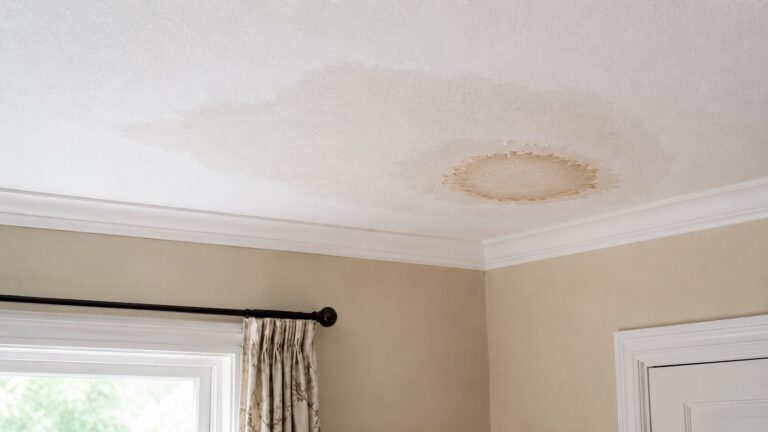
- Staining or discoloration that continues spreading
If moisture continues returning after cleaning or minor adjustments, the issue should not be ignored.
Why Persistent Moisture Is a Warning Sign
Persistent moisture usually indicates that water is entering or accumulating faster than it can evaporate. Over time, this imbalance creates favorable conditions for mold growth and structural damage.
Moisture that remains untreated can gradually weaken materials around the window opening. This often begins with surface damage but may eventually affect deeper structural components.
If the moisture is returning around the frame, sill, trim, or nearby wall, it should be evaluated as part of the larger window and door moisture system. The broader guide to how windows and doors cause hidden moisture problems explains how leaks, condensation, trim gaps, and structural openings can work together.
Why Temporary Fixes Often Fail
Temporary solutions can reduce visible moisture, but they fail when they only treat the surface. The goal is to determine whether the moisture source is indoor humidity, poor airflow, exterior leakage, thermal bridging, or material deterioration.
What Not to Do When Moisture Keeps Returning
Avoid covering the problem before the source is understood. Paint, caulk, trim repairs, or mold cleaning can hide symptoms temporarily while moisture continues behind the surface.
- Do not paint over stained or damp trim until the area stays dry.
- Do not apply interior caulk as the only fix if moisture appears after rain.
- Do not assume recurring mold is only a cleaning problem.
- Do not ignore soft drywall, swelling wood, or stains that keep expanding.
Surface Cleaning Does Not Stop Moisture Sources
Cleaning removes visible moisture and mold, but it does not eliminate the conditions that allow moisture to form. If the source remains active, moisture will return soon after cleaning.
Examples of ineffective surface-only solutions include:
- Wiping condensation without reducing humidity
- Cleaning mold without correcting airflow issues
- Drying surfaces without addressing temperature differences
- Painting over moisture-damaged materials
Without addressing the cause, moisture continues cycling through the same areas.
Small Repairs May Address Symptoms Instead of Causes
Minor repairs such as applying caulk or repainting trim can improve appearance but may not stop recurring moisture problems.
Temporary improvements often occur when:
- Surface gaps are sealed while deeper leaks remain
- Exterior conditions continue introducing moisture
- Environmental conditions remain unchanged
- Structural weaknesses are not corrected
Short-term fixes sometimes delay visible damage while hidden moisture continues accumulating.
Common Causes of Recurring Window Moisture
Persistent moisture around windows usually comes from one of three categories: indoor humidity, exterior water entry, or cold surfaces caused by insulation and thermal problems. Identifying the category helps determine whether the next step is ventilation, drying, sealing, inspection, or professional repair.
What to Check Before Deciding on Repairs
Before assuming the window needs major repair, check the moisture pattern. This helps separate humidity problems from water entry problems.
- If moisture appears on cold glass or interior trim during cold weather, check indoor humidity, airflow, curtains, and room ventilation first.
- If moisture appears after rain, especially near corners, trim joints, or the lower sill, inspect exterior caulk, flashing, siding gaps, and drainage paths.
- If stains keep spreading, paint bubbles, wood softens, or drywall feels weak, treat the issue as possible hidden water damage rather than simple condensation.
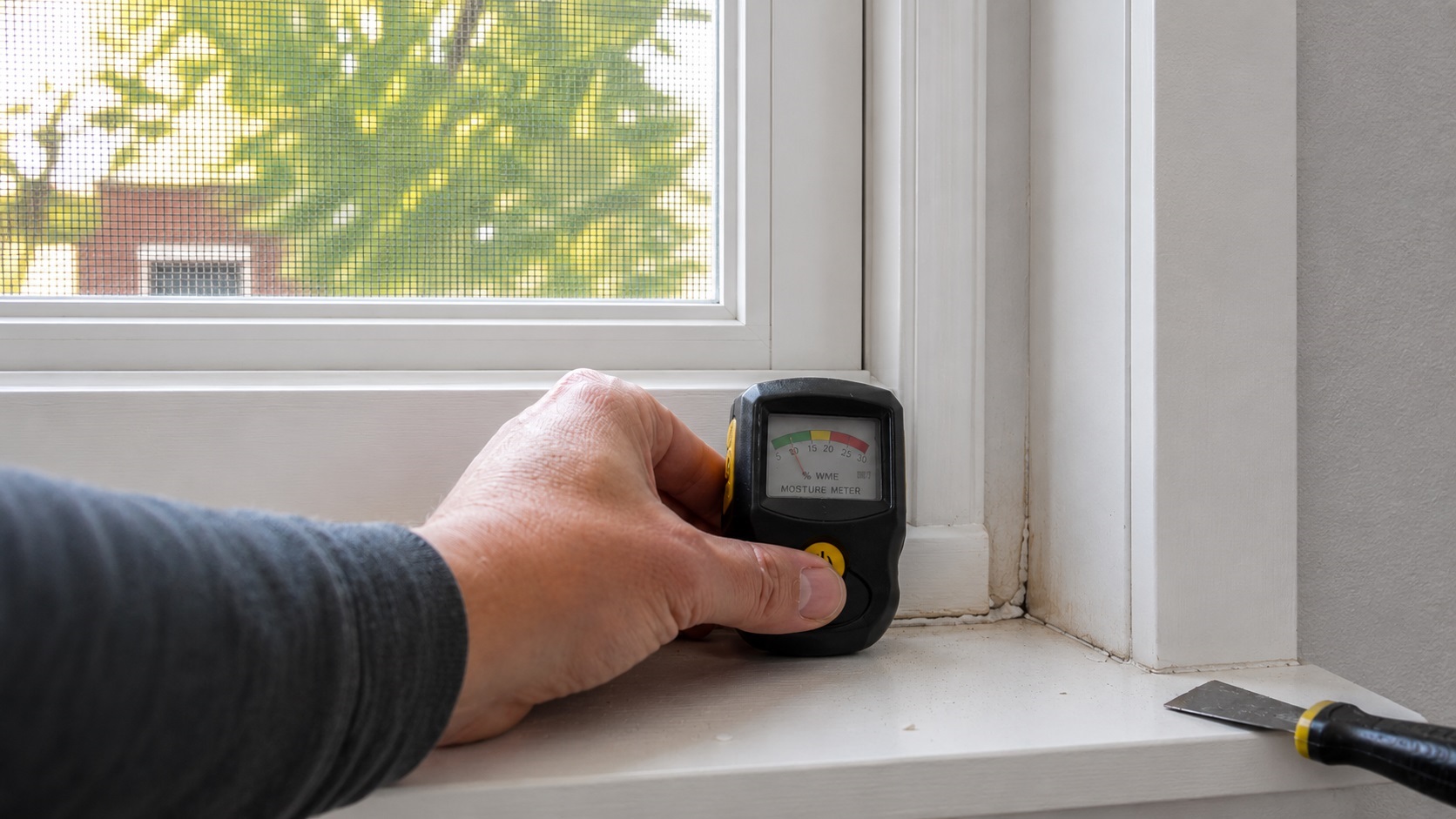
- If the same area stays damp after drying, use a moisture meter or professional inspection to determine whether moisture remains behind trim or wall materials.
Condensation From High Indoor Humidity
High indoor humidity remains one of the most common causes of recurring window moisture. When warm indoor air contacts cooler window surfaces, moisture forms repeatedly.
Common humidity sources include:
- Cooking without proper ventilation
- Frequent hot showers
- Drying laundry indoors
- Poor airflow throughout the home
- Seasonal climate conditions
If condensation forms regularly, reviewing why windows develop condensation and mold can help confirm whether the problem is mainly humidity-related rather than leak-related.
Exterior Water Entry Around Window Openings
Water entering from outside can cause recurring moisture problems around windows. Even small leaks can deliver moisture into hidden areas, leading to repeated dampness near corners and trim.
Common entry points include:
- Failed exterior caulking
- Damaged flashing components
- Cracks in surrounding materials
- Gaps between siding and window frames
These conditions often allow moisture to enter during rainfall, especially when wind pushes water against the window opening or when exterior drainage paths direct water toward the frame instead of away from it.
Insulation or Thermal Problems
Insulation problems can cause surfaces around windows to become colder than surrounding areas. This temperature difference increases condensation risk and encourages recurring moisture formation.
Typical insulation-related signs include:
- Cold surfaces near window edges
- Condensation forming during cooler weather
- Moisture appearing despite moderate humidity levels
- Recurring mold in identical locations
If mold repeatedly forms near corners, understanding why mold forms around window corners helps identify whether temperature differences contribute to the problem.
Signs Moisture Problems Are Getting Worse
Persistent moisture rarely remains stable. Without correction, small moisture issues typically become more noticeable over time. Recognizing worsening conditions early allows intervention before significant damage develops.
Moisture problems often progress gradually, making early warning signs especially important.
Expanding Stains Around Window Areas
One of the earliest indicators of worsening moisture problems is the gradual expansion of stains around window openings. These stains often appear as discoloration on trim, sill surfaces, or nearby drywall.
Signs of expanding moisture staining include:
- Discoloration spreading outward from corners
- Yellow or brown staining along window trim
- Darkened surfaces that grow over time
- Paint appearing uneven or blotchy
Stains typically indicate repeated moisture exposure rather than isolated events.
Softening or Swelling Materials
Moisture exposure weakens materials over time. Wood components near windows may absorb moisture, causing swelling, warping, or softening.
Warning signs of material damage include:
- Soft wood surfaces near the sill
- Swollen trim or base materials
- Warped window components
- Difficulty closing or sealing windows properly
Material changes often signal prolonged moisture contact rather than short-term condensation.
Increasing Mold Growth
Mold growth typically expands when moisture conditions remain unresolved. What begins as small spots may gradually spread into larger areas.
Warning signs of worsening mold include:
- Mold spreading beyond corner areas
- Repeated mold growth after cleaning
- Musty odors developing near windows
- Visible discoloration on surrounding surfaces
If mold repeatedly returns despite cleaning, the moisture source is likely still active.
Understanding the signs of water damage around windows can help confirm whether the issue is still surface-level or has begun affecting nearby trim, drywall, or framing materials.
When Persistent Window Moisture May Indicate Structural Damage
Persistent moisture does not always indicate structural damage, but certain warning signs suggest that water has moved beyond surface materials.
Recognizing these signs helps determine when professional evaluation may be necessary.
Hidden Moisture Behind Surfaces
Moisture sometimes enters wall cavities or structural joints where it remains undetected for long periods. Hidden moisture often leads to more extensive damage than visible surface moisture.
Possible signs of hidden moisture include:
- Persistent musty odors without visible mold
- Discoloration appearing without obvious moisture
- Paint bubbling or separating from surfaces
- Recurring mold despite repeated cleaning
Hidden moisture can gradually weaken structural components if left unresolved.
Repeated Moisture After Weather Events
Moisture appearing after rainfall or severe weather may indicate structural vulnerabilities. Exterior leaks often allow water to enter through small openings that worsen over time.
Signs of weather-related moisture include:
- Dampness forming after storms
- Water staining near exterior-facing walls
- Moisture appearing during windy rain
- Water marks forming beneath window openings
Weather-related moisture often requires structural repairs rather than environmental adjustments.
Persistent Damage to Window Components
Window components exposed to repeated moisture may begin deteriorating. This deterioration may affect performance and increase long-term risk.
Watch for signs such as:
- Cracked or separated trim joints
- Loose window components
- Difficulty sealing windows tightly
- Visible material decay
Component deterioration suggests moisture exposure has continued for extended periods.
When Professional Repairs May Be Necessary
Some moisture problems require professional evaluation rather than repeated homeowner-level adjustments. This is especially true when moisture continues after reasonable efforts to reduce humidity, improve airflow, dry the area, or seal obvious surface gaps.
A qualified repair professional may need to evaluate exterior flashing, sealant failure, siding transitions, trim deterioration, drainage around the opening, and whether moisture has reached wall materials behind the visible frame.
Moisture Continues After Multiple Fix Attempts
If moisture continues appearing after sealing visible gaps, improving ventilation, or reducing humidity, deeper structural causes may be involved.
Situations that suggest repair readiness include:
- Repeated moisture despite basic fixes
- Mold returning quickly after cleaning
- Recurring stains spreading over time
- Persistent dampness in identical locations
Repeated failure of simple fixes often signals unresolved structural conditions.
Visible Damage to Surrounding Materials
Damage to nearby materials indicates moisture exposure has progressed beyond surface conditions. These situations often require targeted repair rather than continued monitoring.
Signs that repair may be necessary include:
- Soft or crumbling drywall
- Peeling or flaking paint
- Rotting wood near the sill
- Visible cracks around window openings
Material damage rarely improves without corrective action. If drywall is soft, wood is rotting, or the window no longer closes or seals correctly, the issue has likely moved beyond simple surface drying.
Uncertainty About the Moisture Source
When homeowners cannot identify the source of persistent moisture, professional evaluation may help locate hidden entry points, failed flashing, deteriorated trim, trapped moisture behind the frame, or structural weaknesses around the opening.
This is especially important when moisture appears after rain, readings stay elevated after drying, stains continue spreading, or the same area becomes damp again within a few days.
How to Limit Damage While Waiting for Window Repairs
When persistent moisture problems have been identified, preventing further damage becomes a priority. Even when professional repairs are planned, temporary protective measures can reduce the risk of worsening conditions.
These protective steps do not replace repairs but help stabilize the situation while decisions are made.
Reduce Moisture Exposure as Much as Possible
Limiting moisture accumulation reduces the likelihood of rapid damage progression. Even small reductions in moisture exposure can slow deterioration.
Practical ways to reduce moisture exposure include:
- Wiping visible moisture from surfaces promptly
- Improving ventilation in affected rooms
- Reducing indoor humidity levels
- Allowing airflow near window openings
- Avoiding blocking windows with heavy coverings
Reducing moisture accumulation helps prevent rapid material deterioration.
Monitor Window Areas Regularly
Monitoring allows homeowners to detect changes before significant damage occurs. Tracking patterns helps identify whether moisture problems are stabilizing or worsening.
Regular monitoring may include:
- Checking window corners and sills weekly
- Observing new staining or discoloration
- Watching for recurring mold growth
- Inspecting surrounding materials for changes
Routine monitoring helps identify early warning signs before conditions escalate.
Learning how to inspect window sills for moisture damage can improve monitoring accuracy and help identify developing problems sooner.
Protect Surrounding Materials
Protecting nearby materials helps reduce long-term repair costs. Limiting exposure prevents damage from spreading into surrounding structures.
Protective measures may include:
- Keeping surfaces clean and dry
- Removing small wet, loose, or absorbent items from the area promptly
- Avoiding placing absorbent items near damp areas
- Maintaining airflow around affected locations
These precautions help slow damage progression until permanent solutions are implemented.
Understanding the Risks of Ignoring Persistent Moisture
A small damp area can become a larger repair when the same frame, sill, trim, or drywall stays wet through repeated cycles.
The longer the same area stays damp, the more likely a small surface issue becomes a trim, drywall, or framing repair.
Material Deterioration Over Time
Moisture weakens materials gradually, often without obvious signs during early stages. Continued exposure allows deterioration to spread into structural components.
Long-term deterioration risks include:
- Wood rot developing in hidden areas
- Drywall weakening near window openings
- Loss of protective surface coatings
- Structural joints becoming less stable
Once trim, drywall, or sill materials begin softening, swelling, or separating, the problem usually needs more than wiping, ventilation, or surface sealing.
Increased Mold Growth Risk
Persistent moisture creates favorable conditions for mold growth. Even when mold appears minor initially, continued moisture exposure increases contamination risk.
Potential mold-related consequences include:
- Recurring mold outbreaks
- Musty indoor odors
- Damage to surrounding surfaces
- Expanded cleanup requirements
If mold develops, use safe cleanup guidance from the mold removal hub, but do not treat cleaning as the fix. Persistent window moisture still requires identifying why the area keeps getting wet.
Escalating Repair Costs
Early moisture problems are often less expensive to correct than advanced damage. Delayed response allows moisture to affect larger areas, increasing repair difficulty.
Financial risks associated with delayed repair include:
- Larger repair areas requiring replacement
- Hidden structural damage requiring investigation
- Increased labor and material costs
- Greater disruption during repairs
Addressing persistent moisture early helps minimize long-term costs.
Frequently Asked Questions About Persistent Moisture Around Windows
What counts as persistent moisture around windows?
Persistent moisture refers to dampness that appears repeatedly in the same location rather than occasionally. If moisture returns after drying, cleaning, or minor fixes, it is typically considered persistent.
Repeated moisture patterns usually indicate an unresolved cause that requires further investigation.
Why does moisture keep coming back after cleaning?
Cleaning removes visible moisture but does not eliminate the source. If humidity levels remain high or water continues entering through structural openings, moisture will return.
Identifying the underlying cause is necessary to stop recurring moisture.
When should I call a professional for window moisture problems?
Professional evaluation may be appropriate when moisture continues after basic efforts to improve ventilation, reduce humidity, dry the area, or seal visible gaps. Moisture that returns after rain, visible material damage, or spreading mold also indicates a need for professional attention.
Seeking evaluation early helps prevent more extensive structural damage.
Can persistent moisture damage surrounding walls?
Yes. Persistent moisture can weaken drywall, wood, and insulation over time. Continued exposure increases the risk of structural deterioration and mold growth.
Damage often begins at the surface and gradually spreads into deeper materials.
How long can moisture problems be safely ignored?
Moisture problems should not be ignored once they become persistent. While occasional moisture may not cause damage, recurring moisture allows deterioration to progress over time.
Early action significantly reduces long-term repair risks.
Conclusion: Persistent Moisture Requires Clear Decision-Making
Persistent moisture around windows is rarely harmless when it returns after cleaning, drying, or minor adjustments. The key is to decide whether the problem is caused by humidity, exterior water entry, cold surfaces, or deterioration around the window opening.
Recognizing the pattern early helps homeowners choose the right next step before damage spreads into trim, drywall, insulation, or framing materials.
If mold has developed alongside persistent moisture, safe cleanup matters, but the long-term fix is still moisture correction. Cleaning should happen alongside a clear decision about whether the problem is humidity-related, leak-related, or structural.
Taking action early helps protect surrounding materials and prevents minor moisture problems from becoming major structural concerns.
Key Takeaways
- Persistent moisture is moisture that returns repeatedly after drying or cleaning.
- Temporary fixes often fail when the root cause remains unresolved.
- Expanding stains, soft materials, and recurring mold signal worsening problems.
- Persistent moisture may indicate humidity problems, exterior water entry, thermal bridging, or hidden damage around the window opening.
- Professional evaluation may be necessary when basic fixes fail, stains spread, materials soften, or moisture returns after rain.
- Ignoring persistent moisture increases long-term damage risk.
- Early decision-making reduces repair costs and prevents structural deterioration.