
Signs of Water Damage Around Windows: How to Identify Window Leak Problems Early
Water damage around windows often starts quietly. A small paint bubble, a faint stain near the sill, or a soft patch in trim may seem minor at first. But these early signs can indicate moisture entering where it should not, slowly weakening materials and creating conditions that allow mold growth and structural deterioration.
Windows are one of the most common locations for moisture problems because they interrupt the wall system. Every window includes seams, trim joints, and transitions between materials. Over time, these areas can allow water to enter — especially during heavy rain, seasonal expansion, or aging sealant failure.
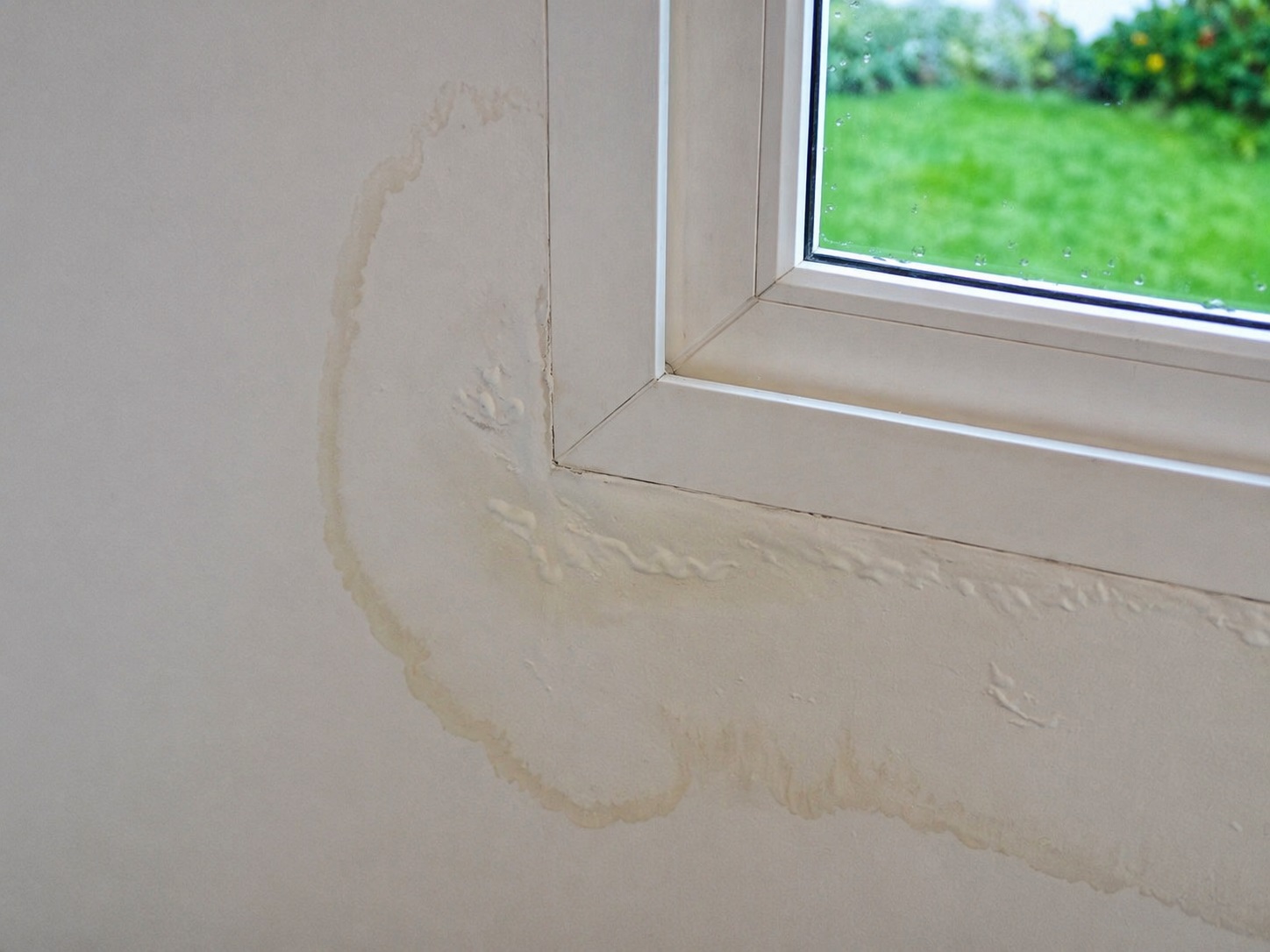
The most common signs of water damage around windows include bubbling paint, yellow or brown stains, soft or swollen trim, warped sills, cracked caulk lines, damp lower corners, and damage that returns after rain. Recognizing these symptoms early helps homeowners act before moisture spreads into wall cavities, framing, or hidden surfaces.
For a broader look at why window and door openings become vulnerable to hidden moisture, see how windows and doors cause hidden moisture problems. This article stays focused on the visible and physical warning signs around windows, so you can recognize damage early before deciding whether deeper inspection is needed.
This article focuses only on visible and physical warning signs around windows. It does not diagnose leak sources or provide repair instructions. Instead, it helps you recognize what water damage looks like so you can respond early and avoid larger structural problems.
Why Water Damage Around Windows Is Easy to Miss
Water damage near windows does not always appear where water first enters. Moisture often travels behind trim or drywall before becoming visible, which means damage may appear lower or farther from the actual entry point. This delayed visibility makes window-related water problems especially easy to overlook.
Many homeowners assume that visible moisture will appear immediately after a leak begins. In reality, water often enters slowly through small gaps and spreads internally before showing surface symptoms. During this time, materials like drywall and wood trim may absorb moisture without obvious visual changes.
Several factors make window areas vulnerable to hidden moisture damage:
- Multiple material joints between frame, trim, and wall
- Exposure to rain and outdoor weather conditions
- Sealant aging and cracking over time
- Improper installation or flashing failure
- Seasonal expansion and contraction of materials
Even condensation can complicate detection. Some window moisture issues result from indoor humidity rather than external leaks. Understanding this difference is important, especially when symptoms appear during cold seasons. If you suspect condensation may be contributing, learning why windows develop condensation and mold can help clarify whether humidity is playing a role.
Early symptoms often look cosmetic, so homeowners may repaint or replace trim without identifying the moisture issue. If the source is still active, the damage usually returns.
Recognizing early warning signs allows homeowners to act before water spreads into adjacent materials. Once moisture enters the wall cavity, it can affect insulation, framing, and hidden surfaces that are harder to inspect.
Common Signs of Water Damage Around Windows
The most reliable way to identify water damage around windows is to recognize patterns of material deterioration. Individual symptoms may appear small at first, but multiple warning signs together usually indicate an ongoing moisture problem.
Paint Bubbling or Peeling Near the Window Frame
Bubbling or peeling paint is one of the earliest visible signs of water damage around windows. This occurs when moisture becomes trapped beneath the paint surface, breaking the bond between the paint and the underlying material.
Common locations include:
- Along the bottom edge of the window frame
- At lower window corners
- Where trim meets drywall
- On the window sill surface
Paint damage often begins as small bubbles that grow over time. These bubbles may eventually crack or peel away, exposing raw drywall or wood beneath. When this happens repeatedly, it strongly suggests ongoing moisture exposure rather than isolated condensation.
It is important not to assume that paint failure alone is the cause. Paint problems around windows are frequently symptoms of hidden moisture movement. Simply repainting without addressing the moisture source typically leads to repeated failure.
Discoloration or Staining Around Window Edges
Water stains are among the most recognizable indicators of moisture intrusion. These stains often appear as yellow, brown, or gray patches on drywall or trim surfaces.
Staining patterns typically follow gravity. Water entering at the top of a window may travel downward behind materials before appearing near the bottom corners or along the sill.
Watch for:
- Vertical streaking beneath the upper frame
- Darkened corners near the sill
- Irregular patches on drywall returns
- Gradually expanding stain areas
Small stains should never be ignored. Even minor discoloration can indicate repeated moisture exposure. If staining appears alongside other symptoms — such as soft trim or peeling paint — the risk of hidden wall moisture increases.
In some cases, staining near windows may connect to larger hidden moisture patterns inside the surrounding wall, especially when discoloration spreads outward from the frame.
Soft or Swollen Window Trim
Soft or swollen trim is one of the most reliable physical signs of water damage around windows. Unlike surface paint problems, trim deterioration usually indicates that moisture has penetrated deeper into the material and remained there long enough to weaken it.
Wood trim absorbs moisture gradually. Once moisture enters, it causes the fibers to expand. This expansion often happens before obvious staining appears, making trim texture changes an early physical warning sign.
You can test trim condition safely by pressing gently with your fingertip rather than using a sharp tool. Watch for:
- Trim that feels soft instead of firm
- Areas that feel spongy when pressed
- Wood that dents easily
- Uneven swelling along edges
- Trim joints separating slightly
Swelling often begins at lower corners of the window because water naturally flows downward and collects there. Over time, repeated exposure can lead to permanent deformation or early rot formation.
If trim softness appears alongside moisture staining or paint failure, it is often a sign that water intrusion has been ongoing for some time — not just a single isolated event.
Cracking or Separation Along Window Trim Joints
Another common sign of water damage around windows is separation between trim pieces. Trim joints are designed to fit tightly together, but moisture exposure causes wood to expand and contract repeatedly.
This movement leads to:
- Visible cracks at trim seams
- Gaps between trim pieces
- Separation between trim and drywall
- Paint cracking along joint lines
While small hairline cracks can occur naturally due to seasonal movement, widening cracks — especially when combined with staining or swelling — often signal moisture exposure rather than normal aging.
Joint separation also creates pathways for additional moisture entry, allowing damage to accelerate if the underlying issue continues.
Warped or Damaged Window Sills
The window sill is one of the most vulnerable surfaces in the entire window assembly. Because it is horizontal, it naturally collects moisture. Even small leaks or condensation buildup can lead to visible sill damage over time.
Common signs of sill damage include:
- Paint blistering on horizontal surfaces
- Soft wood beneath paint layers
- Persistent dampness after rainfall
- Surface warping or bowing
- Dark staining near sill corners
Sill deterioration often indicates slow, repeated water exposure. This type of damage tends to develop gradually, sometimes over months or years, before becoming noticeable.
If the sill remains damp long after rainfall or humidity decreases, moisture may be entering behind the frame rather than collecting only on the surface.
What Different Window-Area Symptoms Usually Mean
Not all symptoms carry the same level of risk. Understanding what different patterns suggest can help homeowners decide how urgently the situation should be addressed.
Individual symptoms may seem minor on their own, but patterns of multiple warning signs usually indicate more serious moisture problems.
Small Paint Bubbles With No Staining
This pattern often indicates early moisture exposure or occasional condensation buildup. In many cases, moisture has entered the surface layer but has not yet caused deeper material damage.
Possible contributing factors include:
- Seasonal condensation
- High indoor humidity
- Minor exterior sealant failure
- Localized moisture buildup
While this stage is considered early, it should not be ignored. Monitoring conditions and verifying moisture levels can help prevent progression into structural damage.
If you want to confirm whether moisture is present beneath surfaces, using proper detection methods is important. Learning how to detect moisture around window frames can help identify hidden moisture before it spreads.
Stains Combined With Soft Materials
This combination strongly suggests repeated water exposure. When staining occurs alongside softened trim or drywall, the damage has usually progressed beyond early cosmetic changes.
Typical causes of this pattern include:
- Ongoing exterior leaks
- Failed flashing systems
- Repeated seasonal moisture exposure
- Hidden water movement behind trim
At this stage, materials may already be weakened internally. Even if the area appears dry temporarily, moisture may return during rain events.
If drying becomes necessary, it is important to understand proper moisture removal techniques. The guide on how to dry window areas after water intrusion explains safe drying approaches without causing additional damage.
Expanding Damage Patterns Around the Window
When damage spreads outward from the window into surrounding wall areas, it usually indicates that moisture has entered deeper structural layers.
Common signs of expanding damage include:
- Stains extending beyond trim edges
- Paint failure appearing farther from the window
- Soft drywall surrounding the frame
- Persistent damp odors near the wall
This pattern increases the likelihood of hidden wall moisture. Once moisture reaches insulation or framing, damage may accelerate quickly if conditions remain unresolved.
Where to Inspect Around the Window
Knowing where to inspect is just as important as knowing what to look for. Water damage around windows rarely appears randomly. Instead, it develops in predictable locations where moisture naturally collects or materials weaken.
Lower Window Corners
Lower corners are the most common locations for visible water damage. Water flowing behind trim naturally settles in these areas due to gravity.
Carefully inspect:
- Lower interior corners of the window frame
- Drywall edges near the sill
- Trim seams at corner joints
- Paint surfaces directly below the window
Small discoloration or softness in lower corners often indicates that moisture has traveled from a higher entry point.
Upper Window Edges
Although lower damage is more visible, upper edges often reveal the original entry location. Water entering near the top of the window may leave early streaking patterns.
Look for:
- Vertical streaks starting near the top frame
- Paint blistering above the window
- Staining along upper trim lines
- Separation between frame and drywall
Upper-edge damage frequently indicates external water intrusion rather than condensation.
Window Sill Surface
The window sill should always be included in inspection routines because it serves as a collection point for moisture.
Inspect for:
- Paint damage along horizontal surfaces
- Soft spots near the center or corners
- Persistent dampness after rainfall
- Surface warping or discoloration
Sills often reveal early-stage damage that may not yet appear on surrounding walls.
Routine inspection is one of the most effective ways to catch early moisture problems before they escalate into mold or structural issues.
How to Tell Early Damage From Serious Moisture Damage
Not every sign of water damage around windows indicates severe structural problems. However, distinguishing between early-stage moisture exposure and advanced deterioration is critical for deciding how quickly to act.
Early damage often appears cosmetic, while serious moisture damage typically affects the structural integrity of materials. Recognizing the difference helps prevent small problems from developing into expensive repairs.
Signs of Early-Stage Water Damage
Early-stage water damage usually affects surface finishes first. At this stage, materials may still be structurally sound, but moisture intrusion has begun.
Common early-stage indicators include:
- Small paint bubbles forming near the frame
- Minor discoloration along edges
- Light staining that does not spread quickly
- Slight surface swelling without softness
- Hairline cracks in paint near seams
At this point, damage may still be limited to outer layers. However, ignoring these symptoms increases the likelihood that moisture will continue penetrating deeper into the wall system.
If early symptoms are discovered, verifying moisture presence before repainting or sealing is important. Many homeowners attempt cosmetic fixes first, but this often hides symptoms rather than resolving the underlying moisture issue.
Signs of Moderate Moisture Damage
Moderate damage typically develops after repeated exposure to water. Materials begin to weaken internally, even if they appear stable on the surface.
Watch for:
- Expanding stains around trim or drywall
- Noticeable swelling in trim pieces
- Soft drywall edges near the window
- Persistent musty odors near the frame
- Cracks widening along trim joints
At this stage, moisture has likely entered beyond the surface layers. While repair decisions are outside the scope of this article, moderate damage should always be taken seriously because it often indicates ongoing moisture entry.
Signs of Advanced Water Damage
Advanced water damage involves structural deterioration. Materials lose strength, and moisture may reach hidden wall cavities or framing components.
Serious warning signs include:
- Trim that feels spongy or crumbles when pressed
- Severe drywall softness or sagging
- Persistent damp areas that never fully dry
- Visible mold growth along trim or wall edges
- Large spreading stains or warping surfaces
When damage reaches this level, moisture intrusion has likely been occurring for an extended period. Avoid probing, scraping, or covering severely softened materials, and get professional evaluation before the damage spreads farther into the wall system.
When Water Damage Around Windows May Indicate Hidden Wall Moisture
Window-related water damage does not always remain localized. Moisture that enters around windows often spreads into surrounding wall cavities, especially when repeated exposure occurs.
Hidden moisture behind walls creates long-term risks because it may remain undetected for extended periods. By the time visible symptoms appear, damage inside the wall may already be significant.
Signs that window damage may involve hidden wall moisture include:
- Stains spreading outward from the window frame
- Soft drywall extending beyond trim edges
- Persistent odors that remain after cleaning
- Moisture returning after rainfall
- Damage appearing on adjacent walls
When these patterns occur, compare them with broader signs of hidden moisture in walls to decide whether the problem may extend beyond the window itself.
Hidden moisture is particularly concerning because it creates conditions favorable to mold growth. Even small amounts of trapped moisture can support microbial development if airflow is limited.
What Not to Assume From Window Stains Alone
Not all window stains indicate the same cause. Making incorrect assumptions can delay proper inspection and lead to recurring moisture problems.
Understanding what stains do — and do not — reveal helps prevent misdiagnosis.
Condensation Does Not Always Mean Leakage
Indoor humidity can cause condensation to form on window surfaces, especially during colder seasons. This moisture may drip onto surrounding materials and create staining similar to leak-related damage.
Typical condensation-related signs include:
- Uniform moisture across glass surfaces
- Water droplets forming during cold weather
- Temporary moisture that disappears during warmer conditions
- Seasonal staining patterns
While condensation can still cause damage over time, it behaves differently from water intrusion caused by leaks. If condensation patterns are suspected, it is important to evaluate indoor humidity conditions.
Small Stains Are Not Always Harmless
A common mistake is assuming that small stains are insignificant. In reality, even minor discoloration may signal repeated moisture exposure.
Water rarely enters only once. Most staining patterns develop through repeated wetting and drying cycles. Over time, these cycles weaken materials and increase the risk of hidden damage.
Dry Surfaces Do Not Guarantee Safety
Another frequent misconception is believing that a dry surface means the problem has resolved. Moisture intrusion often occurs intermittently, especially during storms or seasonal changes.
A window area may appear dry between rainfall events, only to become saturated again during the next weather cycle.
When to Call a Professional for Window Water Damage
Some situations require professional evaluation to prevent worsening structural damage. Early surface symptoms can sometimes be monitored, but soft, crumbling, spreading, or recurring damage should not be covered with paint or caulk until the moisture source is understood.
Professional assessment may be necessary when:
- Trim feels soft or spongy
- Stains continue expanding over time
- Moisture returns after rainfall
- Strong musty odors develop
- Wall surfaces feel hollow or unstable
- Visible mold appears around window areas
In many cases, professionals use specialized moisture detection tools to confirm hidden damage. If moisture verification is needed, learning about reliable testing equipment can help homeowners understand how professionals identify concealed moisture patterns. Our guide on best moisture meters for hidden water detection explains how these tools work in real-world inspection scenarios.
Frequently Asked Questions About Water Damage Around Windows
Is bubbling paint around a window always caused by water damage?
In most cases, bubbling paint around windows indicates trapped moisture rather than simple paint failure. While poor paint adhesion can occasionally cause surface problems, repeated bubbling near windows usually suggests water exposure beneath the paint layer.
This is especially true when bubbling occurs alongside staining, swelling, or softness in nearby materials. If bubbling returns after repainting, it almost always means moisture is still present.
Can condensation cause water damage around windows?
Yes, condensation can cause water damage over time, especially when indoor humidity levels remain high. When condensation forms repeatedly on window glass, moisture can drip onto surrounding trim and drywall.
Over time, this repeated wetting can lead to:
-Paint bubbling along sill surfaces
-Wood swelling or softening
-Staining beneath the window
-Early mold development in enclosed areas
Understanding the difference between condensation and leak-related damage is important. Persistent window moisture problems often connect to humidity behavior, seal condition, and how moisture moves around the window opening. For broader context, see how windows and doors cause hidden moisture problems.
What does soft trim near a window usually mean?
Soft trim near a window typically indicates prolonged moisture exposure. Wood becomes soft when its fibers absorb water repeatedly over time. This often signals that water intrusion has been occurring for weeks or months.
Soft trim is rarely caused by a single moisture event. Instead, it usually reflects ongoing exposure that weakens structural materials gradually.
If trim softness appears along with staining or peeling paint, further inspection is strongly recommended to determine the extent of moisture involvement.
Should I worry about small stains around a window?
Small stains should never be ignored. Even minor discoloration can indicate repeated moisture entry, especially when stains appear near trim joints or sill corners.
Many homeowners assume that small stains are cosmetic, but they often represent early warning signs of more significant moisture problems developing behind visible surfaces.
Monitoring stain size and frequency is important. If stains grow, darken, or return after rainfall, moisture intrusion is likely continuing.
Can water damage around windows lead to mold growth?
Yes, water damage around windows can create conditions that allow mold to grow. Mold requires moisture to survive, and window areas with repeated dampness provide suitable environments for microbial growth.
Hidden moisture behind trim or drywall can support mold growth long before visible colonies appear. This is why early recognition of water damage symptoms is critical.
If you are concerned about long-term mold risk, focus first on whether moisture is continuing around the window. For prevention steps specific to this area, see how to prevent mold around windows.
Conclusion: Recognizing Window Water Damage Early Prevents Larger Problems
Water damage around windows rarely begins with dramatic failure. Instead, it usually starts with small, subtle changes — a paint bubble, a faint stain, or slightly softened trim. These early symptoms may appear cosmetic, but they often indicate moisture entering where it should not.
The key to preventing serious damage is recognizing patterns rather than isolated symptoms. Multiple warning signs appearing together — such as staining, swelling, and peeling paint — strongly suggest ongoing moisture exposure.
By paying attention to early signs of water damage around windows, homeowners can identify problems before moisture spreads into wall cavities or structural components. Early action reduces repair costs, limits mold risk, and protects long-term structural stability.
Key Takeaways
- Water damage around windows often begins with subtle signs such as paint bubbling, staining, or soft trim.
- Lower window corners and sill areas are the most common locations for early damage.
- Small stains or surface changes should never be ignored, as they often indicate repeated moisture exposure.
- Soft or swollen trim usually signals prolonged moisture intrusion rather than isolated incidents.
- Damage spreading beyond the window frame may indicate hidden wall moisture.
- Condensation can contribute to damage, but leak-related moisture usually creates localized patterns.
- Professional inspection is recommended when materials feel soft, stains expand, or moisture returns after rainfall.
- Early recognition of symptoms helps prevent structural deterioration and mold growth.
One Comment
Comments are closed.