How to Prevent Recurring Mold Behind Kitchen Cabinets (Stop Mold From Coming Back)
To prevent recurring mold behind kitchen cabinets, you must stop the moisture source, dry hidden cabinet and wall materials completely, improve airflow, and monitor the area after repairs. Cleaning visible mold alone will not stop it from coming back if damp cabinet backs, wall cavities, plumbing leaks, condensation, or high humidity remain active.
Many homeowners discover recurring mold after previous water damage, hidden leaks, or incomplete drying. Early warning signs are explained in this guide to recognizing water damage behind kitchen cabinets, which helps identify the moisture conditions that often lead to mold returning.
This article explains how to stop mold from coming back behind kitchen cabinets by controlling moisture sources, improving ventilation, protecting cabinet materials, and checking high-risk areas before hidden dampness becomes a repeat mold problem.
Why Mold Returns Behind Kitchen Cabinets
Mold typically returns because moisture conditions remain favorable for growth. Even when visible mold is removed, hidden moisture may continue affecting cabinet materials behind the scenes.
Before treating recurring cabinet mold as a cleaning problem, treat it as a moisture investigation. The goal is not only to remove what is visible, but to confirm that the cabinet back, wall surface, toe-kick, nearby flooring, and any plumbing or appliance connections are staying dry after normal kitchen use.
If mold returns repeatedly, avoid simply cleaning the surface and closing the cabinet again. Recurrent growth may indicate hidden moisture behind the cabinet, inside the wall, or under the cabinet base, and covering the area before the source is corrected can allow damage to continue unnoticed.
Recurring mold usually develops when:
- Moisture sources were not fully corrected
- Cabinets remained damp after previous leaks
- Humidity levels remained consistently high
- Airflow behind cabinets remained restricted
- Hidden moisture spread into surrounding materials
In many cases, mold returns because moisture remains trapped behind cabinet backs or inside wall cavities. If cabinets were previously exposed to leaks, proper drying steps—such as those explained in this guide to drying cabinets after kitchen leaks—are essential for preventing moisture from remaining hidden.
Understanding the causes of recurring mold also helps prevent future problems. The environmental and structural factors responsible for mold formation are described in this article explaining why mold forms behind kitchen cabinets, which outlines how moisture creates long-term growth conditions.
Daily and Weekly Prevention Practices
Preventing recurring mold behind kitchen cabinets depends on consistent maintenance habits. While major repairs may correct structural moisture problems, small daily and weekly actions help maintain dry conditions and reduce the chance of mold returning.
These routine practices allow homeowners to detect moisture early and prevent damp conditions from developing into larger problems. Regular attention to cabinet areas helps identify risks before damage spreads.
Daily Moisture Awareness Practices
Daily habits play an important role in reducing moisture buildup behind cabinets. Kitchens generate moisture frequently, especially during cooking and cleaning activities.
Helpful daily practices include:
- Wipe up water spills immediately after they occur
- Dry cabinet interiors if water splashes occur near sinks
- Keep cabinet contents organized to improve airflow
- Avoid leaving wet materials inside cabinets
- Check for visible water after appliance use
These small actions prevent moisture from accumulating unnoticed. Prompt cleanup reduces the amount of water that enters cabinet materials.
Weekly Cabinet Inspection Routine
Weekly inspections help identify early signs of moisture before damage develops. These inspections require only a few minutes but can prevent long-term problems.
During weekly inspections, check for:
- Damp cabinet floors or interior surfaces
- Unusual odors inside cabinet spaces
- Discoloration along cabinet edges
- Water stains near plumbing components
- Signs of swelling in cabinet bases
If moisture symptoms appear during inspections, investigate the cause immediately. Early detection prevents moisture from spreading into surrounding structures.
Signs of hidden moisture may resemble the conditions described in this article on water damage behind kitchen cabinets, which explains how moisture develops in concealed spaces.
After-Use Appliance Monitoring
Appliances connected to water sources should be checked regularly for signs of leaks. Dishwashers, refrigerators, and sink connections remain common sources of hidden moisture.
After using water-related appliances:
- Check cabinet floors for dampness
- Inspect nearby flooring for water accumulation
- Look for water dripping from supply lines
- Monitor appliance connections for signs of leakage
Small leaks detected early are easier to repair and less likely to cause recurring mold problems.
Monthly Deep Inspection Practices
In addition to weekly inspections, monthly deep inspections help identify hidden moisture risks that develop gradually over time.
Monthly inspections should include:
- Checking hidden cabinet corners
- Inspecting plumbing fittings for slow leaks
- Examining cabinet backs near exterior walls
- Looking for persistent damp odors
- Inspecting toe-kick areas along cabinet bases
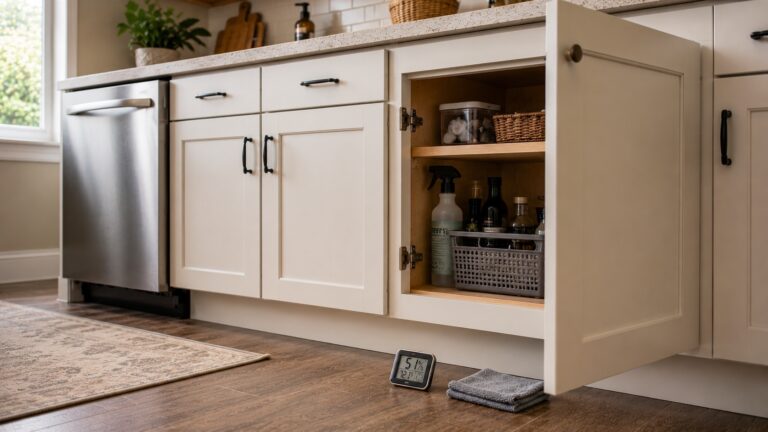
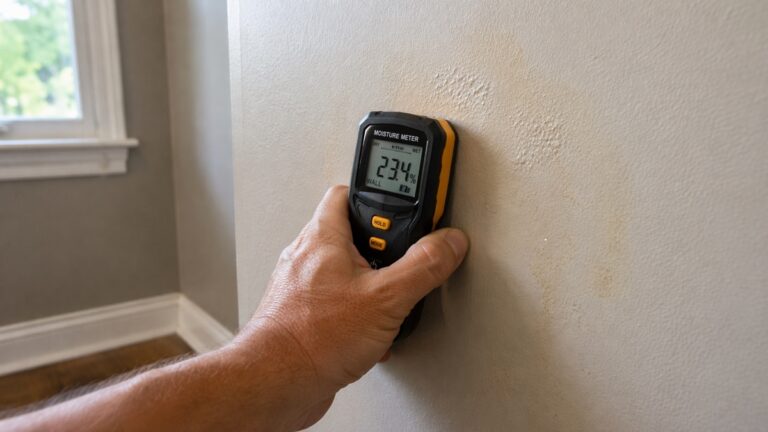
If the area has had previous water damage, a pinless moisture meter can help compare the cabinet base, toe-kick, nearby wall, and adjacent flooring against dry areas nearby. A single reading is less useful than a pattern: repeated elevated readings, musty odor, swelling, or staining in the same area should be treated as an active moisture warning.
Monthly inspections provide an opportunity to detect small changes that might otherwise remain unnoticed. Early detection remains one of the most effective methods for preventing recurring mold.
If previous moisture problems occurred behind cabinets, regular inspections should continue even after repairs are completed. Persistent moisture risks may require additional corrective steps such as those described in this guide to fixing persistent cabinet moisture, which explains how long-term structural issues are corrected.
Moisture Control Strategies That Reduce Mold Risk
Controlling moisture is the most important step in preventing recurring mold behind kitchen cabinets. Mold needs moisture to grow, so maintaining dry conditions helps control the primary factor that allows mold to return.
Moisture control strategies focus on limiting water exposure and maintaining stable environmental conditions. Even small amounts of moisture can accumulate over time, especially in enclosed cabinet spaces where airflow is limited.
Managing Indoor Humidity Levels
Indoor humidity plays a major role in mold recurrence. Kitchens produce moisture daily through cooking, dishwashing, and cleaning activities. Without proper humidity control, moisture can settle behind cabinets and create favorable mold conditions.
Effective humidity management includes:
- Using exhaust fans during cooking and cleaning
- Allowing fans to run several minutes after cooking
- Opening windows when weather conditions allow
- Reducing unnecessary moisture sources indoors
- Monitoring humidity during high-moisture activities
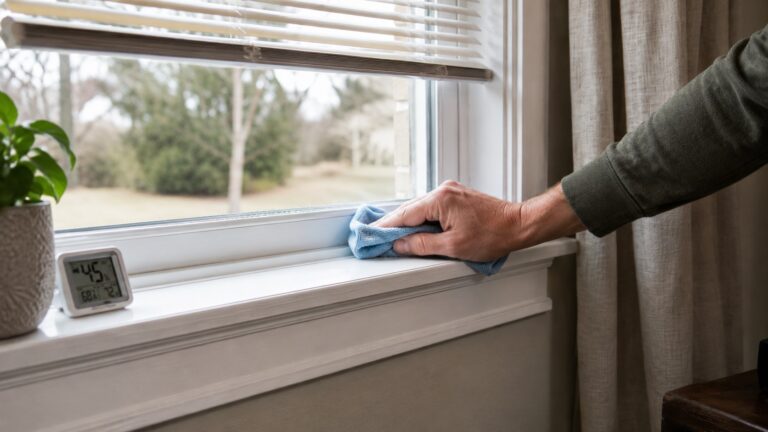
Keeping indoor relative humidity around 30% to 50% helps reduce condensation risk behind cabinets. When humidity stays controlled, moisture is less likely to accumulate in hidden areas or support recurring mold growth.
Reducing Water Exposure Behind Cabinets
Preventing water from reaching cabinet interiors reduces long-term moisture risk. Many recurring mold problems begin with small leaks or occasional water exposure that remains unnoticed.
Helpful moisture-reduction practices include:
- Inspecting plumbing connections regularly
- Replacing worn hoses or fittings promptly
- Keeping cabinet floors clean and dry
- Preventing standing water from forming near cabinet bases
- Monitoring areas near sinks and dishwashers
If water exposure occurs, begin drying immediately and do not assume the area is safe just because the surface looks dry. Cabinet bases, toe-kicks, wallboard, and flooring edges can stay damp after visible water is gone. The drying techniques explained in this cabinet drying guide help remove moisture before it becomes trapped inside materials.
Maintaining Stable Surface Conditions
Cabinet surfaces that remain dry and intact are less likely to support mold growth. Damaged materials can absorb moisture and allow mold to develop inside structural components.
To maintain stable cabinet surfaces:
- Repair chipped or damaged cabinet coatings
- Seal exposed wood surfaces when necessary
- Replace materials that remain swollen or weakened
- Keep cabinet interiors free from moisture-retaining debris
Stable surfaces prevent moisture absorption and reduce mold risk over time.
Ventilation Improvements That Protect Cabinet Areas
Ventilation plays a critical role in preventing recurring mold behind kitchen cabinets. Proper airflow removes moisture from the air and reduces the likelihood of condensation forming on cabinet surfaces.
Restricted airflow allows moisture to remain trapped behind cabinets, especially along exterior walls. Improving ventilation helps maintain dry air circulation throughout the kitchen.
Using Kitchen Exhaust Systems Effectively
Exhaust fans remove moisture generated during cooking and cleaning. Proper fan use significantly reduces humidity buildup inside kitchen spaces.
Best practices for exhaust fan use include:
- Turning on the fan before cooking begins
- Keeping the fan running during cooking activities
- Allowing the fan to run after cooking finishes
- Cleaning fan filters regularly
- Ensuring the fan vents outdoors properly
Consistent exhaust fan use helps maintain dry indoor air and reduces moisture accumulation behind cabinets.
Improving Airflow Behind Cabinets
Airflow behind cabinets is often limited due to their enclosed design. While complete airflow access may not be possible, small improvements can reduce moisture retention.
Ways to support airflow behind cabinets include:
- Keeping cabinet interiors organized so stored items do not block air movement
- Avoiding overpacked storage areas beneath sinks and around appliance connections
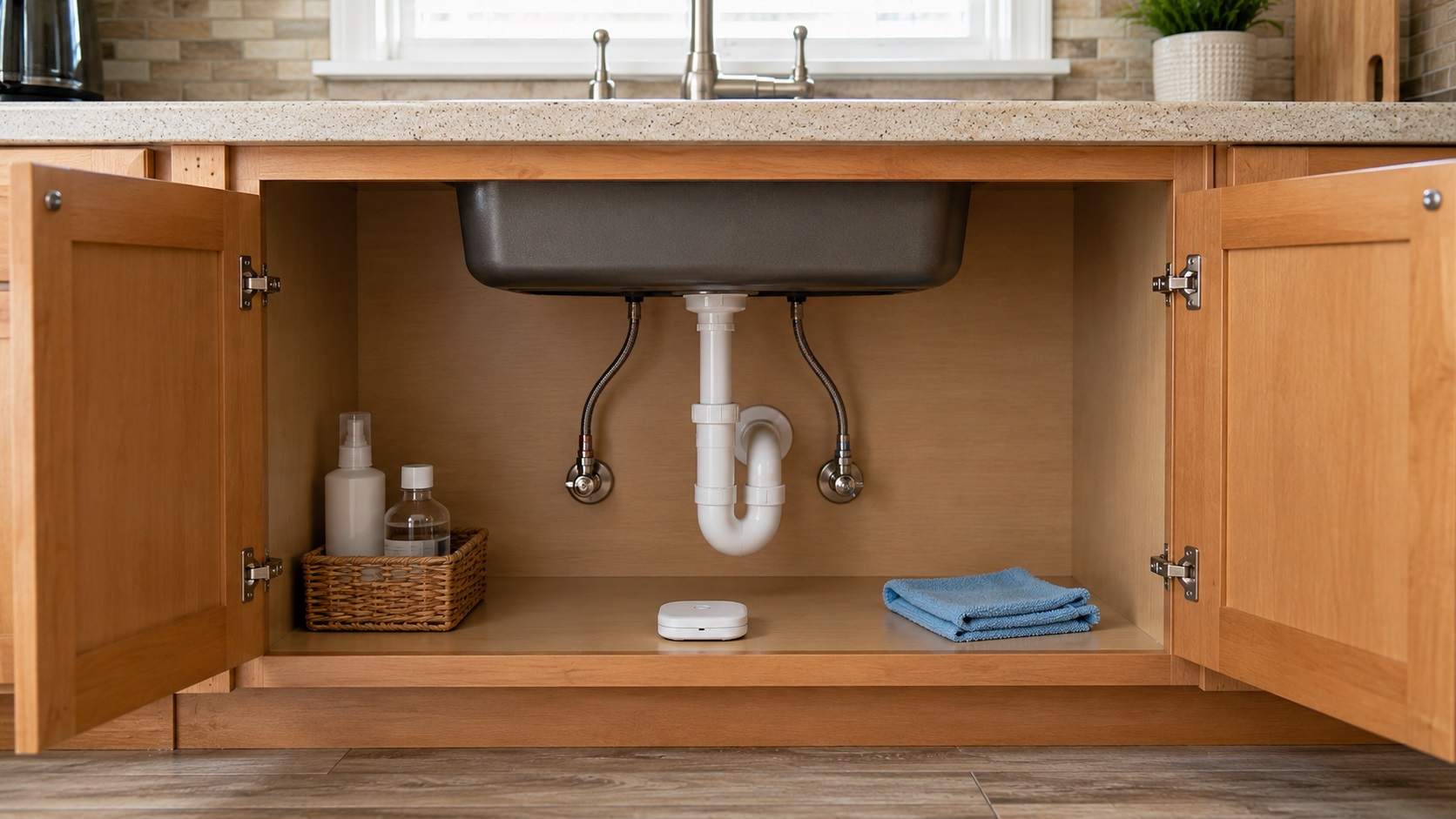
- Keeping stored items away from damp cabinet backs, supply lines, and drain connections
Improved airflow reduces stagnant moisture zones that support mold growth.
If ventilation improvements do not resolve recurring moisture problems, further structural evaluation may be required. Persistent moisture issues often require corrective steps like those described in this guide to fixing persistent moisture behind cabinets, which explains how deeper problems are resolved.
Post-Repair Inspection Practices That Catch Problems Early
Post-repair inspections are especially important because recurring mold often begins with small moisture changes that develop gradually. Checking the area after repairs helps confirm that hidden materials are staying dry before mold has a chance to return.
Inspection routines should become part of normal home maintenance. Checking cabinet areas periodically reduces the chance of hidden moisture spreading unnoticed.
After repairs or drying procedures, additional inspections confirm that moisture problems remain resolved. Without follow-up inspections, hidden moisture may continue developing even after repairs appear complete.
Post-repair inspection practices include:
- Checking cabinet areas several days after repairs
- Monitoring moisture levels during the following weeks
- Watching for recurring odors or staining
- Verifying that repaired plumbing remains dry
- Confirming that ventilation improvements function properly
If moisture continues returning after repairs, more extensive corrective actions may be required. These conditions are explained in this persistent moisture repair guide, which outlines structural solutions for recurring problems.
Long-Term Maintenance Tips for Mold Prevention
Preventing recurring mold requires long-term maintenance rather than one-time action. Consistent habits reduce the likelihood of moisture returning and help maintain dry cabinet environments.
Long-term prevention focuses on maintaining stable indoor conditions and preventing moisture buildup over time.
Keep Kitchen Humidity From Reaching Cabinet Cavities
Keeping humidity levels stable prevents moisture from accumulating in cabinet spaces. Kitchens often experience humidity fluctuations due to cooking and cleaning activities.
To maintain stable humidity:
- Use ventilation systems during high-moisture activities
- Allow surfaces to dry after cleaning
- Reduce prolonged moisture exposure indoors
- Monitor humidity during seasonal changes
- Maintain consistent airflow throughout the kitchen
Humidity stability reduces condensation formation and lowers mold recurrence risk.
Protect Cabinet Materials From Damage
Cabinet materials that remain intact and dry are less likely to support mold growth. Maintaining material condition helps prevent moisture absorption and reduces long-term risk.
Helpful material protection practices include:
- Repairing small damage before it worsens
- Replacing materials that remain swollen or weakened
- Keeping cabinet surfaces sealed when appropriate
- Removing moisture-retaining debris promptly
Maintaining cabinet materials prevents moisture retention and supports long-term mold prevention.
Monitor High-Risk Kitchen Areas
Some cabinet locations face higher moisture exposure than others. Cabinets located near sinks, dishwashers, or exterior walls require additional monitoring.
High-risk areas to monitor include:
- Cabinets beneath sinks
- Cabinets near water supply lines
- Cabinets installed along exterior walls
- Cabinet areas near appliances
Focusing attention on high-risk areas improves early detection and reduces recurrence potential.
What to Do If Mold Keeps Returning Behind the Same Cabinets
If mold returns in the same cabinet area after cleaning, treat it as an unresolved moisture problem rather than a cleaning failure. Repeated growth usually means water is still entering the area, materials were not dried completely, or airflow remains too restricted for the cabinet space to stay dry.
Before cleaning the same area again, check:
- Whether the cabinet back, wall surface, toe-kick, or cabinet floor still feels damp
- Whether plumbing fittings, dishwasher lines, refrigerator water lines, or sink connections show slow leakage
- Whether the area smells musty even after visible surfaces are dry
- Whether nearby flooring, baseboards, or wall materials show swelling, staining, or soft spots
- Whether indoor humidity stays high during cooking, dishwashing, or humid weather
Do not seal, paint, or cover the area until the moisture source is corrected and hidden materials are dry. Professional evaluation is a better next step if mold returns after leak repairs and drying attempts, if the same area still smells musty, if cabinet materials remain swollen or soft, if moisture readings stay elevated, or if the suspected moisture is behind fixed cabinets or inside the wall.
For a broader explanation of repeated moisture problems throughout the home, see Why Moisture Problems Keep Returning, which explains why cleanup often fails when hidden moisture, incomplete drying, or unresolved leak sources remain active.
Frequently Asked Questions About How to Prevent Recurring Mold Behind Kitchen Cabinets
How do I stop mold from coming back behind cabinets?
Stopping mold recurrence requires controlling moisture sources, improving ventilation, and performing regular inspections. Removing mold alone does not prevent future growth if moisture remains present.
How often should cabinets be inspected for moisture?
Cabinets should be inspected monthly, with additional inspections following any plumbing leaks or repairs.
Does ventilation help prevent recurring mold in kitchen cabinets?
Yes, proper ventilation reduces humidity levels and prevents moisture from accumulating behind cabinet surfaces.
Can humidity alone cause mold behind cabinets?
Yes, high humidity can support mold growth even without visible leaks, especially in enclosed cabinet spaces. Keeping indoor relative humidity around 30% to 50% helps reduce condensation and mold recurrence risk.
Is recurring mold behind kitchen cabinets a sign of hidden moisture?
Recurring mold usually indicates unresolved moisture sources that remain hidden behind cabinets or inside surrounding structures.
Keeping Mold From Coming Back Behind Kitchen Cabinets
Preventing recurring mold behind kitchen cabinets requires consistent moisture control, reliable ventilation, and routine inspections. Mold recurrence rarely happens by accident—it usually results from conditions that remain favorable for growth.
By maintaining dry cabinet conditions and monitoring high-risk areas regularly, homeowners can significantly reduce the chance of mold returning. Preventive maintenance protects cabinet materials, reduces repair costs, and supports healthier indoor environments.
Long-term mold prevention begins with understanding moisture behavior and maintaining consistent control over the conditions that allow mold to return. With the right prevention strategies in place, recurring mold behind kitchen cabinets is far less likely to come back.