
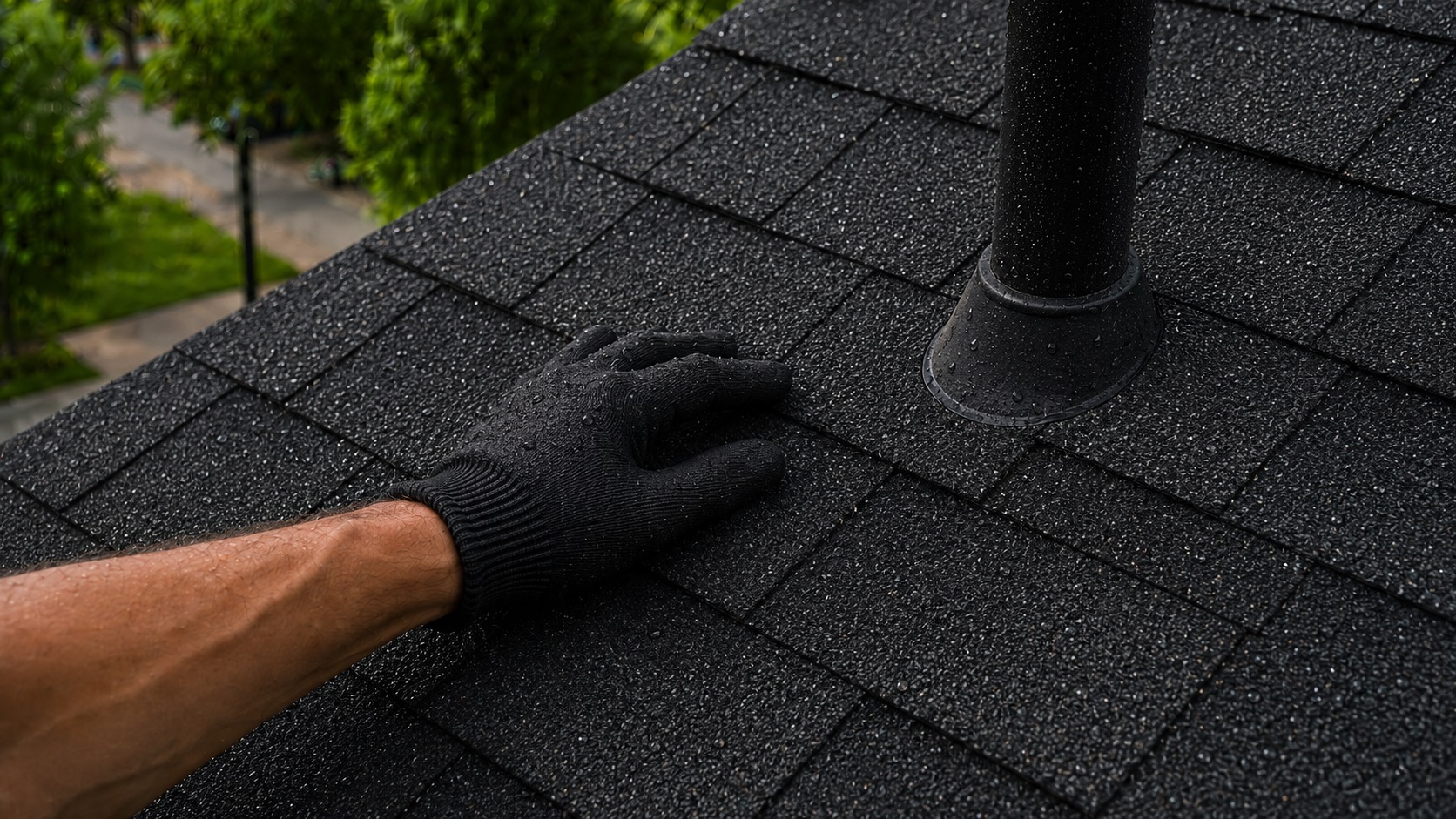
How to Monitor Roof Areas After Repairs
After roof repairs, monitor the repaired area after the first rain, during the first few weeks, and through at least one seasonal weather cycle. Check the attic or ceiling area below the repair, look for new stains or damp insulation, and photograph anything that changes.
A repair may look finished before it has been tested by real water flow, wind-driven rain, heat, cold, and roof movement. Post-repair monitoring helps confirm that the leak source was fixed instead of simply hidden for a short time.
Post-repair monitoring is part of preventing repeat moisture problems, especially when the original leak involved flashing, roof penetrations, valleys, or attic moisture. For the broader pattern of why water problems return after work is done, see Why Moisture Problems Keep Returning.
Why Monitoring After Roof Repairs Is Essential
Even a properly completed roof repair should be checked after weather exposure. Sealants cure, metal flashing expands and contracts, shingles settle, and water may find small gaps that were not obvious on the day of repair.
Repairs Must Survive Real Weather Conditions
A roof repair is rarely fully tested until it experiences real rainfall. Dry conditions immediately after repair may hide defects that only appear when water flows across the repaired area.
Heavy rain, wind-driven moisture, and rapid temperature changes place stress on repaired sections. These environmental forces often reveal weaknesses in flashing alignment, fastener placement, or sealant integrity.
This is why monitoring after storms is particularly important. If you notice new moisture indicators, reviewing Signs of Roof Leaks Inside the House can help confirm whether early leak symptoms are developing again.
Hidden Moisture May Remain After Repairs
Even after a leak source has been corrected, moisture already inside structural materials may remain trapped. Wet insulation, wood framing, and drywall may require time to dry completely.
If moisture remains inside materials, damage can continue even after the visible leak has stopped. Monitoring allows homeowners to confirm that drying has occurred and that moisture is not persisting inside hidden areas.
This is why the area below the repair should be checked, not just the roof surface above it.
What to Check Immediately After Roof Repairs
The first inspection after a repair should occur as soon as conditions allow safe observation. This early check helps confirm that materials were installed correctly and that no obvious defects remain.
Immediate inspections should include both exterior and interior observations when accessible.
Exterior Visual Checks After Repairs
Exterior inspections help confirm that roofing materials appear properly aligned and securely installed. While homeowners should avoid unsafe roof access, visual checks from ground level or safe vantage points can still provide useful information.
Do not climb onto a wet, steep, icy, or damaged roof to inspect a repair. If the area cannot be viewed safely from the ground, a window, a ladder used safely, or the attic, contact the contractor instead.
Important exterior observations include:
- Flashing sections lying flat against roof surfaces
- Shingles properly aligned with surrounding materials
- No visible gaps around penetrations
- Secure placement of roof edges
- No exposed or misaligned materials
These checks help identify obvious installation issues before rain exposure occurs.
Interior and Attic Checks After Repairs
Interior inspections are equally important because many leak symptoms appear inside the attic before becoming visible in living areas.
Attic inspections should focus on areas beneath the repaired section. This allows homeowners to confirm that no moisture remains trapped inside structural materials.
Use the original leak location as a starting point, but also check nearby rafters, roof sheathing seams, insulation paths, and ceiling areas downhill from the repair. Water often travels along framing before it drips.
If you see active water near electrical wiring, fixtures, or outlets, stop the inspection and treat it as an urgent safety issue.
Key interior observations include:
- Dry roof sheathing near repaired areas
- No visible dampness in insulation
- Absence of water droplets or condensation
- No musty odors indicating hidden moisture
- No visible staining on framing materials
If signs of moisture are present, additional investigation may be necessary. Early detection reduces the risk of recurrence and supports long-term protection strategies described in How to Prevent Roof Leak Damage.
How Long Roof Repairs Should Be Monitored
Monitoring repaired roof areas should not stop after the first successful inspection. Many repair failures appear gradually as roofing materials adjust to weather exposure and seasonal movement. Establishing a realistic monitoring timeline helps homeowners detect recurring problems before significant damage develops.
The correct monitoring period depends on the type of repair performed, the location of the repair, and the environmental conditions affecting the roof. Repairs involving flashing, roof penetrations, and valleys usually require longer monitoring periods because these areas experience concentrated water flow.
Immediate Monitoring During the First 24–48 Hours
The first phase of monitoring begins immediately after repairs are completed. During this period, the goal is to verify that materials were installed correctly and that no obvious defects remain.
This early monitoring phase should include:
- Checking repaired areas from safe ground-level viewpoints
- Inspecting attic spaces beneath the repair zone
- Confirming that flashing appears secure and aligned
- Watching for visible moisture or condensation
- Ensuring insulation remains dry
If rain occurs during this early period, attention should focus on identifying new signs of moisture entry. Early warning signs described in Signs of Roof Leaks Inside the House can help determine whether a repair requires immediate follow-up.
After the first steady rain, check the area in the same order each time: attic side first if accessible, ceiling below the repair second, nearby walls third, and the exterior repair area last from a safe viewpoint. This keeps the inspection consistent and makes small changes easier to notice.
Short-Term Monitoring During the First 2–4 Weeks
The next monitoring phase occurs during the first few weeks after repair. During this time, roofing materials experience repeated temperature changes and environmental exposure. These changes can cause minor movement that reveals hidden installation weaknesses.
Short-term monitoring should occur after:
- Rainfall events
- Windstorms
- Rapid temperature shifts
- Heavy debris accumulation
During this phase, homeowners should continue checking attic spaces and interior surfaces for early signs of moisture movement. If stains begin to develop or moisture persists, this may indicate incomplete repair work.
Recurring symptoms during this phase often signal developing problems. Reviewing Signs of Recurring Roof Leaks can help determine whether leak patterns are returning.
Seasonal Monitoring During the First Year
The first full year after repair is critical because seasonal weather cycles test the durability of roofing materials. Temperature swings, freeze-thaw conditions, and debris accumulation place stress on repaired areas.
Seasonal monitoring should include inspections during:
- Heavy rain periods
- Cold weather transitions
- Spring thaw cycles
- High wind seasons
These inspections help detect delayed failures that may not appear during initial monitoring phases. Seasonal exposure often reveals weaknesses in flashing alignment or drainage performance.
When to Check Roof Repairs After Weather Events
Weather conditions play a major role in determining when monitoring should occur. Roof repairs are tested by environmental forces, not just time. Observing repaired areas after specific weather events improves the chances of detecting early failure.
Heavy Rain Monitoring
Heavy rainfall produces the highest water flow across roof surfaces. This places pressure on flashing systems, sealants, and drainage pathways.
After heavy rain, homeowners should check:
- Attic insulation near repaired areas
- Roof sheathing below flashing zones
- Ceilings beneath roof penetrations
- Walls adjacent to roof transitions
If moisture appears after rainfall, the repair may require additional evaluation.
Wind-Driven Rain Monitoring
Wind-driven rain forces water into areas that remain dry during normal rainfall. Repairs that appear successful during calm conditions may fail under wind pressure.
Wind-driven rain monitoring should focus on:
- Roof-to-wall intersections
- Chimney flashing zones
- Skylight flashing systems
- Roof valley transitions
These areas experience increased stress during storms and require careful observation.
Cold Weather and Freeze-Thaw Monitoring
Freeze-thaw cycles create expansion pressure inside roofing materials. Water trapped in small openings expands when frozen, increasing the size of existing gaps.
Monitoring during cold weather should include:
- Checking attic spaces during temperature changes
- Watching for new staining during snow melt
- Inspecting flashing edges after freeze-thaw cycles
- Looking for moisture persistence in insulation
Cold-weather failures often appear gradually, making seasonal observation essential for identifying developing problems.
How to Tell Old Stains From New Roof Leak Activity
Old stains may remain after a roof repair, but they should not expand, darken, feel damp, or develop a new musty odor. The best way to monitor an old stain is to mark its edge lightly with painter’s tape or take a clear photo after the repair, then compare it after the next rain.
A repaired area deserves follow-up if the stain grows, the surface feels cool or damp, insulation below the area darkens again, or moisture appears only after specific storms. Those changes suggest active water movement rather than leftover discoloration from the original leak.
Warning Signs That Roof Repairs May Be Failing
A failing repair often shows up first as a small change after rain, not as an obvious leak.
Recognizing small warning signs allows corrective action before moisture spreads into structural materials. Even minor symptoms can indicate that water is entering through incomplete repairs or overlooked problem areas.
Early Warning Signs of Repair Failure
The first signs of failure often appear inside the attic or on interior surfaces before becoming visible on ceilings. These early indicators should never be ignored, even if they seem minor.
Common early warning signs include:
- New stains appearing near previously repaired areas
- Darkened roof sheathing in attic spaces
- Persistent damp insulation
- Musty odors developing after rainfall
- Rust forming on nails or metal components
These symptoms suggest that moisture is still entering the structure. If these warning signs appear, reviewing Signs of Roof Leaks Inside the House can help confirm whether leak symptoms are returning.
Recurring Leak Symptoms That Require Attention
Recurring leaks are one of the clearest indicators that repairs were incomplete or incorrectly performed. These problems may not appear immediately after repairs but can develop after repeated weather exposure.
Common recurring leak symptoms include:
- Stains that reappear in the same location
- Water spots growing larger over time
- Moisture appearing after specific weather events
- Interior damage developing months after repairs
- Visible deterioration near flashing zones
This article should only help you recognize when monitoring shows a problem. For a deeper explanation of repeated leak patterns, see Signs of Recurring Roof Leaks.
How Water Movement Can Mislead Homeowners
One of the biggest challenges in monitoring roof repairs is understanding how water moves through structural materials. Water rarely travels straight downward from the entry point. Instead, it follows structural pathways before appearing indoors.
This movement can mislead homeowners into believing repairs failed in areas that were never actually repaired.
Common Moisture Movement Patterns
Water entering through flashing or roof penetrations often spreads across framing materials before becoming visible. This behavior makes it difficult to identify the original entry point without careful inspection.
Typical water movement patterns include:
- Water traveling along rafters before dripping downward
- Moisture spreading through insulation layers
- Water collecting on roof decking before entering living spaces
- Stains appearing far from the actual leak location
Understanding these patterns reduces confusion during monitoring. If visible stains appear in unexpected areas, homeowners should investigate surrounding structural zones rather than focusing only on the visible symptom location.
If moisture spread has already begun, reviewing Signs of Water Damage from Roof Leaks can help determine whether structural materials are being affected.
Create a Simple Roof Repair Monitoring Schedule
A structured monitoring schedule improves consistency and reduces the chance of overlooking developing problems. Rather than relying on memory or occasional checks, homeowners should follow a planned schedule that aligns with weather patterns and seasonal conditions.
Basic Monitoring Schedule Framework
Most homes benefit from a structured monitoring routine that includes scheduled inspections and weather-triggered checks.
A typical monitoring schedule includes:
- Immediate inspection after repair completion
- Inspection after the first rainfall
- Weekly inspections during the first month
- Monthly inspections during the first season
- Seasonal inspections during the first year
Recording Observations Improves Detection
Keeping simple records of inspection results improves long-term monitoring accuracy. Written notes or photographs provide a reference point that helps detect changes over time.
A useful roof repair monitoring record should include:
- Date of inspection
- Rain, wind, snow melt, or other weather that triggered the inspection
- Weather conditions during inspection
- Location of observed moisture signs
- Changes in staining or material condition
- Notes on unusual odors or dampness
When to Contact the Contractor Again
Monitoring roof repairs is intended to confirm success, but it also helps determine when additional professional work is necessary. Some problems cannot be resolved through observation alone. When warning signs persist or worsen, contacting the contractor promptly prevents minor defects from turning into major structural damage.
Homeowners should not assume that small symptoms will resolve on their own. Water intrusion rarely improves without corrective action. Early communication with a contractor often reduces repair costs and limits long-term damage.
Do not keep monitoring if water is actively dripping, ceiling material is sagging, insulation is soaked, electrical fixtures are wet, or the repaired area leaks during ordinary rainfall. Those conditions mean the repair needs prompt professional evaluation, not more observation.
Clear Signs That Require Contractor Follow-Up
Some symptoms indicate that repairs may not have been completed successfully. These warning signs should prompt immediate follow-up with the contractor who performed the original work.
- Water stains returning after repairs
- New stains appearing near repaired areas
- Damp insulation persisting beyond expected drying time
- Visible gaps or loose flashing components
- Water entering during moderate rainfall
These symptoms suggest that water entry pathways remain active. When multiple warning signs appear together, the risk of structural damage increases significantly.
If recurring symptoms appear, reviewing Signs of Recurring Roof Leaks can help confirm whether the repair is failing or incomplete.
Escalation Thresholds That Should Not Be Ignored
Some conditions indicate that immediate professional involvement is necessary to prevent further damage. These escalation thresholds represent situations where continued monitoring alone is not sufficient.
- Moisture spreading beyond the original repair zone
- Structural wood becoming soft or discolored
- Ceiling damage increasing over time
- Multiple leak locations appearing simultaneously
- Persistent musty odors indicating trapped moisture
When these conditions occur, delaying repairs increases the likelihood of widespread damage. Escalating problems often require more extensive repairs than originally anticipated.
If recurring problems continue despite repeated repairs, reviewing How to Fix Persistent Roof Leak Problems provides guidance on how to move forward when standard repairs fail.
Frequently Asked Questions About Monitoring Roof Repairs
How Long Should I Monitor Roof Areas After Repairs?
Most roof repairs should be monitored closely through the first few weeks and then seasonally for the first year. At a minimum, the repaired area should be checked through one full seasonal weather cycle.
Should I Inspect the Roof After Every Storm?
Yes, especially during the first few months after repairs. Storm events create conditions that stress repaired areas and increase the likelihood of identifying weaknesses.
Is It Normal to See Minor Staining After Repairs?
Minor staining may remain from previous leaks, but new staining should never appear. Any new or expanding stain indicates ongoing moisture entry and requires immediate investigation.
Can Repairs Fail Even If Done Professionally?
Yes. Professional repairs can still be affected by hidden damage, difficult water paths, settling materials, or severe weather. Monitoring helps prove whether the repair is holding under real conditions.
Do I Need to Check the Attic Even If the Ceiling Looks Dry?
Yes. Attic inspections are essential because moisture often remains hidden inside insulation and framing materials before visible ceiling damage occurs.
Key Takeaways
- Roof repairs should be monitored through multiple weather cycles.
- Early warning signs often appear before major damage develops.
- Recurring stains usually indicate incomplete repairs.
- Photos, notes, and weather-based checks make recurring leak patterns easier to prove.
- Prompt contractor follow-up prevents long-term structural damage.
- Seasonal observation ensures repairs remain effective over time.
One Comment
Comments are closed.