
How to Install a Crawl Space Vapor Barrier (Step-by-Step Guide)
To install a crawl space vapor barrier correctly, clear the ground, fix standing water first, cover the soil with durable polyethylene sheeting, overlap seams by 6 to 12 inches, seal every seam with compatible vapor barrier tape, extend the material up foundation walls, and seal carefully around piers, pipes, and penetrations.
The installation details matter as much as the plastic itself. Loose edges, untaped seams, exposed soil, and torn sections allow ground moisture to bypass the barrier and keep raising crawl space humidity.
This guide focuses on the practical installation process homeowners often miss: preparation, cutting, overlapping, taping, wall turn-up, pier wrapping, and final inspection. If the crawl space has standing water, mold, or structural damage, those problems should be corrected before the vapor barrier is installed.
This project fits into the broader moisture control strategy explained in How to Waterproof Basements and Control Water Intrusion, where vapor barriers work alongside drainage, foundation moisture control, and structural protection.
What a Crawl Space Vapor Barrier Actually Does
A crawl space vapor barrier blocks moisture vapor rising from exposed soil. Even soil that looks dry can release moisture into the crawl space air, which raises humidity and allows wood framing, insulation, and subfloor materials to absorb moisture over time.
Over time, elevated humidity leads to several predictable problems:
- Mold growth on wood framing and insulation
- Rotting floor joists and subfloor materials
- Musty odors entering living areas
- Higher indoor humidity levels
- Reduced effectiveness of insulation
Many homeowners assume crawl space moisture only comes from leaks or flooding. In reality, most crawl spaces develop moisture problems simply because exposed soil constantly releases vapor. This is why homes without vapor barriers often develop moisture issues even when no visible water is present.
If you already suspect moisture issues below your home, you may notice symptoms described in Signs of Moisture in Crawl Spaces, such as damp soil, mold odors, or visible condensation on structural materials.
Before You Install: Inspect the Crawl Space First
Preparation is the most important part of a successful vapor barrier installation. Many failed installations occur because homeowners install plastic without correcting existing problems first.
Before laying any vapor barrier material, inspect the crawl space carefully. This inspection determines whether the environment is ready for installation or if repairs must happen first.
Do not install the vapor barrier yet if the crawl space has standing water, sewage contamination, active plumbing leaks, wet insulation, soft structural wood, or visible mold covering large areas. A vapor barrier can reduce ground vapor, but it should not be used to hide active water or contamination problems.
Look for Standing Water
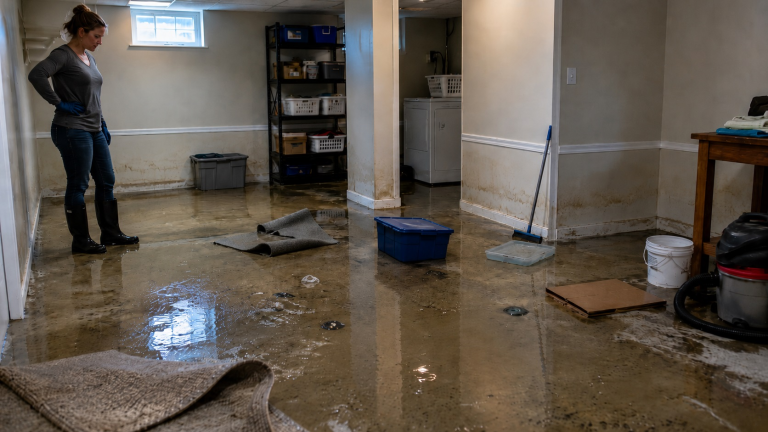
If water is pooling on the ground, do not install a vapor barrier yet. Plastic does not remove water — it traps it. Installing over standing water creates conditions that promote mold growth and wood damage.
Standing water usually indicates a drainage problem, which should be corrected before installation. If you notice pooling water, review How to Prevent Standing Water in Crawl Spaces to address the root cause first.
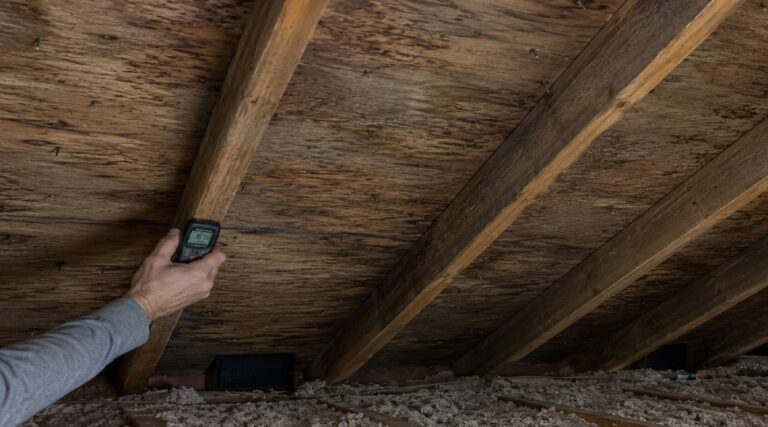
Check for Mold or Wood Damage
Inspect visible wood framing, joists, and beams. Look for:
- Dark discoloration
- Soft or crumbly wood
- White or black mold growth
- Strong musty odors
If you find signs of structural damage, installing a vapor barrier alone will not fix the problem. Structural moisture damage requires targeted inspection and repair. Detailed guidance is available in Signs of Structural Moisture Problems.
Remove Debris and Sharp Objects
Most crawl spaces contain rocks, wood scraps, nails, and debris. These materials easily puncture plastic sheeting, creating hidden holes that allow moisture to pass through.
Before installation:
- Remove rocks and sharp debris
- Clear wood fragments and construction waste
- Level uneven soil when possible
- Fill deep depressions in the ground
Skipping this step often leads to premature barrier failure.
Confirm the Crawl Space Is Dry Enough
The ground surface should be reasonably dry before installing a vapor barrier. Damp soil is normal, but saturated soil should be allowed to dry or drained first.
If your crawl space remains persistently damp even without flooding, you may need to identify underlying causes described in Why Crawl Spaces Stay Damp.
Tools and Materials You Will Need
Installing a crawl space vapor barrier does not require advanced tools, but using the correct materials is critical for long-term performance.
Recommended Vapor Barrier Materials
Use polyethylene sheeting made for crawl space or foundation vapor control, not thin painter’s plastic. The material should be durable enough to resist punctures during installation and future maintenance access.
- 6 mil thickness — basic DIY installations
- 10–12 mil thickness — stronger and more durable
- 15–20 mil thickness — professional-grade durability
Thicker materials resist tearing and last longer, especially in crawl spaces where occasional foot traffic occurs.
For technical installation guidance, the Building America Solution Center recommends using at least 6-mil polyethylene, lapping seams 6 to 12 inches, sealing seams continuously, and sealing around pipes and penetrations.
If you are choosing materials, comparing options from Best Crawl Space Vapor Barriers can help identify products designed for durability and moisture resistance.
Additional Tools Required
- Utility knife with extra blades
- Measuring tape
- Marker for measuring and cutting
- Heavy-duty vapor barrier tape rated for polyethylene
- Compatible sealant for edges and penetrations
- Foundation fasteners, termination bars, or compatible adhesive where wall attachment is needed
- Work light or headlamp
- Gloves and knee pads
- Respirator or dust mask, especially in dusty or mold-suspect crawl spaces
Using the correct sealing materials is especially important. Ordinary tape often fails in crawl spaces due to humidity and temperature changes. Professional-grade sealing products listed in Best Vapor Barrier Tape and Sealants for Crawl Spaces provide better long-term adhesion.
Step-by-Step Guide to Installing a Crawl Space Vapor Barrier
Once the crawl space has been inspected and cleared, you can begin installing the vapor barrier. Follow these steps carefully. Most installation failures occur because seams are poorly sealed, plastic is installed over debris, or edges are left open.
Step 1 — Measure the Crawl Space Area
Before cutting any material, measure the full crawl space floor area. Accurate measurements reduce waste and help ensure complete coverage.
Measure:
- Total crawl space length
- Total crawl space width
- Number and size of support piers
- Foundation wall perimeter
Add extra material to your estimate to allow for:
- Seam overlap
- Wall turn-up
- Pier wrapping
- Irregular crawl space shapes
Most installers add 10–20% extra material to account for overlap and trimming.
Step 2 — Cut the Vapor Barrier Into Manageable Sections
Working with one large sheet can be difficult in tight crawl spaces. Instead, cut plastic into manageable lengths that are easier to position.
Cut sections long enough to reduce unnecessary seams but small enough to move through the crawl space without dragging the plastic across rough soil. In tight spaces, shorter sections are easier to position cleanly around piers, pipes, and foundation corners.
Lay the material flat before cutting whenever possible. Avoid dragging sheets across rough soil, which can cause early damage.
Step 3 — Begin Installation at the Farthest Corner
Always start installation at the farthest point from the crawl space entrance. This prevents stepping repeatedly on newly installed plastic.
Lay the first section directly over the soil surface. Keep the material as flat as possible without stretching it tightly.
Avoid pulling the plastic too tight, because tension increases the chance of tearing during installation.
Step 4 — Overlap Adjacent Sheets Correctly
Seam overlap is one of the most critical installation details.
Adjacent sheets should overlap by at least 6 inches, with 12 inches preferred in rough, irregular, or high-moisture crawl spaces. Keep the overlap flat, clean, and wide enough that tape can bond fully across the seam.
Overlap prevents vapor from escaping through small gaps between sheets. Without overlap, moisture bypasses the barrier through open seams.
Many homeowners underestimate the importance of seam coverage. In real crawl spaces, most vapor barrier failures occur at poorly overlapped seams.
Step 5 — Seal All Seams Using Vapor Barrier Tape
Once seams overlap properly, seal them with vapor barrier tape. This creates a continuous moisture-resistant surface across the crawl space floor.
Apply tape along the full seam length on clean, dry plastic. Press it firmly into the material, smooth out wrinkles, and avoid leaving gaps, fishmouths, or loose tape edges where vapor can escape.
Unsealed seams allow vapor to pass through the system. Even small openings reduce effectiveness significantly.
Using the correct tape matters because ordinary household tape can loosen in crawl space humidity and temperature swings.
Step 6 — Extend the Vapor Barrier Up Foundation Walls
After covering the crawl space floor, extend the vapor barrier up foundation walls.
The barrier should rise:
- 6 to 12 inches up the wall
- Higher if local conditions require it
This wall extension prevents moisture from escaping around the edges of the barrier.
Secure the plastic to the wall using:
- Construction adhesive
- Mechanical fasteners
- Termination bars (in professional installations)
Failing to secure wall edges allows moisture vapor to bypass the barrier, reducing effectiveness.
In termite-prone areas, leave any required inspection gap at the top of the foundation wall instead of covering the entire wall-to-framing transition. Local pest-control or building requirements may affect how high the barrier can be fastened.
Step 7 — Wrap Around Crawl Space Piers and Supports
Crawl space piers and support posts create common vapor leakage points. Moisture can travel around these structures if they are left exposed.
Wrap each pier:
- Cut plastic to fit around the base
- Overlap seams at least 6 inches
- Seal seams with vapor barrier tape
This step is often skipped during DIY installations but plays a major role in long-term moisture control.
Ignoring pier wrapping leaves gaps that allow moisture to move through the system.
Step 8 — Seal Around Pipes and Penetrations
Pipes, wiring, and duct penetrations require careful sealing.
Cut small openings in the plastic to fit around penetrations. Then seal the surrounding area tightly using tape or compatible sealants.
Common penetration points include:
- Plumbing pipes
- Electrical conduits
- Drain lines
- HVAC duct supports
These locations frequently become weak points if not sealed properly.
Step 9 — Inspect the Entire Installation Carefully
Once installation is complete, inspect the entire crawl space carefully.
Look for:
- Unsealed seams
- Loose wall edges
- Torn plastic sections
- Exposed soil areas
Repair any problems immediately. Small gaps may allow moisture intrusion that defeats the purpose of the installation.
Patch any punctures, tears, or accidental knife cuts with compatible vapor barrier tape or a small piece of matching barrier material sealed on all sides. Do not leave small holes exposed just because the rest of the barrier looks complete.
If you discover unexpected moisture sources during inspection, identifying them early prevents long-term structural problems. Detection methods are explained in How to Detect Hidden Moisture in Crawl Spaces.
Seam, Edge, and Transition Checklist
Before leaving the crawl space, check the details that usually determine whether the vapor barrier works long term:
- Every seam overlaps by 6 to 12 inches.
- Every seam is taped continuously with no loose edges.
- The plastic turns up foundation walls and is secured where needed.
- Piers and support posts are wrapped and sealed at the base.
- Pipes, drains, conduits, and other penetrations are sealed tightly.
- No exposed soil remains at corners, edges, or irregular areas.
- Tears, punctures, and accidental cuts are patched before cleanup.
Common Crawl Space Vapor Barrier Installation Mistakes to Avoid
Many vapor barrier installations fail not because of poor materials, but because of preventable installation mistakes. Understanding these common errors helps ensure your barrier actually reduces moisture instead of allowing hidden problems to continue.
Mistake 1 — Installing Over Sharp Debris
One of the most frequent causes of vapor barrier failure is installing plastic directly over sharp debris.
Objects that commonly puncture vapor barriers include:
- Rocks and gravel
- Broken wood pieces
- Nails or metal fragments
- Construction debris
Even small punctures allow moisture vapor to bypass the barrier. These holes are often difficult to see after installation but can significantly reduce performance.
Always clear and level the soil surface before laying plastic. This preparation step determines whether the installation lasts years or fails within months.
Mistake 2 — Using Plastic That Is Too Thin
While thinner plastic may cost less, it often tears during installation or routine crawl space access.
Thin materials:
- Puncture easily
- Tear under pressure
- Wear out quickly in high-traffic crawl spaces
In crawl spaces that require occasional maintenance access, thicker materials offer better long-term performance.
If you are selecting materials, reviewing recommendations in Best Crawl Space Vapor Barriers can help identify durable options suited for long-term use.
Mistake 3 — Skipping Seam Sealing
Some homeowners overlap plastic sheets but skip sealing seams. This reduces the effectiveness of the entire barrier.
Unsealed seams:
- Allow vapor to escape
- Break continuity of the barrier
- Create hidden moisture pathways
Sealing seams with proper tape ensures that the barrier functions as a continuous system.
Mistake 4 — Leaving Wall Edges Unsealed
Many DIY installations fail because wall edges are left loose.
Without proper wall sealing:
- Moisture bypasses the floor barrier
- Humidity rises along the perimeter
- Condensation forms near foundation walls
Always extend and secure plastic up the walls to prevent edge bypass.
Mistake 5 — Installing Over Active Moisture Problems
Vapor barriers control vapor, not liquid water. Installing plastic over standing water or active leaks creates hidden moisture pockets.
If your crawl space shows persistent water entry, drainage corrections should be completed first. Guidance is available in How to Prevent Standing Water in Crawl Spaces.
Mistake 6 — Ignoring Existing Mold or Structural Damage
Installing a vapor barrier does not repair mold damage or rotting wood.
If mold growth is visible on crawl space surfaces, removal and drying must happen before installation. Otherwise, mold may continue growing beneath the barrier.
Understanding mold development risks is explained in Why Mold Forms in Crawl Spaces.
When a Vapor Barrier Alone Is Not Enough
While vapor barriers solve many crawl space moisture problems, they are not a complete solution in every situation.
Some crawl spaces require additional systems beyond plastic installation.
Situations That Require Additional Moisture Control
Vapor barriers alone may not be sufficient when:
- Water enters during heavy rain
- Soil remains saturated year-round
- Drainage slopes toward the foundation
- Outdoor humidity enters through vents
- Groundwater pressure affects foundation walls
In these cases, addressing water entry sources becomes the priority before barrier installation.
Understanding the Role of Crawl Space Encapsulation
A vapor barrier installation is often the first step toward full crawl space encapsulation.
Encapsulation systems may include:
- Wall vapor barriers
- Sealed vents
- Dehumidifiers
- Drainage systems
If you are considering advanced moisture control methods, the system-level explanation in What Is Crawl Space Encapsulation and How It Works explains how these components work together.
Signs You May Need More Than a Vapor Barrier
Watch for warning signs that indicate additional solutions may be necessary:
- Strong musty odors persist after installation
- Wood surfaces remain damp
- Standing water appears during storms
- Mold returns repeatedly
- Humidity levels remain high
These conditions often indicate larger moisture control failures that extend beyond simple vapor management.
When to Call a Professional Instead of DIY Installation
Many homeowners can install a crawl space vapor barrier, but some crawl spaces are unsafe or too damaged for a simple DIY installation.
Extremely Low Crawl Space Clearance
Crawl spaces with very limited height create difficult working conditions.
Low-clearance spaces:
- Increase injury risk
- Limit installation accuracy
- Make seam sealing difficult
Major Structural Moisture Damage
If structural wood shows signs of damage, repair decisions should be made before installing new materials.
Professional inspection may be necessary when:
- Wood feels soft or weakened
- Visible rot exists
- Floor sagging occurs
- Moisture damage has progressed significantly
Early detection prevents costly structural failures. Inspection procedures are outlined in How to Inspect Crawl Spaces for Moisture Damage.
Persistent Flooding or Drainage Failure
Repeated flooding indicates that water is entering faster than it can evaporate.
Professional drainage solutions may include:
- French drains
- Sump pump systems
- Exterior grading improvements
- Foundation drainage installation
Installing a vapor barrier without solving drainage issues leads to recurring moisture problems.
Severe Mold Contamination
Large mold outbreaks should be handled by trained professionals. Mold spores spread easily during disturbance, especially in confined crawl spaces.
If mold covers large areas or produces strong odors, professional remediation may be necessary before installing moisture barriers.
Frequently Asked Questions About Installing Crawl Space Vapor Barriers
Can I Install a Crawl Space Vapor Barrier Myself?
Yes, many homeowners can install a crawl space vapor barrier successfully if the crawl space is accessible, reasonably dry, and free of structural damage.
DIY installation is most appropriate when:
– No standing water is present
– No major mold growth exists
– The crawl space height allows safe movement
– Drainage problems have already been corrected
However, if your crawl space has severe moisture conditions, recurring flooding, or structural damage, professional installation may be safer and more effective.
How Much Should Vapor Barrier Seams Overlap?
Seams should overlap at least 6 inches, with 12 inches recommended for long-term reliability.
Larger overlap helps prevent moisture vapor from escaping through seam edges. Always seal seams using vapor barrier tape to create a continuous barrier surface.
Should a Crawl Space Vapor Barrier Go Up the Walls?
Yes. A vapor barrier should extend 6 to 12 inches up foundation walls to prevent moisture from escaping around the edges.
In full encapsulation systems, vapor barriers may extend higher along walls. If you are planning an advanced moisture control system, review What Is Crawl Space Encapsulation and How It Works to understand wall coverage requirements.
Is 6 Mil Plastic Thick Enough for Crawl Spaces?
6 mil plastic can work in basic installations, but thicker materials often perform better over time.
Thicker materials provide:
– Greater tear resistance
– Longer service life
– Better durability under occasional foot traffic
In crawl spaces that require maintenance access, many homeowners choose thicker materials for improved reliability.
Do I Need to Tape Every Seam?
Yes. Every seam should be sealed using vapor barrier tape.
Unsealed seams allow moisture to pass through the barrier system. Even small gaps reduce performance significantly over time.
Reliable sealing products discussed in Best Vapor Barrier Tape and Sealants for Crawl Spaces are designed to withstand humidity and temperature changes common in crawl spaces.
Can a Vapor Barrier Fix Standing Water Problems?
No. A vapor barrier controls moisture vapor but does not remove liquid water.
If standing water exists, the underlying cause must be corrected first. Otherwise, water may remain trapped beneath the barrier, leading to mold growth and structural damage.
Water entry problems are often related to grading, drainage, or foundation issues. Solutions are outlined in How to Prevent Standing Water in Crawl Spaces.
Conclusion: A Vapor Barrier Only Works When the Details Are Sealed
A crawl space vapor barrier can greatly reduce ground moisture entering the crawl space, but only when the installation is continuous. Clear the ground first, correct standing water, overlap and tape every seam, turn the material up foundation walls, wrap piers, seal penetrations, and patch any damage before finishing.
If dampness, odors, or high humidity continue after installation, the crawl space likely has another moisture source. Warning signs such as recurring dampness or odors are explained in Signs of Moisture in Crawl Spaces.
2 Comments
Comments are closed.