
Signs of Mold Growth Caused by Sump Pump Failures
Mold growth caused by sump pump failure usually starts near the lowest parts of a basement: baseboards, lower drywall, flooring edges, storage boxes, and the area around the sump pit. The basement may look dry after the water is removed, but moisture can remain trapped inside porous materials long enough for mold to begin developing within 24–72 hours.
If your sump pump stopped working, overflowed, lost power, or could not keep up during a storm, watch for musty odors, lower-wall staining, warped trim, soft flooring, and dampness that returns after cleanup. This guide focuses on the signs that point specifically to mold after a sump pump failure and links to How to Remove Mold Permanently for full cleanup guidance.
Why Sump Pump Failures Often Lead to Mold Growth
Sump pump failures create mold risk because the water usually spreads low and wide before anyone notices the problem. Instead of affecting one small leak area, the water can reach baseboards, drywall edges, flooring seams, stored items, and the area around the sump pit.
The highest-risk materials are porous or layered materials that hold moisture after the surface looks dry, including drywall, wood trim, carpet padding, laminate flooring, cardboard, and insulation. If those materials stay wet, mold can begin developing within 24–72 hours.
For the pump-side causes, see Why Basement Sump Pumps Fail. For drying steps after water exposure, see How to Dry Basement Areas After Water Exposure.
Early Signs of Mold After a Sump Pump Failure
After a sump pump failure, inspect the basement twice: once immediately after water removal and again several days later. Some mold signs do not appear until trapped moisture has had time to affect drywall, trim, flooring, and stored items.
Safety note: Do not inspect wet areas around electrical outlets, cords, appliances, or the sump pump until power hazards have been addressed. If the water may contain sewage, floodwater, or other contamination, avoid DIY cleanup and get professional help.
Persistent Musty Odors in the Basement
One of the earliest and most reliable signs of mold growth is a musty or earthy odor that lingers even after the basement appears dry. This smell often develops when moisture remains trapped in materials such as wood trim, drywall, or carpet padding.
In sump pump failure scenarios, musty odors typically appear:
- Within 24–72 hours after flooding
- Near the sump pit area
- Along lower wall sections
- Inside storage containers or cabinets
If the basement smells damp after visible water is gone, check the sump pit area, lower wall edges, carpet padding, and stored items first. For broader basement mold warning signs beyond sump pump failures, see Signs of Mold Growth in Basements.
Dark Spots or Staining Along Lower Walls
Water from sump pump failures usually spreads across the floor and collects along wall edges. As drywall absorbs moisture from the bottom upward, discoloration often develops along the lowest portion of the wall.
Common discoloration patterns include:
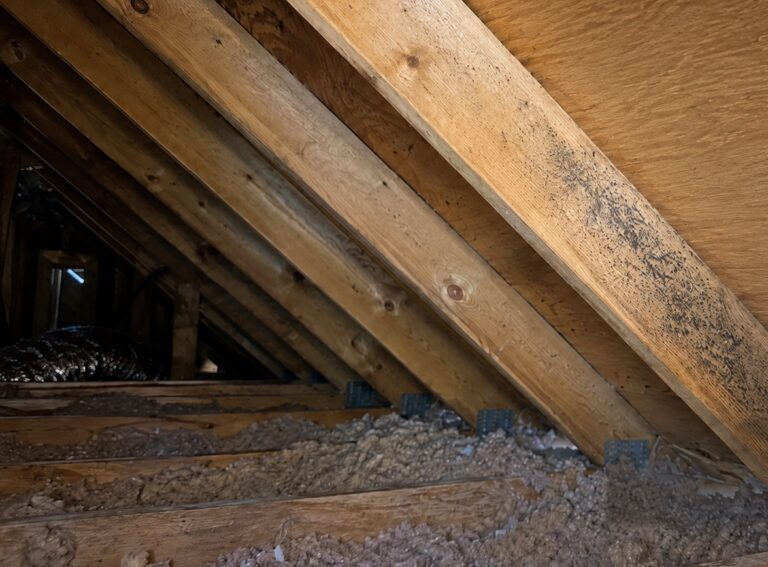
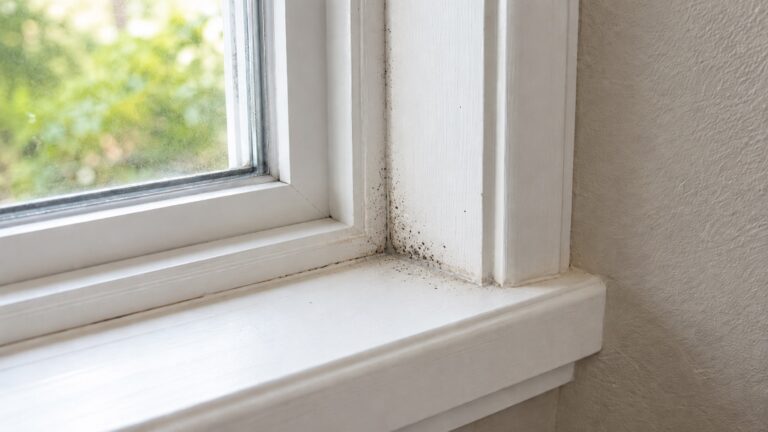
- Gray or black staining near baseboards
- Uneven dark patches along lower drywall
- Yellow or brown water marks
- Irregular spotting near corners
These stains may appear days after the flooding event, especially if drying was incomplete. Over time, small spots can expand into larger mold colonies if moisture remains trapped behind wall surfaces.
Swollen or Warped Baseboards
Baseboards are particularly vulnerable during sump pump failures because they sit directly at floor level where water accumulates. Wood trim absorbs moisture quickly, leading to swelling, separation, or distortion.
Signs of baseboard moisture damage include:
- Baseboards pulling away from walls
- Visible swelling or bulging
- Soft or spongy texture when pressed
- Peeling paint or cracked finishes
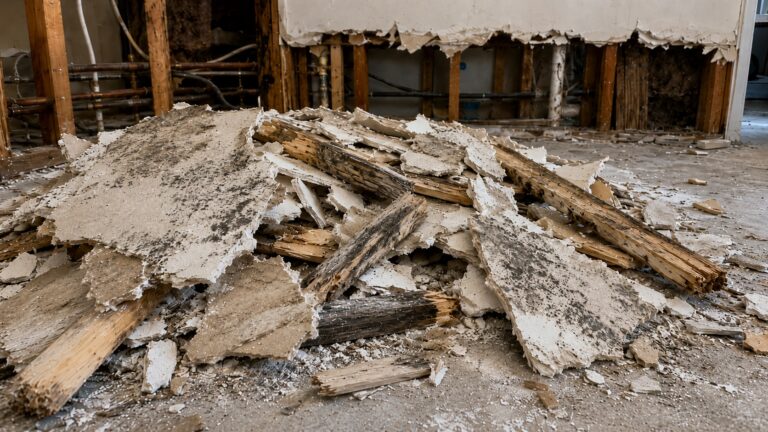
Warped baseboards are not just cosmetic problems—they often indicate trapped moisture behind the wall surface. In many cases, mold growth begins inside the wall cavity before becoming visible on the outer surface.
Recurring Dampness After Initial Cleanup
Some homeowners assume the problem is resolved once standing water is removed. However, recurring dampness is one of the clearest indicators that moisture remains inside materials.
Warning signs of recurring moisture include:
- Floor surfaces feeling damp again after drying
- Condensation forming on walls or nearby objects
- Persistent humidity inside the basement
- Damp smells returning after ventilation
Recurring moisture often indicates that drying efforts were incomplete or that sump pump protection measures were insufficient. Installing proper preventive systems—such as those discussed in How to Prevent Basement Flooding with Sump Pumps—can help reduce the risk of repeated mold formation.
Where Mold Usually Appears After Sump Pump Failures
After a sump pump failure, mold usually follows the path of water spread. Start with the lowest materials first, then inspect nearby areas that may have absorbed moisture after the surface dried.
Flooring Systems and Subfloor Materials
Flooring materials are particularly vulnerable because they are in direct contact with floodwater. Even when the surface dries, moisture often remains trapped underneath.
Common problem areas include:
- Carpet and carpet padding
- Laminate flooring seams
- Vinyl plank joints
- Wood subflooring beneath finished floors
Signs of mold in flooring systems may include:
- Persistent musty smell near the floor
- Soft or spongy walking surfaces
- Warping, buckling, or lifting edges
- Discoloration beneath removable materials
These symptoms are especially concerning when they appear along seams, edges, or transitions where water could travel underneath the finished floor. Carpet padding and floating floors are high-risk because the top surface may dry while moisture remains trapped below.
Stored Items Near the Basement Floor
Items stored directly on basement floors are highly vulnerable during sump pump failures. Cardboard boxes, fabric materials, and porous storage containers absorb water quickly and may begin growing mold within days.
Common signs include:
- Visible mold on box surfaces
- Strong musty odor inside containers
- Damp or discolored paper materials
- Fuzzy or powdery growth on fabric items
Because these items often remain undisturbed, mold growth can go unnoticed for extended periods. This makes storage areas one of the most overlooked sources of contamination after flooding events.
The Sump Pit and Surrounding Area
The area immediately around the sump pit is often the most moisture-prone location after a pump failure. Even after water is removed, dampness tends to linger here longer than in other parts of the basement.
Warning signs near the sump pit include:
- Dark staining or residue around the pit opening
- Persistent damp smell in the immediate area
- Visible mold growth on nearby surfaces
- Moisture returning shortly after drying
If mold is concentrated near the sump pit, it may indicate that the system is still allowing moisture intrusion or that drainage conditions have not been fully corrected. Regular inspection—like the steps outlined in How to Detect Basement Drainage Problems—can help identify ongoing moisture sources.
How to Tell If Mold Is Directly Caused by a Sump Pump Failure
Not all basement mold comes from a sump pump problem. Sump-pump-related mold is usually tied to a recent overflow, power outage, pump failure, or storm event and tends to appear low on walls, near flooring edges, around stored items, or close to the sump pit.
Clues That Point to the Sump Pump Failure
The mold is more likely connected to the sump pump failure when several of these clues appear together:
- Odors, stains, or spotting appeared within 1–7 days after the flooding event
- The worst signs are near the sump pit or along the lowest parts of the basement
- Mold follows the same path where water spread across the floor
- Stored items that touched the floor smell musty or show visible growth
- Moisture returns near the same areas after the initial cleanup
Mold caused mainly by humidity or condensation is more likely to appear on cooler surfaces, upper corners, exterior walls, or poorly ventilated areas rather than only along the path of basement flooding.
Recurring Moisture After the Event
If moisture keeps returning in the same low areas after cleanup, the mold may be tied to an unresolved sump pump, drainage, or drying problem rather than a one-time spill.
Signs of continued moisture problems include:
- Damp smells returning after drying
- Humidity remaining high in the basement
- Moisture reappearing near the sump pit
- New staining developing over time
In these situations, address both the mold and the underlying sump system issue. Signs Your Basement Sump Pump Is Not Working can help identify whether the system is still contributing to moisture problems.
When Mold From a Sump Pump Failure Becomes a Serious Problem
Mold after a sump pump failure becomes more serious when the signs point beyond surface staining. The concern is not only visible mold, but whether water reached materials that cannot dry quickly without removal or professional drying.
- Musty odors persist after visible surfaces are cleaned
- Staining continues to spread along lower walls or flooring edges
- Drywall, trim, or flooring feels soft, swollen, or unstable
- Mold returns in the same places after cleaning
- Humidity remains high even after fans and dehumidification
- Multiple rooms or large basement areas were affected
These signs suggest that moisture may still be trapped inside wall cavities, flooring layers, insulation, or stored materials. In those cases, cleaning visible mold alone will not solve the problem.
When to Call a Professional for Mold After a Sump Pump Failure
Professional help is usually the safer choice when the sump pump failure caused widespread water exposure, when mold may be hidden inside materials, or when the same areas stay damp after cleanup.
Call a professional if:
- Flooding lasted several hours or affected multiple basement areas
- Mold covers large or multiple surfaces
- Strong odors remain after cleaning and drying
- Drywall, insulation, flooring, or subfloor materials may need removal
- Water may have contacted sewage, floodwater, electrical systems, or contaminated materials
- The sump pump continues to fail, overflow, or struggle during rain
If repeated sump pump problems are contributing to the mold risk, use How to Maintain Basement Sump Pumps and How to Fix Persistent Basement Flooding Problems as next-step resources after the immediate moisture and mold concerns are handled.
What to Do When You See Mold Signs After a Sump Pump Failure
After a sump pump failure, the goal is to remove moisture before it has time to stay trapped in basement materials. Focus first on the areas that were directly exposed to water, then check surrounding materials that may have absorbed moisture indirectly.
The most important steps are:
- Remove standing water quickly
- Dry baseboards, lower drywall, flooring edges, and stored items
- Discard porous items that stayed wet or smell musty
- Use dehumidification and airflow until materials are actually dry, not just surface-dry
- Recheck the basement several days later for odor, staining, or moisture returning
Once the immediate moisture issue is controlled, make sure the sump pump problem is corrected before the next heavy rain. For system-level prevention, see How to Prevent Basement Flooding with Sump Pumps.
Frequently Asked Questions
How quickly can mold grow after a sump pump failure?
Mold can begin developing within 24 to 72 hours after materials become wet. Even if standing water is removed quickly, moisture trapped inside walls, flooring, and insulation can create conditions for mold growth within a few days.
Can mold grow even if the basement looks dry?
Yes. Many materials absorb water and retain moisture internally. Dry surfaces do not always indicate dry conditions beneath the surface. Hidden moisture is one of the most common reasons mold appears days after a sump pump failure.
Does every sump pump failure lead to mold?
Not always. If water exposure is minimal and drying is immediate and thorough, mold may not develop. However, the risk increases significantly when water sits for several hours, reaches porous materials, or remains trapped under flooring or behind trim.
Where should I check first for mold after flooding?
Start with the lowest areas of the basement, including baseboards, flooring edges, and areas near the sump pit. Also inspect stored items and any materials that were in direct contact with water.
Is it safe to clean mold after a sump pump failure myself?
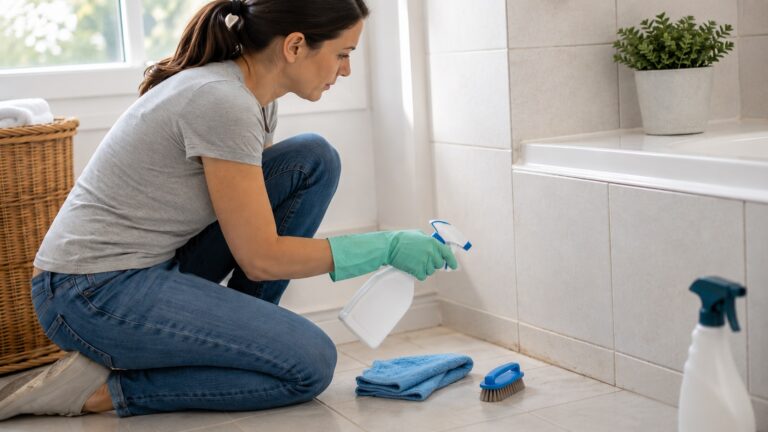
Small, localized mold spots on nonporous surfaces may be manageable if the water source is fixed, the material is fully dry, and proper safety precautions are used. Do not attempt DIY cleanup if the water may be contaminated, if mold is inside drywall or flooring, or if electrical hazards are present near the sump area.
Final Checks After a Sump Pump Failure
The most important mold signs after a sump pump failure are musty odors, lower-wall staining, warped trim, soft flooring, moldy stored items, and dampness that returns after cleanup. These signs matter most when they appear within days of the pump failure and follow the path where water spread across the basement floor.
If mold is already visible or odors keep returning, do not rely on surface cleaning alone. Confirm that the sump pump problem has been corrected, dry or remove affected materials, and use How to Remove Mold Permanently for the full remediation process.
One Comment
Comments are closed.