Mold Exposure Risks From Bathrooms
Mold in a bathroom can become an indoor air quality concern when moisture keeps returning, ventilation is poor, or mold grows beyond simple surface areas like grout and caulk. Bathrooms are designed to handle water, but they are not supposed to stay damp for long periods. When walls, ceilings, cabinets, trim, or hidden cavities remain wet, mold can become more than a cosmetic problem.
This does not mean every small patch of bathroom mold is a serious exposure risk. Minor surface mold on shower caulk is different from mold that keeps returning after cleaning, spreads onto drywall, creates a persistent musty odor, or appears near fixtures where hidden leaks may be present. The concern increases when mold is recurring, moisture is trapped in materials, or someone in the home is sensitive to damp or moldy conditions.
The main issue is whether the bathroom dries quickly or keeps feeding mold growth. This article explains how to separate minor surface mold from bathroom conditions that may affect indoor air, including recurring odor, damp materials, hidden leaks, and mold that spreads beyond the shower area. For a broader explanation of how room-specific mold sources connect to mold exposure and indoor air quality, start with the full indoor air guide.
Can Bathroom Mold Affect Indoor Air?
Yes, bathroom mold can affect indoor air when mold growth is active, recurring, disturbed, or connected to damp materials that release musty odors and particles into the room. Bathrooms are small spaces with frequent moisture loads, so mold growth can become noticeable quickly when surfaces do not dry between showers, baths, laundry use, or cleaning.
The most common bathroom mold is surface growth on caulk, grout, painted walls, ceilings, window frames, or shower surrounds. This type of mold is often tied to condensation, soap residue, poor drying, or weak ventilation. When the affected area is small and the material is nonporous, cleaning and moisture control may be enough.
The risk is different when mold keeps coming back after cleaning or appears on porous materials. Mold on drywall, ceiling texture, wood trim, vanity cabinets, insulation, subflooring, or wall cavities can indicate that moisture is staying inside materials. In that situation, the bathroom may be contributing to persistent odors or indoor air concerns even if the visible mold looks limited.
Bathroom mold can also affect nearby spaces. Air movement through door gaps, exhaust fans, wall cavities, shared closets, and adjacent rooms can move odors and moisture beyond the bathroom. A musty bathroom smell that spreads into a hallway, bedroom, or closet should be treated as a sign that the source needs to be investigated, not just covered with air freshener.
The practical question is whether the bathroom has a recurring moisture condition that allows mold to keep growing. If surfaces dry quickly and mold does not return, exposure risk is usually much lower. If mold keeps returning or hidden dampness is suspected, the bathroom deserves closer inspection.
Why Bathrooms Become Mold Exposure Sources
Bathrooms become mold exposure sources when repeated moisture allows mold to stay active, return after cleaning, or move into materials that do not dry quickly. A bathroom can look mostly clean and still have a moisture problem if walls, ceilings, cabinets, trim, or fixture areas remain damp between uses.
Shower Humidity and Condensation
Showers and baths release warm, humid air into a small enclosed room. If that moisture is not removed quickly, it can condense on mirrors, walls, ceilings, windows, trim, and cool corners. Over time, repeated condensation can support mold growth on dust, soap residue, paint films, caulk, grout, and porous materials.
Condensation is especially common in bathrooms with cold exterior walls, poor insulation, no window, weak exhaust, or surfaces that stay wet long after use. If walls remain damp for hours after a shower, the bathroom is not drying fast enough. For more detail on moisture control, see how to reduce bathroom wall moisture.
Poor Ventilation
Poor ventilation is one of the most common reasons bathroom mold keeps returning. A weak, missing, clogged, noisy, or rarely used exhaust fan may not remove enough humid air. Even a good fan may fail if it is not run long enough after showers or if the duct is blocked, crushed, disconnected, or vented into the attic instead of outdoors.
When ventilation is poor, moisture lingers on surfaces and in the air. This can lead to mold around ceilings, upper walls, window frames, grout lines, and corners where airflow is weak. If ventilation is the main problem, improving fan performance and use habits can reduce how often mold returns.
Bathroom exhaust should support drying, but it is not a cure-all. A fan cannot fix a hidden leak, soaked drywall, failed caulk joint, or water trapped behind tile. If the issue is mainly weak airflow and lingering humidity, bathroom exhaust fan options for mold prevention may be worth comparing after hidden leaks are ruled out.
Damp Drywall, Ceilings, and Trim
Bathroom mold becomes more concerning when it moves from easy-to-clean surfaces onto materials that absorb moisture. Painted drywall, ceiling texture, baseboards, door trim, wood cabinets, and flooring edges can hold moisture longer than tile or glass. Once these materials stay damp, mold may return even after the visible surface is wiped.
Peeling paint, bubbling drywall, soft wall areas, stained ceilings, swollen baseboards, or musty trim should be taken seriously. These signs can mean moisture is reaching materials below the surface. If bathroom walls stay damp even with normal cleaning and fan use, the issue may involve condensation, insulation gaps, air leakage, or hidden water intrusion. This is where it helps to understand why bathroom walls stay damp.
Hidden Leaks Behind Fixtures
Not all bathroom mold comes from shower steam. Hidden leaks behind sinks, toilets, tubs, shower valves, supply lines, drain fittings, or wall penetrations can keep materials wet from the inside. This type of moisture is more concerning because it can affect drywall, cabinets, subflooring, framing, and wall cavities before the mold becomes visible.
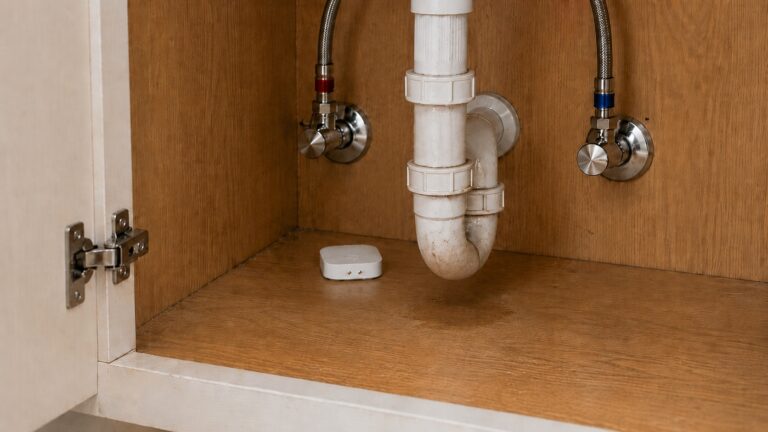
Warning signs include water stains, soft drywall, loose tile, swollen cabinet bottoms, damp flooring near fixtures, musty odor inside vanity cabinets, mold behind toilets, or recurring mold near plumbing penetrations. If these signs are present, the bathroom should be checked for hidden moisture before assuming the problem is only ventilation. For a more focused inspection path, see how to inspect for hidden bathroom leaks.
Moldy Caulk, Grout, and Cabinets
Caulk and grout are common places for bathroom mold because they collect moisture, soap residue, body oils, dust, and cleaning residue. Mold on caulk or grout is often a surface-level problem at first, but it can become more serious if failed caulk allows water to enter wall or floor assemblies.
Vanity cabinets can also become mold sources when leaks, spills, or condensation keep the cabinet base damp. Mold inside a cabinet may create odor even when the bathroom walls look clean. Mold near fixtures should be evaluated carefully because it may point to moisture behind the visible surface. For fixture-specific warning signs, see signs of mold behind bathroom fixtures.
Mold That Keeps Returning After Cleaning
Recurring bathroom mold is one of the strongest clues that moisture is not controlled. If mold returns within days or weeks after cleaning, the problem is usually not the cleaner. It is usually the environment. Surfaces may be staying wet too long, ventilation may be weak, caulk may be failing, or a hidden leak may be feeding the growth.
Cleaning can reduce visible growth, but recurring wall mold, hidden dampness, or mold on porous materials requires the moisture source to be fixed first. Homeowners dealing with small surface growth can compare safe methods in this guide to the best way to clean mold from bathroom walls.
Surface Bathroom Mold vs Hidden Bathroom Mold
The biggest difference in bathroom mold exposure risk is whether the mold is limited to surface moisture or connected to hidden damp materials. Bathrooms commonly develop small amounts of surface mold because they receive repeated moisture from showers, baths, sinks, and condensation. Hidden mold is more concerning because it may involve leaks, trapped moisture, damaged materials, or mold growth behind finished surfaces.
Surface mold is usually found on caulk, grout, tile edges, shower curtains, painted surfaces, window tracks, or ceiling areas with condensation. It is often easier to see and easier to control when the surface is nonporous and the moisture source is mainly humidity. If the area is small, the material is sound, and the mold does not keep returning quickly, cleaning plus better drying habits may be enough.
Hidden mold is different. It may grow behind drywall, inside vanity cabinets, under flooring, behind baseboards, around plumbing penetrations, or behind shower surrounds. It may not be visible until materials stain, soften, swell, smell musty, or begin to fail. This type of mold is more likely when the bathroom has a leak, failed caulk, damaged grout, poor ventilation, or materials that stay damp after use.
A bathroom with surface mold still deserves attention, but a bathroom with recurring odor, soft drywall, swollen trim, mold near fixtures, or damp cabinets should be investigated more carefully. The goal is to understand whether the mold is a cleaning issue, a ventilation issue, or a hidden moisture problem. For broader source tracing, see how to detect hidden moisture in bathrooms.
Signs Bathroom Mold May Be Affecting the Home
Bathroom mold exposure risk often shows up as a pattern. The bathroom may smell musty after showers, mold may return after cleaning, nearby rooms may feel damp, or symptoms may seem worse indoors. These signs do not prove the bathroom is the only source, but they do show when the bathroom should be evaluated more carefully.
Musty Odor That Returns After Cleaning
A musty odor that returns after cleaning is one of the clearest signs that moisture is still present. The odor may come from damp drywall, moldy caulk, a wet vanity cabinet, hidden wall moisture, flooring damage, or mold behind fixtures. If the smell returns quickly, the source has probably not been fully addressed.
Air fresheners, scented cleaners, and odor sprays may cover the smell temporarily, but they do not remove moisture or mold-supporting materials. A persistent musty bathroom odor should be traced to the actual damp area, especially if the smell spreads into a hallway, bedroom, closet, or adjacent room.
Mold That Keeps Coming Back
Mold that keeps coming back after cleaning usually means the bathroom environment is still supporting growth. The cause may be poor ventilation, shower moisture, cold wall condensation, failed caulk, hidden leaks, damp trim, or water getting behind tile or surrounds.
Recurring mold should be treated differently from a one-time surface patch. If the same wall, ceiling corner, cabinet, or fixture area keeps growing mold, the moisture source should be corrected. For prevention-focused steps, see how to prevent mold on bathroom walls.
Damp Walls, Ceilings, Cabinets, or Trim
Damp materials increase exposure concern because they can support mold below the visible surface. Warning signs include peeling paint, bubbling drywall, soft wall areas, water stains, swollen trim, musty cabinets, loose caulk, cracked grout, or flooring that feels soft near the tub, shower, toilet, or vanity.
These signs suggest that moisture may be affecting materials rather than sitting only on the surface. When building materials stay damp, mold can return even after cleaning and may become harder to control without repair or removal.
Mold Beyond the Shower Area
Minor mold on shower caulk is common, but mold that spreads beyond the shower area deserves closer attention. Mold on ceilings, exterior walls, baseboards, cabinets, door trim, closets, or flooring may indicate that humidity is spreading or that moisture is reaching areas that are not meant to stay wet.
Mold outside the immediate wet zone can also suggest air circulation problems. Moisture may be condensing on cold surfaces, settling in corners, or moving into nearby rooms. If bathroom mold appears in several areas at once, the problem is usually bigger than simple shower cleaning.
Symptoms That Seem Worse Indoors
Some people are more sensitive to damp and moldy environments than others. Possible irritation may include nasal congestion, coughing, wheezing, throat irritation, eye irritation, skin irritation, or worsening asthma symptoms. These symptoms can have many causes, so they should not be treated as proof that bathroom mold is the source.
The pattern matters. If symptoms seem worse at home, improve when away from the house, or appear along with recurring bathroom mold, musty odor, and damp materials, the bathroom should be considered as one possible source. If symptoms are severe, persistent, or involve asthma, breathing difficulty, immune compromise, or chronic lung disease, the homeowner should speak with a qualified medical professional.
Who Is Most Sensitive to Bathroom Mold Exposure?
Bathroom mold does not affect every person the same way. Some people may notice little reaction to small amounts of surface mold, while others may be more sensitive to damp and moldy indoor conditions. The level of concern depends on the amount of mold, whether moisture is recurring, whether hidden materials are affected, and whether air or odor is moving into nearby rooms.
People with asthma, mold allergies, chronic lung disease, weakened immune systems, or other respiratory concerns may be more vulnerable to mold or damp building conditions. Children and older adults may also deserve extra caution, especially when bathroom mold is recurring, spreading beyond shower surfaces, or connected to hidden leaks.
The practical goal is not to diagnose illness from bathroom mold. The goal is to identify and correct the moisture conditions that allow mold to keep growing. A bathroom inspection can help identify ventilation problems, leaks, damp materials, fixture issues, and hidden moisture. A healthcare provider is needed for personal health evaluation.
How to Check Whether the Bathroom Is the Source
The best way to evaluate bathroom mold exposure risk is to look for a moisture pattern. A small patch of surface mold on caulk is different from mold that keeps returning, spreads to porous materials, or creates a musty odor that affects nearby rooms.
Start by checking when and where the odor appears. If the bathroom smells musty after showers, stays damp for hours, or sends odor into a hallway, bedroom, or closet, the bathroom should be inspected as a possible source. Pay close attention to walls, ceilings, baseboards, vanity cabinets, flooring edges, and areas around tubs, showers, toilets, and sinks.
- Check the vanity cabinet first, especially around supply lines, drain fittings, and the cabinet floor.
- Check the wall and flooring around the toilet base, tub edge, shower corners, and plumbing penetrations.
- Check whether the exhaust fan pulls air strongly enough to hold a tissue against the grille while running.
- Check whether painted walls, ceiling corners, or trim stay damp long after the shower is finished.
Next, check how well the bathroom dries. After a shower, condensation should clear from mirrors, walls, and ceilings within a reasonable time. If surfaces stay wet for hours, the exhaust fan may be weak, blocked, unused, or vented incorrectly. A window alone may not be enough if air does not move moisture out effectively.
A simple humidity monitor can also help show whether the bathroom returns to normal indoor humidity after use or stays elevated for long periods. For broader measurement guidance, see how to test indoor humidity levels.
Look for signs of hidden leaks. Soft drywall, loose tile, failed caulk, cracked grout, swollen trim, stained ceilings below the bathroom, damp cabinet bottoms, or flooring that feels soft near fixtures can point to water getting behind materials. In these cases, the visible mold may be only a symptom of a deeper moisture problem.
Testing may be useful in some situations, but it is not always the first step. If mold is visible and the moisture source is obvious, inspection and correction usually matter more than testing. Testing may be more useful when symptoms, unclear sources, real estate concerns, or hidden mold questions are involved. The key is to connect any test results to a moisture investigation rather than treating the test as the solution.
How to Reduce Mold Exposure Risk From Bathrooms
Reducing mold exposure risk from bathrooms starts with finding the moisture pattern. Cleaning visible mold can help, but it will not prevent recurrence if the bathroom remains damp, ventilation is weak, or water is leaking behind materials. The bathroom needs to dry reliably between uses.
Improve Ventilation
Bathroom ventilation should remove humid air outdoors. Run the exhaust fan during showers and continue running it after the shower so moisture can leave the room. If the fan is weak, noisy, clogged, or ineffective, it may not be moving enough air to control humidity.
The fan duct should vent outdoors, not into an attic, wall cavity, or enclosed space. If bathroom mold keeps returning despite cleaning, ventilation should be checked before assuming the problem is only cosmetic.
Dry Wet Surfaces After Use
Drying surfaces reduces the time mold has to grow. Shower walls, tub edges, glass doors, window sills, and caulk lines should not stay wet for long periods. Wiping or squeegeeing wet surfaces after showers can help, especially in bathrooms with limited ventilation or cold exterior walls.
This is most useful for surface mold prevention. If drywall, cabinets, trim, or flooring are damp because of hidden water intrusion, surface drying will not solve the deeper problem.
Fix Leaks and Failed Seals
Leaks around fixtures, failed caulk, cracked grout, loose shower surrounds, toilet leaks, and sink plumbing problems can keep bathroom materials wet even when the room appears dry. These problems should be corrected before cleaning or repainting is treated as complete.
Caulk and grout are especially important around tubs, showers, and backsplashes. When seals fail, water can move behind the visible surface and support hidden mold. Painting over stains, recaulking over wet joints, or replacing trim without fixing the water path can allow mold to return.
Remove Materials That Cannot Be Dried or Cleaned Safely
Nonporous surfaces are usually easier to clean than porous materials. Tile, glass, and some sealed surfaces may be cleaned when the mold area is small and the source has been corrected. Porous materials such as drywall, ceiling texture, insulation, carpet, wood trim, and cabinet bottoms may hold moisture and mold below the surface.
If porous materials are soft, swollen, crumbling, heavily stained, or musty after drying, they may need removal or professional evaluation. Disturbing moldy drywall or hidden materials without proper containment can spread dust and particles into the bathroom and nearby rooms.
Do not cut into moldy drywall, remove water-damaged flooring, or disturb suspected hidden mold if the area is large, the material is crumbling, or anyone in the home is highly sensitive. Containment and proper protection may be needed before hidden materials are opened.
Monitor Areas Where Mold Has Returned Before
After cleaning or repair, keep watching the same wall, ceiling corner, cabinet, caulk line, or fixture area where mold returned before. If mold comes back in the same location despite better drying and ventilation, the bathroom should be treated as a source problem rather than a cleaning problem.
When Bathroom Mold Needs Professional Help
Professional help is recommended when bathroom mold is widespread, hidden, recurring, or connected to water damage. Bathrooms often contain wall cavities, plumbing penetrations, flooring layers, cabinets, and ceiling assemblies where moisture can spread beyond what is visible.
Call a professional if mold covers a large area, drywall is soft or crumbling, mold is suspected behind walls or cabinets, flooring is swollen, water stains appear below the bathroom, mold returns quickly after cleaning, or a musty odor remains after normal cleaning and drying. Professional help is also wise when someone in the home has asthma, chronic lung disease, immune compromise, or symptoms that seem tied to time spent indoors.
The right professional may be a mold remediation company, plumber, bathroom repair contractor, leak detection specialist, or indoor air quality inspector, depending on the source. The key is to correct moisture first. Mold cleanup without moisture correction is usually temporary.
Bathroom Mold Exposure FAQ
Can mold in a bathroom affect indoor air quality?
Yes, bathroom mold can affect indoor air quality when mold is active, recurring, disturbed, or growing on damp porous materials. The concern is higher when a musty odor spreads beyond the bathroom or when hidden moisture is suspected.
Is black mold in a bathroom always dangerous?
No. Mold color alone does not identify the mold type or determine the level of risk. Black mold in a bathroom should be taken seriously, but the more important factors are moisture source, material damage, extent of growth, recurrence, and occupant sensitivity.
Can shower mold cause allergy-like symptoms?
It may contribute to irritation in sensitive people, especially if mold is recurring or the bathroom stays damp. Symptoms alone do not prove the shower is the source, but symptoms combined with musty odor and recurring mold should lead to a moisture inspection.
Is recurring bathroom mold a sign of hidden moisture?
Recurring mold can be a sign of hidden moisture, but it can also come from poor ventilation or surfaces that stay wet too long. If mold returns in the same area after cleaning, check for leaks, failed caulk, damp drywall, weak ventilation, and moisture behind fixtures.
Should I test bathroom mold before cleaning it?
Testing is not always necessary when mold is visible and the affected area is small. The priority is usually to correct the moisture source and clean or remove affected materials safely. Testing may be useful when the source is unclear, symptoms are involved, or hidden mold is suspected.
Can a bathroom exhaust fan reduce mold exposure risk?
Yes, a properly working exhaust fan can reduce moisture and lower the chance of recurring mold. It must vent outdoors, move enough air, and run long enough after showers. A fan will not solve hidden leaks, wet drywall, or moldy materials by itself.
Bottom Line
Bathroom mold exposure risk is highest when mold is recurring, spreading beyond shower surfaces, connected to damp porous materials, or creating a musty odor that affects nearby rooms. A bathroom can handle moisture when it dries quickly. When it stays damp, smells musty, or grows mold repeatedly, treat it as a moisture-source problem, not just a cleaning problem. Start with drying performance, ventilation, fixture leaks, and damp materials before deciding whether cleaning, testing, or professional help is the right next step.