
Signs Mold Was Not Fully Removed
Mold can look like it was removed even when the underlying problem is still active. A wall, ceiling, cabinet, or trim area may appear cleaner after scrubbing, spraying, sanding, painting, or professional treatment, but that does not always mean the moisture source, contaminated material, or hidden growth was fully addressed.
The most important sign mold was not fully removed is a pattern. If the same area smells musty again, develops new spots, stays damp, or shows damage after cleanup, the issue may not be just surface mold. It may be connected to lingering moisture, mold inside porous materials, or hidden growth behind the finished surface. For the cause-focused companion guide, see Why Mold Returns After Removal. For a broader mold cleanup framework, see How To Remove Mold Permanently.
This guide focuses on warning signs that cleanup may have failed. Not every stain or odor proves active mold, but changes after cleanup are important. The goal is to separate normal post-cleanup marks from stronger signs that moisture, contamination, or hidden growth may still be present.
What It Means When Mold Was Not Fully Removed
Mold is not fully removed when the visible surface is cleaned but the conditions that allowed mold to grow are still present. That usually means one of three things happened: moisture remained, contaminated material was left in place, or hidden growth was missed.
A complete mold solution usually requires more than wiping away visible discoloration. The area must be dry, the moisture source must be corrected, and materials that cannot be cleaned safely must be handled properly. If those steps are skipped, mold may return even though the surface looked better for a short time.
This is why mold removal and moisture control are closely connected. A homeowner may clean a bathroom ceiling, basement wall, or cabinet base several times, only to see the same discoloration return because humid air, a slow leak, or trapped moisture is still feeding the problem. If moisture problems are happening in more than one area of the home, the broader guide How to Find, Fix, and Prevent Moisture Problems in Homes can help connect the patterns.
Incomplete mold removal does not always mean someone did careless work. Sometimes the visible mold was only the easiest part to see, while the moisture source, affected material, or hidden cavity remained unresolved.
Visible Signs Mold Cleanup Failed
Visual changes are often the first clue that mold was not fully removed. The key is not just whether an old stain remains. The key is whether the area changes, spreads, darkens, smells, or stays damp after cleanup.
Mold returns in the same spot
Mold returning in the same exact location is one of the strongest signs that removal was incomplete or that the original moisture condition was never corrected. This often happens on bathroom walls, basement corners, around window trim, behind baseboards, inside cabinets, and near old leak locations.
If the area was cleaned and then new spots appeared in the same shape, line, corner, seam, or patch, the mold may be growing from moisture that remains behind the surface. Repeated regrowth in the same area is different from a random new spot elsewhere in the home. It usually points to a local condition that needs deeper investigation.
For example, mold that returns at the bottom of a wall after cleaning may be connected to moisture behind baseboards, damp drywall near the floor, or a leak that was never fully dried. Mold that returns around a window may be related to condensation, frame leakage, or hidden moisture at the rough opening.
The cause of recurring mold is covered more directly in Why Mold Keeps Coming Back After Cleaning. Here, the important point is that same-location regrowth is a warning sign that the cleanup may not have reached the real source.
Stains spread, darken, or change after cleaning
Old mold stains can remain even after cleanup, especially on porous or painted materials. A stain by itself does not always prove active mold. However, stains that grow larger, become darker, develop new edges, or change after humidity rises are more concerning.
Watch the cleaned area over time. If a faint stain stays exactly the same for weeks or months, it may be cosmetic damage. If the stain expands, bleeds through paint, develops new speckles, or becomes fuzzy again, the material may still be damp or contaminated.
Stains that return after painting are especially important. Paint may temporarily hide discoloration, but it does not remove mold from contaminated material. If a stain bleeds through primer or paint, the issue may be moisture, residue, or contamination inside the material rather than a simple surface mark.
Mold appears around seams, trim, or edges
Mold that returns along seams, trim lines, wall corners, cabinet joints, or floor edges often means moisture is hiding where air movement is limited. These areas can trap dampness after a leak or cleaning attempt, especially if the visible surface dried faster than the material behind it.
Baseboards, window trim, cabinet backs, caulk lines, and drywall seams can all hide small gaps where moisture remains. If mold appears mainly at the edge of a cleaned area, it may mean the center was treated but the surrounding material was not inspected deeply enough.
Pay close attention to mold near joints between different materials. A painted wall may look dry while the baseboard, backing paper, wall cavity, or cabinet panel behind it still holds moisture. This is one reason a clean-looking surface can be misleading after water damage or repeated humidity exposure.
Odor Signs That Mold May Still Be Present
Odor is one of the most common reasons homeowners suspect mold was not fully removed. A musty smell does not identify the exact material or location by itself, but it can be a useful clue when it remains after cleaning and drying should already be complete.
A musty smell remains after cleaning
If the area still smells musty after cleanup, ventilation, and drying time, mold may still be present nearby. The smell may come from visible residue, damp porous material, contaminated dust, or hidden growth behind the surface.
This is especially common when mold was cleaned from drywall, cabinets, carpet edges, or trim without checking what was behind or beneath those materials. A surface may look better, but the odor can remain if moisture and organic material are still trapped inside the assembly.
A short-lived cleaning odor is different from a persistent musty odor. Cleaning products, disinfectants, and fresh paint can leave temporary smells. A musty, earthy odor that returns after those product odors fade deserves more attention.
The odor gets worse when humidity rises
A musty smell that gets stronger during rainy weather, after showers, during humid days, or when the HVAC system runs may point to moisture that was not fully controlled. Mold-related odors often become more noticeable when damp materials absorb moisture again.
This pattern is important because it connects odor to environmental conditions. If a room smells fine on dry days but musty when humidity rises, the problem may not be only old residue. It may be recurring dampness inside wall cavities, trim, flooring, insulation, or cabinets.
If you notice odor changes after repairs, compare them with other signs such as staining, soft materials, condensation, or dampness. The article Signs of Moisture Returning After Repairs can help you recognize when a repaired area is becoming damp again.
The smell comes from a hidden area
A room can smell musty even when no mold is visible. This does not prove mold is hidden, but it does mean the visible surfaces may not tell the full story. Odor may come from behind baseboards, inside wall cavities, under flooring, behind cabinets, above ceilings, or inside enclosed mechanical areas.
Hidden mold is more likely when the smell is strongest near a specific wall, cabinet, corner, floor edge, ceiling stain, or old leak location. It is also more likely when the odor gets stronger after the area is closed up, such as after reinstalling trim, replacing cabinet contents, or painting over a previously damp surface.
If the odor is strongest near a wall or ceiling with previous water damage, it may be worth comparing the situation with Signs of Mold Behind Walls. The goal is not to tear open walls immediately, but to identify whether hidden moisture or hidden growth is plausible.
Moisture Signs That Point to Incomplete Removal
Mold cannot be evaluated separately from moisture. If an area still has damp materials, recurring condensation, or signs of water intrusion, mold removal may not last. Cleaning mold without correcting moisture usually produces temporary results.
The area still feels damp or dries slowly
A cleaned area that still feels damp, cool, soft, or clammy may not be ready to be called resolved. Some materials dry slowly, but persistent dampness after cleanup is a warning sign. This is especially true for drywall, wood trim, cabinet panels, insulation, carpet padding, and subfloor materials.
Do not judge drying only by the surface. Paint, tile, vinyl flooring, and cabinet finishes can make the outer layer appear dry while moisture remains behind or underneath. If the area feels cool compared with surrounding surfaces, smells musty, or shows repeated staining, hidden dampness may still be present.
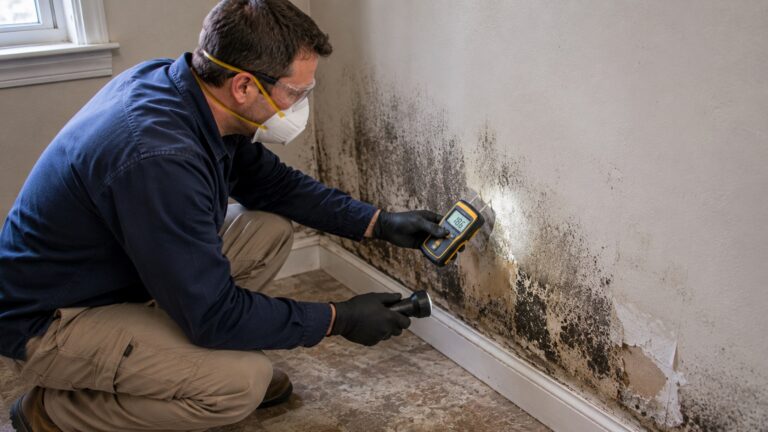
A moisture meter can be useful as a screening tool, especially when comparing a suspect area with a nearby unaffected area made from the same material. A higher reading in the cleaned area, repeated damp readings, or readings that rise after rain or humidity changes are more useful than one isolated number. Different materials, finishes, salts, and surface conditions can affect results, so repeated or inconsistent readings should lead to deeper inspection rather than more surface cleaning.
Paint bubbles, drywall softens, or trim swells
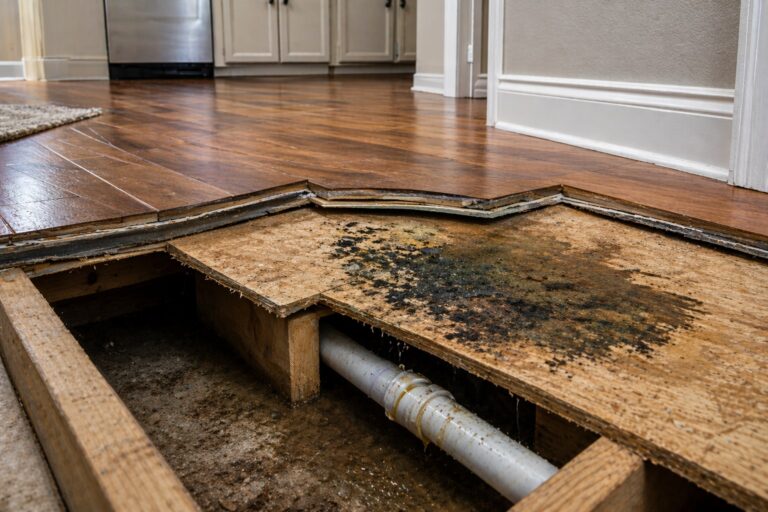
Material changes after mold cleanup are often stronger clues than surface discoloration alone. If paint bubbles, drywall softens, trim swells, cabinet panels warp, or flooring edges lift, the area may still be holding moisture. Mold removal is unlikely to stay successful if the surrounding materials are still wet enough to change shape or texture.
Soft drywall is especially important. Drywall can absorb moisture through the paper facing, gypsum core, backside, or lower edge near the floor. If mold was scrubbed from the painted surface but the drywall remains soft, crumbly, swollen, or stained from the inside, the cleanup may not have reached the affected material.
Swollen trim and baseboards can also point to moisture behind the surface. MDF trim, wood baseboards, and cabinet toe kicks often absorb water at edges and seams. Mold may return at those points because the material continues to release moisture slowly after the visible surface has been wiped clean.
Condensation keeps returning nearby
Condensation near the cleaned area can also make mold return. This is common around windows, exterior walls, bathroom ceilings, cold corners, HVAC ducts, and poorly ventilated rooms. If condensation continues after mold cleanup, the surface may repeatedly become damp enough for mold to grow again.
This does not always mean the original cleanup was badly done. It may mean the room still has a humidity, ventilation, insulation, or cold-surface problem. Mold that returns after condensation is usually a sign that the environment still supports growth, even if the previous visible mold was removed.
Repeated condensation should be treated as a moisture-control issue, not just a cleaning issue. If the same area keeps fogging, sweating, or dampening during daily use, the mold problem may keep returning until airflow, humidity, or surface temperature conditions improve.
Material Clues That Mold May Be Inside the Surface
Some materials are much harder to clean completely than others. Mold on tile, glass, metal, or sealed plastic is different from mold that has reached drywall paper, insulation, carpet padding, unfinished wood, or absorbent cabinet material.
Drywall, insulation, carpet padding, and cabinets are high-risk materials
Drywall is one of the most common materials involved in incomplete mold removal. When mold is limited to a washable painted surface and the wall is dry, cleaning may be enough in some minor cases. But when moisture reaches the paper facing, backside, insulation, or wall cavity, wiping the surface may not solve the problem.
Insulation, carpet padding, cabinet bases, toe kicks, and back panels can also hold moisture where air movement is limited. The visible surface may dry first while the pad, backing, unfinished edge, or enclosed cavity remains damp.
If mold or musty odor returns after cleaning these materials, look for swelling, softness, delamination, staining from within, or damp edges. Those clues suggest the material itself may be part of the problem, not just the visible surface.
Porous materials behave differently from hard surfaces
Hard surfaces such as tile, glass, metal, and some sealed plastics are usually easier to clean because mold growth is more likely to remain on the surface. Porous and semi-porous materials are different because moisture and mold can move into small openings, paper layers, fibers, seams, and unfinished edges.
This is why repeated surface cleaning can fail. The cleaner may remove visible growth from the face of the material, but it may not reach affected paper, backing, padding, insulation, or wood fibers.
The more porous the material, the more important it is to judge the condition of the material itself. Look for softness, swelling, delamination, staining from within, persistent odor, or repeated regrowth after cleaning. Those signs suggest the issue is not just on the surface.
Signs Mold Was Covered Instead of Removed
One of the clearest signs mold was not fully removed is evidence that it was covered instead of cleaned, dried, or corrected. Paint, caulk, primer, wall panels, adhesive flooring, and new trim can hide a problem temporarily, but they do not fix moisture or remove mold from contaminated material.
Painted-over mold often reveals itself through bubbling paint, stains bleeding through, peeling finish, or a musty smell that remains after the room looks freshly finished. If the paint film separates from the wall or ceiling soon after application, moisture may still be active behind it.
New caulk over moldy or damp joints can also fail quickly. The caulk may discolor, lift, crack, or develop dark edges because the joint was not dry or clean before it was sealed. This is common in bathrooms, around sinks, along tubs, and near window trim.
New trim or flooring installed over damp material can create a similar problem. The new surface may look neat at first, but moisture trapped behind it can continue feeding odor, staining, swelling, or recurring mold at the edges.
If an area was covered shortly after a leak, flood, roof drip, plumbing repair, or mold cleaning, watch it closely. Cosmetic repair before full drying is one of the most common reasons mold appears to “come back” after it was supposedly removed.
How Soon Mold Returns Matters
The timing of mold returning can tell you a lot about what may have gone wrong. Mold that returns within days usually points to a different problem than mold that comes back months later during a rainy season, humidity spike, or new leak event.
Mold returns within days
If mold appears again within a few days of cleaning, the area may not have been fully cleaned, the surface may still be damp, or the visible mold may have only been partially removed. This is more likely when the mold was wiped quickly, sprayed without removing residue, or cleaned while the material was still wet.
Fast regrowth can also happen when mold was cleaned from the front of a material but remained behind it. For example, a painted wall surface may be wiped clean while the backside of the drywall, the wall cavity, or the trim edge remains damp and contaminated.
Mold returns within weeks
Mold returning within a few weeks often means the original conditions are still present. The area may dry temporarily, then become damp again from condensation, humidity, plumbing seepage, roof leakage, or water trapped inside a porous material.
This is common in bathrooms, basements, closets, under-sink cabinets, crawl spaces, and exterior wall corners. The first cleanup may remove visible mold, but the repeated moisture cycle allows the same area to support new growth.
Mold returns after rain, humidity, or seasonal changes
If mold returns only after storms, humid weather, cold weather, or seasonal changes, the cleanup may have been only part of the problem. The real issue may be an environmental moisture pattern that reactivates the same surface or cavity.
For example, mold that returns after rain may be connected to exterior water entry. Mold that returns in winter may be related to condensation on cold surfaces. Mold that returns in summer may be connected to high indoor humidity, poor airflow, or damp basement conditions.
This is where mold removal connects with recurring moisture diagnosis. If the same area keeps failing after weather changes or humidity swings, the problem may fit a broader recurrence pattern covered in Why Moisture Problems Keep Returning.
When Incomplete Mold Removal Needs Professional Attention
Not every small mold spot requires professional remediation. However, repeated regrowth, hidden moisture, large affected areas, or mold in difficult materials should be taken more seriously. The more often mold returns after cleaning, the less useful repeated surface cleaning becomes.
Professional attention may be needed when mold returns in the same location more than once, when the area has a persistent musty odor, when drywall or trim is soft, when water damage affected insulation or wall cavities, or when mold appears after a known leak that was not fully dried.
Professional help is also more appropriate when mold is widespread, located inside HVAC systems, connected to sewage or contaminated water, affecting structural wood, or hidden behind finished surfaces that would require careful removal. Avoid disturbing large or hidden mold areas without proper containment and protective equipment, especially if the material may release dust or spores into living areas. If you are unsure whether the situation has moved beyond basic cleanup, see Signs You Need Professional Mold Removal.
If you already hired someone and the mold returned quickly, document the timeline before assuming the cause. Note when the work was done, when the odor or spots returned, whether the area was dry, whether the original water source was fixed, and whether any materials were removed or only treated on the surface. This makes it easier to discuss the issue with the contractor or get a second opinion.
For more serious or uncertain cases, the next decision may be whether a remediation contractor should inspect the affected area. The guide When to Hire a Mold Remediation Professional can help you decide when repeated mold cleanup is no longer a reasonable DIY project.
What to Do If You Think Mold Was Not Fully Removed
If you suspect mold was not fully removed, do not start by repeatedly spraying or scrubbing the same area. Start by looking for the reason the mold returned. The most useful question is not “What can I put on it?” but “Why is this area still able to support mold?”
- Check whether the area is truly dry. Compare it with nearby unaffected surfaces. Look for coolness, dampness, softness, swelling, or recurring condensation.
- Look for a moisture source. Check nearby plumbing, exterior walls, windows, roof leak paths, HVAC condensation, basement seepage, or humidity patterns.
- Watch the timing. Note whether the mold returns after rain, showers, cooking, HVAC use, humid weather, or cold-weather condensation.
- Inspect nearby materials. Mold at the visible surface may be connected to trim, wall cavities, insulation, carpet padding, cabinets, or flooring edges.
- Document changes. Take photos, record dates, and note odors or moisture patterns. This helps you separate old staining from active change.
- Compare suspect materials with nearby normal materials. A damp, soft, cool, swollen, or higher-reading area is more concerning when the same material nearby feels and reads normally.
- Avoid covering the area too soon. Do not paint, caulk, reinstall trim, or close the area before the moisture source and material condition are understood.
- Escalate when the pattern repeats. If mold keeps returning after cleanup, deeper inspection is usually more useful than stronger cleaners.
If the problem appears connected to hidden wall moisture, non-invasive checks may help before opening surfaces. For that next step, see How to Detect Moisture Without Opening Walls.
FAQ
Can mold come back even if the visible surface was cleaned correctly?
Yes. A visible surface can be cleaned correctly while a new moisture source develops later or the original moisture condition returns. Mold that comes back quickly in the same spot is more concerning because it often points to unresolved moisture, hidden growth, or contaminated material.
Does a musty smell mean mold was not fully removed?
A persistent musty smell can be a warning sign, especially if it remains after cleaning and drying or gets stronger during humid weather. It does not identify the exact source by itself, but it often means hidden dampness, residue, or contaminated material should be investigated.
Can mold be fully removed from drywall?
It depends on how deeply the drywall was affected. Minor surface mold on a dry, painted surface may be cleaned in some cases, but drywall that is soft, wet, swollen, moldy on the backside, or contaminated through the paper layer may not be reliably solved with surface cleaning alone.
Is staining after mold cleaning always active mold?
No. Some stains remain after mold is cleaned, especially on porous or painted materials. The more important signs are change, spreading, darkening, musty odor, dampness, softness, or new mold growth. A stable stain may be cosmetic, while a changing stain deserves more attention.
How soon can mold return if removal was incomplete?
Mold can appear to return within days if the surface was not fully cleaned or the material remained damp. It may return within weeks if moisture keeps cycling through the same area. Seasonal or weather-related return often points to a recurring humidity, condensation, or water entry pattern.
Should I paint over an area after mold cleaning?
Only after the mold has been properly removed, the surface is dry, and the moisture source has been corrected. Painting over mold, damp drywall, or contaminated material can hide the problem temporarily while allowing odor, staining, bubbling, or regrowth to continue underneath.
When should I call a professional after mold comes back?
Call a professional when mold returns repeatedly, affects a large area, appears connected to hidden cavities, involves soft or damaged materials, follows major water damage, or appears in HVAC systems or structural components. Repeated regrowth is usually a sign that surface cleaning is no longer enough.
What the Signs Usually Mean
- Mold that returns in the same spot is one of the strongest signs that cleanup did not solve the full problem.
- A musty smell after cleaning can point to hidden moisture, porous material contamination, or missed mold growth.
- Soft drywall, swollen trim, peeling paint, and damp cabinets are stronger warning signs than old staining alone.
- Porous materials such as drywall, insulation, carpet padding, and cabinet panels may hold mold or moisture below the visible surface.
- Paint, caulk, or new trim should not be used to cover a mold problem before the area is dry and properly addressed.
- The timing of mold returning can help identify whether the problem is poor cleanup, poor drying, recurring moisture, or seasonal humidity.
- If mold keeps returning after cleaning, deeper moisture investigation is usually more useful than repeated surface treatment.
If the same mold problem keeps returning, treat it as a clue rather than a cleaning failure alone. The next step is usually moisture testing, hidden-material inspection, better drying, or professional remediation—not stronger cleaners on the same visible surface.

One Comment
Comments are closed.