Why Moisture Problems Come Back
Moisture problems usually come back because the visible symptom was fixed before the moisture system was fully understood. A stain may be painted, a wet area may be dried on the surface, mold may be cleaned, or damaged trim may be replaced, but the original water source, hidden damp material, poor airflow, or recurring humidity pattern may still be active.
This is why a room can look normal for a while and then develop the same damp smell, stain, condensation, swelling, or mold again. The problem is not always that the repair failed completely. Sometimes the repair fixed the visible damage but did not address how water entered, where it traveled, what materials absorbed it, or why the area could not dry.
Recurring moisture should be treated as a pattern, not a random event. If dampness returns in the same place, after the same weather, after the same fixture is used, or during the same season, the trigger is giving you clues. The broader guide Why Moisture Problems Keep Returning explains recurring moisture at the hub level, while this article focuses on why moisture problems come back after repairs, drying, or cleanup.
Why Moisture Problems Usually Return
A moisture problem comes back when one part of the moisture cycle remains unresolved. That cycle usually includes a source, a path, a storage point, and a drying condition. If any part of that cycle is missed, the visible symptom can return.
The source is where the moisture begins. It may be a plumbing leak, roof leak, window leak, foundation seepage, condensation, high indoor humidity, HVAC drain issue, appliance leak, crawl space moisture, or exterior drainage problem. The path is how the moisture moves from the source to the visible damage. Water can run down framing, wick through porous materials, travel behind trim, collect under flooring, or condense on cold surfaces.
The storage point is where moisture remains after the event. Drywall, insulation, wood, cabinet panels, MDF trim, carpet padding, subfloors, and masonry can all hold moisture after the surface looks dry. The drying condition is the airflow, temperature, humidity, and exposure that determines whether trapped moisture can actually leave the material.
When moisture comes back, the useful question is not only “What got wet?” but “Where did the moisture start, how did it move, what absorbed it, and why did the area fail to dry?” For a whole-home framework, see How to Find, Fix, and Prevent Moisture Problems in Homes.
The Original Moisture Source Was Never Fully Fixed
The most common reason moisture problems come back is that the original source was not fully corrected. The area may have been cleaned, dried, or repaired, but water continued entering from the same place or under the same conditions.
This is especially common when the visible damage is far away from the actual source. A ceiling stain may come from a roof penetration several feet away. Damp baseboards may come from moisture inside a wall cavity. A musty cabinet may come from a slow plumbing drip behind the back panel. A wet basement corner may come from exterior drainage, not just the interior wall surface.
Hidden leaks can restart the same problem
Small leaks are easy to underestimate because they may not produce obvious dripping every day. A pipe connection may leak only when a fixture is used. A toilet seal may leak slowly under the flooring. A refrigerator water line may drip behind the appliance. A shower valve may release water into the wall only during use.
When the visible area is repaired but the hidden leak continues, moisture returns because the source was never actually stopped. This can make a homeowner think the new paint, patch, floor, or cabinet repair failed, when the real issue is that the material is being re-wetted from behind.
If moisture keeps returning after a leak repair, compare the timing of the dampness with fixture use, appliance cycles, rain events, showers, or HVAC operation. The article Signs of Moisture Returning After Repairs can help separate a stable repaired area from one that is becoming damp again.
Exterior water entry can be missed
Moisture problems also return when water is entering from outside. This can happen around siding, windows, doors, flashing, foundation edges, roof details, wall penetrations, or basement walls. Interior repairs may hide the damage temporarily, but the next rain can send moisture back into the same area.
Exterior water entry is often seasonal or weather-triggered. A wall may stay dry during normal weather but become damp after wind-driven rain. A basement may look fine during dry weeks and then seep during storms. A window area may only leak when rain hits from a certain direction.
When moisture returns after rain, the problem is usually not just the interior finish. The exterior path needs to be considered. Gutters, downspouts, grading, siding seams, flashing details, sealant gaps, and foundation drainage can all influence whether water keeps returning.
Condensation and humidity sources may still be active
Not every recurring moisture problem comes from a leak. Some areas get wet again because the indoor air keeps producing moisture or because surfaces are cold enough for condensation to form. This is common in bathrooms, basements, laundry areas, closets, around windows, near HVAC ducts, and on exterior walls.
If moisture returns after showers, cooking, laundry, humid weather, or HVAC operation, the source may be humidity rather than liquid water intrusion. A wall, ceiling, window, or cabinet can become damp repeatedly even when no pipe is leaking and no rainwater is entering.
In those cases, the repair may be fine, but the environment around it is still creating moisture.
Materials Stayed Wet After the Surface Looked Dry
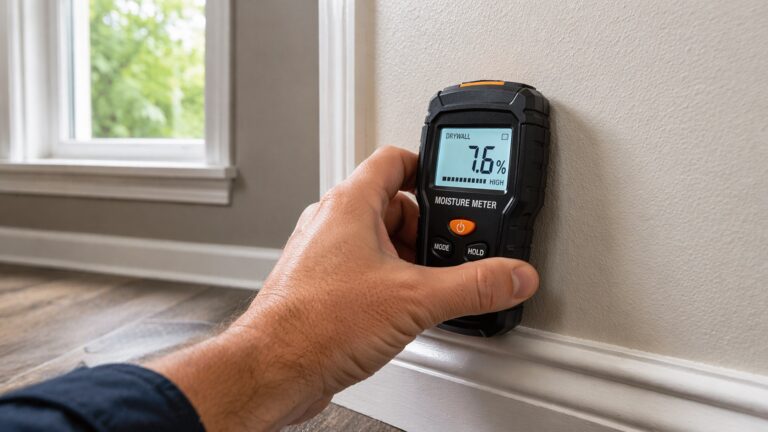
Moisture problems often come back because the surface dried faster than the material underneath. Paint, tile, vinyl flooring, laminate, cabinet finishes, and trim can make an area look dry while moisture remains inside or behind the material.
This is especially important after leaks, floods, seepage, roof drips, appliance leaks, or cleanup work. A wall may feel dry on the outside while the drywall paper, insulation, lower wall cavity, or backside of the material is still damp. A floor may feel dry underfoot while the padding, subfloor, or underlayment still holds water.
Drywall, trim, cabinets, insulation, and flooring can hold moisture
Drywall can absorb moisture through its paper facing, lower edge, backside, or cut openings. Once moisture enters the material, the painted face may dry before the inner layers or wall cavity dry. This can lead to recurring staining, soft spots, musty odor, bubbling paint, or mold.
Trim and baseboards can also store moisture, especially if they are made from MDF or wood. The face may look clean, but the backside or bottom edge may stay damp against the wall or floor. When trim is replaced before the wall and floor edge are dry, the new material can swell or discolor again.
Cabinets are another common source of returning moisture symptoms. Cabinet bases, toe kicks, back panels, and unfinished edges can absorb water after sink, dishwasher, refrigerator, or bathroom leaks. If the cabinet surface is cleaned but the base panel remains damp, odor and swelling can return.
Insulation can slow drying because it traps moisture inside a wall, ceiling, attic, crawl space, or floor assembly. Wet insulation can keep adjacent materials damp even after the visible surface looks normal. Flooring systems can behave the same way when water reaches padding, underlayment, subflooring, or seams beneath finished flooring.
Surface drying can be misleading
A dry-looking surface is not proof that the moisture problem is solved. Many building materials dry from the outside first while deeper layers remain damp. If that hidden moisture cannot escape, the area may smell musty, stain again, or support mold growth later.
Surface drying is especially misleading in closed assemblies. Wall cavities, cabinet backs, flooring layers, insulated ceilings, and enclosed trim areas do not dry the same way open surfaces do. Moisture trapped inside those spaces may take much longer to leave, especially when airflow is limited.
This is why moisture can return after a homeowner thinks the area was already dry. It may not be new water at all; it may be old water that remained inside materials and slowly moved back toward the surface. Cleanup-related recurrence is covered more specifically in Why Moisture Returns After Cleanup.
Humidity and Condensation Keep Re-Wetting the Area
Humidity and condensation can make a repaired area wet again even when no pipe is leaking. Instead of a sudden drip or puddle, the warning signs may be damp paint, recurring mold spots, window condensation, musty air, moisture on cold corners, or dampness in enclosed spaces.
Bathrooms, basements, windows, and HVAC systems are common recurrence points
Bathrooms often develop recurring moisture because showers create repeated humidity. If the exhaust fan is weak, undersized, blocked, or not used long enough, moisture can linger on walls, ceilings, trim, grout, and painted surfaces. Cleaning the visible mold does not stop the same surfaces from getting damp again the next day.
Basements often have recurring moisture because they are partly below grade, cooler than upper floors, and more affected by foundation seepage, damp masonry, and humid air. A dehumidifier may reduce symptoms, but if exterior drainage, wall seepage, or air leakage remains active, the moisture can return.
Windows and exterior walls can collect condensation when indoor humidity meets cold surfaces. This is common in winter, in poorly insulated areas, or in rooms with limited airflow. Moisture may show up as droplets, staining, peeling paint, mold at corners, or damp trim.
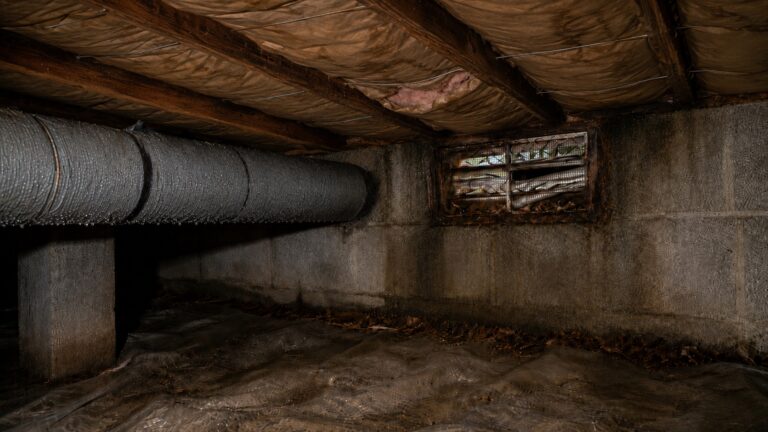
HVAC systems can also create recurring moisture if condensate drains clog, ducts sweat, airflow is poor, or the system does not remove enough humidity. If dampness appears near vents, ducts, air handlers, or drain lines, the moisture source may be mechanical rather than a simple wall leak.
Because humidity can be invisible until it condenses or causes damage, monitoring humidity levels can be useful. For measurement methods and humidity-reading guidance, see How to Test Indoor Humidity Levels.
The Repair Fixed Damage but Not the Cause
Moisture problems often come back when the repair focuses on damaged materials instead of the reason those materials became wet. New paint, patched drywall, replaced trim, new flooring, caulk, sealant, or fresh cabinet panels can make an area look repaired, but they do not stop water from returning if the source, path, storage point, or drying condition remains active.
Paint and patching can hide an active moisture problem
Paint can cover stains, but it cannot stop an active leak, remove water from drywall, fix condensation, or dry a wall cavity. If paint bubbles, peels, stains, or develops dark spots after repair, moisture may still be moving through the material or collecting behind the finish.
Drywall patching can also fail when the surrounding area is still damp. A patched area may look smooth at first, but if the leak path continues or moisture remains inside the wall, the patch can soften, crack, discolor, or develop mold around the edges.
This does not mean painting and patching are wrong. They are often necessary after the area is dry and the source has been corrected. The mistake is using cosmetic repair as proof that the moisture problem is solved.
Replacing trim or flooring too soon can trap moisture
New trim, baseboards, cabinet panels, or flooring can trap moisture if they are installed before the structure below or behind them is dry. This is common after minor floods, appliance leaks, bathroom leaks, basement seepage, and window or door leaks.
For example, a damp lower wall can be covered with new baseboard before the bottom of the drywall has dried. A wet subfloor can be covered with new flooring before the moisture has escaped. A cabinet base can be repaired while the wall or floor behind it still holds moisture.
When that happens, the repaired area may fail quickly. The new material can swell, cup, stain, smell musty, or grow mold because it is now touching the same damp surface that damaged the old material.
Water Keeps Entering From Outside
Exterior water entry can make interior repairs look successful during dry weather and then fail again after rain, snowmelt, poor drainage, or wind-driven water.
Exterior moisture problems are easy to misread from inside the home. A damp basement wall, stained drywall, wet floor near a door, or mold around a window may look like an interior material problem, but water may be entering through the roof, siding, flashing, foundation, wall penetration, window frame, door threshold, or exterior grade. These exterior paths are covered more broadly in How Water Enters Homes Through Structural Gaps.
Drainage and grading can keep sending water back
Water that collects near the foundation can keep moisture problems active even after interior repairs. Poor grading, short downspouts, clogged gutters, compacted soil, sunken landscaping, and blocked drains can all send water toward the house instead of away from it.
When this happens, basement dampness, crawl space moisture, slab-edge moisture, and lower-wall staining may return after storms. The interior symptom may be cleaned or repaired repeatedly, but the outside water load remains the same.
Moisture that returns after rain is a strong clue. If the problem is calm during dry weather and reappears after storms, the repair should not focus only on the interior finish. The exterior water path needs to be checked.
Windows, doors, siding, and flashing can re-wet repaired areas
Water can also enter through small exterior gaps. Window flashing, door thresholds, siding joints, roof-wall intersections, chimney flashing, utility penetrations, and deteriorated sealant can all allow water into hidden areas. The water may travel behind finishes before it appears inside.
This is why a stain or damp spot may come back even after the interior surface was patched. The wall may be getting wet from the outside during certain storms, wind directions, or seasonal weather patterns. If the entry point is not found, the repaired area remains vulnerable.
Exterior water entry often requires patient pattern recognition. Notice whether the problem appears after wind-driven rain, heavy downpours, snowmelt, gutter overflow, or water pooling near the foundation. Those triggers can help separate exterior water intrusion from plumbing or indoor humidity problems.
Airflow Problems Keep Moisture Trapped
Even when the moisture source is small, poor airflow can make a problem return. Moisture dries best when air can move across damp materials and carry moisture away. When air is trapped, blocked, or stagnant, dampness can linger long enough to cause odor, staining, swelling, or mold.
Airflow problems are common in closets, behind furniture, behind cabinets, under sinks, in crawl spaces, in attics, in garages, around stored boxes, and behind finished basement walls. These spaces may not receive enough air movement to dry quickly after small leaks, humidity exposure, or condensation.
Closed spaces can stay damp longer than open rooms
A wall surface in an open room may dry faster than the same wall behind a cabinet, bookshelf, headboard, storage bin, or closet organizer. The covered area has less airflow and may stay cooler, which makes condensation and slow drying more likely.
This is why moisture can return in rooms that seem otherwise dry. The main room may feel comfortable, but hidden corners and enclosed areas may still hold damp air. Musty odors are often strongest in these low-airflow spaces because moisture and organic dust stay trapped.
Crawl spaces, attics, and garages can create recurring moisture patterns
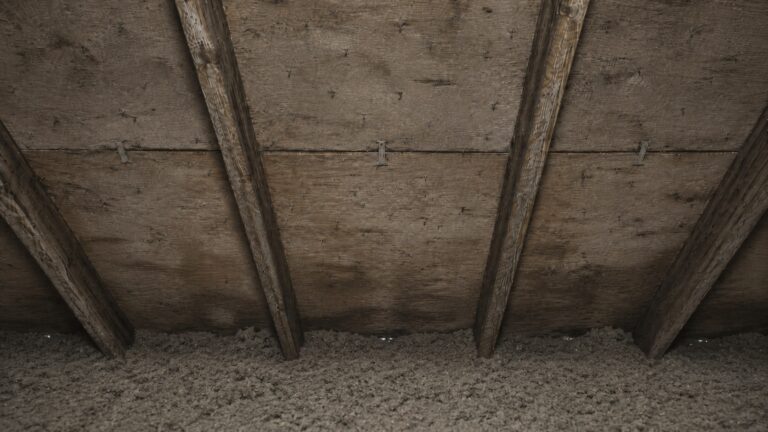
Crawl spaces, attics, and garages often have recurring moisture because they are affected by outdoor air, temperature swings, insulation gaps, ventilation problems, and ground or roof moisture. A small issue in these spaces can affect connected rooms through odors, damp framing, insulation moisture, or air movement into the living area.
For example, a crawl space may dry during one season and become damp again when outdoor humidity rises or drainage worsens. An attic may develop condensation during cold weather because warm indoor air leaks upward and meets cold roof surfaces. A garage may stay humid because wet vehicles, unsealed concrete, poor ventilation, or outdoor weather keep adding moisture.
These areas need more than one-time cleanup. They often require moisture monitoring, airflow correction, drainage review, insulation review, or long-term prevention steps. For broader prevention planning, see How to Prevent Recurring Moisture Damage.
How to Tell If It Is the Same Problem or a New One
When moisture comes back, one of the most important questions is whether you are dealing with the same unresolved problem or a new moisture event. The answer depends on location, timing, trigger, and material behavior.
A simple rule helps: same place usually points to an unresolved source or trapped material moisture, same trigger usually points to the same water path, and several damp areas at once usually points to humidity, airflow, drainage, or a broader building condition.
Look at the location
If moisture returns in the same exact area, the original source or material condition may still be active. Same-location recurrence is especially important near windows, doors, plumbing fixtures, exterior walls, basement corners, ceiling stains, baseboards, cabinets, and HVAC equipment.
If moisture appears in several different areas at once, the issue may be broader. High indoor humidity, poor ventilation, crawl space moisture, HVAC problems, or seasonal weather may be affecting multiple parts of the home instead of one isolated leak.
Look at the timing
Timing can reveal the source. Moisture that returns after fixture use may point to plumbing. Moisture that returns after rain may point to exterior water entry. Moisture that appears during winter may point to condensation. Moisture that appears during humid weather may point to indoor humidity, air leakage, or poor dehumidification.
Write down when the moisture appears instead of relying on memory. A simple log of weather, room use, humidity readings, HVAC operation, and visible changes can reveal patterns that are easy to miss day by day.
Look at the trigger
The trigger is the condition that seems to bring the moisture back. Triggers can include rain, showers, laundry, cooking, HVAC cycles, humid weather, cold weather, irrigation, snowmelt, or appliance use. Identifying the trigger helps you avoid treating every recurring moisture problem like the same type of leak.
For example, a damp wall after rain may point to exterior water entry. A damp bathroom ceiling after showers may point to ventilation. A wet area near an air handler may point to condensate drainage. A musty closet during humid months may point to stagnant air and elevated indoor humidity.
Look at material changes
Material changes can tell you whether moisture is superficial or deeper. Peeling paint, soft drywall, swollen trim, warped cabinet panels, musty carpet edges, lifted flooring, rusted fasteners, and recurring stains all suggest that moisture is affecting the material, not just the surface appearance.
If the same materials keep changing after each repair, the problem is probably not cosmetic. It may be an unresolved source, trapped moisture, or a repeated re-wetting cycle. Pattern-based detection is covered more deeply in How to Detect Repeated Moisture Problems.
What to Do When Moisture Problems Come Back
When moisture comes back, resist the urge to repeat the same repair immediately. A second coat of paint, another round of cleaning, or another temporary patch may hide the symptom for a while, but it can also make the real source harder to find.
Start by treating the recurrence as information. The location, timing, material changes, odor, and weather conditions can all help identify what was missed the first time.
- Document the pattern. Take photos, note dates, and record whether the moisture appears after rain, humidity, showers, HVAC use, or fixture use.
- Check the nearest likely source. Look at plumbing, windows, doors, roof paths, gutters, downspouts, exterior grading, HVAC condensate lines, and appliance connections.
- Compare nearby materials. A suspect area that feels cooler, softer, damper, swollen, stained, or more musty than nearby surfaces may still be holding moisture.
- Measure indoor humidity when relevant. High humidity can make surfaces damp even without a leak.
- Improve airflow around the area. Move furniture, open closets, increase ventilation, and avoid trapping damp materials behind new finishes.
- Avoid cosmetic repairs too soon. Do not repaint, reinstall trim, or cover flooring until the source and drying condition are understood.
- Monitor repaired areas after the fix. Even after a repair, continue checking for odor, staining, dampness, and swelling.
Stop DIY inspection if the area involves electrical equipment, sagging ceilings, soft structural wood, sewage, floodwater, or moisture inside major wall, floor, or ceiling assemblies. Those situations need safer inspection and repair planning before materials are covered again.
If you are trying to trace the source instead of only watching the symptom, How to Find the Source of Moisture in Your Home can help you work through the likely paths. After a leak repair, How to Monitor Areas After Leak Repairs is useful for checking whether the fix is actually holding.
Professional help becomes more important when moisture returns repeatedly, affects structural materials, spreads after each repair, appears inside wall or floor assemblies, follows major water damage, or remains active after obvious sources have been checked. Recurring moisture is often easier to solve before it causes mold, rot, flooring failure, or repeated interior damage.
FAQs About Moisture Problems Coming Back
Why does moisture come back after drying?
Moisture can come back after drying if the source was not fixed, if materials stayed damp inside, or if humidity and condensation keep re-wetting the area. Surface drying does not always mean drywall, trim, insulation, cabinets, or flooring layers are dry internally.
Why do walls get damp again after repairs?
Walls often get damp again when the repair fixed the visible damage but not the source. The cause may be a hidden leak, exterior water entry, condensation, wet insulation, poor airflow, or trapped moisture behind the wall finish.
Does a recurring musty smell mean moisture is still present?
A recurring musty smell often suggests moisture is still present or returning, especially if the odor gets stronger during humid weather, after rain, or in closed spaces. It does not identify the exact source by itself, but it is a strong reason to inspect for damp materials and poor airflow.
Why does moisture return after rain?
Moisture that returns after rain usually points to exterior water entry or drainage pressure. Common causes include clogged gutters, short downspouts, poor grading, foundation seepage, window leaks, door threshold leaks, siding gaps, roof leaks, or flashing problems.
How do I know if the repair failed?
A repair may have failed if staining, dampness, odor, swelling, bubbling paint, or mold returns in the same area after the repair. However, recurrence can also mean the repair fixed one issue while another moisture source remained nearby.
When should I call a professional for recurring moisture?
Call a professional when moisture keeps returning after basic checks, affects structural wood, spreads behind walls or under floors, appears after major water damage, involves electrical or HVAC systems, or causes repeated mold growth. Recurring moisture often needs source tracing, material evaluation, and repair planning.
What Recurring Moisture Usually Means
- Moisture problems come back when the source, path, stored moisture, or drying condition was not fully resolved.
- A dry-looking surface does not prove deeper materials are dry.
- Humidity and condensation can re-wet surfaces even when no pipe is leaking.
- Cosmetic repairs such as paint, patching, trim replacement, or new flooring can fail if the cause remains active.
- Moisture that returns after rain usually points to exterior water entry, drainage, or building-envelope problems.
- Poor airflow can keep moisture trapped behind furniture, cabinets, trim, closets, crawl spaces, attics, and garages.
- The location, timing, trigger, and material changes help determine whether the problem is the same issue or a new one.
- Repeated moisture should be investigated before it turns into mold, rot, flooring damage, or structural deterioration.