Carpet and Subfloor Flood Recovery
Recovering carpet and subflooring after a flood is not just a matter of drying the surface. Carpet fibers may look better after extraction, but the padding, tack strips, subfloor seams, baseboards, and wall-floor edges can still hold moisture long after the visible water is gone. That hidden moisture is what creates the biggest long-term risk.
Flood recovery also depends on the type of water involved. A small clean-water event from a broken supply line is very different from stormwater, sewage, groundwater, or water that has been sitting long enough to become contaminated. Carpet that might be recoverable in one situation may need to be removed in another. Padding is even less forgiving because it absorbs water like a sponge and keeps moisture pressed against the subfloor.
The goal of carpet and subfloor flood recovery is to prevent trapped moisture from turning into mold, odor, rot, or structural floor damage. This article explains how to decide what can be saved, what usually needs to be removed, how to expose and dry the subfloor, and when the job is beyond safe DIY recovery. For broader long-term prevention after leaks or flooding, see how to prevent recurring moisture damage.
Why Flooded Carpet and Subfloors Need Fast Decisions
Flooded carpet needs quick attention because water does not stay in one layer. It moves downward through carpet fibers, spreads through padding, reaches tack strips and baseboards, and can soak into plywood, OSB, or other subfloor materials. Even if the carpet surface starts to feel dry, the underside of the carpet and the subfloor may still be damp.
This is why a flood-damaged carpeted room can look deceptively improved after the first cleanup. A wet/dry vacuum or extractor may remove visible water from the top of the carpet, but the padding underneath may still be saturated. If the room is closed up or the carpet is laid back down too soon, moisture can remain trapped where air cannot reach it.
Fast action matters for three reasons:
- Porous materials hold water. Carpet backing, padding, wood subflooring, baseboards, and drywall edges can all retain moisture after flooding.
- Hidden layers dry slowly. Air movement over the top of the carpet does not reliably dry the underside, padding, or subfloor.
- Mold risk increases when materials stay wet. The longer carpet and subfloor materials remain damp, the higher the chance of musty odor, microbial growth, and material deterioration.
If you are trying to understand the larger moisture pattern in the home, see how to find, fix, and prevent moisture problems in homes. This article stays focused on the carpet, padding, and subfloor recovery decision after flooding.
The biggest risk is moisture trapped below the carpet
The most common mistake after flooded carpet is assuming the job is finished once the surface feels dry. Carpet can feel dry to the hand while padding underneath remains wet. In many cases, padding is the layer that keeps the problem alive because it is thick, absorbent, and protected from direct airflow.
Moisture can also concentrate at the room edges. Baseboards, tack strips, lower drywall, and the perimeter of the subfloor often stay damp longer than open areas in the middle of the room. If carpet is reinstalled before these areas are dry, the room may develop a musty smell even though the carpet looked clean after extraction.
Water source changes the recovery decision
Not all flooded carpet should be treated the same way. The source of the water is one of the most important factors in deciding whether carpet can be cleaned and dried or whether it should be removed.
A limited clean-water event may allow more recovery options if drying begins immediately. Examples include a burst supply line, an overflowing clean-water fixture, or a short-duration leak that did not involve sewage, mud, or outdoor contaminants. Even then, the padding usually needs to be removed or replaced so the subfloor can dry properly.
Outdoor floodwater is different. Stormwater, river water, groundwater, and water that entered through doors, foundation openings, or basement flooding may contain soil, bacteria, chemicals, sewage residue, or other contaminants. In those cases, the question is not only whether the carpet can be dried. The bigger question is whether the carpet and padding can be made sanitary and safe enough to keep.
Delay makes salvage less realistic
The longer carpet and padding stay wet, the less realistic full recovery becomes. A carpet that might have been salvageable shortly after a clean-water event can become a mold and odor problem if it sits wet overnight, remains covered by furniture, or stays in a closed room without dehumidification.
Delay also affects the subfloor. Plywood may swell at seams. OSB may puff up or soften along edges. Older wood subfloors may cup, darken, or begin to smell musty. Concrete does not rot like wood, but carpet and padding over damp concrete can trap moisture and create odor or mold problems in the materials above it.
If you are unsure how quickly mold risk develops after wet materials stay damp, see how long water damage takes to cause mold. For carpet recovery, the important point is simple: do not leave flooded carpet in place while you “wait and see.” Open the floor system, dry it, and check it before calling the recovery complete.
Can Carpet Be Saved After Flooding?
Carpet can sometimes be saved after flooding, but only under the right conditions. The decision depends on the water source, how long the carpet stayed wet, whether the padding was removed, whether the subfloor can be dried, and whether odors or contamination remain after cleaning.
The safest way to think about flooded carpet is to separate the carpet face from the entire floor system. The visible carpet is only one part of the assembly. Even if the carpet fibers can be cleaned, the padding, backing, tack strips, and subfloor may still make replacement necessary. For broader floor-material decisions beyond carpet, see when flooring must be replaced after flooding.
Carpet may be recoverable after a short clean-water event
Carpet has the best chance of being saved when the water source is clean, the exposure time is short, and drying begins quickly. For example, a clean supply-line leak that is caught early may allow the carpet to be lifted, extracted, cleaned, dried, and reinstalled if the padding is removed and the subfloor dries completely.
Even in a clean-water situation, recovery should include more than running fans over the carpet. A realistic recovery process usually includes:
- Removing standing water as soon as it is safe to do so
- Moving furniture and stored items off the wet carpet
- Extracting water from the carpet
- Lifting the carpet to inspect the padding and subfloor
- Removing wet padding when it is saturated
- Drying the exposed subfloor with airflow and dehumidification
- Cleaning and drying the carpet before reinstalling it
- Checking the subfloor before covering it again
If the carpet was wet only briefly and no contamination is present, professional extraction and cleaning may be enough to save the carpet itself. However, that does not mean the padding or subfloor should be ignored.
Carpet is usually not worth saving after contaminated flooding
Carpet that has been soaked by outdoor floodwater, sewage, muddy water, or unknown water should usually be treated as unsalvageable. The concern is not just moisture. It is contamination inside the fibers, backing, and padding.
Contaminated floodwater can leave behind organic debris, silt, bacteria, sewage residue, pesticides, fuel traces, or other pollutants depending on where the water came from. Once those materials are absorbed into carpet and padding, surface drying does not make the floor system safe.
In these situations, removing carpet and padding is usually the safer path:
- Stormwater entered through exterior doors or foundation openings
- Basement floodwater covered the carpet
- Sewage or toilet overflow reached the carpet
- Water contained mud, silt, or visible debris
- The carpet stayed wet for more than a day or two
- Musty odor remains after extraction
- Visible mold appears on or under the carpet
- The carpet backing separates, wrinkles, or delaminates
Trying to save carpet in these conditions can leave the home with persistent odor, hidden mold, and a contaminated layer over the subfloor. Contaminated carpet is not just wet carpet.
Signs the carpet should be replaced instead of saved
Even when the water source seems relatively clean, some carpet does not recover well after flooding. Carpet should usually be replaced when it has stayed wet too long, developed a persistent odor, separated from its backing, or shown visible mold. Replacement is also more likely when the carpet was already old, worn, heavily soiled, or installed over padding that remained saturated.
Watch for these warning signs:
- Persistent musty odor: A smell that returns after extraction usually means moisture or contamination remains in the carpet, padding, subfloor, or room edges.
- Loose or rippled carpet: Flooding can stretch carpet or weaken the backing, making reinstallation difficult.
- Backing separation: If the carpet backing starts to separate, bubble, or break down, drying will not restore it properly.
- Visible mold: Mold on the carpet surface, underside, or padding is a strong sign that replacement is safer than salvage.
- Dirty flood residue: Mud, silt, sewage residue, or unknown debris makes cleaning less reliable.
- Soft or swollen floor underneath: If the subfloor is damaged, the carpet should not be reinstalled until the structure is corrected.
The decision should never be based only on how the carpet looks from above. A carpeted room can look mostly normal after surface extraction while the underside remains damp. If the subfloor has not been exposed and checked, recovery is incomplete.
Why Carpet Padding Usually Needs to Be Removed
Carpet padding is usually the weakest part of a flooded carpet system. It absorbs water quickly, dries slowly, traps odor, and keeps moisture pressed against the subfloor. Even when the carpet itself may be cleaned, the padding often needs to be removed and replaced.
This is especially true after flooding. Padding is not just a comfort layer. After water exposure, it becomes a moisture reservoir beneath the carpet. If it remains in place, it can prevent the subfloor from drying and create the exact hidden conditions that lead to mold under flooring.
Padding acts like a sponge under the carpet
Most carpet padding is designed to cushion the carpet, not to survive flooding. Once saturated, it can hold water throughout its thickness. Fans blowing across the top of the carpet may dry the surface fibers while the padding remains wet below.
This creates a misleading recovery pattern. The homeowner may walk across the carpet and think the room is improving, but every step can push moisture from the padding back into the carpet backing and subfloor. If the room is humid, the padding may also keep releasing moisture into the air, making the space smell damp even after visible water is gone.
Wet padding slows subfloor drying
A wet subfloor needs exposure. If padding stays in place, the subfloor is covered by a damp, absorbent layer that blocks airflow. This matters whether the subfloor is plywood, OSB, concrete, or older wood planking.
When the subfloor cannot dry upward, moisture remains concentrated at seams, fasteners, low spots, and wall edges. On wood subfloors, this can contribute to swelling, dark staining, softness, or delamination. On concrete, it can keep moisture trapped beneath carpet materials long enough to create odor and mold risk in the padding and carpet backing.
For more detailed subfloor-specific drying guidance, see how to dry subfloors after water damage. This article stays focused on carpet-and-subfloor recovery decisions after flooding.
Padding replacement is usually cheaper than failed recovery
Trying to save soaked padding often creates more risk than value. Even if it appears to dry, padding may retain odor, contamination, or compressed areas that affect how the carpet feels after reinstallation. Replacing padding is usually less expensive than reinstalling carpet over a damp layer and then having to remove everything again when odor or mold appears.
In clean-water events, replacing the padding can also make it easier to save the carpet. Removing the padding allows the subfloor to dry, gives the carpet backing air exposure, and reduces the chance that trapped moisture will remain hidden after the room is put back together.
How to Recover the Subfloor After Flooding
Subfloor recovery begins after the wet carpet system is opened up. The subfloor cannot be evaluated properly while saturated padding and carpet are still covering it. Once the carpet is lifted and padding is removed, the goal is to remove liquid water, dry the material, inspect for damage, and verify that moisture is not trapped before reinstalling flooring.
Step 1: Make the area safe before cleanup
Before working on flooded flooring, make sure the area is safe to enter. Do not walk into standing water if there may be electrical hazards, and do not enter rooms where water may be touching outlets, cords, appliances, or electrical panels. Avoid contact with sewage, stormwater, or contaminated floodwater without proper protection. Wear gloves, waterproof footwear, and eye protection when handling wet carpet or padding.
If water reached outlets, electrical panels, HVAC equipment, appliances, or unknown wiring, stop and call a qualified professional before entering or beginning cleanup. Carpet recovery is never worth risking electrical injury or exposure to contaminated water.
Step 2: Remove standing water and wet items
Once the space is safe, remove standing water as quickly as possible. A wet/dry vacuum, extraction machine, or professional water extraction equipment can remove bulk water from the carpet surface. Furniture, boxes, rugs, curtains, and other wet items should be moved off the carpet so they do not keep transferring moisture into the floor.
This first extraction step helps reduce water volume, but it does not finish the job. The carpet still needs to be lifted so the padding and subfloor can be checked.
Step 3: Lift the carpet and remove wet padding
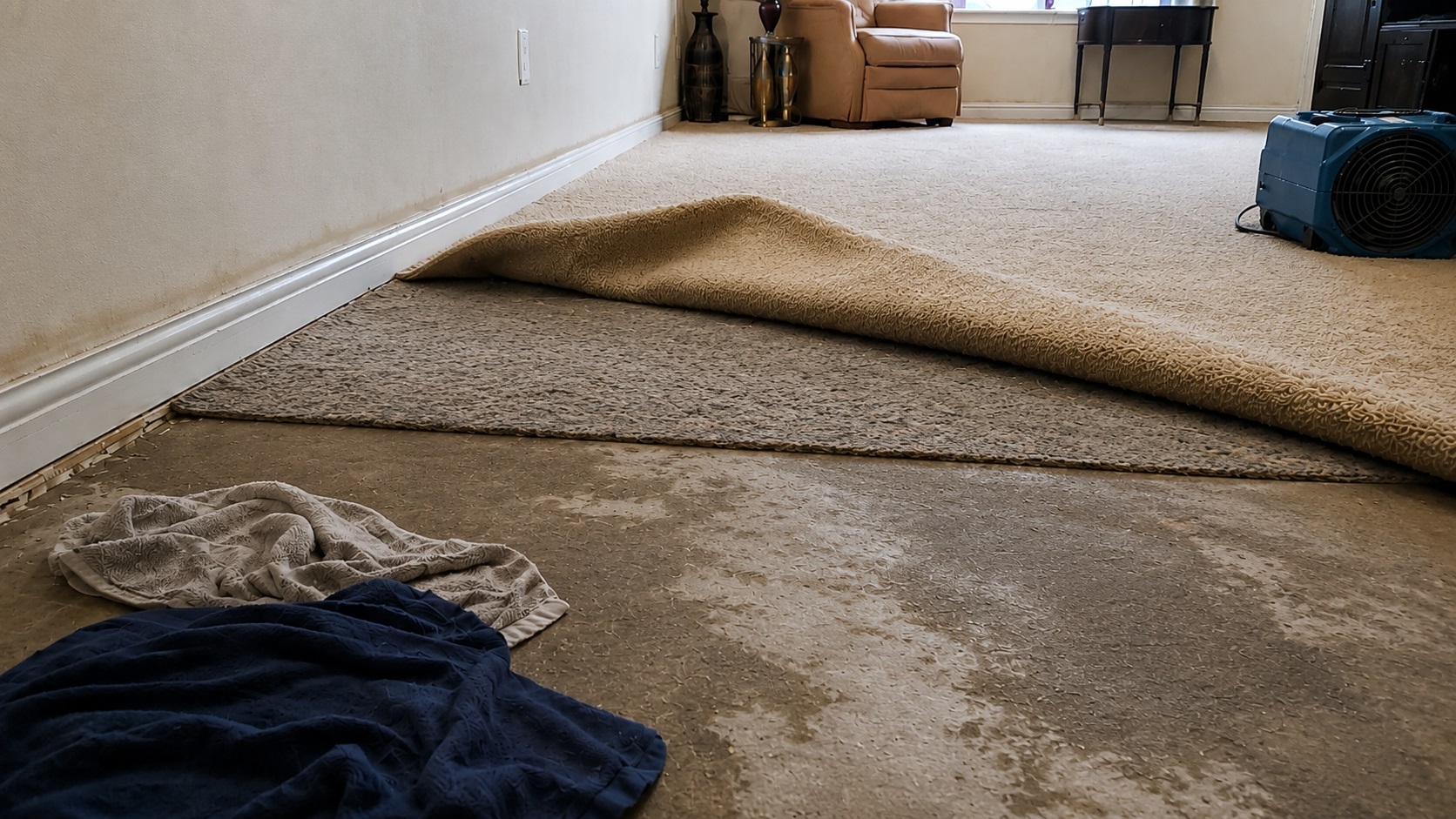
In many flooded rooms, the carpet must be pulled back from the edges to inspect underneath. This may expose soaked padding, wet tack strips, damp concrete, swollen plywood, or OSB seams that are holding water.
Wet padding should usually be removed, bagged, and discarded. If the padding is contaminated, moldy, or saturated with floodwater, treat it as unsalvageable. Removing it gives the subfloor a chance to dry and prevents the padding from acting as a hidden moisture source under the carpet.
Be careful around tack strips. They can have sharp nails, rusted fasteners, and contamination after flooding. If they are swollen, rusty, moldy, or contaminated by floodwater, they may also need to be replaced before the carpet is reinstalled.
Step 4: Expose the subfloor to moving dry air
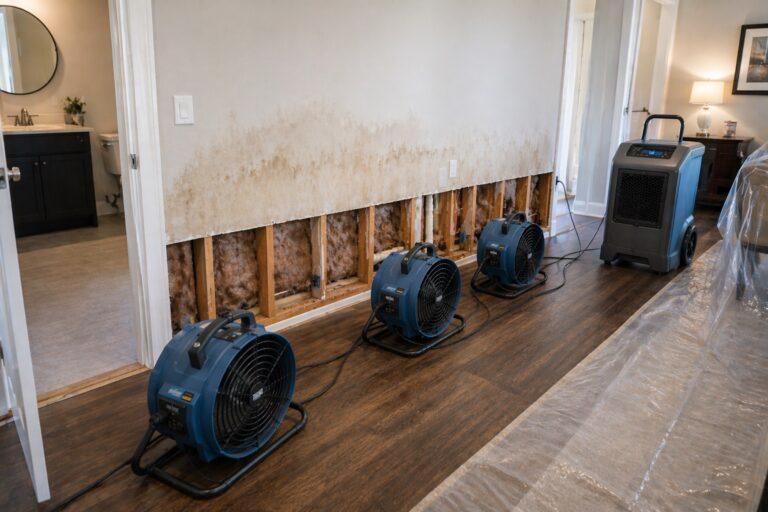
After the padding is removed, the exposed subfloor needs controlled drying. Air movement helps carry moisture away from the surface, while dehumidification removes moisture from the room air. Both are important because fans alone only move moisture around if the air stays humid.
Direct airflow across the exposed subfloor, especially around seams, corners, wall edges, and low areas. Aim air movers across the surface rather than straight down at one spot, and keep dehumidification running so moisture leaves the room instead of cycling back into the floor. Keep the carpet lifted so both the carpet backing and the subfloor can dry. If weather conditions are dry and safe, ventilation may help, but in humid weather, opening windows can slow drying instead of helping it.
Step 5: Check the perimeter of the room
The edges of a flooded room often stay wet longer than the open floor area. Water can wick into baseboards, lower drywall, door trim, and wall-floor gaps. If the carpet is dried but the perimeter remains wet, odor and mold risk can return after the carpet is reinstalled.
Look closely at:
- Baseboards that are swollen, stained, or separating from the wall
- Tack strips that are rusted, moldy, or loose
- Darkened subfloor edges
- Soft spots near walls or doorways
- Musty odor at corners or closets
- Lower drywall that feels soft or crumbly
If floodwater reached the lower wall, the flooring recovery may overlap with wall recovery. For that separate issue, see drywall replacement after flooding. Wall edges matter here because damp baseboards, tack strips, and lower drywall can keep moisture close to the carpet and subfloor after the open floor area appears dry.
Step 6: Do not cover the subfloor until dryness is verified
One of the most important rules in carpet and subfloor flood recovery is to avoid reinstalling carpet over a damp subfloor. Covering the floor too soon can trap moisture, restart musty odors, and create conditions for mold beneath the carpet.
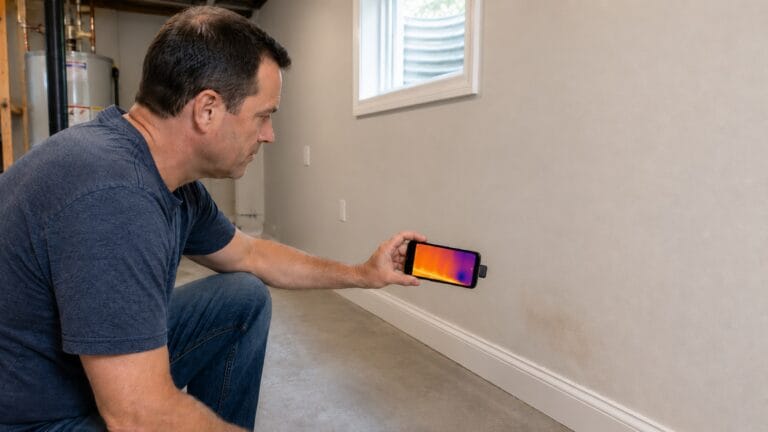
A subfloor should be checked after drying, not just assumed dry because the room feels better. Visual inspection helps, but it is not enough by itself. Use moisture readings, odor checks, touch checks, and comparison areas to decide whether the subfloor has actually returned to a dry condition.
For a deeper inspection process, see how to detect water damage under floors. In this article, the key point is that carpet recovery is not complete until the hidden floor layers are dry enough to safely cover again.
How Different Subfloor Materials Respond to Flooding
Subfloor recovery depends partly on the material under the carpet. Plywood, OSB, concrete, and older wood plank subfloors all handle water differently. Some materials can dry and remain usable after a short exposure. Others may swell, weaken, or hold moisture long enough that carpet should not be reinstalled until the floor is repaired or replaced.
Plywood subfloors
Plywood often has a better chance of recovery than some other wood-based panels if it is exposed and dried quickly. However, plywood can still swell, delaminate, stain, or weaken after flooding. The risk increases when water sits at seams, fasteners, and edges.
Watch for these signs after drying begins:
- Raised seams between panels
- Dark staining that remains after drying
- Softness when walked on
- Loose fasteners or squeaking
- Layers separating at panel edges
- Musty odor coming from the floor
If plywood dries flat, feels solid, and does not show continuing odor or high moisture readings, it may be recoverable. If it remains soft, swollen, or delaminated, it may need repair or replacement before carpet is reinstalled.
OSB subfloors
OSB can be more vulnerable to swelling after saturation, especially at cut edges and panel seams. Once OSB swells, it may not return fully to its original thickness. That can leave raised edges, uneven carpet, weak fastener grip, or soft spots underfoot.
OSB needs careful inspection after flooding. A panel may look mostly dry on the surface while its edges remain swollen or crumbly. If the surface flakes, breaks apart, or feels spongy, the subfloor may no longer be reliable enough to cover with carpet.
Pay special attention to doorways, wall edges, closets, and seams where water may have sat longer. These areas often reveal damage before the center of the room does.
Concrete subfloors
Concrete does not rot like wood, but it can still create problems under carpet after flooding. Concrete can absorb and release moisture slowly. If carpet and padding are reinstalled before the slab is dry enough, moisture can become trapped beneath the new flooring system.
Flooded carpet over concrete often creates odor problems because the padding and carpet backing stay in contact with a damp surface. Even if the concrete looks dry, it may continue releasing moisture into the carpet system after the room is put back together.
Before reinstalling carpet over concrete, the slab should be dry enough for the flooring system being installed. If the room has a history of basement flooding, hydrostatic pressure, or damp slab conditions, the problem may not be limited to one flood event.
Older plank subfloors
Older plank subfloors can sometimes dry well because gaps between boards allow more air movement than solid sheet goods. However, they can also cup, warp, loosen, or hold moisture in gaps. If floodwater carried mud, silt, or contamination into those gaps, cleaning and drying become more difficult.
Inspect plank subfloors for loose boards, dark gaps, musty odor, cupping, fastener movement, and soft areas. Carpet should not be reinstalled until the boards are stable and dry.
Subfloor damage that should not be ignored
Flood recovery should not stop at drying if the subfloor shows signs of structural damage. A dry but weakened subfloor can still fail later. Look for warning signs such as:
- Soft or spongy areas underfoot
- Persistent sagging
- Raised seams that do not flatten after drying
- Wood that flakes, crumbles, or separates
- Dark staining with musty odor
- Fasteners that no longer hold firmly
- Movement near walls, toilets, cabinets, or doorways
If those signs are present, the issue may have moved beyond simple drying. Do not reinstall carpet until the subfloor has been evaluated. See signs of water damage in subfloors for a more focused look at structural warning signs inside the subfloor system.
How to Tell If the Subfloor Is Dry Enough Before Reinstalling Carpet
The subfloor should be checked before new padding or carpet is installed. Reinstalling carpet too soon is one of the easiest ways to turn a one-time flood into recurring odor, mold, and moisture damage.
There is no single visual sign that proves a subfloor is dry. A better approach is to combine several checks: moisture readings, comparison readings, odor inspection, surface condition, and how the floor feels under load.
Use moisture readings carefully
A moisture meter can help determine whether a wood subfloor is still holding elevated moisture. The most useful method is comparison testing: check the flooded area, then compare those readings with a similar unaffected area of the home. The flooded area should be close to the unaffected baseline before carpet or padding is installed again.
For wood subfloors, take readings in several locations:
- The center of the flooded area
- Panel seams
- Wall edges
- Doorways
- Closets
- Low spots where water collected
- Areas that stayed covered by furniture
A pin-type meter can help check deeper into wood, while a pinless meter can scan larger areas quickly. Each has limits, so readings should be interpreted along with visible conditions and material behavior. If you plan to monitor hidden floor moisture yourself, see the guide to the best moisture meters for hidden water damage.
Check smell, surface texture, and softness
Moisture readings are useful, but your senses still matter. A subfloor that smells musty, feels soft, or shows raised seams may not be ready for carpet even if some readings appear improved. Odor is especially important because it often reveals moisture trapped at edges, seams, or under trim.
Walk the room carefully and feel for:
- Soft spots
- Spongy movement
- Uneven seams
- Squeaks that were not present before
- Areas that flex more than surrounding flooring
- Persistent damp or earthy odor
If the room smells better only when fans are running, that is a warning sign. Odor that returns after the room is closed up often means moisture or contamination remains.
Check the wall-floor edges before reinstalling carpet
Many failed carpet recoveries happen because the middle of the room dried, but the edges did not. Before reinstalling carpet, inspect the perimeter carefully. Look behind lifted carpet edges, near tack strips, along baseboards, and inside closets.
If baseboards are swollen, tack strips are rusty, or lower drywall is soft, the flood affected more than the carpet. Reinstalling flooring before those areas are addressed can hide ongoing damage and make later repairs more expensive.
Give concrete extra drying time before covering it
Concrete can be deceptive because the surface may look dry while the slab is still releasing moisture. If carpet is installed over damp concrete too soon, moisture can collect in the padding and backing. This is especially common in basements and lower-level rooms where concrete already has a history of dampness.
Before reinstalling carpet over concrete, use appropriate moisture testing for the flooring system and follow the carpet or adhesive manufacturer’s requirements. If the slab repeatedly becomes damp after rain or flooding, the room may need drainage or waterproofing improvements before new carpet is installed.
Mold Prevention After Carpet and Subfloor Flooding
Mold prevention after flooded carpet depends on removing trapped moisture, not simply cleaning the visible surface. Mold risk rises when wet carpet, padding, wood, drywall edges, or stored items remain damp in a humid room. The safest recovery plan is to remove the materials that cannot be reliably dried, expose the materials that can be dried, and verify dryness before the floor is covered again.
The first mold-prevention step is to remove saturated padding. The second is to keep the carpet lifted while the subfloor dries. The third is to control humidity so moisture leaves the materials instead of lingering in the room air. If the room still smells damp after drying, recovery is not complete.
Do not rely on surface cleaning alone
Cleaning the carpet surface may improve appearance, but it does not solve wet padding or damp subflooring. Sprays, deodorizers, and carpet shampoos can make the room smell better temporarily while the moisture problem remains underneath. This is especially risky after floodwater enters from outdoors, because the carpet may contain both moisture and contamination.
A better mold-prevention sequence is:
- Remove standing water.
- Lift the carpet where needed.
- Remove saturated padding.
- Expose the subfloor.
- Dry the subfloor with air movement and dehumidification.
- Clean salvageable materials only after wet layers are opened.
- Verify dryness before reinstalling carpet.
Control humidity while the floor dries
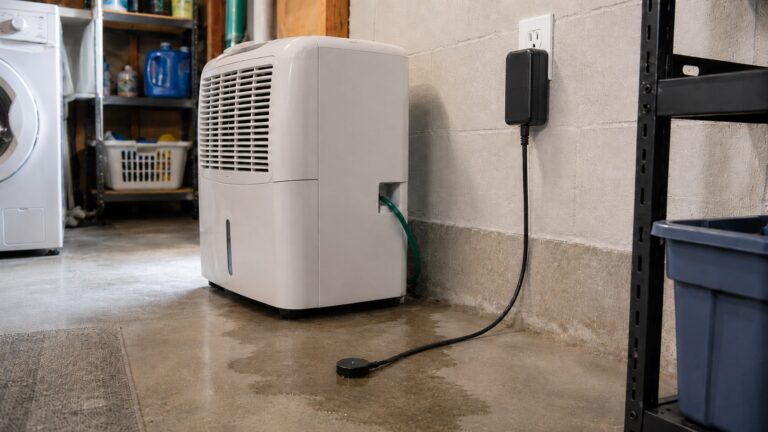
Drying flooded carpet and subflooring requires moisture to leave the room, not just move from one surface to another. Fans help move air across wet materials, but dehumidifiers remove moisture from the air. In a closed or humid space, fans alone may not be enough.
Keep the room as dry as practical during recovery. Empty dehumidifier tanks, keep air moving across exposed floor areas, and avoid covering damp sections with plastic, rugs, furniture, or new padding. If the room is below grade, has poor airflow, or has a history of dampness, drying may take longer than expected.
Monitor the room after it looks dry
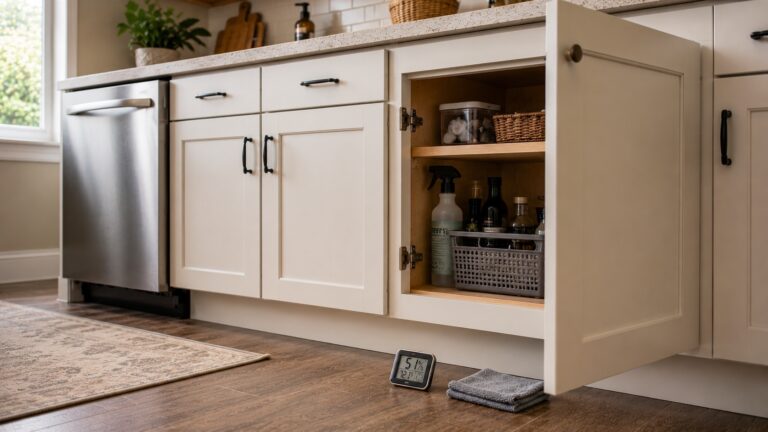
Flood recovery should include follow-up checks. After the carpet is cleaned or replaced, watch the room for returning odor, damp corners, soft spots, condensation, or new staining at baseboards. These signs can mean moisture was trapped or the original flood source was not fully corrected.
For future protection, flood alarms or leak sensors can help catch water before it reaches the padding and subfloor. A guide to the best flood detection systems for homes can support long-term prevention, especially in basements, laundry areas, mechanical rooms, and finished lower levels.
When Carpet and Subfloor Recovery Is Not a DIY Job
Some flooded carpet situations are too risky for ordinary DIY cleanup. The issue may be contamination, the size of the affected area, hidden moisture under walls, or damage to structural flooring. In these cases, trying to save the carpet can delay proper drying and make the final repair more expensive.
You should consider professional water damage restoration when the water source is unknown, contaminated, widespread, or difficult to dry with household equipment. A restoration company can remove water, lift flooring, remove padding, dry structural materials, monitor moisture, and determine whether carpet or subfloor materials are safe to keep.
Call a professional if floodwater was contaminated
Outdoor floodwater, sewage backups, toilet overflows, stormwater, groundwater, and muddy water should not be treated like clean water. These sources can carry contaminants into the carpet, padding, tack strips, and subfloor seams. In many of these cases, carpet and padding removal is safer than attempting to clean and reuse them.
Professional help is especially important when:
- Sewage touched the carpet.
- Stormwater or groundwater entered the room.
- Water contained mud, silt, or debris.
- The carpet stayed wet for more than 24 to 48 hours.
- Several rooms or an entire basement were affected.
- Mold is visible or the room smells musty.
- Water reached drywall, insulation, cabinets, or HVAC equipment.
Call a professional if the subfloor feels weak
Subfloor damage is a structural concern, not just a drying issue. If the floor feels soft, spongy, sagging, or unstable, do not reinstall carpet over it. The damaged area may need repair, reinforcement, or replacement before the room can be finished again.
Professional evaluation is also important when OSB has swollen badly, plywood has delaminated, fasteners no longer hold, or the floor has movement near walls, stairs, toilets, cabinets, or door openings. These are signs that the flood may have affected the strength of the floor system.
Call a professional if moisture readings stay high
If the subfloor remains damp after several days of drying, there may be more moisture trapped below the surface or entering from another source. This can happen when water has reached wall cavities, crawl spaces, insulation, concrete slabs, or hidden seams beneath flooring.
Persistent moisture after a flood often requires better drying equipment, deeper inspection, or removal of additional wet materials. For more help deciding when a project exceeds normal DIY scope, see when to call water damage restoration services.
How to Prevent Repeat Carpet and Subfloor Flood Damage
Once the carpet and subfloor are dry, the next goal is preventing the same damage from happening again. Replacing carpet without correcting the flood source can lead to another round of saturation, odor, mold risk, and subfloor damage.
Start by identifying how the water entered. The right prevention step depends on whether the flood came from plumbing, poor drainage, a failed sump pump, foundation seepage, appliance overflow, or exterior water intrusion.
Fix the water source before replacing carpet
Do not install new carpet until the water source has been corrected. If the flood came from a plumbing failure, repair the line and check nearby materials. If it came from basement seepage, inspect drainage, sump pump performance, and foundation water control. If it came from exterior flooding, look at grading, downspouts, door thresholds, and water entry points.
New carpet will not solve a recurring moisture problem. It only covers the floor again. If the source remains active, the new padding and subfloor can become wet the next time heavy rain, appliance failure, or drainage problems occur.
Use moisture monitoring in vulnerable rooms
Rooms that have flooded once deserve extra monitoring. Finished basements, laundry rooms, mechanical rooms, and lower-level bedrooms can benefit from moisture checks after heavy rain, plumbing repairs, or sump pump cycling.
Simple leak sensors, flood alarms, and humidity monitors can provide early warning before water sits long enough to soak carpet padding. For smaller plumbing-related risks, see the best water leak sensors for early detection.
Avoid reinstalling carpet in repeatedly wet areas
If a room floods repeatedly, carpet may not be the best flooring choice. Carpet and padding are difficult to dry after repeated water exposure, especially in basements or rooms with a history of seepage. In high-risk areas, it may be better to use flooring materials that can be cleaned, dried, or removed more easily.
This does not mean every basement or lower-level room must avoid carpet forever. It means the moisture risk should be controlled before carpet is installed again. If the floor has a known flood pattern, solve the water problem first and choose flooring with that risk in mind.
FAQs About Carpet and Subfloor Flood Recovery
Can flooded carpet ever be saved?
Flooded carpet can sometimes be saved if the water was clean, the exposure was brief, extraction started quickly, the padding was removed, and the subfloor was dried and verified before reinstallation. Carpet is usually not worth saving after sewage, stormwater, muddy water, or prolonged saturation.
Should carpet padding be replaced after a flood?
In most flood situations, yes. Carpet padding absorbs water quickly and dries slowly. It can trap odor, contamination, and moisture against the subfloor. Replacing wet padding is usually safer and more practical than trying to dry it in place.
Can a subfloor dry through carpet?
A subfloor may dry very slowly or incompletely if carpet and padding remain on top of it. For reliable drying, the carpet often needs to be lifted and the padding removed so air can reach the subfloor. Covering a damp subfloor can lead to mold, odor, and material deterioration.
How long does it take a subfloor to dry after flooding?
Drying time depends on the material, water volume, humidity, airflow, temperature, and how quickly the floor was opened. A lightly wet plywood subfloor may dry much faster than saturated OSB, damp concrete, or a floor with moisture trapped at walls and seams. Moisture readings and inspection are more reliable than guessing by time alone.
Can mold grow under carpet padding if the top feels dry?
Yes. The carpet surface can feel dry while the padding, carpet backing, tack strips, or subfloor remain damp. Mold risk is greatest when moisture is trapped in hidden layers with limited airflow.
Can I reinstall carpet over a damp subfloor?
No. Carpet should not be reinstalled over a damp subfloor. New padding and carpet can trap moisture, restart odor, and create conditions for mold growth. The subfloor should be dry, stable, and checked before it is covered again.
Is plywood or OSB more likely to be damaged by flooding?
Both can be damaged, but OSB often needs extra caution because it can swell at seams and edges after saturation. Plywood may recover better if it is exposed and dried quickly, but it can still delaminate, soften, or stain if water sits too long.
When should I call a restoration company for flooded carpet?
Call a restoration company if the water was contaminated, sewage was involved, more than one room flooded, the carpet stayed wet more than 24 to 48 hours, the subfloor feels soft, moisture readings stay high, or musty odor remains after cleanup.
Final Recovery Decision Before Reinstalling Carpet
Carpet and subfloor flood recovery depends on more than removing visible water. The real risk is hidden moisture trapped in padding, carpet backing, tack strips, wall edges, and subfloor materials. If those layers are not opened and dried, the room can develop mold, odor, and structural floor damage even after the carpet surface looks normal.
The safest recovery path is to act quickly, identify the water source, remove wet padding, expose the subfloor, dry the floor system with proper airflow and dehumidification, and verify dryness before reinstalling carpet. If the water was contaminated, the carpet stayed wet too long, or the subfloor feels weak, professional restoration is the better choice.
A flooded carpeted room can recover, but only when the hidden layers are treated as seriously as the visible carpet. Dry the structure first, replace what cannot be safely saved, and do not cover the floor again until the subfloor is dry, stable, and safe to cover.