Roofing Brands That Last the Longest: Which Shingles Have the Best Lifespan?
The roofing brands that last the longest are usually the brands with strong architectural, premium, or performance shingle lines, not simply the brands with the most familiar names. In my roofing experience, TAMKO was the asphalt shingle brand I trusted most for long-term performance. Owens Corning was also good, especially in wind-prone areas where Duration/SureNail can support better fastening consistency. CertainTeed was another good brand and can be treated as a strong premium/durability choice. Atlas, IKO, and Malarkey may also have product lines worth comparing when local roofers support them. GAF is widely available too, but it is the brand I would ask the most questions about before choosing. No roofing brand lasts as long as it should if the roof system underneath it is weak.
That is the most important point for homeowners comparing roof replacement quotes. A long-lasting shingle depends on more than the label on the bundle. Roof lifespan is shaped by shingle quality, asphalt formulation, granule retention, roof slope, attic ventilation, flashing, underlayment, decking condition, climate, and contractor workmanship. A premium shingle installed over damp decking or poor ventilation can fail earlier than a mid-grade shingle installed correctly as part of a complete roof system.
Because my roofing work was mostly before 2012, I do not want to pretend that every current product line performs exactly the same as the shingles I handled then. Still, that field experience matters: the shingles that felt better built, sealed well, handled well, and gave us more confidence on the roof were usually the ones we trusted more for long-term service.
This article focuses specifically on lifespan. It is different from a guide to the most durable roofing shingle brands, which focuses more on impact resistance, weather stress, cracking, granule loss, and short-term damage resistance. Lifespan is about how long the roof remains functional before replacement becomes necessary. The two ideas are related, but they are not identical.
If you are comparing quotes, the goal is not just to ask, “Which brand is best?” A better question is, “Which product line from this brand is most likely to last on my specific roof, in my specific climate, with this contractor’s installation?” For a broader selection framework, see how to choose roofing shingles. This article stays focused on lifespan and long-term roof performance.
Roof lifespan also matters because early roof failure can lead to moisture problems inside the home. Once shingles, flashing, valleys, penetrations, or roof decking begin to fail, water can reach the attic, insulation, rafters, ceilings, and wall cavities. That makes this topic part of the larger issue of common roofing material failures that shorten roof life and create hidden water damage risks.
What “Longest Lasting Roofing Brand” Really Means
When homeowners search for roofing brands that last the longest, they are usually trying to avoid replacing the roof too soon. That is reasonable, but “longest lasting brand” needs a careful definition. A brand does not last by itself. A specific shingle product, installed on a specific roof system, under specific conditions, is what actually lasts or fails.
Most major roofing brands sell several product tiers. A basic asphalt shingle, a standard architectural shingle, an upgraded architectural shingle, and a premium impact-resistant shingle from the same manufacturer may all have different lifespan expectations. Judging a brand without looking at the exact shingle line can lead to the wrong conclusion.
Brand name vs product line
The brand name matters because it can reflect manufacturing quality, contractor support, product availability, warranty structure, and accessory compatibility. But the product line matters more. A premium shingle from one brand may outlast a basic shingle from a more famous brand. A performance shingle designed for impact resistance or severe weather may last longer in harsh climates than a standard architectural shingle from the same manufacturer.
This is why roof quotes should list the exact product name. “Architectural shingles” is not specific enough. “TAMKO Heritage,” “Owens Corning Duration,” “CertainTeed Landmark Pro,” “Atlas Pinnacle Impact,” “IKO Nordic,” “Malarkey Legacy,” or “GAF Timberline HDZ” tell you much more. The exact line helps you compare expected lifespan, wind rating, impact rating, algae resistance, warranty terms, and installation requirements.
Warranty length vs actual roof lifespan
A long warranty does not automatically mean a roof will last that long without problems. Roofing warranties often include conditions, exclusions, prorated periods, accessory requirements, installation requirements, wind limitations, algae limitations, and separate workmanship coverage. A warranty can help, but it should not be treated as a direct prediction of roof lifespan.
For example, a shingle may have a long limited warranty but still fail early if it is installed incorrectly, placed over weak decking, exposed to poor attic ventilation, or damaged by severe storms. The warranty may also treat material defects differently from installation defects. Before choosing a brand based on warranty language, homeowners should understand how to compare roofing warranties beyond the headline length.
Durability vs lifespan
Durability and lifespan overlap, but they are not the same thing. Durability is the shingle’s ability to resist damage, stress, and wear. Lifespan is how long the roof continues to perform before replacement becomes necessary. A shingle with strong impact resistance may be very durable in a hail-prone area, but if it is installed over poor ventilation, the roof may still age faster than expected.
A long-lasting roof combines durable shingles with correct installation, dry decking, sound flashing, balanced attic ventilation, and routine maintenance. When those parts work together, a quality shingle brand has a better chance of reaching its expected service life. When those parts are ignored, even a premium brand can fail early.
Which Shingle Brands Have the Best Lifespan?
The roofing brands that tend to last the longest are usually the brands with strong premium architectural, polymer-modified, rubberized asphalt, or impact-resistant shingle lines. The exact ranking depends on climate, contractor quality, and product availability, but these brands deserve close comparison when lifespan is the priority.
- TAMKO: My top overall pick from field experience. TAMKO shingles seemed to have more asphalt/tar, sealed well, handled well, and gave me more confidence that the roof could hold up close to the life homeowners expected from the warranty.
- Owens Corning: Good shingles in my experience, and especially worth considering in high-wind areas, hurricane-risk regions, or tropical-storm-prone climates because Duration/SureNail uses a reinforced nailing zone that can support more consistent fastening and better wind-performance confidence.
- CertainTeed: Also good in my experience and a strong premium/durability brand to compare, especially in upgraded Landmark, Landmark Pro, Landmark Premium, ClimateFlex, and similar higher-tier lines.
- Malarkey: Worth comparing where it is locally available and supported by experienced roofers, especially in rubberized asphalt or impact-resistant lines. I do not have the same field preference for it that I have for TAMKO, Owens Corning, or CertainTeed.
- GAF: Widely known and widely available, but the brand I would be most cautious about. In my experience, some GAF shingles seemed less sticky, more prone to wind release or blow-off, and more likely to show earlier wear than homeowners expected. That does not mean every GAF roof will fail, but I would ask the roofer why they trust that exact GAF line.
- Atlas: Worth considering in impact-resistant and algae-resistant lines, especially where local roofers have a strong track record with it. I would treat it as a locally supported option rather than one of my strongest field-preference brands.
- IKO: Worth comparing in performance lines such as Nordic, especially where severe weather resistance matters and local roofers trust the product. I would ask the roofer why they prefer that exact IKO line before choosing it over TAMKO, Owens Corning, or CertainTeed.
For many homes, the longest-lasting roof will not come from choosing the most expensive brand by default. It will come from choosing the right product line for the climate, making sure the contractor installs the full system properly, and correcting roof conditions that shorten service life. That includes ventilation problems, soft decking, old flashing, clogged drainage paths, and moisture trapped under the roof deck.
If you want a broader view of brand strengths beyond lifespan alone, compare this article with a broader asphalt shingle brand comparison. This article stays focused on expected service life and long-term roof performance.
Brand-by-Brand Lifespan Comparison
When comparing roofing brands by lifespan, the fairest approach is to compare each brand’s stronger product lines. Basic shingles, standard architectural shingles, premium architectural shingles, and impact-resistant shingles do not have the same expected service life. A homeowner should avoid ranking brands by name alone because one brand’s premium product may be compared unfairly against another brand’s entry-level option.
The following brand comparisons focus on long-term roof performance, not just warranty length or popularity. Actual lifespan will still depend on the roof design, installation quality, attic ventilation, flashing, underlayment, maintenance, and climate exposure.
TAMKO
TAMKO deserves stronger consideration than it sometimes gets in generic brand roundups. In my own roofing experience, TAMKO was my favorite asphalt shingle brand to work with, and it gave me more long-term confidence than most other asphalt shingles I handled. It was not just that TAMKO felt easier or better during installation. The shingles seemed to have more asphalt/tar, sealed well, handled well, and appeared more likely to hold up close to the life homeowners expected from the warranty.
For lifespan, TAMKO should still be judged by the exact shingle being quoted. A basic or lower-cost product should not be compared directly with premium performance shingles from other brands. But if a roofer has a strong local track record with TAMKO and personally prefers installing it, I would ask why. In my experience, roofer preference can matter because the people handling the shingles every day often know which products seal well, lay well, and give them confidence after the job is done.
The caution is that TAMKO should not be selected only because it is cheaper or easier to source. If the goal is the longest-lasting roof possible, homeowners should compare the exact TAMKO line against similar-tier products from Owens Corning, CertainTeed, GAF, Atlas, IKO, and Malarkey. For more detail, see the individual comparisons of TAMKO vs Owens Corning shingles, TAMKO vs CertainTeed shingles, and TAMKO vs GAF shingles.
CertainTeed
CertainTeed was also good in my experience and is one of the stronger premium asphalt shingle brands to compare, especially in its upgraded architectural and premium lines. Products such as Landmark Pro, Landmark Premium, and ClimateFlex options are often considered strong choices for homeowners who want a roof with a heavier, more substantial feel and long-term performance potential.
CertainTeed’s strength is its premium product depth. Homeowners can compare standard architectural shingles against higher-end lines depending on budget and climate. In areas with hail, weather swings, heavy sun, or long-term exposure, the stronger CertainTeed lines may be worth considering over basic shingles.
The caution is cost. CertainTeed’s stronger products can be more expensive than some mainstream alternatives. That does not mean they are overpriced, but the homeowner should make sure the upgrade solves a real roof risk. If the house is in a mild climate and the roof has a simple design, a premium upgrade may not always produce the same value as it would on a high-exposure roof.
Owens Corning
Owens Corning was good in my experience, and it remains a strong lifespan choice to compare because its architectural shingles are widely available and familiar to many contractors. The Duration line is commonly quoted, and Duration FLEX gives homeowners a stronger performance option when impact resistance and flexibility matter.
Owens Corning can be a good fit for homeowners who want a long-lasting roof from a brand with broad contractor support. Availability matters because a widely installed product may be easier to service, match, and warranty. A contractor who installs the same product regularly is also more likely to understand the correct nailing, accessory, and warranty requirements.
The important distinction is between product lines. Standard Duration may be a strong mainstream architectural shingle, while Duration FLEX is more performance-oriented. Owens Corning Duration also deserves special credit for its SureNail reinforced nailing zone. In high-wind areas, hurricane-risk regions, or tropical-storm-prone climates, that reinforced nailing area can support better fastening consistency and more wind-performance confidence. Homeowners who want the longest possible service life should ask which Owens Corning product is being quoted, what roof system accessories are included, and whether attic ventilation or decking repairs are part of the project scope.
Malarkey
Malarkey is worth comparing where it is available and locally supported, especially because many of its shingles use rubberized asphalt technology. Rubberized asphalt can improve flexibility, impact resistance, and weather performance compared with standard asphalt formulations. I do not have the same field preference for Malarkey that I have for TAMKO, Owens Corning, or CertainTeed, so I would lean heavily on local roofer experience when comparing it.
Malarkey’s Legacy line may be relevant when lifespan, flexibility, and impact resistance are priorities. It is often compared with other premium architectural and impact-resistant shingles because it is built for stronger performance than basic shingles. Since I do not have the same hands-on history with Malarkey, I would put more weight on what trusted local roofers have seen from it in your climate.
The main limitation is availability. Malarkey is not equally available in every region, and not every contractor installs it regularly. A long-life shingle needs a contractor who knows the product, understands the installation requirements, and can source matching accessories. If your local contractor has little experience with the brand, a more familiar product from another strong brand may sometimes be the safer choice.
GAF
GAF is one of the most widely installed roofing brands in the United States. Its Timberline shingles are common, and many contractors are trained or familiar with GAF roof systems. That availability can be useful, but I would not treat availability or brand recognition as proof that GAF is the longest-lasting choice.
GAF’s stronger Timberline options, including upgraded lines such as Timberline UHDZ, are more relevant to long-life comparisons than basic products. Still, I would be more cautious with GAF than with TAMKO, Owens Corning, or CertainTeed. If a roofer recommends GAF, I would ask why they trust that exact line, how it performs in local wind conditions, and what they have seen from it over time.
The caution is that popularity is not the same as longest lifespan. A GAF roof can last a long time when the correct product line is installed properly, and that does not mean every GAF roof will fail. But in my roofing experience, some GAF shingles seemed less sticky, more prone to wind release or blow-off, and more likely to show earlier wear than homeowners expected. I have not personally installed the newest GAF shingle lines, so I would not assume my older field experience applies equally to every current GAF product. I would not reject a GAF quote automatically, but I would ask the roofer why they trust that exact GAF line, how often they install it, and what they have seen from it after storms.
Atlas
Atlas is worth comparing for homeowners who want impact resistance, algae resistance, or storm-focused performance, especially if local roofers have a strong track record with it. Product lines such as Pinnacle Impact and StormMaster options can be relevant in regions where hail, wind, and moisture exposure shorten roof life, but I would not treat Atlas as one of my strongest field-preference brands without local roofer support.
Atlas may be especially attractive in humid or shaded climates because several Atlas products emphasize algae-resistance features. This matters because roofs that stay damp or shaded often develop dark streaking and surface staining. Algae resistance is not the same as leak protection, but it can help the roof keep its appearance longer and may reduce one type of premature aging concern.
For lifespan, Atlas should be evaluated by product line. A performance-oriented Atlas shingle may be a strong choice in harsh climates, while a more basic product should not be treated the same way. Homeowners should ask whether the quoted product is designed for impact resistance, algae resistance, or general architectural performance.
IKO
IKO is worth including in long-life roofing brand comparisons, especially in performance lines such as Nordic. IKO’s stronger shingles may be relevant for homeowners who want severe-weather resistance, wind performance, and impact resistance in areas where those features matter. I would still ask the roofer why they prefer that exact IKO line and what they have seen from it locally before choosing it over a brand with stronger field confidence for me, such as TAMKO, Owens Corning, or CertainTeed.
The best way to evaluate IKO is to compare the exact product line against similar product tiers from other manufacturers. A performance shingle should be compared with other performance shingles, not with basic architectural shingles. This keeps the decision fair and prevents the homeowner from overvaluing or undervaluing the brand.
IKO may be a good fit when the product is locally available and the contractor has strong experience with it. As with every brand, the installer matters. If the roof deck is weak, ventilation is poor, or flashing details are ignored, even a stronger product line may not reach its expected service life.
How Product Line Changes Roof Lifespan
Product line often affects roof lifespan more than the brand name itself. Most major manufacturers sell shingles at different quality and performance levels. For a fuller explanation of asphalt shingle lifespan in general, see how long asphalt shingles last. In this article, the main point is simple: do not compare one brand’s premium shingle against another brand’s basic shingle and treat that as a fair brand comparison.
Basic asphalt shingles
Basic asphalt shingles usually have the weakest long-term profile. Traditional 3-tab shingles are thinner and less dimensional than architectural shingles. They can still work in some situations, but they are generally not the best choice when the homeowner wants maximum lifespan.
Basic shingles may make sense for budget-sensitive projects, detached structures, short-term ownership plans, or mild climates. But on a primary residence, especially in a storm-prone or humid region, basic shingles are usually less attractive from a lifespan standpoint. They often have less resistance to wind, impact, and long-term surface wear.
Architectural shingles
Architectural shingles are the modern mainstream choice for most homes. They are thicker and more dimensional than traditional 3-tab shingles and usually offer better long-term performance. For many homeowners, a good architectural shingle from TAMKO, Owens Corning, or CertainTeed would be where I would start based on my field experience. Atlas, IKO, Malarkey, and GAF may also be worth comparing when a local roofer has a clear reason for trusting that exact product line.
The main point is that “architectural” is still a broad category. Some architectural shingles are basic, while others are premium or performance-oriented. Homeowners should not assume every architectural shingle has the same lifespan.
Premium architectural shingles
Premium architectural shingles are usually built for better appearance, stronger construction, and improved long-term performance. They may have heavier mats, better granule retention, stronger sealant systems, or more robust design features. These products are often worth comparing when the homeowner plans to stay in the home long term.
Premium architectural shingles can be a good choice when the roof has high visibility, heavy exposure, or a history of early wear. However, they only make sense if the rest of the roof system is upgraded as needed. Paying for premium shingles while reusing weak flashing or ignoring poor ventilation is not a good lifespan strategy.
Impact-resistant shingles
Impact-resistant shingles can extend practical roof life in hail-prone or storm-prone regions because they may reduce the risk of damage that forces early repair or replacement. Class 4 impact-rated shingles are often the strongest asphalt option for areas where hail is a regular concern.
Impact resistance does not automatically mean the shingle will last longer in every climate. In a mild region with little hail risk, the added cost may not provide the same value. In a severe-weather region, however, impact-resistant shingles may reduce the chance of premature failure and insurance-related roof replacement.
Designer shingles
Designer shingles can be heavier, more dimensional, and more visually distinctive than standard architectural shingles. Some may offer strong long-term performance, but they should still be judged by the same practical criteria: product construction, climate fit, installation requirements, ventilation, roof design, and warranty terms.
A designer shingle is not automatically the longest-lasting option just because it costs more. It may be chosen for appearance as much as performance. Homeowners should ask whether the designer product offers meaningful lifespan benefits or whether the upgrade is mainly aesthetic.
Climate Factors That Change Which Brand Lasts Longest
The same roofing brand can last differently from one home to another because climate changes the way shingles age. Heat, moisture, wind, hail, shade, rain, and freeze-thaw movement all stress a roof in different ways. A shingle that performs well in a mild dry climate may not be the longest-lasting choice in a humid, shaded, storm-prone, or high-UV region.
This is why the longest-lasting roofing brand is not universal. The best choice is the product line that matches the conditions your roof actually faces: heat, humidity, hail, wind, rain exposure, shade, roof slope, attic temperature, and the home’s history of roof problems.
Hot, sunny climates
Hot sun can shorten asphalt shingle life by accelerating asphalt aging and granule loss. Roofs in sunny climates absorb heat for long periods, especially on dark shingles and poorly ventilated attics. Over time, this can make shingles dry, brittle, faded, and more vulnerable to cracking.
In hot climates, the longest-lasting brands are usually the ones with strong granule retention, good asphalt quality, and product lines designed for long-term weather exposure. But the shingle is only part of the solution. Attic ventilation matters because trapped attic heat can increase roof temperature from below. A premium shingle installed over a poorly ventilated attic may not reach its expected service life.
Humid and shaded climates
Humid and shaded roofs often stay damp longer after rain, dew, or fog. This can lead to algae staining, moss growth, surface discoloration, and slower drying. In these conditions, shingles with strong algae resistance and good moisture performance are more valuable than basic shingles.
Owens Corning, CertainTeed, Atlas, Malarkey, GAF, and other major brands offer algae-resistant options in different product lines, but I would still ask which exact shingle the roofer prefers in your local climate and why. Homeowners in humid climates should look for shingles designed to resist dark streaking, but they should also manage the conditions that keep the roof wet. Tree branches, clogged gutters, poor drainage, and attic moisture problems can all reduce roof life. For homes in damp climates, it is worth comparing roofing materials for high-humidity conditions before choosing a product.
Hail-prone regions
In hail-prone regions, a long-lasting roof needs more than basic weather resistance. Hail can bruise shingles, knock off granules, fracture the asphalt layer, damage vents, and shorten the useful life of the roof. A roof that might last many years in a mild climate can need replacement much sooner after repeated hail exposure.
Impact-resistant shingles are usually the best asphalt option for hail-prone areas. Product lines homeowners may hear about in this category include Malarkey Legacy, CertainTeed ClimateFlex products, Owens Corning Duration FLEX, GAF Timberline UHDZ with UltraMat, Atlas Pinnacle Impact, and IKO Nordic. I would still compare the exact shingle, local roofer experience, and storm history before choosing any of them. These products may reduce the chance of early roof replacement after storms, but they are not hailproof. Severe hail can still damage any asphalt roof.
High-wind areas
In high-wind areas, roof lifespan depends heavily on sealing and fastening. A strong shingle can still fail if the starter strips are missing, nails are placed incorrectly, the roof edges are weak, or the shingles were installed in conditions that prevented proper sealing. Wind damage often starts at eaves, rakes, ridges, corners, and roof transitions.
Many major brands offer shingles with strong wind ratings, but those ratings depend on installation details. Owens Corning Duration/SureNail is especially worth considering in high-wind areas, hurricane-risk regions, and tropical-storm-prone climates because the reinforced nailing zone can help support more consistent fastening and better wind-performance confidence. Homeowners should also ask whether the quote includes the correct starter shingles, fastener pattern, ridge caps, drip edge, and high-wind installation requirements. In windy regions, the installer’s workmanship may affect lifespan as much as the brand.
Rain-heavy climates
Rain-heavy climates test the entire roof system. Shingles shed water across the open roof field, but leaks often begin at valleys, flashing, penetrations, skylights, chimneys, wall intersections, and roof edges. A long-life shingle brand can still be undermined by poor flashing or weak underlayment.
In wet regions, homeowners should choose shingles with strong weathering performance, but they should also focus on water-shedding details. Valleys should be installed correctly. Flashing should not be reused if it is damaged or poorly designed. Gutters should drain properly. Roof penetrations should be sealed with durable components, not temporary surface caulk. If the home gets heavy rain, it may also help to understand how weather affects roof lifespan.
Why Long-Life Roofing Brands Fail Early
A respected shingle brand can still fail early when the roof system around it is wrong. Sometimes the shingles are the problem, but many early failures come from poor installation, weak decking, poor ventilation, flashing defects, or moisture problems that were never corrected.
Poor installation
Installation mistakes are one of the biggest reasons roofing brands fail before their expected lifespan. High nails, overdriven nails, underdriven nails, poor valley work, missing starter shingles, weak ridge caps, improper underlayment, and careless flashing details can all shorten roof life.
These mistakes may not be obvious when the roof is new. The roof may look clean from the ground, but the problems show up later as lifted shingles, leaks, blow-offs, uneven wear, or recurring repairs. A premium shingle is only as reliable as the installation behind it.
Weak roof decking
Roof decking gives shingles their base. If the decking is soft, swollen, delaminated, rotted, or uneven, the shingles cannot perform as designed. Fasteners may not hold properly, the roof surface may develop waves, and moisture may continue damaging the structure from below.
Replacing shingles without addressing weak decking can make a new roof fail early. Homeowners should ask whether the contractor will inspect the decking after tear-off and replace damaged sections before installing the new roof.
If decking feels soft, looks delaminated, shows rot, or has staining from old leaks, it should be evaluated before new shingles are installed. Covering damaged decking with new shingles can shorten the life of the new roof and may hide a moisture problem that keeps spreading.
Bad attic ventilation
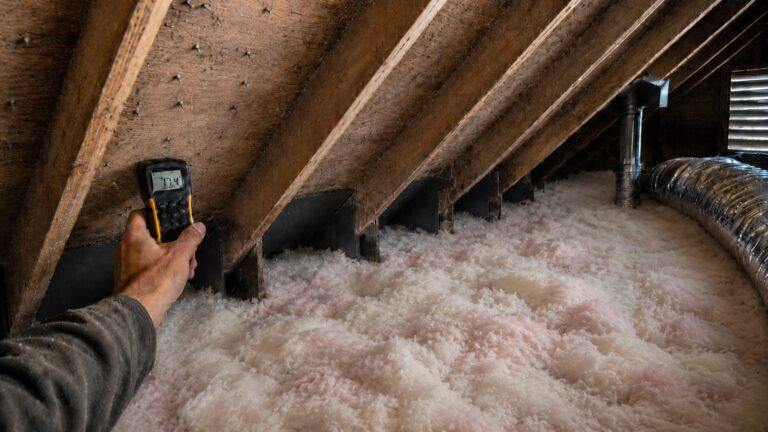
Poor attic ventilation can shorten roof life from underneath. In hot climates, trapped heat can accelerate asphalt aging. In cold or mixed climates, humid indoor air can condense on roof sheathing and framing. Over time, this can lead to wet decking, mold growth, nail loosening, and structural deterioration.
This is one of the main reasons a long-life shingle may not reach its expected lifespan. The surface product may be strong, but the roof deck below it may be exposed to heat and moisture stress. A long-lasting roofing brand should be paired with balanced attic ventilation and proper exhaust routing, especially for bathrooms, kitchens, and laundry areas.
Flashing failures
Flashing protects the areas where shingles alone cannot stop water reliably. Chimneys, skylights, valleys, walls, dormers, plumbing vents, and roof penetrations all need proper flashing. If the flashing is old, poorly installed, reused incorrectly, or sealed with short-term caulk, leaks can occur even when the shingles are still in good condition.
Many homeowners think their shingles failed when the actual problem is flashing. This matters because replacing shingles without correcting flashing defects may not solve the leak. A long-life roof quote should include flashing details, not just the shingle brand and warranty.
Moisture trapped under the roof
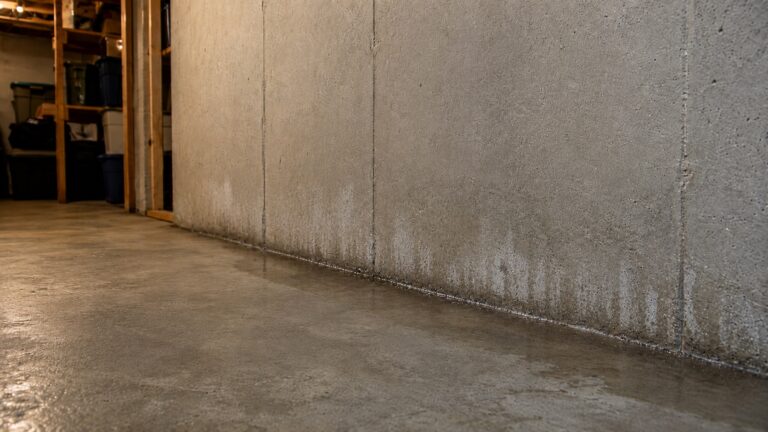
Moisture trapped under the roof can reduce the lifespan of any brand. Roof leaks, condensation, bathroom exhaust fans venting into the attic, damp insulation, blocked ventilation, and wet roof sheathing can all create conditions that damage the roof system from below.
When moisture stays in the roof assembly, shingles may lose support, fasteners may loosen, decking may rot, and mold may develop on framing. These problems can force roof repairs or replacement before the shingles have reached their normal service life. Long roof lifespan depends on keeping the roof system dry from both sides, not just choosing a better surface material.
How to Choose a Roofing Brand That Will Last
Choosing a roofing brand that will last means comparing the product, the roof system, the contractor, and the climate together. The best decision is not always the most expensive brand. It is the product line that fits the home’s exposure and is installed correctly by a contractor who understands the full roofing system.
Ask for the exact product line
Never compare quotes that only say “architectural shingles.” Ask for the exact product name and line. Also ask the roofer which shingle they personally prefer installing and why. A quote should identify the manufacturer, shingle model, color, warranty level, underlayment, starter shingles, ridge caps, ventilation products, flashing work, and any deck repair terms.
This makes the comparison much clearer. It allows you to compare TAMKO Heritage, Owens Corning Duration, CertainTeed Landmark Pro, Atlas Pinnacle Impact, IKO Nordic, Malarkey Legacy, GAF Timberline HDZ, or another specific product. Without that detail, you may be comparing very different levels of roof performance, and you may miss why a roofer trusts one line more than another.
Match the brand to your roof conditions
A long-lasting roof starts with matching the shingle to the home. If the roof gets hail, impact resistance matters. If the roof is shaded and humid, algae resistance matters. If the roof is exposed to strong wind, fastening and edge details matter. If the attic gets hot or damp, ventilation matters. If the roof has many valleys or penetrations, flashing quality matters.
This is why a good contractor should inspect more than the old shingles. The contractor should look at the roof deck, attic ventilation, flashing, valleys, penetrations, roof slope, drainage, and signs of past moisture problems. A shingle brand should be chosen after understanding those conditions, not before.
Compare warranties without relying on them completely
Warranty terms can help you compare brands, but they should not be the only deciding factor. Ask how long the non-prorated period lasts, what accessories are required, whether the contractor must be certified, what wind and algae limitations apply, and whether workmanship is covered separately.
Also ask what voids or limits the warranty. Improper ventilation, poor installation, storm damage, unauthorized roof modifications, or missing system components may affect coverage. A warranty is useful, but it is not a substitute for correct installation and maintenance.
Choose a contractor with brand experience
The longest-lasting roof often comes from a contractor who installs the chosen brand regularly. Brand experience matters because different manufacturers have specific requirements for nailing, accessories, ventilation, warranty upgrades, and system components. A contractor who understands the product is less likely to make avoidable installation mistakes.
Ask how often the contractor installs that brand, whether they follow the manufacturer’s installation requirements, and whether the written scope includes starter shingles, ridge caps, underlayment, flashing, ventilation, and decking repair terms. A detailed quote is usually a better sign than a vague quote with a familiar brand name.
Do not ignore early failure causes
If your previous roof failed early, find out why before choosing the next brand. If the cause was poor ventilation, bad flashing, low-quality installation, storm damage, or wet decking, those conditions must be corrected. Otherwise, even a stronger brand may repeat the same failure pattern.
This is where lifespan research connects directly to roof failure prevention. A long-lasting brand can reduce risk, but it cannot fix unresolved system problems. If you are replacing a roof because of early damage, compare the new brand with the conditions that caused the old roof to fail. That includes understanding why cheap roofing materials fail early and why low-cost shortcuts can shorten roof life.
When a Premium Long-Life Brand Is Worth the Upgrade
A premium roofing brand or upgraded shingle line is not always necessary, but it can be worth the added cost when the home has conditions that shorten roof life. The goal is not to buy the most expensive shingle automatically. The goal is to spend more only when the upgrade reduces a real risk, improves long-term performance, or helps the roof reach a longer useful service life.
You plan to stay in the home long term
If you plan to stay in the home for many years, a stronger roofing brand may be easier to justify. A premium shingle can reduce the chance of early replacement, repeated repairs, and appearance problems. It may also give you more confidence that the roof will hold up through several seasons of heat, rain, wind, and moisture exposure.
If you plan to sell soon, the upgrade may still help with buyer confidence, but the value depends on your market. Some buyers will appreciate a premium shingle brand, while others may only care that the roof is new and properly installed. In short-term ownership situations, installation quality and transferable warranty details may matter more than choosing the highest-end product.
Your roof has high weather exposure
Premium long-life shingles can make sense on roofs exposed to harsh weather. Homes in hail-prone, high-wind, hot, humid, or rain-heavy climates place more stress on shingles than homes in mild conditions. If your roof regularly faces severe storms, heavy UV exposure, or long periods of dampness, a stronger product line may reduce the risk of premature wear.
For example, an impact-resistant shingle may be worth considering in a hail-prone region. A shingle with stronger algae resistance may be worth considering on a shaded roof in a humid climate. Owens Corning Duration/SureNail may be especially worth considering in high-wind, hurricane-risk, or tropical-storm-prone areas because fastening consistency matters. A better-constructed architectural shingle may be worth considering on a steep, exposed roof that receives heavy sun and wind.
Your old roof failed earlier than expected
If your previous roof failed too soon, upgrading the shingle may help, but only after you understand why the old roof failed. If the problem was a weak shingle, a better brand may reduce future risk. If the problem was poor installation, inadequate ventilation, bad flashing, or wet decking, the same failure pattern can happen again with a premium product.
Before paying for a long-life brand, ask the contractor to inspect the roof deck, attic ventilation, flashing, valleys, penetrations, and evidence of past leaks. A premium shingle is most valuable when the roof system underneath it is also corrected.
Your roof design is difficult
Some roofs are harder on shingles than others. Complex roofs with many valleys, dormers, skylights, penetrations, low-slope sections, roof-to-wall transitions, or shaded areas have more places where water can slow down, collect, or enter. On these roofs, the shingle brand matters, but the detailing matters even more.
A premium shingle may be worthwhile on a complex roof, but only if the contractor also handles the vulnerable areas correctly. Valleys, flashing, underlayment, pipe boots, ridge caps, and ventilation details should be part of the conversation. A better shingle cannot compensate for weak roof design details.
You are comparing similar quotes
If two contractors offer similar workmanship quality and similar full-system installation details, choosing the stronger product line may be worth the extra cost. But if one quote includes better decking inspection, flashing replacement, ventilation improvements, and manufacturer-required accessories, that quote may produce a longer-lasting roof even if the shingle brand is not the most expensive option.
Homeowners should compare the entire scope of work, not just the brand. The best long-life roof quote is usually the one that combines a strong product line with a complete installation plan.
FAQs About Long-Lasting Roofing Shingle Brands
Which roofing brand lasts the longest?
There is no single roofing brand that lasts the longest on every home. But in my roofing experience, TAMKO gave me the most long-term confidence among the asphalt shingle brands I regularly worked with. Owens Corning was also good and is especially worth considering in wind-prone areas because of Duration/SureNail. CertainTeed was also good and can be treated as a strong premium/durability brand. The longest-lasting choice still depends on the exact shingle line, climate, roof design, ventilation, maintenance, and contractor workmanship.
Do premium shingles really last longer?
Premium shingles often have a better chance of lasting longer because they may use stronger construction, better granule adhesion, improved asphalt formulations, stronger sealants, or impact-resistant designs. However, they do not guarantee longer life if the roof is installed poorly or the attic has unresolved heat and moisture problems.
Does a longer roofing warranty mean the roof will last longer?
Not always. Warranty length and actual roof lifespan are not the same. A warranty may include prorated periods, exclusions, installation requirements, ventilation requirements, and separate limits for wind or algae coverage. A long warranty can be useful, but it should not be treated as a promise that the roof will last that long without problems.
What type of asphalt shingle usually lasts the longest?
Premium architectural, impact-resistant, polymer-modified, and rubberized asphalt shingles usually have better long-life potential than basic 3-tab shingles. The strongest choice depends on the climate. Hail-prone areas benefit from impact resistance. Humid areas benefit from algae resistance. Hot climates need good granule retention and proper attic ventilation.
Can installation affect how long a roofing brand lasts?
Yes. Installation can dramatically affect roof lifespan. High nails, overdriven nails, missing starter shingles, poor flashing, bad valley details, weak decking, and poor ventilation can all shorten the life of any roofing brand. A premium shingle installed poorly can fail earlier than a mid-grade shingle installed correctly.
Which shingles last longest in humid climates?
In humid climates, long-lasting shingles usually have strong algae resistance, good granule retention, and reliable moisture performance. Owens Corning, CertainTeed, Atlas, Malarkey, and GAF all offer algae-resistant options in different product lines, but I would still ask which exact shingle the roofer trusts in your local climate and why. Homeowners should also reduce tree shade, keep gutters clean, and correct attic ventilation problems.
Which shingles last longest in hot climates?
In hot climates, shingles with strong granule retention, good asphalt quality, and proven weathering performance tend to perform better. However, attic ventilation is critical. Excess heat under the roof deck can accelerate shingle aging from below. A long-life shingle may not last as expected if the attic stays overheated.
Is GAF, Owens Corning, CertainTeed, or Malarkey better for lifespan?
Each brand has long-life options, but they are not equal in my field experience. Owens Corning was good, and Duration/SureNail is especially worth considering in wind-prone areas. CertainTeed was also good and fits well as a premium/durability choice. Malarkey may be worth comparing where local roofers support it. GAF has broad availability, but it is the brand I would be most cautious about because some GAF shingles seemed less sticky, more prone to wind release, and more likely to show earlier wear than homeowners expected. That does not mean every GAF roof will fail, but I would ask the roofer why they trust that exact line.
Bottom Line: Which Shingles Have the Best Lifespan?
The shingles with the best lifespan are usually upgraded architectural, premium, impact-resistant, polymer-modified, or rubberized asphalt shingles installed as part of a complete roof system. In my own roofing experience, TAMKO gave me the most long-term confidence among the asphalt shingle brands I regularly worked with because it seemed to have more asphalt/tar, sealed well, handled well, and appeared more likely to hold up close to warranty-life expectations. Owens Corning was also good and deserves special attention in wind-prone areas because Duration/SureNail can support better fastening consistency. CertainTeed was also good and fits well as a premium/durability choice. GAF is widely available, but based on my older field experience, it is the brand I would ask the most questions about regarding sealing, wind release, and earlier wear.
The safest way to choose is to compare the exact product line, not just the brand name. Ask what shingle is being installed, what ventilation and flashing work are included, whether damaged decking will be replaced, and what workmanship warranty backs the job. A strong shingle brand helps, but the longest-lasting roof comes from matching the shingle, contractor, climate, ventilation, flashing, decking, and warranty together.
- Product line matters more than brand name alone.
- Based on my field experience, TAMKO is my top pick, Owens Corning and CertainTeed were also good, Atlas and IKO are worth comparing with local roofer support, and GAF is the brand I would be most cautious about.
- Premium architectural, impact-resistant, polymer-modified, and rubberized asphalt shingles usually have stronger lifespan potential than basic shingles.
- Owens Corning Duration/SureNail is especially worth asking about in high-wind areas.
- Poor installation, bad ventilation, weak decking, and flashing failures can shorten the life of any roofing brand.