Best Dehumidifier Drain Hose Kits for Continuous Drainage
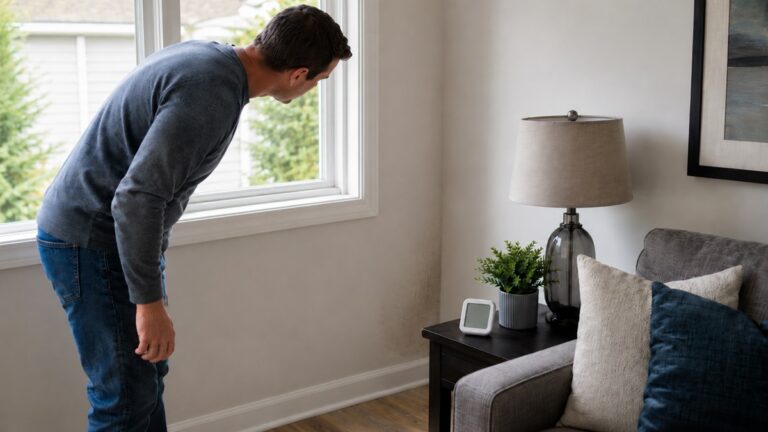
A dehumidifier can pull a surprising amount of water out of a damp basement, laundry room, garage, or utility space, but emptying the bucket every day gets old fast. If the bucket fills while you are away, the unit usually shuts off, humidity rises again, and the room can start feeling damp. That is why a simple drain hose is one of the most useful dehumidifier accessories for homeowners dealing with moisture control.
If you have ever walked downstairs and found the dehumidifier off with a full bucket, you already know why continuous drainage matters.
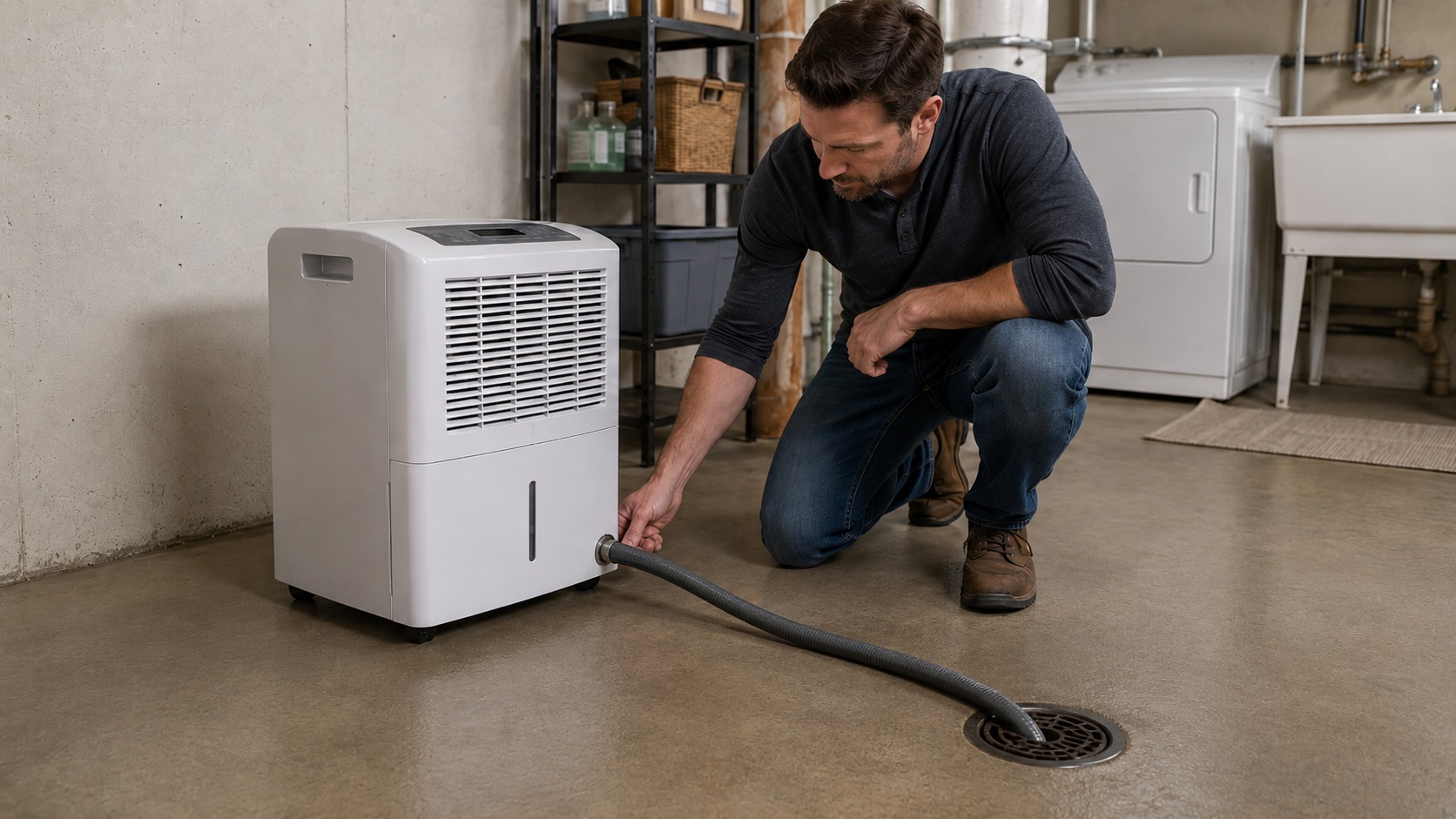
The best dehumidifier drain hose kits let you route collected water directly to a floor drain, utility sink drain, condensate drain, or another safe drainage point.
For many residential dehumidifiers, this means using a standard garden-hose-thread connection and keeping the hose sloped downward for gravity drainage. In other situations, especially when the drain is higher than the dehumidifier, a small condensate pump may be needed instead of a normal hose.
This guide compares practical Amazon options for homeowners who want easier continuous drainage without turning the article into a full dehumidifier buying guide. If you are still choosing the right unit, start with how to choose and use a dehumidifier effectively.
Below are the best dehumidifier drain hose kits for common home setups, including short gravity hoses, longer floor-drain hoses, and one pump-assisted option for rooms without a usable floor drain.
Amazon affiliate disclosure: As an Amazon Associate, DryHomeGuide may earn from qualifying purchases at no extra cost to you.
Quick Picks: Best Dehumidifier Drain Hose Kits
- Best Overall: Flexzilla Garden Lead-in Hose 5/8 in. x 5 ft.
- Best Short Metal Hose: BlueGarden Short Metal Garden Hose 5 ft Connector
- Best Dehumidifier-Specific Hose: Beaulife Metal Short Garden Hose 5ft Connectors
- Best Heavy-Duty Short Hose: Cesun Metal Garden Hose 5FT
- Best Extra-Short Hose for Nearby Drains: Giraffe Tools Garden Hose 2ft x 5/8″
- Best Long Hose for Farther Floor Drains: Bionic Steel 25 Ft Metal Garden Hose
- Best Pump Kit for No Floor Drain: Aquastrong Automatic Condensate Pump for HVAC
Quick Decision Guide
- Drain is within 2 feet: Choose the Giraffe Tools 2-foot hose.
- Drain is within 5 feet: Choose Flexzilla, Beaulife, BlueGarden, or Cesun.
- Drain is farther away: Choose the Bionic Steel 25-foot hose only if the hose can slope downward.
- Drain is higher than the dehumidifier: Choose a condensate pump instead of a gravity hose.
Best Dehumidifier Drain Hose Kits Reviewed
Each option below fits a different drainage layout. The best pick depends on whether your drain is right beside the unit, several feet away, or too high for gravity drainage.
Flexzilla Garden Lead-in Hose 5/8 in. x 5 ft.
Best for: Most homeowners who need a short gravity drain hose.
The Flexzilla Garden Lead-in Hose is the best overall choice for many homeowners because it solves the everyday drainage problem most people run into: getting water from the unit to a nearby floor drain without using a stiff, awkward hose. Many full-size residential dehumidifiers use a standard garden-hose-style drain connection, and a short 5-foot lead-in hose is often enough for basement, laundry room, or utility room setups.
This is not a complicated product, which is part of its appeal. It is flexible enough for tight spaces, short enough to avoid excessive loops on the floor, and durable enough for regular household use. It works best when the dehumidifier is placed near a floor drain and the hose can slope downward the whole way. If you are still deciding where the unit should sit, read where to place a dehumidifier in your home before finalizing the hose length.
Key Features
- 5-foot length works well for nearby floor drains and utility areas.
- 5/8-inch hose size gives enough flow capacity for normal dehumidifier drainage.
- Flexible construction is easier to route than many stiff drain hoses.
- Short lead-in format reduces clutter around the dehumidifier.
- Suitable for standard garden-hose-style dehumidifier drain outlets.
Pros
- ✔ Excellent all-around choice for short gravity drainage runs.
- ✔ Easier to position than many rigid or stiff hoses.
- ✔ Short length helps reduce trip hazards in basements and utility rooms.
- ✔ Good fit for homeowners who want a simple, reliable drain setup.
Cons
- ✖ Not long enough if the floor drain is across the room.
- ✖ Still requires a downward slope; it will not move water uphill.
- ✖ May not fit compact dehumidifiers that use a small proprietary drain tube instead of a garden-hose connection.
Best For
- Basement dehumidifiers placed close to a floor drain.
- Laundry rooms with a nearby safe drainage point.
- Homeowners who want the safest first choice for continuous gravity drainage.
Check the Flexzilla Garden Lead-in Hose 5/8 in. x 5 ft. on Amazon to see current availability.
BlueGarden Short Metal Garden Hose 5 ft Connector
Best for: Homeowners who want a compact short metal hose.
The BlueGarden Short Metal Garden Hose makes sense when you want a compact metal hose instead of a soft rubber or polymer-style drain line. A 5-foot metal connector hose can be useful when the dehumidifier sits close to the drain but the hose may be bumped, stepped near, or routed along a wall. Metal hoses are also less likely to collapse flat under light pressure compared with very soft tubing.
For dehumidifier use, you do not need to obsess over outdoor watering specs. The important question is whether the hose fits the drain outlet, reaches the drain, and allows water to flow downhill without kinks or dips. This BlueGarden hose is best used as a short gravity-drain connector, not as a long drainage solution.
Key Features
- 5-foot length is appropriate for close dehumidifier-to-drain placement.
- Metal hose body resists flattening better than many soft hoses.
- Compact connector style is easier to manage indoors than a full-length garden hose.
- Useful where the hose may run beside storage bins, walls, or utility equipment.
- Works best with dehumidifiers that accept standard garden-hose-style fittings.
Pros
- ✔ Strong short-hose option for tight utility spaces.
- ✔ Metal construction can feel more durable than basic vinyl tubing.
- ✔ Less bulky than a long outdoor garden hose.
- ✔ Good choice when the hose needs to stay neatly routed along the floor.
Cons
- ✖ Less flexible than some soft hybrid hoses.
- ✖ Short length limits placement options.
- ✖ Not the best choice if the hose needs to curve tightly behind the dehumidifier.
Best For
- Small basements or utility rooms where the drain is nearby.
- Homeowners who want a short metal hose instead of a soft drain hose.
- Dehumidifiers placed in traffic-adjacent areas where the hose may get nudged.
Check the BlueGarden Short Metal Garden Hose 5 ft Connector on Amazon to see current availability.
Beaulife Metal Short Garden Hose 5ft Connectors
Best for: Homeowners who want a hose marketed specifically for dehumidifier drainage.
The Beaulife Metal Short Garden Hose stands out because it is directly marketed for dehumidifier drainage as well as general short-hose uses. That is helpful if you do not want to guess whether a regular-looking hose will actually make sense behind a dehumidifier. It is still important to check your dehumidifier manual, but this is one of the most relevant hose options for this specific article topic.
This hose fits the reader who has already checked the drain outlet and just wants a short metal connection that feels more purpose-built than a leftover garden hose. Like the other gravity drain hoses in this guide, it depends on proper placement. If the drain is higher than the dehumidifier outlet, a hose alone will not solve the problem. In that case, you may need the pump option later in this guide or a dedicated condensate pump comparison.
Key Features
- 5-foot length fits many nearby floor-drain setups.
- Metal hose design helps resist kinking and flattening.
- Relevant for dehumidifier drainage when a garden-hose connection is used.
- Compact enough for basements, laundry rooms, and utility spaces.
- Can also serve as a short utility hose outside dehumidifier season.
Pros
- ✔ Strong relevance to dehumidifier drain hose searches.
- ✔ Good option for homeowners who want a hose specifically associated with dehumidifier drainage.
- ✔ Short length is easier to control indoors.
- ✔ Metal body can reduce collapse risk compared with lightweight tubing.
Cons
- ✖ Still must be matched to the dehumidifier’s drain fitting.
- ✖ Not useful if the drain is far away.
- ✖ Metal hoses can be less forgiving in very tight bends.
Best For
- Homeowners who want a short hose that is clearly relevant to dehumidifier drainage.
- Basement dehumidifiers located near a floor drain.
- Utility rooms where a neat, compact drain line is preferred.
Check the Beaulife Metal Short Garden Hose 5ft Connectors on Amazon to see current availability.
Cesun Metal Garden Hose 5FT
Best for: Basements and utility spaces where the hose may get bumped.
The Cesun Metal Garden Hose 5FT is another strong short metal hose for homeowners who want a sturdier-feeling drain connection. It fits the same basic role as the other 5-foot hoses in this guide: short gravity drainage from a dehumidifier to a nearby drain. The reason to choose this one is durability preference, not because it changes how dehumidifier drainage works.
This type of hose is especially useful in unfinished basements or utility spaces where a lightweight hose may get moved, pinched, or buried behind stored items. A short metal hose can help keep the drain path more consistent, as long as the hose is not forced into sharp bends. For best results, place the dehumidifier close enough to the drain that the hose can run smoothly downward without loops.
Key Features
- 5-foot metal hose length fits short drainage routes.
- Stainless-style construction gives a more rugged feel than basic tubing.
- Short connector format is practical for indoor utility spaces.
- Useful for dehumidifiers with standard garden-hose-style drain connections.
- Good choice when the hose may be routed near stored items or equipment.
Pros
- ✔ Durable-feeling short hose for demanding indoor spaces.
- ✔ Less likely to flatten than very soft drain tubing.
- ✔ Good fit for basement and garage utility areas.
- ✔ Short length reduces excess hose on the floor.
Cons
- ✖ Not ideal for long drainage runs.
- ✖ May not coil or bend as easily as a soft flexible hose.
- ✖ Overkill if the hose will sit undisturbed behind the unit.
Best For
- Basements where the hose may be exposed to occasional bumps.
- Utility rooms with stored tools, boxes, or equipment nearby.
- Homeowners who want a tougher short hose for continuous dehumidifier drainage.
Check the Cesun Metal Garden Hose 5FT on Amazon to see current availability.
Giraffe Tools Garden Hose 2ft x 5/8″
Best for: Dehumidifiers placed almost directly beside a drain.
The Giraffe Tools Garden Hose 2ft x 5/8″ is the best choice when the dehumidifier is almost directly beside the floor drain. A longer hose is not always better. Extra hose can create loops, low spots, and trip hazards. If the unit sits close to the drain, a 2-foot hose may be cleaner and safer than a 5-foot or 25-foot option.
This is not the hose to buy “just in case.” It works best when the drain is genuinely right beside the unit. It should not be used if you need to route the hose around a corner, behind shelving, or across a room. But for a dehumidifier sitting next to a basement drain, near a utility sink drain opening, or beside an approved condensate drain, the short length can make the setup look cleaner and reduce the chance of someone kicking or moving the hose.
Key Features
- 2-foot length is ideal for very close drain placement.
- 5/8-inch hose size works for many standard garden-hose-style applications.
- Hybrid hose construction is flexible for short indoor routing.
- Male-to-female fitting design suits connector-style use.
- Helps reduce extra hose loops around the dehumidifier.
Pros
- ✔ Excellent for dehumidifiers placed immediately beside a drain.
- ✔ Reduces clutter compared with longer hoses.
- ✔ Easier to keep sloped downward over a very short distance.
- ✔ Good choice for clean, minimal drainage setups.
Cons
- ✖ Too short for many basements.
- ✖ Gives very little flexibility if you move the dehumidifier later.
- ✖ Not useful when the drain is behind obstacles or across the room.
Best For
- Dehumidifiers placed right beside a floor drain.
- Small utility rooms where extra hose would create clutter.
- Homeowners who want the shortest practical continuous-drain setup.
Check the Giraffe Tools Garden Hose 2ft x 5/8″ on Amazon to see current availability.
Bionic Steel 25 Ft Metal Garden Hose
Best for: Farther floor drains where the hose can still slope downward.
The Bionic Steel 25 Ft Metal Garden Hose is the best option in this list when the floor drain is not right beside the dehumidifier. Some basements have the best dehumidifier location on one side of the room but the floor drain several feet away. In that situation, a short hose will not reach, and a longer metal hose may give you more placement flexibility.
The main caution is slope. A long gravity drain hose must keep moving downward from the dehumidifier outlet to the drain. If the hose dips, loops, rises, or crosses a raised threshold, water can sit inside the hose or back up toward the dehumidifier.
If you need to move water uphill, this is the wrong product category. For help deciding whether the unit location itself is the problem, see where to place a dehumidifier in your home.
This is the kind of hose that makes sense in an awkward basement, not in a tight laundry closet where most of the length would sit coiled on the floor.
Key Features
- 25-foot length reaches farther floor drains than short connector hoses.
- Metal hose construction helps resist crushing and kinking.
- Useful when dehumidifier placement and drain location do not line up closely.
- Can be routed along basement walls when kept sloped correctly.
- Suitable for standard garden-hose-style dehumidifier outlets.
Pros
- ✔ Better reach for larger basements and garages.
- ✔ Metal construction is useful when the hose runs through exposed areas.
- ✔ Gives more flexibility for dehumidifier placement.
- ✔ Good choice when a nearby drain is not available.
Cons
- ✖ More hose length means more chances for dips or poor slope.
- ✖ Can become a trip hazard if routed across walking paths.
- ✖ Not a substitute for a pump when drainage must move upward.
Best For
- Large basements where the floor drain is farther away.
- Garage or utility room setups with a safe drain across the wall.
- Homeowners who need extra reach but can still maintain downhill flow.
Check the Bionic Steel 25 Ft Metal Garden Hose on Amazon to see current availability.
When Gravity Drainage Will Not Work
The hose options above depend on gravity. If the drain is higher than the dehumidifier outlet, or if the water has to travel upward to a sink, a condensate pump is the better type of solution.
Aquastrong Automatic Condensate Pump for HVAC
Best for: Dehumidifier setups without a usable floor drain.
The Aquastrong Automatic Condensate Pump is included because some homeowners do not have a usable floor drain near the dehumidifier. In that case, a regular gravity hose may not work. If the water has to move upward to a sink, laundry standpipe area, window drain route, or higher condensate drain, a pump-assisted setup may be necessary.
This product should not be confused with the drain hoses above. A hose only works when gravity can carry the water downward. A condensate pump collects water and moves it through tubing to a higher or farther discharge point. That makes it useful for certain basement and HVAC-related moisture problems, but it also adds more setup complexity. For a full pump-focused comparison, use a dedicated guide such as your separate best condensation pumps for HVAC systems article rather than treating this article as a full pump roundup.
Because this is an electrical pump used around water, follow the manufacturer’s installation instructions and keep the pump plugged into a properly protected outlet.
Key Features
- Designed to move condensate from dehumidifiers, HVAC systems, and similar equipment.
- Automatic operation helps manage collected water without bucket emptying.
- Useful when the drain point is higher than the dehumidifier outlet.
- Safety switch design can help with system control when installed correctly.
- Best used where gravity drainage is not practical.
Pros
- ✔ Solves drainage problems that a normal hose cannot solve.
- ✔ Useful for basements without a nearby floor drain.
- ✔ Helps route water to a higher or farther drain point.
- ✔ Good backup recommendation for difficult dehumidifier placement situations.
Cons
- ✖ More complex than a simple gravity drain hose.
- ✖ Requires power and correct installation.
- ✖ Not necessary when a floor drain is nearby and lower than the dehumidifier outlet.
- ✖ Should not be treated as a full replacement for proper drainage planning.
Best For
- Basements without a nearby floor drain.
- Dehumidifiers that must drain upward to a utility sink or other higher drain point.
- Homeowners who cannot rely on gravity drainage because of room layout.
Check the Aquastrong Automatic Condensate Pump for HVAC on Amazon to see current availability.
Product Comparison Table
| Product | Best For | Best Use Case | Key Strengths | Main Limitation | Amazon Link |
|---|---|---|---|---|---|
| Flexzilla Garden Lead-in Hose 5/8 in. x 5 ft. | Best Overall | Most nearby floor drain setups | Flexible, manageable length, good everyday fit | Not long enough for distant drains | View on Amazon |
| BlueGarden Short Metal Garden Hose 5 ft Connector | Best Short Metal Hose | Tight utility rooms and basements | Compact metal design, resists flattening | Less flexible than soft hybrid hoses | View on Amazon |
| Beaulife Metal Short Garden Hose 5ft Connectors | Best Dehumidifier-Specific Hose | Homeowners wanting a clearly relevant drain hose | Short metal hose, dehumidifier-relevant listing, compact size | Still requires correct fitting and downhill slope | View on Amazon |
| Cesun Metal Garden Hose 5FT | Best Heavy-Duty Short Hose | Basements where the hose may get bumped | Durable-feeling metal body, short indoor-friendly length | Not ideal for very tight bends | View on Amazon |
| Giraffe Tools Garden Hose 2ft x 5/8″ | Best Extra-Short Hose for Nearby Drains | Dehumidifiers placed directly beside a drain | Minimal clutter, easy short drainage path | Too short for many rooms | View on Amazon |
| Bionic Steel 25 Ft Metal Garden Hose | Best Long Hose for Farther Floor Drains | Larger basements and farther drain locations | Long reach, metal construction, placement flexibility | Needs careful slope management | View on Amazon |
| Aquastrong Automatic Condensate Pump for HVAC | Best Pump Kit for No Floor Drain | Drainage where water must move upward | Moves condensate when gravity drainage will not work | More complex than a hose and requires power | View on Amazon |
Buying Guide: How to Choose a Dehumidifier Drain Hose
The right drain hose is mostly about your room layout, not just the brand name on the hose. Before choosing a hose, look at the dehumidifier, the drain location, and the path between them.
The best dehumidifier hose for your home is usually the shortest hose that reaches the drain without kinks, loops, or uphill sections.
Start With the Dehumidifier’s Drain Connection
Many full-size home dehumidifiers use a threaded outlet that accepts a standard garden hose connection. That is why several products in this guide are short garden-hose-style connectors rather than proprietary dehumidifier hoses. However, not every unit uses the same setup. Compact dehumidifiers may use small tubing, a rubber drain plug, or a brand-specific adapter.
Before buying, check the owner’s manual or the drain outlet on the back of the unit. If the outlet is made for a garden hose, the products in this guide are much more likely to fit. If the outlet uses small tubing, look for the manufacturer’s recommended drain hose instead.
If your unit uses a standard threaded outlet, a garden hose for dehumidifier drainage is often the simplest solution.
Choose the Shortest Hose That Reaches Comfortably
A shorter hose is usually better for dehumidifier drainage. It is easier to keep sloped, easier to keep out of the way, and less likely to collect standing water. If the drain is right beside the dehumidifier, the Giraffe Tools 2-foot hose may be enough. If the drain is a few feet away, a 5-foot hose like the Flexzilla, BlueGarden, Beaulife, or Cesun is usually more practical.
For most basement dehumidifier drain hose setups, 2 to 5 feet is easier to manage than a long hose stretched across the room.
For example, a dehumidifier sitting two feet from a basement floor drain usually does not need a 25-foot hose coiled behind it.
Use a longer hose like the Bionic Steel 25-foot option only when the drain is farther away and you can still route the hose downward. Long hoses are useful, but they also make setup mistakes easier.
Decide Between Soft Flexible and Metal Hose Designs
Soft flexible hoses are easier to bend behind a dehumidifier and may be better when the outlet is close to a wall. Metal hoses can be more resistant to flattening and may feel more durable in unfinished basements or utility rooms.
Neither design automatically drains better. Drainage depends on the slope, connection, and path. Choose a soft hose when flexibility matters most. Choose a metal hose when the hose may be exposed, bumped, or routed along an open floor edge.
Know When You Need a Pump Instead of a Hose
A drain hose cannot push water uphill. If the drain point is higher than the dehumidifier outlet, gravity drainage will not work reliably. This is where a condensate pump, such as the Aquastrong option in this guide, becomes relevant.
A dehumidifier drain pump is only necessary when gravity cannot carry the water to the drain.
A common example is a basement dehumidifier that needs to drain into a laundry sink. If the sink rim is higher than the dehumidifier outlet, gravity alone will not get the water there.
You may also need a pump if the hose path must rise over a threshold or route upward to a drain. If you are comparing multiple pump models, use a dedicated pump guide instead of relying only on a drain hose article.
Match the Hose to the Room
For basements, prioritize a short, durable hose and a clean path to the floor drain. For laundry rooms, keep the hose away from washer hoses, dryer vents, and foot traffic. For garages, use a hose that can handle being near stored items and keep the drain path protected. For crawl space dehumidifiers, check the dehumidifier manufacturer’s installation requirements because crawl space units often have different drainage needs than portable indoor models.
If your moisture problem is bigger than a bucket-emptying inconvenience, also review how to find, fix, and prevent moisture problems in homes. A drain hose helps manage collected water, but it does not fix the source of the moisture.
How to Set Up a Dehumidifier Drain Hose Correctly
A continuous drainage setup works best when the hose connection is tight, the drain is open, and the hose has a steady downward path.
Keep the Hose Sloped Downward
The most important setup rule is simple: water must be able to flow downhill. A hose that dips below the drain path and rises again can trap water. A hose that loops on the floor can also hold water and slow drainage. Try to place the dehumidifier higher than the drain opening or close enough that the hose can run directly downward.
Before relying on continuous drainage, make sure the floor drain is open and safe to use. A clogged or slow floor drain can leave water sitting on the floor even if the dehumidifier hose is connected correctly.
Check the Connection for Drips
After attaching the hose, run the dehumidifier and watch the connection for a while. A loose connection can drip behind the unit and create the exact moisture problem you are trying to avoid. Hand-tighten the fitting carefully. Do not overtighten plastic dehumidifier threads, because that can damage the outlet.
If the dehumidifier has plastic threads, start the hose gently by hand. Cross-threading the connection can cause leaks around the outlet.
Also check that any drain cap, plug, or internal bucket setting is positioned correctly, since some dehumidifiers will still send water to the bucket if the drain outlet is not fully opened.
Route the Hose Away From Foot Traffic
Even a small drain hose can become a trip hazard. In a basement or garage, run the hose along a wall when possible. Avoid routing it across a walkway, in front of laundry machines, or through storage paths. If you must cross an open area, reconsider the dehumidifier location or use a pump-assisted setup.
Clean the Hose Periodically
A dehumidifier drain hose can collect dust, slime, mineral deposits, or small debris over time. If the hose drains slowly, disconnect it and flush it out. This belongs to routine dehumidifier care, along with filter cleaning and bucket cleaning. For a broader routine, see how to maintain a dehumidifier.
If the hose develops a musty smell or drains slowly, treat it as a maintenance issue rather than assuming the dehumidifier itself has failed.
Do Not Seal the Hose End Into the Drain
The hose should discharge safely into an open drain area, but it should not be jammed or sealed into a drain in a way that could cause backup problems. Leave the setup accessible so you can inspect it for clogs, slow drainage, or leaks.
Use the Hose as Part of a Moisture-Control Plan
A drain hose makes a dehumidifier easier to run continuously, but it does not tell you whether your humidity target is correct. For mold prevention, you still need to monitor indoor humidity and use the right dehumidifier settings. For more detail, see best dehumidifier settings to prevent mold and how to test indoor humidity levels.
Common Dehumidifier Drain Hose Mistakes to Avoid
Using a Long Hose When a Short Hose Would Work Better
Long hoses look convenient, but they are not always better. Extra hose can create low spots where water sits. If the drain is close, use a short hose. The goal is not maximum reach; the goal is a clean, downward path.
Assuming Every Dehumidifier Uses a Garden Hose Connection
Many full-size units do, but not all dehumidifiers are the same. Some compact models require small tubing or brand-specific parts. Check the outlet before buying one of these drain hose kits.
Trying to Drain Uphill Without a Pump
A gravity drain hose cannot lift water. If the hose has to rise to reach the drain, the setup is likely to fail or drain poorly. Use a condensate pump when water needs to move upward.
Letting the Hose Sit in Standing Water
If the end of the hose sits below standing water in a clogged floor drain area, drainage can slow and dirty water may remain around the hose. Keep the drain area clear and make sure water is actually leaving the space.
Ignoring the Original Moisture Source
A drain hose helps the dehumidifier run without constant bucket emptying, but it does not repair leaks, seepage, or water intrusion. If humidity keeps returning quickly after the unit runs, the home may have a recurring moisture source. In that case, review why moisture problems keep returning.
For example, if the bucket fills quickly every day after heavy rain, the hose may be working fine while the basement still has a seepage or drainage problem.
Forgetting to Check the Hose After Moving the Dehumidifier
A surprisingly common mistake is setting up the hose once and never checking it again. Dehumidifiers get moved for cleaning, storage, or sweeping, and even a small shift can change the hose slope or create a dip that was not there before.
When a Drain Hose Is Not Enough
A drain hose helps remove water collected by the dehumidifier, but it does not fix the reason the room is damp. If the hose is working and humidity still climbs quickly, look for a larger moisture source such as basement seepage, plumbing leaks, poor ventilation, or wet building materials.
FAQ About the Best Dehumidifier Drain Hoses
Do all dehumidifiers use the same drain hose?
No. Many full-size residential dehumidifiers use a standard garden-hose-style drain connection, but some smaller or specialized units use different tubing or adapters. Always check the manual or the drain outlet before buying a hose.
What size hose do I need for a dehumidifier drain?
Many full-size dehumidifiers use a standard garden-hose-style connection, but the correct hose size depends on the model. Check your manual before buying, especially if you have a compact dehumidifier or a crawl space unit.
Can I use a regular garden hose for a dehumidifier?
Yes, if your dehumidifier has a compatible garden-hose-style drain outlet. A short garden hose or lead-in hose is often used for continuous gravity drainage. The hose still needs a clear downward slope to the drain.
Is a 5-foot hose long enough for a basement dehumidifier?
It is long enough if the dehumidifier is close to a floor drain. For many basement setups, 5 feet is ideal because it reaches the drain without leaving excess hose on the floor. If the drain is farther away, a longer hose may be needed.
When should I choose a 2-foot hose?
A 2-foot hose is best when the dehumidifier sits almost directly beside the drain. It is too short for many rooms, but it can create a clean setup when the drain is very close.
When do I need a condensate pump instead of a hose?
You need a condensate pump when water must move upward or across a route where gravity drainage will not work. A hose can only drain reliably when water flows downhill from the dehumidifier to the drain.
Can a drain hose prevent mold?
A drain hose can help a dehumidifier run continuously by preventing bucket shutoff, which may help maintain better humidity control. However, it does not guarantee mold prevention and will not fix leaks, seepage, or hidden moisture sources.
Why is water not draining through my dehumidifier hose?
Common causes include a loose connection, a clog, a kink, or a hose that rises instead of slopes downward. The dehumidifier may also be set high enough that it is not currently removing moisture.
Will the bucket still fill when a drain hose is connected?
On many dehumidifiers, the unit bypasses the bucket when the drain hose is connected correctly. If the bucket still fills, the hose may not be seated properly, the outlet may be blocked, or the unit may require a specific setting or adapter.
Should I choose a metal hose or flexible hose?
Choose a flexible hose when you need easier bending in a tight space. Choose a metal hose when the hose may be exposed to bumps, light pressure, or open-floor routing. The best choice depends on your room layout, not just the hose material.
Conclusion
For most homeowners, the Flexzilla Garden Lead-in Hose 5/8 in. x 5 ft. is the best overall dehumidifier drain hose because it is flexible, short, and practical for nearby floor drains. If you prefer a metal hose, the BlueGarden Short Metal Garden Hose, Beaulife Metal Short Garden Hose, and Cesun Metal Garden Hose are all strong short-drain options.
Choose the Giraffe Tools 2-foot hose only when the drain is extremely close. Choose the Bionic Steel 25-foot hose when the drain is farther away but the hose can still slope downward. If there is no floor drain or water must move uphill, the Aquastrong Automatic Condensate Pump is a good solution.
Once drainage is set up, your next step is deciding how long to run a dehumidifier each day so the room stays consistently dry without unnecessary operation.
A drain hose is a convenience and consistency upgrade. It helps the dehumidifier keep running, but it should be paired with humidity monitoring, leak awareness, and routine maintenance.
The best choice is the one that fits the room without forcing the hose to climb, loop, or cross a walkway. A dehumidifier drain hose kit is a simple accessory, but the wrong length, poor slope, or wrong connection can make it frustrating. Choose the shortest practical hose, keep the route downhill, and treat continuous drainage as part of a larger moisture-control plan.