
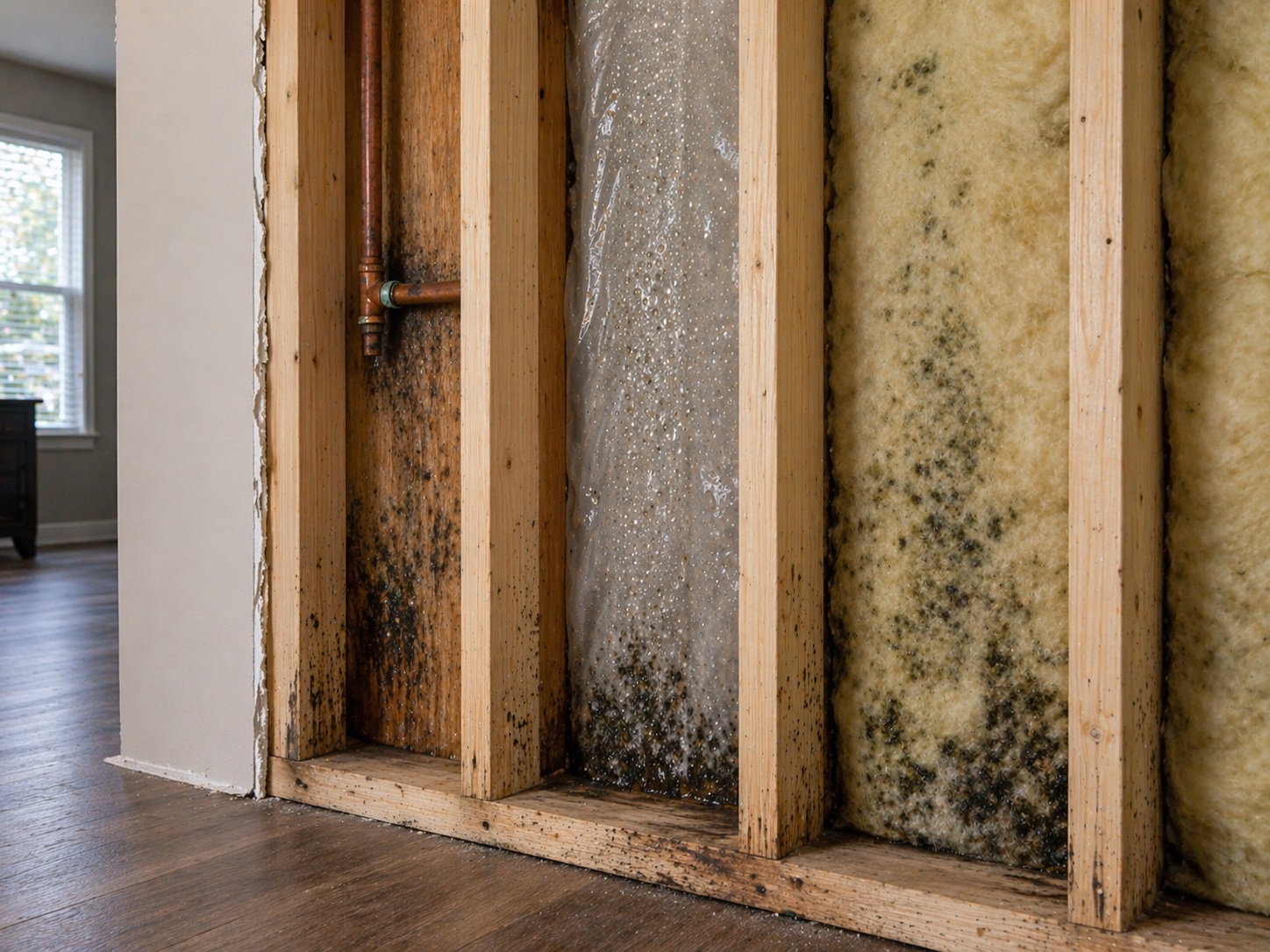
What Causes Mold in Walls? (Common Sources of Hidden Mold Explained)
Mold inside walls rarely appears without a reason. In most cases, mold develops after moisture enters wall materials and remains trapped long enough to support growth. Understanding what causes mold in walls helps homeowners identify risk factors early and prevent damage before mold spreads.
Many mold problems begin with small moisture issues that go unnoticed. Hidden leaks, humidity buildup, and condensation often create conditions where mold develops inside drywall and insulation. If you suspect moisture but are unsure where to inspect first, the parent guide on how to find hidden moisture in different areas of your home can help you focus on the most likely problem areas.
This article focuses on root causes: where the moisture comes from, why it can stay trapped inside wall cavities, and which conditions make hidden wall mold more likely.
What Causes Mold in Walls?
Mold inside walls is almost always caused by moisture that remains trapped inside building materials. When moisture combines with organic materials such as drywall or wood, mold spores begin growing rapidly.
The most common causes of mold in walls include:
- Hidden plumbing leaks
- Roof leaks and water intrusion
- High indoor humidity levels
- Condensation inside walls
- Poor ventilation
- Flooding or water damage
- Exterior water intrusion
- Incomplete or improper repairs
Although mold spores exist naturally indoors, they only grow when moisture conditions allow it.
Most Common Moisture Sources Behind Wall Mold
Hidden wall mold usually develops when one of the following moisture sources stays active long enough to wet drywall, insulation, or framing.
Cause 1: Hidden Plumbing Leaks
Hidden plumbing leaks are one of the leading causes of mold inside walls. Even small leaks can introduce enough moisture to support mold growth if they remain unresolved.
Common plumbing-related causes include:
- Loose pipe connections
- Aging plumbing materials
- Pinhole leaks in copper pipes
- Damaged pipe fittings
- Slow leaks behind fixtures
Because these leaks often remain hidden inside wall cavities, mold may develop before visible damage appears.
If you suspect a hidden plumbing leak, identifying the source quickly helps prevent mold growth. Our guide on how to find hidden water leaks inside walls explains how to locate hidden leak sources safely.
Cause 2: Roof Leaks and Water Intrusion
Roof leaks are another major cause of mold growth inside walls. Water entering through damaged roofing materials often travels downward through structural components, eventually reaching interior wall cavities.
Common roof-related causes include:
- Missing or damaged shingles
- Faulty flashing around roof openings
- Clogged gutters causing overflow
- Ice dams forming during cold weather
- Damaged roof vents
Roof leaks often cause moisture to spread across large areas before visible damage appears. In many cases, mold begins growing inside walls long before ceiling stains become noticeable.
Cause 3: High Indoor Humidity Levels
High humidity inside the home can cause moisture to accumulate inside walls even when no visible leaks exist. Humidity-related mold growth often develops slowly but becomes severe over time.
Elevated indoor humidity significantly increases the risk of mold growth. For recommended humidity ranges and moisture thresholds, review our guide on moisture levels that indicate water damage.
Common sources of high indoor humidity include:
- Frequent hot showers
- Cooking without proper ventilation
- Drying clothes indoors
- Poor airflow between rooms
- Basement humidity buildup
Tracking indoor humidity with a hygrometer helps confirm whether indoor conditions are staying in a mold-risk range. For measurement methods and placement tips, see how to test indoor humidity levels.
Cause 4: Condensation Inside Walls
Condensation inside walls is one of the most overlooked causes of mold growth. Unlike plumbing leaks or flooding, condensation develops gradually and may go unnoticed for long periods.
Condensation occurs when warm, humid air contacts cooler surfaces inside walls. When this happens repeatedly, moisture accumulates within wall cavities and creates conditions that support mold growth.
Common conditions that cause condensation inside walls include:
- Poor insulation inside exterior walls
- Large temperature differences between indoor and outdoor air
- High indoor humidity levels
- Cold wall surfaces during winter months
- Improper vapor barrier installation
Condensation-related mold problems often appear in exterior-facing walls because these areas experience temperature changes more frequently. Over time, repeated moisture buildup inside these walls creates ideal conditions for mold growth.
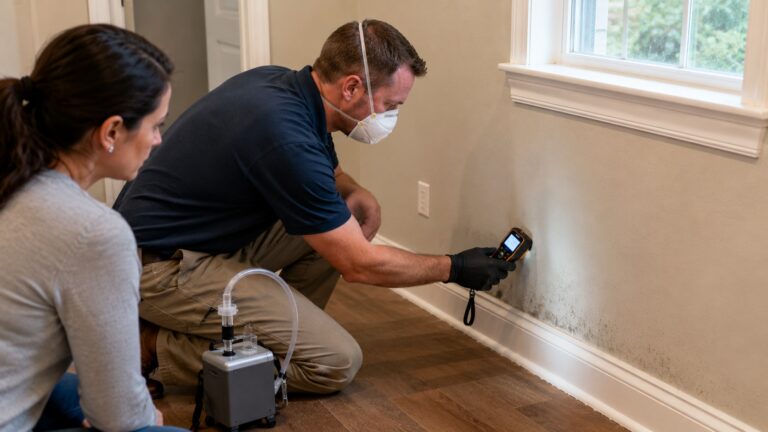
If condensation occurs regularly, moisture may remain trapped inside materials even when surfaces appear dry. Detecting these moisture patterns early is important. Using techniques from our how to detect moisture without opening walls guide can help confirm whether hidden moisture is present.
Cause 5: Poor Ventilation
Poor ventilation allows moisture to remain trapped inside rooms and wall cavities. Without proper airflow, humidity levels rise and moisture takes longer to evaporate.
Poor ventilation commonly occurs in:
- Bathrooms without exhaust fans
- Kitchens lacking proper ventilation
- Closets with limited airflow
- Basements with minimal air circulation
- Rooms with sealed windows
When ventilation is inadequate, moisture accumulates over time and gradually spreads into surrounding materials.
Improving ventilation helps reduce mold risk by allowing moisture to leave the room instead of soaking into wall materials. If humidity stays high even after fans or ventilation are used, testing indoor humidity levels can help confirm whether airflow is solving the problem.
Cause 6: Flooding or Major Water Damage
Flooding and large-scale water damage create immediate conditions that support mold growth. When large amounts of water enter a structure, moisture spreads quickly into porous materials.
Common sources of flooding-related mold problems include:
- Heavy rainfall or storms
- Burst plumbing pipes
- Overflowing appliances
- Sump pump failure
- Foundation water intrusion
Mold growth can begin quickly after flooding if materials remain wet. For detailed timing and stage progression, review how long mold takes to grow after water damage.
Cause 7: Exterior Water Intrusion
Exterior water intrusion occurs when water enters the home through openings in the building envelope. These leaks often develop slowly and may remain hidden until significant moisture damage occurs.
Common exterior water intrusion sources include:
- Cracked siding or exterior walls
- Damaged window seals
- Poorly sealed door frames
- Foundation cracks
- Improper drainage around the home
Water entering through exterior openings often spreads through structural materials before becoming visible indoors.
Identifying these entry points early helps prevent long-term mold problems. Visual inspection combined with moisture detection techniques improves accuracy. Reviewing the signs of hidden moisture in walls helps confirm whether exterior moisture problems are developing.
Cause 8: Improper Repairs or Incomplete Drying
Improper repairs after water damage are another common cause of mold growth inside walls. When moisture remains trapped after cleanup, mold can begin developing long after the original problem appears to be resolved.
This situation often occurs when damaged materials are dried too quickly on the surface but remain damp internally.
Common repair-related causes include:
- Incomplete drying after leaks or flooding
- Covering damp materials without proper drying
- Replacing drywall before moisture is removed
- Failing to repair the original leak source
- Ignoring hidden moisture inside insulation
Improper repairs allow moisture to remain trapped behind walls, creating long-term mold risks. Even when surfaces appear dry, hidden moisture may continue supporting mold growth.
Verifying that materials are fully dry before repairs helps prevent recurring mold problems. Using reliable measurement tools improves accuracy. Our guide on moisture levels that indicate water damage explains how to determine whether materials are safe to close up.
Why Mold Can Grow Without Visible Leaks
Mold can grow inside walls without an obvious leak because the moisture source may be hidden, gradual, or trapped inside the cavity instead of showing on the painted surface.
Condensation as a Hidden Moisture Source
Condensation is one of the most common reasons mold grows without visible leaks. When warm indoor air contacts cold wall surfaces, moisture forms and accumulates over time.
This process often occurs:
- During winter months
- Inside poorly insulated exterior walls
- In rooms with high humidity levels
- Behind furniture placed against walls
- Inside closets with limited airflow
Repeated condensation events gradually introduce moisture into wall materials, creating ideal conditions for mold growth.
High Humidity Without Direct Water Exposure
High humidity alone can create mold-friendly conditions even without visible leaks. Moisture from everyday activities accumulates when airflow is insufficient.
Common humidity-related sources include:
- Long hot showers
- Cooking without ventilation
- Drying clothes indoors
- Humid climates
- Poor air circulation
Humidity-related mold growth often appears gradually and may go unnoticed until significant damage occurs. Monitoring humidity trends using reliable tools improves early detection and prevention.
Hidden Moisture From Slow Leaks
Slow leaks sometimes develop inside walls without producing obvious surface damage. These leaks may release small amounts of water over long periods, allowing moisture to accumulate slowly.
Common sources of slow leaks include:
- Minor pipe cracks
- Loose plumbing connections
- Small roof leaks
- Dripping appliance lines
These leaks may remain unnoticed until mold growth begins. If hidden moisture is suspected, using detection techniques from our how to detect moisture without opening walls guide helps identify moisture before major damage develops.
How Moisture Leads to Mold Growth
Mold growth depends primarily on moisture availability. When moisture remains present long enough, mold spores begin growing on organic materials such as drywall and wood.
The Three Conditions Mold Needs to Grow
Mold requires three basic conditions to develop:
- Moisture — Water or humidity provides the primary growth source.
- Organic Material — Materials such as drywall paper or wood supply nutrients.
- Limited Airflow — Enclosed spaces slow drying and trap moisture.
Moisture is the condition homeowners can control most directly.
How Moisture Spreads Inside Walls
Moisture rarely remains confined to one location. Instead, it travels through materials and spreads along structural pathways.
Moisture often spreads:
- Along drywall seams
- Through insulation layers
- Across wood framing
- Downward due to gravity
- Into nearby rooms
Because moisture spreads gradually, mold growth may occur far from the original water source.
If the source appears to be inside a wall cavity, the guide on how to find hidden water leaks inside walls explains how to narrow it down before mold spreads.
Where Mold Problems Start Most Often Inside Walls
Mold does not develop randomly inside walls. Instead, it typically begins in specific locations where moisture exposure occurs more frequently. Understanding where mold problems start helps homeowners focus inspections on the highest-risk areas.
Bathrooms and Shower Walls
Bathrooms are among the most common locations for mold growth inside walls. Frequent moisture exposure from showers and sinks creates repeated humidity cycles that allow condensation to form.
Bathroom wall mold often develops due to:
- Steam from hot showers
- Leaks around plumbing fixtures
- Water escaping through damaged grout
- Poor ventilation systems
- Persistent humidity buildup
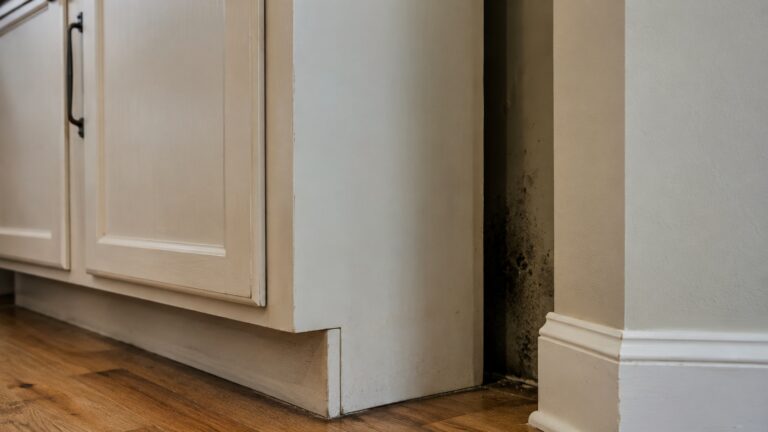
If moisture accumulates behind bathroom walls, mold may begin developing before visible symptoms appear. Reviewing the signs of mold behind walls can help confirm whether mold growth may already be occurring.
Kitchens and Appliance Areas
Kitchens contain multiple water sources that increase the likelihood of hidden moisture problems. Water supply lines and drainage connections behind appliances often create conditions where leaks develop slowly.
Common kitchen-related causes include:
- Dishwasher leaks
- Refrigerator water line leaks
- Sink plumbing failures
- Water supply line damage
- Steam from cooking activities
Because many appliances connect directly to water lines, even small leaks can allow moisture to spread into nearby wall cavities.
Basements and Crawl Spaces
Basements and crawl spaces are high-risk areas because they frequently experience moisture exposure from surrounding soil. These spaces often remain cooler than upper floors, increasing condensation risk.
Basement mold problems commonly occur due to:
- Foundation cracks
- Groundwater intrusion
- Poor drainage around the home
- High humidity levels
- Limited airflow
Moisture entering through foundation walls can spread upward into structural components, allowing mold growth to develop inside walls above ground level.
Exterior-Facing Walls
Exterior walls experience temperature differences that increase condensation risk. These walls are also exposed to weather conditions that may introduce moisture from outside sources.
Common causes of mold in exterior walls include:
- Poor insulation
- Cracked siding or stucco
- Damaged window seals
- Rainwater infiltration
- Cold surface condensation
Because exterior walls face outdoor weather and indoor humidity at the same time, they are especially vulnerable to hidden condensation and water intrusion.
How to Reduce the Moisture Sources That Cause Wall Mold
Preventing mold inside walls requires controlling moisture before it accumulates. This section gives a brief cause-focused prevention summary; long-term wall-specific strategies belong in how to prevent mold behind walls.
Control Indoor Humidity Levels
Maintaining safe indoor humidity levels reduces the likelihood of condensation and moisture buildup. Keeping humidity below 60% significantly lowers mold risk.
Effective humidity control methods include:
- Using dehumidifiers in humid areas
- Running exhaust fans during showers
- Improving airflow throughout the home
- Reducing indoor moisture sources
Tracking humidity trends helps identify moisture buildup early. Using reliable monitoring tools improves detection accuracy. For measurement methods and placement tips, see how to test indoor humidity levels.
Inspect Plumbing and Fixtures Regularly
Routine plumbing inspections help identify leaks before moisture spreads into walls. Even minor leaks can introduce enough moisture to support mold growth.
Recommended inspection practices include:
- Checking visible pipe connections
- Inspecting appliance water lines
- Monitoring water meter readings
- Looking for recurring moisture patterns
If hidden leaks are suspected, following the how to find hidden water leaks inside walls guide helps locate leak sources before mold develops.
Improve Ventilation in High-Moisture Areas
Ventilation removes moisture from indoor air and helps maintain safe humidity levels. Increasing airflow reduces condensation risk and supports faster drying.
Improving ventilation may include:
- Installing bathroom exhaust fans
- Adding kitchen ventilation systems
- Opening windows when humidity allows
- Using circulation fans in enclosed spaces
Proper ventilation reduces the likelihood of moisture accumulation inside wall cavities.
Repair Water Damage Immediately
Prompt repairs prevent moisture from remaining trapped inside building materials. Even short delays can increase mold risk significantly.
Immediate response should include:
- Stopping leaks quickly
- Drying affected materials
- Removing damaged materials when necessary
- Verifying moisture levels before closing walls
Understanding how quickly mold develops after water exposure helps determine urgency. Our timeline in how long does mold take to grow after water damage explains how mold growth progresses.
Do not repaint, reinstall trim, or close a wall cavity until the moisture source is fixed and the material has dried. Covering damp drywall, insulation, or framing can trap moisture and allow mold to continue growing behind the repair.
When Wall Mold Causes Need Professional Inspection
Call a professional if mold is suspected inside a closed wall, the wall feels soft or crumbling, moisture keeps returning after repairs, or the source may involve roofing, plumbing, foundation seepage, sewage, or widespread water damage. Hidden wall mold often requires source correction before cleanup can succeed.
Frequently Asked Questions About Mold Causes
What is the most common cause of mold in walls?
The most common cause of mold in walls is trapped moisture. That moisture may come from hidden plumbing leaks, roof leaks, exterior water intrusion, condensation, or high indoor humidity.
Can mold grow inside walls without water leaks?
Yes, mold can grow without visible leaks. High humidity, condensation, and poor ventilation often create moisture conditions that support mold growth.
Why does mold keep coming back in the same area?
Recurring mold usually indicates an unresolved moisture source. Identifying and repairing the underlying cause is essential to prevent repeated mold growth.
How quickly does mold grow after moisture appears?
Mold growth may begin within 24 to 48 hours after moisture exposure. Addressing moisture problems quickly helps prevent mold from spreading.
What areas of the home are most likely to develop mold?
Bathrooms, kitchens, basements, crawl spaces, and exterior-facing walls are among the most common locations for mold growth.
Key Takeaways: Mold Growth Always Begins With Moisture
Mold inside walls does not develop without moisture exposure. Identifying moisture sources early helps prevent widespread mold damage and reduces repair costs.
The most important causes of mold inside walls include:
- Hidden plumbing leaks
- Roof leaks and exterior water intrusion
- High indoor humidity
- Condensation inside walls
- Poor ventilation
- Flooding or improper repairs
What to Do After Finding the Cause of Wall Mold
Once you identify the moisture source, fix that source before covering, repainting, or cleaning the affected area.
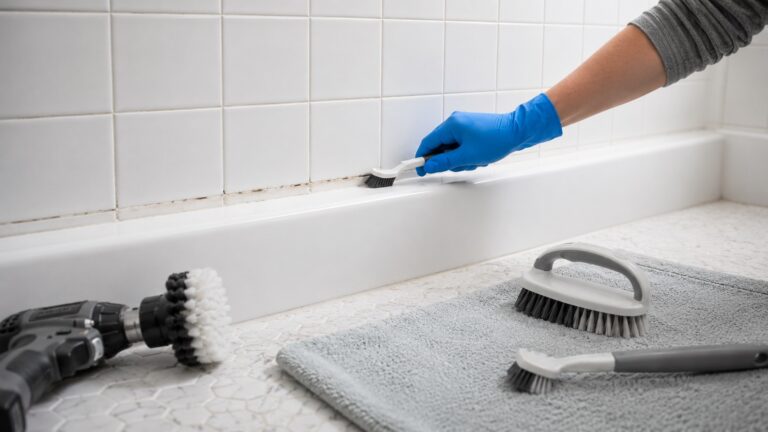
If mold has already developed, fix the moisture source before focusing on cleanup. A structured cleanup process can help with visible or confirmed mold, but hidden wall mold may require opening materials, drying the cavity, or professional remediation. For cleanup guidance, review how to remove mold permanently.
2 Comments
Comments are closed.