
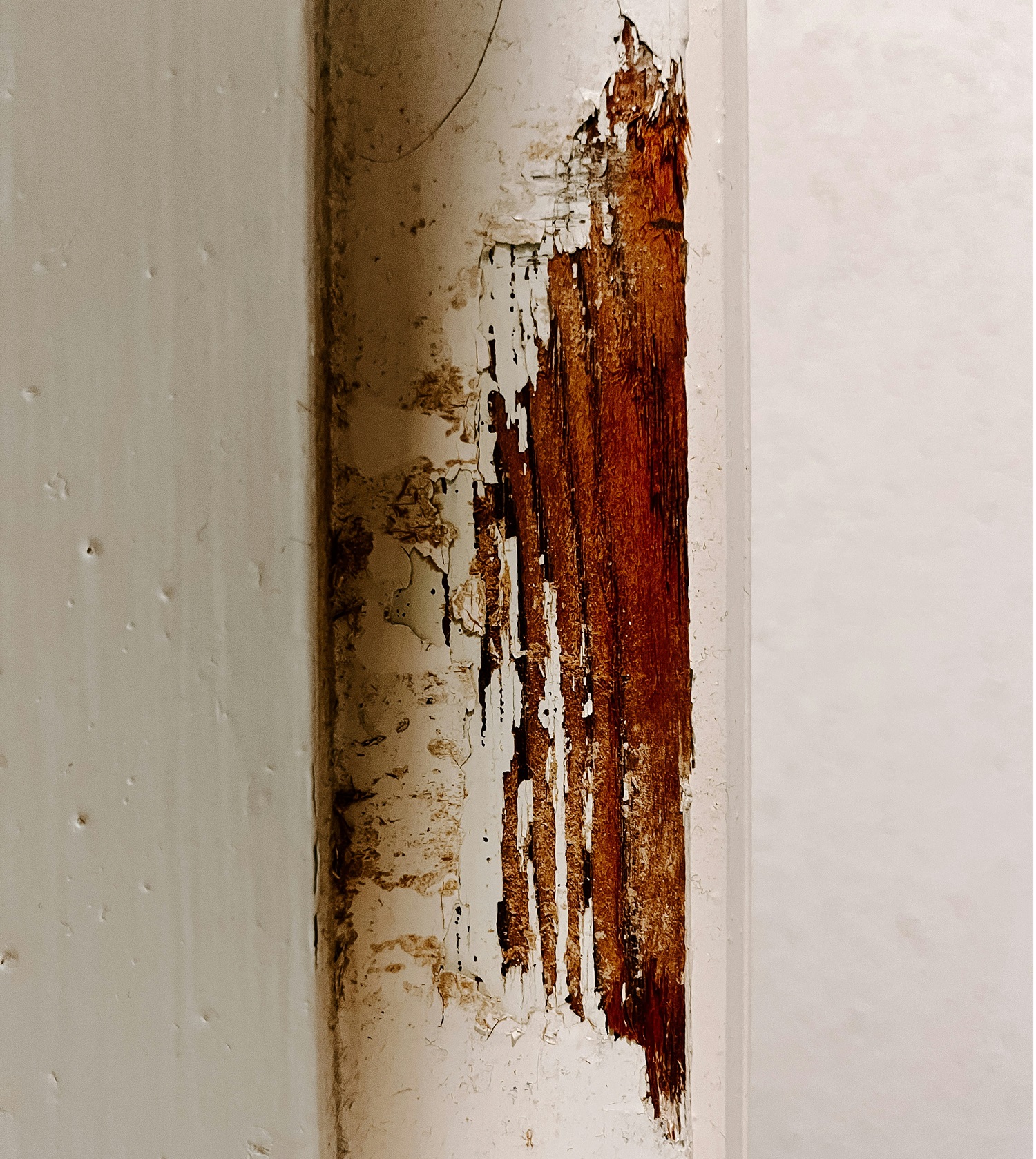
How Long Does Mold Take to Grow After Water Damage? (Timeline Explained)
Mold can begin growing within 24 to 48 hours after water damage if damp materials are not dried quickly. The risk is highest when moisture stays trapped inside drywall, flooring, insulation, carpet, or wood.
Visible mold often appears later, but the growth process can start before stains, spots, or odors are obvious. That is why the first two days after water damage matter most.
Mold growth almost always follows unresolved moisture problems. If you suspect trapped moisture but do not know what to look for, the signs of hidden moisture in walls can help you spot early warning signs before mold becomes visible.
The focus here is timing: how fast mold can start, when it may become visible, and when delay becomes risky.
How Long Does Mold Take to Grow After Water Damage?
Mold can begin growing surprisingly quickly after water damage occurs. Under favorable conditions, mold spores may start developing within 24 to 48 hours after materials become wet.
This rapid timeline occurs because mold spores are already present in most indoor environments. When moisture becomes available, these spores activate and begin forming colonies on damp materials.
The exact timeline depends on moisture levels, temperature, humidity, and airflow. When damp materials stay warm and poorly ventilated, mold can progress before obvious warning signs appear.
Typical Mold Growth Timeline After Water Damage
The following timeline reflects commonly observed mold growth stages under favorable conditions:
| Time After Water Exposure | What Happens |
|---|---|
| 0–24 Hours | Materials absorb water; mold risk begins rising if damp conditions remain. |
| 24–48 Hours | Mold spores may begin growing if moisture remains present. |
| 48–72 Hours | Early mold colonies form; odors may begin developing. |
| 3–7 Days | Visible mold may begin appearing on surfaces. |
| 1–2 Weeks | Mold spreads across damp materials and continues expanding. |
| Several Weeks | Widespread contamination may occur if moisture remains unresolved. |
This timeline shows why immediate drying after water exposure is essential. For wall-specific drying steps, review how to dry walls after water damage.
What Happens During the First 24 to 48 Hours After Water Damage
The first two days after water damage are the most critical period for preventing mold growth. During this time, materials absorb moisture and create conditions that allow mold spores to activate.
Although mold may not be visible during this early stage, moisture conditions begin changing rapidly beneath the surface.
Stage 1: Moisture Absorbs Into Materials
When water enters a home, porous materials begin absorbing moisture immediately. Drywall, wood, carpet, and insulation are especially vulnerable because they contain organic material that supports mold growth.
During this stage, moisture spreads through:
- Drywall panels
- Wood framing
- Insulation layers
- Flooring materials
- Carpet backing
Even small amounts of water can spread deeper into materials than expected, especially when moisture enters through seams or cracks.
If water intrusion sources are unknown, reviewing how to find hidden water leaks inside walls helps identify the underlying cause before mold develops.
Stage 2: Mold Spores Begin Activating
Mold spores exist naturally in indoor air and remain inactive until moisture becomes available. Once materials stay damp long enough, spores begin activating and preparing to grow.
At this stage:
- No visible mold may appear yet
- Materials remain damp internally
- Moisture spreads into hidden areas
- Early odor development may begin
Because mold growth can begin during this early period, drying materials quickly is the most effective prevention step.
If moisture remains inside walls or structural materials, mold growth becomes increasingly likely. Confirming hidden moisture requires structured testing methods. Our guide on how to detect moisture without opening walls explains safe detection strategies.
What Happens 48 to 72 Hours After Water Damage
If moisture remains inside materials beyond the first 48 hours, mold growth becomes increasingly likely. During this stage, mold spores that activated earlier begin forming small colonies that continue spreading across damp surfaces.
Even when surfaces appear dry, moisture trapped beneath flooring, behind drywall, or inside insulation may remain present long enough to support mold growth.
Stage 3: Early Mold Colonies Begin Forming
Between 48 and 72 hours after water exposure, early mold colonies may begin developing on damp materials. They may still be invisible, especially behind drywall, under flooring, or inside insulation.
During this stage, the following changes may begin occurring:
- Early mold colonies form on damp materials
- Musty odors may begin developing
- Moisture spreads deeper into structural layers
- Air quality may begin changing
- Damage risk increases as moisture remains trapped
This stage is often overlooked because visible mold may not yet appear. However, mold development may already be underway inside walls and structural materials.
If moisture remains undetected, reviewing the signs of mold behind walls can help identify early symptoms that often appear during this stage.
What Happens 3 to 7 Days After Water Damage
Between three and seven days after water exposure, mold growth often becomes more visible. During this period, colonies continue expanding across damp surfaces and may begin appearing on exposed areas.
Stage 4: Visible Mold May Begin Appearing
By the third day after water damage, mold growth may begin appearing as small patches on surfaces. These patches often appear in areas where moisture remains trapped.
Visible mold during this stage may appear as:
- Small dark or discolored spots
- Thin patches spreading across surfaces
- Dark streaks along seams or edges
- Mold forming along baseboards or trim
- Growth near plumbing fixtures or corners
Once visible mold appears, the problem typically requires more aggressive cleanup measures. Moisture removal becomes even more critical at this stage.
Stage 5: Odors Become More Noticeable
As mold colonies expand, odor production often increases. Musty smells may become stronger and easier to detect during this period.
Odors may become noticeable:
- When entering enclosed rooms
- After rainfall or humid conditions
- Near plumbing fixtures
- Inside closets or storage areas
- Behind furniture placed against walls
If odors appear during this stage, further inspection becomes important. Confirming moisture conditions helps determine whether mold growth is actively spreading.
What Happens 1 to 2 Weeks After Water Damage
When moisture remains unresolved for more than one week, mold growth often accelerates rapidly. Colonies continue expanding across materials and may begin spreading to nearby areas.
At this stage, mold problems often become more difficult and expensive to resolve.
Stage 6: Mold Spreads Across Larger Areas
Between one and two weeks after water damage, mold colonies can spread significantly across damp materials. At this point, growth may extend beyond the original moisture source.
During this stage, mold may:
- Spread across drywall and insulation
- Grow inside hidden wall cavities
- Expand along structural framing
- Move into nearby rooms
- Become increasingly visible
Hidden mold growth becomes more likely during this stage, especially when moisture remains trapped inside wall cavities.
What Happens After Several Weeks of Moisture Exposure
When damp conditions remain for several weeks, mold contamination can become widespread. Materials may remain saturated, air quality may decline, and damage may extend beyond the original water-damaged area.
At this point, cleanup may require professional remediation, especially if mold affects large areas or hidden structural materials.
Stage 7: Widespread Mold Contamination Develops
After several weeks of unresolved moisture, mold growth may affect multiple materials and areas. This level of contamination is more serious because mold may be present both visibly and hidden behind surfaces.
Long-term moisture exposure may lead to:
- Widespread mold growth
- Persistent musty odors
- Damaged drywall and insulation
- Wood deterioration
- Ongoing indoor air concerns
When mold contamination becomes widespread, surface cleaning alone is rarely enough. The moisture source must be corrected before cleanup can be effective.
How Fast Mold Grows in Different Materials
Mold growth speed depends heavily on the material that becomes wet. Some materials absorb water quickly and support mold growth faster than others.
Drywall
Drywall is one of the fastest materials to develop mold after water exposure. The paper facing provides organic material, while the gypsum core can hold moisture internally.
Mold may begin growing on wet drywall within 24 to 48 hours if drying does not occur quickly.
Because drywall absorbs moisture quickly, hidden mold growth inside wall cavities is a common concern after water damage. If you suspect mold may already be developing behind finished walls, reviewing the signs of mold behind walls can help you recognize early symptoms.
Wood Framing
Wood can support mold growth when moisture remains elevated. While wood may dry more slowly than surface materials, mold can develop if moisture levels stay high.
Framing hidden inside walls may remain damp even after visible surfaces appear dry.
Carpet and Padding
Carpet and padding are especially vulnerable because they trap moisture below the surface. Mold can begin growing quickly when wet padding remains in place.
Even if the carpet surface feels dry, moisture may remain trapped underneath.
Insulation
Insulation can hold moisture for extended periods. Wet insulation inside walls or ceilings may support mold growth and prevent surrounding materials from drying properly.
Because insulation is often hidden, moisture problems may remain unnoticed until mold odors or visible damage appear.
Concrete and Masonry
Concrete itself does not provide the same food source as drywall or wood, but dust, paint, adhesives, and organic debris on concrete surfaces can support mold growth when moisture remains present.
Basements and crawl spaces are especially vulnerable because humidity often remains high after water intrusion.
Environmental Factors That Affect How Fast Mold Grows
Not every water damage situation produces mold at the same speed. Environmental conditions strongly affect whether mold grows slowly or rapidly.
Moisture Levels
Moisture is the most important factor in mold development. The longer materials remain damp, the greater the risk of mold growth.
Elevated moisture levels in drywall, wood, or flooring indicate that materials may still be capable of supporting mold growth.
For more detailed moisture reading thresholds, see moisture levels that indicate water damage.
Humidity Levels
High humidity slows drying and helps mold continue growing. Even after liquid water is removed, elevated humidity can keep materials damp enough for mold growth.
Mold risk increases significantly when indoor humidity levels rise above 60%.
High humidity conditions commonly occur:
- During rainy seasons
- In poorly ventilated rooms
- In basements and crawl spaces
- After flooding or plumbing leaks
Monitoring humidity regularly helps prevent mold growth. For help checking whether indoor humidity is still high enough to slow drying, see how to test indoor humidity levels.
Temperature Conditions
Mold grows fastest within a moderate temperature range commonly found in indoor environments.
Warm indoor temperatures often accelerate mold development, especially when combined with high humidity and poor airflow.
Poor Airflow
Poor airflow slows evaporation and allows damp materials to remain wet longer. Mold grows more easily in enclosed or poorly ventilated spaces.
Areas with poor airflow include:
- Wall cavities
- Closets
- Behind furniture
- Under flooring
- Inside cabinets
What to Do in the First 48 Hours to Reduce Mold Risk
After water damage, the first priority is removing water, lowering humidity, and confirming that damp materials are actually drying. Because mold can begin growing within 24 to 48 hours, surfaces that look dry are not enough; drywall, flooring, insulation, and wood may still hold moisture internally. Long-term wall-cavity prevention belongs in how to prevent mold behind walls.
Step 1: Remove Standing Water Quickly
Standing water should be removed as soon as possible. Even small pools of water can soak into flooring and wall materials if left untreated.
Do not enter standing water if electrical outlets, appliances, or wiring may be affected. If the water came from sewage, floodwater, or another contaminated source, treat the area as unsafe and call a restoration professional.
Removing standing water reduces the amount of moisture that can spread into surrounding materials.
Step 2: Begin Drying Immediately
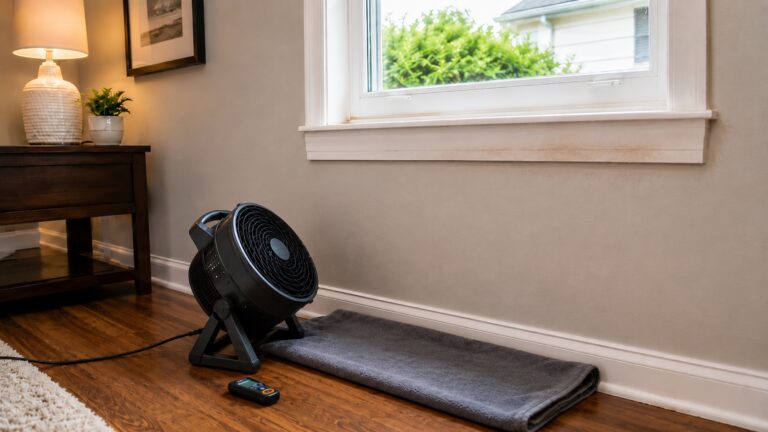
After removing standing water, drying must begin without delay. Airflow and evaporation help remove moisture trapped inside building materials.
Effective drying strategies include:
- Running fans continuously
- Using dehumidifiers to remove excess moisture
- Opening windows when outdoor humidity is low
- Increasing airflow between rooms
- Removing damp materials when necessary
Avoid blowing air directly across visible mold growth, sewage-contaminated materials, or heavily disturbed debris. Air movement is useful for drying clean water damage, but it can spread particles when contamination is already present.
Drying should continue until materials return to safe moisture levels, not merely until surfaces appear dry.
Step 3: Remove Unsalvageable Wet Materials
Some materials cannot be safely dried after water damage. Saturated insulation, carpet padding, and damaged drywall may need removal if they remain wet for too long.
Removing heavily wet materials helps prevent mold from spreading into surrounding areas.
Step 4: Monitor Moisture and Humidity
Moisture meters and hygrometers help confirm whether materials and indoor air conditions are returning to safe levels. Tracking these values over time prevents moisture from remaining undetected.
Recommended monitoring methods include:
- Checking moisture readings regularly
- Tracking humidity levels inside affected rooms
- Comparing readings across nearby areas
- Recording changes over time
Maintaining humidity below 60% significantly reduces mold risk. If humidity remains high after the visible water is gone, use indoor humidity testing methods to confirm whether the area is drying properly.
When Immediate Action Is Required
Some water damage situations require immediate response to prevent rapid mold growth. Recognizing these urgent conditions helps reduce the risk of widespread contamination.
Immediate action is recommended when:
- Water damage affects drywall or insulation
- Flooding occurs inside the home, especially from outside floodwater or sewage-contaminated water
- Leaks remain active for extended periods
- Strong odors develop quickly
- Moisture readings remain elevated
- Humidity levels rise above safe limits
Acting quickly during the first 24 to 48 hours often determines whether mold growth can be prevented.
Signs That Mold May Already Be Growing
If moisture remains unresolved for several days, mold growth may already be underway. Recognizing these warning signs allows homeowners to respond before the problem spreads further.
Watch for:
- Persistent musty odors
- Discoloration appearing on walls or trim
- Soft or damaged drywall
- Visible mold patches
- Recurring moisture problems
If these warning signs appear, reviewing the signs of mold behind walls can help determine whether hidden mold growth is likely.
Frequently Asked Questions About Mold Growth After Water Damage
Can mold grow in 24 hours after water damage?
Mold growth may begin within 24 to 48 hours after materials become wet under favorable conditions. The speed of growth depends on moisture levels, temperature, humidity, and airflow.
Does mold always grow after water damage?
Mold does not always grow after water damage, but the risk increases significantly when moisture remains present for extended periods. Prompt drying greatly reduces the likelihood of mold development.
How fast does mold spread after water damage?
Mold spreads faster when moisture remains unresolved. Within several days, mold colonies can expand across surfaces and begin affecting nearby materials.
How quickly should water damage be dried?
Water-damaged materials should be dried within the first 24 to 48 hours whenever possible. Drying during this period significantly reduces mold growth risk.
What materials grow mold the fastest?
Materials that absorb moisture quickly tend to grow mold faster. These include drywall, carpet, insulation, and wood products.
How long before mold becomes dangerous?
Mold risk should be taken seriously as soon as growth is suspected. The longer damp materials remain unresolved, the more likely the problem is to spread and require professional cleanup.
Key Mold Growth Timeline Points to Remember
Mold growth after water damage often occurs sooner than homeowners anticipate. Moisture trapped inside materials creates conditions that allow mold spores to activate quickly.
The most important timeline points to remember include:
- Mold may begin growing within 24 to 48 hours
- Early colonies form within several days
- Visible mold may appear within one week
- Spread accelerates when moisture remains unresolved
- Prompt drying significantly reduces mold risk
Understanding these timelines allows homeowners to respond quickly and prevent widespread contamination.
What to Do Next After the Mold Growth Timeline
Water damage creates conditions where mold growth can begin rapidly. Acting quickly during the first 24 to 48 hours often determines whether mold problems develop at all.
If water damage has already occurred, combining moisture detection, drying, and monitoring helps reduce the risk of long-term damage. Reviewing both moisture readings and the signs of hidden moisture in walls helps confirm whether hidden moisture conditions remain.
If mold growth has already begun, the next step is safe cleanup rather than waiting for the area to dry on its own. For the main cleanup process, see how to remove mold permanently.
5 Comments
Comments are closed.