How to Avoid Contractor Scams for Moisture Repairs
Moisture repairs can be stressful because the damage is not always easy to see. A small stain, musty odor, damp wall, soft floor, crawl space smell, roof leak mark, or patch of mold-like growth may point to a simple repair — or it may be the visible symptom of a larger hidden moisture problem. That uncertainty can make homeowners vulnerable to pressure, vague quotes, and unnecessary work.
Most moisture repair contractors are not scammers. Many water damage, mold, crawl space, basement, roofing, plumbing, and structural moisture problems do need professional attention. The warning sign is not simply that a contractor recommends serious work. The warning sign is when the contractor uses fear instead of evidence, skips the moisture source, gives a vague scope, pushes immediate signing, or repairs visible damage without explaining how the water problem will be stopped.
The safest moisture repairs are based on diagnosis, documentation, source control, proper repair sequence, written scope, and clear payment terms. Because moisture can affect drywall, insulation, flooring, framing, crawl spaces, basements, roofing systems, and long-term structural moisture problems in homes, the contractor should be able to explain three things before you sign: what is damaged, why it happened, and what must be fixed first.
Why Moisture Repair Scams Are Easy to Fall For
Moisture repair scams and misleading contractor practices are easier to fall for because water damage feels urgent and the cause is not always obvious. A ceiling stain may come from a roof leak, plumbing leak, condensation, or flashing failure. A damp crawl space may involve soil moisture, standing water, grading problems, plumbing, condensation, or failed vapor barriers. A wet basement may involve cracks, hydrostatic pressure, drainage failure, sump pump issues, or surface water outside the foundation.
Because several moisture problems can look similar, a contractor can sound convincing even when the recommendation is incomplete. The contractor may be right that the damage needs attention, but the quote still needs to explain the source, affected materials, repair sequence, inclusions, and exclusions.
Homeowners are especially vulnerable after:
- A storm, roof leak, or basement flood
- A plumbing leak under a sink, behind a wall, or under flooring
- Visible mold-like growth or a strong musty odor
- Soft flooring, swollen trim, or stained drywall
- Standing water in a crawl space or basement
- A failed sump pump, dehumidifier, or drainage system
- A home inspection before buying or selling
- An insurance claim involving water damage
These situations can require fast action, but urgency should not replace evidence. A legitimate contractor can explain what needs immediate attention, what can wait, what should be documented, and what repairs depend on stopping the moisture source first.
Red Flag 1: The Contractor Uses Fear Instead of Evidence
The first warning sign is fear without proof. Moisture problems can be serious, but claims about dangerous mold, collapsing structures, ruined foundations, or a home becoming unsellable should be supported by inspection findings, photos, moisture readings, visible damage, or a clear explanation of the water source.
Be cautious when a contractor says things like:
- “Your whole house is unsafe unless you sign today.”
- “This mold is definitely dangerous,” without explaining what was inspected.
- “Your structure is failing,” without showing damaged framing, movement, or moisture evidence.
- “Insurance will cover it, so the price does not matter.”
- “You do not have time to get another estimate.”
- “The damage will double if you wait one day,” without explaining why.
Sometimes moisture repairs are urgent. Active water near electrical equipment, sewage contamination, unsafe structural movement, wet ceiling materials, or widespread water intrusion should be handled quickly. But even emergency work should be explained clearly. A contractor can recommend immediate mitigation without pressuring you into a vague long-term repair contract.
Mold Scare Tactics
Mold can be a real concern after moisture damage, especially when porous materials stay wet or contaminated materials are disturbed. But mold should not be used as a vague fear tactic. A responsible contractor should explain where mold-like growth appears, what materials are affected, whether testing or remediation is needed, and how the moisture source will be controlled.
Be careful if a contractor claims that every stain or odor means the whole home needs treatment. Mold cleanup should be specific to the affected area and paired with moisture correction. For mold-specific hiring issues, use a dedicated checklist of questions to ask before hiring a mold remediation company and watch for common mold remediation scams.
Structural Collapse Claims Without Proof
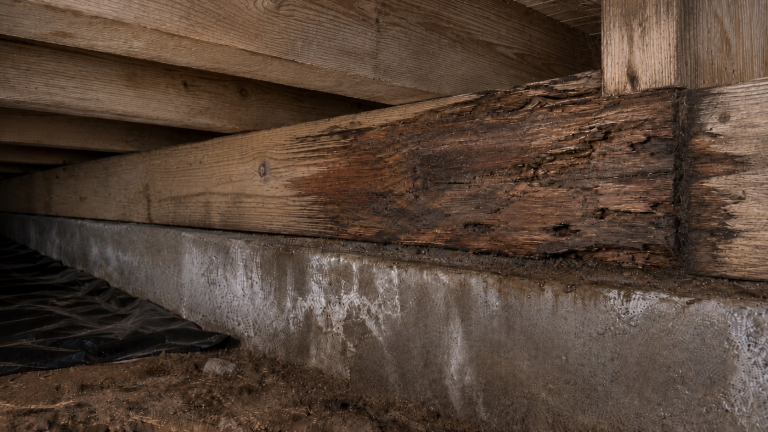
Moisture can damage structural wood, subfloors, beams, joists, sheathing, and framing over time, but serious structural claims should be tied to evidence such as soft wood, rot, sagging, movement, repeated wetting, cracks, deflection, or visible deterioration. If a contractor says the home is unsafe, ask whether the issue needs a structural specialist, engineer, or qualified repair contractor, and get the claim documented in writing.
Technical Language Used to Intimidate
Technical terms are not a problem when they are tied to evidence. Words like microbial growth, hydrostatic pressure, vapor drive, capillary action, structural rot, negative drainage, flashing failure, or subfloor saturation may be legitimate, but the contractor should explain what the term means in your home. “Water is entering at the wall-floor joint after rain, which suggests pressure around the foundation,” is more useful than “you have hydrostatic pressure and need this system today.”
Urgency Without Inspection Evidence
Urgency should be based on what the contractor found. Active water, unsafe electrical exposure, wet insulation, sagging ceiling material, sewage, or structural instability may require immediate action, but pressure to sign a large repair contract should not come before a clear inspection, written scope, and explanation of the source. If urgency is used to prevent questions, ask for the evidence in writing before approving permanent repairs.
Red Flag 2: They Do Not Identify the Moisture Source
A moisture repair contractor should be able to explain where the water or dampness is coming from before recommending major repairs. If the source is not identified, the repair may only cover the symptom. That can lead to repeated damage, mold returning, new stains, failed flooring, or another repair bill later.
The moisture source may be obvious, such as a leaking pipe under a sink. It may also be hidden, such as roof flashing failure, water behind siding, crawl space humidity, basement seepage, condensation inside wall cavities, or a slow plumbing leak inside a wall. The contractor does not always need to know every detail immediately, but they should explain what evidence supports their recommendation and what still needs investigation.
A useful explanation often includes a path: where water appears to enter, where it traveled, which materials stayed wet, and what must be verified before finish repairs begin.
Be cautious if a contractor wants to repair visible damage without explaining the source. Examples include:
- Replacing drywall without identifying the leak
- Painting over stains without checking whether the material is dry
- Cleaning mold without controlling the moisture source
- Replacing flooring before checking the subfloor
- Encapsulating a crawl space without addressing standing water
- Waterproofing a basement without explaining where water enters
- Repairing roof leak damage without checking the roof, flashing, or attic path
A good contractor should talk about source control before finish repair. If multiple repairs are needed, the sequence matters. You can use this guide to prioritize moisture repairs in the right order before agreeing to cosmetic work.
Treating Stains Without Finding Leaks
Water stains are symptoms, not diagnoses. A ceiling stain may come from a roof leak, plumbing line, bathroom fixture, HVAC condensation, attic condensation, or flashing failure. A wall stain may come from a plumbing leak, window leak, siding leak, roof leak, or condensation. If a contractor only quotes repainting or patching without investigating the source, the stain may return.
Ask what caused the stain, whether the material is still wet, and what repair stops the moisture from coming back. The answer should be more specific than “old water damage” unless there is evidence that the source has already been fixed.
Cleaning Mold Without Moisture Control
Mold cleanup and moisture control are connected, but they are not the same service. A contractor may clean visible growth, but if the leak, humidity, condensation, or water intrusion continues, the conditions that allowed growth may return.
Before accepting mold-related work, ask what moisture source caused the growth and how the repair plan prevents recurrence. If the contractor cannot answer, the cleanup may be incomplete even if the surface looks better afterward.
Replacing Materials Before Drying Is Complete
Drywall, flooring, insulation, cabinets, subfloors, and framing can hold moisture after a leak. If a contractor replaces finish materials before the area is dry, moisture can remain trapped behind new materials. That can lead to odor, swelling, mold growth, adhesive failure, or repeated staining.
Ask whether the contractor checked moisture levels before repair. If demolition or drying is needed first, that should be part of the written sequence.
Confusing One Moisture Problem With Another
Moisture problems can look similar. A damp basement may be blamed on humidity when water is actually entering through the foundation. A musty crawl space may be blamed on old insulation when standing water or exposed soil is the main source. A roof leak stain may be blamed on condensation without checking the roof path. A plumbing leak may be mistaken for exterior wall intrusion.
A good contractor explains why they believe one source is more likely than another. If the answer feels like a guess, ask what inspection steps would confirm the source before major repairs begin.
Red Flag 3: The Quote Is Vague or Missing Scope Details
A vague quote is risky because moisture repairs often involve several steps and several trades. A one-line estimate that says “repair water damage,” “remove mold,” “fix leak damage,” or “restore area” does not tell you what is actually included. It also does not tell you what is excluded.
A strong moisture repair quote should include the diagnosis, affected area, repair sequence, materials, labor, exclusions, warranty terms, cleanup responsibilities, and payment schedule. The more expensive or invasive the work is, the more important the written scope becomes.
Ask for clarification if the quote does not state:
- What moisture source is being addressed
- Which rooms, walls, floors, crawl space areas, basement areas, roof areas, or materials are included
- What demolition or removal is included
- What drying, cleaning, repair, or replacement steps are included
- What materials will be used
- Whether moisture readings, photos, or inspection notes will be provided when relevant
- What work is excluded
- Who handles plumbing, electrical, roofing, mold remediation, structural repair, or finish restoration if needed
- How hidden damage and change orders will be handled
- What warranty applies to the work
No Written Diagnosis
A written diagnosis does not need to be a long report for every small repair, but it should explain the basic cause. For example, “replace damaged drywall” is incomplete if the quote does not explain whether the source was a roof leak, plumbing leak, window leak, or condensation.
If the contractor is quoting basement work, compare the written details with a process for how to compare basement waterproofing quotes. If the contractor is quoting crawl space work, compare the scope against how to compare crawl space repair quotes. Specific moisture systems need specific written scopes. If the concern is a basement system rather than a general moisture repair, also watch for common basement waterproofing scams before signing.
No Materials or Methods Listed
Moisture repair materials matter. A roof leak repair, mold cleanup, vapor barrier installation, drywall replacement, structural wood repair, basement drainage system, or plumbing repair can be done in different ways. The quote should describe the method well enough for you to understand what is being repaired and how.
For example, “repair crawl space” should say whether the quote includes drainage, vapor barrier, encapsulation, dehumidification, insulation removal, or structural repair. “Fix roof leak” should say which roof area or flashing detail is being repaired. “Remove mold” should say which surfaces or materials are included.
No Exclusions
Every quote has limits. Some contractors do not handle mold remediation, plumbing, electrical work, structural repair, roofing, insulation, exterior drainage, or finish restoration. That may be normal, but the exclusions should be written clearly.
A quote that looks cheaper may only cover one part of the job. If you discover the exclusions later, the total cost may be much higher than expected.
No Change-Order Process
Moisture repairs often uncover hidden damage. A contractor may open a wall and find additional wet insulation, damaged framing, mold-like growth, plumbing leaks, pest damage, or subfloor deterioration. That possibility should be handled with a clear change-order process.
Ask whether the contractor will stop, document the new finding, explain the added work, and get approval before charging for extra repairs. Avoid vague promises that hidden damage will be “handled as needed” without written approval.
Red Flag 4: They Push Immediate Signing or Risky Payment Terms
Moisture damage can create real urgency, but urgency should not be used to force a rushed contract. Be cautious if a contractor pressures you to sign immediately, discourages a second opinion, refuses to leave a written quote, or asks for a large payment before providing a clear scope of work.
Same-day offers, emergency availability, and deposits are not automatically scams. The warning sign is pressure combined with vague paperwork, missing diagnosis, unclear business identity, or payment demands that are not tied to a written agreement.
Same-Day Pressure
Some contractors use same-day discounts to push homeowners into signing before they can compare options. A limited discount is not always dishonest, but it should not replace a clear diagnosis and written scope.
Pause if you hear statements like:
- “This price is only good while I’m here.”
- “You do not have time to call anyone else.”
- “If you wait, the damage will become much worse.”
- “The crew is available tomorrow, but only if you sign now.”
- “Insurance will pay, so you should approve everything today.”
A trustworthy contractor should be willing to explain what is urgent, what can wait, and what must be reviewed before permanent repairs begin.
Cash-Only or No-Receipt Requests
Cash payment is not automatically improper, but cash-only pressure without a receipt, contract, invoice, or business documentation is risky. Moisture repair work often involves warranties, insurance records, future inspections, and possible follow-up. You need documentation showing who performed the work, what was paid, and what the payment covered.
Ask for a written invoice or receipt for every payment. If a contractor refuses to document payment, slow down before moving forward.
For general contractor-hiring protection, the Federal Trade Commission recommends checking contractor licensing and insurance, getting written estimates, reading contracts carefully, and avoiding risky payment pressure when hiring for home repairs.
Large Upfront Payment Without a Detailed Contract
Some deposits are normal, especially for scheduling, materials, or large projects. The concern is a large upfront payment without a clear written contract. Before paying, make sure the agreement identifies the contractor, the scope, materials, price, payment schedule, warranty terms, change-order process, and expected timeline.
A contractor who asks for money before explaining the work clearly is asking you to take on unnecessary risk. Get the scope in writing first.
No Cancellation or Change-Order Clarity
Moisture repairs can change once walls, floors, crawl spaces, or damaged materials are opened. That is why change-order rules matter. Ask how additional work will be approved and whether you will receive photos, written explanation, and a price before extra work begins.
You should also understand any cancellation terms before signing. Specific rules vary by location and contract type, so read the actual agreement and ask questions before you commit.
Red Flag 5: The Repair Sequence Does Not Make Sense
Moisture repairs need to happen in the right order. A logical sequence is: identify the source, stop or control the moisture, document the damage, dry or remove wet materials, clean or remediate affected areas when needed, repair or replace damaged materials, and prevent recurrence. If a quote starts with cosmetic repair before source control or drying, ask why.
Cosmetic Repairs Before Source Correction
Painting over stains, patching drywall, replacing trim, or installing new flooring may make a room look better, but those repairs will not last if the leak is still active. Before approving finish work, ask what source was corrected and how the contractor confirmed the area is ready for repair.
Painting or Sealing Wet Materials
Paint, sealers, coatings, and surface treatments should not be used to hide wet materials. If drywall, wood, concrete, or flooring is still damp, sealing the surface can trap moisture. That can lead to peeling, odor, mold growth, or repeated staining.
Ask whether the contractor checked moisture levels before recommending surface repair. If the answer is vague, request more detail.
Replacing Flooring Before Checking the Subfloor
Water-damaged flooring can hide subfloor moisture. Replacing carpet, laminate, vinyl, hardwood, or tile without checking the subfloor can trap damage below the new material. If the floor feels soft, smells musty, or was wet for an extended period, the subfloor may need inspection before finish flooring is installed.
A contractor should explain whether the floor structure is dry, stable, and ready for replacement before new materials are installed.
Cleaning Mold Before Moisture Control
Mold cleanup should be paired with moisture control. If the leak, condensation, humidity, or water intrusion remains active, cleaned areas may become damp again. Ask what prevents the mold conditions from returning after cleanup: source control, drying, humidity management, ventilation, drainage, or repair of the water entry point.
Encapsulation Over Standing Water
Crawl space encapsulation can be useful when the system is designed correctly. But encapsulation should not be used to simply hide standing water. If water collects on the crawl space floor after rain, drainage or water management should be addressed before the space is sealed.
If a contractor recommends encapsulation while ignoring standing water, ask how water will be collected, redirected, or kept out. If the answer is unclear, use crawl space-specific questions before signing, such as these questions to ask before hiring a crawl space contractor.
Insulation Replacement Before Moisture Control
Wet or damaged insulation may need to be removed, but replacing it before controlling the moisture source can lead to repeat failure. This is common in crawl spaces, attics, walls, and floors where insulation absorbs or traps moisture.
Ask whether the contractor has corrected the leak, humidity, condensation, or drainage issue before installing new insulation. New materials should not be placed back into the same wet conditions that damaged the old ones.
Structural Repairs Without Addressing Water
Structural moisture repairs may involve joists, beams, subfloors, rafters, sheathing, framing, or support members. These repairs may be necessary, but they should be paired with water control so new or repaired materials are not exposed to the same conditions. Ask how the contractor plans to prevent the structural damage from recurring.
Red Flag 6: They Ignore Documentation and Insurance Needs
Documentation protects you before, during, and after moisture repair work. It helps you understand the damage, compare quotes, support insurance claims when applicable, and verify that the contractor completed the agreed work. Be cautious when a contractor wants to remove damaged materials immediately without photos, notes, moisture readings, or a written scope.
Emergency mitigation can be necessary, especially when water is active or materials are unsafe. But even emergency work should be documented when it is safe to do so.
Removing Materials Before Photos
Before damaged materials are removed, photograph the affected areas if it is safe. Capture wide photos of the room or area, close-up photos of damage, and photos of possible sources such as pipes, roof areas, windows, doors, crawl space water, or basement seepage.
If the contractor removes materials before documentation, it may become harder to prove what was damaged, where water traveled, and why the repair was needed. For insurance-related situations, review how to photograph water damage for insurance claims before cleanup changes the scene.
No Moisture Readings or Damage Notes
Moisture readings are not needed for every minor repair, but they can be important when materials may still be wet. A contractor should be able to explain how they determined that an area is dry enough for repair or why materials need removal.
Written notes can also help. They may describe affected materials, visible water paths, odor, staining, swelling, soft areas, or suspected source conditions. A quote without any damage description is harder to verify later.
No Itemized Invoice
An itemized invoice helps you see what work was performed. It can also matter for insurance, resale documentation, warranty claims, and future contractor visits. A vague invoice that says only “water damage repair” or “mold work” may not be enough to explain the scope.
Ask for itemization that separates inspection, demolition, drying, cleanup, materials, repairs, equipment, disposal, and any subcontracted work where relevant.
Insurance Claims Used to Reduce Scrutiny
Be cautious if a contractor says you do not need to worry about the price because insurance will pay. Insurance coverage depends on the policy, cause of loss, documentation, timing, exclusions, and adjuster review. A contractor should not use insurance as a reason to skip careful review of the scope.
Even when insurance is involved, you should understand what work is being done, why it is needed, what is documented, and what costs you may be responsible for.
How to Protect Yourself Before Hiring a Moisture Repair Contractor
The best way to avoid contractor scams for moisture repairs is to slow the decision down long enough to document the problem, ask for evidence, and get the repair scope in writing. A legitimate contractor should be able to explain what needs immediate action and what should be reviewed before permanent repairs begin.
Before hiring a moisture repair contractor, take these steps:
- Photograph visible damage before materials are removed, if it is safe.
- Ask the contractor to identify the moisture source.
- Ask what evidence supports the diagnosis.
- Get the scope of work in writing.
- Ask what is included and excluded.
- Clarify the repair sequence before cosmetic work begins.
- Ask who handles plumbing, roofing, mold remediation, electrical work, structural repair, drying, and finish restoration if those are needed.
- Compare more than one quote when the project is expensive or unclear.
- Verify the business name, contact information, reviews, and references.
- Confirm license and insurance requirements with your state or local agency when applicable.
- Ask about permits, subcontractors, warranty terms, and maintenance requirements.
- Get payment terms, deposits, receipts, and change-order rules in writing.
- Keep copies of estimates, invoices, photos, reports, messages, and warranty documents.
These steps do not guarantee that every repair will be perfect, but they make it harder for a contractor to rely on vague claims. A clear paper trail also helps if another contractor, inspector, insurance adjuster, or future buyer needs to understand what happened.
Ask for Source Control Before Finish Repair
The most important protection is source control. If the water source remains active, cosmetic repairs are likely to fail. Before approving drywall, flooring, paint, cabinets, trim, insulation, or mold cleanup, ask how the original moisture source has been stopped or controlled.
For example, roof leak damage should be connected to roof or flashing repair. Plumbing leak damage should be connected to pipe or fixture repair. Crawl space moisture should be connected to drainage, vapor control, humidity control, or exterior water management. Basement seepage should be connected to waterproofing, drainage, sump pump performance, grading, or foundation repair where appropriate.
Use Written Scope to Compare Contractors
A contractor may sound confident during the appointment, but the written scope is what you will rely on later. The scope should describe the affected areas, the moisture source, demolition or removal, drying, cleaning, repair, replacement, exclusions, warranty, and change-order process.
If the contractor refuses to put important details in writing, pause before signing. Written detail protects you from misunderstandings and helps you compare quotes more fairly.
Match the Contractor to the Actual Trade
Moisture repairs often involve more than one trade. A mold contractor may not repair a roof leak. A plumber may stop a pipe leak but not repair damaged flooring. A roofer may fix the roof source but not dry wet insulation. A crawl space contractor may install drainage and encapsulation but not perform structural engineering.
Make sure the contractor is qualified for the part of the job they are quoting. If the source involves a roof leak, use a trade-specific guide to choose a roofing contractor for leak repairs. If the source is plumbing-related, know when to hire a plumbing professional for leak repairs. The right contractor should match the source and repair type.
When a High Quote Is Not Automatically a Scam
A high moisture repair quote can be frustrating, but price alone does not prove dishonesty. Moisture repairs can be legitimately expensive when they involve demolition, drying equipment, mold remediation, structural repair, difficult access, roofing work, plumbing repair, crawl space drainage, basement waterproofing, exterior wall repair, or finish restoration.
A high quote may be justified when it includes:
- Locating and repairing the moisture source
- Demolition or removal of damaged materials
- Drying equipment and moisture monitoring
- Mold remediation or contaminated material handling
- Structural wood repair
- Roofing, plumbing, basement, or crawl space system work
- Insulation, drywall, flooring, trim, or cabinet restoration
- Permits, disposal, access protection, or specialty labor
- Documentation for insurance or resale records
The issue is not whether the number feels high. The issue is whether the contractor explains why the number is high. A large quote should have a clear diagnosis, detailed scope, realistic exclusions, and a repair sequence that makes sense.
A Low Quote Can Also Be Risky
A low quote may be reasonable when the moisture source is simple and the damage is limited. But a low quote may also omit important work. It may patch drywall without fixing the leak, install flooring without checking the subfloor, clean mold without correcting humidity, or lay a vapor barrier without addressing standing water.
When one quote is much lower than others, ask what is excluded. The cheapest contractor may not be cheaper if you have to hire additional trades later to finish the work properly.
When to Get a Second Opinion
A second opinion is reasonable when a moisture repair recommendation is expensive, vague, rushed, or inconsistent with what you can see. Getting another estimate does not mean you distrust every contractor. It means you are making a careful decision about work that may affect the structure, indoor air quality, and long-term condition of the home. Do not delay emergency mitigation if active water, electrical hazards, sewage, sagging ceiling materials, or obvious structural instability are present.
Get another opinion before signing if:
- The contractor recommends major work without identifying the moisture source.
- The quote is much higher or much lower than other estimates.
- You are pressured to sign immediately.
- The contractor refuses to provide a written scope.
- Mold or structural claims are made without evidence.
- The repair sequence seems wrong.
- The contractor wants to repair visible damage before stopping the water source.
- Payment terms feel risky or unclear.
- Insurance is used as a reason not to review the quote carefully.
- The contractor cannot explain what is included and excluded.
A second opinion is especially important when multiple systems may be involved. For example, a ceiling stain may need roofing, insulation, drying, and drywall repair. A crawl space odor may involve drainage, vapor barriers, mold cleanup, insulation, and humidity control. A basement leak may involve grading, cracks, drainage, sump pumps, and waterproofing. Broad moisture problems are easier to manage when you understand how to find, fix, and prevent moisture problems throughout the home.
FAQ
How do I know if a moisture repair contractor is scamming me?
A contractor may be risky if they use fear without evidence, refuse to identify the moisture source, give a vague quote, pressure you to sign immediately, ask for payment without clear paperwork, or recommend cosmetic repairs before source control. A legitimate contractor should explain the problem, document the damage, and provide a written scope.
Is a high water damage repair quote a scam?
Not necessarily. Water damage repairs can be expensive when they involve demolition, drying, mold remediation, structural repair, roofing, plumbing, crawl space work, basement waterproofing, or finish restoration. A high quote is not automatically a scam, but it should include a clear diagnosis, scope, exclusions, and explanation of the cost.
Should I pay a moisture repair contractor upfront?
Some deposits may be normal, especially for scheduling or materials, but you should not pay without a written agreement. Before paying, make sure the contract identifies the contractor, scope, price, payment schedule, warranty terms, and change-order process. Be especially cautious with cash-only, wire transfer, payment app, or full-upfront payment demands. Specific deposit rules vary by location, so review the agreement carefully.
What should be in a moisture repair quote?
A moisture repair quote should include the suspected source, affected areas, repair sequence, demolition or removal work, drying or cleanup steps, materials, exclusions, warranty terms, payment schedule, and change-order process. It should also clarify who handles related work such as plumbing, roofing, electrical, mold remediation, structural repair, or finish restoration.
Should a contractor find the leak before repairing damage?
Yes, the moisture source should be identified and controlled before permanent repairs are made. Painting, patching drywall, replacing flooring, or cleaning mold will not last if the leak, seepage, condensation, or humidity problem remains active.
Should I get a second opinion before mold or water damage repairs?
A second opinion is wise when the recommendation is expensive, vague, rushed, or based on severe claims without evidence. It is especially useful when contractors disagree about the source, scope, or repair sequence. Emergency mitigation may still be needed if active water or unsafe conditions are present.
What should I do before a contractor removes damaged materials?
If it is safe, take photos and videos before materials are removed. Capture wide shots, close-ups, possible water sources, affected materials, and surrounding areas. Ask the contractor for written notes, moisture readings when relevant, and an itemized scope. Documentation can help with insurance, quote comparison, and future repairs.
Final Moisture Repair Scam Checklist
- Fear is not a diagnosis. Contractors should support serious claims with evidence.
- Moisture source control should come before cosmetic repair.
- Cleaning mold, replacing drywall, or installing new flooring will not solve the problem if moisture continues.
- A written scope should explain what is included, what is excluded, and how hidden damage will be handled.
- Document water damage before demolition or cleanup when it is safe.
- A high quote is not automatically a scam, but it needs a clear explanation.
- A low quote may omit source repair, drying, remediation, or structural work.
- Get a second opinion when the quote is vague, rushed, unusually priced, or poorly sequenced.
Before hiring a contractor, ask where the moisture is coming from, what evidence supports the repair, what work is included, what is excluded, and what must happen first. The safest moisture repair is not the one sold with the most urgency. It is the one based on a clear diagnosis, proper source control, careful documentation, and a written plan that protects the home from the same problem returning.