Best Attic Ventilation Fans for Moisture Control and Roof Protection
Introduction
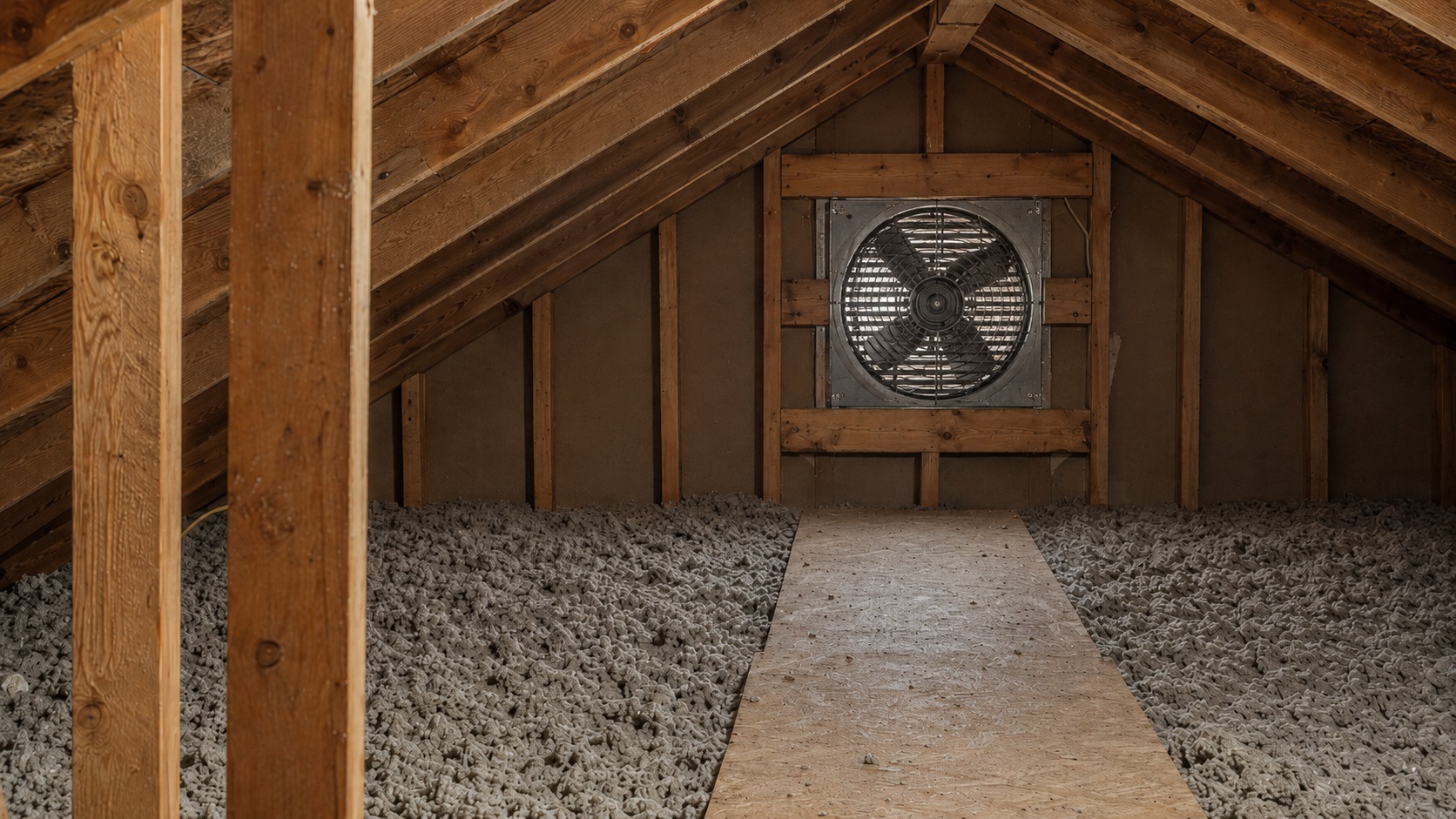
A hot, poorly ventilated attic can do more than make the upstairs uncomfortable. When attic air does not move correctly, heat and moisture can build up around roof decking, insulation, rafters, and stored items. Over time, that can contribute to damp insulation, condensation, musty odors, mold risk, and premature roof wear. The best attic ventilation fans help move stale attic air out of the space so fresh intake air can replace it through soffit, gable, or other intake vents.
This guide compares powered attic ventilation fans for homeowners dealing with attic heat, poor airflow, moisture concerns, or early roof ventilation problems. It includes gable-mounted fans, roof-mounted solar fans, and shutter-style exhaust fans for certain attic, garage, or shed setups. For broader roof moisture issues, see our guide to common roofing material failures.
As an Amazon Associate, this site earns from qualifying purchases. This does not affect the price you pay. Our recommendations are based on research, product reliability, and real-world usability in moisture-prone environments.
Quick Picks Summary
- Best Overall: QuietCool AFG SMT ES-3.0 Smart Attic Fan for Gable Vents
- Best High-Power Gable Fan: QuietCool AFG SMT PRO-3.0 Smart Attic Fan for Gable Vents
- Best for Medium Attics: QuietCool AFG SMT PRO-2.0 Smart Attic Fan for Gable Vents
- Best Solar Attic Fan: iLIVING 14″ HYBRID Smart Thermostat Solar Roof Attic Exhaust Fan
- Best Shutter-Style Wall Fan for Attics, Garages, and Sheds: iLIVING 16″ Wall Mounted Shutter Exhaust Fan
- Best Solar Fan with Humidistat: Remington Solar 30 Watt Roof Mount Solar Attic Fan
Before Buying an Attic Ventilation Fan
Before choosing an attic ventilation fan, make sure the attic has a real path for replacement air to enter. A powered fan exhausts air from the attic, but that air has to come from somewhere. In a well-designed attic, replacement air usually enters through soffit, eave, or gable intake vents. If those vents are blocked by insulation, debris, paint, or poor construction, even a strong attic fan may underperform.
This is especially important in homes with moisture or mold concerns. A powered attic fan should not be used as a shortcut for unresolved roof leaks, wet insulation, blocked soffit vents, bathroom exhaust dumping into the attic, or poor attic air sealing. If the fan creates negative pressure in a poorly sealed attic, it may pull conditioned air from the living space instead of pulling fresh outdoor air through the intake vents.
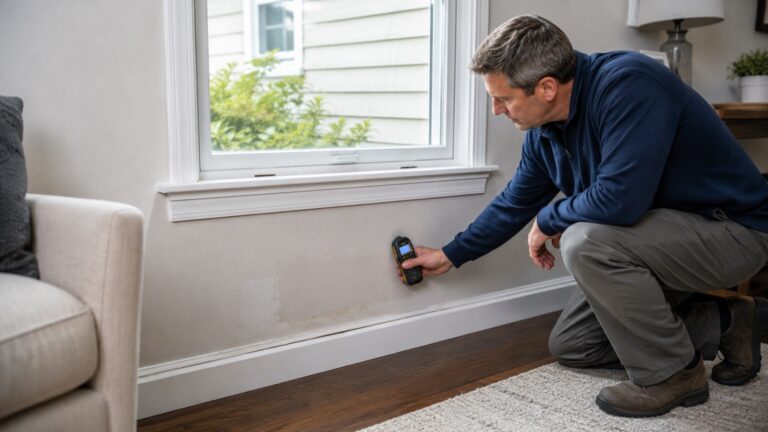
If you already see damp insulation, stained roof sheathing, rusted roofing nails, or musty attic odors, start by diagnosing the source of the moisture. Our guides to signs of poor attic ventilation, detecting hidden moisture in attics, and why poor roof ventilation causes moisture problems can help you decide whether a fan is the right next step or whether another repair should come first.
In some homes, improving passive ventilation with clear soffit vents, ridge vents, or balanced roof ventilation may be a better first step than adding a powered fan.
Product Reviews
Best Overall: QuietCool AFG SMT ES-3.0 Smart Attic Fan for Gable Vents
The QuietCool AFG SMT ES-3.0 is the best overall choice for many homeowners because it combines high airflow, smart controls, and a gable-mount design that avoids cutting a new hole through the roof. For homes with an existing gable vent and adequate intake ventilation, this type of attic fan can help exhaust hot, stagnant attic air while giving the homeowner more control than a basic thermostat-only fan.
This model is especially useful when attic heat and moisture are part of a broader roof ventilation concern. It is not a substitute for fixing blocked soffit vents, roof leaks, or wet insulation, but it can be a practical upgrade when the attic already has a reasonable ventilation path.
Key Features
- Designed for gable vent installation.
- Smart control capability for easier adjustment and monitoring.
- Thermostat and humidistat operation for heat and moisture-related ventilation control.
- Energy-efficient design compared with many traditional powered attic fans.
- Useful for larger attic spaces with proper intake ventilation.
Pros
- ✔ Balanced mix of power, controls, and homeowner usability.
- ✔ Gable installation avoids adding a roof penetration.
- ✔ Smart features are helpful for people who want more control than a basic fan.
- ✔ Good option for homeowners focused on both attic heat and moisture management.
Cons
- ✖ Requires a suitable gable vent location.
- ✖ May be more fan than very small attics need.
- ✖ Still depends on proper intake airflow to work correctly.
Best For
- Homeowners who want a strong gable-mounted attic fan with smart controls.
- Attics where heat and trapped air are recurring problems.
- Homes where the owner wants to avoid cutting into the roof deck.
Check the QuietCool AFG SMT ES-3.0 on Amazon to see current availability.
Best High-Power Gable Fan: QuietCool AFG SMT PRO-3.0 Smart Attic Fan for Gable Vents
The QuietCool AFG SMT PRO-3.0 is the high-output choice in this lineup. It makes the most sense for larger attics, hotter climates, or homes where a smaller gable fan may not move enough air. Because this is a more powerful model, it should be chosen carefully. A large powered attic fan is not automatically better if the attic does not have enough soffit, eave, or gable intake ventilation.
This product is a good fit for homeowners who have already checked the basics: intake vents are open, insulation is not blocking airflow, and the attic has a reasonable exhaust path. If attic moisture keeps returning even after ventilation improvements, the issue may need more than a fan.
Key Features
- High-output gable-mounted attic ventilation fan.
- Smart controls for more flexible operation.
- Thermostat and humidistat control for attic heat and moisture conditions.
- Designed for homeowners who need more airflow than a smaller attic fan provides.
- Useful for larger attic spaces when intake ventilation is adequate.
Pros
- ✔ Strong airflow for larger attic spaces.
- ✔ Gable-mounted design avoids roof flashing concerns.
- ✔ Smart control features make it easier to manage operation.
- ✔ Good option when a medium-size attic fan would be undersized.
Cons
- ✖ Can be oversized for smaller attics.
- ✖ Needs enough intake ventilation to avoid poor performance.
- ✖ Amazon may show return-rate warnings at times, so check the listing carefully before buying.
Best For
- Larger attics with existing gable vent access.
- Homes where attic heat buildup is more severe.
- Homeowners who want a powerful smart gable fan rather than a basic fan.
Check the QuietCool AFG SMT PRO-3.0 on Amazon to see current availability.
Best for Medium Attics: QuietCool AFG SMT PRO-2.0 Smart Attic Fan for Gable Vents
The QuietCool AFG SMT PRO-2.0 is a better fit for homeowners who like the QuietCool gable fan design but do not need the largest model. For medium attics, a correctly sized fan is often a smarter choice than simply buying the most powerful option. Oversized fans can create pressure problems if the attic does not have enough intake air, while undersized fans may not move enough hot attic air to make a noticeable difference.
This model works well as a balanced middle option. It keeps the gable-mount approach, smart control features, and thermostat/humidistat operation, but it is better suited to moderate attic spaces.
Key Features
- Gable-mounted attic fan for homes with suitable gable vent openings.
- Smart controls for easier fan operation.
- Thermostat and humidistat features for attic temperature and humidity response.
- More moderate output than the largest QuietCool gable option.
- Good fit for homeowners who want a powered attic fan without oversizing.
Pros
- ✔ Practical size for many medium attic spaces.
- ✔ Gable installation can be simpler than roof-mounted options.
- ✔ Smart control is useful for monitoring and adjustment.
- ✔ Better choice than a high-power model for many average homes.
Cons
- ✖ Not the best option for very large attics.
- ✖ Requires an appropriate gable vent location.
- ✖ Still needs proper intake ventilation to perform well.
Best For
- Medium-size attics where a large attic fan may be excessive.
- Homeowners who want smart gable ventilation without choosing the biggest model.
- Homes with existing gable vent openings and accessible power.
Check the QuietCool AFG SMT PRO-2.0 on Amazon to see current availability.
Best Solar Attic Fan: iLIVING 14″ HYBRID Smart Thermostat Solar Roof Attic Exhaust Fan
The iLIVING 14″ HYBRID Smart Thermostat Solar Roof Attic Exhaust Fan is the most practical solar pick in this list for homeowners who want a solar-powered roof-mounted fan. Solar attic fans are attractive because they can run during sunny, hot periods when attic heat is often highest. This model is especially useful for homeowners who want a roof-mounted attic ventilation fan but prefer solar operation over a standard wired fan.
The main caution is installation. A roof-mounted fan creates a roof penetration, so flashing and placement matter. If the roof already has leaks, old shingles, damaged decking, or flashing issues, solve those problems before adding another roof-mounted component. This product belongs in a moisture-control plan, but it should not be used to cover up existing roof damage.
Key Features
- Solar-powered roof-mount attic exhaust fan.
- Hybrid-ready design for homeowners who want added flexibility.
- Smart thermostat control for temperature-based operation.
- Brushless motor design.
- Useful for sunny climates where attic heat buildup is a frequent problem.
Pros
- ✔ Solar operation can be useful during hot daytime conditions.
- ✔ Good option when gable mounting is not practical.
- ✔ Thermostat control helps avoid unnecessary operation.
- ✔ Strong fit for homeowners who specifically want a solar attic fan.
Cons
- ✖ Roof installation requires careful flashing.
- ✖ Solar performance depends on sunlight exposure.
- ✖ Not ideal for roofs with existing leak or decking problems.
Best For
- Homeowners who want a solar-powered attic fan.
- Attics without a practical gable fan location.
- Sunny climates where daytime attic heat is the main concern.
Check the iLIVING 14″ HYBRID Solar Roof Attic Fan on Amazon to see current availability.
Best Shutter-Style Wall Fan for Attics, Garages, and Sheds: iLIVING 16″ Wall Mounted Shutter Exhaust Fan
The iLIVING 16″ Wall Mounted Shutter Exhaust Fan is not a traditional roof-mounted attic fan or a dedicated gable attic fan in the same sense as the QuietCool models. It is a shutter-style wall exhaust fan that can make sense for certain framed wall, garage, shed, workshop, or attic-adjacent ventilation projects. Because of that, it should be presented carefully rather than treated like a universal attic solution.
This fan is most useful where a wall-mounted exhaust setup is appropriate and where the homeowner can provide safe installation, power, and intake air. It may be helpful in garages or storage spaces where heat and humidity collect, but it should not be used randomly in a sealed attic without considering airflow balance. For whole-home moisture planning, see our guide to finding, fixing, and preventing moisture problems in homes.
For a traditional attic with soffit and ridge ventilation, this is usually not the first product I would choose. It belongs in the list because it can solve certain wall-exhaust situations, not because it replaces a purpose-built attic ventilation system.
Key Features
- Wall-mounted shutter-style exhaust fan.
- Automatic shutter design to close when the fan is not running.
- Variable speed control on the selected listing.
- Useful for attic, garage, shed, or utility ventilation setups where wall mounting makes sense.
- Good option for spaces that need direct wall exhaust rather than roof exhaust.
Pros
- ✔ Strong option for wall-mounted exhaust applications.
- ✔ Automatic shutters help reduce open-air exposure when off.
- ✔ Useful beyond attics, including garages and sheds.
- ✔ Can be practical where roof installation is not desired.
Cons
- ✖ Not a standard roof or gable attic fan.
- ✖ Requires a suitable framed wall opening.
- ✖ Needs careful use so it does not create poor airflow balance.
Best For
- Garages, sheds, utility areas, and certain attic wall exhaust setups.
- Homeowners who need a shutter-style exhaust fan rather than a roof-mounted unit.
- Ventilation projects where a wall fan is more practical than a roof fan.
Check the iLIVING 16″ Wall Mounted Shutter Exhaust Fan on Amazon to see current availability.
Best Solar Fan with Humidistat: Remington Solar 30 Watt Roof Mount Solar Attic Fan
The Remington Solar 30 Watt Roof Mount Solar Attic Fan is a good fit for homeowners who specifically want solar attic ventilation with humidity-related control features. It is a roof-mounted fan, so it is most appropriate when roof installation is acceptable and the homeowner wants solar-powered exhaust rather than a plug-in gable fan.
This product is especially relevant for attic moisture concerns because it includes both thermostat and humidistat functionality. That does not mean it will prevent mold by itself. Mold prevention still depends on controlling moisture sources, keeping insulation dry, maintaining intake ventilation, and fixing leaks. But for homeowners who want solar-powered roof ventilation with humidity awareness, the Remington Solar fan is one of the more relevant options.
Key Features
- Solar-powered roof-mounted attic fan.
- Built-in thermostat and humidistat controls.
- Designed to help exhaust hot attic air during suitable daylight conditions.
- Optional hybrid operation may be available depending on accessories and setup.
- Good fit for attic heat and moisture-control planning.
Pros
- ✔ Solar operation can reduce dependence on household power.
- ✔ Humidistat control is useful for moisture-aware attic ventilation.
- ✔ Good alternative to plug-in gable fans when roof mounting is preferred.
- ✔ Relevant for homeowners concerned about damp attic air.
Cons
- ✖ Roof-mounted installation must be flashed correctly.
- ✖ Solar output depends on sun exposure and panel placement.
- ✖ Should not be used as a substitute for fixing roof leaks or blocked intake vents.
Best For
- Homeowners who want a solar attic fan with humidity-related control.
- Attics where roof mounting is preferred over gable mounting.
- Homes in sunny areas with recurring attic heat and stale-air concerns.
Check the Remington Solar 30 Watt Roof Mount Solar Attic Fan on Amazon to see current availability.
Product Comparison Table
| Product | Best Pick | Best Use Case | Key Strengths | Main Limitation | Amazon Link |
|---|---|---|---|---|---|
| QuietCool AFG SMT ES-3.0 Smart Attic Fan | Best Overall | Large gable-vented attics needing smart ventilation | Smart controls, strong airflow, gable installation | Needs a suitable gable vent and intake airflow | View on Amazon |
| QuietCool AFG SMT PRO-3.0 Smart Attic Fan | Best High-Power Gable Fan | Larger attics needing more exhaust capacity | High-output gable fan with smart operation | Can be oversized if intake ventilation is limited | View on Amazon |
| QuietCool AFG SMT PRO-2.0 Smart Attic Fan | Best for Medium Attics | Medium attic spaces with existing gable vents | Balanced size, smart controls, gable mounting | Not ideal for very large attic spaces | View on Amazon |
| iLIVING 14″ HYBRID Solar Roof Attic Fan | Best Solar Attic Fan | Sunny roofs where solar attic ventilation is preferred | Solar operation, thermostat control, roof-mount design | Requires careful roof installation and good sun exposure | View on Amazon |
| iLIVING 16″ Wall Mounted Shutter Exhaust Fan | Best Shutter-Style Wall Fan | Wall-mounted exhaust for attics, garages, sheds, or utility spaces | Automatic shutter, variable speed, flexible wall use | Not a standard roof or gable attic fan | View on Amazon |
| Remington Solar 30 Watt Roof Mount Solar Attic Fan | Best Solar Fan with Humidistat | Solar roof ventilation with humidity-aware controls | Solar operation, thermostat, humidistat | Roof penetration must be flashed correctly | View on Amazon |
Buying Guide: How to Choose the Right Attic Ventilation Fan
Start With the Type of Installation
The first decision is whether you want a gable-mounted fan, a roof-mounted fan, or a wall-mounted shutter-style exhaust fan. Gable fans are often easier to understand because they mount behind or near an existing gable vent. They can be a good choice when you do not want to cut a new hole in the roof.
Roof-mounted fans can work well, especially solar models, but they create a roof penetration. That means flashing quality matters. A poorly installed roof fan can become a leak risk, especially on older roofs or roofs with existing flashing problems.
Wall-mounted shutter fans are more situational. They may be useful in garages, sheds, workshops, or some framed attic wall applications, but they should not be treated as a universal replacement for a dedicated attic ventilation system.
Make Sure the Attic Has Intake Air
An attic fan removes air. For that air to be replaced, the attic needs intake ventilation. In many homes, intake air comes through soffit vents or eave vents. In some setups, gable vents also contribute. If the intake path is blocked by insulation, paint, debris, or poor construction, even the best attic ventilation fan can struggle.
This is one of the biggest mistakes homeowners make. They buy a powerful attic fan but never check whether the attic can actually draw in fresh air. If you suspect blocked vents, read our guide on how to inspect roof vents for blockages before relying on a fan to solve the problem.
Do Not Use an Attic Fan to Hide a Roof Leak
An attic ventilation fan can help move air, but it cannot fix a leak. If attic insulation is wet, roof sheathing is stained, or water appears after rain, solve the water-entry problem first. A fan may dry some surfaces faster, but it will not stop rain from entering through flashing, roof penetrations, shingles, or damaged roof decking.
If you are unsure whether the moisture is from condensation or roof leakage, start with an attic inspection article rather than a product page. Our guide to signs of moisture in attic insulation can help you recognize when the issue is more serious than simple attic heat.
Choose Smart Controls if Conditions Change Often
Smart controls are useful when attic conditions vary throughout the day or season. Thermostat-based operation helps the fan respond to heat. Humidistat operation can help when damp attic air is part of the concern. App-based control is useful if you want easier access without climbing into the attic to adjust settings.
That said, smart features do not replace correct installation. A smart fan installed in an attic with blocked intake vents, major air leaks from the living space, or wet insulation will still have limited results.
Consider Solar Fans for Daytime Heat Problems
Solar attic fans are most appealing when the main problem is daytime heat buildup. They often run when sunlight is available, which usually overlaps with the hottest attic conditions. They can be a good fit for sunny climates and roofs with good solar exposure.
The tradeoff is consistency. Solar output depends on sunlight, panel placement, roof orientation, and weather. If you need dependable operation regardless of sunlight, a wired gable fan may be a better fit.
Setup and Usage Advice
Inspect the Attic Before Installing the Fan
Before installing any attic ventilation fan, look for wet insulation, dark roof sheathing stains, rusted nails, musty odors, blocked vents, and signs of roof leaks. A fan can help airflow, but it should not be your first diagnostic tool. If you find repeated dampness, read how to prevent moisture build-up in attics and correct the source of the moisture.
Check for Air Leaks Between the House and Attic
Powered attic fans can create negative pressure in the attic. If the ceiling plane is poorly air-sealed, the fan may pull conditioned air from the living space through ceiling gaps, recessed lights, attic hatches, plumbing penetrations, or duct chases. That can waste energy and reduce the benefit of the fan.
Before installing a high-power attic fan, seal obvious attic bypasses and make sure bath fans, dryer vents, and kitchen exhaust fans are not dumping moist air into the attic.
Place Roof-Mounted Fans Carefully
Roof-mounted attic fans should be installed where they can exhaust hot attic air effectively without interfering with existing vents or roof details. Flashing must be installed correctly. If the roof is older or already leaking, it may be smarter to address roofing problems before adding a roof-mounted fan.
Keep Intake Vents Clear
After the fan is installed, check intake vents periodically. Soffit vents can be blocked by insulation, dust, bird nests, paint, or debris. If the intake side is blocked, the fan may run without moving attic air efficiently.
Use the Fan as Part of a Ventilation System
The best attic ventilation fans work as part of a system: intake air enters low, warm attic air exits high, and the living space is air-sealed from the attic. A fan alone cannot replace balanced roof ventilation, good insulation practices, or leak repair.
Common Mistakes to Avoid
Buying the Most Powerful Fan Automatically
More airflow is not always better. A high-power fan in an attic with poor intake can create pressure problems and may pull air from the house instead of from outside. Match the fan to the attic size, intake ventilation, and installation layout.
Ignoring Soffit Vent Blockages
If soffit vents are blocked, the attic fan may not get the replacement air it needs. This can lead to weak performance and wasted money. Always check intake before assuming the exhaust fan is the missing piece.
Installing a Roof Fan on a Problem Roof
A roof-mounted fan should not be installed over existing roof problems. If shingles are failing, flashing is damaged, or roof decking is soft, fix the roof first. Adding a new roof penetration to a weak roof can create more problems.
Using an Attic Fan to Treat Mold Instead of Moisture
A fan may reduce stagnant air, but it does not remove existing mold or correct the water source that allowed mold to grow. If mold is already present, identify the cause, control the moisture source, and follow safe cleanup guidance.
Forgetting About Bathroom and Dryer Exhaust
Bathroom fans, kitchen exhaust, and dryer vents should not discharge into the attic. If they do, they can dump warm, humid air into the space and make attic moisture worse. Fix those exhaust paths before blaming the attic fan.
Skipping Follow-Up Checks
After installation, check the attic during different conditions: hot afternoons, cool mornings, rainy periods, and humid weather. A fan may improve airflow, but recurring staining, wet insulation, or musty odors still need investigation.
FAQ About Attic Ventilation Fans
Do attic ventilation fans prevent mold?
Attic ventilation fans can help reduce stagnant attic air, but they do not guarantee mold prevention. Mold prevention depends on controlling moisture sources, keeping roof leaks out, maintaining clear intake vents, and avoiding humid exhaust dumping into the attic.
Is a gable attic fan better than a roof-mounted attic fan?
A gable fan is often easier to recommend when the home already has a suitable gable vent because it avoids adding a roof penetration. A roof-mounted fan can also work well, especially solar models, but flashing and installation quality are critical.
Are solar attic fans worth it?
Solar attic fans can be worthwhile when the main problem is daytime heat buildup and the roof gets good sun exposure. They are less ideal when you need predictable operation during cloudy periods, nighttime humidity, or shaded conditions.
Can an attic fan make moisture problems worse?
It can contribute to poor results if the attic lacks intake ventilation or has major air leaks from the living space. A powered fan should be used with proper intake vents and good attic air sealing.
Should I install an attic fan if my insulation is wet?
No. Wet insulation usually means there is a moisture source that needs to be found first. It could be a roof leak, condensation, blocked ventilation, or humid air entering the attic from the house. Identify and correct the source before relying on a fan.
What is the best attic ventilation fan for a medium attic?
The QuietCool AFG SMT PRO-2.0 is the best medium-attic choice in this list because it offers smart gable ventilation without jumping to the largest high-output model.
What is the best attic ventilation fan for solar operation?
The iLIVING 14″ HYBRID Solar Roof Attic Fan is the best general solar pick, while the Remington Solar 30 Watt Roof Mount Solar Attic Fan is the better fit if you specifically want a solar fan with humidistat control.
Do I still need ridge vents or soffit vents if I install an attic fan?
Yes, in most cases. Powered attic fans need intake air, and many attic ventilation systems depend on soffit, ridge, gable, or other passive vents. If you are comparing passive roof ventilation options, see our guide to best ridge vents for proper attic ventilation.
Conclusion
The best attic ventilation fan depends on your attic layout, roof condition, intake ventilation, and moisture concerns. For most homeowners who want a smart gable fan with a balanced mix of power and control, the QuietCool AFG SMT ES-3.0 is the best overall choice. If you need more airflow for a larger attic, the QuietCool AFG SMT PRO-3.0 is the stronger high-power option. For medium attics, the QuietCool AFG SMT PRO-2.0 is usually the more balanced pick.
If you want solar operation, choose the iLIVING 14″ HYBRID Solar Roof Attic Fan. If humidity-aware solar control is the priority, the Remington Solar 30 Watt Roof Mount Solar Attic Fan is the better fit. For garages, sheds, and certain wall-mounted exhaust setups, the iLIVING 16″ Wall Mounted Shutter Exhaust Fan is useful, but it should be treated as a shutter-style wall fan rather than a standard attic fan.
Before buying, remember that powered attic ventilation only works well when the attic has enough intake air, proper air sealing, and no unresolved roof leaks. Choose the fan that fits the structure you actually have, not just the product with the biggest airflow number.