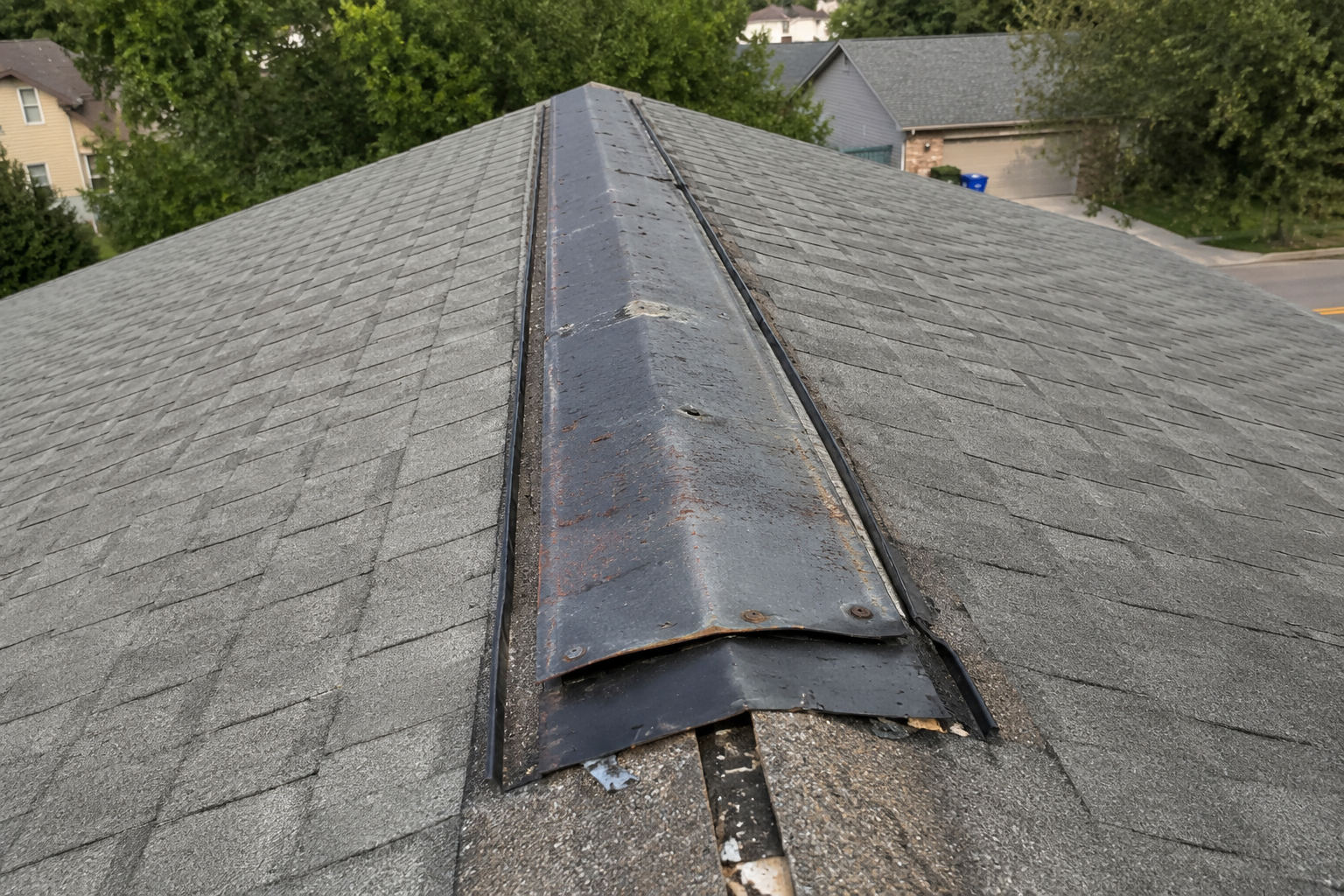
Signs Your Ridge Vent Needs Replacement
A ridge vent may need replacement when it is damaged, crushed, clogged, loose, weather-compromised, or no longer allowing attic air to exhaust properly. Because ridge vents sit at the highest and most exposed part of the roof, they deal with wind, rain, snow, heat, debris, roof movement, and pressure from ridge cap shingles. Over time, those stresses can reduce airflow or allow moisture problems near the roof peak.
The challenge is that ridge vent problems are not always obvious from the ground. A vent can be present but still underperform if it is blocked, flattened, poorly installed, or paired with inadequate intake ventilation. At the same time, not every attic moisture problem means the ridge vent itself has failed. Blocked soffits, indoor air leaks, bath fans venting into the attic, roof leaks, or condensation can create similar warning signs.
This article focuses specifically on signs that the ridge vent component may need replacement, not every possible attic ventilation problem. For the broader roofing system and how roof components contribute to moisture problems, see Most Common Roofing Material Failures.
Why Ridge Vents Fail or Stop Working Over Time
A ridge vent lets warm, moist attic air escape near the roof peak. In a balanced system, lower intake vents bring outside air into the attic while the ridge vent exhausts air out. When that path is blocked, crushed, damaged, or poorly balanced, heat and moisture can linger under the roof deck.
But ridge vents are not maintenance-free parts. They can fail from age, storm damage, poor installation, compression, clogging, UV exposure, brittle materials, loose ridge cap shingles, or debris buildup. When the vent no longer keeps an open exhaust path, attic airflow can decline even though the roof still appears to have a ridge vent installed.
Mesh Ridge Vents Can Become Crushed or Clogged
Mesh ridge vents are flexible, which makes them easy to install, but that flexibility can become a weakness over time. If the ridge cap shingles press down too tightly, the vent may flatten and reduce the airflow path. If dust, shingle granules, pollen, insulation fibers, or roofing debris collect in the mesh, the vent openings can become restricted.
A mesh ridge vent does not always need replacement simply because it is mesh. It may still work if it is clean, open, properly installed, and paired with good intake ventilation. However, crushed or clogged mesh is a strong sign that the vent may no longer be exhausting attic air effectively.
If you are deciding whether the existing vent type is worth keeping, Mesh vs Rigid Ridge Vents: Which Works Better? explains how mesh and rigid ridge vents compare for airflow, compression, clogging, and long-term performance.
Rigid Ridge Vents Can Crack, Warp, or Loosen
Rigid ridge vents are usually better at holding an open airflow channel, but they can still fail. Plastic vent bodies can crack, warp, break, or become brittle after years of sun, heat, cold, and roof movement. Baffles can be damaged. End plugs can loosen or go missing. Fasteners can back out or fail to hold the vent securely.
A damaged rigid vent may allow poor airflow, wind-driven rain, snow intrusion, or loose ridge cap shingles. If the vent body is broken or no longer seated correctly along the ridge, replacement is usually more practical than trying to rely on a compromised exhaust path.
Poor Installation Can Make a Ridge Vent Fail Early
Some ridge vents fail because they were never installed correctly. The ridge slot may have been cut too narrow, which restricts airflow. It may have been cut too wide, which can weaken weather resistance or reduce support. Underlayment or debris may block the slot. Ridge cap shingles may be fastened incorrectly. The vent may not match the roof pitch, ridge cap system, or ventilation requirements.
When installation is the problem, the vent may show symptoms long before it gets old. A homeowner may notice attic heat, condensation, musty odors, or storm-related water entry even though the vent looks relatively new. In that case, the issue is not age; it is whether the ridge vent was installed in a way that lets it exhaust air and shed weather properly.
A Ridge Vent Needs Intake Air to Work
A ridge vent can also appear to “fail” when the real problem is missing or blocked intake ventilation. Ridge vents are exhaust vents. They need lower intake vents, usually soffit vents, to supply replacement air. If intake air cannot enter the attic, the ridge vent may exhaust very little air.
This distinction matters because replacing the ridge vent alone may not fix the problem. If insulation blocks the eaves, soffit vents are painted over, or the attic has poor intake balance, a new ridge vent may still underperform. Ridge vent replacement should be considered only after the full attic airflow path is understood.
Visible Exterior Signs Your Ridge Vent May Need Replacement
Some ridge vent problems can be seen from outside the home, especially after storms, roof work, or years of weather exposure. Do not climb onto a steep, wet, fragile, icy, or high roof to check these signs. Many exterior warning signs can be noticed from the ground with binoculars, from an upper window, or during a professional roof inspection.
Visible ridge damage matters because the ridge cap shingles, vent body, fasteners, baffles, and end details work as one system. If the ridge line is damaged or exposed, the attic may be vulnerable to weak exhaust, wind-driven rain, or snow intrusion.
Loose, Missing, or Damaged Ridge Cap Shingles
Ridge cap shingles protect the ridge vent and help shed water over the roof peak. If ridge cap shingles are missing, cracked, lifted, curled, or loose, the ridge vent beneath them may be exposed to wind and rain. This can reduce weather protection and allow water to reach the vent opening.
Missing ridge caps are especially concerning after wind events. The ridge is one of the most exposed parts of the roof, so loose caps can lift, tear, or break away. Once that happens, the ridge vent may no longer be covered correctly. Even if the vent body is still present, the system may not resist wind-driven rain the way it was designed to.
Damaged ridge caps do not always mean the ridge vent itself must be replaced. Sometimes only the ridge caps need repair. However, if the damage exposed the vent for a long period, damaged the vent body, or allowed repeated water entry, the ridge vent should be evaluated for replacement.
Exposed, Cracked, or Warped Vent Material
A ridge vent should not look like loose, exposed, or broken material along the roof peak. If you can see cracked plastic, torn mesh, lifted vent sections, missing end pieces, damaged baffles, or warped vent material, the vent may no longer be protecting the ridge opening correctly.
Rigid ridge vents can crack or become brittle after years of sun, heat, cold, and roof movement. Mesh ridge vents can tear, flatten, or shift under the ridge caps. Storms, poor fastening, foot traffic, animal activity, falling branches, or poor installation can damage either type.
Exposed vent material is a stronger warning sign when it appears with interior symptoms such as wet insulation, staining near the roof peak, musty attic odor, or water marks after storms. In those cases, the ridge vent may not just be cosmetically damaged. It may be part of an active moisture pathway.
A Wavy, Flattened, or Uneven Ridge Line
The ridge line should look relatively straight and consistent. If it appears wavy, sunken, flattened, uneven, or broken in sections, the ridge vent may be crushed, shifted, poorly fastened, or installed incorrectly. This is especially common with some flexible mesh ridge vents that can compress beneath ridge cap shingles.
A flattened ridge vent may not provide enough exhaust space under the ridge cap. The vent may still be physically present, but the air channel may be restricted. This can reduce attic ventilation and contribute to heat or moisture buildup.
An uneven ridge line may also point to ridge cap, decking, fastener, or vent placement problems. If the ridge looks distorted after roof replacement, storm damage, or repair work, it should be inspected before assuming the vent is working correctly.
Storm Damage Around the Roof Peak
Wind, hail, falling limbs, and heavy storms can damage ridge vents directly or indirectly. The vent may be cracked by impact, loosened by wind, exposed when ridge caps blow off, or shifted out of position. Hail can damage ridge cap shingles and expose the vent system to future leaks.
Storm damage near the ridge matters because the ridge vent is both a ventilation opening and a weather-protected roof detail. If the protective covering is damaged, water can enter near the highest point of the roof and travel down rafters, sheathing, insulation, or ceiling framing before becoming visible indoors.
After major storms, look for missing ridge caps, loose pieces, uneven ridge sections, damaged vent ends, or debris lodged near the roof peak. If there is any visible damage near the ridge, a roofer should inspect the vent before the next heavy rain.
Old or Incompatible Ridge Vent Material
Ridge vents may also need replacement when they are outdated, poorly matched to the roof, or incompatible with a new roofing system. During roof replacement, some contractors remove the old ridge vent and install a new vent because the existing one is brittle, crushed, clogged, or not compatible with the new ridge cap shingles.
This is often the best time to upgrade from an older mesh vent to a rigid baffled ridge vent, especially if attic airflow has been a concern. If replacement is likely and you want to compare options, Best Ridge Vents for Proper Attic Ventilation is the product-focused follow-up after identifying the need for replacement.
Age alone is not the deciding factor. A ridge vent should be replaced when its condition, design, installation, or performance no longer supports reliable attic exhaust and weather protection.
Attic Signs That Point to Ridge Vent Problems
Ridge vent problems are not always visible from outside. Sometimes the first warning signs appear inside the attic, especially near the roof peak. These symptoms do not prove the ridge vent is the only problem, but they can suggest that attic exhaust is weak, blocked, or not working as intended.
The most important pattern is location and timing. Moisture, staining, or weak airflow concentrated near the ridge should put the ridge vent on the inspection list. Symptoms spread throughout the attic, concentrated near soffits, or tied to bathroom fans, insulation gaps, or roof penetrations often point to the larger ventilation or leak system instead.
A Hot Attic Even Though a Ridge Vent Is Installed
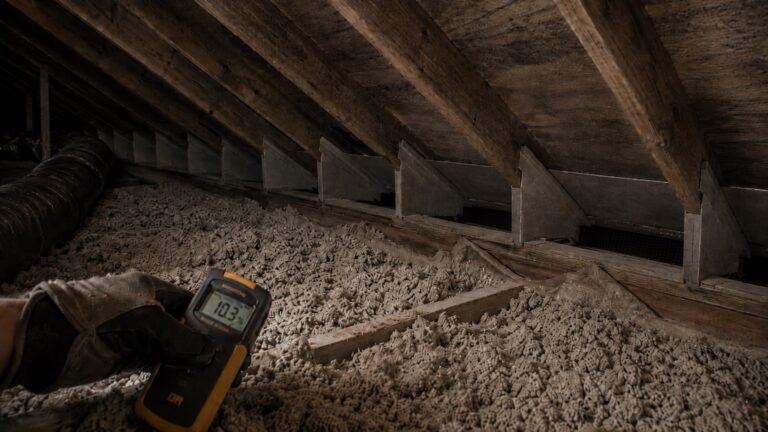
A hot attic does not automatically mean the ridge vent needs replacement, but it can be a sign that the exhaust system is not working well. If the attic remains extremely hot despite having a ridge vent, the vent may be blocked, crushed, undersized, poorly installed, or paired with inadequate intake ventilation.
This is especially important when the ridge vent was installed years ago and has never been inspected. A mesh vent may be compressed, a rigid vent may be shifted or blocked, the ridge slot may be too narrow, or intake vents may be blocked. Any of those issues can make the attic feel poorly ventilated even when a ridge vent is visible from outside.
If the problem seems broader than the ridge vent itself, compare the attic symptoms with Signs of Poor Attic Ventilation. That article covers the wider attic ventilation warning signs that may not be limited to the ridge.
Musty Attic Odors or Stale Air Near the Roof Peak
A musty attic odor can suggest that moisture is lingering longer than it should. If the smell is strongest near the roof peak, the ridge vent may not be exhausting humid attic air effectively. Poor exhaust can allow damp air to collect near the upper roof deck, especially during cold weather or after humid periods.
However, odor alone is not enough to blame the ridge vent. Moisture can also come from air leaks in the ceiling, bathroom exhaust fans dumping into the attic, roof leaks, damp insulation, or blocked soffit intake. A ridge vent should be evaluated as part of the whole moisture path, not as the automatic cause.
Condensation Near the Ridge
Condensation near the ridge can be one of the strongest attic clues that ventilation is not moving air properly. Warm, moist air rises inside the attic. If it reaches cold roof sheathing near the peak and does not exhaust effectively, moisture can condense on the underside of the roof deck, nails, rafters, or ridge-area surfaces.
This can look like a roof leak, especially when droplets form near the peak or staining appears on the sheathing. But condensation is different from rain entry. Condensation usually points to a combination of warm indoor air leakage, cold roof surfaces, poor ventilation, and inadequate moisture removal.
A failing ridge vent can contribute to condensation by reducing exhaust airflow. But intake problems, attic air leaks, insulation gaps, and indoor humidity can also cause the same pattern. For the full moisture explanation, see Why Poor Roof Ventilation Causes Moisture Problems.
Damp Roof Sheathing or Staining Near the Peak
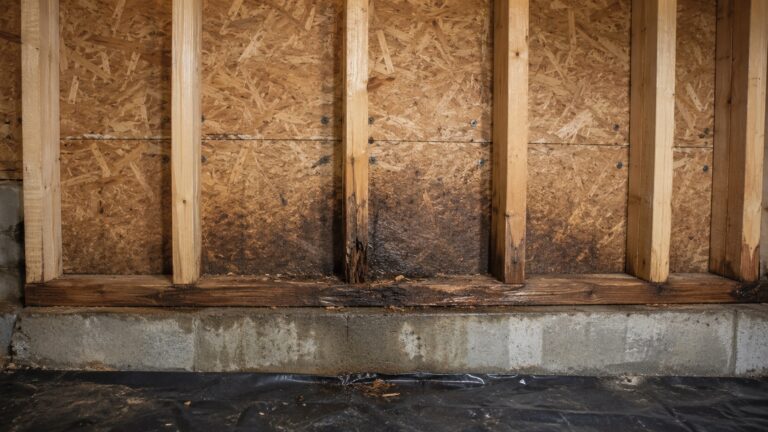
Damp roof sheathing near the ridge should be taken seriously. If the sheathing feels damp, shows dark staining, or has repeated moisture marks near the peak, the ridge vent may be failing to exhaust moisture or may be allowing weather intrusion during storms.
The pattern matters. Staining directly below the ridge, especially after wind-driven rain or snow, may suggest a ridge vent weather problem. Widespread staining across the roof deck points more toward poor attic ventilation, condensation, or indoor moisture leakage. Staining near a chimney, valley, pipe boot, or roof penetration may have nothing to do with the ridge vent.
Because the causes can overlap, damp sheathing near the ridge should be inspected carefully before replacing parts. The goal is to identify whether the ridge vent is damaged, blocked, incorrectly installed, or simply part of a larger attic ventilation imbalance.
Weather Intrusion Signs: Rain, Snow, or Wind at the Ridge
A ridge vent should allow air to escape without letting normal rain or snow enter the attic. If water, snow, or wind-driven moisture repeatedly appears near the ridge, the vent may be damaged, poorly installed, missing weather protection, or mismatched to the roof exposure.
Weather intrusion is different from general poor airflow. With weather intrusion, moisture appears after storms, especially near the ridge line. With poor airflow, the attic may be hot, stale, or damp even without a recent rain or snow event.
Water Stains After Wind-Driven Rain
If stains appear near the roof peak after wind-driven rain, the ridge vent should be checked. Wind can push rain toward the ridge opening, especially if ridge caps are loose, baffles are damaged, the vent ends are open, or the vent was not installed correctly.
A properly installed ridge vent should be designed to resist normal weather exposure. Repeated storm-related staining near the ridge may mean the vent is cracked, shifted, missing end protection, installed over an incorrect slot, or covered by damaged ridge caps.
However, stains after rain can also come from nearby roof leaks that travel before becoming visible. Water may enter at flashing, nail holes, damaged shingles, or roof penetrations and run along framing toward another location. That is why the roof peak should be inspected along with nearby roofing details.
Snow Dusting or Wet Insulation Near the Ridge
In snowy climates, a small amount of wind-blown snow can sometimes enter poorly protected openings. If snow dusting or wet insulation appears directly below the ridge vent after storms, the ridge vent may not be resisting wind-driven snow well enough.
This can happen when the vent is damaged, missing baffles, installed incorrectly, or not suited to the roof’s exposure. It can also happen when ridge cap shingles are loose or missing. If snow melts inside the attic, it can wet insulation and roof framing, creating moisture problems that look like a roof leak.
Wet insulation near the ridge should not be ignored. Insulation loses performance when wet and can hold moisture against framing or ceiling materials. Do not cover, paint over, or seal stained materials until the source is confirmed and the area is dry. If the wet area is directly below the ridge, the ridge vent and ridge cap system should be inspected before the next storm cycle.
Loose Vent Sections After Storms
Strong wind can loosen ridge cap shingles, lift vent material, damage fasteners, or shift ridge vent sections. After a storm, a ridge line that looks uneven, lifted, exposed, or broken may indicate that the vent system is no longer secure.
Loose vent sections can create both ventilation and water-entry problems. The attic may lose proper exhaust, and wind-driven rain may have an easier path under the ridge caps. If the vent body is cracked, displaced, or no longer seated against the ridge, replacement is often more reliable than trying to patch a compromised vent.
Condensation Can Mimic a Ridge Vent Leak
Not all moisture near the ridge is rain or snow entry. Condensation can form near the roof peak when warm indoor air leaks into a cold attic and does not exhaust properly. This can create droplets, dark staining, rusty nails, damp sheathing, or wet insulation that looks like a ridge vent leak.
The timing can help separate the causes. Moisture that appears during cold weather without a recent storm may be condensation. Moisture that appears directly after wind-driven rain or snow may point more toward weather intrusion. Moisture that appears after showers or high indoor humidity may suggest indoor air leakage or bath fan problems.
Because condensation and leaks can look similar, do not replace the ridge vent blindly. Inspect the vent condition, intake airflow, attic air sealing, insulation, and nearby roof surfaces before deciding whether replacement is necessary.
Clogged or Crushed Ridge Vent Symptoms
A ridge vent can be installed on the roof and still fail to move enough air. This often happens when the vent is clogged, crushed, blocked underneath, or installed over an incorrect ridge slot. The homeowner may see attic moisture symptoms even though the roof appears to have a continuous ridge vent from the outside.
Clogging and compression are especially common concerns with older mesh ridge vents, but rigid vents can also underperform if they are damaged, blocked, or installed incorrectly. The warning signs usually show up as poor attic airflow, heat buildup, condensation, or visible vent distortion.
The Ridge Vent Looks Flattened or Collapsed
A flattened ridge vent may not provide enough exhaust space under the ridge cap shingles. This is more common with flexible mesh vents, which can compress if the ridge caps are fastened too tightly or if the vent material breaks down over time.
From the ground, the ridge may look unusually flat, sunken, wavy, or inconsistent. In the attic, airflow near the ridge may feel weak, and the roof sheathing near the peak may show more heat or moisture stress than expected. A crushed vent is often a replacement candidate because the airflow path has physically collapsed.
The Vent Openings Are Packed With Debris
Dust, pollen, roofing granules, leaves, pine needles, insect activity, and insulation fibers can restrict ridge vent openings. If debris blocks the vent, attic air cannot exhaust efficiently. The roof may still have a ridge vent, but the usable airflow may be much lower than intended.
Debris problems are more likely near trees, dusty attic spaces, older shingles, deteriorating roofing materials, or roofs where installation debris was left near the ridge slot. If blockage is suspected, inspect the vent before assuming the entire attic ventilation system has failed.
For a more detailed inspection process, use How to Inspect Roof Vents for Blockages. That topic owns the step-by-step blockage inspection, while this article focuses on whether the ridge vent may need replacement.
The Attic Still Has Poor Airflow After Other Issues Are Checked
If soffit vents are open, attic baffles are clear, insulation is not blocking the eaves, and there are no obvious indoor moisture sources, a restricted ridge vent becomes more suspicious. A ridge vent that cannot exhaust properly may leave warm, moist air trapped near the roof peak.
This does not prove replacement is always required. Sometimes debris can be cleared or a minor installation problem can be corrected. But if the vent is crushed, brittle, clogged throughout its length, or installed in a way that permanently restricts airflow, replacement is usually more practical than trying to salvage it.
When Replacement Is More Likely Than Repair
Some ridge vent problems can be repaired. A loose ridge cap shingle, a missing fastener, or a small localized issue may not require replacing the entire vent. Replacement becomes more likely when the vent itself is damaged, restricted, outdated, or unable to provide reliable exhaust and weather protection.
A ridge vent is more likely to need replacement when:
- The vent body is cracked, brittle, warped, or broken
- A mesh vent is crushed, flattened, or clogged through long sections
- Baffles are missing, damaged, or no longer protecting the vent opening
- Ridge cap damage has exposed the vent to repeated weather
- Wind-driven rain or snow repeatedly enters near the ridge
- The ridge vent was installed over an incorrect or blocked slot
- The vent is incompatible with the roof pitch, ridge caps, or new roofing system
- Attic moisture continues after intake and obvious blockage issues are addressed
- The roof is being replaced and the old vent is already aged or low-performing
Replacement During Roof Replacement Often Makes Sense
Roof replacement is one of the best times to replace a questionable ridge vent. The ridge area is already being opened, the contractor can inspect the slot, and the new vent can be matched with the new roofing system. Reusing an old, brittle, clogged, or crushed ridge vent may save a small amount upfront but leave the attic with weak exhaust ventilation.
This is also the point where many homeowners consider upgrading from an older mesh vent to a rigid baffled ridge vent. Rigid vents usually hold their airflow channel better and are often preferred for long-term performance. If you are deciding between vent types, Mesh vs Rigid Ridge Vents: Which Works Better? explains the comparison in more detail.
Repeated Moisture Near the Ridge Is a Strong Warning Sign
If moisture keeps appearing near the ridge after storms or during cold weather, the ridge vent should be evaluated carefully. Repeated dampness may indicate weather intrusion, poor exhaust, condensation, or a combination of problems. The more often the same area becomes wet, the less likely it is that the issue should be ignored.
Replacement is more likely when visible vent damage matches the moisture pattern. For example, wet insulation directly below a cracked vent section, staining below missing ridge caps, or condensation near a crushed ridge vent all strengthen the case for replacement or professional correction.
When the Ridge Vent May Not Be the Main Problem
A ridge vent can be blamed for attic moisture even when the real problem is somewhere else. Replacement should not be automatic unless the vent is clearly damaged, clogged, crushed, loose, weather-compromised, or poorly installed. The ridge vent is only one part of the attic ventilation and moisture-control system.
Common problems that can mimic ridge vent failure include:
- Blocked soffit vents
- Insulation packed into the eaves
- Missing attic ventilation baffles
- Bathroom fans exhausting into the attic
- Warm indoor air leaking through ceiling gaps
- High indoor humidity entering the attic
- Roof leaks from flashing, valleys, shingles, or pipe boots
- Too many competing exhaust vents short-circuiting airflow
If the ridge vent is present but the attic still has moisture problems, check the intake side before treating replacement as the only solution. A new ridge vent cannot perform well if air cannot enter through the lower ventilation openings.
When the warning signs are broader than the ridge itself, Signs That Roof Ventilation Needs Repair is the better general diagnostic guide. Ridge vent replacement should be considered after the full airflow path is understood.
Blocked Intake Can Make a Good Ridge Vent Look Bad
Blocked soffit vents are one of the most common reasons ridge vents underperform. If insulation covers the soffit openings, air cannot enter the attic properly. The ridge vent may be intact, but it has very little replacement air to exhaust.
In that situation, replacing the ridge vent may not solve the attic moisture problem. The more important fix may be clearing soffit vents, adding attic baffles, improving air sealing, or correcting the intake-to-exhaust balance. A roofer or ventilation professional should confirm the full airflow path before recommending ridge vent replacement.
Indoor Air Leaks Can Create Condensation Near the Ridge
Warm indoor air often carries moisture. If that air leaks into the attic through ceiling penetrations, recessed lights, attic hatches, plumbing chases, or poorly sealed fans, it can rise toward the ridge and condense on cold roof surfaces. This can make the ridge area look like it is leaking.
The ridge vent may still need evaluation, but replacement alone will not fix an indoor air leakage problem. If condensation is the main issue, the solution may involve air sealing, insulation correction, intake ventilation, and exhaust balance rather than simply swapping the ridge vent.
What to Ask a Roofer Before Replacing a Ridge Vent
Before replacing a ridge vent, ask questions that confirm whether the vent is truly the problem and whether the new vent will work with the entire attic ventilation system. A good roofer should be able to explain the condition of the existing vent, the intake ventilation, the ridge slot, and the recommended replacement type.
- Is the ridge vent damaged, clogged, crushed, or just poorly supported?
- Is the soffit intake open and adequate for the ridge vent?
- Is the ridge slot cut to the correct width?
- Is the existing vent mesh, rigid, baffled, or unbaffled?
- Would a rigid baffled vent perform better on this roof?
- Is the vent compatible with the roof pitch and ridge cap shingles?
- Are other exhaust vents interfering with ridge vent airflow?
- Is there evidence of wind-driven rain, condensation, or a separate roof leak?
- Should the vent be replaced now if the roof is already being replaced?
If the attic needs more than ridge vent replacement, the next step may be improving the airflow path rather than changing only the exhaust vent. How to Improve Airflow in Attic Spaces is the better topic when intake, baffles, insulation, and air movement all need to be considered together.
Frequently Asked Questions
How do I know if my ridge vent itself is bad?
A ridge vent itself may be bad if it is cracked, crushed, clogged, loose, exposed, warped, missing baffles, or allowing repeated water or snow entry near the ridge. Attic signs such as weak airflow, condensation near the peak, damp sheathing, or musty air strengthen the case when they match visible ridge vent damage.
Can a clogged ridge vent cause attic moisture?
Yes. A clogged ridge vent can reduce exhaust airflow and allow warm, moist attic air to linger near the roof deck. However, attic moisture can also come from blocked soffits, indoor air leaks, bath fans, roof leaks, or poor insulation, so the full ventilation path should be checked.
Should ridge vents be replaced when the roof is replaced?
Often, yes. If the existing ridge vent is old, brittle, crushed, clogged, mesh-based, damaged, or incompatible with the new roof system, replacement during roof installation makes sense. The contractor can also inspect the ridge slot and correct ventilation details while the roof is open.
Can a ridge vent leak during heavy rain or snow?
A ridge vent can leak if it is damaged, poorly installed, missing weather protection, exposed by loose ridge caps, or not suited to the roof’s wind exposure. Moisture near the ridge can also be condensation, so the source should be confirmed before assuming rain is entering through the vent.
Can you repair a ridge vent instead of replacing it?
Sometimes. A loose ridge cap, minor fastener issue, or localized problem may be repairable. Replacement is more likely when the vent body is cracked, crushed, brittle, clogged through long sections, missing baffles, poorly installed, or repeatedly allowing moisture problems near the ridge.
Final Decision: Replace the Ridge Vent Only After Confirming the Cause
A ridge vent may need replacement when it can no longer provide reliable attic exhaust or weather protection. Visible damage, loose ridge caps, exposed vent material, crushed mesh, cracked rigid sections, debris blockage, wind-driven rain, snow intrusion, and repeated moisture near the roof peak are all warning signs that the vent should be inspected.
At the same time, ridge vent replacement should not be automatic every time an attic feels hot or damp. Blocked intake vents, insulation problems, indoor air leaks, bathroom fan exhaust, condensation, and separate roof leaks can mimic ridge vent failure. The best decision comes from evaluating the ridge vent and the full attic ventilation path together.
When ridge vent problems are part of a larger moisture pattern, use a whole-home moisture approach rather than treating the roof as an isolated system. How to Find, Fix, and Prevent Moisture Problems in Homes can help connect roof ventilation, attic moisture, and long-term water damage prevention.