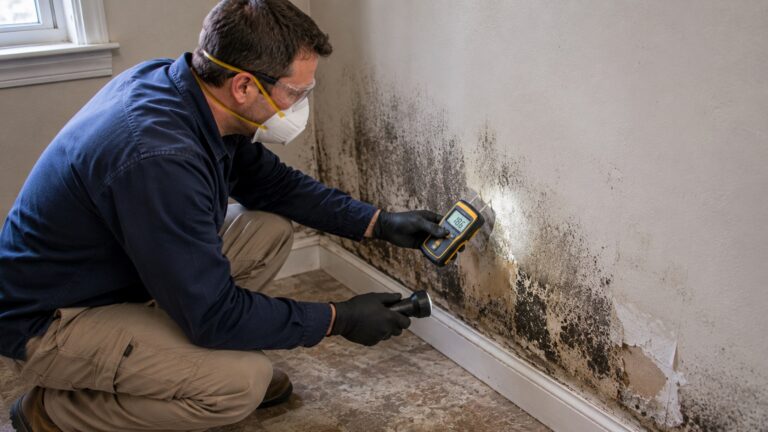
Signs of Mold Growth in Exterior Walls
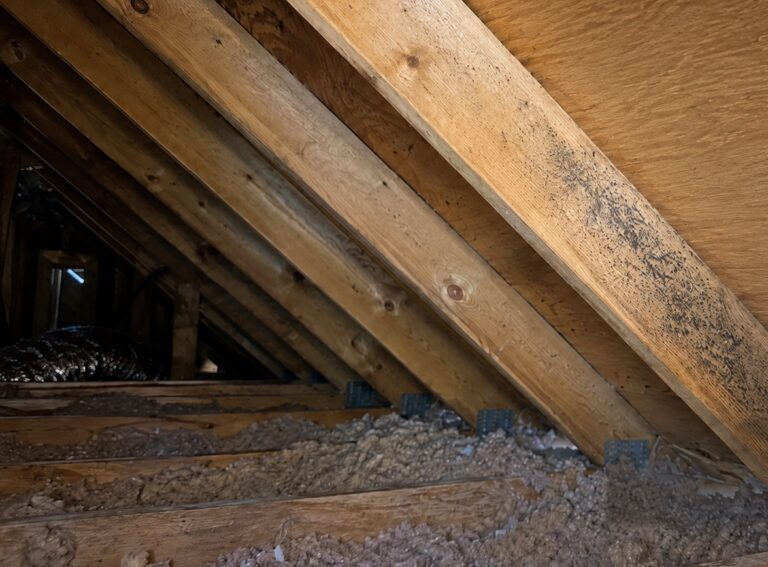
Signs of mold growth in exterior walls include musty odors near exterior-facing rooms, recurring stains, paint bubbling, damp or cold wall surfaces, dark spots that return after cleaning, and wall areas that swell or soften over time. These symptoms matter most when they appear repeatedly in the same location or worsen after rain, humidity, or seasonal temperature changes.
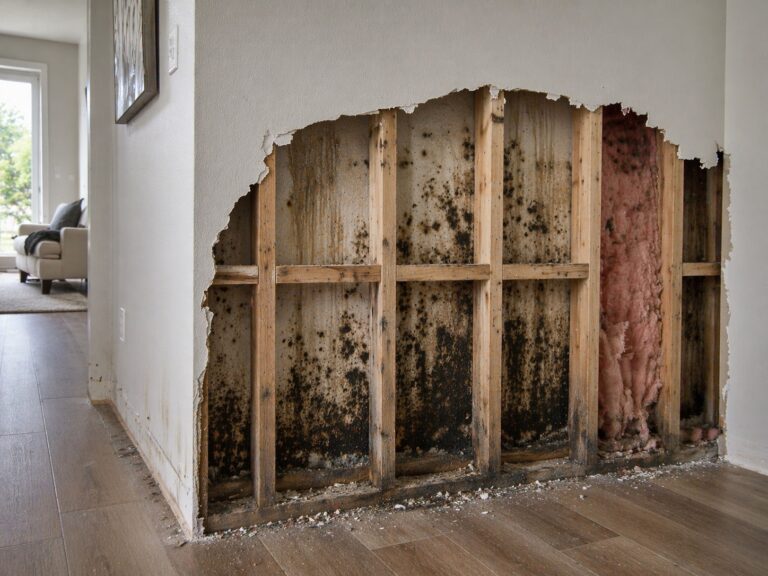
Mold inside exterior walls often starts behind drywall, insulation, or siding, so the first clues are usually indirect. If the wall also shows moisture-related warning signals like dampness, peeling paint, or recurring discoloration, compare those symptoms with the broader signs of moisture in exterior walls before assuming the issue is only cosmetic.
This guide focuses on the most realistic signs that mold may be growing inside exterior wall cavities, how those signs progress, and when the problem needs professional evaluation.
Why Mold Inside Exterior Walls Often Goes Unnoticed
Exterior wall mold rarely appears suddenly or dramatically. Instead, it usually develops slowly inside hidden spaces where moisture accumulates without obvious warning signs. Because these wall systems contain insulation, framing, and multiple layers of materials, moisture can remain trapped for extended periods without being visible on the surface.
That delay usually happens because the first signs look like ordinary paint, odor, or humidity problems instead of hidden mold.
Hidden Wall Cavities Create Ideal Mold Conditions
Exterior walls contain enclosed cavities designed to protect the home from outdoor conditions. These cavities typically include insulation, structural wood framing, and vapor barriers. While these components help regulate temperature and airflow, they can also trap moisture if water enters the wall system.
Moisture inside these cavities may come from:
- Minor exterior leaks around windows or siding
- Condensation caused by temperature differences
- Water intrusion during heavy rain
- Poorly sealed exterior penetrations
- Damaged flashing or weatherproofing
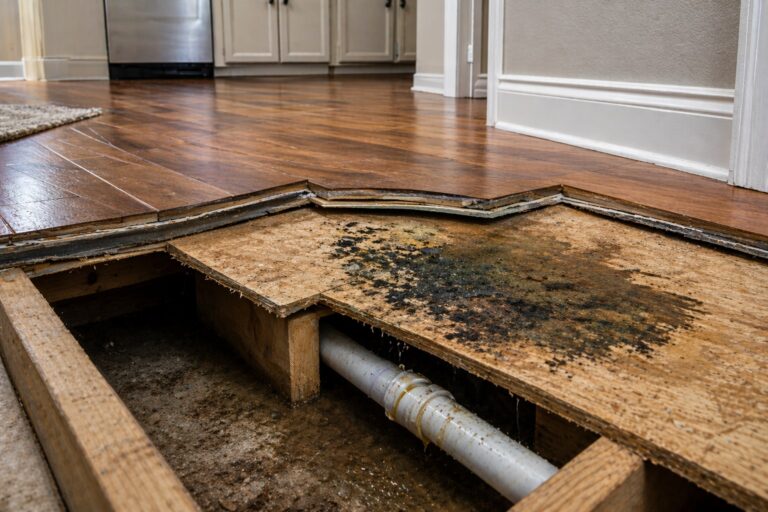
Once moisture stays trapped in insulation, drywall backing, or wood framing, mold can begin growing before anything obvious appears on the room side of the wall.
Many of these moisture entry conditions originate from structural weaknesses explained in why exterior walls develop moisture problems, which outlines how small exterior defects often lead to hidden moisture buildup.
Why Exterior Walls Are Especially Vulnerable
Exterior walls are exposed to temperature swings, wind-driven rain, humidity changes, and outdoor air leaks. That makes mold more likely when moisture gets trapped inside the wall instead of drying out.
Exterior-facing walls are especially vulnerable when:
- Outdoor temperatures drop significantly
- Indoor humidity levels remain high
- Insulation is insufficient or damaged
- Exterior sealing materials begin to fail
- Air leaks allow moisture to enter wall cavities
Temperature differences between indoor and outdoor air often create condensation inside wall cavities. This occurs when warm indoor air contacts cold exterior surfaces, forming moisture that may remain trapped inside the wall.
When moisture remains inside the wall long enough, mold can develop even without obvious leaks. In many cases, identifying the hidden moisture source requires targeted inspection methods similar to those explained in how to detect hidden moisture in exterior walls.
Early Signs of Mold Growth in Exterior Walls
The earliest warning signs are usually subtle, but they become more meaningful when they repeat in the same exterior-facing area. A one-time stain may be cosmetic; a stain, odor, or damp patch that returns after cleaning or weather changes deserves closer attention.
Musty Odors Near Exterior Walls
One of the most common early signs of hidden mold growth is a persistent musty smell near an exterior-facing wall. The odor may appear before visible mold because the growth is still hidden behind drywall, insulation, or trim.
Musty odors caused by mold inside exterior walls typically:
- Appear stronger during humid weather
- Become noticeable when entering the room
- Persist even after cleaning surfaces
- Seem concentrated near specific walls
- Return after temporary improvement
If a musty odor consistently originates from an exterior-facing wall, hidden mold growth may already be present. This symptom becomes more concerning when combined with moisture-related warning signs or recurring wall damage.
Ignoring odor-based symptoms is one of the most common reasons homeowners delay action. Many assume smells come from surface dust, furniture, or normal humidity rather than concealed mold growth.
Cold or Damp Wall Surfaces
Exterior walls that feel unusually cold or slightly damp may indicate moisture buildup inside the wall cavity. These conditions create an environment where mold can develop even when no visible water damage is present.
Cold wall surfaces are especially noticeable when:
- Outdoor temperatures are significantly lower than indoor temperatures
- Insulation is missing or damaged
- Moisture is trapped inside wall materials
- Air leaks allow outside air to enter
Dampness on wall surfaces may appear as:
- Moisture beads forming on painted surfaces
- Slight stickiness on drywall finishes
- Condensation near corners or edges
- Walls that feel cool and humid to the touch
These symptoms often become more concerning when they appear with high indoor humidity, repeated condensation, or other recurring moisture patterns. Broader prevention steps are covered in how to find, fix, and prevent moisture problems in homes.
Subtle Wall Discoloration
Minor discoloration is often one of the first visible clues that mold may be forming behind exterior wall surfaces. This discoloration may not appear as obvious mold growth at first, making it easy to overlook.
Early discoloration patterns may include:
- Light gray or yellow stains
- Uneven paint tone changes
- Faint shadow-like marks
- Slight darkening along seams or corners
- Subtle patches that reappear after cleaning
Discoloration commonly appears near:
- Wall corners exposed to outside temperatures
- Areas surrounding windows or doors
- Lower sections of exterior-facing walls
- Locations previously exposed to moisture
Even when stains appear small, recurring discoloration should never be ignored. Repeated surface changes often indicate ongoing moisture activity inside the wall system.
Visible Warning Signs That Mold May Be Inside Exterior Walls
As mold growth inside exterior walls progresses, surface changes usually become more noticeable. These visible signs often develop after moisture has remained trapped inside the wall for weeks or months. By the time these symptoms appear, mold may already be spreading within insulation, drywall backing, or structural framing.
When visible symptoms keep returning, the wall should be checked for moisture damage rather than repainted or cleaned again. A more complete inspection process is covered in how to inspect exterior walls for moisture damage.
Paint Bubbling or Peeling
Paint bubbling is one of the most common visual indicators of moisture trapped inside exterior walls. When water vapor or moisture accumulates behind painted drywall, it pushes outward, causing paint layers to separate from the surface.
This bubbling may appear as:
- Small raised blisters under the paint
- Clusters of peeling or flaking paint
- Uneven paint texture or rough patches
- Paint lifting near seams or edges
- Localized areas of repeated peeling
Paint failure caused by hidden moisture often develops gradually. Many homeowners assume the issue is caused by poor paint application, aging materials, or humidity alone. However, when bubbling occurs repeatedly in the same area—especially on exterior-facing walls—it often indicates moisture trapped behind the drywall.
If mold growth has begun inside the wall cavity, bubbling paint may appear alongside musty odors or minor staining. Addressing the moisture source early helps prevent mold from spreading deeper into the structure.
Dark Spots or Streaking on Wall Surfaces
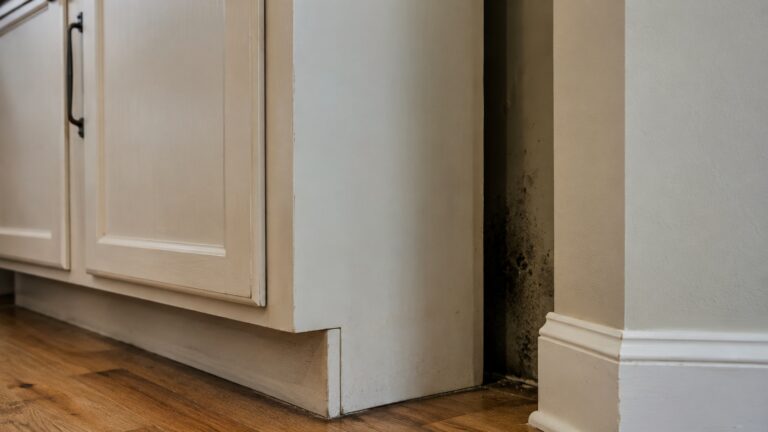
Dark spots forming on exterior-facing walls are another strong warning sign of hidden mold growth. These marks often develop where moisture collects behind the drywall and gradually penetrates the surface.
Common appearance patterns include:
- Small black or dark brown dots
- Streak-like discoloration following gravity paths
- Clusters of irregular dark patches
- Spots that grow larger over time
- Reappearing stains after cleaning
Unlike surface dirt or dust stains, mold-related spotting often returns after cleaning because the moisture source or hidden growth behind the surface has not been corrected.
Dark streaking frequently develops below leak points or condensation zones. These patterns often reflect underlying moisture movement inside the wall, especially when linked to water entry pathways explained in how water enters homes through structural gaps.
Persistent Staining That Returns After Cleaning
One of the most revealing signs of hidden mold growth is staining that repeatedly returns after cleaning or repainting. This behavior usually indicates that the mold source is located behind the visible surface.
Homeowners may notice:
- Stains fading temporarily after cleaning
- New discoloration appearing in the same location
- Painted-over stains reappearing within weeks
- Recurring mold patches despite treatment
- Surface repairs that fail to resolve the issue
This pattern often means the visible stain is only a surface symptom of a deeper moisture or mold problem. Over time, hidden growth or moisture staining may become visible again.
If recurring staining is observed, the underlying moisture problem should be identified and addressed. Without correcting the moisture source, mold growth typically accelerates, increasing the likelihood of structural damage.
Pattern-Based Signs of Mold Inside Exterior Walls
Not all mold-related symptoms appear directly on the wall surface. Some signs show up as repeated dampness, temperature differences, seasonal odor changes, or wall areas that dry more slowly than the rest of the room.
Recurring Moisture Patterns on Exterior Walls
Moisture that repeatedly appears on the same exterior wall often indicates ongoing water intrusion or condensation inside the wall cavity. These patterns may occur seasonally or during specific weather conditions.
Recurring moisture symptoms include:
- Damp patches appearing after rainstorms
- Condensation forming during cold weather
- Moisture stains reappearing during humid conditions
- Persistent dampness in specific wall locations
- Walls drying slowly compared to others
These patterns frequently indicate hidden structural moisture problems that allow mold to develop gradually. Long-term moisture retention inside wall materials creates ideal conditions for mold colonization.
If moisture repeatedly appears in the same location, the wall may be retaining water behind its surface layers. This behavior often requires careful investigation to prevent mold from spreading further.
Insulation-Related Symptoms
Insulation inside exterior walls plays a critical role in moisture retention and mold development. When insulation becomes wet, it can trap moisture for extended periods, allowing mold to grow undetected.
Signs that insulation inside exterior walls may be affected include:
- Walls that feel unusually cold in winter
- Rooms that lose heat quickly
- Localized temperature differences between walls
- Persistent dampness near exterior surfaces
- Reduced insulation effectiveness
Wet insulation can support ongoing mold growth because it slows drying and keeps nearby drywall or wood framing damp. Identifying moisture inside insulation early helps prevent more extensive wall damage.
In severe cases, insulation may collapse or compact, creating void spaces that further trap moisture and worsen mold conditions.
Mold Appearing After Seasonal Changes
Seasonal transitions frequently trigger hidden mold growth inside exterior walls. Temperature fluctuations during winter and spring often create condensation inside wall cavities, especially when insulation or ventilation is inadequate.
Seasonal mold-related symptoms may include:
- Mold appearing during winter months
- Odors becoming stronger in humid seasons
- New stains appearing after heavy rainfall
- Recurring mold patterns after temperature shifts
- Wall condensation forming during seasonal transitions
Tracking when symptoms appear can help separate a random surface stain from a recurring exterior wall moisture pattern.
Advanced Signs That Mold Growth May Be Severe
Advanced symptoms usually mean moisture has been present long enough to affect drywall, insulation, or framing. At this stage, the problem is less likely to be limited to a small surface stain.
Strong Persistent Odors That Do Not Improve
A mild musty smell is often one of the earliest indicators of mold, but when the odor becomes strong and persistent, it usually means mold colonies have grown larger inside the wall system.
Advanced odor-related warning signs include:
- Musty smells that remain even after cleaning
- Odors that worsen during humid weather
- Smells that return quickly after ventilation
- Persistent odors concentrated along specific walls
- Musty air noticeable immediately upon entering a room
Strong odors usually develop when mold colonies reach a size that produces larger amounts of airborne compounds. These odors often travel through small cracks, electrical outlets, or seams in drywall, allowing mold-related smells to escape into living areas.
If strong odors persist, the mold problem may already be extensive enough to require structural inspection and moisture correction. At this stage, addressing the root moisture source becomes essential to stopping continued growth.
Wall Surface Deformation or Swelling
Exterior wall surfaces that begin to deform, bulge, or swell are often experiencing prolonged moisture exposure. When drywall absorbs water, it weakens and loses structural integrity, leading to visible changes in the wall’s shape.
Signs of deformation may include:
- Bulging sections of drywall
- Soft or spongy wall areas
- Cracking along seams or joints
- Warped wall surfaces
- Separation between trim and drywall
These structural changes typically indicate long-term moisture accumulation. Mold often grows extensively behind the surface during this stage, feeding on organic materials such as wood framing and drywall paper.
Wall swelling is especially concerning because it suggests that moisture has saturated internal materials. If left untreated, structural components may weaken, increasing the risk of more severe repairs.
Rapid Mold Spread Across Surfaces
Visible mold spreading quickly across surfaces often signals that hidden mold colonies are already well-established inside the wall. This rapid spread occurs when moisture conditions remain favorable and untreated.
Rapid mold spread may appear as:
- New mold spots appearing within days or weeks
- Existing spots expanding noticeably over time
- Mold spreading beyond original locations
- Surface mold reappearing after repeated cleaning
- Growth patterns moving outward from corners or seams
At this stage, the problem may not be limited to visible areas. Internal wall materials may contain hidden growth or ongoing moisture that keeps feeding new surface mold. Removing only the visible mold will not solve the underlying problem.
When rapid mold spread occurs, evaluating whether moisture removal methods are needed becomes critical. In many cases, proper drying procedures similar to those outlined in how to dry exterior walls after water intrusion are necessary to prevent further damage.
Common Misinterpretations That Delay Mold Detection
Exterior wall mold is often missed because the first signs look like ordinary condensation, paint failure, or surface mold. The pattern matters more than one isolated symptom.
Assuming Condensation Is Harmless
Condensation on exterior walls is often dismissed as a normal seasonal occurrence. While occasional condensation may be harmless, repeated moisture buildup on exterior-facing walls can create conditions that support mold growth.
Misinterpreted condensation symptoms include:
- Moisture forming regularly on cold walls
- Damp patches appearing during winter months
- Water droplets forming near corners
- Walls drying slowly after condensation appears
- Recurring moisture patterns in the same location
Repeated condensation should never be ignored, especially when it occurs near insulation or structural framing. These conditions allow mold to develop inside wall cavities, even when no visible leaks are present.
Monitoring humidity levels and moisture behavior helps determine whether condensation is contributing to mold growth risk.
Mistaking Paint Failure for Cosmetic Problems
Paint bubbling, peeling, or discoloration is often assumed to be caused by aging paint or poor application. While cosmetic paint issues do occur, repeated paint failure on exterior walls frequently indicates underlying moisture problems.
Paint-related warning signs that may indicate mold growth include:
- Paint peeling in isolated areas
- Repeated repainting without long-term improvement
- Blistering that worsens over time
- Paint separating from drywall surfaces
- Staining beneath fresh paint layers
Ignoring paint-related symptoms can allow mold colonies to grow unchecked inside wall cavities. Identifying the source of moisture behind paint failure is essential for preventing further damage.
Cleaning Surface Mold Without Addressing Hidden Growth
Many homeowners attempt to clean visible mold spots using household cleaners. While surface cleaning may temporarily remove visible mold, it does not eliminate mold growing inside the wall cavity.
Signs that surface cleaning is not solving the problem include:
- Mold returning within days or weeks
- Spots reappearing in the same location
- New mold appearing nearby
- Odors continuing despite cleaning
- Repeated need for mold removal
When visible mold keeps returning on the same exterior wall, the hidden moisture source matters more than the surface cleaner used.
When Mold in Exterior Walls Becomes Dangerous
Mold inside exterior walls becomes more concerning when symptoms spread, odors intensify, materials soften, or people in the home notice indoor air quality symptoms that improve away from the house.
Health Concerns Linked to Hidden Mold
Mold growing inside exterior walls can release spores into indoor air through tiny openings such as wall seams, electrical outlets, or air leaks. These spores may circulate throughout the home, especially when heating or cooling systems operate.
Health-related warning signs associated with mold exposure may include:
- Persistent nasal irritation or congestion
- Increased allergy symptoms indoors
- Recurring coughing or throat irritation
- Unexplained headaches or fatigue
- Symptoms improving when away from the home
These symptoms can have many causes, so they should not be treated as proof of mold by themselves. They become more relevant when they appear alongside musty odors, recurring wall stains, or visible moisture damage.
Structural Risks Caused by Prolonged Moisture
Exterior wall mold is rarely isolated to surface growth. Over time, moisture and mold activity can weaken structural components inside the wall cavity.
Structural warning signs include:
- Soft drywall that dents easily
- Cracking or separating seams
- Warped trim or baseboards
- Loose drywall fasteners
- Persistent damp odors from structural areas
These symptoms often indicate long-term moisture exposure affecting materials such as drywall paper, wood framing, or insulation backing. When these materials remain wet for extended periods, mold growth accelerates and structural damage becomes more likely.
Homes experiencing prolonged moisture issues should be evaluated carefully to determine whether repairs are needed beyond surface cleaning. Many persistent problems originate from underlying moisture pathways that require correction to prevent recurring damage.
Indoor Air Quality Effects From Hidden Mold
Hidden mold inside exterior walls can affect indoor air when spores or mold fragments move through wall seams, electrical openings, trim gaps, or air leaks.
Air quality concerns may appear as:
- Persistent stale or damp indoor air
- Dusty or musty air near the affected wall
- Odors circulating through ventilation systems
- Symptoms worsening in enclosed rooms
- Air feeling humid despite ventilation
Because air movement carries mold spores, even isolated wall cavities can affect larger portions of the home. Addressing mold early reduces the risk of long-term indoor air contamination.
When to Call a Professional for Exterior Wall Mold
Some exterior wall mold concerns can be monitored briefly, but others require professional evaluation because hidden wall cavities may contain wet insulation, damaged drywall, or contaminated materials.
Do not cut into moldy or water-damaged drywall if the area is large, the material is soft, the odor is strong, or anyone in the home is sensitive to mold exposure. Opening a contaminated wall can release dust and mold debris into the room if containment is not used.
Situations That Require Immediate Attention
Professional evaluation is strongly recommended when any of the following conditions occur:
- Strong musty odors that persist for weeks
- Rapid mold growth across wall surfaces
- Repeated staining that returns after cleaning
- Wall swelling or softening
- Visible structural deterioration
- Water intrusion during storms or heavy rain
These warning signs often indicate hidden moisture conditions that require targeted inspection and corrective measures.
In many cases, identifying the moisture source is the most important step. Moisture problems frequently originate from external leaks, condensation buildup, or structural gaps that allow water to enter the wall system.
When Wall Opening May Be Necessary
Opening sections of drywall is sometimes required to confirm mold growth inside exterior walls. This step is usually performed after visible symptoms suggest significant internal damage.
Indicators that wall opening may be necessary include:
- Persistent odors without visible surface mold
- Recurring staining in the same location
- Severe moisture detected inside wall cavities
- Soft or deteriorating drywall sections
- Evidence of trapped moisture inside insulation
Before opening walls, proper moisture detection methods should be used whenever possible. These methods often involve specialized tools designed to locate hidden moisture behind surfaces.
Many homeowners begin this process with non-invasive moisture checks before opening walls. A fuller inspection process is explained in how to detect hidden moisture in exterior walls.
How to Check Whether Exterior Wall Mold Is Likely
Confirming mold inside exterior walls usually starts with moisture confirmation, not surface appearance alone. If the wall is dry, stable, and odor-free, staining may have another cause; if moisture is present, hidden mold becomes more likely.
Reliable confirmation methods include:
- Using moisture meters to detect hidden damp areas
- Inspecting wall surfaces for recurring damage
- Checking for temperature differences across walls
- Monitoring humidity levels inside affected rooms
- Investigating known leak pathways
Moisture detection tools help identify where hidden water may still be present, but they do not identify mold species or prove the full extent of contamination.
If significant moisture is detected, drying procedures similar to those described in how to dry exterior walls after water intrusion may be required to restore safe wall conditions.
Frequently Asked Questions About Signs of Mold Growth in Exterior Walls
How can I tell if mold is growing inside my exterior wall?
Common indicators include musty odors, recurring wall stains, paint bubbling, and damp wall surfaces. If these symptoms appear repeatedly near exterior-facing walls, hidden mold growth may be present.
Does mold inside exterior walls always produce a smell?
No. Mold inside exterior walls may produce a musty odor, but early growth or sealed wall cavities may not smell strongly. Odor is more useful when it appears with recurring stains, dampness, or paint failure.
Can mold grow inside exterior walls without visible damage?
Yes. Mold can develop inside insulation, drywall backing, or framing before it reaches the visible surface. That is why recurring odors, dampness, and moisture patterns matter even when the wall still looks normal.
Should I remove drywall if I suspect mold behind it?
Do not remove drywall casually if the area is large, soft, strongly musty, or visibly contaminated. It is generally safer to confirm moisture first and use professional inspection when opening the wall could release mold debris into the room.
Is mold inside exterior walls dangerous?
Mold inside exterior walls can affect indoor air quality and weaken wall materials over time. The concern is greater when mold spreads, odors intensify, drywall softens, or symptoms in the home improve when people leave the building.
Conclusion
Mold growth inside exterior walls often begins quietly, so the most important clues are recurring patterns: musty odors near exterior-facing rooms, stains that return after cleaning, paint that keeps bubbling, damp wall surfaces, and soft or swollen drywall.
If these symptoms keep appearing in the same area, do not simply repaint, reseal, or clean the surface again. Confirm whether moisture is still inside the wall and get professional help when odors, damage, or visible growth continue to spread.
Key Takeaways
- Mold inside exterior walls often shows up first as odor, staining, paint failure, dampness, or recurring dark spots.
- Symptoms are more concerning when they return in the same exterior-facing area after cleaning, repainting, rain, humidity, or seasonal temperature changes.
- Cold or damp wall surfaces can point to condensation, air leaks, wet insulation, or trapped wall cavity moisture.
- Surface cleaning does not solve mold that is growing behind drywall, insulation, or trim.
- Professional inspection is usually needed when odors are strong, materials are soft or swollen, mold keeps spreading, or hidden moisture is confirmed.