
Signs of Water Damage Behind Siding
Water damage behind siding usually shows up first as small exterior changes: warped panels, stains below trim, peeling paint, soft spots, loose siding, musty odors, or mold that keeps returning in the same area. These signs matter because siding can hide wet sheathing, damaged house wrap, rotting wood, and moisture trapped inside the wall assembly.
Most siding is designed to shed rain, not make the wall fully waterproof. When flashing fails, caulk opens, trim joints leak, or drainage paths clog, water can move behind the siding and damage the wall before interior stains appear.
If you’re unfamiliar with how exterior wall systems allow moisture to enter homes, it’s helpful to review the structural pathways explained in How Exterior Walls Allow Moisture Into Homes. Understanding those pathways makes it easier to recognize warning signs when problems begin.
Why Water Damage Behind Siding Is Hard to Detect
Water damage behind siding is difficult to identify because the materials that hold moisture are hidden beneath the exterior surface. Most siding systems include multiple layers designed to protect the structure, but when water bypasses these layers, it often remains trapped where it cannot easily evaporate.
Behind siding, walls typically contain:
- Weather-resistant barriers such as house wrap
- Wood or engineered sheathing panels
- Structural framing materials
- Interior insulation and drywall
When water enters this layered system, it may not immediately reach the inside of the home. Instead, it can move sideways, collect behind trim, or soak into wood materials. This allows damage to progress slowly while remaining mostly hidden.
By the time siding looks warped, stained, loose, or soft, moisture may already have reached the sheathing or framing behind it.
Moisture problems behind siding are especially likely when exterior walls already show warning signs of trapped moisture. These broader structural indicators are explained in Signs of Moisture in Exterior Walls, which covers symptoms affecting entire wall systems.
Most Common Signs of Water Damage Behind Siding
The most reliable way to recognize hidden water damage behind siding is by watching for physical changes in the siding, trim, paint, and nearby interior wall surfaces. These changes usually appear gradually as moisture accumulates behind the siding material.
Not every sign means severe damage exists, but when multiple symptoms appear together, the likelihood of hidden moisture increases significantly.
Warped or Bulging Siding Panels
Warped siding is one of the most recognizable signs of moisture problems behind exterior walls. When water becomes trapped behind siding, materials expand unevenly. Over time, this pressure causes panels to bow outward or develop a wavy appearance.
This symptom is especially common with:
- Vinyl siding that looks rippled, wavy, buckled, or pushed outward
- Wood siding that cups, twists, swells, or separates at joints
- Fiber cement boards that bow, crack near fasteners, or pull slightly away from the wall
Warping does not always appear across an entire wall. In many cases, it develops in isolated areas where moisture intrusion is concentrated, such as below windows or near roof intersections.
If warped siding appears or worsens after heavy rainfall, treat it as a stronger warning sign than ordinary age-related movement.
Staining or Discoloration on Exterior Walls
Exterior wall staining often signals moisture movement behind siding. Water that enters wall cavities can carry dirt, minerals, and organic materials that eventually appear as visible stains.
Common staining patterns include:
- Vertical streaks below windows or trim
- Darkened siding sections near seams
- Rust-colored stains around fasteners
- Green or black discoloration from algae or mold
Staining typically develops in areas where water repeatedly flows or collects. These patterns provide clues about where moisture is entering the wall system.
In many cases, staining appears before interior damage becomes visible, making it an important early warning signal.
Surface dirt or algae may wash off and stay gone. Stains that return after each rain, appear below the same trim joint, or line up with seams are more suspicious for water moving behind the siding.
Peeling or Bubbling Exterior Paint
Paint failure on siding or trim often indicates moisture trapped beneath the surface. When wood or fiber cement siding absorbs water, pressure builds behind painted surfaces. This pressure forces paint layers to separate from the material underneath.
Typical paint-related warning signs include:
- Paint bubbling outward
- Flaking paint patches
- Peeling paint near joints
- Paint that feels soft or damp to the touch
These symptoms usually appear after prolonged moisture exposure rather than brief water contact.
Paint failure is especially important when it appears alongside musty odors or mold growth. In those cases, the problem may extend beyond surface damage and require evaluation similar to the conditions described in Signs of Mold Growth in Exterior Walls.
Soft or Spongy Wall Areas
One of the most serious signs of water damage behind siding is when exterior wall surfaces feel soft or spongy. This condition usually indicates that moisture has penetrated beyond the siding and into the structural sheathing underneath.
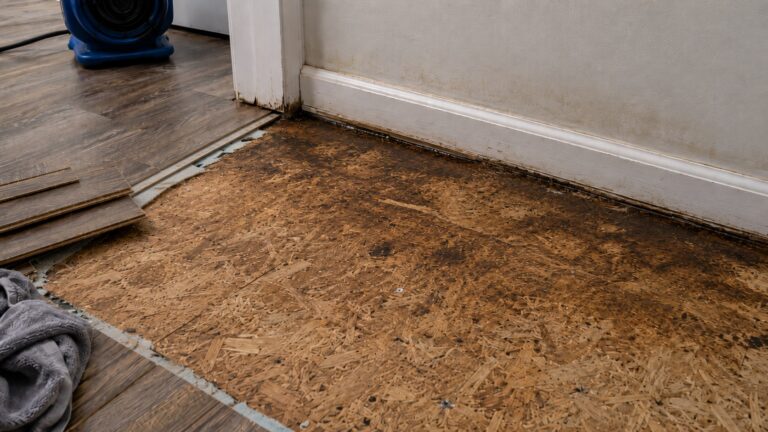
Soft areas often develop when wood-based materials such as oriented strand board (OSB) or plywood absorb water and begin to weaken. Over time, repeated wetting causes these materials to lose strength, allowing pressure from normal handling to reveal softness.
Do not push hard on a suspicious wall area. Light pressure is enough to reveal movement without damaging already-weakened siding or sheathing. Common ways homeowners discover this symptom include:
- Pressing lightly on siding and noticing unusual movement
- Feeling flex or softness near trim or lower wall edges
- Seeing fasteners loosen or pull away from the wall
- Observing localized sagging or uneven surfaces
Soft wall areas should never be ignored. They often signal that moisture has remained trapped long enough to begin breaking down structural materials.
When siding feels soft, loose, or unsupported, moisture confirmation may be needed before repairs begin. For siding-specific testing methods, see How to Detect Moisture Behind Exterior Siding.
Mold or Mildew on Exterior Surfaces
Mold growth on siding or trim can indicate persistent moisture behind exterior walls. While some surface mold results from outdoor humidity alone, concentrated growth patterns often signal water intrusion from behind siding.
Exterior mold symptoms commonly appear as:
- Green, black, or gray patches forming on siding
- Mold clusters near window or door trim
- Growth concentrated in shaded wall areas
- Recurring mold in the same location after cleaning
When mold keeps returning in the same siding area after cleaning, the issue may be more than surface growth. Moisture may be feeding the growth from behind the wall system. For mold-specific warning patterns behind siding, see Signs of Mold Growth Behind Exterior Siding.
Interior Wall Stains Near Exterior Walls
Interior wall staining is often the first clear sign that water damage behind siding has progressed beyond exterior layers. Moisture that travels through sheathing and insulation eventually reaches drywall surfaces inside the home.
Interior warning signs may include:
- Yellow or brown stains on interior walls
- Water marks forming near ceiling lines
- Paint bubbling on interior surfaces
- Discoloration around window frames
These stains typically appear below exterior wall penetrations such as windows, vents, or roof edges. Because water travels along framing members, stains may form several feet away from the original entry point.
Interior symptoms often indicate that moisture has already moved beyond early stages. At this point, evaluating the full wall structure becomes more important to prevent long-term damage.
Musty Odors Near Exterior Walls
Persistent musty odors near exterior walls often signal hidden moisture behind siding. Mold and mildew release airborne compounds that produce distinct earthy smells, even when growth remains hidden inside wall cavities.
Odor-related warning signs include:
- A damp smell that intensifies after rain
- Musty odors concentrated near specific walls
- Lingering odors despite cleaning surfaces
- Smells that return repeatedly in the same area
Unlike visible stains, odors can appear during early mold development. This makes them one of the earliest sensory indicators of hidden moisture problems.
Homes experiencing persistent odors without visible moisture may be dealing with concealed wall dampness. These situations often overlap with broader moisture behavior patterns described in Why Exterior Walls Stay Damp.
Exterior Trim and Flashing Warning Signs
Water intrusion behind siding frequently begins at trim joints and flashing locations. These transition areas connect siding to windows, doors, and structural edges, making them especially vulnerable to leaks.
Damage near trim often appears before larger siding sections show visible problems.
Cracked or Missing Caulking Around Trim
Caulking seals small gaps between siding and trim components. Over time, exposure to sunlight, temperature changes, and weather conditions causes sealants to shrink or crack.
Warning signs include:
- Visible cracks along trim joints
- Separated caulk lines
- Gaps forming between siding panels and trim
- Water streaks beneath failed seal areas
Even small cracks can allow water to enter wall cavities. Once inside, moisture often spreads horizontally behind siding layers before becoming visible elsewhere.
Water Stains Below Windows or Doors
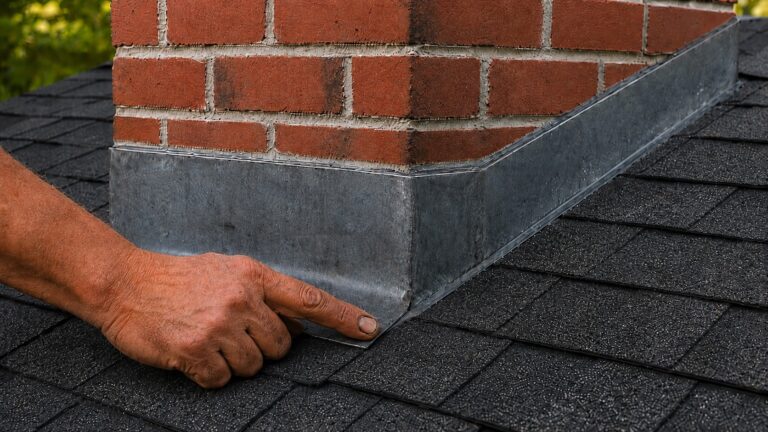
Water staining beneath windows or doors commonly indicates flashing failure. Flashing components are designed to direct water away from openings, but when improperly installed or damaged, they allow moisture to flow behind siding.
Typical warning signs include:
- Stains forming directly below window frames
- Dark streaks extending downward from trim
- Soft siding areas near door thresholds
- Localized mold growth around openings
These symptoms often appear after heavy rainfall or wind-driven storms, making seasonal weather events an important factor in identifying water intrusion patterns.
Warning Signs That Damage May Have Reached Structural Materials
When water remains trapped behind siding for extended periods, it begins affecting the structural components that support the exterior wall. These materials include sheathing, framing members, and fasteners. Once structural elements are involved, repairs become more complicated and costly.
Rotting Wood Behind Siding
Wood rot is one of the most serious consequences of long-term moisture exposure behind siding. When wood stays damp, fungi begin breaking down its fibers, weakening the material and causing visible deterioration.
Common signs of wood rot behind siding include:
- Soft or crumbly siding edges
- Wood surfaces that feel spongy when pressed
- Sections of siding that appear hollow or thin
- Darkened wood areas that continue expanding over time
Rotting wood rarely dries completely on its own. Once fungal decay begins, affected materials often require repair or replacement to restore structural integrity.
Structural damage typically develops after prolonged exposure to moisture. If you suspect deeper wall deterioration, understanding broader structural warning patterns described in Signs of Structural Moisture Problems can help identify when repairs may be necessary.
Rusting or Corroded Fasteners
Metal fasteners used to attach siding and sheathing can corrode when exposed to moisture over time. Rust formation weakens these connections and allows siding panels to loosen.
Warning signs of fastener corrosion include:
- Rust stains bleeding through siding surfaces
- Nails or screws pushing outward
- Loose siding panels shifting in wind
- Discoloration surrounding fastener heads
Rusting fasteners indicate that moisture has reached deep structural layers. This condition increases the likelihood of hidden sheathing damage and internal rot.
Siding Panels Pulling Away From the Wall
Siding that separates from the wall surface often signals advanced moisture damage. As wood sheathing weakens and fasteners corrode, siding panels lose their structural support and begin detaching.
Visible separation may appear as:
- Gaps forming between siding sections
- Panels lifting away at corners
- Loose siding that rattles during wind
- Uneven panel alignment along vertical seams
This condition requires prompt attention because detached siding can expose the drainage plane, sheathing edges, or open gaps to additional rainfall and moisture intrusion.
Seasonal Warning Signs After Rain or Storms
Many water damage symptoms behind siding become noticeable after major weather events. Heavy rainfall, wind-driven moisture, and temperature changes all increase the likelihood of water entering exterior walls.
Monitoring siding closely after storms helps detect moisture problems early.
New Stains Appearing After Heavy Rain
Fresh stains that develop shortly after rainfall often indicate active water intrusion. These stains typically appear in areas where water flows downward from entry points.
Common post-rain indicators include:
- Dark streaks forming beneath trim
- New discoloration along siding seams
- Wet patches that dry slowly
- Recurring staining in the same location
Repeated staining after storms usually signals persistent moisture pathways that require correction.
Expansion Cracks After Freeze–Thaw Cycles
In colder climates, trapped moisture behind siding can create another warning pattern. When moisture freezes, it expands and places pressure on surrounding materials. Repeated freeze–thaw cycles can widen cracks and create new entry points.
Signs of freeze-related damage include:
- New cracks appearing in siding panels
- Splitting wood surfaces
- Loosened trim connections
- Gaps forming between siding joints
These symptoms often worsen during seasonal transitions when temperatures fluctuate rapidly.
When Siding Damage Becomes Dangerous
While many siding issues begin as minor cosmetic problems, some warning signs indicate elevated risk levels. When moisture spreads into structural components or mold growth becomes widespread, the situation requires prompt evaluation.
Dangerous siding-related moisture problems can lead to:
- Structural weakening of load-bearing walls
- Indoor mold growth affecting air quality
- Electrical hazards from moisture exposure
- Extensive interior wall damage
Recognizing high-risk conditions allows homeowners to respond before damage reaches critical stages.
Large Areas of Soft or Collapsing Wall Surfaces
Extensive soft wall areas suggest significant moisture infiltration affecting structural layers. In severe cases, weakened sheathing may collapse under pressure.
High-risk indicators include:
- Wide sections of siding that flex easily
- Visible sagging of exterior walls
- Panels shifting or detaching unexpectedly
- Sudden appearance of multiple soft spots
When large areas are affected, professional evaluation is typically required to determine structural safety.
Persistent Mold Growth That Returns Quickly
Recurring mold growth on siding surfaces often signals ongoing moisture behind the wall. If mold returns shortly after cleaning, hidden water sources are likely feeding the growth.
Common recurring mold patterns include:
- Mold appearing in the same location repeatedly
- Growth spreading outward over time
- Mold forming despite dry weather conditions
- Strong musty odors accompanying visible growth
Persistent mold indicates that moisture removal — not just cleaning — is necessary to resolve the problem.
When to Investigate Further or Call a Professional
Some signs of water damage behind siding can be monitored, but others require immediate investigation. The challenge is knowing when a visible symptom indicates minor surface moisture and when it signals deeper structural damage.
In general, the more persistent and widespread the symptoms, the more likely moisture has penetrated beyond the siding surface.
Situations that often justify further investigation include:
- Multiple warning signs appearing in the same location
- Soft siding areas that continue spreading
- Recurring stains after rainfall
- Musty odors that persist indoors
- Mold growth that returns after cleaning
Early action matters most when symptoms are concentrated in one area and return after rain. Small leaks behind siding are often easier to correct before sheathing, framing, insulation, or interior drywall become involved.
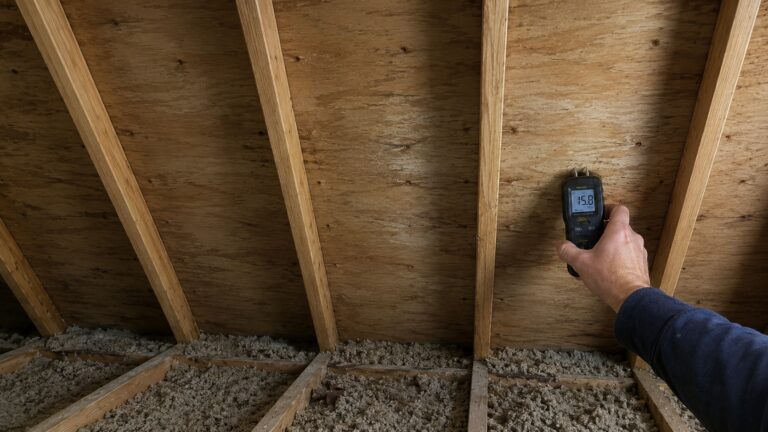
When several symptoms appear together, deeper wall inspection may be necessary. This process often involves confirming moisture levels inside wall systems using controlled testing methods. These procedures are described in more detail in How to Detect Moisture Behind Exterior Siding, which focuses specifically on identifying hidden moisture within siding assemblies.
Professional inspection becomes especially important when structural materials are involved. Contractors can safely evaluate moisture pathways, determine repair needs, and prevent further damage to wall systems.
Frequently Asked Questions
Can water damage exist behind siding without visible exterior damage?
Yes. Water can remain trapped behind siding for extended periods before visible changes appear. Many wall systems hide early moisture damage beneath surface layers, allowing problems to progress without obvious exterior symptoms.
This is why interior indicators, such as wall stains or odors, sometimes appear before exterior siding shows clear signs.
What type of siding hides water damage the longest?
Vinyl siding often hides water damage longer than other materials because it sheds water effectively and conceals the sheathing behind it. While vinyl protects against direct rainfall, it can allow moisture to remain trapped underneath when flashing or drainage fails.
Wood siding typically shows damage sooner because it absorbs moisture and deteriorates more visibly.
How long can water remain behind siding unnoticed?
Water can remain trapped behind siding for weeks or months depending on weather conditions, wall design, and ventilation. In humid climates, drying times increase significantly, allowing moisture to persist longer than expected.
Repeated rain exposure often extends moisture duration and increases the likelihood of structural damage.
Does warped siding always mean water damage exists?
Warped siding does not always mean water damage is present, but it frequently indicates moisture-related stress. Temperature changes, improper installation, or aging materials can also cause warping.
However, when warping appears alongside staining, mold growth, or soft wall areas, hidden moisture becomes a more likely cause.
Can mold grow behind siding without affecting indoor air?
Yes, mold can grow behind siding without immediately affecting indoor air quality. In many cases, exterior mold remains confined to outer wall layers during early stages.
However, prolonged moisture exposure increases the risk of mold spreading into interior wall spaces. If exterior mold keeps returning in the same siding area, compare the pattern with the warning signs in Signs of Mold Growth Behind Exterior Siding.
Key Takeaways
- Water damage behind siding often develops slowly and remains hidden for long periods.
- Warped siding, staining, and peeling paint are among the earliest visible warning signs.
- Soft wall areas and recurring mold indicate deeper moisture involvement.
- Symptoms that appear after rain often reveal active water entry points.
- Early investigation is most important when several symptoms appear in the same area or return after rain.
- Persistent moisture signs should be evaluated promptly to prevent long-term deterioration.
4 Comments
Comments are closed.