How to Fix Persistent Plumbing Leak Locations That Keep Coming Back
A persistent plumbing leak location is not just a leak that happened once. It is an area where moisture keeps returning, stains reappear after repainting, drywall stays soft, flooring remains damp, mold or odor comes back, or the same pipe, fixture, cabinet, wall, ceiling, or floor area keeps showing signs of water. When a leak location keeps coming back, the problem is usually deeper than a simple surface repair.
Persistent plumbing leaks often continue because the original source was not fully fixed, the wrong source was repaired, hidden materials stayed wet, water traveled from another area, or the plumbing system has a repeat failure condition. That repeat condition may involve pipe corrosion, high water pressure, movement, poor installation, failed fittings, loose fixture connections, drain-line problems, or hard-to-access plumbing hidden behind walls, under floors, or below slabs.
This article explains how to think through a recurring plumbing leak location before patching the same spot again. The goal is not to give a risky do-it-yourself pipe repair tutorial, but to help you decide whether the issue is active water, leftover moisture, failed repair, hidden damage, or a plumbing location that needs professional correction. Persistent leaks can become part of larger structural moisture problems in homes, especially when they affect drywall, flooring, subfloors, framing, cabinets, ceilings, or insulation.
For more on what repeated leaks can damage, see how plumbing leaks cause structural damage. A leak that keeps returning is often not just a plumbing issue; it can also become a cabinet, flooring, wall, ceiling, insulation, or framing problem if the source and wet materials are not handled together.
What a Persistent Plumbing Leak Location Really Means
A persistent plumbing leak location means the same area keeps showing water-related symptoms after it should have stayed dry. The same pipe may be leaking again, but the area may also be receiving water from another source, holding leftover moisture, or being affected by a condition that was not solved the first time.
For example, a ceiling stain below a bathroom may come back after repainting because the tub drain still leaks during use. A cabinet base may stay musty after a sink repair because the back panel and floor of the cabinet were never dried. A soft floor near a toilet may return because the supply line was fixed but the subfloor was already damaged. A slab leak symptom may return because the visible wet spot was not directly above the actual pipe failure.
The source may not be where the symptom appears
Water travels. It can run along pipes, framing, subfloor seams, drywall backs, cabinet panels, insulation, ceiling materials, and slab surfaces before becoming visible. This is why fixing the most obvious wet spot does not always solve the source.
A stain on a ceiling below a bathroom may come from a shower drain several feet away. A damp baseboard may be caused by a pipe inside the wall. A recurring floor stain may come from a drain line that leaks only during fixture use. A musty cabinet may come from water entering behind the cabinet rather than from the cabinet itself.
The visible location tells you where water appeared, not necessarily where it started.
The leak may have been repaired, but the materials stayed wet
Sometimes the plumbing repair worked, but the area still smells musty, stains return, or materials stay soft because hidden moisture was never removed. Drywall, insulation, subflooring, cabinet panels, baseboards, and ceiling materials can hold moisture after the leak stops.
This is common when the repair focuses only on the pipe and not on the surrounding water damage. A plumber may stop the leak, but trapped moisture can still discolor, smell, grow mold, or deteriorate even after the pipe is no longer leaking.
The repair may have addressed the wrong cause
Persistent leaks also happen when the first repair fixed a visible problem but missed the actual source. A homeowner may recaulk a shower edge when the shower valve is leaking behind the wall. A contractor may patch ceiling drywall when the drain leak above was never corrected. A sink supply line may be replaced while the drain connection continues to leak during use.
This is why recurring plumbing leak locations should be approached in stages. Before repairing the same finish material again, confirm whether the source is supply water, drain water, fixture leakage, appliance leakage, condensation, or leftover moisture from the previous leak.
Why Plumbing Leaks Keep Coming Back in the Same Area
Recurring plumbing leaks usually have a reason. The area may be exposed to repeated pressure, movement, water use, poor drainage, weak fittings, aging pipes, or hidden materials that never dried. Understanding the reason helps you avoid repeating the same failed repair.
Incomplete leak repair
An incomplete repair happens when the obvious leak is reduced but not fully stopped. A fitting may still seep. A valve may be tightened but remain worn. A drain connection may be resealed without replacing a failed gasket. A pipe may be patched even though the surrounding section is corroded or stressed.
Incomplete repairs often create confusing symptoms because the leak may seem better for a while. The stain may dry, the odor may fade, or the dripping may stop temporarily. Then the same location begins showing moisture again because the underlying source was never fully corrected.
The wrong source was identified
Plumbing leaks are often misread because several water sources can affect the same area. A damp bathroom floor may come from a toilet, shower drain, supply line, tub overflow, wall leak, or under-floor pipe. A wet kitchen cabinet may come from a faucet connection, drain assembly, dishwasher line, refrigerator line, or water traveling behind the cabinet.
If the wrong source is repaired, the visible symptom returns. The fix may look reasonable, but it does not solve the actual moisture path.
High water pressure
High water pressure can make weak plumbing points fail repeatedly. It can stress fittings, valves, supply lines, appliance connections, and older pipe sections. If leaks keep happening in different locations, or if the same fitting keeps failing, water pressure should be considered.
High pressure may not cause a dramatic burst. It can slowly make weak fittings, valves, hoses, and older pipe sections fail again. If multiple repairs fail or supply connections keep seeping, ask the plumber to check water pressure instead of replacing the same part repeatedly.
Pipe movement or vibration
Pipes move slightly when water starts, stops, heats, cools, or drains. Appliances such as washing machines and dishwashers can also add vibration and pressure changes. If pipes are poorly supported, rubbing against framing, or strained at fittings, movement can weaken the same location over time.
A leak that keeps returning near a washing machine, dishwasher, water heater, or frequently used bathroom may be related to movement, loose support, appliance vibration, or repeated stress rather than one isolated bad part.
Corrosion or aging pipe sections
Older or corroded pipes may keep leaking because the weak area is larger than the first visible leak. Patching one spot may not solve the condition of the surrounding pipe. A pinhole leak, corroded fitting, or brittle section may be a warning that more of the pipe is nearing failure.
This is where repeated patching becomes risky. If the same pipe section keeps leaking, the decision may shift from another small repair to replacing or rerouting the problem section. For a deeper decision guide, see whether you should repair or replace plumbing pipes.
Drain leaks that only happen during use
Drain leaks can be missed because they may not leak all the time. A sink drain, shower drain, tub drain, toilet connection, dishwasher drain, or washing machine drain may only leak when water flows through that part of the system. Between uses, the area may look dry.
This creates a common recurrence pattern: the area is dried or repaired cosmetically, but the stain or odor returns after the fixture is used again. If a leak keeps returning after showers, baths, sink use, toilet flushing, laundry, or dishwasher cycles, the drain system should be checked carefully.
Step 1: Confirm Whether the Leak Is Active or Leftover Moisture
Before repairing the same leak location again, separate active leakage from leftover moisture. This distinction matters because the correct fix is different. An active leak requires source repair. Leftover moisture requires drying, material evaluation, and monitoring. In many recurring situations, both problems may be present.
If the area is only slightly damp, stains slowly return, or the leak is hard to catch in real time, use the guide on how to detect slow plumbing leaks to narrow the pattern before deciding whether the repair failed.
Watch whether moisture returns after drying
Dry the visible area if it is safe to do so, then watch whether dampness returns. If the same spot becomes wet again after the surface was dry, the source may still be active. This is especially concerning when moisture returns near a sink cabinet, bathroom wall, floor edge, ceiling below a wet room, water heater area, or appliance line.
Do not cover the area with paint, caulk, flooring, trim, rugs, or cabinet liners until you know whether moisture is still entering. Covering the area can hide the symptom and trap moisture in materials that need to dry.
Use timing to identify the source pattern
Pay attention to when the leak location changes. If moisture appears when no fixtures are being used, a pressurized supply line may be involved. If it appears after showers, baths, sink use, toilet flushing, dishwasher cycles, or laundry cycles, the source may be drain-related or fixture-related.
Timing is one of the most useful clues in recurring leak locations. It helps separate a constant leak from a use-related leak and helps prevent repeated repairs on the wrong component.
Check the water meter when everything is off
A water meter test can help identify an active supply-side leak somewhere in the plumbing system. Turn off faucets, showers, toilets, appliances, irrigation, and other water-using equipment, then watch the meter. If it continues moving, water may be escaping somewhere in the plumbing system.
A moving meter does not prove the leak is in the same visible location, but it does mean the plumbing system needs further investigation. If the repeated leak area is also damp, stained, or soft, the two clues should be treated seriously.
Look for odor, mold, and softness after the repair
A previous leak repair may have stopped the water but left moisture behind. If musty odor, mold-like spotting, soft drywall, swollen trim, damp cabinet panels, or spongy flooring remain after the repair, the location may still need drying or material removal.
This is where many homeowners mistake water damage for a new leak. If the materials were never dried properly, the area can keep smelling, staining, or deteriorating even after the pipe repair. For general recurrence patterns beyond plumbing, see why moisture problems keep returning.
Step 2: Recheck the Original Leak Source
Once you know whether the area is still changing, recheck the original source. A persistent leak location often means the first repair did not address the whole path of water. Check the pipe, fitting, fixture, drain, valve, appliance line, and surrounding materials instead of focusing only on the visible stain.
Recheck supply lines and shutoff valves
Supply lines and shutoff valves can seep slowly after being tightened, replaced, bumped, or disturbed during other repairs. Look for moisture at valve stems, compression fittings, braided supply lines, faucet connections, toilet supply lines, appliance lines, and water heater connections.
A supply-side leak may be continuous, even when the fixture is not in use. If the leak location keeps getting wetter during periods when no fixture has been used, a supply line or pressurized pipe should be investigated.
Recheck drain connections during use
Drain leaks often need to be checked while water is flowing. Run the sink, shower, tub, dishwasher, or washing machine while watching the suspected area if it is safely accessible. Some drain leaks only appear when the drain is full, when water flows quickly, or when a fixture is used for several minutes.
This is especially important when the area looks dry between uses. A dry-looking drain assembly can still leak during a real use cycle.
Recheck fixture seals and nearby surfaces
Some recurring leak locations are caused by fixture water escaping around the fixture rather than from the pipe itself. Toilets, tubs, showers, sinks, faucets, and appliance connections can allow water to enter floors, cabinets, walls, or trim when seals fail or surfaces are damaged.
Do not assume a pipe is the only possible source. Water may be getting behind a shower escutcheon, under a toilet base, around a sink rim, through a loose faucet, behind a dishwasher, or along a tub edge.
Check nearby areas, not just the repaired spot
If the same visible spot keeps returning, inspect the areas around it. Check adjacent cabinets, baseboards, wall backs, ceiling edges, floor transitions, appliance spaces, and rooms above or beside the symptom. The recurring location may be the lowest or easiest place for water to appear.
This matters because plumbing leaks can follow framing, pipes, flooring seams, and cabinet backs before becoming visible. A repair at the visible spot may fail because the water is arriving from somewhere else.
Step 3: Look for Hidden Damage Around the Leak Location
Persistent leak locations often keep coming back because damaged materials were left in place. Even after the pipe or fixture is fixed, wet materials may continue to hold moisture, release odor, stain surfaces, or weaken. The area around the plumbing source matters as much as the plumbing source itself.
Check drywall, trim, and paint
Drywall can stay damp behind paint or texture. Trim can swell, separate, or hide moisture at the wall-floor joint. Paint can blister or stain again if moisture remains behind it. Repainting too soon often makes a persistent leak location look solved while the wall or trim continues to deteriorate underneath.
If drywall is soft, crumbly, bulging, stained, or musty after a plumbing repair, it may need drying, opening, or replacement instead of another coat of paint.
Check cabinets and vanities
Cabinet bases, backs, side panels, toe kicks, and particleboard shelves can hold water after an under-sink or appliance leak. Even if the pipe is fixed, the cabinet may continue smelling musty or staining because moisture is trapped inside damaged materials.
Check the back corners, bottom edges, underside of shelves, toe kick area, and floor below the cabinet. A cabinet that looks dry on the surface may still be wet underneath or behind panels.
Check flooring and subflooring
Recurring leaks near toilets, tubs, showers, sinks, dishwashers, washing machines, and refrigerators can affect flooring and subflooring. Soft spots, cupping, swelling, dark seams, loose tiles, spongy areas, or persistent odors may point to moisture below the finished floor.
If the leak appears to return after floor repairs, the subfloor may still be wet or damaged. Under-floor leak patterns are covered more fully in how to detect plumbing leaks under floors.
Check ceiling cavities below bathrooms and kitchens
Ceiling stains below plumbing areas often return because the cavity above the ceiling remains wet or the leak only happens during fixture use. A ceiling patch can hide the symptom without solving the leak above.
If a ceiling stain returns after painting, check whether the area above contains a bathroom, kitchen, laundry room, water heater, refrigerator line, or drain line. The stain may be the last visible part of a longer leak path.
Step 4: Decide Whether the Pipe, Fixture, or Material Needs Replacement
A persistent leak location does not always need a bigger repair, but repeated failures should change the question. Instead of asking how to patch the same spot again, ask why the same location keeps failing. The answer may involve replacing a worn part, correcting pipe stress, opening a concealed area, or replacing damaged materials around the leak.
When another small repair may be enough
A small repair may be enough when the source is clear, the leak is recent, the surrounding materials are dry, the pipe is in good condition, and the previous repair failed for an obvious reason. For example, a loose drain nut, a failed gasket, a worn washer, or a disturbed supply connection may be corrected without replacing a larger section.
Even then, the area should be monitored afterward. A repair that looks successful immediately can still fail during repeated use or after materials around it begin drying and shifting.
When replacement is more likely needed
Replacement becomes more likely when the same pipe section leaks more than once, corrosion is visible, fittings are worn, the material is brittle, the pipe moves under use, or the leak is in a difficult hidden location. Replacing a short section, valve, fixture connection, drain part, or supply line may be more reliable than repeated patching.
For older plumbing systems, repeated leaks in one area may point to a wider condition. If multiple nearby pipe sections show age, corrosion, or weakness, the best fix may involve replacing more than the single visible failure point.
When access needs to be opened
Some persistent plumbing leak locations cannot be solved from the surface. If the leak is inside a wall, under a floor, above a ceiling, behind a cabinet, or under a slab, the repair may require controlled access. This can feel frustrating, but it may prevent repeated cosmetic repairs that never reach the source.
Avoid random demolition. The access point should be guided by symptoms, fixture timing, moisture readings, water meter behavior, and professional leak location when needed. Opening the right area can prevent repeated patching of the wrong surface.
Common Persistent Plumbing Leak Locations
Some locations are more likely to have recurring plumbing leak problems because they combine water use, movement, hidden materials, and difficult access. Recognizing the pattern can help you check the right source before repairing the same visible damage again.
Recurring leaks under sinks
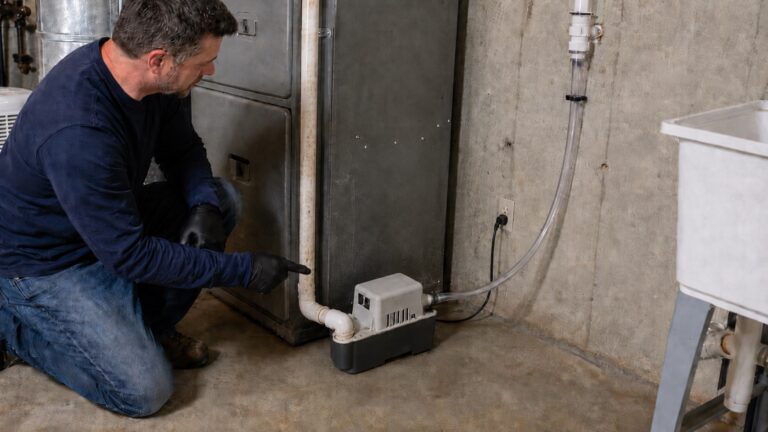
Under-sink leaks often return because of loose supply connections, worn shutoff valves, leaking faucet connections, drain trap issues, disposal connections, dishwasher tie-ins, or water entering through the back of the sink area. Cabinet materials can also remain damp after the plumbing is repaired. For early cabinet warning signs, see signs of water damage under sink cabinets.
Do not line the cabinet, repaint it, or replace the shelf until the leak source and cabinet moisture are checked. Otherwise, the cabinet may continue to smell or deteriorate even if the leak slows down.
Recurring leaks behind bathroom walls
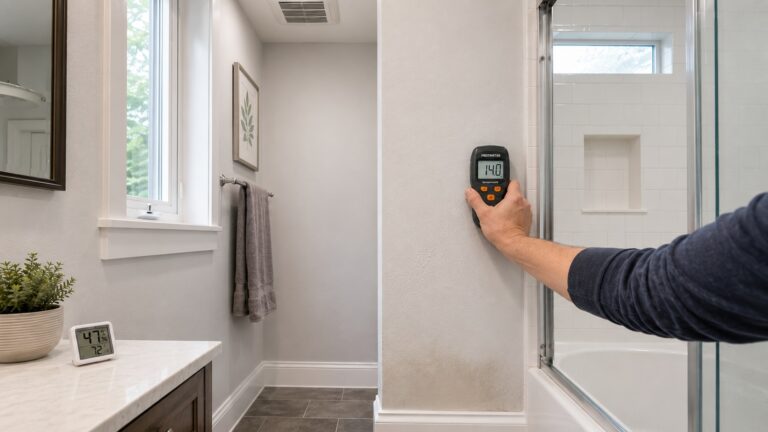
Bathroom wall leaks can return because shower valves, tub spouts, shower arms, drain assemblies, overflow plates, supply lines, or fixture penetrations were not fully checked. Moisture may appear as soft drywall, peeling paint, loose tile, swollen trim, or recurring odor.
Because bathroom leaks often stay hidden, the wall may need inspection from an access panel, nearby room, closet, ceiling below, or controlled wall opening. Inside-wall leak patterns are covered more fully in how to detect plumbing leaks inside walls.
Recurring leaks around toilets
A leak around a toilet may return because the wax ring failed, the flange is damaged, the toilet rocks, the supply line seeps, the shutoff valve leaks, or the subfloor has already softened. Recaulking the base alone can hide the problem instead of solving it.
If the floor feels soft, the toilet moves, odor returns, or staining appears around the base, the toilet and subfloor may need closer evaluation before another surface repair.
Recurring leaks below tubs and showers
Tub and shower leaks can return because the drain, overflow, valve body, shower arm, tub spout, wall penetration, or surrounding enclosure is still allowing water out. Some leaks only show up during bathing or showering, which makes them easy to miss during a quick inspection.
If the stain below a bathroom comes back after painting, test the fixture during normal use conditions instead of assuming the ceiling stain itself was the problem.
Recurring leaks near appliances
Washing machines, dishwashers, refrigerators with water lines, water heaters, and humidifiers can create repeated leak locations. Supply hoses, drain hoses, valves, pans, filters, fittings, and vibration can all contribute to recurring moisture.
A leak near an appliance should be checked during actual appliance operation. Some appliance leaks only happen during fill, drain, heat, spin, defrost, or pressure cycles.
Recurring slab leak symptoms
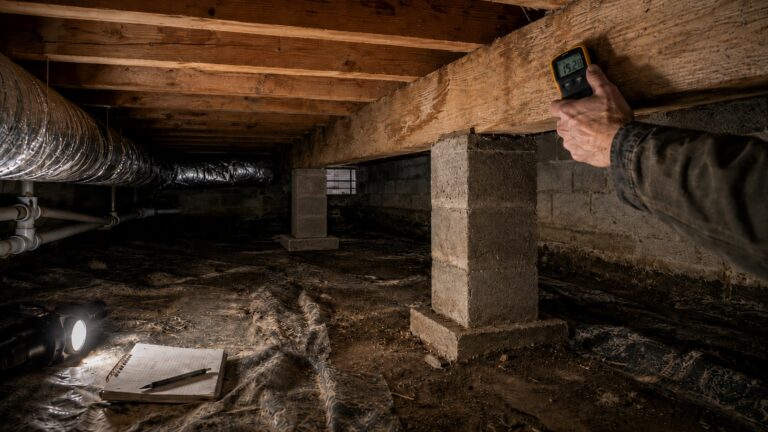
Slab leak symptoms can seem to return in the same general area even when the actual pipe failure is not directly under the visible wet spot. Water can move under flooring, along cracks, or through slab edges before appearing indoors.
If warm spots, unexplained floor moisture, rising water bills, meter movement, or repeated flooring damage appear over a slab, the issue should be treated as a plumbing location problem, not a flooring problem alone. For a focused symptom guide, see signs of slab plumbing leaks.
When to Stop DIY Fixes and Call a Professional
A persistent plumbing leak location is different from a one-time loose nut or simple drip. If the same area keeps returning after repairs, professional help may save money by finding the actual source before more finishes are damaged. The right professional depends on whether the main problem is plumbing, water damage, mold, or structural material damage.
Call a plumber when the source is hidden or recurring
Call a plumber when the leak is inside a wall, below a floor, above a ceiling, under a slab, behind a cabinet, near a water heater, connected to a supply line, or associated with water meter movement. Also call when the same fitting, valve, drain, or pipe section has failed more than once.
A plumber can test pressure, isolate fixtures, inspect fittings, check valves, evaluate pipe condition, and use leak-location methods when the source is not visible. For broader help deciding when outside help is needed, see when to call a plumber for leak detection.
Call a restoration professional when materials are wet
If drywall, insulation, cabinets, flooring, subflooring, ceilings, or framing are wet, a restoration professional may be needed after the plumbing repair. The plumber may stop the source, but damaged materials may still need drying, removal, moisture readings, or containment.
This is especially important when the leak has been active for a while, when materials are soft or swollen, or when moisture has entered hidden cavities.
Call a mold professional when odor or growth keeps returning
Recurring musty odor or mold-like growth after a leak repair suggests surrounding materials may have stayed wet. Surface cleaning may not be enough if the wall cavity, cabinet back, subfloor, or insulation is still affected.
If mold keeps returning in the same leak location, treat it as a moisture-source problem first. Cleaning without correcting the moisture path is unlikely to solve the recurrence.
How to Prevent the Same Plumbing Leak Location From Coming Back
Preventing recurrence means fixing more than the visible wet spot. The source must be corrected, wet materials must be dried or removed, and the area must be monitored long enough to confirm that moisture is not returning. Persistent plumbing leak locations need a sequence, not a quick patch.
Fix the source before repairing finishes
Do not repair drywall, flooring, cabinets, trim, paint, or ceiling texture until the plumbing source is corrected. Cosmetic repairs should come after source repair, not before. Otherwise, the same stain, swelling, odor, or softness may return.
If you are not sure whether the source is fixed, monitor the area through normal water use before closing it back up.
Dry or remove wet materials
After the plumbing source is corrected, affected materials still need attention. Drywall, insulation, cabinets, subfloors, flooring, trim, and ceiling materials may remain wet after the leak stops. If those materials stay damp, the area can keep smelling musty, staining, softening, or deteriorating.
Drying should be based on the material, leak duration, contamination risk, and moisture readings when possible. Some materials can dry safely; others may need removal. Wall drying after water damage is covered more fully in how to dry walls after water damage.
Monitor the repaired area
After the repair, keep the area visible if possible. Check it after fixture use, appliance cycles, rain if the area may also involve exterior moisture, and periods of normal household water demand. Look for renewed dampness, odor, staining, softness, meter movement, or humidity changes near the repaired location.
A short monitoring period can prevent closing the area too soon. For more detailed tracking after repairs, see how to monitor areas after leak repairs.
Correct pressure, movement, or support problems
If leaks keep happening around fittings, valves, appliance lines, or pipe sections, the issue may involve pressure or movement rather than one bad part. A plumber can check whether water pressure is too high, whether pipes need better support, whether appliance vibration is stressing connections, or whether a pipe section should be replaced.
Solving these repeat conditions can prevent the same location from failing again. Otherwise, the repair may look successful for a while and then fail under the same stress.
Use leak detection where it makes sense
Leak sensors and smart leak detectors cannot prevent every hidden plumbing leak, but they can provide early warnings in accessible risk areas. They are most useful under sinks, near water heaters, behind washing machines, near dishwashers, around refrigerators with water lines, and in utility rooms.
For hidden walls, floors, and slab lines, leak sensors may not catch the leak directly. In exposed high-risk locations, though, they can warn you before a small leak becomes another recurring moisture problem.
FAQ: How to Fix Persistent Plumbing Leak Locations
Why does my plumbing leak keep coming back?
A plumbing leak may keep coming back because the original source was not fully fixed, the wrong source was repaired, hidden materials stayed wet, water pressure is too high, pipes are moving, fittings are worn, drains leak only during use, or the surrounding pipe section is aging or corroded.
Can moisture return after a leak is repaired?
Yes. Moisture can return after a leak repair if the source is still active, but materials can also stay damp after the plumbing is fixed. Drywall, cabinets, subfloors, insulation, baseboards, and ceilings may need drying or removal even after the pipe repair is complete.
How do I know if the leak repair failed?
A leak repair may have failed if the same area becomes damp again, a stain spreads, the water meter moves when fixtures are off, odor returns, mold-like spots reappear, or symptoms worsen after using the same fixture. If the area keeps changing after the repair, the source should be rechecked.
Should I keep patching the same pipe leak?
Not if the same pipe section keeps leaking. Repeated patching may mean the pipe is corroded, stressed, poorly supported, under too much pressure, or nearing the end of its useful life. A plumber may recommend replacing a section, rerouting the line, or correcting the stress that keeps causing failure.
When should plumbing pipes be replaced instead of repaired?
Replacement may make more sense when the same section leaks repeatedly, the pipe is corroded, multiple leaks are appearing, access repairs are becoming destructive, or the plumbing material is reaching the end of its service life. The decision depends on pipe condition, location, age, and repair history.
Why does a ceiling stain come back after plumbing repair?
A ceiling stain may come back because the leak above is still active, the wrong source was repaired, a drain only leaks during fixture use, or the ceiling cavity was still wet when it was painted. The area above the stain should be rechecked before repainting again.
Why does mold or odor return in the same leak location?
Mold or odor can return in the same leak location when moisture remains in drywall, cabinets, insulation, subflooring, trim, or hidden cavities. Fixing the pipe stops new water from entering, but it does not automatically dry or clean materials that were already affected.
Who should I call for a leak that keeps returning?
Call a plumber if the source may still be active, concealed, pressurized, under a slab, inside a wall, or below a floor. Call a restoration professional if materials are wet or damaged. Call a mold professional if odor or growth keeps returning after the leak source has been corrected.
Key Takeaways
- A persistent plumbing leak location means the same area keeps showing moisture, odor, staining, softness, or damage after it should have stayed dry, so the source and surrounding materials both need to be checked.
- Recurring leaks often happen because the wrong source was repaired, the repair was incomplete, hidden materials stayed wet, or the pipe is under repeated stress.
- Before repairing the same area again, determine whether the moisture is active or leftover from the previous leak.
- Check supply lines, drain lines, fixture seals, appliance connections, nearby walls, floors, cabinets, and ceilings before assuming the visible spot is the source.
- Repeated patching may not be enough when pipes are corroded, poorly supported, under high pressure, or failing in a difficult access area.
- Call a plumber when a leak is concealed, recurring, under a slab, inside a wall, below a floor, or associated with water meter movement.
- After the leak source is fixed, wet materials may still need drying, removal, monitoring, or professional evaluation.