When a Roof Must Be Replaced Instead of Repaired
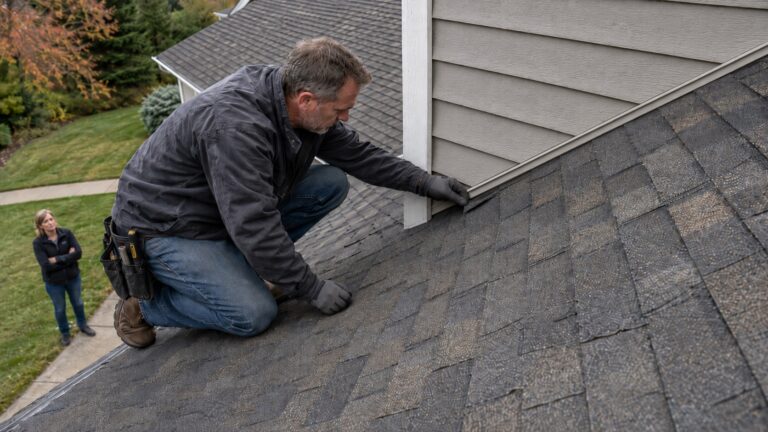
A roof must usually be replaced instead of repaired when the damage is widespread, structural, recurring, or tied to roofing materials that are near the end of their useful life. A single missing shingle, cracked tile, damaged vent boot, or localized flashing problem may still be repairable. Replacement becomes more likely when another repair would not restore reliable protection.
The main question is not simply, “Can this spot be patched?” The better question is, “Will this repair actually stop water, hold up over time, and protect the home?” If the surrounding roof materials are brittle, the decking is soft, leaks keep returning, or moisture has already spread into the attic or framing, replacement may be the safer long-term solution.
This guide explains when roof repair is still reasonable, when replacement becomes necessary, and how to think through the decision before spending money on another temporary fix.
When Roof Replacement Becomes Necessary
Roof replacement becomes necessary when the roof system can no longer be restored reliably through localized repairs. Repairs work best when damage is limited to one area and the surrounding roof is still sound. Replacement becomes more practical when the roof is failing as a system.
Common situations where replacement may be necessary include:
- Widespread roof damage: Multiple slopes, sections, or material areas are failing at the same time.
- Rotten or soft roof decking: The roof covering no longer has a solid base.
- Repeated leaks: Water keeps entering after repairs or appears in several locations.
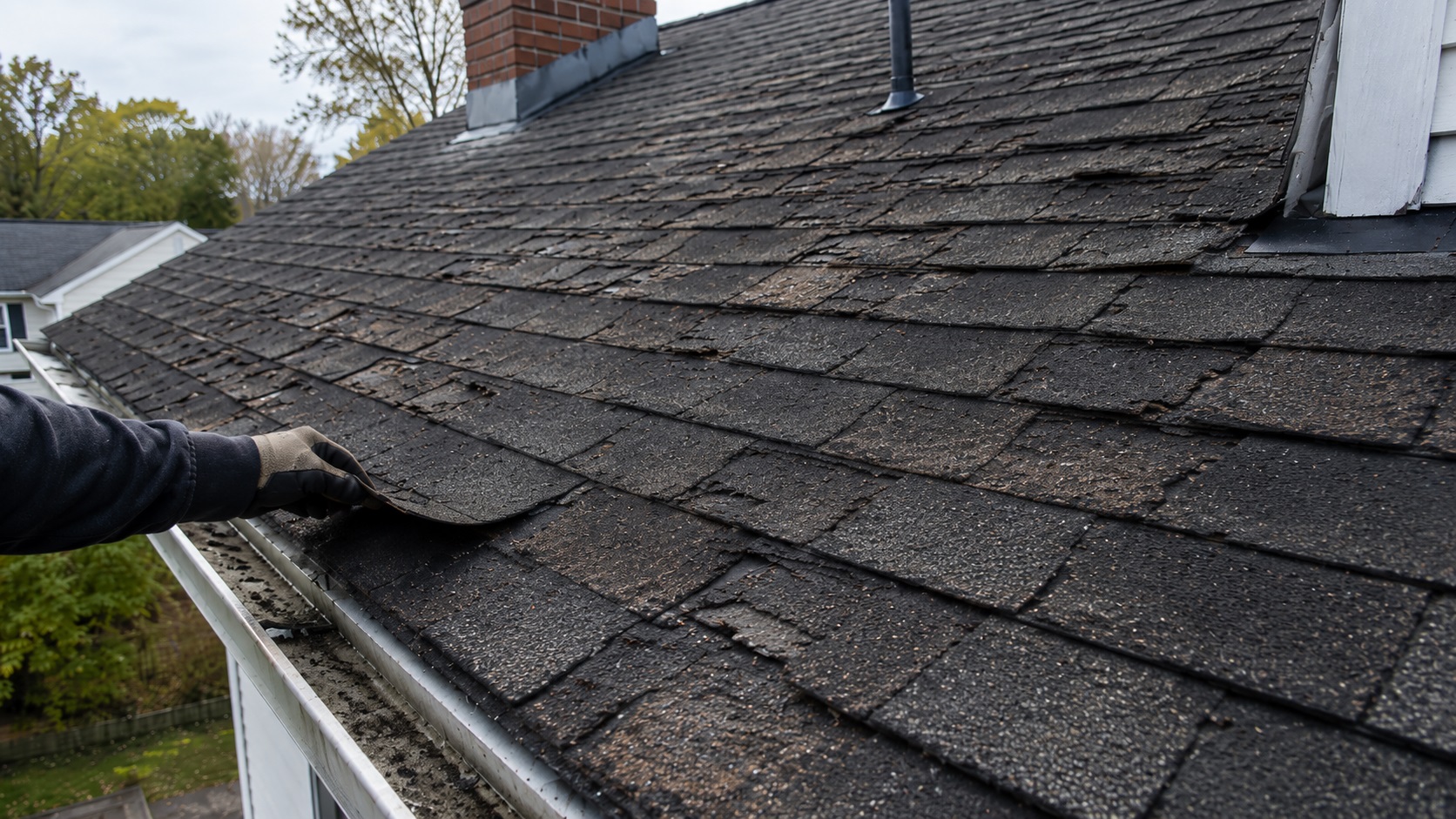
- End-of-life materials: The roof covering is old, brittle, curled, cracked, loose, or deteriorated.
- Failed repairs: Previous repairs no longer hold or new problems keep appearing nearby.
- Moisture spreading into the structure: Water has reached decking, attic insulation, rafters, ceilings, or walls.
- Sagging or distorted roof planes: The roof may have structural damage beneath the surface.
These conditions matter because a roof is a system. The surface material, underlayment, flashing, fasteners, decking, ventilation, and drainage details all work together. If too many parts of that system are failing, repairing one visible defect may not solve the real problem.
This is why replacement decisions should be connected to the larger pattern of common roofing material failures, not just one damaged area. The roof may need replacement when the pattern shows that the material or structure is no longer reliable. For a symptom-focused checklist, see signs a roof needs replacement.
Repair vs Replacement: The Main Difference
The main difference between roof repair and roof replacement is scope. A repair fixes a contained problem. A replacement restores a failing roof system.
A roof repair makes sense when the damage is isolated, the surrounding materials are still strong, and the repair is likely to last. For example, replacing one missing shingle on a relatively healthy roof may be reasonable. Repairing one damaged flashing area may solve a leak if the roof around it is still in good condition.
Roof replacement becomes the better choice when the problem is no longer contained. If materials are failing across the roof, if leaks are recurring, or if the roof deck has been damaged by water, a small repair may only delay the same problem.
A simple way to think about it is this:
- Repair is for isolated, stable, limited damage.
- Replacement is for widespread, recurring, structural, or end-of-life failure.
There is also a middle ground. Some roofs may qualify for partial replacement, sectional replacement, or more extensive restoration rather than full replacement. The right choice depends on the age of the roof, the condition of nearby materials, the type of roofing system, and whether the damaged area can be repaired without leaving the rest of the roof vulnerable.
For a broader homeowner framework, see how to decide whether to repair or replace a roof. This article focuses more narrowly on when repair stops being enough.
When Surface Damage Can Still Be Repaired
Not every roof problem requires replacement. Many roof issues are repairable when they are isolated and the surrounding roof system is still healthy.
Surface damage may still be repairable when:
- Only one or two shingles are missing.
- One clay or concrete tile is cracked.
- One slate has slipped out of place.
- A small section of metal roofing has a localized fastener or seam issue.
- One vent boot or pipe flashing is leaking.
- One small flashing area has failed.
- A localized storm impact damaged only one limited section.
The condition around the damaged area matters most. If nearby materials are flexible, intact, secure, and properly installed, repair may provide years of additional service. If nearby materials are brittle, cracked, loose, curled, rotten, or water-damaged, the same repair may not last.
Repair is also more reasonable when the roof has meaningful life left. Spending money on a small repair makes sense if it protects a roof that is otherwise sound. It makes less sense if the repair is being applied to a roof that is already near the end of its lifespan and failing in several places.
A good roof repair should solve the specific problem and preserve the roof’s ability to shed water. A temporary patch that hides a leak without addressing the cause is not the same as a reliable repair.
When Structural Damage Means Repair Is Not Enough
Structural damage is one of the strongest reasons a roof may need replacement instead of another repair. A roof covering needs a stable base. If the decking, sheathing, rafters, trusses, or support layers are damaged, surface repair may not restore the roof’s ability to protect the home.
This is where roof replacement decisions become more serious. Replacing one shingle or patching one flashing detail may stop a small surface leak, but it will not correct rotten decking, sagging framing, or moisture-damaged roof structure beneath the surface.
Rotten or Soft Roof Decking
Roof decking, also called sheathing, is the layer beneath the visible roof covering. It supports shingles, tile, slate, metal, underlayment, and other roofing materials. If the decking becomes soft or rotten, the roof covering may no longer have a secure base.
Rotten decking usually develops after repeated moisture exposure. A roof leak may begin as a small opening, but if water continues reaching the deck, the wood can soften, delaminate, sag, or lose fastener strength. Once this happens, another surface patch may not be enough.
If roof decking is rotten, the damaged sections often need to be exposed and replaced. In many cases, this requires removing roofing materials above the damaged area. If decking damage is widespread, roof replacement or major roof restoration may be more practical than repeated localized repairs.
For a more focused breakdown, see signs roof decking is rotten and when roof decking must be replaced.
Sagging Roof Planes
A sagging roof plane is not just a cosmetic issue. It can indicate weakened decking, framing movement, moisture damage, excessive load, poor construction, or structural settlement. A sagging area can also change the way water drains, which can create new leak paths.
Repairing the surface material over a sagging area may not solve the underlying issue. If the roof plane is no longer stable, the visible roofing material can crack, shift, buckle, or fail again. This is especially important on heavier roofing systems such as tile or slate, where the structure beneath the roof must remain sound.
Any sagging roof should be inspected promptly. Homeowners should not walk on a roof that appears unstable or enter an attic area where framing looks shifted, cracked, or overloaded. The decision may involve roof replacement, decking replacement, framing repair, or another structural correction depending on the cause.
Damaged Rafters or Trusses
Rafters and trusses are part of the roof’s structural frame. If water damage, rot, pests, cracking, or movement affects these components, the problem is deeper than the roof covering.
A roof can sometimes have surface materials that appear repairable while the structure beneath them is compromised. Moisture stains, darkened framing, mold-like growth, sagging, or visible deformation in the attic can all indicate that roof leaks have affected more than the outer layer.
When rafters or trusses are damaged, a roofing repair alone may not be enough. Structural evaluation may be needed before deciding whether the roof can be repaired, partially replaced, or fully replaced.
Moisture Reaching Attic Framing
Moisture in attic framing is a warning that water has moved beyond the roof surface. Damp rafters, stained trusses, wet insulation, or dark roof sheathing can all indicate that leaks have been active long enough to affect hidden areas.
Repair may still be possible if the moisture is isolated and the surrounding roof system is sound. Replacement becomes more likely when moisture appears in multiple areas, returns after repairs, or has weakened decking and framing.
Roof damage should also be viewed as part of the home’s larger moisture-control system. A roof that repeatedly allows water into attic cavities can create ceiling damage, insulation problems, mold risk, and structural decay. For broader prevention context, see how to find, fix, and prevent moisture problems in homes.
When Repeated Leaks Make Replacement More Practical
Repeated leaks are one of the clearest signs that repair may no longer be practical. A single roof leak may come from one damaged shingle, one cracked tile, one failed vent boot, or one flashing problem. But leaks that keep returning after repairs suggest a larger issue.
Replacement becomes more practical when:
- The same leak returns after multiple repairs.
- New leaks appear after normal rainstorms.
- Leaks show up in several rooms or attic areas.
- Flashing repairs do not hold.
- The roof materials around the repair area are brittle, loose, or deteriorated.
- Water keeps reaching ceilings, insulation, decking, or framing.
- Repair work is spreading across multiple roof sections.
Repeated leaks matter because each failure gives water another chance to reach insulation, roof sheathing, ceiling cavities, or wall intersections. Even a small visible drip can point to hidden moisture spreading beyond the original repair area.
A repair should restore reliable protection. If each repair only stops water briefly before another leak appears, the roof may be too deteriorated for patching to make sense. At that point, replacement may reduce long-term moisture risk better than another temporary repair.
Same Leak Keeps Returning
When the same leak keeps returning, the first repair may not have addressed the actual source. But recurring leaks can also mean the surrounding roof materials are too worn to hold a repair. Flashing may be deteriorated, shingles may be brittle, underlayment may be failing, or roof decking may be damaged.
If the same area has been repaired several times and still leaks, the issue should be evaluated as a system problem, not just a stubborn leak. Replacement of a larger section, or the entire roof, may be needed if the surrounding materials can no longer perform reliably.
New Leaks Keep Appearing
New leaks in different areas often indicate broader roof aging. One week the leak may appear near a vent. Later, water may show up near a valley, skylight, or ceiling line. This pattern can mean multiple roof details are reaching failure at the same time.
When leaks are scattered across the roof, chasing each one separately can become expensive and risky. Replacement becomes more practical when the entire roof system is losing reliability, not just one detail.
When Roof Age Makes Repair Less Reliable
Roof age does not automatically mean replacement is required, but it changes how reliable a repair is likely to be. A repair on a newer roof with strong surrounding materials may last for years. The same repair on an old, brittle, deteriorated roof may fail quickly because the nearby materials can no longer support it.
Age matters most when it appears with other signs of decline, such as cracking, curling, missing materials, repeated leaks, soft decking, failing flashing, or widespread surface deterioration. In those cases, the roof may not have enough remaining life for another repair to make sense.
Repair may be less reliable when:
- The roof is near or past the expected lifespan for its material.
- Roofing materials break when handled.
- Shingles are brittle, curled, or heavily worn.
- Cedar shakes are rotted, split, or missing across wide areas.
- Tile, slate, or metal components are failing in several locations.
- Underlayment or flashing is aging beneath otherwise durable materials.
- Repairs have become frequent rather than occasional.
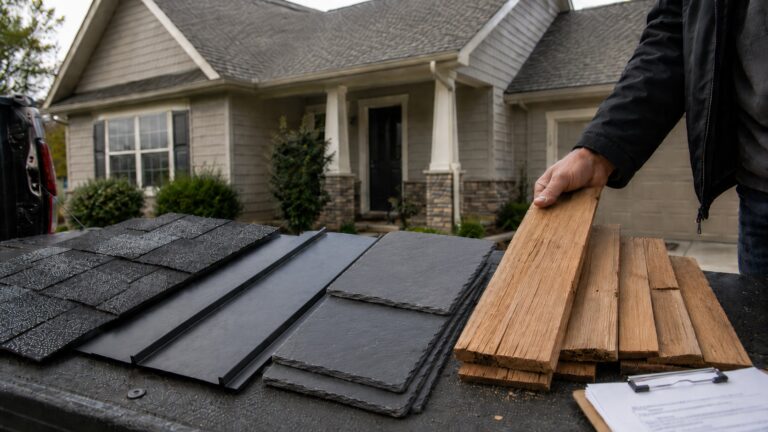
Different roofing materials age differently. A slate or tile roof may still have durable surface materials while the flashing or underlayment needs attention. An asphalt or cedar shake roof may be less repairable when the surface materials have become brittle or rotten. A metal roof may still be serviceable if the issue is limited to fasteners or seams, but widespread corrosion or panel failure changes the decision.
The question is not only how old the roof is. The question is whether repair will meaningfully extend the roof’s useful life. If the roof is old enough that another repair only buys a short delay before the next leak, replacement may be the more practical choice. For more context, see how roof age affects leak risk.
When Long-Term Repair Costs Stop Making Sense
A repair can be the right financial decision when it solves a limited problem and extends the life of a roof that is otherwise sound. Repairs stop making sense when they become frequent, temporary, or unable to reduce the risk of more water damage.
This does not mean homeowners should replace a roof just because a contractor recommends it. It means repair value should be judged by what the repair actually accomplishes. A repair that restores several years of reliable service may be worthwhile. A repair that only hides a leak for a few months may not be.
Long-term repair costs may stop making sense when:
- You have paid for several repairs in a short period.
- The same leak keeps coming back.
- New leaks appear soon after old ones are repaired.
- The roof is already near the end of its expected lifespan.
- Interior water damage is adding to the total cost.
- Repair work is becoming larger each time.
- The roofer cannot confidently say the repair will hold.
The hidden cost of repeated repair is often water damage behind the visible leak. If each individual repair seems cheaper but the roof keeps letting water reach decking, insulation, ceilings, walls, or framing, the long-term cost can outweigh the short-term savings.
A practical test is to ask whether the repair will change the roof’s future. If it fixes a contained problem on a roof with years of life left, repair may be reasonable. If it only postpones a roof that is already failing in several areas, replacement may be the better long-term decision. For a closer look at the financial side, see when roof replacement saves money long-term.
When Moisture Damage Changes the Decision
Moisture damage can change the roof repair decision because it means the problem has moved beyond the surface. Once water reaches the roof deck, attic insulation, rafters, ceilings, or wall cavities, the repair may need to address hidden damage as well as the exterior leak.
A roof leak that is caught early may only require a localized repair. A roof leak that has continued for months or years may require more extensive work because water can weaken wood, stain drywall, damage insulation, and create conditions for mold-like growth.
Moisture damage makes replacement more likely when:
- Roof decking is soft, stained, swollen, or rotten.
- Attic insulation is wet, compressed, or discolored.
- Rafters or trusses show repeated water staining.
- Ceiling stains return after repairs.
- Water appears in more than one interior area.
- Leaks have spread beyond the original repair location.
- Mold-like growth appears near roof leak paths.
The reason moisture damage matters is that some damaged layers cannot be corrected from the surface. If decking or underlayment is compromised, the roofing above it may need to be removed so the damaged layer can be replaced. If water has affected framing, the repair may require structural evaluation before the roof covering is restored.
Replacement is not always required after moisture damage, but the roof should be evaluated for hidden damage before another surface patch is treated as a long-term fix.
When Storm Damage Requires Replacement Instead of Repair
Storm damage may be repairable or replacement-level depending on the scope. A few missing shingles, one cracked tile, or one damaged flashing detail may be localized. Widespread hail damage, wind uplift, torn roof materials, exposed decking, damage across multiple slopes, or repeated leaks after storms can make replacement more practical.
Replacement is more likely after storm damage when:
- Damage affects several roof slopes.
- Large areas of roofing material are missing or lifted.
- Underlayment or decking is exposed.
- Hail has damaged the roof surface across broad areas.
- Wind has broken seals or loosened many shingles or panels.
- Water entered the attic or ceilings during the storm.
- Older roofing materials were already brittle before the storm.
Storm damage should be evaluated carefully because the visible damage may not show the full problem. A roof may appear mostly intact from the ground while having lifted shingles, cracked tiles, damaged flashing, or impact marks that reduce its ability to shed water. Keep this inspection visual from the ground unless you have safe access; storm-damaged roofing can be unstable or slippery.
This article only covers storm damage in general decision terms. For a storm-specific framework, see repair vs replace a roof after storm damage.
Questions to Ask Before Choosing Repair Again
Before paying for another roof repair, ask whether the repair is likely to restore reliable protection or only delay a larger problem. The answer depends on roof age, damage scope, surrounding material condition, leak history, and whether moisture has reached structural layers.
Use these questions as a practical decision checklist:
- Is the damage isolated? Repair is more realistic when the problem is limited to one contained area.
- How old is the roof? Repairs are more valuable when the roof still has meaningful life left.
- Are the surrounding materials sound? Brittle, rotten, loose, or deteriorated materials may not hold a repair.
- Has this area been repaired before? Repeated repairs in the same place suggest the underlying issue may not be solved.
- Are there multiple leaks? More than one leak location can indicate system-wide failure.
- Is there decking or framing damage? Structural moisture damage can make surface repair inadequate.
- Will the repair meaningfully extend roof life? If not, replacement may be more practical.
- Will repair reduce future moisture risk? A repair that does not stop water reliably is not a long-term solution.
If several answers point toward age, repeated leaks, structural damage, and uncertain repair durability, replacement should be seriously considered. If the answers show isolated damage on a sound roof, repair may still be the right choice. A useful next question is: “Would I make this same repair again if it fails within a year?” If the answer is no, replacement or a larger roof section repair may deserve a closer look.
When to Call a Roofing Professional
A roofing professional should be called when the repair decision involves structural damage, recurring leaks, widespread roof deterioration, or uncertainty about whether another repair will hold. The purpose of the inspection is not only to find the visible damage. It is to determine whether the roof system can still be repaired reliably.
Call a roofing professional if you notice:
- Repeated leaks after previous repairs.
- Multiple damaged areas across the roof.
- Soft, stained, sagging, or rotten roof decking.
- Sagging roof planes or structural movement.
- Roof materials that are brittle, curled, cracked, loose, rotted, or breaking apart.
- Water stains in the attic or on ceilings after rain.
- Wet insulation, damp rafters, or moisture-damaged framing.
- Flashing failures in several areas.
- Storm damage across multiple roof slopes.
- An old roof with repairs that no longer seem to last.
A professional evaluation is especially important when the roof has hidden moisture damage. Surface repairs may hide the leak temporarily while wet decking, damaged insulation, or weakened framing remains underneath. If the roof covering has to be removed to expose damaged layers, replacement or major restoration may become more practical than another patch.
It is also worth getting a professional opinion before buying a home with an older roof. A roof may look acceptable from the ground but still have failing underlayment, repeated patch repairs, hidden deck rot, or moisture damage in the attic.
FAQ About Replacing a Roof Instead of Repairing It
Is it worth repairing an old roof?
It can be worth repairing an old roof if the damage is isolated and the surrounding roof materials are still sound. Repair is less worthwhile when the roof is near the end of its lifespan, materials are brittle or deteriorated, leaks keep returning, or moisture has damaged the decking or framing.
How many roof repairs are too many before replacement makes sense?
There is no exact number, but repeated repairs become a warning sign when the same leak keeps returning, new leaks appear in different areas, or each repair only lasts a short time. At that point, the roof may be failing as a system instead of having one isolated defect.
Does rotten decking mean the roof must be replaced?
Rotten decking usually means the damaged decking must be exposed and replaced. Whether the entire roof needs replacement depends on how widespread the damage is. If rot is limited to one area, partial repair may be possible. If decking damage is widespread, roof replacement may be more practical.
Should I replace my roof if it keeps leaking?
A roof that keeps leaking should be inspected as a full system. One recurring leak may come from a missed source, but repeated leaks after repairs can mean the surrounding materials, flashing, underlayment, or decking are failing. Replacement becomes more likely when leaks are recurring or widespread.
Can part of a roof be replaced instead of the whole roof?
Yes, partial replacement may be possible when damage is limited to one section and the rest of the roof is still in good condition. Full replacement becomes more likely when the roof is old, failing across multiple areas, leaking repeatedly, or has widespread underlayment or decking problems. The harder it is to tie the new section into sound surrounding materials, the more likely a broader replacement becomes.
Is replacement better than repair after storm damage?
Replacement may be better after storm damage if multiple slopes are affected, large areas of roofing are missing or lifted, decking is exposed, or water entered the home. Localized storm damage may still be repairable. The decision depends on damage scope, roof age, material condition, and moisture exposure.
Final Decision: Repair Only Makes Sense If It Restores Reliable Protection
A roof must be replaced instead of repaired when another repair will not restore reliable protection. Isolated damage on a sound roof may be repairable. Widespread damage, repeated leaks, rotten decking, sagging roof planes, failing materials, and moisture reaching the attic or framing are stronger signs that replacement may be necessary.
The decision should be based on more than the visible defect. A missing shingle, cracked tile, or leaking flashing detail may be repairable when nearby materials are still strong. If the surrounding roof is brittle, wet, rotten, or near the end of its life, another repair may only delay replacement.
Judge the repair by what it will accomplish. If it will stop water, hold over time, and extend the roof’s useful life, repair may still be reasonable. If it cannot do those things, replacement may be the more practical and protective long-term choice.