Do Washing Machine Leak Pans Really Work?
Washing machine leak pans do work, but only for water that actually reaches the pan. They are useful for small leaks, slow drips, and minor overflow under the washer, especially when the pan is connected to a working drain.
They are not complete laundry leak protection. A pan does not stop a burst hose, shut off the water supply, detect moisture, or protect against water that sprays behind the washer, runs down the wall, escapes from the drain hose, or enters faster than the pan can drain.
That matters because washer leaks can damage flooring, subflooring, drywall, ceilings, insulation, and framing, especially in upstairs laundry rooms. A pan is useful as one layer of protection, but it should not be treated as the only safeguard against the kind of damage explained in how plumbing leaks cause structural damage.
The Short Answer: Washer Pans Help, But They Do Not Stop Leaks
Yes, washing machine leak pans really work for the right kind of leak. They are most effective when water drips, seeps, or spills into the bottom of the pan before it spreads across the floor. In that situation, the raised sides of the pan can keep water contained long enough for the homeowner to notice the problem or for a drain connection to carry the water away.
A leak pan is especially useful for small amounts of water that would otherwise run under flooring, soak into trim, or hide beneath the washer. Even a small leak can become a bigger moisture problem if it goes unnoticed for days. A pan gives that water a defined place to collect instead of letting it immediately spread into nearby materials.
However, a leak pan is passive. It does not know that a leak is happening. It does not send an alert unless a separate sensor is placed in or near the pan. It does not close the washer supply valves. It does not stop a damaged hose, loose connection, cracked washer part, or overflowing drain.
The simplest way to think about it is this: a washer pan is containment, not leak control.
What a Washing Machine Leak Pan Actually Does
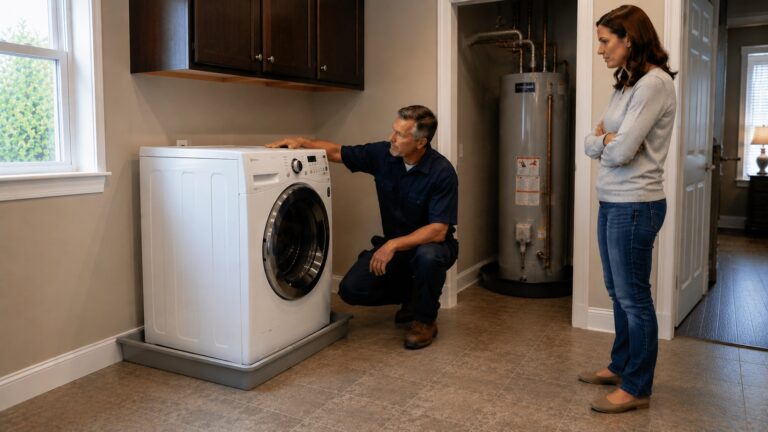
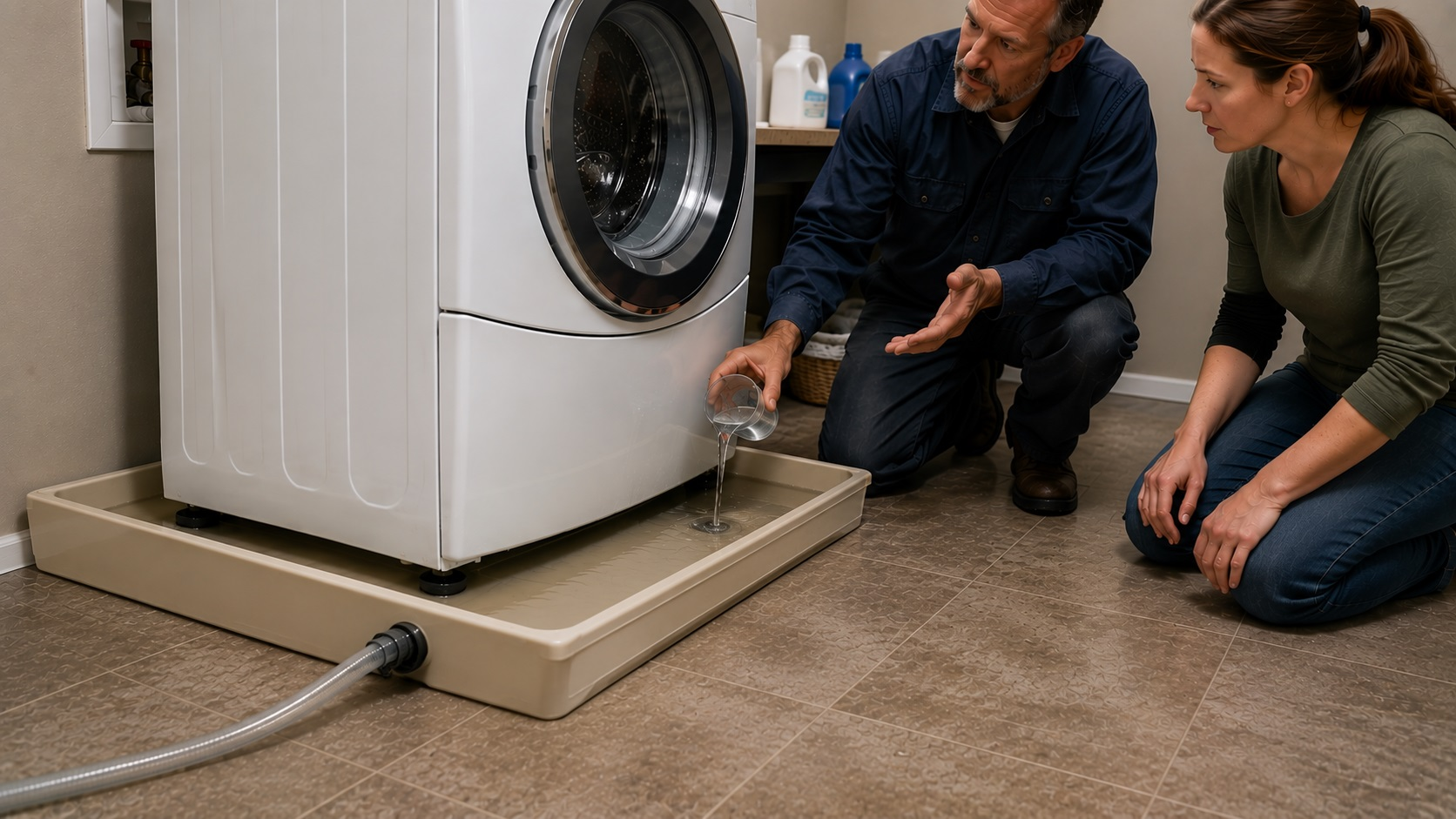
A washing machine leak pan is a shallow tray that sits under the washer. It has raised edges around the sides, and many pans include a drain opening or fitting. The washer sits inside the pan so that water leaking beneath the machine can collect in the tray instead of immediately reaching the floor.
If the pan has no drain, it can only hold a limited amount of water. Once that water level rises above the pan edge, the pan overflows. This may still be better than having no pan at all, especially for small drips, but it is not reliable protection against larger leaks.
If the pan is connected to a drain, it can perform better because water has somewhere to go. Instead of simply filling the tray, the pan can direct water to a drain line, floor drain, or approved drainage point. That makes drain-connected pans more useful in upstairs laundry rooms and finished spaces where overflow could damage ceilings, walls, or subfloors.
Even with a drain, the pan still has limits. The water must enter the pan. The drain must be open. The drain connection must be able to handle the water volume. The pan must not be cracked, poorly positioned, or too small for the washer. If any of those conditions fail, the pan may provide less protection than expected.
A washer pan also does not protect every leak point around the laundry area. Wall valves, hose connections, standpipes, drain hoses, and supply hoses may leak or spray in ways that bypass the tray, so the pan should be viewed as one piece of a layered laundry leak prevention setup.
When a Washer Pan Works Well
A washer pan works well when the leak is small, slow, and located where the water naturally falls into the pan. These are the kinds of leaks where passive containment can make a real difference. Instead of water immediately spreading across the floor, the pan gives it a place to collect.
One common example is a slow drip from a supply connection near the back or bottom of the washer. If the water runs downward and lands inside the pan, the raised edges can contain it long enough for the homeowner to notice. If a leak sensor is also placed in the pan, the homeowner may get an alert before the pan fills.
A washer pan can also help with minor seepage from the washer body. Some small internal washer leaks may release water underneath the machine during a cycle. If the water drops into the pan instead of escaping onto the floor, the pan can reduce the chance that moisture reaches the subfloor or flooring seams.
Small overflow events may also be contained if the water enters the pan. For example, a limited amount of water escaping during a fill or drain cycle may collect in the tray. If the pan is connected to a drain, that water may be carried away instead of sitting under the appliance.
Washer pans are especially useful when paired with monitoring. A pan with a sensor gives water a place to collect and gives the homeowner a warning before a small leak sits unnoticed under the machine.
When a Washer Pan Does Not Work Well
A washer pan does not work well when water escapes too quickly, sprays outside the pan, or comes from a location the pan cannot catch. This is where many homeowners overestimate what the pan can do.
The biggest limitation is a burst supply hose. A washing machine hose can release water rapidly because it is connected to pressurized supply plumbing. A shallow pan may catch some water, but it may not contain the volume or speed of a major hose failure. If the water sprays toward the wall, behind the washer, or outside the pan, the tray may do very little.
A pan also may not help if the drain hose comes loose or discharges outside the pan. Washing machines release a large volume of drain water quickly. If the drain hose pops out of the standpipe, cracks, or sends water down the wall instead of into the pan, the floor and wall area can still get wet.
Other situations where a washer pan may fail include:
- The pan has no drain and fills until it overflows.
- The pan drain is blocked, capped, clogged, or poorly connected.
- The washer is not centered in the pan.
- The pan is too small for the machine.
- The pan cracks when the washer is moved or leveled.
- Water leaks from wall valves or hoses above the pan and runs behind it.
- The floor is not level, causing water to move away from the drain opening.
This is why a pan should not be treated as protection against every laundry leak. It is helpful for direct under-washer water, but much less effective for wall-side leaks, hose spray, or drain failures that bypass the tray.
If the main concern is a sudden supply hose failure, a pan is not enough. That risk is better addressed with washing machine hose burst protection, good hose maintenance, and automatic shutoff options.
Washer Pan With Drain vs No Drain
The drain connection is one of the biggest factors in how well a washing machine leak pan performs. A pan with no drain is limited to the amount of water it can hold. Once it fills, water spills over the edge and spreads onto the floor.
A no-drain pan can still be useful for small drips because it keeps water in one visible place. If the homeowner checks the pan often or places a sensor inside it, even a no-drain pan may help catch a problem early. But it should not be trusted to handle a major leak, especially in an upstairs laundry room.
A drain-connected pan is stronger because it can redirect water away from the washer area. If a small leak enters the pan, the water can flow to the drain instead of collecting until the tray overflows. This is especially important where water could damage wood subflooring, finished ceilings, or rooms below.
However, a drain-connected pan is not automatically foolproof. The drain must be open, correctly connected, and able to handle the amount of water entering the pan. If the drain is clogged, undersized, capped, or not connected to an appropriate drainage point, the pan may still overflow.
A simple maintenance check is to look for lint, dirt, detergent residue, or debris in the pan and drain opening. If the pan is drain-connected, the drain path should be checked periodically so a “protected” washer area is not relying on a blocked drain.
The pan also needs to be positioned so water can reach the drain. If the washer is too large, the pan is flexed, the floor is uneven, or the drain fitting sits higher than the water level, water may pool instead of draining properly. A drain improves performance, but only when the whole setup works as intended.
For high-risk laundry areas, especially upstairs, a washer pan without a drain should be considered limited backup protection. A drain-connected pan is better, but it should still be paired with leak detection and shutoff protection if a large leak would cause serious damage.
Are Leak Pans Enough for Second-Floor Laundry Rooms?
Washing machine leak pans are useful in second-floor laundry rooms, but they are not enough by themselves. Upstairs laundry areas carry more risk because water can move through flooring, subflooring, ceiling drywall, insulation, light fixtures, and wall cavities before the problem is fully visible.
A pan can help if a small leak forms under the washer and drains into the tray. It may also help with minor overflow that lands inside the pan. But many laundry leaks do not behave that neatly. A supply hose can spray toward the wall. A valve connection can leak behind the washer. A drain hose can discharge outside the pan. A high-volume leak can enter the pan faster than it can drain.
For that reason, a second-floor laundry room should use layered protection. A pan is a good starting point, but it should be combined with other safeguards that reduce the chance of a leak starting and improve the chance of catching it quickly.
Stronger second-floor laundry protection may include:
- A properly sized washing machine pan.
- A drain connection where possible.
- A water leak sensor inside or near the pan.
- Washer hoses in good condition.
- Hose burst protection or an automatic shutoff device.
- Regular inspection of wall valves, hose connections, and the drain hose.
Good hoses matter because the pan is only backup protection. If the supply hoses are old, cracked, kinked, bulging, or corroded at the fittings, the better first step is to replace washing machine hoses before they fail. A pan may reduce damage from a small leak, but it should not be used to compensate for hoses that already show signs of failure.
In upstairs laundry rooms, active shutoff protection is also worth considering. Smart water shutoff systems can stop additional water from entering the plumbing after a leak condition is detected, while a pan only contains water that reaches it. That difference matters when water damage could spread to rooms below.
How Washer Pans Compare With Leak Sensors and Shutoff Devices
A washing machine pan, leak sensor, and shutoff device each serve a different purpose. The pan contains limited water. The sensor alerts the homeowner. The shutoff device stops more water from feeding the leak. Understanding that difference helps prevent overreliance on one layer.
A washer pan is passive. It can catch water, but it does not know whether water is present. If nobody checks the pan, a small leak may sit there unnoticed. If the pan has no drain, the water may remain until it evaporates, is cleaned up, or eventually overflows during a larger leak.
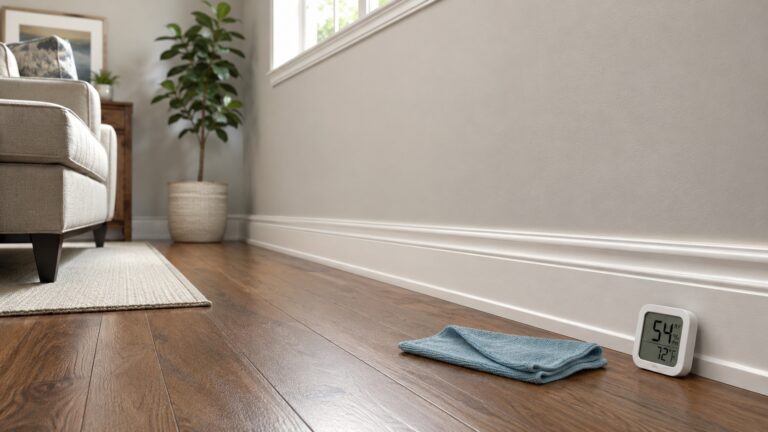
A leak sensor adds detection. When placed inside the washer pan or near the washer, it can alert the homeowner when water appears. This is especially useful because the pan may hide a small amount of water under the machine. A sensor turns that hidden collection area into an early warning point.
A shutoff device adds control. If the leak comes from the water supply side, shutting off the water can reduce the amount of additional water released. This is important for hose failures, valve leaks, and other pressurized supply problems.
The strongest laundry protection uses all three roles:
- The pan catches limited water under the washer.
- The sensor alerts the homeowner when water appears.
- The shutoff device stops additional water from entering the supply line.
For homeowners who want a simple upgrade, adding water leak sensors for early detection inside or near the washer pan is often a practical step. For higher-risk laundry rooms, especially upstairs, sensor alerts and shutoff protection are more reliable than a pan alone.
Hose burst devices also play a different role from pans. A pan catches water after it escapes, while a hose burst device is designed to react to abnormal hose-flow conditions. If hose failure is the main concern, it helps to understand where hose burst protection devices should be installed so the protection targets the correct supply lines.
How to Know If a Washing Machine Pan Is Worth It for Your Home
A washing machine pan is usually worth it when even a small leak could damage flooring, subflooring, ceilings, or finished rooms. It is most valuable when the washer is located above finished space, on a wood-framed floor, or in an area where water could spread under flooring before anyone notices.
A washer pan is more worth considering when:
- The laundry room is on the second floor.
- The washer sits above finished living space.
- The floor is wood-framed rather than bare concrete.
- The laundry room has moisture-sensitive flooring.
- There is no nearby floor drain.
- A drain-connected pan can be installed properly.
- A small leak could run under the washer unnoticed.
- The pan can be paired with a leak sensor.
A pan may be less important in a basement laundry area with bare concrete, good slope to a floor drain, and easy visual access. Even there, a pan can still help organize small leaks and make water easier to spot, but the damage risk may be lower than in an upstairs finished laundry room.
A pan is not the right first solution if hoses, valves, or washer parts are already leaking. Known leaks should be repaired first, and the area should be checked for hidden moisture if water has already reached flooring, trim, or wall materials. The pan is backup containment, not a repair. If the laundry area already has recurring water problems, the homeowner should address the source and include the washer area in a broader recurring moisture prevention plan.
The best decision depends on location, drain availability, floor materials, leak risk, and whether the pan will be combined with sensors or shutoff protection. For most upstairs laundry rooms, a pan is worth using, but it should be treated as one layer rather than complete protection. If you are buying one instead of evaluating an existing pan, it also helps to compare washing machine leak pans by drain compatibility, size, material strength, and washer clearance.
Mistakes That Make Washer Pans Less Effective
A washing machine leak pan is only helpful when it is sized, positioned, drained, and checked periodically. Many pans fail because the homeowner assumes that simply placing a tray under the washer is enough.
One common mistake is using a pan that is too small. If the washer barely fits, water may splash or run outside the pan. A pan that is too tight can also make it harder to level the machine, inspect behind it, or move it for service. A properly sized pan should allow the washer to sit securely while still leaving enough edge protection to catch water that drops into the tray.
Another mistake is using a no-drain pan in a high-risk location. A no-drain pan can help with small drips, but it can overflow during a larger leak. This is especially risky in second-floor laundry rooms, where overflow can damage the ceiling and walls below.
A drain-connected pan can also fail if the drain is blocked, capped, poorly connected, or never checked. Homeowners sometimes assume that a drain fitting guarantees protection, but the drain only helps if water can actually flow through it.
Other common mistakes include:
- Letting the washer sit off-center in the pan.
- Cracking the pan while moving or leveling the washer.
- Ignoring old or damaged hoses because the pan is present.
- Forgetting that wall valves and drain hoses may leak outside the pan.
- Failing to place a leak sensor in or near the pan.
- Never checking the pan for standing water, dirt, lint, or drain blockage.
- Assuming the pan protects against every laundry leak.
The pan’s size also matters more than many homeowners realize. A washer that overhangs the tray or sits too tightly inside it may reduce the pan’s ability to catch water. Before buying or replacing one, it helps to choose the right leak pan size for the washer, drain location, and laundry room layout.
Frequently Asked Questions
Do washing machine leak pans really prevent water damage?
They can reduce water damage from small leaks, slow drips, and minor overflow that lands inside the pan. They do not prevent all laundry water damage because they cannot stop the water supply, catch every leak path, or handle every high-volume failure.
Does a washer pan need a drain?
A washer pan works better with a drain, especially in upstairs laundry rooms or finished spaces. A no-drain pan can only hold limited water before overflowing. A drain-connected pan can redirect water, but only if the drain is open and properly connected.
Can a washing machine pan overflow?
Yes. A pan can overflow if it has no drain, the drain is blocked, the drain cannot handle the water volume, or water enters faster than it can leave. This is one reason drain-connected pans still need periodic checks.
Will a washer pan stop a hose burst?
No. A washer pan does not stop a hose burst. It may catch some water if the water falls into the pan, but a burst hose can release water quickly or spray outside the tray. Hose maintenance and shutoff protection are more important for burst-hose risk.
Are washer pans required upstairs?
Requirements vary by local code, builder standards, HOA rules, and property type. Many upstairs laundry areas benefit from washer pans even when they are not universally required. Homeowners should check local requirements and approved drain-routing options before installation or remodeling.
Should I put a leak sensor in the washer pan?
Yes, a leak sensor inside or near the washer pan is often a smart addition. The pan collects water, and the sensor alerts you when water appears. This helps prevent small leaks from sitting unnoticed under the washer.
Can water leak behind the washer and miss the pan?
Yes. Water from wall valves, hose spray, drain hose problems, or leaks running down the wall can bypass the pan. This is why washer pans work best with hose inspections, leak sensors, and shutoff protection in higher-risk laundry rooms.
Are washer pans worth it in a basement laundry room?
Sometimes. They are usually less critical on bare concrete near a floor drain, but they can still help collect small leaks and make water easier to spot. They are more valuable above finished spaces or on moisture-sensitive flooring.
Bottom Line: Washer Pans Are Helpful Backup Protection
Washing machine leak pans are worth using when they are treated as backup containment, not complete leak protection. They help most with small leaks, slow drips, and minor overflow that lands under the washer, especially when the pan drains properly and has a leak sensor nearby.
For higher-risk laundry rooms, especially upstairs, the safer approach is layered protection: a properly sized pan, a working drain when possible, a leak sensor, good washing machine hoses, and shutoff protection where a major leak could damage finished space below.