Best Mold Prevention Coatings for Walls
Introduction
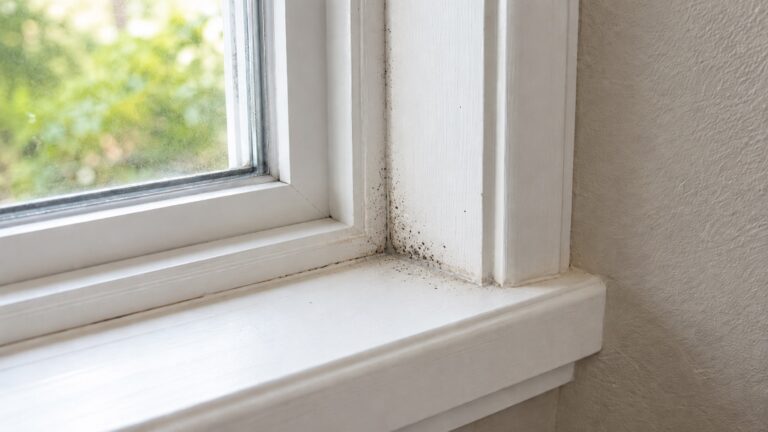
Mold on walls usually starts with moisture, not paint failure. A bathroom with poor ventilation, a basement wall that stays damp, a repaired leak that was not fully dried, or a laundry room with repeated humidity can all create conditions where mold or mildew keeps coming back. Once the moisture source has been corrected and the surface is ready to refinish, the right primer, coating, paint, or pre-coating treatment can help protect the wall surface and reduce the chance of surface growth returning.
This guide compares the best mold prevention coatings for walls available on Amazon for typical homeowners. Some products are true primers, some are finish paints, and some are mold-control treatments used before coating. They are not all interchangeable. A mold-killing primer is different from a mildew-resistant primer, and a treatment spray is different from a painted finish.
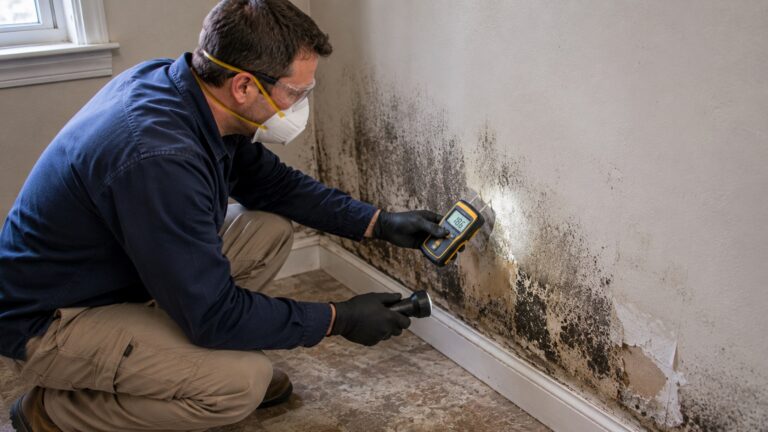
Before coating any wall, make sure the underlying moisture issue is addressed. These products are not meant to cover active leaks, wet drywall, soft materials, hidden contamination, or rooms that still stay damp. For a broader mold cleanup framework, see How To Remove Mold Permanently. For whole-home moisture diagnosis, see How to Find, Fix, and Prevent Moisture Problems in Homes.
As an Amazon Associate, this site earns from qualifying purchases. This does not affect the price you pay. Our recommendations are based on research, product reliability, and real-world usability in moisture-prone environments.
Quick Picks Summary
- Best Overall Mold Prevention Primer: Zinsser Mold Killing Primer
- Best Dedicated Mold & Mildew Primer: KILZ Mold & Mildew Interior/Exterior Primer
- Best Finish Paint for Mold-Prone Walls: Zinsser Perma-White Mold & Mildew-Proof Interior Paint
- Best General-Purpose Mold-Resistant Primer: Zinsser Bulls Eye 1-2-3 Primer Sealer Stain Killer
- Best Budget-Friendly Primer: KILZ 2 All-Purpose Interior/Exterior Primer, 1 Quart or KILZ 2 All-Purpose Interior/Exterior Primer, 5 Gallon
- Best Pre-Coating Mold Treatment: Concrobium Mold Control 32 oz Spray
- Best Aerosol Treatment for Small Wall Areas: Concrobium Mold Control Aerosol
Mold Prevention Coating Reviews
Best Overall Mold Prevention Primer: Zinsser Mold Killing Primer
Zinsser Mold Killing Primer is the most direct fit for homeowners who need a primer after dealing with mold-prone wall surfaces. It is designed for use after the moisture problem has been corrected and the surface has been prepared according to the label. This is a strong starting point for basement walls, bathroom walls, laundry rooms, and other interior areas where mold has been a real issue rather than a theoretical concern.
The main advantage is that it is more specialized than an ordinary stain-blocking primer. It is meant for mold and mildew situations, while still working like a primer that can be topcoated. That makes it useful when you are repainting a repaired area and want a mold-focused primer layer before the finish coat.
Do not use this as a shortcut over wet drywall, crumbling material, or hidden contamination. If the mold is on painted wall surfaces, see How to Remove Mold From Painted Walls before priming. If the mold has affected bare or damaged drywall, see How to Remove Mold From Drywall.
Key Features
- Water-based primer made for mold and mildew problem areas
- Useful before applying a finish coat over repaired wall surfaces
- Good fit for bathrooms, basements, laundry rooms, closets, and utility areas
- Can help simplify repainting after small mold-prone areas have been cleaned and dried
- More targeted than a basic general-purpose primer
Pros
- ✔ Strongest topical match for a mold-prevention wall coating project
- ✔ Better choice than ordinary primer after a known mold problem
- ✔ Water-based formula is easier for most homeowners to work with than oil-based products
- ✔ Useful under a separate finish paint
Cons
- ✖ Not a substitute for fixing leaks, humidity, or condensation
- ✖ Still requires proper cleaning, drying, and surface prep
- ✖ Smaller containers may not be enough for large basement or whole-room projects
Best For
- Homeowners repainting a small to medium wall area after correcting a moisture or mold issue
- Bathroom walls, basement walls, laundry rooms, and closet walls that have had surface mold concerns
- Projects where a dedicated mold-focused primer makes more sense than a standard primer
Check the Zinsser Mold Killing Primer on Amazon to see current availability.
Best Dedicated Mold & Mildew Primer: KILZ Mold & Mildew Interior/Exterior Primer
KILZ Mold & Mildew Interior/Exterior Primer is another strong choice for homeowners who want a primer specifically aimed at humid, mold-prone spaces. It fits well in bathrooms, laundry rooms, kitchens, basements, and other rooms where walls are exposed to recurring damp air or occasional moisture stress.
The key difference from Zinsser Mold Killing Primer is how it should be framed. This is best understood as a mold- and mildew-resistant primer film for properly prepared surfaces. It is a good choice when the wall has been cleaned, dried, and stabilized, and you want a primer that is more moisture-aware than a basic general-purpose primer.
For rooms where mold returns because the room stays damp, do not rely on primer alone. You may also need better ventilation, lower humidity, or a deeper repair. If the wall is in a bathroom, see How to Prevent Mold on Bathroom Walls for the moisture-control side of the problem.
Key Features
- Interior/exterior primer designed for moisture-prone environments
- Good fit for high-humidity rooms when the surface is properly prepared
- Works as a primer layer before a compatible finish coat
- Useful for bathrooms, laundry rooms, basements, and utility spaces
- More mold-focused than KILZ 2 All-Purpose Primer
Pros
- ✔ Strong topical match for mold-prone walls
- ✔ Good option for humid rooms where ordinary primer feels too basic
- ✔ Can be used as part of a repainting system after moisture correction
- ✔ Established brand familiar to many homeowners
Cons
- ✖ Should not be treated as a mold-removal product by itself
- ✖ Needs a finish coat in most wall projects
- ✖ Not the cheapest option for simple, dry-wall priming
Best For
- Homeowners repainting bathrooms, laundry rooms, utility rooms, and basement wall sections
- Walls that are dry now but have a history of humidity or mild surface growth
- Projects where a dedicated mold and mildew primer is more appropriate than a general primer
Check the KILZ Mold & Mildew Interior/Exterior Primer on Amazon to see current availability.
Best Finish Paint for Mold-Prone Walls: Zinsser Perma-White Mold & Mildew-Proof Interior Paint
Zinsser Perma-White Mold & Mildew-Proof Interior Paint is the best fit in this lineup for homeowners who want a finish paint, not just a primer. That matters because primer is usually hidden under another coating, while this product is meant to be the visible painted surface.
This makes it a useful choice for bathrooms, laundry rooms, basement finished areas, and other spaces where you want the final wall surface to be more resistant to mold and mildew growth on the paint film. It is especially relevant when the wall is already sound and dry, and the main goal is repainting a moisture-prone room with a finish coat designed for that environment.
For walls that already have visible mold, clean and correct the problem before painting. A mold-resistant finish paint should not be used to hide active growth. If recurring mold is the issue, see Why Mold Keeps Coming Back After Cleaning before assuming paint is the solution.
Key Features
- Interior finish paint for mold- and mildew-prone rooms
- Useful as the final visible coating after proper wall preparation
- Good match for bathrooms, laundry areas, basements, and utility rooms
- Can reduce the need to pair a standard wall paint with a separate specialty topcoat
- Better fit than primer when the reader specifically needs a finish paint
Pros
- ✔ Finish paint rather than only a prep layer
- ✔ Good choice for mold-prone painted wall surfaces
- ✔ Helps complete the repainting system after priming or surface prep
- ✔ Practical for bathrooms and other finished rooms
Cons
- ✖ Not for covering active mold or wet surfaces
- ✖ Surface prep still controls the final result
- ✖ May not be the right first coat over stains, damaged drywall, or porous repaired areas
Best For
- Homeowners repainting finished rooms where mildew tends to appear on painted walls
- Bathrooms, laundry rooms, finished basements, and utility rooms
- Projects where the final paint film needs to be more moisture-aware than standard interior paint
Best General-Purpose Mold-Resistant Primer: Zinsser Bulls Eye 1-2-3 Primer Sealer Stain Killer
Zinsser Bulls Eye 1-2-3 is not as mold-specific as Zinsser Mold Killing Primer, but it is a strong general-purpose primer for homeowners who want a reliable primer with better damp-room suitability than a bargain no-name option. It is useful when the wall is clean, dry, and not actively contaminated, but the room still has enough moisture risk that a basic interior primer feels too weak.
This is the type of product that makes sense when you are repainting clean bathroom walls, laundry room drywall, a basement stairwell, or a utility wall that occasionally deals with humid air. It can also be useful when you need adhesion and sealing performance in addition to mild mold and mildew resistance on the dried film.
Use it for preparation, not remediation. If the wall is damp, stained, soft, or musty, diagnose the moisture source first. For hidden moisture behind walls, see Signs of Hidden Moisture in Walls.
Key Features
- General-purpose primer, sealer, and stain-blocking product
- Useful on many clean, dry interior surfaces
- Good option before repainting damp-prone but stable rooms
- Can help with adhesion when repainting older wall surfaces
- More versatile than a narrow mold-only product
Pros
- ✔ Versatile primer for many homeowner projects
- ✔ Good choice when the wall is clean and dry but still in a moisture-prone room
- ✔ Easier to justify for mixed repainting projects than a specialty-only primer
- ✔ Established product line with broad homeowner familiarity
Cons
- ✖ Not the most specialized mold-focused primer in this guide
- ✖ Should not be used as a cover-up for active mold growth
- ✖ May not be enough for walls with a history of repeated moisture failures
Best For
- Clean, dry walls in bathrooms, laundry rooms, utility rooms, and basements
- Homeowners who need a practical all-around primer rather than a narrow specialty product
- Projects where adhesion, sealing, and mild moisture resistance all matter
Check the Zinsser Bulls Eye 1-2-3 Primer Sealer Stain Killer on Amazon to see current availability.
Best Budget-Friendly Primer: KILZ 2 All-Purpose Interior/Exterior Primer
KILZ 2 All-Purpose Interior/Exterior Primer is the budget-friendly pick for homeowners who need an affordable primer for clean, dry wall areas where mold prevention is part of the goal but not the only concern. It is not the most mold-specific product in this article, but it is widely used, practical, and available in sizes that fit both small touch-ups and large projects.
The 1-quart option makes sense for small wall sections, closets, bathroom patches, laundry room touch-ups, and limited repainting. The 5-gallon option is better for large basements, multiple rooms, rental properties, garages, or bigger repainting jobs where buying in bulk can make more sense. Both sizes are useful to show because the quart fits small projects, while the 5-gallon pail is better suited to large rooms or multi-room priming.
Use KILZ 2 when the wall is already clean and dry. If you are trying to stop recurring mold after repeated leaks or incomplete drying, start with the moisture problem first. For that broader prevention issue, see How to Prevent Recurring Moisture Damage.
Key Features
- General-purpose interior/exterior primer
- Available in small and large project sizes
- Good for clean, dry walls that need basic sealing before repainting
- Useful when budget and broad coverage matter
- Works best as part of a complete moisture-control and repainting process
Pros
- ✔ Practical budget option for many residential wall projects
- ✔ Quart size works well for small areas
- ✔ Five-gallon size can make sense for large spaces
- ✔ Useful when you do not need the most specialized mold primer
Cons
- ✖ Not as mold-specific as Zinsser Mold Killing Primer or KILZ Mold & Mildew Primer
- ✖ Not the best choice for walls with a history of active mold growth
- ✖ May be overbought if the homeowner chooses the 5-gallon size for a small room
Best For
- Budget-conscious homeowners priming clean, dry walls
- Small wall sections when using the 1-quart option
- Large basements, garages, rental units, or multi-room repainting when using the 5-gallon option
Check the KILZ 2 All-Purpose Primer 1 Quart option on Amazon to see current availability.
Check the KILZ 2 All-Purpose Primer 5 Gallon option on Amazon to see current availability.
Best Pre-Coating Mold Treatment: Concrobium Mold Control 32 oz Spray
Concrobium Mold Control 32 oz Spray is not a paint or primer. It is a mold-control treatment that can be useful before coating hard, non-porous or compatible surfaces when used according to the label. It belongs in this article because many homeowners looking for mold prevention coatings are really trying to create a better prep process before repainting.
This spray is especially useful for small to medium areas, wall corners, trim lines, bathroom surfaces, utility room walls, and areas where you want a treatment step before applying primer or paint. It can also be useful for maintenance on surfaces that are not ready for repainting.
The important distinction is that Concrobium does not replace the coating. If the wall needs refinishing, you still need the right primer or paint after the surface is ready. If the reader is looking for cleaning products rather than coatings, point them to Best Mold Cleaning Products for Household Use instead.
Key Features
- Pre-coating treatment rather than a paint or primer
- Useful for small to medium surface-prep projects
- Can be used in corners, trim areas, bathrooms, basements, and utility rooms
- Good addition when the homeowner wants a treatment step before repainting
- Spray format is simple for targeted application
Pros
- ✔ Helpful before coating when a treatment step is appropriate
- ✔ Easier to apply in small areas than brush-on primer
- ✔ Useful around trim, corners, and tight wall sections
- ✔ Good companion product for a repainting system
Cons
- ✖ Not a wall paint, primer, or decorative finish
- ✖ Does not hide stains or create a painted surface
- ✖ Should not be used to avoid fixing moisture sources
Best For
- Homeowners preparing small wall areas before priming or repainting
- Bathroom corners, basement wall edges, window trim areas, and utility rooms
- Situations where a treatment step is useful before applying a coating
Check the Concrobium Mold Control 32 oz Spray on Amazon to see current availability.
Best Aerosol Treatment for Small Wall Areas: Concrobium Mold Control Aerosol
Concrobium Mold Control Aerosol fills a different role than the 32 oz trigger spray. It is best for small, awkward, or harder-to-reach wall areas where a spray bottle may be less convenient. Think ceiling-wall corners, behind fixtures, around trim transitions, closet corners, or small bathroom wall sections.
Like the liquid spray, this is not a finish coating. It should be treated as a mold-control treatment that may be used before priming or painting when the surface and label directions allow. It is a practical option for homeowners who are working on a small area and do not want to open a full quart of primer just to treat a corner.
For larger wall projects, the aerosol is not the most efficient choice. Use a primer or finish paint for full walls. For small areas where you need better control and access, the aerosol can be a useful addition to the project.
Key Features
- Aerosol treatment format for small and hard-to-reach areas
- Useful around corners, trim lines, and ceiling-wall intersections
- Works as a prep or maintenance product rather than a paint
- Convenient for targeted application
- Good backup to larger primers and paints for small detail areas
Pros
- ✔ Convenient for tight spaces and small wall sections
- ✔ Easier to aim into corners than brush-on coatings
- ✔ Useful when the project is too small for a full paint setup
- ✔ Good companion to primer and paint in detail areas
Cons
- ✖ Not suitable as the main product for large walls
- ✖ Not a finish paint or primer
- ✖ Aerosol application requires careful ventilation and overspray control
Best For
- Small wall areas, closet corners, ceiling edges, and trim transitions
- Homeowners who need a targeted mold-control treatment before coating
- Awkward spots where a brush, roller, or trigger spray is less convenient
Check the Concrobium Mold Control Aerosol on Amazon to see current availability.
Mold Prevention Coatings Comparison Table
| Product | Category | Best Use Case | Key Strengths | Main Limitation | Amazon Link |
|---|---|---|---|---|---|
| Zinsser Mold Killing Primer | Best Overall Mold Prevention Primer | Repainting walls after a corrected mold or moisture issue | Most targeted primer choice for mold-prone wall projects | Still requires cleaning, drying, and moisture correction first | View on Amazon |
| KILZ Mold & Mildew Interior/Exterior Primer | Best Dedicated Mold & Mildew Primer | Bathrooms, laundry rooms, basements, and high-humidity rooms | Dedicated mold- and mildew-resistant primer film for prepared surfaces | Not a stand-alone fix for active mold or damp walls | View on Amazon |
| Zinsser Perma-White Mold & Mildew-Proof Interior Paint | Best Finish Paint for Mold-Prone Walls | Final painted surface in bathrooms, laundry rooms, and finished basements | Finish paint rather than only a primer layer | Not for hiding active mold or wet surfaces | View on Amazon |
| Zinsser Bulls Eye 1-2-3 Primer Sealer Stain Killer | Best General-Purpose Mold-Resistant Primer | Clean, dry walls where versatility matters | Good all-around primer for many repainting projects | Less specialized than dedicated mold primers | View on Amazon |
| KILZ 2 All-Purpose Interior/Exterior Primer | Best Budget-Friendly Primer | Small clean wall areas or large multi-room projects | Available in small and large project sizes | Not as mold-specific as the dedicated primers | 1 Quart / 5 Gallon |
| Concrobium Mold Control 32 oz Spray | Best Pre-Coating Mold Treatment | Surface treatment before primer or paint | Useful prep step for small to medium areas | Not a paint, primer, or visible finish | View on Amazon |
| Concrobium Mold Control Aerosol | Best Aerosol Treatment for Small Wall Areas | Corners, trim lines, ceiling edges, and tight spots | Convenient targeted application | Not efficient for large wall areas | View on Amazon |
Buying Guide: How to Choose the Right Mold Prevention Coating for Walls
Choose a mold-focused primer if the wall had a known mold issue
If you are repainting after a real mold problem, start with a dedicated product such as Zinsser Mold Killing Primer or KILZ Mold & Mildew Primer. These are better choices than ordinary primer when the wall has a history of mold, mildew, or repeated dampness.
That does not mean they can fix hidden moisture. If mold keeps returning in the same area, coating is only the final step. You may need to find the moisture source first. See How to Prevent Mold Behind Walls if the concern is recurring wall moisture behind the surface.
Choose finish paint if the visible wall surface is the main concern
If the wall is already clean, dry, primed, and stable, a mold-resistant finish paint like Zinsser Perma-White may be the better final step. This is especially true in bathrooms and laundry rooms where the painted surface is exposed to repeated humidity.
Choose general-purpose primer for clean, dry walls with moderate risk
Zinsser Bulls Eye 1-2-3 and KILZ 2 are better for general priming, not severe mold situations. Use them when the wall is clean and dry, the moisture problem is not active, and you need a practical primer before repainting.
Choose a pre-coating treatment when surface prep is the priority
Concrobium products are not paints. They are useful when you need a mold-control treatment before coating or when you are dealing with small hard-surface areas that may not require a full repaint. For large finished wall areas, use treatment only as one part of a broader prep and coating process.
Match the size to the project
A quart can make sense for a bathroom wall section, closet, small patch, or touch-up project. A 5-gallon pail only makes sense when you are priming a large basement, multiple rooms, a garage, or a rental property. Buying too much product can waste money, especially if the leftover coating is stored poorly or never used.
How to Use Mold Prevention Coatings Correctly
Fix the moisture source first
No coating can compensate for an active leak, wet drywall, condensation inside a wall, or a room that stays too humid. If the wall is still damp, the coating can fail, blister, peel, or trap a problem you have not solved.
Before coating, confirm that the area is dry and stable. If you are unsure whether moisture is still present, see How to Detect Moisture Without Opening Walls.
Remove loose material and damaged surfaces
Primer and paint need a sound surface. Scrape loose paint, remove failing caulk where appropriate, sand rough edges, and repair damaged drywall before coating. Do not paint over soft drywall, swollen baseboards, crumbling joint compound, or paper facing that is separating from the gypsum core.
Clean before you prime
Even the best mold prevention coating for walls needs proper surface prep. Dirt, soap film, mildew residue, old cleaner, and dust can interfere with adhesion. Bathrooms often need extra attention because wall surfaces may have soap residue or humidity-related film.
Use the right sequence
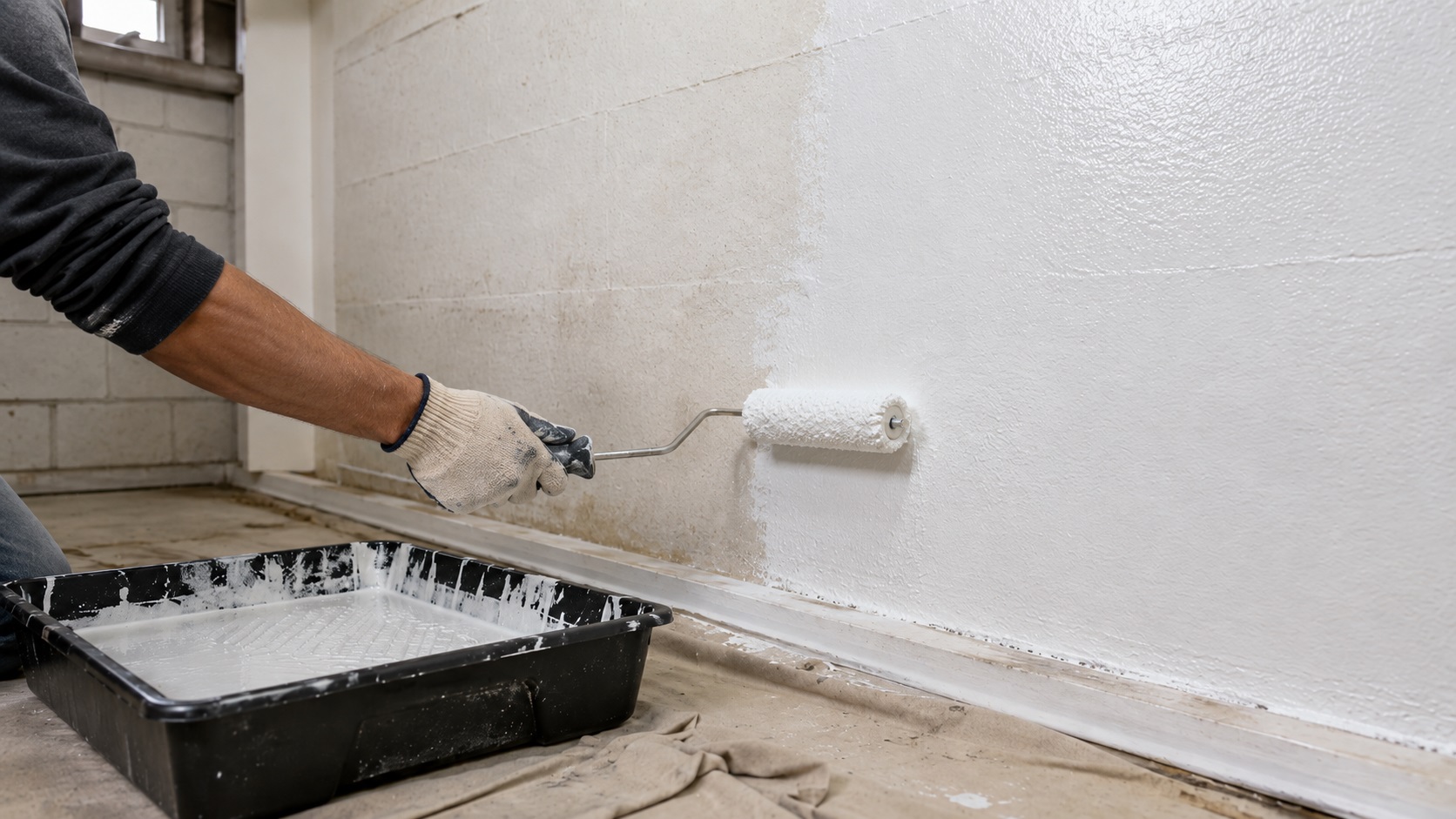
For many projects, the correct sequence is: fix moisture, dry the wall, clean the surface, treat if appropriate, prime, then apply finish paint. Do not reverse the process by painting first and hoping the coating will solve the wall condition underneath.
Ventilate while working
Use ventilation during application and drying. This matters even more with aerosol products, high-humidity rooms, and small enclosed spaces. Follow the product label for ventilation, dry time, recoat time, surface compatibility, and cleanup.
Use protective gear when dealing with mold-prone areas
If you are cleaning or disturbing mold before coating, use appropriate protection. For more details, see Best Mold Safety Equipment for Homeowners, Best Respirators for Mold Cleanup, and Best Protective Gloves for Mold Removal.
Mistakes That Make Mold Prevention Coatings Fail
Painting over active mold
This is the biggest mistake. Paint may hide discoloration temporarily, but it does not solve the conditions that allowed mold to grow. If mold is active, clean or remove affected material first, then dry and repair the area before coating.
Using a treatment spray as if it were paint
Concrobium Mold Control can be useful, but it is not a painted finish. If the wall needs a finished appearance, stain blocking, or color coverage, you still need primer and paint.
Using ordinary primer after repeated mold problems
For a wall with a serious mold history, a basic primer may be the wrong place to save money. Use a dedicated mold or mildew primer when the risk justifies it.
Skipping dry time
Coatings need time to dry and cure. Rushing the next coat can trap moisture, weaken adhesion, or leave the finish vulnerable. Follow the label rather than guessing.
Ignoring humidity after repainting
If a bathroom stays steamy, a basement stays damp, or a laundry room has poor airflow, mold can still return. Paint film resistance helps, but room conditions still matter. For long-term prevention, see How to Prevent Mold From Returning Permanently.
Buying the wrong size
A quart may be too small for a basement. A 5-gallon pail may be excessive for one bathroom wall. Measure the project area and consider whether you need spot treatment, primer, finish paint, or a combination.
Using stain-blocking primer as a mold solution
Some primers are excellent for water stains but not specifically designed as mold-prevention coatings. If the issue is old discoloration after a repaired leak, stain blocking may help. If the issue is recurring mold, solve the moisture problem and choose a mold-aware product.
FAQ About Mold Prevention Coatings for Walls
What is the best mold prevention coating for walls?
For most homeowners, Zinsser Mold Killing Primer is the strongest overall starting point when the wall has had a mold issue and is now ready to prime. If you need a finish paint rather than a primer, Zinsser Perma-White is the better fit.
Can I paint directly over mold with mold-resistant paint?
No. Do not use mold-resistant paint to hide active mold. The surface should be cleaned, dried, and repaired first. If the drywall is damaged, soft, or contaminated below the surface, it may need removal rather than coating.
Do mold prevention coatings stop mold permanently?
No coating can guarantee permanent mold prevention. Mold prevention depends on controlling moisture, drying wet materials, improving ventilation, and repairing leaks. Coatings help protect prepared surfaces, but they are not a substitute for moisture control.
Should I use primer or mold-resistant paint?
Use primer when you are preparing a wall for repainting, sealing a repaired surface, or building a better base coat. Use mold-resistant finish paint when you need the final visible wall surface to resist mildew better than ordinary interior paint. Many projects may use both.
Is Concrobium a coating?
Concrobium Mold Control is better described as a treatment, not a paint or primer. It can be useful before coating certain surfaces, but it does not replace primer or finish paint when the wall needs refinishing.
What should I use in a bathroom?
For a bathroom with previous mold issues, consider a dedicated mold or mildew primer followed by a mold-resistant finish paint. Also fix the cause: poor exhaust ventilation, repeated condensation, damp towels, or wet wall areas around fixtures.
What should I use in a basement?
For finished basement walls, a mold-focused primer is often a good first choice after the wall is dry and the moisture source has been corrected. If the basement wall is still damp from seepage, hydrostatic pressure, or leaks, do not rely on paint. Fix the water problem first.
Can I use regular primer in a mold-prone room?
You can use general-purpose primer on clean, dry walls with only moderate moisture risk. But if the room has a history of mold or mildew, a dedicated mold or mildew primer is usually the better choice.
Which Mold Prevention Coating Should You Choose?
The best mold prevention coatings for walls depend on where you are in the project. If you are repainting after a corrected mold issue, Zinsser Mold Killing Primer is the strongest overall pick. If you want a dedicated mold and mildew primer for humid rooms, KILZ Mold & Mildew Interior/Exterior Primer is a strong alternative.
If the wall is already prepared and you need the final painted surface, Zinsser Perma-White Mold & Mildew-Proof Interior Paint is the best finish-paint choice. For clean, dry walls where you need a practical primer, Zinsser Bulls Eye 1-2-3 and KILZ 2 are useful general options.
For prep work rather than coating, Concrobium Mold Control 32 oz Spray and Concrobium Mold Control Aerosol are useful treatment options for small areas and detail work.
The practical rule is simple: fix moisture first, clean and dry the wall, then choose the coating that matches the surface. That approach will give you better results than using paint to hide a problem that is still active behind the wall.