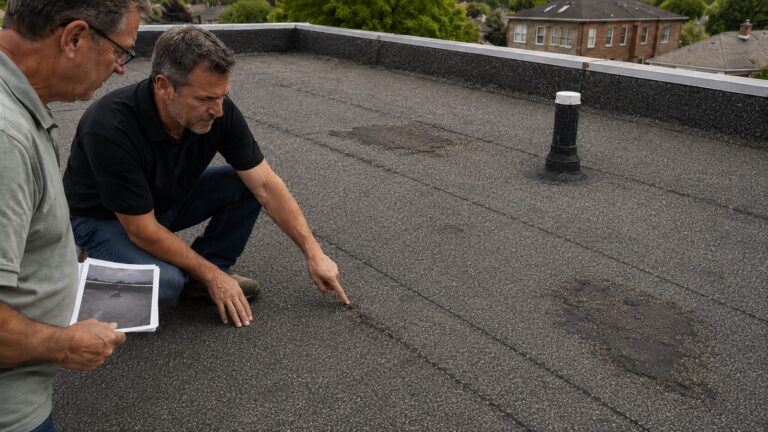
How to Fix Persistent Ventilation Problems in Attics
Persistent attic ventilation problems usually mean the system is not moving air correctly, even if vents have been cleaned or small airflow improvements have already been made. When condensation, damp insulation, musty odors, or mold keep returning, the fix usually requires more than maintenance. The intake, exhaust, airflow path, duct routing, and vent layout all need to be evaluated together.
A lasting repair usually means finding the specific failure point, restoring intake and exhaust balance, clearing or rebuilding blocked airflow paths, and replacing failed ventilation components when needed. If the symptoms are still unclear, the warning signs explained in Signs of Moisture Caused by Ventilation Failure and Signs That Roof Ventilation Needs Repair can help confirm whether the attic has moved from a basic maintenance issue to a repair problem.
This guide focuses on fixing persistent attic ventilation problems after simple cleaning or airflow improvement has not solved the issue.
Why Some Ventilation Problems Keep Returning
Recurring ventilation problems usually mean one part of the system was corrected while another part still restricts airflow. Moisture may improve for a while, then return when the attic enters another humid, cold, or high-use season.
Common signs that the repair did not solve the full ventilation problem include:
- Moisture returning after vents are cleaned
- Condensation forming during seasonal temperature changes
- Mold appearing again after removal
- Humidity remaining elevated inside attic spaces
- Moisture shifting to different areas instead of disappearing
These patterns usually indicate that airflow remains restricted somewhere within the ventilation system. In some cases, insufficient intake airflow prevents moisture from being removed efficiently. In others, failing exhaust vents allow humidity to accumulate despite visible airflow.
Persistent moisture cycles often connect to long-term patterns explained in Why Moisture Problems Keep Returning, where unresolved ventilation failures allow moisture to build gradually.
Step 1 — Identify the Root Cause of Persistent Ventilation Failure
Before adding more vents or replacing materials, identify which part of the system is failing. Persistent attic ventilation problems usually come from one or more of these root causes:
Insufficient Intake Vent Capacity
Insufficient intake airflow is one of the most common causes of persistent ventilation failure. Intake vents supply fresh air to the attic, allowing moisture-filled air to move toward exhaust openings.
When intake airflow is limited, the ventilation system cannot function properly.
Signs of insufficient intake capacity include:
- Moisture concentrated near attic edges
- Uneven airflow movement across the attic
- Persistent condensation near soffit areas
- Insulation blocking airflow openings
- Limited visible air gaps near roof edges
Improving intake capacity often involves expanding soffit airflow or restoring blocked intake pathways.
If intake airflow problems are suspected, inspection methods described in How to Detect Inadequate Roof Ventilation can help identify airflow restrictions.
Weak or Failing Exhaust Vent Performance
Exhaust vents remove warm, moisture-filled air from attic spaces. When exhaust airflow weakens, moisture remains trapped inside the attic.
Common signs of weak exhaust performance include:
- Condensation forming near ridge areas
- Moisture accumulating near roof peaks
- Reduced airflow exiting exhaust vents
- Recurring humidity despite open intake vents
- Clogged ridge or roof vent openings
In many older homes, ridge vents lose efficiency over time due to debris buildup or material deterioration. Mesh-style ridge vents are especially prone to clogging, which reduces airflow capacity.
In some homes, upgrading to a better ridge vent system can improve long-term airflow reliability, especially when the existing vent is clogged, undersized, crushed, or poorly installed.
When exhaust airflow limitations persist, evaluating conditions described in How to Improve Airflow in Attic Spaces can help determine whether additional exhaust capacity is required.
Airflow Pathway Obstruction
Even when intake and exhaust vents are functioning, airflow can fail if internal pathways are blocked. Air must move continuously from intake vents at the roof edges to exhaust vents along the ridge or roof surface. When this pathway is interrupted, moisture remains trapped in specific areas.
Common causes of airflow pathway obstruction include:
- Insulation packed tightly against roof sheathing
- Collapsed or missing ventilation baffles
- Stored items blocking airflow movement
- Ductwork placed across airflow channels
- Structural framing restricting air movement
Obstructed airflow pathways often create uneven moisture patterns across attic surfaces. Instead of moisture being removed evenly, humidity becomes trapped in localized pockets.
Symptoms of airflow obstruction may resemble those described in Signs of Poor Attic Ventilation, where restricted pathways reduce ventilation effectiveness.
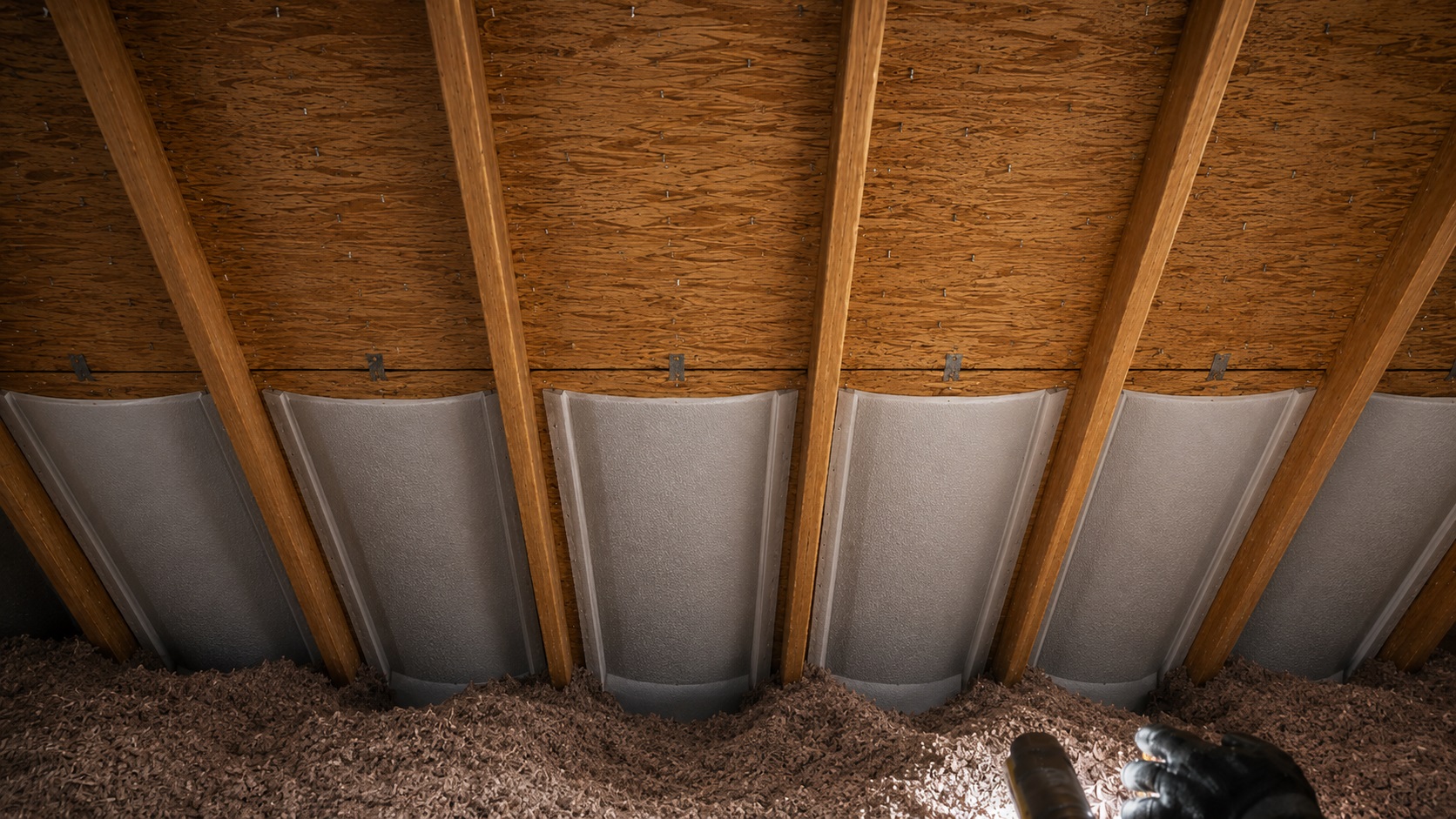
Long-term fixes for airflow obstruction often include installing or restoring ventilation baffles that maintain consistent airflow channels between rafters.
Poor Ventilation System Balance
Ventilation systems must maintain balance between intake and exhaust airflow. Without balance, moisture removal becomes inconsistent, allowing humidity to accumulate in certain areas.
System imbalance occurs when airflow capacity is uneven between intake and exhaust components.
Common causes of poor ventilation balance include:
- Too few intake vents compared to exhaust vents
- Excessive exhaust vent capacity without adequate intake
- Uneven vent placement across roof sections
- Mixed vent types competing for airflow
- Short-circuit airflow paths between nearby vents
Short-circuit airflow happens when air travels between nearby vents instead of moving through the attic space. This reduces ventilation effectiveness and allows moisture to remain trapped.
Signs of poor system balance often overlap with patterns explained in Signs That Roof Ventilation Needs Repair, where system-level failures affect airflow performance.
Correcting system balance may involve adding intake vents, adjusting exhaust capacity, or relocating ventilation components.
Improper Mechanical Exhaust Routing
Improper exhaust routing is a major contributor to persistent attic moisture. Bathroom fans, laundry vents, and kitchen exhaust ducts should discharge outdoors, not into the attic. When humid exhaust air empties into the attic, ventilation may not be able to remove moisture fast enough.
Improper exhaust routing often leads to severe moisture buildup because moisture is delivered directly into enclosed spaces.
Common signs of improper exhaust routing include:
- Localized condensation near duct outlets
- Heavy moisture accumulation after showers
- Mold forming near exhaust discharge points
- Damp insulation near duct terminations
- High humidity levels inside attic spaces
Correcting improper exhaust routing requires extending duct systems to exterior vent outlets. This ensures that humid air exits the home rather than remaining inside attic spaces.
Avoid cutting roof openings, modifying electrical fan wiring, or rerouting exhaust ducts through unsafe paths unless you are qualified to do the work. Poorly installed roof caps, duct connections, or fan wiring can create new leak, fire, or moisture problems.
When moisture patterns appear near mechanical duct systems, symptoms often resemble those explained in Why Poor Roof Ventilation Causes Moisture Problems, where trapped humidity accelerates mold growth.
If the attic also has wet insulation, stains, or hidden damp areas, separate moisture inspection may be needed because ventilation repairs do not automatically dry materials that are already wet.
Step 2 — Restore Proper Intake Airflow Capacity
After identifying the root cause of ventilation failure, the next step involves restoring intake airflow capacity. Intake airflow supplies fresh air that pushes moisture toward exhaust vents.
Without sufficient intake airflow, even strong exhaust systems cannot remove humidity effectively.
Permanent intake restoration methods include:
- Adding new soffit vents where intake capacity is insufficient
- Installing ventilation baffles to maintain airflow channels
- Expanding intake spacing to improve airflow distribution
- Removing insulation blocking intake pathways
- Replacing damaged soffit vent components
Increasing intake airflow often produces significant improvements because it restores the foundation of the ventilation system.
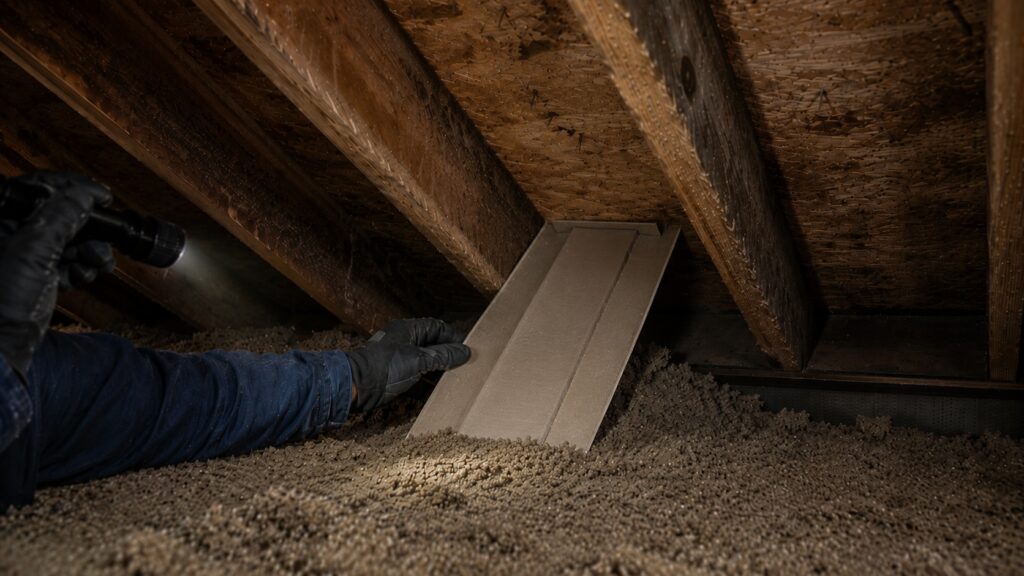
Homes experiencing repeated intake airflow problems may benefit from inspection techniques outlined in How to Inspect Roof Vents for Blockages, where intake restrictions are identified during evaluation.
Step 3 — Restore Exhaust Airflow Performance
Restoring exhaust airflow is the next critical step in fixing persistent ventilation problems. Exhaust vents release warm, humid air from attic spaces. Without effective exhaust airflow, moisture remains trapped inside the structure.
Permanent exhaust restoration may involve:
- Cleaning heavily clogged ridge vents
- Replacing damaged roof vent units
- Installing additional exhaust capacity when needed
- Upgrading aging ventilation components
- Correcting improperly installed exhaust systems
Older ventilation systems often lose performance as materials deteriorate. In particular, mesh-style ridge vents frequently clog over time due to dust, pollen, and roofing debris accumulation.
Exhaust airflow restoration is often necessary when moisture patterns resemble those described in Signs of Roof Condensation in Attics, where condensation spreads across roof surfaces.
Step 4 — Correct Ventilation System Design Failures
Some persistent ventilation problems occur because the system was never designed correctly. Even when vents are clean and airflow pathways are open, poor design can prevent moisture from leaving the attic effectively.
Design failures often develop in older homes or structures where ventilation was installed without proper intake-to-exhaust balance. In other cases, renovations or roofing replacements may unintentionally disrupt airflow patterns.
Common ventilation design failures include:
- Too few intake vents to support exhaust airflow
- Exhaust vents placed too close together
- Uneven vent distribution across roof sections
- Vent placement that allows airflow to bypass large attic areas
- Improper combinations of vent types that compete with each other
Correcting design failures typically requires careful evaluation of airflow movement across the entire attic space. Simply adding more vents does not always improve airflow. In some cases, incorrect vent placement creates short-circuit airflow that prevents proper ventilation.
Short-circuit airflow occurs when air enters and exits through nearby vents without traveling through the attic. This allows moisture to remain trapped in distant areas.
When ventilation design problems are suspected, reviewing airflow inspection methods described in How to Detect Inadequate Roof Ventilation can help confirm whether airflow patterns are functioning correctly.
Most design-level corrections require professional evaluation because airflow distribution depends on roof structure, vent spacing, and overall attic layout.
Step 5 — Replace Failed or Ineffective Ventilation Components
Ventilation components wear out over time. Even when airflow pathways are clear, aging or damaged vent materials may reduce airflow efficiency.
Replacing failed components is often necessary when ventilation problems continue despite cleaning and adjustments.
Common components that may require replacement include:
- Damaged ridge vent systems
- Collapsed soffit vent assemblies
- Cracked roof vent housings
- Deteriorated ventilation baffles
- Warped vent covers or screens
Over time, certain ventilation materials become less effective. Older ridge vents, crushed vent channels, damaged screens, and deteriorated covers may lose airflow capacity. Once damage or clogging is severe, cleaning may not restore performance.
If multiple vent components show visible damage, repair indicators described in Signs That Roof Ventilation Needs Repair can help determine whether full component replacement is necessary.
Step 6 — Verify Long-Term Airflow Performance
After ventilation improvements or repairs are completed, verifying long-term airflow performance ensures that moisture problems do not return. Without proper verification, hidden airflow issues may persist undetected.
Verification should include checking the attic during or shortly after the conditions that used to trigger the problem, such as cold weather, heavy bathroom use, rainy periods, or seasonal humidity swings, instead of relying on one short-term inspection.
Common methods used to verify ventilation performance include:
- Observing condensation patterns during cold weather
- Monitoring humidity levels inside attic spaces
- Checking insulation dryness over time
- Inspecting for mold recurrence after repairs
- Tracking airflow performance after seasonal changes
If recurring moisture patterns continue after system corrections, symptoms may resemble those described in Why Moisture Problems Keep Returning, where unresolved airflow deficiencies allow moisture to accumulate again.
Verifying performance helps confirm that ventilation repairs are protecting the attic against recurring mold and structural damage.
When Professional System Redesign Is Required
Some persistent ventilation problems cannot be resolved through simple repairs or component replacement. In certain homes, the original ventilation system may be undersized, poorly distributed, or incorrectly installed. When this occurs, full system redesign may be necessary to correct airflow failures.
Professional redesign is typically required when:
- Moisture problems persist despite multiple repairs
- Ventilation systems lack sufficient intake capacity
- Airflow imbalance affects large attic sections
- Vent placement prevents consistent airflow movement
- Structural modifications have altered ventilation performance
- Recurring mold appears across multiple attic zones
System redesign involves evaluating airflow requirements and adjusting ventilation layout to restore proper performance. This may include adding intake vents, relocating exhaust vents, or upgrading outdated materials.
In homes where ventilation failure has caused long-term moisture damage, understanding the progression of airflow problems described in Signs That Roof Ventilation Needs Repair can help identify when full system correction becomes necessary.
Frequently Asked Questions About How to Fix Persistent Ventilation Problems
Why do attic ventilation problems keep returning?
Ventilation problems usually return when only part of the system is corrected. Without restoring full intake and exhaust balance, moisture continues accumulating and causes recurring condensation cycles.
Can attic ventilation be fixed long term?
Yes, many attic ventilation problems can be corrected long term when the actual cause is fixed. The repair may require restoring intake and exhaust balance, clearing blocked airflow paths, rerouting exhaust ducts, or replacing damaged components.
What do professionals check when attic ventilation repairs keep failing?
They usually check whether soffit intake is blocked, whether exhaust vents are clogged or undersized, whether baffles are missing, whether bathroom or laundry fans vent into the attic, and whether the vent layout is short-circuiting airflow.
How do I know if my ventilation design is incorrect?
Incorrect ventilation design often causes recurring moisture despite cleaning and repairs. Persistent condensation, mold growth, and uneven airflow patterns usually indicate system-level design problems.
What happens if ventilation problems are never fixed?
Unresolved ventilation failures allow moisture to accumulate over time, increasing the risk of mold growth, insulation damage, and structural weakening. Long-term exposure to trapped humidity can lead to costly repairs.
Conclusion
Persistent attic ventilation problems usually require system-level correction, not another round of cleaning or surface treatment. If moisture keeps returning, the intake vents, exhaust vents, airflow channels, duct routing, and overall vent layout all need to be checked together.
The best repair is the one that corrects the actual failure point. That may mean restoring soffit intake, clearing blocked rafter bays, improving exhaust performance, replacing failed vents, rerouting humid exhaust outdoors, or redesigning an unbalanced system.
Once repairs are complete, monitor the attic during the same conditions that caused the original problem. If condensation, musty odor, damp insulation, or mold returns, the ventilation system still needs deeper correction.