How Much Does Plumbing Leak Repair Cost?
Plumbing leak repair usually costs about $150 to $1,000 for many common visible leaks, with simple accessible pipe, valve, drain, or supply-line repairs often landing on the lower end. Hidden leaks inside walls, under floors, or below slabs often cost $500 to $5,000 or more because the plumber may need to locate the leak, reach the pipe, repair it, test the system, and account for damage around the leak.
Major leaks can cost much more when they involve burst pipes, slab leaks, main water lines, emergency service, demolition, drying, mold cleanup, or water damage restoration. In severe cases, the total project can exceed $10,000 when the plumbing repair is only one part of the damage caused by the leak.
The most important thing to understand is that the plumber’s repair bill and the total moisture damage cost are not always the same. The plumber may fix the pipe, valve, fitting, drain, or fixture connection, but drywall, cabinets, flooring, insulation, subflooring, mold, and structural moisture damage may require separate repair. This is why plumbing leaks can become expensive even when the pipe repair itself is simple. For the broader damage pattern, see this guide on how plumbing leaks cause structural damage.
How Much Plumbing Leak Repair Usually Costs
For a small visible leak, such as a dripping fitting under a sink or a leaking supply line, the repair may cost a few hundred dollars. If the leak is easy to access, the plumber may be able to replace a valve, fitting, trap, supply line, or short pipe section without opening walls or floors.
Hidden leaks cost more because the plumber must first find the leak and then reach the pipe. A leak inside a wall, ceiling, floor cavity, or slab may require diagnostic work, access openings, pipe repair, system testing, and repair to the materials that were opened. If the leak has been active for a long time, the surrounding moisture damage may cost more than the plumbing repair itself.
| Plumbing Leak Repair Type | Approximate Cost Range | What It Usually Means |
|---|---|---|
| Small visible pipe or fitting leak | $150–$500 | Accessible pipe, valve, trap, or connection |
| Faucet, supply line, or under-sink leak | $150–$600 | Fixture connection, shutoff valve, drain fitting, or supply line |
| Toilet base or bathroom fixture leak | $150–$800 | Wax ring, flange issue, fixture connection, or nearby supply leak |
| Leak inside a wall or ceiling | $500–$5,000+ | Leak detection, access opening, pipe repair, drywall repair may be extra |
| Leak under flooring | $750–$5,000+ | Access through floor, crawl space, ceiling below, or finished materials |
| Slab plumbing leak | $1,500–$6,000+ | Detection, slab access, rerouting, pipe repair, or flooring impact |
| Main water line leak | $600–$4,500+ | Exterior or underground line repair, access, excavation, or replacement section |
| Burst pipe or emergency leak | $1,000–$10,000+ | Urgent repair plus possible water damage, drying, and restoration |
| Plumbing leak with water damage | $1,500–$10,000+ | Pipe repair plus drywall, flooring, cabinets, mold, or restoration work |
Important cost distinction: a plumber’s leak repair quote may only cover finding and fixing the leak source. The total project cost may also include access openings, drywall repair, flooring repair, cabinet repair, drying equipment, mold evaluation, or water damage restoration. Always ask whether the quote is for plumbing only or for the full leak-damage project.
Why Plumbing Leak Repair Costs Vary So Much
Plumbing leak repair cost depends less on the size of the drip and more on location, access, pipe material, urgency, and surrounding damage. A visible drip under a sink may only need a new supply line or fitting, while a slow wall leak may require leak detection, access openings, pipe repair, drying, drywall repair, and mold evaluation.
Hidden Leaks Usually Cost More
Hidden leaks cost more because the plumber must find the source before making the repair. Water may appear on a wall, ceiling, cabinet, or floor far away from the actual pipe leak. It can travel along framing, pipes, insulation, subflooring, or drywall before becoming visible.
If the leak is suspected inside a finished wall, the repair may involve diagnostic tools, access holes, pipe repair, and later drywall repair. For more detail on the detection side, see this guide on how to detect plumbing leaks inside walls.
Access Drives the Labor Cost
Access is one of the biggest cost drivers. A plumber can usually repair a visible pipe faster than a pipe hidden behind tile, drywall, cabinets, ceilings, floors, or concrete. The harder it is to reach the pipe, the more labor the project usually requires.
Access work may also involve other trades. A plumber may open a wall to fix the pipe, but a drywall contractor, flooring installer, cabinet repair specialist, or restoration company may be needed afterward to repair the materials that were removed or damaged.
Pipe Material Affects the Repair
Pipe material affects labor, parts, and reliability. PEX, copper, PVC, CPVC, galvanized steel, cast iron, and older drain or supply lines require different fittings and repair methods. Older galvanized piping, corroded copper, brittle plastic pipe, or repeated pinhole leaks may also raise the question of whether isolated repair is enough or more of the piping system should be replaced.
Leak Severity Changes the Total Cost
A slow drip is usually less urgent than a burst pipe, but slow leaks can still become expensive if they stay hidden. A pressurized leak, burst pipe, or active ceiling leak can cause rapid damage and may require emergency service, water shutoff, drying, and restoration.
Severity should be judged by more than the amount of visible water. A small hidden leak that has been active for weeks may cause more damage than a larger leak that was stopped quickly.
Plumbing Leak Repair Cost by Location
The location of the plumbing leak has a major effect on cost because it determines how easy the pipe is to reach. A visible leak under a sink is usually much cheaper than a hidden leak behind a tiled shower wall, under finished flooring, or below a concrete slab.
Under-Sink Leak Repair Cost
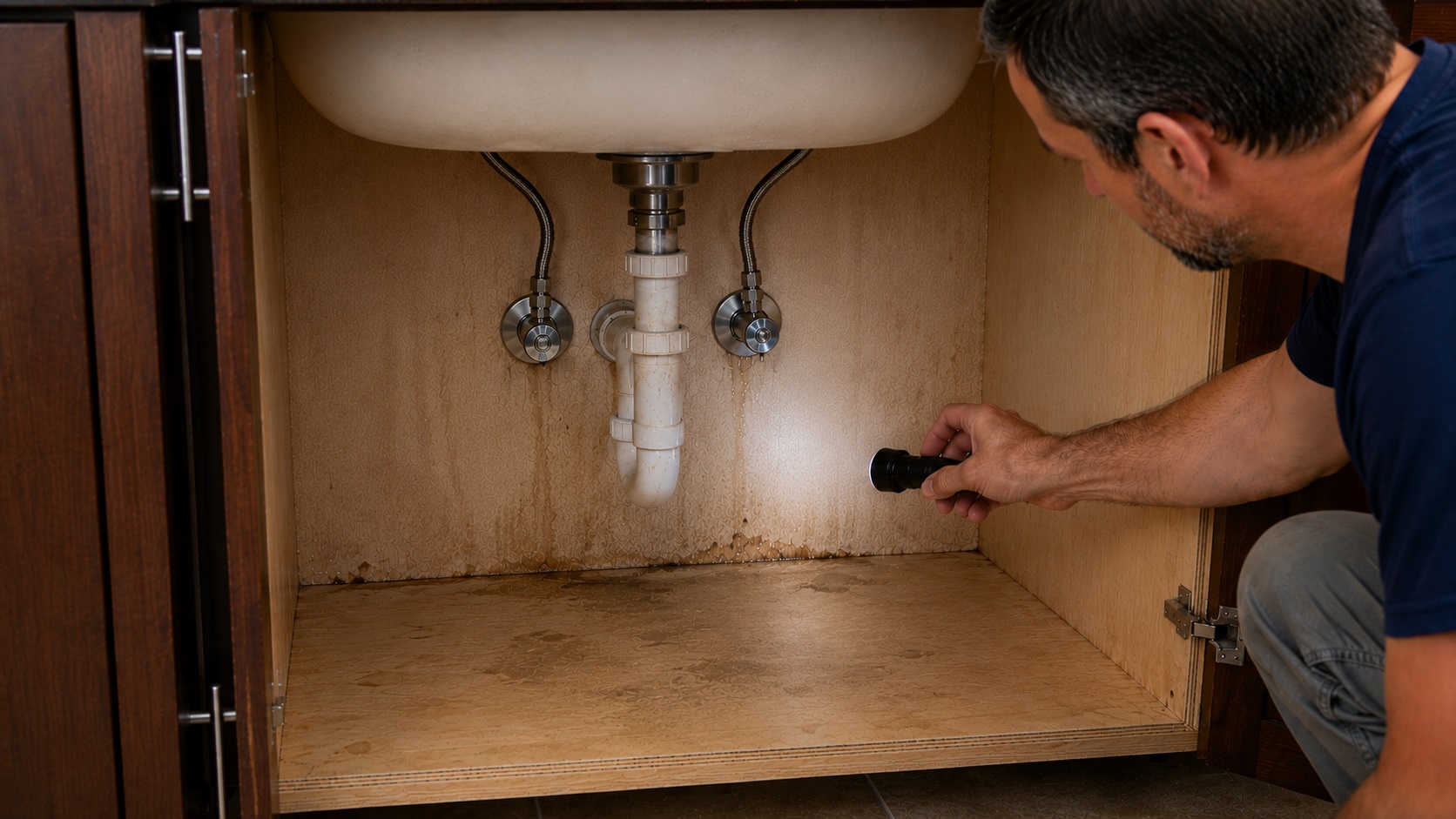
Leaks under kitchen or bathroom sinks often cost about $150 to $600 when the problem is accessible. Common repairs include replacing a supply line, tightening or replacing a drain fitting, repairing a P-trap, replacing a shutoff valve, or fixing a faucet connection.
Under-sink leaks become more expensive when water has damaged the cabinet base, flooring, wall behind the cabinet, or subfloor. A small drip can soak particleboard cabinet bottoms and create musty odors before the homeowner notices visible water. If you are still evaluating the symptoms, review the signs of leaks under kitchen sinks.
Bathroom Wall Leak Repair Cost
Bathroom wall leaks often cost more than visible fixture leaks because the pipe may be hidden behind drywall, tile, shower surround panels, or plumbing access walls. Repairs may range from a few hundred dollars to several thousand dollars depending on access and damage.
The plumber may need to open a wall, remove part of a shower access panel, inspect supply or drain piping, repair the leak, and test the fixture. If tile, waterproofing membranes, drywall, insulation, or framing are wet, the total project can extend beyond the plumbing repair. For symptom guidance, see the signs of leaks behind bathroom walls.
Shower or Tub Plumbing Leak Repair Cost
Shower and tub plumbing leaks can be moderate to expensive because the leak may come from a valve body, supply pipe, drain assembly, overflow, tub shoe, shower arm, or failed connection behind finished materials. The repair cost depends on whether the plumber can access the leak from behind the wall, from below, or only through finished surfaces.
If the leak is behind tile or a shower surround, the access work can cost more than the pipe repair itself. If the leak has been active for a long time, the homeowner may also need wall drying, tile repair, subfloor repair, or mold evaluation.
Toilet Base Leak Repair Cost
A toilet base leak may cost about $150 to $800 when the problem is a wax ring, loose toilet, damaged flange, or nearby supply connection. If caught early, this can be a relatively small repair.
The cost rises when water has damaged the flooring, subfloor, ceiling below, or wall materials around the toilet. A toilet leak at the base can be especially misleading because water may spread under finished flooring before it becomes obvious. If the flange is broken or the subfloor is soft, the project may require both plumbing and flooring repair.
Ceiling Leak From Upstairs Plumbing
A ceiling leak below a bathroom, kitchen, laundry room, or water heater may cost anywhere from a few hundred dollars to several thousand dollars depending on the source. The pipe repair may be simple, but the access and ceiling repair can increase the total cost.
Sometimes the plumber can open the ceiling below the leak and repair the pipe from underneath. Other times, the source is inside the upstairs floor assembly, behind a fixture, or connected to a drain that only leaks when the fixture is used. The stained ceiling is not always directly below the leak source because water can travel along framing before dripping down.
Under-Floor Plumbing Leak Repair Cost
Leaks under floors often cost about $750 to $5,000 or more because the plumber may need to access the pipe through the floor, from a crawl space, from a ceiling below, or by removing finished materials. The cost depends on whether the leak is in a supply line, drain line, or fixture connection.
Under-floor leaks can damage subflooring, joists, insulation, flooring, and ceiling materials below. If the floor feels soft, smells musty, or shows staining near plumbing fixtures, the leak may have been active for longer than it appears. For detection-specific guidance, use this article on how to detect plumbing leaks under floors.
Slab Plumbing Leak Repair Cost
Slab plumbing leaks are often among the more expensive plumbing leak repairs. They may cost about $1,500 to $6,000 or more depending on the leak location, detection method, pipe access, flooring removal, concrete work, and whether the pipe is repaired in place or rerouted.
A slab leak is not just a normal visible pipe repair. The pipe may be below concrete, under flooring, or difficult to access without specialized detection. Signs may include warm floor areas, unexplained water bills, damp flooring, low water pressure, or water sounds when fixtures are off. Those symptoms belong more fully to the guide on signs of slab plumbing leaks.
Appliance Supply Line Leak Repair Cost
Appliance supply line leaks may cost a few hundred dollars if the issue is a visible hose, valve, or connection behind a dishwasher, refrigerator, washing machine, or ice maker. The repair becomes more expensive when the leak is hidden behind the appliance or has damaged flooring, cabinets, walls, or subflooring.
These leaks can be easy to miss because appliances hide the water source. A slow refrigerator water line leak or dishwasher connection leak may damage flooring before water appears in the open. Pulling the appliance out carefully and inspecting nearby materials can help reveal whether the cost is limited to plumbing or includes moisture damage.
Water Heater Leak Repair Cost
Water heater leak cost depends on where the leak is coming from. A valve, fitting, supply line, or drain connection may be repairable. A leaking tank usually means replacement rather than repair.
If the water heater leak caused flooding around the unit, the plumber’s cost may only be part of the total. Flooring, drywall, baseboards, nearby framing, and stored items may also need drying or repair. Water heater leaks can become urgent because they may release a large amount of water in a short time.
Main Water Line Leak Repair Cost
Main water line leaks can cost about $600 to $4,500 or more depending on whether the leak is accessible, underground, under concrete, near the foundation, or between the meter and the home. The repair may require excavation, pipe replacement, pressure testing, and restoration of soil, landscaping, concrete, or pavement.
Main line leaks are usually more expensive than small fixture leaks because they may involve outdoor access and larger pipe sections. They can also waste a large amount of water if they are not repaired quickly.
What Is Usually Included in a Plumbing Leak Repair Quote?
A plumbing leak repair quote should explain what the plumber is repairing, how the pipe or fixture will be accessed, what parts are included, and what is excluded. A vague quote that simply says “fix leak” is not enough when walls, floors, cabinets, or hidden damage may be involved.
Service Call and Basic Diagnosis
Many plumbing quotes include a service call and basic diagnosis. For a visible leak, the plumber may be able to identify the problem quickly and quote the repair on the spot.
For hidden leaks, diagnosis may take longer. The plumber may need to inspect nearby fixtures, check water meter movement, use moisture readings, listen for pipe noise, isolate fixture use, or recommend specialized leak detection. Diagnostic work may be billed separately if the leak is difficult to locate.
Visible Pipe, Valve, or Fixture Repair
If the leak is accessible, the quote may include replacing a valve, fitting, supply line, trap, faucet connection, short pipe section, toilet seal, or fixture part. These are usually the simplest plumbing leak repairs.
The quote should specify what parts are being replaced and whether the repair is intended to be permanent or temporary. For example, replacing a failed shutoff valve is different from tightening a connection or applying a short-term patch.
Limited Testing After Repair
After repairing the leak, the plumber should test the system or fixture to confirm that the leak has stopped. This may involve running the fixture, pressurizing the line, checking drain flow, watching the repaired joint, or verifying that no water appears during normal use.
Testing is especially important for leaks that only appear when a fixture drains, when hot water is used, or when water pressure changes. A repair that is not tested may miss a secondary leak.
Basic Cleanup of the Work Area
Most plumbing repairs include basic cleanup of the immediate work area. This usually means removing small parts, wiping up limited water from the repair area, and leaving the plumbing accessible and functional.
What May Cost Extra During Plumbing Leak Repair?
A plumbing leak repair quote may only include fixing the pipe, valve, fixture, drain, or connection. Leak detection, demolition, drywall repair, flooring repair, cabinet repair, mold remediation, drying, and water damage restoration may be separate unless they are clearly listed.
Leak Detection
Leak detection may cost extra when the source is hidden inside a wall, ceiling, floor, crawl space, or slab. If water is visible but the pipe leak is not, the plumber may need additional time or tools to locate the source.
Hidden leak detection may involve moisture meters, pressure testing, listening equipment, thermal imaging, fixture isolation, or opening a small access point. The more difficult the leak is to locate, the more likely diagnosis becomes a separate line item from the actual repair.
Opening Walls, Ceilings, or Floors
Access work can add significant cost. A plumber may need to cut open drywall, remove part of a cabinet, open a ceiling, lift flooring, or access a crawl space to reach the leaking pipe.
The quote should explain whether access work is included and whether the plumber will close the opening afterward. Many plumbers will open a wall or ceiling to reach the pipe, but they may not repair the drywall, paint, tile, trim, or flooring after the plumbing repair is complete.
Drywall, Paint, and Trim Repair
Drywall, paint, and trim repair are often separate from plumbing leak repair. If the plumber opens a wall or ceiling, the homeowner may need patching, texturing, priming, painting, or replacement of water-damaged baseboards, trim, crown molding, or casing afterward.
Flooring and Subfloor Repair
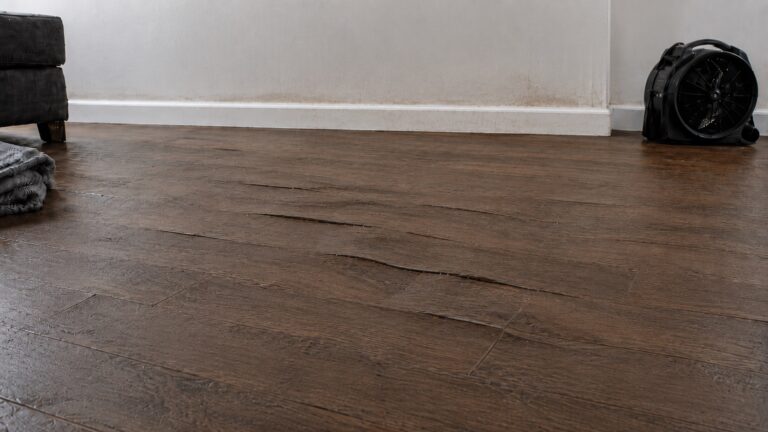
Flooring repair may cost extra when a leak spreads under tile, vinyl, laminate, hardwood, carpet, or underlayment. If the subfloor is soft, swollen, moldy, or delaminated, the repair may extend below the finished floor.
This is common near toilets, tubs, showers, dishwashers, refrigerators, washing machines, and kitchen sinks. A plumber can repair the leak source, but flooring and subfloor repairs may require a separate contractor.
Cabinet Repair or Replacement
Under-sink leaks often damage cabinet bottoms before homeowners notice them. Particleboard and lower-grade cabinet materials can swell, soften, or hold odor after repeated moisture exposure.
If the leak was caught early, drying and cleaning may be enough. If the cabinet base is warped, moldy, soft, or delaminated, repair or replacement may be needed after the plumbing work is complete.
Mold Remediation
Mold remediation may cost extra if the leak was hidden, slow, or active long enough to keep surrounding materials damp. Repairing the plumbing leak stops the water source, but it does not automatically remove mold behind cabinets, inside wall cavities, under flooring, behind baseboards, or near insulation.
Water Damage Restoration
Water damage restoration may be needed when the leak has soaked drywall, insulation, flooring, cabinets, ceilings, subflooring, or framing. Restoration may include water extraction, drying equipment, demolition, cleaning, moisture monitoring, and rebuilding.
This cost should be separated from the plumber’s repair bill. The plumber fixes the leak source. Restoration addresses the damage caused by the water after it escaped. If the leak caused widespread moisture, review water damage restoration cost separately so the full budget is realistic.
Emergency Service Fees
Emergency plumbing service often costs more than scheduled repair. After-hours calls, weekend service, holiday visits, burst pipes, active ceiling leaks, and urgent shutoff situations may include higher labor rates or emergency fees.
Emergency service may still be worth the cost when water is actively damaging the home. Stopping a leak quickly can prevent a much larger drying and restoration bill later.
Emergency Plumbing Leak Repair Cost
Emergency plumbing leak repair often costs more than scheduled service because the plumber must respond quickly, often outside normal business hours. Many emergency calls add a higher service fee or hourly rate before parts, access work, drying, or restoration are included. The visit may include shutting off water, stopping the leak, making a temporary repair, or replacing a failed part if access and materials allow.
If water is near outlets, light fixtures, the electrical panel, appliance cords, or wet ceiling areas, avoid touching electrical devices in that area and call for professional help. The leak repair may need to be coordinated with electrical safety and drying before the area is safe to use normally.
When Emergency Service Is Worth the Cost
Emergency service is usually worth the cost when water is actively flowing, dripping through a ceiling, soaking flooring, flooding a room, damaging electrical areas, or spreading into walls and cabinets. In these situations, waiting for a normal appointment can increase the damage.
A slow drip under a sink may not always require an emergency visit if the water can be shut off at the fixture and the area can be dried safely. A burst pipe, ceiling leak, slab leak, or main line leak usually deserves faster action.
Temporary Repair vs Permanent Repair
An emergency plumber may stop the immediate leak without completing the final permanent repair. For example, they may shut off a branch line, cap a pipe, replace a failed supply line, or make the area safe until a more complete repair can be scheduled.
Ask whether the emergency work is temporary or permanent. If the repair is temporary, the homeowner should know what additional work is needed, when it should be done, and whether the emergency fee applies toward the final repair.
Shutting Off Water Can Limit Damage
One of the most important cost-saving steps during an active plumbing leak is shutting off the water. This may mean using the fixture shutoff valve, appliance valve, water heater valve, or main water shutoff.
Stopping the flow does not repair the pipe, but it can limit damage while waiting for help. Homeowners should know where the main shutoff is before a leak happens, especially in homes with older piping or past leak history.
When Plumbing Leak Repair Becomes Pipe Replacement
Many plumbing leaks can be repaired by replacing a fitting, valve, supply line, trap, seal, or short pipe section. However, repeated leaks, old galvanized steel, corroded copper, brittle plastic, failing drain lines, slab piping, or under-floor leaks may shift the discussion from isolated repair to larger pipe replacement.
This does not mean every leak requires repiping. It means the homeowner should ask whether the leak is isolated or part of a broader pattern. The fuller decision belongs to the guide on whether to repair or replace plumbing pipes.
How to Compare Plumbing Leak Repair Quotes
Plumbing leak repair quotes should be compared by scope, not just price. A lower quote may only include repairing a visible fitting, while a higher quote may include leak detection, access work, pipe replacement, testing, and a more complete explanation of related risks.
Before approving the repair, ask the plumber to identify these items clearly:
- the suspected or confirmed leak source
- whether leak detection is included or separate
- how the pipe, valve, drain, or fixture will be accessed
- whether wall, ceiling, floor, cabinet, or slab openings are included
- whether the quote includes closing, patching, painting, flooring, or tile repair
- whether the repair is temporary or permanent
- whether nearby pipe condition suggests a larger replacement issue
Ask What Leak Source Was Identified
The quote should explain where the leak is coming from. If the source is not identified, the repair may be guesswork. This is especially important when water appears on a wall, ceiling, or floor but the pipe is hidden.
Ask What Access Work Is Included
If a wall, ceiling, floor, cabinet, or slab must be opened, ask who is responsible for opening it and who is responsible for closing it. A plumber may include access work but exclude drywall, flooring, tile, or paint repair.
Ask Whether Leak Detection Is Separate
If the leak is hidden, ask whether leak detection is included in the repair price or billed separately. This helps prevent surprise charges when the plumber needs more time to locate the source.
Ask Whether the Repair Is Isolated or Part of a Larger Issue
Ask whether the plumber believes the leak is a one-time failure or a sign of aging pipe, corrosion, repeated pressure problems, or a larger system issue. This helps homeowners decide whether a small repair is enough or whether more pipe should be evaluated.
Ask What Restoration Is Excluded
Ask whether the quote excludes drywall repair, flooring repair, cabinet repair, mold remediation, water damage restoration, painting, insulation replacement, or subfloor repair. These exclusions can make the difference between the plumbing repair price and the true total cost of the leak.
If the leak is active, hidden, recurring, or difficult to access, it may be time to review when to hire a plumbing professional for leak repairs instead of continuing with temporary fixes.
How to Reduce Plumbing Leak Repair Costs Without Ignoring the Problem
The best way to reduce plumbing leak repair cost is to stop the water quickly, fix the actual leak source, and avoid letting moisture spread into surrounding materials. The pipe repair is usually cheaper when the leak is visible, accessible, and caught before it damages drywall, cabinets, flooring, insulation, or framing.
Shut Off the Water as Soon as Possible
If water is actively leaking, shut off the closest valve if it is safe to do so. This may be the shutoff valve under a sink, behind a toilet, near a washing machine, at a water heater, or at the main water shutoff for the home.
Stopping the water does not repair the leak, but it can limit the damage while waiting for a plumber. The longer water continues to flow, the more likely the project will include drying, demolition, mold prevention, and restoration work.
Do Not Ignore Slow Drips
A slow drip may seem minor, but it can become expensive when it continues for days or weeks. Under-sink leaks can ruin cabinet bottoms. Toilet leaks can soften subfloors. Wall leaks can soak drywall and insulation. Floor leaks can spread under finished flooring before they are visible.
Small leaks are usually cheaper to repair before they become hidden moisture problems. If the same area keeps getting damp after repeated fixes, the issue may be one of several persistent plumbing leak locations that needs a more complete diagnosis.
Dry the Area After the Leak Is Stopped
After the plumbing leak is repaired, the surrounding area should be dried and monitored. Wiping up visible water is not always enough if moisture reached drywall, cabinet bases, flooring, subflooring, insulation, or wall cavities.
Use fans, dehumidification, and ventilation where appropriate, but do not seal wet materials back inside walls or under flooring. If materials remain damp, the leak repair may be complete while the moisture problem continues.
Keep Access Panels and Shutoffs Usable
Leaks are cheaper to repair when plumbers can reach the problem quickly. Access panels behind tubs, working shutoff valves under sinks, clear space around water heaters, and visible appliance connections can reduce labor time during future repairs.
Old shutoff valves, hidden access points, and blocked plumbing areas can make even small repairs more difficult. If a plumber is already repairing a leak, it may be worth asking whether nearby shutoff valves should be replaced while the area is open.
Prevent Future Hidden Leaks
Preventing leaks is usually cheaper than repairing water damage after a hidden leak spreads. Regularly check under sinks, behind appliances, around toilets, near water heaters, and below bathrooms after heavy fixture use.
Small changes, such as replacing worn supply lines, maintaining shutoff valves, watching for cabinet odors, and monitoring unexplained water bill increases, can help catch leaks earlier. For long-term prevention habits, see how to prevent hidden plumbing leaks.
Can Insurance Help Pay for Plumbing Leak Repairs?
Insurance coverage depends on the cause of the leak and the policy. Sudden accidental water damage may be treated differently from long-term seepage, poor maintenance, gradual pipe deterioration, or a leak that was ignored for a long time.
In many cases, insurance may be more likely to address resulting water damage than the cost of repairing the failed pipe itself, but policies vary. Homeowners should document the damage, take photos, save plumber invoices, and contact the insurance company before assuming the plumbing repair, drying, drywall, flooring, mold, or restoration costs are covered.
This article should be used for repair-cost planning, not as an insurance coverage decision. If water has spread beyond the leak source, the homeowner should separate the plumbing repair from cleanup, drying, and restoration costs. For the fuller coverage question, see does insurance cover water damage from leaks.
Key Takeaways
Plumbing leak repair usually costs about $150 to $1,000 for many common visible leaks, while hidden leaks inside walls, under floors, or below slabs can cost $500 to $5,000 or more.
Major leaks, burst pipes, slab leaks, main line leaks, emergency calls, or leaks with water damage can exceed $10,000 when drying and restoration are included.
The biggest cost factors are leak location, access difficulty, pipe material, leak severity, emergency timing, leak detection, and surrounding water damage.
The plumber usually fixes the leak source, but drywall, flooring, cabinets, insulation, mold remediation, and water damage restoration may cost extra.
Frequently Asked Questions About Plumbing Leak Repair Cost
What is the average cost to fix a plumbing leak?
Many visible plumbing leaks cost about $150 to $1,000 to repair. Simple under-sink leaks, valve leaks, supply line leaks, and accessible pipe leaks are usually on the lower end. Hidden wall leaks, under-floor leaks, slab leaks, burst pipes, and leaks with water damage can cost much more.
Does plumbing leak repair include drywall repair?
Not always. A plumber may open drywall to reach a leaking pipe, but patching, texturing, priming, and painting the wall or ceiling may be separate. Ask the plumber whether drywall repair is included before approving the work.
How much does emergency plumbing leak repair cost?
Emergency plumbing leak repair often costs more than scheduled service. The total depends on timing, leak severity, access, parts, and whether the plumber can complete a permanent repair immediately. Burst pipes, ceiling leaks, main line leaks, and active flooding usually cost more than a scheduled visible leak repair.
Is leak detection included in the repair cost?
Sometimes, but not always. If the leak is visible, the plumber may not need separate leak detection. If the leak is hidden inside a wall, floor, ceiling, crawl space, or slab, diagnostic work may be billed separately from the pipe repair.
Is it cheaper to repair or replace leaking pipes?
Repair is usually cheaper when the leak is isolated and the surrounding pipe is in good condition. Replacement may be more cost-effective when pipes are old, corroded, brittle, repeatedly leaking, or located in areas where repeated access work would be expensive.
Can I fix a plumbing leak myself to save money?
A simple visible supply-line, trap, or loose-fitting issue may be cheaper to fix yourself if you have the right tools and experience. However, DIY repair can become more expensive if the leak source is misidentified, the pipe is damaged further, water keeps spreading, or wet materials are closed back up before drying. Hidden leaks, pressurized leaks, slab leaks, wall leaks, and leaks near electrical or structural materials should usually be handled by a professional.
Does insurance cover plumbing leak repair?
Insurance coverage depends on the cause of the leak and the policy. Sudden accidental water damage may be treated differently from gradual leaks, corrosion, poor maintenance, or long-term seepage. The pipe repair itself may be handled differently from the resulting water damage, so homeowners should document everything and contact their insurer.
Conclusion
The safest way to evaluate a plumbing leak quote is to separate the pipe repair from the damage caused by the leak. Ask what leak source was found, what pipe, valve, drain, or fixture will be repaired, whether leak detection and access work are included, and what restoration is excluded. The best repair is not just the cheapest quote; it is the repair that stops the correct leak source before a small plumbing problem becomes a larger moisture, mold, flooring, drywall, or structural repair project.