How to Compare Crawl Space Repair Quotes Before Hiring a Contractor
Crawl space repair quotes can be difficult to compare because contractors may be quoting completely different work. One quote may include a basic vapor barrier over exposed soil. Another may include full encapsulation, sealed vents, wall liner, pier wrapping, drainage, a sump pump, a dehumidifier, insulation removal, mold-related cleanup, or structural wood repair. If you only compare the total price, you may not realize that the quotes are solving different problems.
The best way to compare crawl space repair quotes is to start with the diagnosis, then compare the scope, repair sequence, materials, exclusions, warranty, and maintenance requirements. A lower quote may be appropriate for a limited problem. A higher quote may be justified if the crawl space has standing water, damaged insulation, mold-like growth, structural wood concerns, or a more complete encapsulation system. The key is understanding what each contractor is including, excluding, and assuming about the moisture source.
Crawl space moisture can affect framing, subfloors, indoor humidity, insulation, and long-term structural moisture problems in homes. Before choosing a contractor, compare what each quote says about the moisture source, repair sequence, included work, exclusions, and long-term plan for keeping the space dry.
Why Crawl Space Repair Quotes Can Be So Different
Crawl space repair quotes vary because crawl space problems vary. A crawl space with exposed dry soil may need a different repair than a crawl space with standing water after rain. A crawl space with a torn liner may need a different scope than one with wet insulation, high humidity, mold-like growth, or damaged joists. If contractors diagnose the problem differently, their quotes will look very different.
One contractor may quote a simple vapor barrier replacement because they see exposed soil and limited moisture. Another may recommend full encapsulation because they see humid air, open vents, loose seams, wet insulation, and moisture on wood framing. A third may include drainage because water is collecting in low spots. A fourth may include structural repair because joists, beams, or subflooring show damage.
Those quotes may all use phrases like “crawl space repair,” but they are not the same job.
Common reasons crawl space repair quotes differ include:
- The contractor identified a different moisture source.
- One quote includes drainage while another does not.
- One quote includes full encapsulation instead of a basic vapor barrier.
- One quote includes a crawl space dehumidifier.
- One quote includes insulation removal or replacement.
- One quote includes mold-related cleanup.
- One quote includes structural wood repair.
- One quote uses thicker or reinforced liner material.
- One quote seals walls, piers, vents, and access doors while another only covers the soil.
- One quote includes cleanup, debris removal, or service access details.
- One quote has broader warranty or maintenance support.
This is why crawl space quotes should be compared by scope before price. A basic vapor barrier quote may be cheaper because it covers only the ground. A full encapsulation quote may cost more because it includes walls, seams, piers, vents, access doors, humidity control, and sometimes drainage. A structural quote may cost more because it may involve repairing or reinforcing damaged wood, not just controlling moisture.
If a contractor already gave you a quote but the details are unclear, use this guide along with a list of questions to ask before hiring a crawl space contractor so you can request clarification before signing.
Compare the Diagnosis Before Comparing the Price
The first thing to compare is the diagnosis. A crawl space repair quote should explain why the work is needed. If the contractor does not identify the moisture source, the quote is difficult to evaluate. You need to know whether the problem is soil moisture, standing water, foundation seepage, poor grading, plumbing leaks, condensation, humid air, failed insulation, mold-like growth, structural wood damage, or a combination of issues.
A good quote should connect the recommended repair to inspection evidence. Photos, humidity readings, moisture readings, visible water stains, damaged insulation, liner condition, and wood conditions can all help explain why a certain repair is being recommended.
If the diagnosis is vague, ask for more detail before comparing the price.
A useful quote should answer three basic questions: what moisture source was found, what evidence supports that finding, and what part of the proposed work solves that source.
Soil Moisture vs. Standing Water
Soil moisture and standing water are different problems. Exposed soil can release moisture vapor into the crawl space even when no puddles are visible. A vapor barrier may help reduce that ground moisture vapor. Standing water, on the other hand, usually points to bulk water intrusion, drainage failure, grading problems, foundation seepage, or plumbing leaks.
If one quote includes only a vapor barrier and another includes drainage, ask whether standing water was observed. If water collects after rain, the contractor should explain how that water will be redirected or removed. Covering standing water with a liner is not the same as solving the water problem.
Humidity vs. Active Water Intrusion
High humidity can make a crawl space damp even without visible puddles. It may contribute to musty odors, condensation on ducts or pipes, damp insulation, and elevated wood moisture. Active water intrusion is different. It involves water entering through soil, foundation walls, low spots, plumbing leaks, or drainage paths.
A dehumidifier may help manage humidity, but it does not replace drainage when bulk water is entering the crawl space. If one quote includes a dehumidifier and another includes drainage, ask whether the contractor is treating humidity, liquid water, or both.
Vapor Barrier Failure vs. Drainage Failure
A torn, loose, thin, or incomplete vapor barrier may allow soil moisture into the crawl space. Replacing or upgrading the barrier may be enough if the crawl space is otherwise dry. But if there is standing water, mud, erosion, or water marks on foundation walls, the problem may involve drainage rather than just liner failure.
This distinction matters because a new liner can make the space look cleaner while the water source continues underneath or around it. A complete quote should explain whether the liner is being replaced because it failed, because the crawl space needs better vapor control, or because it is part of a larger encapsulation system.
Mold-Like Growth vs. Structural Wood Damage
Mold-like staining and structural wood damage are related to moisture, but they are not the same issue. A quote that includes mold-related cleaning may not include joist repair. A quote that includes joist repair may not include mold cleanup. A quote that includes encapsulation may not include either unless those line items are stated clearly.
If the crawl space has dark staining, soft wood, sagging floors, or damaged joists, ask what each contractor is including. If mold is mentioned, compare the proposal with common signs of mold growth in crawl spaces. If structural wood is mentioned, compare the findings with common signs of moisture damage in crawl space joists.
Inspection Evidence and Access Limitations
A crawl space repair quote should be based on what the contractor inspected. If parts of the crawl space were inaccessible because of low clearance, debris, standing water, ductwork, plumbing, or blocked sections, the quote should say so. Otherwise, you may assume the contractor evaluated the entire area when they only saw part of it.
Ask whether photos, inspection notes, moisture readings, or humidity readings are available. If one contractor provides detailed inspection evidence and another gives a vague quote after a quick look, the detailed quote may be easier to trust even if it is not the lowest price.
For deeper context on what should be evaluated before repair, review this guide to crawl space moisture inspection.
Compare the Scope of Work Line by Line
After comparing the diagnosis, compare the scope of work line by line. A quote that only includes a vapor barrier is not the same as a quote that includes drainage, encapsulation, dehumidification, insulation removal, mold-related cleanup, and structural repairs.
Ask each contractor to separate the scope into clear line items. You should be able to see what work is included, what materials are being installed, what problems are being addressed, and what work is excluded. If the quote uses broad language like “repair crawl space” or “encapsulate area” without detail, ask for a revised written scope.
Basic Vapor Barrier Replacement
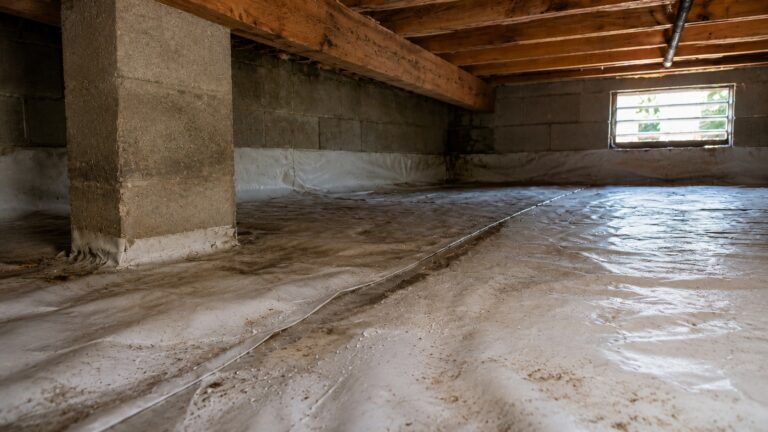
A basic vapor barrier quote usually covers the crawl space floor to reduce moisture vapor coming from exposed soil. This may be appropriate when the crawl space has limited moisture, no standing water, no major wood damage, and no need for full sealing.
When comparing vapor barrier quotes, look for details such as:
- Which areas of the crawl space floor will be covered
- Whether old liner or debris removal is included
- What liner thickness and material will be used
- Whether seams will be overlapped and taped
- Whether the liner will be sealed to walls, piers, or posts
- How the liner will be protected from tearing
- Whether the access area will be reinforced
A lower vapor barrier quote may be reasonable if the crawl space is relatively dry and the goal is ground vapor control. But it may be incomplete if there is standing water, high humidity, mold-like growth, or damaged insulation.
Full Encapsulation
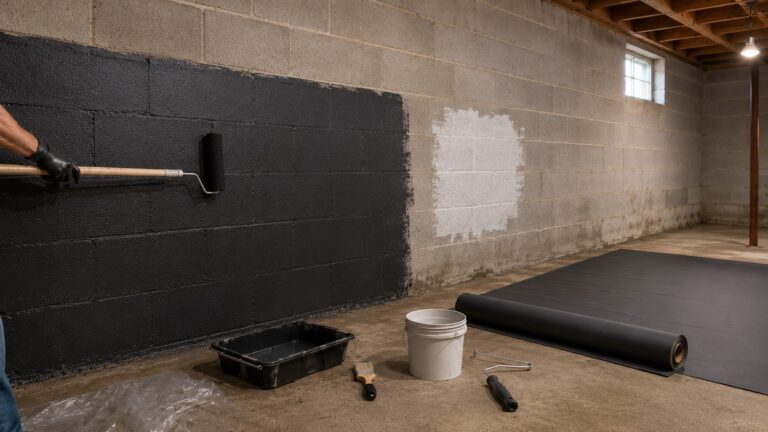
Full encapsulation is usually more involved than basic vapor barrier replacement. It may include sealing the crawl space floor, foundation walls, seams, piers, vents, access doors, and penetrations. Depending on the diagnosis, it may also be paired with drainage correction, dehumidification, insulation changes, or long-term humidity monitoring.
When comparing encapsulation quotes, ask whether each quote includes the same level of sealing. One contractor may use the word “encapsulation” for a floor liner with taped seams. Another may include wall liner, sealed piers, vent closure, access door sealing, dehumidification, and drainage preparation. Those are very different scopes.
If you are not sure whether the proposal is a basic liner or a complete sealed system, compare it with how crawl space encapsulation works. If one contractor recommends full encapsulation and another does not, compare the recommendation against the signs a crawl space may need encapsulation.
Drainage and Sump Systems
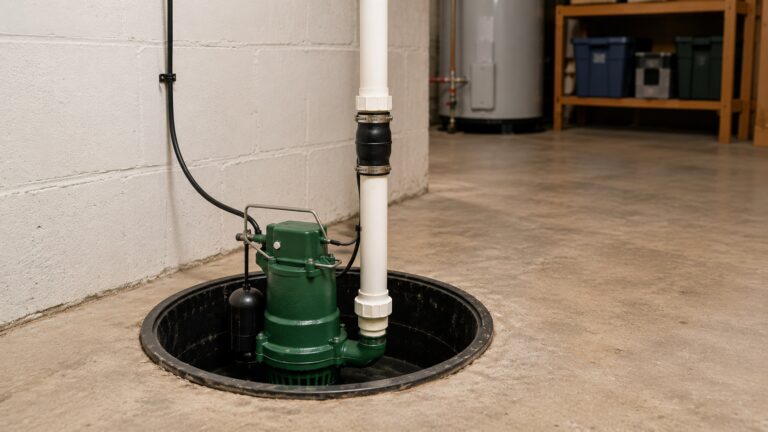
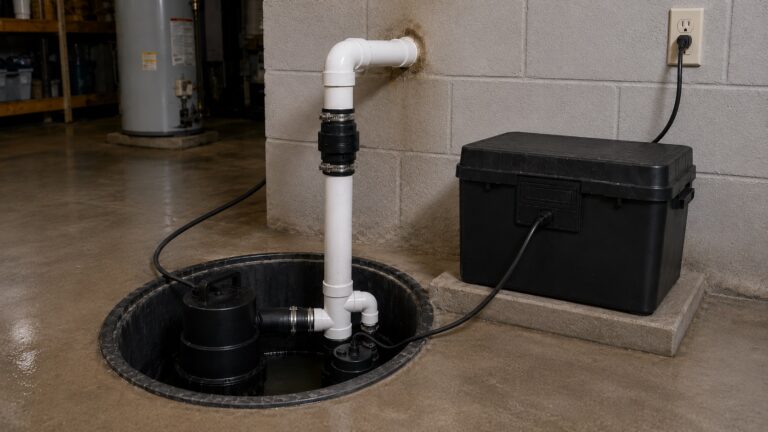
Drainage is one of the biggest reasons crawl space quotes differ. If a crawl space has standing water, muddy soil, water trails, low spots, or seepage through foundation walls, a liner alone may not be enough. The quote may need to include interior drainage, a sump basin, a sump pump, discharge piping, or exterior water management.
Compare drainage details carefully. Ask where water is entering, where it will be collected, where it will be discharged, and whether the discharge point moves water far enough away from the foundation. A drainage quote should also explain whether the sump basin, drain path, and discharge line can be inspected or serviced later.
Look for details such as:
- Whether drainage is included or excluded
- Which areas of the crawl space will receive drainage
- Whether a sump pump is included
- Where the sump basin will be located
- Where the discharge line will run
- Whether exterior grading or downspout correction is included
- Whether the drainage system will remain accessible for maintenance
If one quote includes drainage and another does not, ask why. The contractor who excludes drainage may believe the crawl space only has soil vapor or humidity issues. The contractor who includes drainage may have seen evidence of bulk water. You need to know which diagnosis is supported by the crawl space conditions.
Dehumidification
A crawl space dehumidifier may be included when the crawl space is sealed or when humidity remains high after moisture sources are controlled. However, a dehumidifier should not be treated as a substitute for drainage when standing water is present.
Compare whether the quote includes a dehumidifier, how it will drain, where it will be installed, how it will be powered, and who will maintain it. Ask whether humidity monitoring is included and what humidity range the system is designed to maintain.
If one quote includes a dehumidifier and another does not, that does not automatically mean one is wrong. It may mean the contractors have different assumptions about ventilation, sealing, climate, or humidity control. If the system includes dehumidification, you may want to compare common crawl space dehumidifier options so you understand what the equipment is supposed to do.
Insulation Removal or Replacement
Wet, sagging, moldy, or pest-damaged insulation can affect both performance and indoor air quality. Some crawl space repair quotes include insulation removal. Others leave it out. Some include replacement insulation, while others change the insulation approach after encapsulation.
Ask whether the contractor inspected the insulation and whether the quote includes removal, disposal, replacement, or no insulation work at all. If the crawl space has damp fiberglass hanging from the floor joists, a quote that ignores insulation may not be complete.
Also ask whether insulation work should happen before or after moisture control. Installing new insulation before moisture is controlled can lead to repeated damage.
Mold-Related Cleanup
Mold-related cleanup is another line item that can make quotes difficult to compare. One contractor may include cleaning or treatment of affected wood surfaces. Another may exclude mold remediation entirely. Another may recommend a separate specialist.
Moisture control and mold cleanup are related, but they are not the same. A vapor barrier, drainage system, or dehumidifier may reduce future moisture, but those systems do not automatically remove existing mold-contaminated material.
If a quote mentions mold, ask:
- Where was mold-like growth observed?
- Is cleanup included in the quote?
- What surfaces or materials are included?
- Will insulation or debris be removed?
- Is a separate remediation contractor needed?
- What prevents the moisture conditions from returning?
A quote that includes mold cleanup may cost more than one that only installs a liner. That difference may be justified if existing contamination or damaged material needs attention.
Structural Wood Repair
Structural wood repair is separate from moisture control. If joists, beams, posts, rim joists, sill plates, or subflooring are damaged, the quote should explain what is being repaired and who is responsible for the work. Encapsulation can help reduce future moisture, but it does not restore weakened wood.
Ask whether the quote includes sistering joists, replacing damaged sections, adding supports, repairing beams, or referring structural work to another qualified professional. If structural work is excluded, that should be stated clearly.
If floors are sagging, wood feels soft, supports are shifting, or structural members look severely deteriorated, avoid disturbing the area until it has been evaluated by a qualified professional.
Structural repair can significantly increase the price of a crawl space quote. That does not automatically make the quote excessive. It means the quote may be addressing a more serious category of damage than another estimate.
Compare Materials and Installation Details
After you understand the scope, compare the materials and installation details. Two quotes may both say “vapor barrier” or “encapsulation,” but the quality of the finished system depends on liner material, sealing details, drainage layout, access doors, vents, equipment, and future serviceability.
Liner Material and Thickness
Ask what liner material and thickness will be used. Thin plastic may be less expensive, but it may tear more easily in crawl spaces with rough soil, debris, rocks, service traffic, or frequent access. Reinforced liners usually cost more but may hold up better when technicians need to enter the space.
The right liner depends on the crawl space conditions and intended use. A crawl space that contains plumbing, HVAC ducts, or equipment may need more durable material than a rarely accessed area. Compare the liner details instead of assuming every vapor barrier quote includes the same product.
Seams, Edges, Walls, and Piers
Sealing details matter. A liner placed loosely over the soil is not the same as a sealed encapsulation system. Ask whether seams will be overlapped and taped, whether the liner will be fastened to foundation walls, whether piers and posts will be wrapped, and how edges and penetrations will be handled.
If the quote includes wall liner, ask how high it will extend and how it will be attached. If piers are present, ask whether they are included. If pipes, supports, or irregular surfaces interrupt the liner, ask how those transitions will be sealed.
Access Doors and Vents
Access doors and vents can affect crawl space moisture. If the quote includes encapsulation, ask whether vents will be sealed, whether the access door will be replaced or sealed, and how future entry will be maintained.
If one quote includes a new sealed access door and another does not, the difference may affect long-term humidity and pest control. If vents remain open, ask how the contractor expects the crawl space to stay dry during humid weather.
Drainage Layout and Service Access
If drainage is included, compare layout and service access. A drainage system should direct water to a reliable exit point, not simply move water from one low spot to another. Ask whether drains can be inspected or serviced later and whether the sump pump, discharge line, and drainage path are accessible.
Good crawl space repair should leave the space serviceable. Plumbing, ducts, wiring, dehumidifiers, sump pumps, and drainage systems may need future access. A quote that makes the crawl space look clean but blocks service access may create problems later.
Check What Each Quote Excludes
Exclusions are one of the most important parts of a crawl space repair quote. A lower quote may look attractive until you realize that it does not include drainage, mold cleanup, insulation removal, electrical work, structural repair, dehumidifier maintenance, or cleanup. Before choosing a contractor, read the quote carefully and ask what is not included.
Some exclusions are normal. A crawl space contractor may not handle plumbing repairs, pest treatment, structural engineering, electrical work, or mold remediation. The problem is when exclusions are unclear and the homeowner discovers them after signing.
Mold Remediation
If the crawl space has mold-like staining, ask whether cleanup is included. Some contractors include surface cleaning or treatment. Others only install moisture control systems and leave mold remediation to a separate company. If the quote mentions “mold treatment,” ask what surfaces are included, what materials will be removed, and whether containment or separate remediation is required.
Moisture control can help prevent recurrence, but it does not automatically remove existing mold-contaminated insulation, debris, or porous material. A quote that excludes mold cleanup may still be useful, but you need to understand that additional work may be needed.
Structural Repair
Structural wood repair is often excluded from basic vapor barrier or encapsulation quotes. If the crawl space has damaged joists, beams, posts, sill plates, or subflooring, ask whether the contractor is including repair or only moisture control. A clean liner under damaged wood does not fix the structural issue above it.
Structural repair exclusions matter because they can change the true cost of the project. If one contractor includes wood repair and another does not, the quotes are not comparable. If you see soft floors, sagging areas, or visible wood deterioration, the project may need more than moisture control. In that case, it is worth reviewing when to hire a crawl space repair specialist.
Electrical Work
Electrical work may be needed for dehumidifiers, sump pumps, crawl space lighting, or dedicated outlets. Some crawl space contractors include electrical coordination, while others require the homeowner to hire an electrician separately. Ask whether the quote includes electrical work or only the equipment installation.
This is especially important when a quote includes a sump pump or dehumidifier. Equipment that cannot be powered safely and reliably will not protect the crawl space as intended.
Do not use extension cords, unprotected temporary wiring, or improvised outlets as a long-term power source for crawl space equipment.
Plumbing Repair
Plumbing leaks can create localized crawl space moisture that looks like a broader humidity or drainage issue. If the contractor sees wet soil, wet insulation, or water below a bathroom, kitchen, laundry area, or supply line, ask whether plumbing repair is included or excluded.
Most crawl space contractors do not repair all plumbing problems unless they are also licensed for that work. If plumbing is suspected, the quote should say whether a plumber is needed before moisture control work begins.
Pest Treatment
Crawl spaces with damaged insulation, torn vapor barriers, or wood damage may also show signs of pest activity. Pest treatment is often outside the scope of crawl space repair. Ask whether pest damage was observed and whether treatment is needed before sealing or insulating the space.
If pests remain active, they may damage new insulation, liners, access doors, or sealed areas after the repair.
Exterior Drainage and Grading
Exterior water management can be a major part of crawl space moisture control. Gutters, downspouts, grading, soil slope, hardscaping, and foundation drainage all affect how much water reaches the crawl space. Some crawl space repair quotes focus only on work inside the crawl space and exclude exterior drainage improvements.
If water enters after rain, ask whether the quote includes any exterior correction. If not, ask whether exterior grading, downspout extensions, or drainage work should be handled separately. A crawl space system may struggle if water continues to collect around the foundation.
Insulation Replacement
Insulation removal and insulation replacement are separate line items. One quote may remove wet insulation but not replace it. Another may include new insulation. Another may change the insulation approach after encapsulation. Ask exactly what happens to old insulation and whether replacement is included.
If insulation is excluded, consider whether the home will still meet comfort, energy, and code expectations after the crawl space work is complete.
Cleanup, Debris, and Hidden Damage
Crawl spaces often contain old plastic, debris, fallen insulation, pest material, damaged duct straps, rocks, construction scraps, or previous repair materials. Ask whether cleanup and disposal are included. Also ask how hidden damage will be handled if it is discovered after work begins.
A clear quote should explain whether change orders require approval before additional charges are added. Avoid assuming that “crawl space repair” automatically includes every cleanup and correction item.
Compare Warranty and Maintenance Requirements
Warranty terms can make one crawl space repair quote look stronger than another, but only if you understand what the warranty actually covers. A broad warranty statement is not enough. Ask which parts of the system are covered, what is excluded, what maintenance is required, and whether the warranty transfers if you sell the home.
Vapor Barrier and Encapsulation Warranty
If the quote includes a vapor barrier or encapsulation system, ask whether the warranty covers liner material, seam failure, wall attachment, pier wrapping, vent sealing, or access door sealing. A warranty that only covers the liner material may not cover poor installation, loose seams, detached wall sections, or damage from future service traffic.
Ask what happens if seams open, the liner pulls away, or moisture appears on top of the liner. The answer should be written into the warranty or proposal.
Drainage and Sump Pump Warranty
If drainage or a sump pump is included, ask whether the warranty covers the drainage system, pump, discharge line, check valve, basin, or only specific installed components. Pumps may have manufacturer warranties, while drainage work may have contractor-specific coverage.
Ask whether clogs, power outages, pump failure, frozen discharge lines, or exterior water problems are excluded. These details matter because drainage and pump systems often require maintenance.
Dehumidifier Warranty
A crawl space dehumidifier may come with a manufacturer warranty separate from the contractor’s workmanship warranty. Ask who handles service if the unit fails, who maintains the filter, how the drain line is protected, and whether failure of the dehumidifier affects the rest of the system warranty.
If humidity control is a major part of the quote, the proposal should explain how the dehumidifier fits into the system and what maintenance is required.
Mold-Related Exclusions
Be careful with warranties that imply mold will never return. Moisture control can reduce the risk of mold, but new plumbing leaks, flooding, pest damage, high humidity, damaged liners, or equipment failure can create new moisture conditions. Ask whether mold-related work is covered and under what conditions.
If mold cleanup is included, ask whether the warranty covers the cleanup work, the moisture control system, or both.
Maintenance Requirements
A crawl space system may require ongoing maintenance. Ask whether you need to inspect the liner, monitor humidity, service the dehumidifier, test the sump pump, clean filters, check discharge lines, or schedule follow-up inspections.
Maintenance questions are especially important if the warranty can be voided by neglect. Ask for maintenance requirements in writing so you know what is expected after installation.
Transferability
If you plan to sell the home, ask whether the warranty transfers to the next owner. Some warranties transfer automatically. Others require paperwork, fees, inspections, or transfer within a certain time period. Some do not transfer at all.
A transferable warranty may add value, but only when the work itself is well documented and the warranty language is clear.
Compare Price Only After Scope Is Clear
Price matters, but it should come after diagnosis and scope. The cheapest crawl space repair quote may be the best choice if the problem is limited and the repair is clearly defined. It may also be incomplete if it leaves out drainage, insulation, mold cleanup, dehumidification, structural repair, or proper sealing details.
The most expensive quote may be justified if the crawl space has standing water, poor access, full encapsulation needs, damaged insulation, mold-like growth, structural wood concerns, or a long-term humidity control plan. But a high price does not automatically mean the quote is better. It still needs a clear diagnosis and written scope.
If you are trying to understand why one quote is much higher than another, compare the proposal against common crawl space repair cost factors. If the quote is specifically for encapsulation, compare it against common crawl space encapsulation cost factors.
When a Lower Quote May Be Reasonable
A lower quote may be reasonable when the crawl space problem is limited. For example, a dry crawl space with exposed soil and no standing water, mold concern, insulation damage, or structural issue may only need a basic vapor barrier. A smaller scope should cost less than a full encapsulation or drainage project.
A lower quote may also be reasonable if the homeowner is handling certain work separately, such as plumbing repair, debris removal, pest treatment, or insulation replacement. The key is that the exclusions must be clear.
When a Lower Quote May Be Incomplete
A lower quote may be incomplete if it ignores the conditions causing the crawl space problem. If there is standing water, a vapor barrier alone may not be enough. If insulation is wet and falling, a liner alone may not address the damaged material. If joists are soft or stained, encapsulation alone may not address structural concerns.
Ask what risk remains if you choose the lower scope. A good contractor should be able to explain what the quote solves and what it does not solve.
When a Higher Quote May Be Justified
A higher quote may be justified when the work includes several systems. Drainage, sump pumps, full encapsulation, wall sealing, pier wrapping, access door upgrades, dehumidification, insulation removal, mold-related cleanup, and structural repairs all add cost. Difficult access, low clearance, debris, or previous failed work can also increase labor.
If the higher quote clearly explains these items and matches the crawl space conditions, it may be more complete than a cheaper proposal.
When a Higher Quote May Be Oversized
A higher quote may be oversized if it recommends a major system without explaining why the crawl space needs it. Not every crawl space requires full encapsulation, a dehumidifier, drainage, mold cleanup, and structural repair. Ask the contractor to separate necessary work from optional upgrades.
If the contractor cannot explain why each line item is included, ask for a revised quote or another opinion before signing.
Red Flags in Crawl Space Repair Quotes
Some crawl space repair quotes are incomplete because the contractor missed details. Others are vague because the company uses a standard sales package instead of a detailed inspection-based proposal. A red flag does not always prove bad intent, but it does mean you should ask for clarification before signing.
Be cautious when a crawl space repair quote includes:
- No inspection photos, notes, or explanation of findings
- No clear moisture source
- No written scope of work
- No distinction between vapor barrier, encapsulation, drainage, and dehumidification
- No drainage plan for standing water
- Encapsulation recommended over active water without explaining drainage first
- No explanation of how seams, walls, piers, vents, and access doors will be sealed
- No exclusions listed
- No explanation of what happens if hidden damage is discovered after work begins
- No warranty terms in writing
- Mold cleanup described vaguely
- Structural wood concerns ignored or covered over
- Pressure to choose a quote before you understand the scope
The quote does not need to answer every possible crawl space question, but it should give enough detail to explain the diagnosis, work sequence, materials, exclusions, and warranty. If those pieces are missing, ask for a revised written proposal before comparing it with other bids. If the quote also uses pressure tactics, vague discounts, or unclear guarantees, compare it with common contractor scam warning signs for moisture repairs.
How to Choose the Best Crawl Space Repair Quote
The best crawl space repair quote is the one that matches the actual problem, follows the right repair sequence, and explains the work clearly. It is not automatically the cheapest quote, and it is not automatically the most expensive one. The strongest quote should make the contractor’s reasoning visible.
Use this decision framework when comparing quotes:
- Diagnosis: Does the contractor explain where the moisture is coming from?
- Evidence: Are photos, notes, readings, or visible conditions used to support the recommendation?
- Sequence: Does the quote address standing water, drainage, damaged materials, and humidity in the right order?
- Scope: Does the quote clearly state what work is included?
- Exclusions: Does it state what is not included?
- Change orders: Does the quote explain how hidden damage or added work will be priced and approved?
- Materials: Are liner, sealing, drainage, and equipment details clear?
- Serviceability: Can the crawl space still be inspected and maintained later?
- Warranty: Are warranty limits and maintenance requirements written clearly?
- Long-term control: Does the plan reduce the chance of moisture returning?
If two quotes are close in price, choose the one with the clearer diagnosis, better written scope, more realistic exclusions, and stronger long-term maintenance plan. If two quotes are far apart, compare what each one includes before assuming one contractor is overcharging or underbidding.
The goal is to choose the quote that solves the crawl space problem without hiding water, skipping necessary repairs, or overselling unnecessary work. Crawl space repair should support a broader plan to find, fix, and prevent moisture problems throughout the home, not just make the space look cleaner for a few months.
FAQ
Why are crawl space repair quotes so different?
Crawl space repair quotes are often different because contractors may be quoting different scopes of work. One quote may include only a vapor barrier, while another may include drainage, full encapsulation, dehumidification, insulation removal, mold cleanup, or structural wood repair. Compare the diagnosis and included work before comparing price.
Should I choose the cheapest crawl space repair quote?
The cheapest quote may be the right choice if the crawl space problem is limited and the scope is clear. However, a low quote may be incomplete if it ignores standing water, drainage, wet insulation, mold-like growth, high humidity, or structural damage. Make sure you understand what the quote does and does not include.
What should be included in a crawl space repair estimate?
A crawl space repair estimate should include the inspection findings, moisture source, recommended work, materials, included areas, exclusions, drainage plan, vapor barrier or encapsulation details, dehumidification plan if needed, cleanup responsibilities, warranty terms, and maintenance requirements.
Is crawl space encapsulation always better than a vapor barrier?
No. Encapsulation is more complete than a basic vapor barrier, but it is not automatically necessary for every crawl space. A basic vapor barrier may be enough for a relatively dry crawl space with exposed soil. Encapsulation may be more appropriate when there is chronic humidity, open vents, mold-like growth, failed insulation, or repeated moisture problems.
Should drainage be included in a crawl space repair quote?
Drainage should be included or at least discussed if the crawl space has standing water, muddy soil, water trails, foundation seepage, or water entering after rain. If the crawl space only has soil vapor or light humidity, drainage may not be needed. Ask the contractor to explain the evidence behind the drainage recommendation.
Should a crawl space quote include mold cleanup?
A crawl space quote should state whether mold cleanup is included or excluded if mold-like growth is present. Moisture control can help prevent recurrence, but it does not automatically remove existing mold-contaminated insulation, debris, or surfaces. If mold is widespread or uncertain, a separate evaluation may be needed.
How many crawl space repair quotes should I get for a large repair?
For a large crawl space project, it is often wise to get more than one quote, especially when contractors recommend different systems. Multiple quotes help you compare diagnosis, scope, exclusions, warranty, and price. The goal is not simply to find the lowest number, but to identify the most complete and appropriate solution.
Before You Choose a Crawl Space Repair Quote
Comparing crawl space repair quotes starts with understanding what each contractor is actually proposing. Two estimates may both say “crawl space repair,” but one may only cover the soil with a vapor barrier while another includes drainage, encapsulation, dehumidification, insulation removal, mold-related cleanup, and structural repair.
The strongest quote explains the moisture source, follows the correct repair sequence, lists the included work, states exclusions, describes materials, and gives realistic warranty and maintenance terms. It should make clear whether the contractor is solving soil moisture, standing water, humidity, mold conditions, damaged insulation, or structural wood problems.
Do not choose a crawl space repair quote based on price alone. Choose the proposal that best matches the evidence, addresses the real source of moisture, states what is excluded, and gives you a clear plan for keeping the crawl space dry, serviceable, and protected over time.