
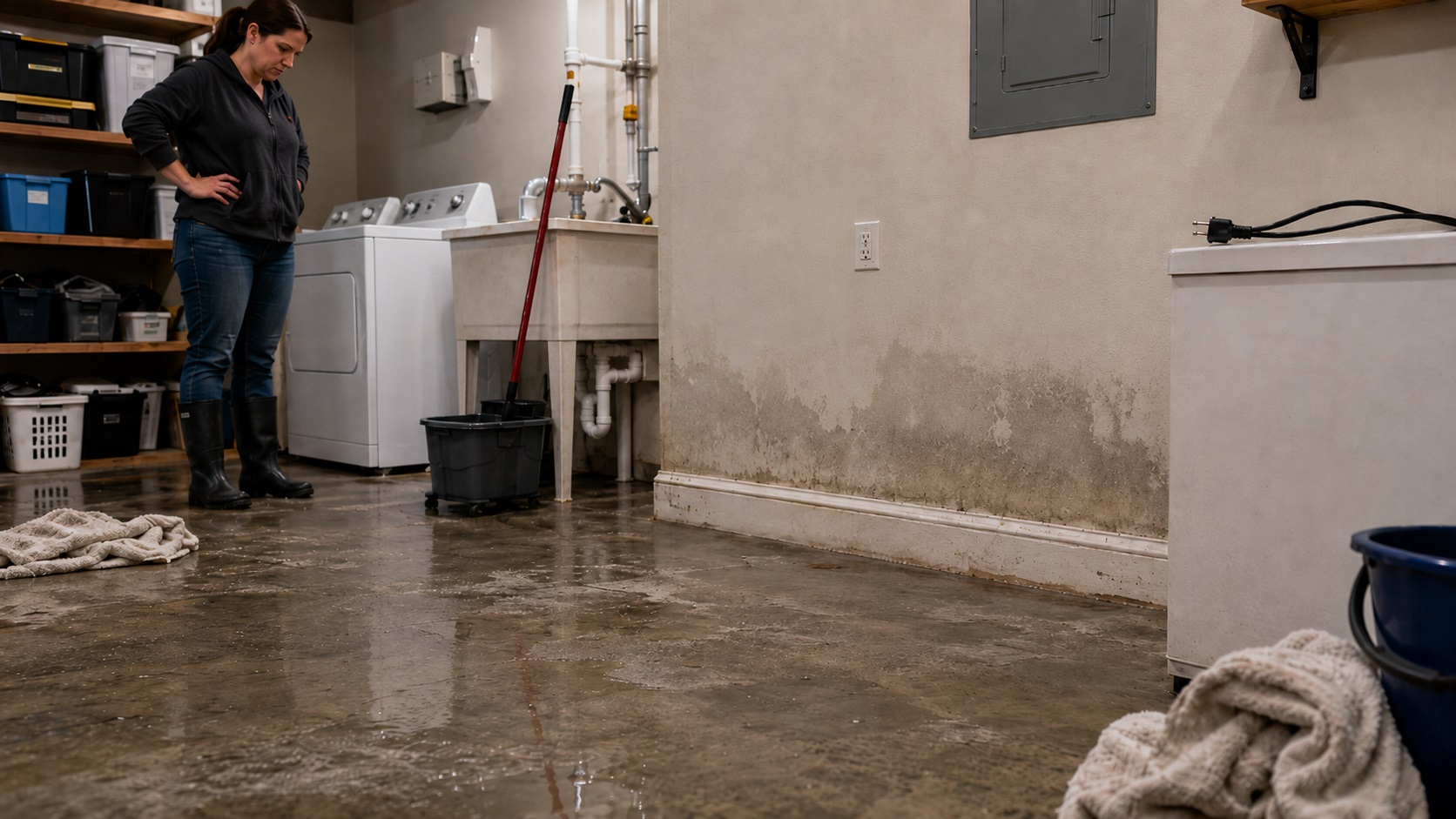
Electrical Safety After Flood Damage
Electrical safety comes before cleanup after flood damage. If water may have reached outlets, wiring, appliances, breaker panels, extension cords, HVAC equipment, or other electrical systems, do not enter the area or touch anything electrical until the power status is confirmed safe by qualified help.
Floodwater can create shock and fire hazards even after the visible water recedes. An outlet may look dry on the outside while damaged wiring remains behind the wall. A breaker may trip but still not make the circuit safe to use. An appliance may appear normal after drying but still contain moisture, corrosion, or damaged electrical components inside.
Use this guide to recognize when a flooded area is not safe to enter, when power should stay off, and when an electrician, utility company, emergency service, or restoration professional should be involved. It does not teach electrical repair. Flood-damaged electrical systems should be inspected and handled by qualified professionals before power is restored or cleanup begins in affected areas.
Why Electrical Safety Comes First After Flood Damage
Water and electricity are a dangerous combination because floodwater can conduct current through surfaces, standing water, wet flooring, metal objects, appliances, tools, and the human body. A flooded room may look quiet, but energized wiring, submerged outlets, wet cords, or damaged appliances can create a serious shock hazard.
The danger is not limited to deep water. Even shallow water can be unsafe if it contacts an energized outlet, cord, appliance, or electrical component. Wet concrete floors, damp basements, utility rooms, garages, and crawl spaces can also create risk when electrical systems are nearby.
Electrical safety is especially important after flood damage in areas such as:
- basements with breaker panels, outlets, sump pumps, or appliances;
- garages with outlets, tools, chargers, freezers, or extension cords;
- laundry rooms with washers, dryers, and water lines;
- utility rooms with water heaters, furnaces, boilers, or electrical panels;
- kitchens with refrigerators, dishwashers, outlets, and appliance circuits;
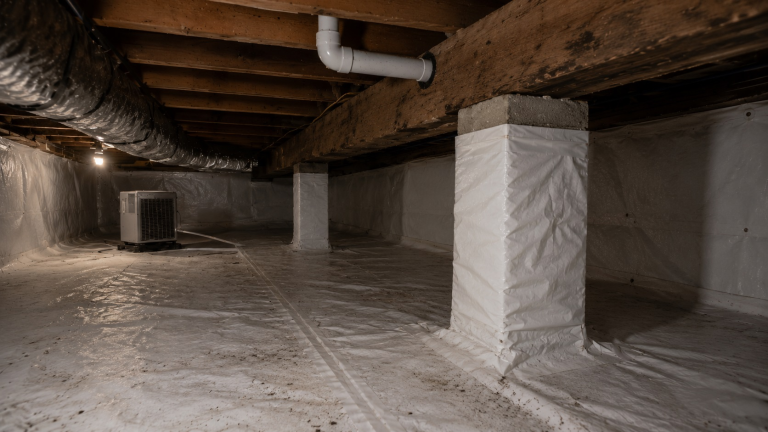
- crawl spaces with wiring, lighting, HVAC equipment, or sump pump systems;
- rooms where floodwater reached wall outlets or baseboard-level wiring.
The first question after flood damage should be, “Is this area electrically safe to enter?” If the answer is uncertain, stay out. Cleanup and drying can wait until electrical hazards are controlled.
This is part of the broader safety picture after structural moisture problems in homes. Flooding can create electrical hazards, structural hazards, contamination risks, and hidden moisture problems at the same time. Treat electrical safety as the first gate before standing water removal, restoration, or repair work begins.
Do Not Enter Flooded Areas If Power May Still Be On
Do not enter a flooded room if power may still be active. This includes basements, garages, utility rooms, crawl spaces, or any area where standing water may be touching outlets, wiring, appliances, cords, panels, or electrical equipment.
It is not always obvious whether power is still on. Lights may be off because a bulb failed, a breaker tripped, or part of the system lost power. But another circuit in the same area may still be energized. A flooded outlet, submerged cord, or wet appliance can still create a shock hazard even when the room appears dark.
Stay out of the area if you see any of these conditions:
- standing water near outlets, switches, cords, appliances, or panels;
- water around a washer, dryer, refrigerator, furnace, water heater, or sump pump;
- a breaker panel located in a flooded or wet area;
- extension cords or power strips touching water;
- sparks, buzzing, burning smells, or flickering lights;
- ceiling leaks near light fixtures, fans, or recessed lighting;
- outdoor floodwater near service equipment, meter boxes, or downed lines;
- uncertainty about whether the power has been shut off.
If you cannot reach the breaker panel without walking through water or standing on a wet surface, do not attempt to shut off the power yourself. Call the utility company, emergency services, or a qualified electrician. The same rule applies if the panel itself is wet, submerged, damaged, buzzing, sparking, or located in a flooded basement.
This article focuses on electrical hazard awareness. For the broader utility-control process, use how to shut off utilities after flooding. Shutoff decisions can involve electricity, gas, water, and local utility procedures, and unsafe access should always be handled by qualified help.
Do not assume floodwater is safe because it is no longer rising. Water can hide floor openings, debris, contamination, unstable surfaces, and electrical hazards. If the area contains standing water, make electrical safety the first priority before attempting removal. Once the area is confirmed safe, you can move into cleanup steps such as removing standing water safely.
The safest rule is simple: if power status is uncertain, stay out. Do not walk into water to check a breaker, unplug a device, move an appliance, retrieve belongings, or test an outlet.
Never Touch Electrical Equipment While Standing in Water
Never touch electrical equipment while standing in water or on a wet floor. This includes switches, outlets, breaker panels, appliances, cords, power strips, light fixtures, tools, chargers, sump pumps, HVAC equipment, and wet/dry vacuums. If any electrical item may be energized, water can create a path for shock.
Do not try to “quickly” unplug something from a flooded room, move a wet appliance to see if it still works, reset a breaker to restart a sump pump, or plug in fans before the electrical system has been confirmed safe. Small actions can be dangerous when water damage is involved.
Be especially cautious with:
- Breaker panels: Do not open or touch a panel if the floor is wet, the panel is damp, or water reached the area.
- Outlets and switches: Do not test or use outlets that were wet or located in a flooded room.
- Extension cords: Do not use cords that were submerged, lying in water, or connected to wet equipment.
- Power strips: Discard or replace flood-exposed power strips rather than trusting them after drying.
- Appliances: Do not use appliances that were submerged or splashed until inspected.
- Power tools: Do not use electric tools in wet cleanup areas unless the area has been made electrically safe and the tool is rated and protected for the conditions.
Also be careful with ceiling leaks. Water that enters a ceiling can reach light fixtures, ceiling fans, recessed lights, wiring, and junction boxes. A ceiling stain near a fixture should be treated as an electrical concern until inspected. Do not turn the fixture on to “test it.”
If you are already inside a room and notice water near electrical equipment, leave the area carefully if you can do so without stepping deeper into water or touching electrical items. If someone is being shocked, do not touch them directly while they may still be in contact with electricity. Call emergency services.
When to Call the Utility Company or an Electrician
Call the utility company or a licensed electrician whenever electrical safety is uncertain after flood damage. If the electrical panel is in a flooded area, if water reached outlets or wiring, or if you cannot safely shut off power from a dry location, do not improvise. Get qualified help before cleanup begins.
Call the utility company, emergency services, or an electrician immediately if:
- the breaker panel is wet, submerged, sparking, buzzing, or inaccessible because of water;
- standing water is near outlets, switches, appliances, HVAC equipment, or cords;
- water reached the meter, service equipment, or outdoor electrical components;
- you see downed power lines or damaged service wires;
- water rose above electrical outlets or reached wall switches;
- lights flicker, outlets spark, breakers repeatedly trip, or you smell burning after water damage;
- appliances or mechanical systems were submerged;
- you are not sure whether power has been disconnected.
A utility company may need to disconnect service before anyone can safely work in the flooded area. An electrician may need to inspect wiring, panels, outlets, switches, fixtures, and equipment before power is restored. A restoration company may also require the area to be electrically safe before water extraction or drying equipment can be installed.
For larger water damage events, electrical safety and restoration decisions often happen together. If the area is safe to enter only after power is controlled, restoration crews can then evaluate moisture, remove water, and dry affected materials. For that escalation decision, see when to call water damage restoration services.
Do not rely on guesswork. A dry-looking panel, outlet, or appliance is not proof that it is safe, because floodwater can leave corrosion, sediment, contamination, and hidden damage behind. Electrical systems should be inspected before reuse when they have been exposed to flooding or significant water intrusion.
Flooded Outlets, Wiring, and Breaker Panels
Flooded outlets, wiring, and breaker panels should not be used just because they appear dry later. Water can enter boxes, terminals, insulation, connections, devices, and panel components. Even after evaporation, contamination and corrosion can remain.
Outlets and switches near the floor are common flood-damage concerns because floodwater often reaches the lower wall first. If water rose above receptacle height, entered wall cavities, or soaked the wall around electrical boxes, those components need professional inspection before use.
If only one room flooded, do not assume only that room is affected. Shared circuits, nearby junction boxes, damp wall cavities, and connected appliances may still need evaluation before power is restored.
Signs of electrical damage may include:
- tripped breakers after the flood,
- outlets that no longer work,
- buzzing or crackling sounds,
- burning odor,
- sparks when power is restored,
- discoloration around outlets or switches,
- water stains around electrical boxes,
- corrosion or sediment on devices or panels.
A breaker panel is especially serious. It is the control point for much of the home’s electrical system, and flood exposure can damage internal parts. Do not open a panel to inspect it yourself after flood damage. If the panel was wet or located in a flooded room, call a licensed electrician or the utility company before power is restored.
Wiring inside walls may also need evaluation. The concern is not only the wire itself, but the boxes, splices, terminals, devices, insulation, and contamination left behind. If floodwater entered wall cavities, electrical inspection may need to happen before walls are closed, repaired, or repainted.
Electrical safety should also be considered alongside other post-flood hazards. A home with water-damaged wiring may also have structural, contamination, and hidden moisture risks. For a broader safety overview, see safety hazards to watch for after flooding.
Wet Appliances and HVAC Equipment
Appliances and HVAC equipment should not be used after flood exposure until they have been inspected. Even if an appliance looks dry on the outside, water may have reached motors, controls, wiring, switches, heating elements, insulation, burners, compressors, circuit boards, or internal connectors.
Be cautious with any appliance or equipment that was submerged, splashed, or surrounded by floodwater, including:
- washers and dryers,
- refrigerators and freezers,
- dishwashers,
- water heaters,
- furnaces and boilers,
- air handlers and HVAC cabinets,
- sump pumps,
- dehumidifiers,
- portable heaters,
- power tools and chargers.
Do not plug in a wet appliance to see if it still works, and do not reset a breaker to test a flooded appliance. If an appliance was partly submerged, surrounded by floodwater, or exposed through a wet cord or control area, treat it as unsafe until inspected. Floodwater can leave sediment, corrosion, and damage inside equipment that is not visible from the outside.
HVAC equipment deserves special caution because it can combine electrical components, motors, burners, controls, ductwork, and sometimes gas or combustion systems. If floodwater reached a furnace, boiler, air handler, condenser controls, or duct-mounted electrical components, have the system inspected before use.
Sump pumps and dehumidifiers also need caution. They are often used during flood recovery, but they are still electrical devices. Do not place or plug in drying equipment in a wet area unless the electrical source is safe and the equipment is appropriate for the conditions. Restoration crews should not begin drying work until the area can be powered safely.
Using Generators, Extension Cords, and Power Tools After Flooding
Generators, extension cords, and power tools can help during recovery, but they also create serious hazards when used incorrectly after flooding. The biggest risks include electric shock, carbon monoxide poisoning, fire, overloaded cords, and unsafe connections to home wiring.
Follow these safety principles:
- Never run a generator indoors. Keep generators outside, at least 20 feet away from doors, windows, vents, garages, crawl space openings, and enclosed areas.
- Do not connect a generator directly to home wiring. Backfeeding can endanger utility workers and damage equipment unless a proper transfer system is installed by a qualified professional.
- Keep cords out of water. Do not run extension cords through standing water, wet grass, flooded rooms, or damp crawl spaces.
- Do not use damaged cords. Replace cords that were submerged, cut, cracked, overheated, or contaminated by floodwater.
- Use only appropriate outdoor-rated cords when needed. Undersized or damaged cords can overheat.
- Do not use power tools in wet areas unless the area has been made safe. Cleanup speed is not worth shock risk.
Portable equipment should not be treated as a shortcut around electrical safety. If the home’s electrical system is unsafe, adding cords, tools, pumps, or fans can make the situation more dangerous. Power for restoration equipment should be planned only after the electrical hazards are controlled.
Be especially careful with wet/dry vacuums. They are commonly used for water removal, but they still require a safe electrical source and appropriate use conditions. Do not plug one into an outlet that may have been flooded. Do not stand in water while plugging in, unplugging, or operating electrical equipment.
For more generator-specific guidance during outages, see FEMA’s generator safety guidance.
When It Is Safe to Start Cleanup and Restoration
Cleanup and restoration should begin only after electrical hazards are controlled. Before removing water, running fans, setting up dehumidifiers, or moving appliances, make sure the area is safe to enter and power has been handled appropriately.
In practical terms, cleanup is safer when:
- power status is known,
- the affected area is not energized,
- the breaker panel and outlets are not being accessed from wet surfaces,
- standing water is not touching electrical equipment,
- wet appliances are not being used or tested,
- temporary power is supplied safely if restoration equipment is needed,
- qualified professionals have cleared electrical hazards when flood exposure was significant.
Once electrical safety is addressed, the next priority is controlled drying. Water damage can still cause mold, material damage, and structural concerns if it is not handled quickly. But drying equipment should not be used until it can be powered safely.
If flood damage affected outlets, appliances, panels, HVAC equipment, or multiple rooms, the safest sequence is usually electrical safety first, then water removal, then drying and moisture evaluation. For the broader first-response workflow after the electrical risk is controlled, see these emergency flood cleanup steps.
Electrical safety also connects to the larger post-flood inspection process. If water entered walls, floors, ceilings, crawl spaces, basements, or utility areas, the home may also need structural review, restoration drying, and moisture monitoring. That broader approach helps homeowners find, fix, and prevent moisture problems throughout the home after the immediate hazard is controlled.
If you see sagging ceilings, soft floors, bowed walls, foundation cracks, or shifted supports while assessing flood damage, stop and address structural safety as well. Electrical safety is the first gate, but it is not the only one. For structural warning signs, see signs of structural damage after flooding.
FAQ
Can I turn the power back on after flood damage?
Do not turn the power back on after flood damage until the electrical system has been inspected if water reached outlets, wiring, breaker panels, appliances, HVAC equipment, or other electrical components. A dry-looking area is not proof that the system is safe. Floodwater can leave corrosion, contamination, and hidden damage behind.
Is it safe to flip the breaker if the floor is wet?
No. Do not touch a breaker panel while standing on a wet floor or in standing water. If the panel is in a flooded or damp area, call the utility company, emergency services, or a licensed electrician. Trying to shut off or restore power from a wet location can create a serious shock hazard.
Do flooded outlets need to be replaced?
Flooded outlets should not be used until inspected by a qualified electrician. Depending on the extent of exposure, contamination, corrosion, and local code requirements, replacement may be needed. Do not test flooded outlets yourself by plugging in a device or resetting a breaker.
Can appliances be used after floodwater recedes?
Appliances exposed to floodwater should not be used until inspected. Water can damage internal wiring, motors, controls, heating elements, insulation, switches, and circuit boards. This applies to washers, dryers, refrigerators, water heaters, furnaces, dishwashers, sump pumps, dehumidifiers, and other electrical equipment.
Who should inspect electrical systems after flooding?
A licensed electrician should inspect flood-exposed outlets, wiring, panels, fixtures, and electrical equipment. The utility company may also need to disconnect or restore service depending on the situation. If water damage is widespread, a restoration company may coordinate drying work after electrical hazards are controlled.
Can I use a wet/dry vacuum in a flooded room?
Only use a wet/dry vacuum if the area is electrically safe, the outlet is safe, the equipment is rated for water pickup, and you are not standing in unsafe water. Do not plug a wet/dry vacuum into an outlet that may have been flooded. If power status is uncertain, do not use electrical cleanup equipment.
What should I do if water reached the breaker panel?
Stay away from the panel and call qualified help. Do not open it, touch it, reset breakers, or try to dry it yourself. A wet or flood-exposed breaker panel may remain hazardous even after the surface appears dry. The utility company or a licensed electrician should handle the next step.
Electrical Safety Checklist After Flood Damage
- Electrical safety comes before water removal, drying, cleanup, or restoration after flood damage.
- Do not enter flooded areas if power may still be active.
- Never touch outlets, switches, breaker panels, appliances, cords, or tools while standing in water or on wet surfaces.
- Flooded outlets, wiring, breaker panels, and appliances should be inspected before reuse.
- Call the utility company or a licensed electrician if power status is uncertain or electrical equipment was exposed to water.
- Do not use fans, pumps, wet/dry vacuums, or drying equipment until the electrical source is safe.
- Cleanup should begin only after electrical hazards are controlled.
What to Do Before Cleanup Begins
Electrical safety after flood damage should never be guessed. If floodwater reached electrical equipment or you are unsure whether power is off, stay out of the area and call qualified help.
The safest sequence is simple: confirm electrical safety first, then remove water, then dry the home, then repair damaged materials. Do not restore power, plug in cleanup equipment, or enter wet areas with electrical exposure until qualified help confirms the area is safe.
One Comment
Comments are closed.