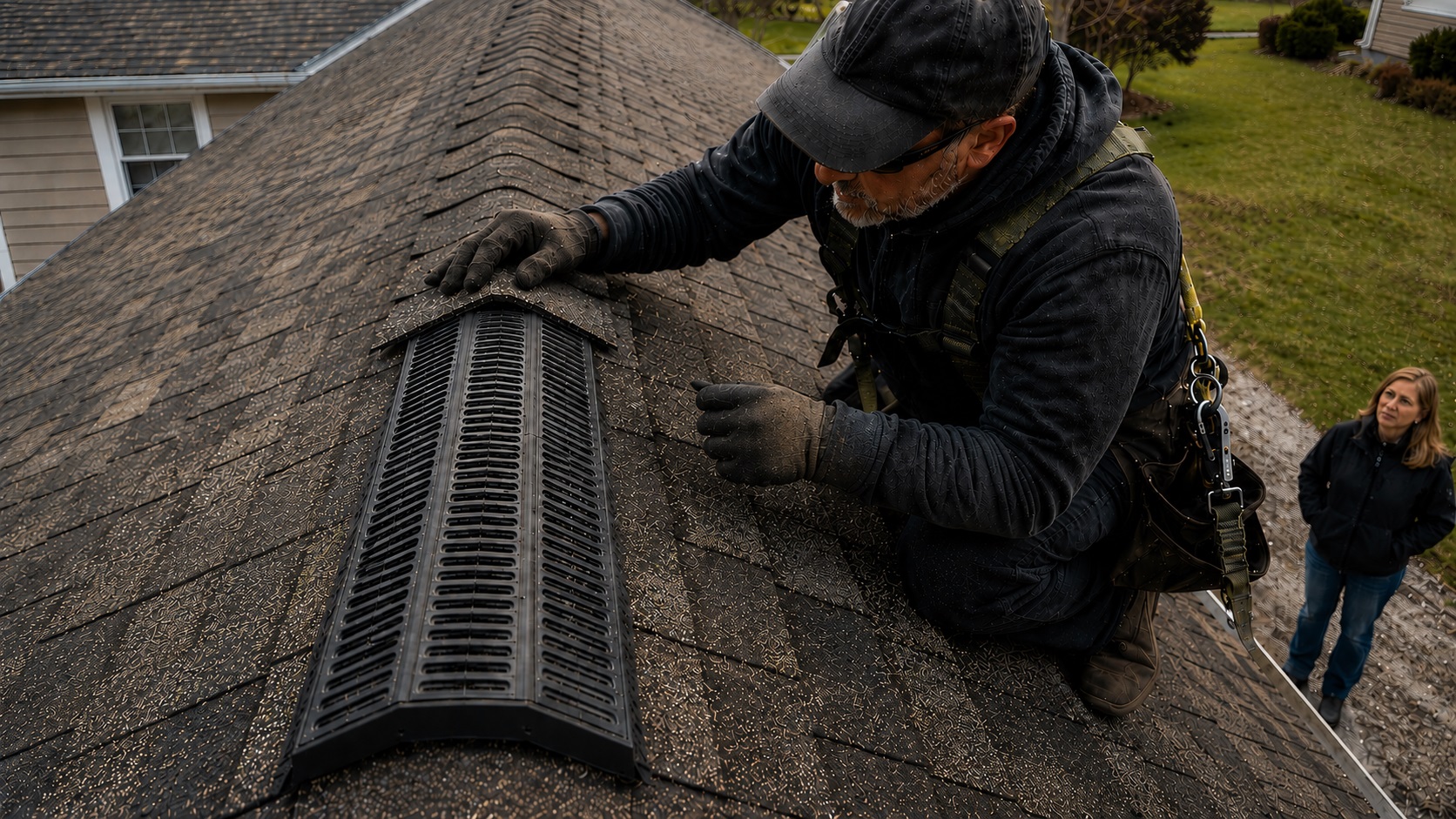
Best Ridge Vents for Proper Attic Ventilation
Choosing the best ridge vents for proper attic ventilation is not just about adding another roofing product to the peak of your house. A ridge vent is part of a larger attic airflow system that helps warm, moist air escape from the attic while fresh intake air enters through the soffits or other low intake vents. When that balance is missing, attic heat and moisture can collect under the roof deck, insulation can stay damp, and roof materials can age faster than they should.
For homeowners dealing with attic condensation, musty smells, roof sheathing moisture, ice-dam risk, or mold concerns, ridge ventilation can be one important part of the solution. However, the right product depends on the roof style, ridge length, shingle type, installation method, net free vent area, and whether you prefer a roll vent, strip vent, filtered vent, or contractor carton.
This guide compares Amazon-available ridge vents from established roofing brands. Because ridge vents are contractor-style building materials, many Amazon listings have fewer reviews than typical consumer products. The picks below focus on brand credibility, practical residential use, clear sizing, and suitability for moisture-conscious attic ventilation.
As an Amazon Associate, this site earns from qualifying purchases. This does not affect the price you pay. Our recommendations are based on research, product reliability, and real-world usability in moisture-prone environments.
Quick Picks Summary
- Best Overall: GAF Cobra Exhaust Vent 10.5 in. x 20 ft. Mesh Roll
- Best Filtered Ridge Vent: CertainTeed 12 in. Filtered Ridge Vent
- Best Flexible Ridge Vent: Quarrix AtticDefense Ridge Vent
- Best Contractor Carton: Lomanco Omni Pro Shingle Over Ridge Vent
- Best High-Airflow Ridge Vent: Owens Corning VentSure 4-ft Strip Heat & Moisture Ridge Vent
Best Ridge Vents Reviewed for Attic Moisture Control
GAF Cobra Exhaust Vent 10.5 in. x 20 ft. Mesh Roll — Best Overall
The GAF Cobra Exhaust Vent 10.5 in. x 20 ft. Mesh Roll is the strongest overall choice for many homeowners who want a practical shingle-over ridge vent from a major roofing brand. It comes in a roll format, which can be easier to handle than a stack of short rigid sections, especially on straightforward asphalt-shingle roof ridges. It is a good fit for homeowners replacing an old ridge vent, improving attic exhaust, or trying to correct moisture problems caused by weak attic airflow.
This is the strongest lead recommendation for a general “best ridge vents” article because it is a recognizable GAF option, uses a familiar shingle-over design, and avoids some of the confusing listing issues found on other ridge vent products. It is not a magic fix for attic mold or condensation by itself, but when paired with enough intake ventilation, it can be part of a balanced attic ventilation plan.
Key Features
- 20-foot roll format for continuous ridge coverage.
- 10.5-inch width designed for use under ridge cap shingles.
- Shingle-over profile helps the vent blend into the finished roofline.
- Mesh-style construction supports airflow along the roof ridge.
- Useful for asphalt-shingle residential roofs with appropriate ridge slot preparation.
Pros
- ✔ Strong brand recognition from GAF.
- ✔ Roll format can reduce the number of separate pieces needed on shorter ridge runs.
- ✔ Good general-purpose choice for residential attic exhaust ventilation.
- ✔ Easier to position as a homeowner-friendly pick than many contractor-only carton listings.
Cons
- ✖ Not ideal if you specifically want rigid 4-foot sections.
- ✖ Ridge vents still require balanced intake ventilation to work properly.
- ✖ May not be the best fit for unusual roof materials or complex rooflines without contractor guidance.
Best For
- Homeowners with asphalt-shingle roofs who want a straightforward roll-style ridge vent from an established roofing brand.
- Replacing a damaged or undersized ridge vent on a typical residential roof.
- Attic moisture prevention projects where the ridge vent is one part of a larger ventilation improvement.
Check the GAF Cobra Exhaust Vent 10.5 in. x 20 ft. Mesh Roll on Amazon to see current availability.
CertainTeed 12 in. Filtered Ridge Vent — Best Filtered Ridge Vent
The CertainTeed 12 in. Filtered Ridge Vent is a strong choice for homeowners who want a filtered shingle-over ridge vent from a major roofing manufacturer. A filtered vent can be useful when the homeowner is concerned about wind-driven debris, insects, or moisture intrusion through the vent opening. It still needs to be installed correctly, and it still needs enough attic intake, but the filtered design gives it a different purpose than a simple mesh roll.
This is also one of the better Amazon options in this category because it comes from a recognized roofing brand and fits naturally into a roof ventilation article. One important note is that this product may not include nails, so homeowners or roofers should confirm the installation hardware before starting the job. For readers comparing ridge vents to solve attic moisture concerns, this pick works best as the “more protective filtered design” option rather than the cheapest or simplest option.
Key Features
- 12-inch filtered ridge vent design.
- Shingle-over style for use under compatible ridge cap shingles.
- Filtered construction helps reduce debris entry through the vent path.
- Established roofing brand with broad residential roofing recognition.
- Suited for homeowners who want a cleaner, more protected ridge exhaust opening.
Pros
- ✔ Filtered design may appeal to homeowners worried about debris or wind-driven exposure.
- ✔ Good brand credibility from CertainTeed.
- ✔ Strong fit for asphalt-shingle residential roof ventilation projects.
- ✔ Useful alternative when a basic roll vent feels too open or lightweight.
Cons
- ✖ Nails may not be included, so installation hardware should be planned separately.
- ✖ A filtered vent can still perform poorly if the ridge slot or soffit intake is wrong.
- ✖ Carton-style products may be more than a homeowner needs for a small repair.
Best For
- Homeowners who want a filtered shingle-over ridge vent from a major roofing brand.
- Roofing projects where debris control and weather protection are important concerns.
- Full ridge ventilation upgrades rather than tiny patch repairs.
Check the CertainTeed 12 in. Filtered Ridge Vent on Amazon to see current availability.
Quarrix AtticDefense Ridge Vent — Best Flexible Ridge Vent
The Quarrix AtticDefense Ridge Vent is the best fit in this lineup for homeowners or roofers who want a flexible ridge vent option. Flexible ridge vents can be useful when a roof has a long run, a less-than-perfect ridge line, or a project where handling and shaping the product matters. Quarrix is a known name in the roof ventilation space, and the AtticDefense line is designed for attic protection rather than being a generic vent strip.
This product is especially useful for a buyer who wants flexibility without moving to an unknown or generic brand. It can work well as part of a roof ventilation correction plan, but it should not be selected only because it is flexible. The roof material, pitch, ridge length, cap shingle compatibility, and intake airflow still matter. Homeowners with persistent attic condensation should also read about why poor roof ventilation causes moisture problems before assuming the ridge vent alone is the missing piece.
Key Features
- Flexible ridge vent design for easier handling along the roof peak.
- Available in roll-style formats depending on the Amazon listing variation.
- Low-profile shingle-over appearance when installed with compatible roofing materials.
- Designed for attic exhaust ventilation at the ridge.
- Useful for homeowners who want a more adaptable alternative to rigid strips.
Pros
- ✔ Flexible design can be easier to work with on long roof runs.
- ✔ Good option when rigid pieces feel too bulky or segmented.
- ✔ Quarrix is a recognized ventilation brand.
- ✔ Suitable for buyers comparing roll-style and flexible ridge vent choices.
Cons
- ✖ Amazon listing variations should be checked carefully for length and size.
- ✖ Not every roof type or ridge detail is suitable for every flexible vent.
- ✖ Still requires correct installation and intake ventilation to perform well.
Best For
- Homeowners or roofers who prefer a flexible ridge vent instead of rigid strips.
- Long ridge runs where a roll format may simplify layout.
- Projects where product handling and adaptability are important.
Check the Quarrix AtticDefense Ridge Vent on Amazon to see current availability.
Lomanco Omni Pro Shingle Over Ridge Vent — Best Contractor Carton
The Lomanco Omni Pro Shingle Over Ridge Vent is the best fit for larger roof projects where a homeowner or contractor wants a carton of ridge vent sections instead of a single roll. Lomanco is a well-established attic ventilation brand, and the Omni Pro design is aimed at shingle-over ridge exhaust applications. This is not the most casual DIY pick in the lineup, but it makes sense for reroofing, full ridge upgrades, and jobs where buying in a contractor-style carton is practical.
This product is especially useful when a roof has enough ridge length to justify a multi-piece carton. It can also be a good choice when a contractor prefers rigid or semi-rigid sections with included installation hardware. The main caution is that Amazon may flag some contractor cartons as higher priced than usual, so availability and listing details should be checked before recommending it heavily in a live buying section.
Key Features
- Shingle-over ridge vent design for asphalt-shingle roofs.
- Carton-style packaging suited for larger projects.
- Designed to provide continuous exhaust ventilation along the ridge.
- Often listed with installation nails included, depending on the Amazon listing.
- Good fit for reroofing jobs or more complete attic ventilation corrections.
Pros
- ✔ Strong brand recognition in attic ventilation.
- ✔ Contractor carton format works well for longer ridge runs.
- ✔ Better fit for full roof projects than small one-off repairs.
- ✔ Useful when the installer prefers sectioned ridge vent pieces instead of a roll.
Cons
- ✖ May be more product than a homeowner needs for a small ridge repair.
- ✖ Contractor cartons can be affected by Amazon availability and price-warning issues.
- ✖ Requires careful planning so the ridge slot, cap shingles, and intake ventilation all match the system.
Best For
- Full ridge ventilation projects and reroofing jobs.
- Homeowners working with a roofer who wants a recognized contractor-style product.
- Longer asphalt-shingle roof ridges where carton quantities make sense.
Check the Lomanco Omni Pro Shingle Over Ridge Vent on Amazon to see current availability.
Owens Corning VentSure 4-ft Strip Heat & Moisture Ridge Vent — Best High-Airflow Ridge Vent
The Owens Corning VentSure 4-ft Strip Heat & Moisture Ridge Vent is the best high-airflow option in this group. Owens Corning is one of the most familiar roofing brands in the United States, and the VentSure strip design is a natural fit for homeowners who want a brand-name ridge vent with strong ventilation specifications. It works best as a premium or high-airflow pick rather than a budget recommendation.
This product is a good fit when the homeowner wants a strip-style ridge vent and the roof has enough ridge length to justify a carton-style purchase. It can also be a smart option when a roofer is already using Owens Corning roofing materials and wants to keep the ventilation system within a familiar brand family. The main limitation is that Amazon may not always be the most predictable place to buy contractor-style roofing cartons, so readers should check availability and listing details carefully before ordering.
Key Features
- 4-foot strip-style ridge vent sections.
- Designed for heat and moisture exhaust at the roof ridge.
- Brand-name roofing product from Owens Corning.
- Suited for shingle-over ridge ventilation systems.
- Useful for larger attic ventilation projects where airflow capacity is a key concern.
Pros
- ✔ Strong brand trust from Owens Corning.
- ✔ Good fit for homeowners prioritizing airflow capacity.
- ✔ Strip format can appeal to roofers who prefer sectioned installation.
- ✔ Appropriate for full attic ventilation upgrades on asphalt-shingle roofs.
Cons
- ✖ May receive high-price warnings or inconsistent Amazon availability.
- ✖ Not the best choice for a small repair if the listing is carton-based.
- ✖ Installation quality matters as much as the product itself.
Best For
- Homeowners who want a high-airflow ridge vent from a major roofing brand.
- Reroofing projects where strip-style ridge ventilation is preferred.
- Attics where heat and moisture exhaust are both major concerns.
Ridge Vent Comparison Table for Roof and Attic Use
| Product | Category Label | Best Use Case | Key Strengths | Main Limitation | Amazon Link |
|---|---|---|---|---|---|
| GAF Cobra Exhaust Vent 10.5 in. x 20 ft. Mesh Roll | Best Overall | General residential asphalt-shingle ridge ventilation | Recognized brand, roll format, practical shingle-over design | Not ideal for buyers who specifically want rigid sections | View on Amazon |
| CertainTeed 12 in. Filtered Ridge Vent | Best Filtered Ridge Vent | Filtered ridge ventilation for debris-conscious installations | Filtered design, established roofing brand, shingle-over profile | May not include nails | View on Amazon |
| Quarrix AtticDefense Ridge Vent | Best Flexible Ridge Vent | Flexible roll-style ridge ventilation projects | Flexible handling, recognized ventilation brand, adaptable format | Listing variations should be checked carefully | View on Amazon |
| Lomanco Omni Pro Shingle Over Ridge Vent | Best Contractor Carton | Larger roof projects and reroofing jobs | Contractor carton, established ventilation brand, sectioned installation | May be more product than needed for small repairs | View on Amazon |
| Owens Corning VentSure 4-ft Strip Heat & Moisture Ridge Vent | Best High-Airflow Ridge Vent | Premium strip-style attic exhaust ventilation | Major roofing brand, strong airflow positioning, strip format | Amazon availability and pricing may fluctuate | View on Amazon |
How to Choose a Ridge Vent That Actually Fits Your Roof
The best ridge vent for your home is the one that fits your roof type, ridge length, attic ventilation plan, and installation method. It is not always the vent with the biggest carton, the most aggressive airflow claim, or the most familiar brand name. Ridge ventilation only works when the roof system allows air to move in through intake vents and out through the ridge.
Identify Whether the Problem Is Exhaust, Intake, or a Roof Leak
If your attic is hot, damp, musty, or showing signs of condensation, do not assume the ridge vent is the only problem. Poor attic airflow can come from blocked soffit vents, missing intake ventilation, insulation pushed against the eaves, damaged ridge vents, mixed exhaust systems, or an undersized ridge opening. If you are still diagnosing the problem, start with signs of poor attic ventilation and how to detect inadequate roof ventilation before buying replacement materials.
Match the Ridge Vent to Your Roof Material and Ridge Length
Most products in this guide are shingle-over ridge vents, which means they are installed along the roof peak and covered with ridge cap shingles. They are generally intended for asphalt-shingle roofs, although some flexible products may be compatible with other roof materials depending on the manufacturer’s installation instructions. If you have metal roofing, cedar shakes, tile, slate, or a complex roof profile, verify compatibility before buying.
Choose Roll, Flexible, or Strip Format
Roll vents, such as the GAF Cobra Mesh Roll, can be convenient for continuous ridge runs because they reduce the number of individual pieces. Flexible products, such as the Quarrix AtticDefense Ridge Vent, can be useful when handling and adaptability matter. Strip vents, such as the Owens Corning VentSure or Lomanco Omni Pro, may appeal to contractors who prefer sectioned installation and carton-based quantities.
For a deeper comparison of vent construction styles, use this article only as a product guide and read Mesh vs Rigid Ridge Vents: Which Works Better? for the full design comparison.
Check the Net Free Vent Area
Net free vent area, often shortened to NFA, describes how much open ventilation area the product provides. Higher NFA can help, but it is not the only factor. A high-airflow ridge vent can still perform poorly if the ridge slot is cut incorrectly, the intake vents are blocked, or the attic has competing exhaust vents that short-circuit airflow.
Make Sure the Ridge Vent Has Enough Soffit Intake
A ridge vent is an exhaust vent. It allows warm, moist attic air to leave near the highest part of the roof. But exhaust needs intake. If soffit vents are blocked by insulation, paint, dust, debris, or poor construction, the ridge vent may not pull air evenly through the attic. That is why ridge vent replacement should usually be paired with at least a basic check of the intake side of the system.
If airflow blockage is a concern, use how to inspect roof vents for blockages as a supporting guide rather than trying to solve every airflow problem from the product listing alone.
Use Carton Products Only When the Quantity Makes Sense
Some ridge vents are sold as contractor cartons. That can be efficient for a reroofing job, but wasteful for a small repair. Before ordering, measure the ridge length, confirm the product length per piece or roll, and allow for waste and end details. A carton of 10 sections may be perfect for a full roof and excessive for a short garage ridge.
Check Amazon Listings for Carton Quantity, Nails, and Current Availability
Ridge vent listings on Amazon can be inconsistent. Some listings show cartons, but customer reviews complain that only one piece arrived. Others have high-price warnings, limited reviews, or unclear hardware details. Before ordering, check the current listing title, quantity, package contents, seller, return policy, and recent reviews. This matters more in roofing materials than in many everyday Amazon categories.
Ridge Vent Installation and Attic Airflow Tips
Ridge vents are not plug-and-play devices. They are roofing components that need correct installation. If you are not comfortable working on a roof, cutting a ridge slot, fastening roofing materials, or installing ridge cap shingles, hiring a qualified roofer is usually the safer choice.
Confirm the Roof Has the Right Ridge
A ridge vent needs an appropriate ridge line and roof design. Short ridges, hip roofs, complex roof shapes, or roofs with limited ridge length may need a different ventilation plan. A roofer can determine whether a ridge vent is the right exhaust method or whether another ventilation approach is needed.
Follow the Manufacturer’s Instructions and Local Roofing Requirements
Every ridge vent has its own installation details for slot width, fastener type, nail placement, end spacing, roof pitch, and compatible ridge cap shingles. Always follow the manufacturer’s instructions for the exact product being installed, and make sure the work complies with local roofing code and any warranty requirements for the roof system.
Get the Ridge Slot Width Right
The roof deck slot is critical. If the slot is too narrow, the vent cannot exhaust enough air. If it is cut too wide or too close to the roof ends, it can create weather problems or weaken the installation. Each product has its own instructions for slot width, end spacing, fastener placement, and cap shingle installation.
Do Not Mix Exhaust Types Without a Plan
Ridge vents usually work best when they are the main high exhaust path for the attic. Mixing ridge vents with gable vents, box vents, turbines, or powered attic fans can sometimes pull air from the wrong place instead of drawing intake air from the soffits. That can leave parts of the attic under-ventilated.
Inspect Intake Vents Before Expecting Results
Installing a better ridge vent will not fix attic moisture if the intake side is blocked. Look for painted-over soffits, insulation stuffed into eaves, debris in vent openings, or missing intake vents. If the attic has a long history of moisture or mold, the ridge vent should be considered one part of a broader moisture-control plan.
For whole-home moisture prevention context, see How to Find, Fix, and Prevent Moisture Problems in Homes. For roof-system context, see Most Common Roofing Material Failures.
Ridge Vent Mistakes That Can Leave Your Attic Damp
Buying a Ridge Vent Before Diagnosing the Airflow Problem
A new ridge vent can help when the old vent is damaged, blocked, undersized, or missing. But if the real problem is blocked soffit intake, bathroom fan exhaust dumping into the attic, wet insulation, or a roof leak, replacing the ridge vent alone may not solve the moisture problem.
Choosing Based Only on Brand
Brand matters, but fit matters more. GAF, CertainTeed, Owens Corning, Lomanco, and Quarrix all make legitimate roofing products, but the right choice depends on the specific roof. Check width, length, NFA, roof pitch compatibility, cap shingle requirements, and package quantity.
Ignoring Missing Hardware
Some ridge vents include nails, while others may not. Do not assume the box includes everything needed. Using the wrong fasteners can lead to poor hold, wind damage, or installation failure.
Forgetting the Ridge Cap Shingles
Most shingle-over ridge vents require compatible ridge cap shingles over the vent. The vent is not the finished surface by itself. Plan the whole installation, not just the vent material.
Installing Exhaust Without Intake
This is one of the biggest attic ventilation mistakes. Ridge vents exhaust air, but they need lower intake air to feed the system. Without intake, the attic may still trap heat and moisture.
Using the Wrong Product for Metal, Tile, or Specialty Roofing
Many Amazon ridge vents are aimed at asphalt-shingle roofs. If your roof is metal, tile, cedar, slate, or another specialty material, check the manufacturer’s compatibility details or ask a roofer before buying.
Expecting a Ridge Vent to Remove Existing Mold
A ridge vent can help reduce future moisture buildup when installed correctly, but it does not clean existing mold, dry saturated insulation, or repair roof leaks. If mold is already present, the moisture source and the contaminated materials still need proper evaluation.
FAQ
What is the best ridge vent for proper attic ventilation?
For many asphalt-shingle homes, the GAF Cobra Exhaust Vent 10.5 in. x 20 ft. Mesh Roll is the best overall pick because it is a practical roll-style product from a major roofing brand. However, the best ridge vent for your home depends on roof type, ridge length, intake ventilation, installation method, and whether you prefer roll, strip, flexible, or filtered construction.
Are ridge vents better than box vents?
Ridge vents can provide continuous exhaust along the roof peak, which is helpful when they are matched with proper soffit intake. Box vents can work on some roofs, but they provide separate exhaust points instead of a continuous ridge exhaust path. Do not mix exhaust types without understanding how the attic airflow will behave.
Do ridge vents help prevent mold?
Ridge vents can help reduce attic moisture conditions that may contribute to mold growth, but they do not guarantee mold prevention. Mold risk depends on moisture sources, roof leaks, bathroom fan venting, insulation condition, air sealing, humidity, and attic airflow balance.
How much ridge vent do I need?
The amount depends on attic size, ventilation requirements, ridge length, intake vent area, and the net free vent area of the product. Do not guess based only on roof length. Use the product instructions, local code guidance, and a roofer’s recommendation if you are unsure.
Can I install a ridge vent myself?
Some experienced DIY homeowners can install ridge vents, but the job involves roof work, cutting the roof deck, fastening the vent correctly, and installing ridge cap shingles. Mistakes can create leaks or poor ventilation. If you are not comfortable with roofing work, hire a qualified roofer.
Do ridge vents need soffit vents?
In most balanced attic ventilation systems, yes. Ridge vents are exhaust vents, and soffit vents or other low intake vents supply the replacement air. Without intake, the ridge vent may not move enough air through the attic.
When should a ridge vent be replaced?
A ridge vent may need replacement if it is crushed, cracked, loose, blocked, poorly installed, leaking, or no longer compatible with the roof system. For a full diagnostic guide, see Signs Your Ridge Vent Needs Replacement.
Why do some ridge vents on Amazon have few reviews?
Ridge vents are building-material products, not everyday consumer gadgets. Many are purchased by contractors through supply houses or local roofing distributors, so Amazon review counts can be much lower than in categories like dehumidifiers, leak sensors, or air purifiers. In this category, brand credibility and correct product fit are especially important.
Conclusion
The best ridge vent for proper attic ventilation depends on the roof, the attic airflow problem, and the installation plan. For most homeowners who want a clean general recommendation, the GAF Cobra Exhaust Vent 10.5 in. x 20 ft. Mesh Roll is the strongest overall pick because it is practical, recognizable, and suitable for many asphalt-shingle roofs.
Choose the CertainTeed 12 in. Filtered Ridge Vent if you want a filtered design from a major roofing brand. Choose the Quarrix AtticDefense Ridge Vent if flexibility and roll-style handling matter. Choose the Lomanco Omni Pro Shingle Over Ridge Vent for larger contractor-style projects. Choose the Owens Corning VentSure 4-ft Strip Heat & Moisture Ridge Vent if high airflow and major-brand roofing compatibility are your main priorities.
Whichever product you choose, remember that a ridge vent is only one part of the attic ventilation system. Proper intake, correct installation, roof compatibility, and moisture-source control matter just as much as the product itself.