How to Prevent Mold in Storage Areas (Keep Boxes, Supplies, and Stored Items Dry)
Introduction
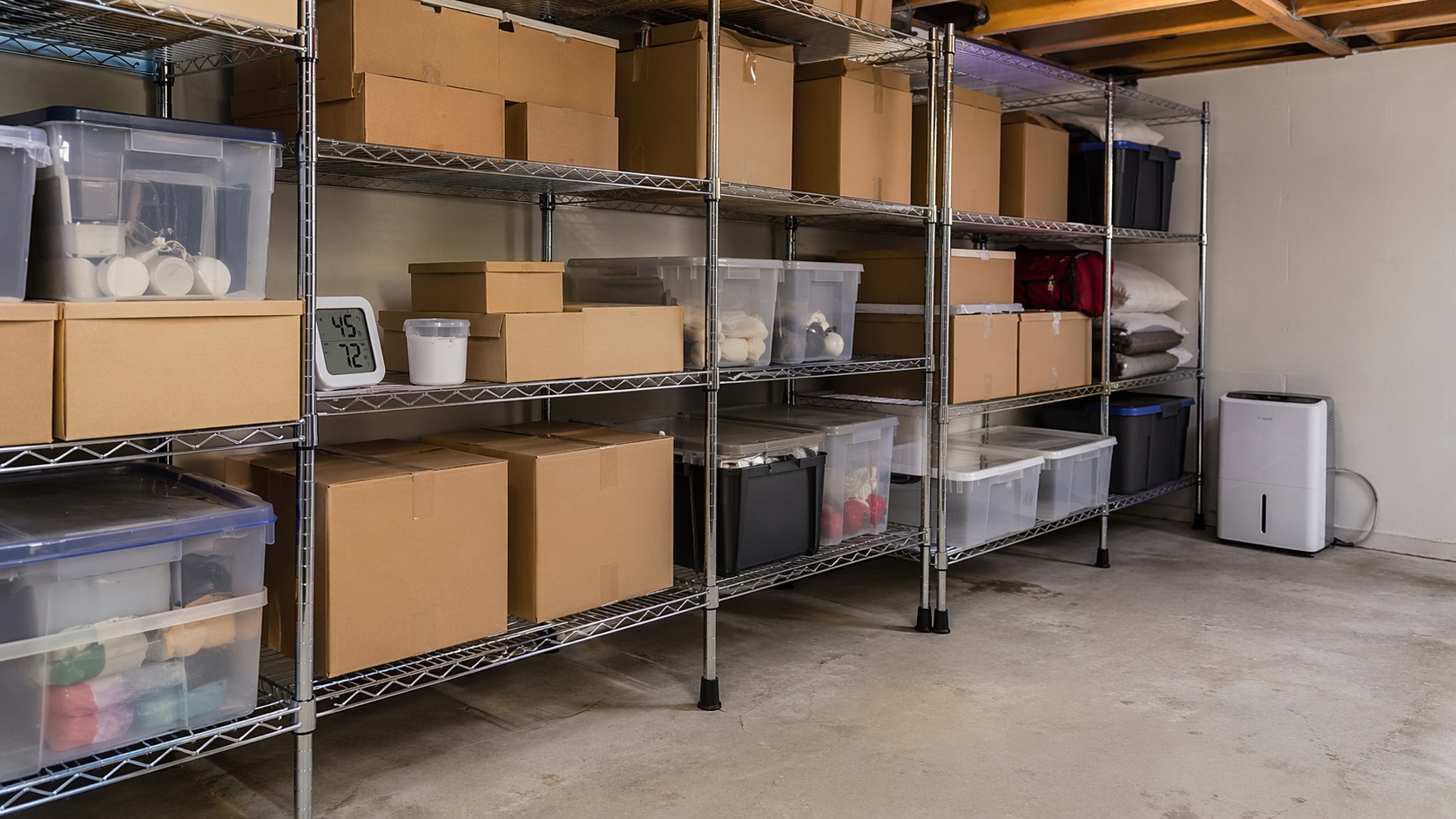
To prevent mold in storage areas, keep stored items dry, elevated, and spaced so air can move around them. Avoid placing cardboard, fabric, paper, books, or seasonal decorations directly on cool floors or against exterior walls, especially in basements, garages, closets, and utility rooms.
Storage mold usually starts with moisture, not with the boxes or belongings themselves. Low airflow, high humidity, condensation on cool surfaces, damp flooring, and long periods without inspection can allow mold to grow quietly on cardboard, fabrics, paper goods, wood, and other stored materials.
Good storage mold prevention means controlling room humidity, using shelves or pallets instead of floor storage, leaving gaps around walls and stacks, checking for musty odor, and inspecting stored items before and after humid seasons. If mold is already visible on stored materials, cleanup guidance from How to Remove Mold Permanently may help, but the storage area still needs moisture correction so the problem does not return.
For broader long-term moisture prevention across the home, see How to Prevent Recurring Moisture Damage.
Why Storage Areas Are Prone to Mold
Storage areas create many of the same conditions that mold prefers: still air, trapped humidity, cool surfaces, and materials that hold moisture. These conditions often stay unnoticed because storage spaces are checked less often than living areas.
Limited Airflow
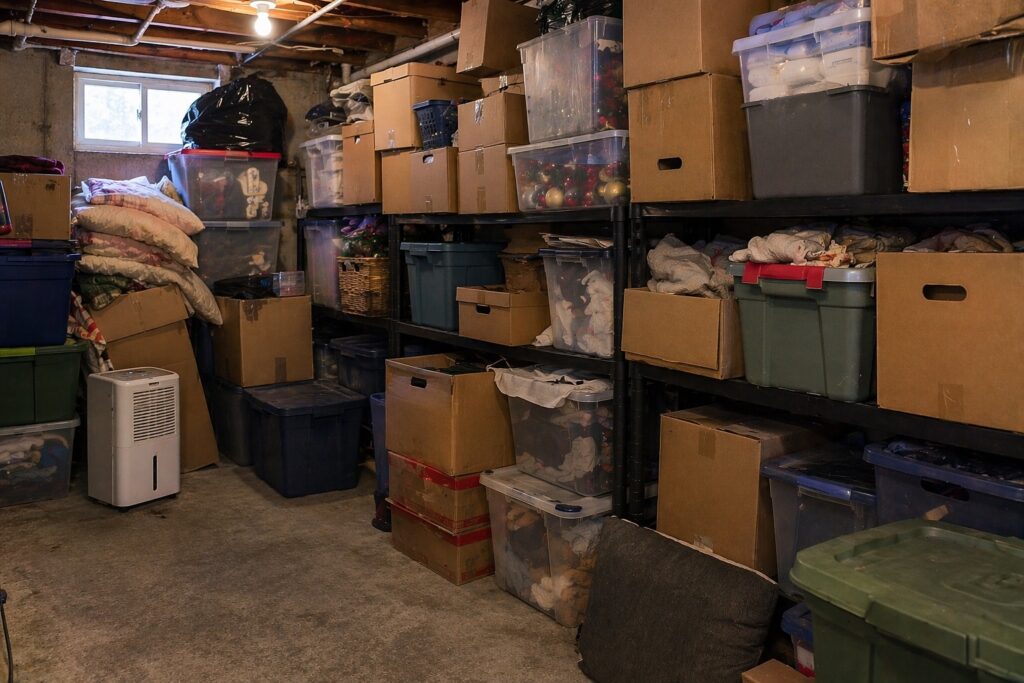
One of the biggest reasons mold develops in storage areas is limited airflow. Stored materials packed closely together prevent air from moving freely, and many storage rooms are naturally more enclosed than the rest of the home.
Limited airflow is more common when:
- Boxes are stacked tightly wall to wall
- Stored items fill corners and floor edges
- Storage rooms remain closed most of the time
- Shelves and bins leave little open space for circulation
When air cannot move through the storage area, moisture lingers longer and surfaces dry much more slowly.
Moisture Trapped in Stored Materials
Storage items themselves can trap moisture, especially when they are made from absorbent materials. Cardboard, fabric, paper, wood, and some soft household goods all hold moisture more easily than people expect.
Moisture-trapping materials may include:
- Cardboard boxes
- Stored clothing and linens
- Paper records and books
- Seasonal decorations with fabric components
- Soft storage bins and packing materials
Once these materials absorb moisture, mold can form on the items themselves or on nearby surfaces where dampness remains trapped.
For fabric-heavy storage, the closet-specific guidance in how to prevent mold in closets may help. If seasonal decorations or supplies are stored in a garage, also see how to prevent mold in garages.
Cool Surfaces Causing Condensation
Many storage spaces have walls, floors, or corners that stay cooler than the surrounding air. Basements, garages, and exterior-wall storage rooms are especially prone to this problem. When humid air reaches a cool surface, condensation can form and create the damp conditions mold needs.
Condensation is more likely when:
- The storage area is on an exterior wall
- Concrete floors stay cool
- Humidity rises during warm weather
- Stored items are placed directly against cold surfaces
Even light repeated condensation can be enough to support mold when stored materials remain in contact with those areas for long periods. Concrete floors are especially cool in below-grade spaces, which is why the basement-specific prevention methods found in how to prevent mold in basements are often necessary.
Long-Term Storage Risks
Long-term storage creates extra mold risk because items sit untouched for extended periods. Small moisture problems that would be noticed quickly in living spaces may continue for months in storage areas before anyone realizes there is a problem.
Long-term storage increases mold risk because:
- Items are inspected less often
- Musty odor builds up in enclosed containers
- Dampness may continue unnoticed through seasonal changes
- Stored belongings remain in contact with problem surfaces too long
The longer materials remain undisturbed in a damp environment, the more likely mold becomes.
Where Storage Mold Problems Commonly Occur
Storage mold problems can develop in many parts of a home, especially in areas where airflow is limited and materials remain undisturbed for long periods. Understanding where storage risks commonly occur helps homeowners apply the right prevention methods for each location.
- Closets: Enclosed spaces with clothing and fabrics often trap humidity. See How to Prevent Mold in Closets.
- Basements: Below-grade storage spaces often experience higher moisture levels. See How to Prevent Mold in Basements.
- Garages: Vehicle moisture and outdoor exposure increase mold risk. See How to Prevent Mold in Garages.
- Utility Rooms and Storage Rooms: These areas may experience seasonal humidity changes and limited airflow.
Storage Habits That Reduce Mold Risk
The way items are stored has a major effect on whether mold develops over time. Good storage habits help reduce trapped moisture, improve airflow, and keep belongings from sitting in the kinds of damp conditions that encourage mildew and mold. Even in naturally humid spaces, better storage habits can lower risk significantly.
Keep Items Off Floors
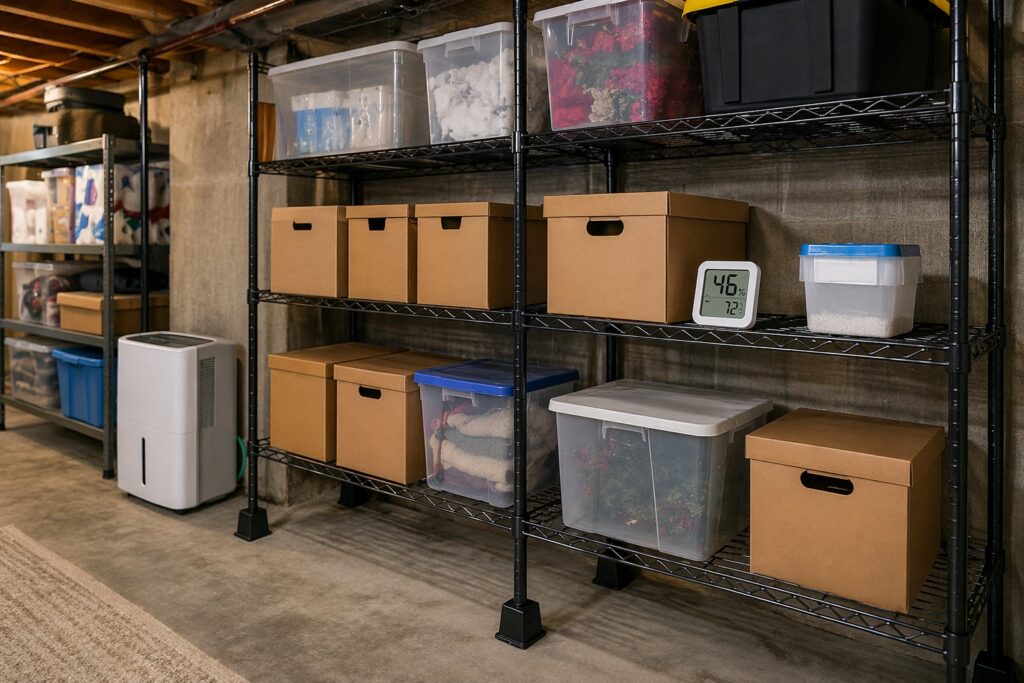
One of the most effective mold-prevention habits in storage areas is keeping boxes and stored materials off the floor. Floors, especially concrete floors in basements and garages, often stay cooler and damper than shelves or elevated surfaces.
Keeping stored items off the floor helps by:
- Reducing contact with cool, moisture-prone surfaces
- Lowering the chance of condensation affecting boxes
- Protecting items from minor water intrusion or floor dampness
- Improving airflow beneath stored materials
This is especially important for cardboard, fabric, paper goods, books, and soft storage materials that can wick moisture from concrete, damp flooring, or minor water intrusion before the room looks obviously wet.
Avoid Sealed Moisture Traps
Not every sealed container protects against mold. In some cases, sealing slightly damp items inside a container traps moisture where it cannot escape. That creates exactly the kind of enclosed environment mold needs.
Moisture traps are more likely when:
- Items are packed before they are fully dry
- Condensation forms inside containers
- Boxes are tightly sealed in damp environments
- Stored contents already carry residual moisture
The goal is not simply to seal everything tightly. The goal is to store items dry and in conditions where trapped moisture is less likely to build up unnoticed.
Before storing clothing, linens, holiday decorations, camping gear, documents, or fabric items, make sure they are completely dry. Even slightly damp items can create mold inside a bin, box, or closet-style storage area when they are left closed for weeks or months.
Allow Airflow Around Stored Materials
Storage works better when air can move around the items instead of being blocked on all sides. Tight stacks pressed against walls and corners trap humidity and reduce drying, especially in rooms that already have limited circulation.
Allowing airflow helps by:
- Reducing stagnant damp pockets
- Helping walls and floors dry more evenly
- Making musty odor easier to detect early
- Lowering the chance of mold spreading from one item to another
Leave a small gap between storage stacks and walls, avoid packing boxes tightly into corners, and keep pathways open enough that air can move through the space. Even a few inches of clearance behind shelves and around stacks can reduce stagnant damp pockets.
Use Breathable Storage Methods When Appropriate
Some materials benefit from storage methods that do not trap every bit of air and moisture. This is especially true for items like seasonal fabrics, linens, and certain household goods that may hold small amounts of humidity if packed too tightly.
Breathable storage methods can help by:
- Reducing moisture buildup around sensitive items
- Allowing air exchange where full sealing is not ideal
- Helping stored materials stay drier over long periods
- Lowering stale odor buildup inside packed areas
The best storage method depends on the material, but in general, dry items stored with thoughtful airflow tend to fare better than items packed tightly into damp environments.
Environmental Conditions That Increase Storage Mold Risk
Even good storage habits may not be enough if the environment surrounding stored items stays too damp. Storage mold is often caused by the environment surrounding the items, not just by the way the items were packed. Recognizing these room-level conditions helps prevent ongoing damage.
High Humidity
High humidity is one of the biggest risk factors for mold in storage spaces, and broader moisture control methods described in how to reduce humidity in a house can help stabilize conditions. When the air stays damp, boxes, fabrics, paper, and wood materials can all absorb moisture over time, even without a visible leak.
As a practical target, try to keep storage areas below about 50% relative humidity when possible. Short seasonal spikes may happen, but storage rooms that regularly stay above 60% are much more likely to develop musty odor, condensation, and mold on stored materials.
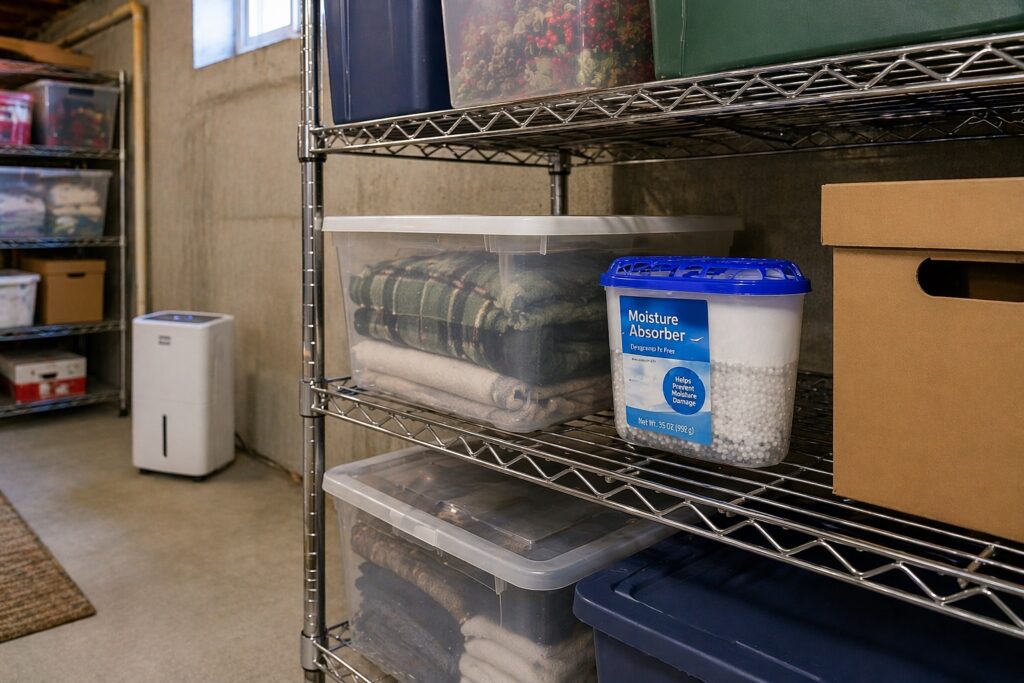
Humidity-related storage risk is higher when:
- The room feels damp or stale regularly
- Humidity rises in warm or rainy weather
- The storage area is in a basement or enclosed utility space
- Stored materials feel cool or slightly damp to the touch
If room humidity may be contributing to the problem, tracking it can help confirm the pattern. For related guidance, see Best Hygrometers for Home Humidity.
Seasonal Dampness
Some storage areas only develop mold problems during certain times of year. Seasonal humidity, rainy periods, or colder weather can create changing conditions that make storage spaces much more vulnerable even when they seem fine the rest of the year.
Seasonal risk is more likely when:
- Musty odor appears during rainy months
- Stored items feel different in humid weather
- Condensation forms during temperature swings
- The room seems dry part of the year and damp at other times
This is why storage areas that seem safe most of the time can still develop mold if seasonal moisture conditions are ignored.
Poor Ventilation
Ventilation affects how quickly moisture leaves the storage space. Poorly ventilated rooms hold damp air longer, which slows drying and encourages mold growth on both stored items and surrounding surfaces.
Poor ventilation is more likely when:
- The room stays closed most of the time
- Air movement is minimal
- Shelves and stored items block circulation paths
- The space has no active moisture control
Even simple improvements in air movement can help reduce the time surfaces and materials stay humid.
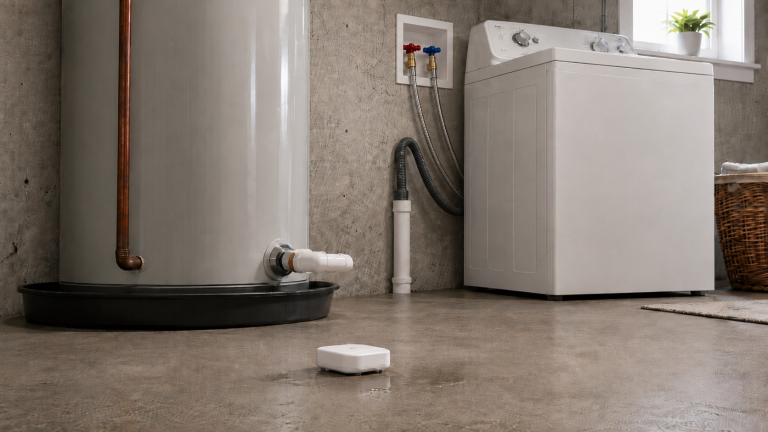
Hidden Moisture in Floors or Walls
Sometimes storage mold keeps returning because the room itself has a concealed moisture issue, which is often explained by why mold keeps coming back after cleaning. Damp walls, hidden plumbing leaks, or floor moisture can affect stored items even when the room does not appear obviously wet.
Hidden moisture becomes more likely when:
- One area of the storage room smells mustier than the rest
- Stored items near one wall develop mold repeatedly
- Baseboards, corners, or lower wall sections show subtle staining
- The floor feels cooler or damper in one section
When that happens, preventing mold means investigating the room structure as well as the stored belongings, often starting with guidance such as how to find hidden water leaks inside walls.
Tools That Help Protect Storage Areas
Storage mold prevention becomes much more effective when moisture conditions are measured instead of guessed. Because storage rooms are often checked infrequently, a few simple tools can help detect whether humidity is staying too high, whether walls or floors are holding hidden moisture, and whether the space is becoming mold-prone before stored items are damaged.
Hygrometers
A hygrometer helps track humidity levels in or near the storage area. This is especially useful in basements, garages, utility rooms, and long-term storage spaces where the air may feel only slightly damp even while mold risk is rising.
A hygrometer can help you identify:
- Humidity spikes during rainy weather
- Storage rooms that stay damp longer than expected
- Seasonal changes that increase mold risk
- Whether airflow or dehumidification changes are improving the space
Humidity tracking is one of the best ways to understand whether the room itself is creating a risk for stored belongings. For more guidance on selecting one, see Best Hygrometers for Home Humidity.
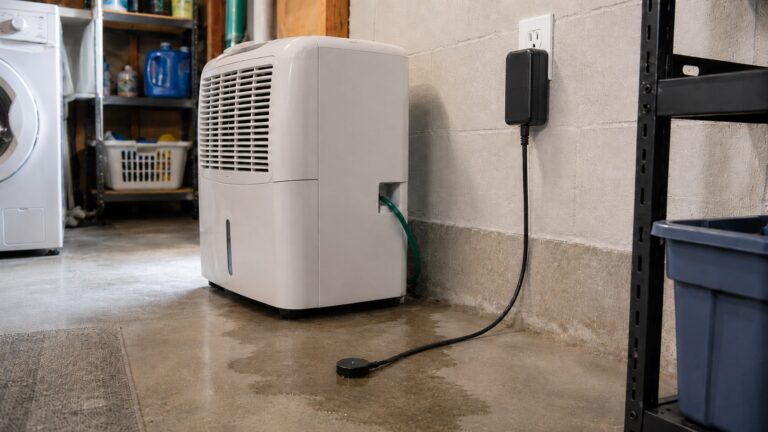
Dehumidifiers
When a storage room stays damp because of overall humidity rather than one obvious leak, dehumidification can make a major difference. This is often helpful in basements, enclosed utility rooms, and other storage areas that tend to hold moisture in the air for long periods.
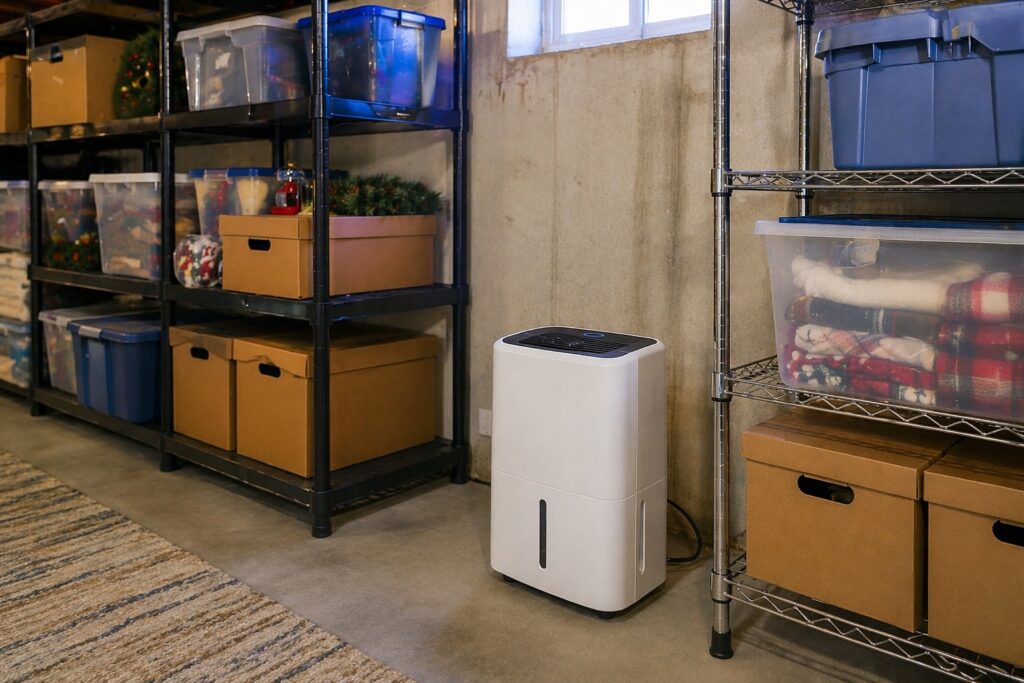
A dehumidifier can help by:
- Reducing moisture in the room air
- Helping walls and stored materials dry faster
- Lowering the chance of condensation forming on cool surfaces
- Reducing musty odor buildup over time
If a dehumidifier is part of the strategy, settings matter. For related guidance, see Best Dehumidifier Settings to Prevent Mold.
Moisture Meters
When mold keeps appearing on stored items near one wall, floor section, or corner, a moisture meter can help determine whether the room structure is contributing to the problem. This is especially useful when the storage area seems dry at first glance but still produces odor or repeated mold damage.
A moisture meter may help you check:
- Lower wall sections
- Baseboards and trim
- Floor edges near storage stacks
- Areas where boxes or bins repeatedly become musty
If those materials show elevated moisture, the problem may involve hidden dampness in the room itself rather than only poor storage habits. For related tool guidance, see Best Moisture Meters for Hidden Water Damage.
Long-Term Storage Mold Prevention Strategies
Preventing mold in storage areas is not just about one good setup at the beginning. Long-term storage needs periodic review, because conditions change with weather, seasons, and room use. A space that seems safe in one month may become much more mold-prone later if the environment shifts.
Seasonal Inspections
Storage areas should be checked at least seasonally, especially before and after humid weather. Open a few boxes or bins, smell for musty odor, look behind stacks, check lower walls and floor edges, and inspect cardboard corners, fabric items, books, and paper goods for dampness or spotting.
Seasonal checks should focus on:
- Musty odor in the room or containers
- Condensation or damp corners
- Changes in walls, floors, or trim
- Boxes or fabrics that feel cooler, softer, or slightly damp
Even a quick inspection can help reveal whether the storage environment is changing in a way that increases mold risk.
Rotate Stored Materials
Items that sit untouched for long periods are more likely to develop hidden mold or stale odor before anyone notices. Rotating stored materials periodically helps expose problem areas earlier and reduces the chance of one wall, floor section, or corner quietly affecting everything nearby.
Rotating stored materials can help by:
- Making it easier to inspect hidden surfaces
- Reducing prolonged contact with one damp area
- Revealing boxes or items that are beginning to smell musty
- Improving airflow patterns in the storage layout
This is especially useful for seasonal decorations, stored clothing, paper goods, and long-term household supplies.
Monitor for Musty Odor
Musty odor is often one of the earliest signs that a storage space is becoming too damp. In many cases, smell appears before visible mold is obvious. Paying attention to odor can help homeowners act earlier, before belongings are damaged.
Musty odor is more concerning when:
- The room smells worse when first opened
- One stack or corner smells stronger than the rest
- The odor returns during humid weather
- Stored fabrics or cardboard begin smelling stale
If odor is becoming a repeated problem, it may help to think beyond the stored items and inspect the room for hidden dampness or poor moisture control.
For smaller enclosed storage spaces, see How to Prevent Mold in Closets.
When Storage Mold Prevention Requires Larger Moisture Solutions
Some storage areas continue to develop musty odor, damp materials, or recurring mold even when the storage setup itself improves. When that happens, the problem usually goes beyond boxes, bins, or shelf spacing. A larger room-level or structural moisture issue may be affecting the storage area.
Persistent Dampness
If a storage room regularly feels damp, cool, or stale, the surrounding environment may be too moisture-heavy for stored belongings to stay dry safely. This is especially common in basements, garages, and enclosed utility rooms where air movement is limited and moisture tends to linger.
Persistent dampness becomes more concerning when:
- The room never seems to dry fully
- Walls or floors feel cool and clammy
- Musty odor returns even after airflow improves
- Humidity stays high for long periods
In those cases, better storage habits still help, but the larger moisture conditions in the room need attention too.
Repeated Mold on Stored Items
If mold keeps appearing on stored boxes, fabrics, or supplies, that is a strong sign that the environment is still favoring mold growth. Repeated damage usually means the air, walls, floor, or nearby surfaces are contributing ongoing moisture rather than the problem being caused by one isolated storage mistake.
If mold keeps returning on items stored near the same wall, floor edge, appliance, foundation wall, or exterior corner, do not treat it as only a storage problem. Repeated mold in the same area usually means moisture is still entering or collecting there, and the room should be checked for leaks, condensation, damp materials, or hidden moisture before items are stored there again.
This is more likely when:
- The same section of stored items keeps developing mold
- Freshly packed dry items still become musty later
- Cardboard near one wall always shows the first signs
- Fabrics absorb odor even after the room has been aired out
When mold keeps returning to stored items, the room itself needs to be evaluated as carefully as the storage method.
Structural Moisture Conditions
Sometimes the real source of storage mold is hidden moisture in the storage area itself. Damp foundation walls, minor leaks, moisture moving through flooring, or concealed wall moisture can all create a room that keeps damaging stored belongings even when they are packed thoughtfully.
Structural moisture may be more likely when:
- One wall or corner always smells worse than the rest
- Items near the floor develop odor or mold first
- Staining, bubbling paint, or soft trim appears in the room
- The problem worsens after rain or weather changes
When that happens, the next step is to look for the moisture source rather than just rearrange the stored items. In that situation, Find Hidden Water Leaks Inside Walls can help guide the investigation.
Frequently Asked Questions
Why do storage areas get mold easily?
Storage areas get mold easily because they often have low airflow, high humidity, cool surfaces, and absorbent materials such as cardboard, paper, and fabric. These conditions allow moisture to linger longer than it would in more active living spaces.
How do you keep stored items from molding?
Keep items dry before storing them, avoid overcrowding, allow airflow around stacks, keep materials off damp floors, and control humidity in the storage area. The room environment matters just as much as the storage container.
Should boxes be stored directly on the floor?
No, that is usually a poor idea, especially on concrete or cool floors. Keeping boxes off the floor helps reduce contact with damp surfaces, lowers condensation risk, and improves airflow beneath stored materials.
Does airflow help prevent storage mold?
Yes. Airflow helps storage areas dry more evenly, reduces trapped humidity, and lowers the chance that boxes or stored items will sit in stagnant damp air for long periods.
Why do stored items smell musty?
Stored items often smell musty because moisture has been trapped in the room, the container, or the item itself. Cardboard, fabric, and paper absorb odor easily, especially when the storage space stays humid or poorly ventilated.
Key Takeaways
- Storage areas are mold-prone because they often trap humidity, have lower airflow than living spaces, and may stay damp along floors, walls, and corners without obvious warning signs.
- Keeping items off floors and allowing space around stored materials reduces contact with damp surfaces and improves drying.
- Cardboard, fabric, paper, and other absorbent materials are especially vulnerable to trapped moisture.
- Humidity tracking, dehumidification, and moisture checks can help reveal risk before stored belongings are damaged.
- Musty odor is often an early sign that storage conditions are becoming too damp.
- Repeated mold on stored items usually means the room itself has an ongoing moisture problem that still needs to be addressed.