
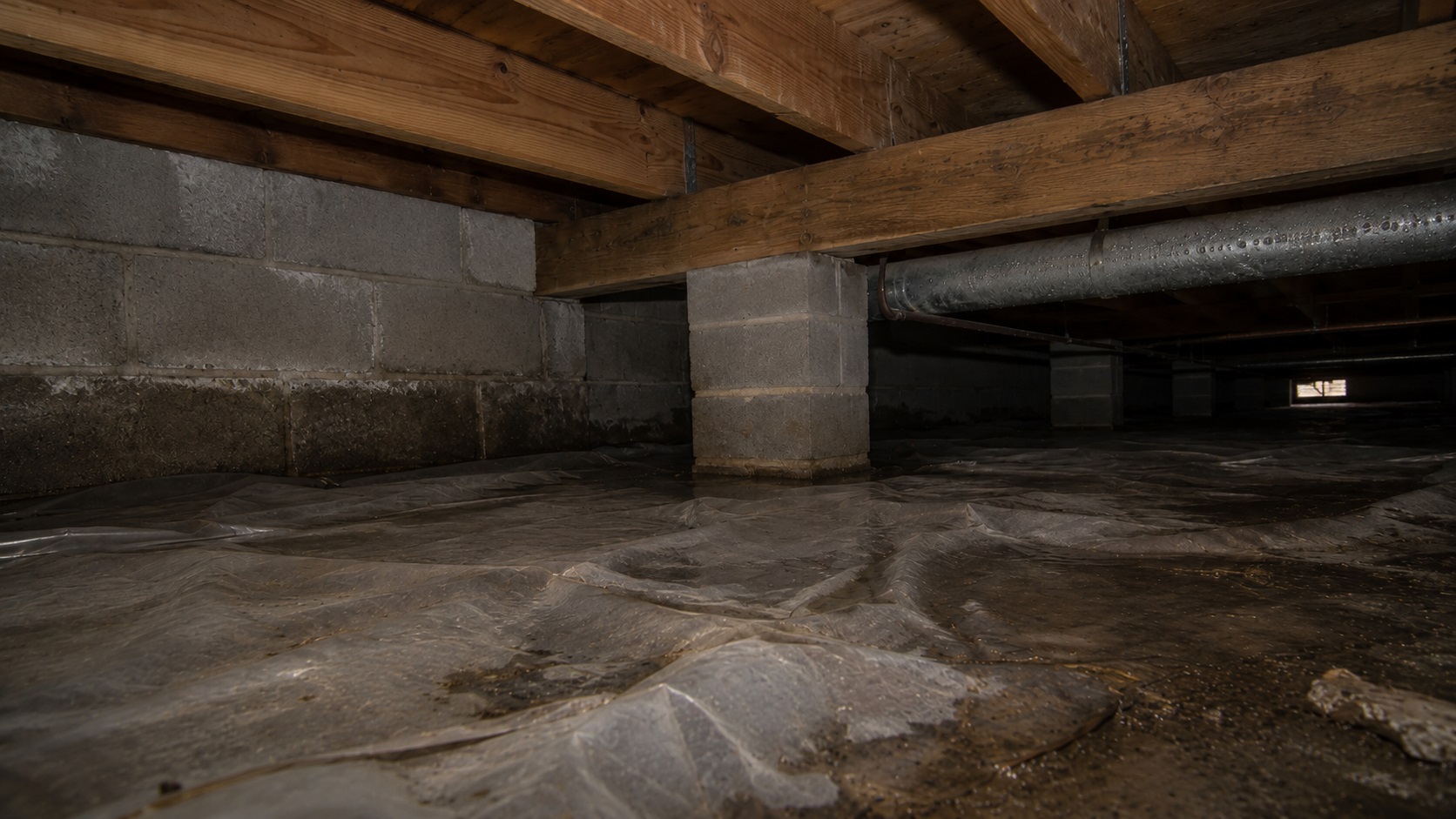
Signs of Moisture in Crawl Spaces
The most common signs of moisture in crawl spaces include musty odors, damp soil, condensation on wood framing, sagging insulation, rusted metal, foundation stains, warped floors, and indoor humidity that seems to come from below the home.
These signs often appear slowly because crawl spaces are rarely inspected. A crawl space can look dry near the access opening while moisture collects farther inside, under insulation, along foundation walls, or against floor framing.
This guide explains the warning signs that usually mean crawl space moisture is present, how those signs become more serious, and when the next step is a closer inspection using methods described in how to find hidden moisture in different areas of your home.
Why Crawl Space Moisture Often Goes Unnoticed
Crawl spaces are hidden areas that most homeowners rarely inspect. Because of this limited visibility, moisture can accumulate gradually without obvious warning signs until damage becomes noticeable inside the living space.
Limited Visibility and Infrequent Access
Unlike basements or garages, crawl spaces are difficult to access and uncomfortable to enter. Many homes go years without a full crawl space inspection, so seasonal drainage changes, damp soil, condensation, or insulation problems can develop before anyone sees them.
Small moisture signs may not be visible from the access hatch. That is why some of the first clues appear inside the home above, such as musty odors, soft flooring, or indoor humidity that keeps returning.
Humidity Moves Upward Into Living Areas
Moisture in crawl spaces rarely stays contained below the house. Air movement through gaps around plumbing, wiring, ducts, subfloor seams, and floor penetrations can carry damp crawl space air into flooring, insulation, and indoor rooms above.
As a result, homeowners may first notice indoor symptoms before discovering the crawl space source. For example:
- Musty odors inside rooms
- Sticky or humid indoor air
- Warped flooring
- Persistent condensation on windows
These symptoms are often mistaken for indoor humidity problems when the real cause originates below the home.
What to Check First When You Suspect Crawl Space Moisture
If you only have a few minutes, start with the signs that usually reveal the problem fastest: musty odor near the access opening, damp soil, water stains on foundation walls, sagging insulation, rusted metal, and soft or cupped flooring above the crawl space.
Check the crawl space after rain and again during dry weather. A space that looks normal on a dry day may still have a recurring moisture problem if odors, staining, or damp soil return after storms.
Most Common Signs of Moisture in Crawl Spaces
The most reliable way to recognize crawl space moisture problems is by identifying physical warning signs. These symptoms typically appear in predictable patterns as moisture accumulates and materials begin absorbing water.
Some signs are subtle, while others clearly indicate ongoing moisture exposure. The following symptoms are among the most common and reliable indicators that moisture is present under your home.
Musty or Earthy Odors
A persistent musty smell is often the earliest sign of crawl space moisture. These odors are typically caused by damp materials such as wood, insulation, or soil that remain wet long enough for microbial growth to begin.
Homeowners frequently notice these smells:
- After rainfall
- During humid weather
- When entering rarely used rooms
- Near floor vents or baseboards
If musty odors appear repeatedly, especially during humid conditions, they often indicate moisture buildup below the home rather than inside the living space.
Persistent odors may also suggest damp conditions that allow mold to develop. If spots, staining, or fuzzy growth begin to appear below the home, see signs of mold growth in crawl spaces.
Damp or Wet Soil Surfaces
In crawl spaces with exposed soil floors, moisture often appears as darkened or wet patches on the ground. This may result from groundwater seepage, surface runoff, or moisture vapor rising from the soil itself.
Common soil moisture symptoms include:
- Dark soil patches that remain damp
- Muddy or sticky ground
- Uneven moisture patterns after rain
- Water collecting in low spots
Even when standing water is not visible, persistent damp soil indicates that moisture is entering or accumulating faster than it can dry.
These conditions often become worse during heavy rainfall or seasonal weather changes. If moisture appears after storms, the underlying causes may relate to drainage, ground moisture, or foundation entry points described in why crawl spaces develop moisture problems.
Condensation on Wood Framing
Condensation occurs when warm, humid air contacts cooler surfaces such as wooden beams or subfloor panels. When humidity levels remain high, moisture droplets form on these surfaces and may remain for long periods.
Signs of condensation include:
- Water droplets forming on wood
- Wet-looking framing surfaces
- Darkened areas where moisture accumulates
- Persistent dampness even during dry weather
Condensation is especially common during seasonal temperature swings when warm outdoor air enters a cooler crawl space. Over time, repeated condensation can saturate wood and lead to mold growth or structural weakening.
Wet or Sagging Insulation
Crawl space insulation is highly vulnerable to moisture damage. When insulation absorbs water, it becomes heavy and may sag or detach from its mounting position.
Visible insulation warning signs include:
- Sagging insulation panels
- Damp or compressed insulation fibers
- Water stains on insulation surfaces
- Insulation falling away from framing
Wet insulation loses its insulating ability and may trap moisture against wooden surfaces. Over time, this can create conditions that allow wood rot or mold development.
If insulation remains wet or repeatedly sags, the crawl space may need drying before insulation is repaired or replaced. For the recovery phase, see how to dry crawl spaces after moisture exposure.
Rust on Metal Fasteners and Components
Rust formation is a strong indicator of prolonged moisture exposure. Metal components inside crawl spaces—including nails, screws, brackets, and ductwork—react quickly to humid conditions.
Rust-related warning signs include:
- Orange or reddish discoloration on metal surfaces
- Corroded fasteners
- Flaking metal coatings
- Rust streaks on adjacent materials
Rust often appears before major structural damage occurs. Because metal reacts quickly to humidity, corrosion can serve as an early warning signal even when wood damage is not yet visible.
Water Stains on Foundation Walls or Supports
Water stains are one of the clearest visual signs that moisture has been present for extended periods. These stains usually appear as dark streaks, chalky residue, or discoloration along foundation walls, support piers, or wooden beams.
Common foundation staining signs include:
- Dark horizontal lines on foundation walls
- White chalky residue (efflorescence)
- Water streak patterns running downward
- Uneven discoloration across masonry surfaces
These stains typically form when moisture repeatedly evaporates from surfaces, leaving behind mineral deposits. Even if the crawl space appears dry at the moment, visible stains indicate that moisture has been present in the past and may still be entering periodically.
Recurring staining after rainfall is especially important to recognize because it may point to drainage or structural water entry problems. If water collects after storms, see why crawl spaces flood during heavy rain.
Signs of Increasing Crawl Space Moisture Severity
As moisture exposure continues, symptoms typically become more noticeable and damaging. These advanced signs indicate that moisture has persisted long enough to affect materials and structural components.
Recognizing these escalation symptoms early can prevent long-term structural damage and costly repairs.
Mold Growth on Surfaces
Visible mold growth is a strong indicator that moisture has been present long enough to support microbial activity. Mold typically appears as black, green, white, or gray patches on wood, insulation, or other surfaces.
Common mold-related warning signs include:
- Spotted or fuzzy growth on wood framing
- Discoloration on insulation or vapor barriers
- Patchy growth near damp areas
- Persistent musty odors even after ventilation
Mold does not appear instantly. Its presence usually means nearby materials have stayed damp long enough for growth to develop. For crawl-space-specific mold patterns, see signs of mold growth in crawl spaces.
Wood Discoloration and Softening
Wood exposed to moisture often changes appearance before structural damage becomes severe. Early discoloration may appear as darkened streaks or patches along beams, joists, or subfloor panels.
Signs of moisture-related wood damage include:
- Dark staining along wooden surfaces
- Wood that appears swollen or uneven
- Soft spots that feel slightly spongy
- Peeling or flaking surface fibers
As wood continues absorbing moisture, it can weaken structurally. In advanced cases, this may lead to sagging floors or structural instability.
These symptoms are closely related to broader structural warning signs described in signs of structural moisture problems, which explains how long-term moisture affects building strength.
Standing Water Formation
Standing water represents one of the most serious crawl space moisture symptoms. This condition usually occurs when drainage failures, groundwater pressure, or surface runoff allow water to collect faster than it can drain or evaporate.
Standing water signs include:
- Pools of water forming in low areas
- Persistent puddles after rainfall
- Water accumulation near foundation walls
- Muddy areas that remain wet for days
Standing water significantly increases the risk of mold growth, wood rot, and pest infestations. It also raises safety risks, especially if electrical wiring or mechanical systems are present.
When standing water is observed, it often indicates serious moisture entry conditions similar to those described in signs of standing water in crawl spaces, where water accumulation becomes a direct structural concern.
Insulation Collapse or Detachment
As insulation absorbs moisture repeatedly, it may lose its structure and fall away from its mounting points. This often exposes wood framing to humid air and reduces the home’s ability to maintain stable temperatures.
Signs of insulation failure include:
- Insulation hanging loosely or falling
- Compressed or flattened insulation layers
- Visible gaps exposing wood surfaces
- Wet or mold-stained insulation panels
Collapsed insulation often indicates that moisture exposure has continued long enough to saturate materials repeatedly.
Signs That Crawl Space Moisture Is Affecting the Home Above
Many crawl space moisture problems are first noticed inside the home above. Odors, flooring changes, and indoor humidity can all point back to damp conditions below the floor system.
Musty Indoor Air
Musty odors inside living spaces often originate from damp materials beneath the home. Because air moves naturally upward, crawl space humidity can carry odors into rooms through small gaps in flooring or ductwork.
Indoor odor warning signs include:
- Persistent musty smells near floors
- Stronger odors during humid weather
- Odors returning after temporary ventilation
- Unexplained indoor air changes
When these odors return after airing out the room, the crawl space should be checked.
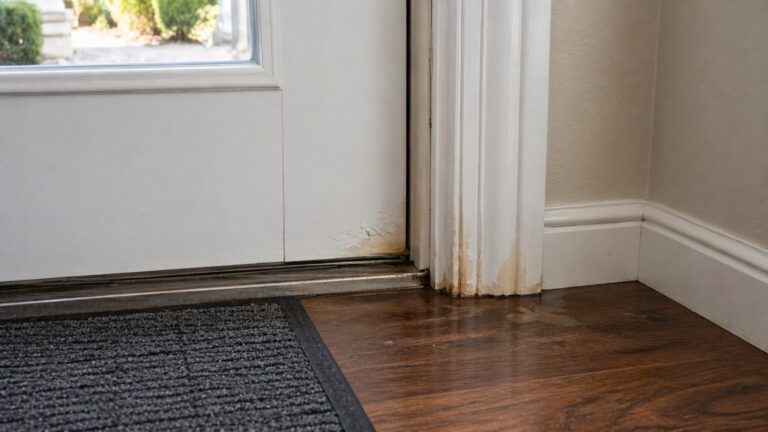
Warped or Cupped Flooring
Wood flooring materials react to moisture by expanding and changing shape. When crawl space humidity increases, moisture may rise into subfloor materials and affect finished flooring above.
Common flooring symptoms include:
- Floorboards that appear raised at edges
- Cupped or uneven surfaces
- Soft or flexible floor sections
- Visible gaps between boards
Warped flooring often indicates prolonged exposure to elevated moisture levels beneath the structure.
Increased Indoor Humidity Levels
Moist crawl spaces can contribute to higher indoor humidity levels. When humidity rises inside living spaces, condensation may form on windows, mirrors, and other cool surfaces.
Humidity-related signs include:
- Condensation on windows
- Sticky or damp indoor air
- Slower drying of laundry indoors
- Unexplained indoor moisture buildup
These symptoms may also connect to broader household humidity conditions similar to those described in signs of high humidity in a house, where elevated moisture affects multiple areas of the home.
Hidden Indicators Many Homeowners Miss
Some crawl space moisture signs only show up after rain, during humid weather, or when temperatures shift. These patterns matter because the crawl space may look normal on a dry day while still having a recurring moisture problem.
Seasonal Moisture Changes
Moisture problems in crawl spaces often follow seasonal patterns. Homeowners may notice symptoms appearing only during certain times of the year, especially during rainy seasons or periods of high humidity.
Common seasonal indicators include:
- Musty odors appearing during rainy weather
- Damp conditions returning each spring or fall
- Visible condensation forming during temperature swings
- Temporary drying followed by repeated moisture return
Seasonal patterns are particularly important because they suggest that moisture is entering the crawl space periodically rather than continuously. Repeated seasonal wetting often indicates drainage or ventilation issues that allow moisture to return over time.
These recurring patterns are closely related to broader moisture behavior explained in why moisture problems keep returning, which describes how unresolved moisture sources can lead to repeated damage cycles.
Foundation Odors After Rain
Strong odors appearing shortly after rainfall often indicate moisture infiltration into the crawl space. Rainwater may enter through foundation cracks, poor drainage zones, or soil saturation around the structure.
Signs associated with rainfall-related moisture include:
- Earthy smells appearing after storms
- Temporary damp odors that fade as surfaces dry
- Wet soil or muddy patches following rainfall
- Recurring moisture in the same locations
These symptoms suggest that water is entering the crawl space intermittently, often through structural gaps, poor grading, clogged drainage, or saturated soil. If the odor appears after storms, compare the pattern with why crawl spaces flood during heavy rain.
Moisture Signs That May Be Temporary
Not every damp crawl space sign means severe damage is already present. A small amount of damp soil after heavy rain, light seasonal odor, or brief condensation during a temperature swing may be temporary if the area dries quickly and does not leave staining, mold, or recurring indoor symptoms.
The warning sign is repetition. If the same odor, damp soil, condensation, staining, or flooring change returns again and again, the crawl space is not drying normally and should be inspected more closely.
When Crawl Space Moisture Becomes Dangerous
Crawl space moisture becomes more urgent when it creates health, structural, or safety risks instead of only mild dampness or odor.
Widespread Mold Growth
Large mold colonies indicate that moisture has remained present long enough to support continuous microbial growth. Widespread mold is not just a cosmetic issue—it can affect structural materials and indoor air quality.
Danger-level mold signs include:
- Mold covering large areas of wood
- Growth spreading across insulation surfaces
- Strong persistent mold odors
- Visible mold returning after cleaning attempts
When mold spreads beyond small isolated patches, professional remediation is often necessary to prevent long-term structural and health risks.
Structural Wood Damage
Long-term moisture exposure can weaken wooden framing components such as joists and beams. As wood absorbs water repeatedly, it may lose strength and stability.
Serious structural warning signs include:
- Wood that crumbles when touched
- Deep cracks forming along beams
- Severe dark staining or rot patterns
- Uneven floor movement above the crawl space
These conditions often signal advanced moisture damage that requires professional evaluation.
Many of these symptoms align with long-term deterioration patterns described in signs of long-term crawl space moisture damage, where repeated exposure leads to structural risks.
Electrical and Safety Risks
Standing water or excessive moisture can create electrical hazards, especially if wiring, outlets, or mechanical equipment are present in the crawl space.
Safety-related warning signs include:
- Water near electrical components
- Exposed wiring in damp areas
- Corroded metal connectors
- Evidence of rodent or pest activity in wet conditions
Do not enter a crawl space with standing water if wiring, outlets, junction boxes, HVAC equipment, sump pumps, or other electrical components may be wet. Shut off power from a safe location if needed and call a qualified professional before entering.
When to Call a Professional
While many early moisture symptoms can be observed by homeowners, certain conditions require professional inspection. Crawl spaces contain structural and environmental risks that may not be safe to evaluate without proper tools and training.
Professional help is recommended when:
- Standing water remains present for more than a few days
- Mold growth covers large areas
- Wood appears soft, cracked, or weakened
- Persistent moisture returns after drying attempts
- Indoor air quality continues to worsen
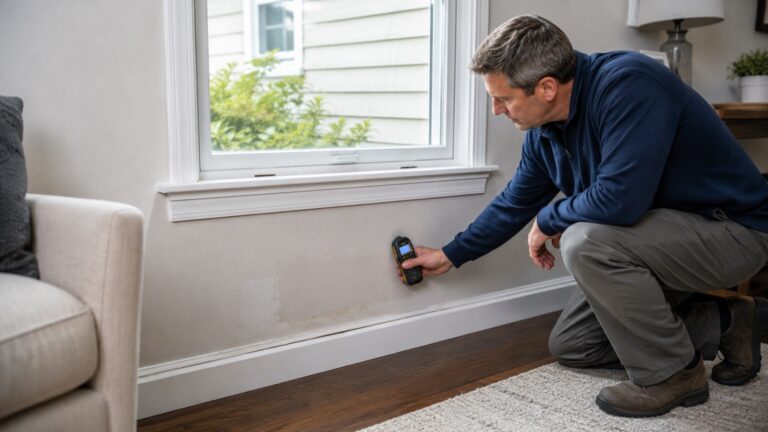
Professional inspectors can evaluate moisture levels, locate hidden sources, and determine whether structural repairs are necessary.
If recurring moisture problems continue despite temporary fixes, reviewing prevention strategies in how to prevent moisture build-up in crawl spaces can help identify long-term solutions.
Frequently Asked Questions About Crawl Space Moisture Signs
What is the earliest sign of moisture in a crawl space?
The earliest sign of crawl space moisture is usually a musty or earthy odor. These smells often appear before visible water or mold develops. Damp air, slight humidity increases indoors, or occasional condensation on windows can also be early warning signals that moisture is present below the home.
Because early symptoms are subtle, many homeowners overlook them until larger issues develop. Recognizing small changes early helps prevent more serious structural damage later.
Can crawl space moisture affect indoor air quality?
Yes, crawl space moisture can affect indoor air quality. Damp air can move through floor penetrations, duct gaps, plumbing openings, and other pathways into living areas above.
Common indoor air effects include:
-Persistent musty odors
-Increased humidity indoors
-Condensation on windows
-Allergy-like symptoms related to mold exposure
Indoor air problems linked to crawl space moisture often worsen over time if the moisture source remains untreated.
Is damp soil normal in crawl spaces?
Slight soil moisture may be normal in some crawl spaces, especially after heavy rainfall. However, soil that remains damp for extended periods or becomes muddy repeatedly is not normal and usually indicates ongoing moisture intrusion.
Persistent damp soil suggests that moisture is entering faster than it can evaporate. This condition often leads to rising humidity levels and material damage if not addressed.
How fast can crawl space moisture cause damage?
Mold odors and surface staining can appear quickly when crawl space materials stay damp, but structural damage usually develops over weeks or months of repeated moisture exposure.
The speed of damage depends on:
-Humidity levels
-Temperature conditions
-Whether wood, insulation, soil, or masonry is affected
-How often moisture returns after rain or humid weather
Even a short moisture event can create longer-term problems if the crawl space does not dry properly.
Do musty smells always mean mold is present?
Musty smells do not always mean visible mold is present, but they usually indicate damp conditions that allow mold to grow. Odors often appear before mold becomes visible, especially when moisture is trapped inside insulation or wooden materials.
If musty smells persist without visible mold, hidden moisture may be present. In these cases, using methods described in how to detect hidden moisture in crawl spaces can help identify underlying problems.
Can a crawl space look dry and still have moisture?
Yes. A crawl space can look dry near the access opening while moisture remains farther inside, under insulation, against foundation walls, or in soil areas that are hard to see. Odor, staining, rust, sagging insulation, or flooring changes above the crawl space can all point to hidden moisture even when no standing water is visible.
Conclusion
The clearest signs of moisture in crawl spaces are musty odors, damp soil, condensation on framing, sagging insulation, rust, foundation stains, mold growth, standing water, and changes in the floors or indoor air above.
If the signs are mild, start by confirming where moisture is showing up and whether it returns after rain or humid weather. If you see standing water, widespread mold, soft wood, electrical hazards, or recurring moisture after temporary drying, a professional crawl space inspection is the safer next step.
If you suspect moisture but cannot confirm the source visually, continue with how to inspect crawl spaces for moisture damage.
12 Comments
Comments are closed.