
10 Signs of Hidden Moisture in Walls (Before Serious Damage Starts)
Hidden moisture in walls is easy to miss because the surface can look mostly normal while dampness spreads behind drywall, softens materials, stains paint, and creates conditions for mold growth.
If you notice a musty smell, a strange stain, bubbling paint, soft drywall, warped trim, or one cold damp patch that keeps returning, the wall deserves closer attention. This article focuses on the signs themselves so you can recognize a possible moisture problem before serious damage starts.
For a broader room-by-room moisture inspection path, see how to find hidden moisture in different areas of your home. If you already have visible mold growth, use how to remove mold permanently for cleanup guidance after the moisture source is addressed.
Quick Answer: The Most Common Signs of Hidden Moisture in Walls
The most common signs of hidden moisture in walls include:
- Musty or damp odors that keep coming back
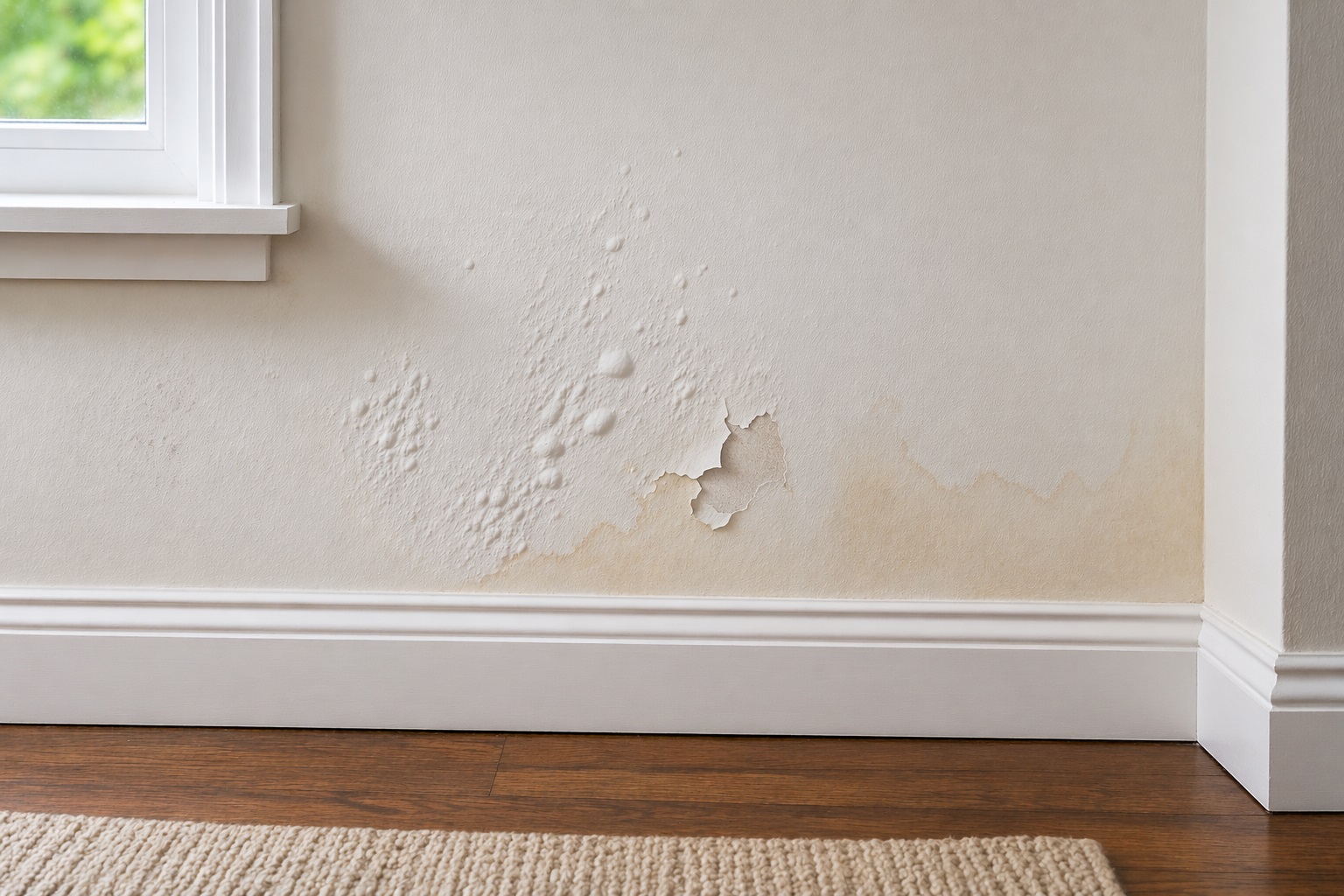
- Yellow, brown, or dark discoloration on paint or drywall
- Bubbling, peeling, or cracking paint
- Drywall that feels soft, swollen, or slightly spongy
- Warped baseboards or trim
- Cold or damp patches in one part of the wall
- Recurring mold spots near the same area
- Higher humidity or condensation in one room
- Unexplained water-bill increases when plumbing walls show other symptoms
- Repairs, paint, or patches that fail again in the same spot
One sign alone does not always prove there is moisture inside a wall. But when several of these show up together, especially near bathrooms, kitchens, laundry rooms, windows, or exterior walls, the chance of hidden moisture goes up significantly.
Why Hidden Moisture in Walls Is a Bigger Problem Than It Looks
Hidden wall moisture is often slower than a burst pipe or obvious ceiling leak. A tiny plumbing leak, repeated condensation, or wind-driven rain intrusion can add moisture a little at a time, allowing damage to continue long after the source would have been easier to fix.
That matters because moisture inside walls can weaken drywall, stain paint, swell trim, damage insulation, and create conditions for mold growth. Early signs help you act before moisture spreads into more materials.
1. A Musty Smell That Does Not Go Away
One of the earliest signs of hidden moisture in walls is a persistent musty smell. If an odor keeps returning after cleaning, opening windows, or using air fresheners, it may point to trapped dampness nearby.
A musty odor matters because moisture problems are not always visible from the outside. Drywall, insulation, wood framing, and trim can hold moisture behind the painted surface. When that happens, the area may begin to smell before it shows obvious staining or swelling.
This sign becomes more meaningful when the smell is stronger:
- after rain
- after showers
- when the room stays closed up
- near plumbing fixtures or an exterior wall
- inside a closet that shares a bathroom wall
If you notice a musty smell coming from one specific section of the room rather than the entire house, pay attention to that location first. Smell is often the earliest clue that hidden moisture has been present longer than you think.
2. Yellow, Brown, or Dark Stains on the Wall
Discoloration is one of the clearest visual signs of moisture damage behind walls. Water does not always create a dramatic wet patch. Sometimes it leaves a faint yellow ring, a dull brown stain, or a shadowy darkened area that seems to grow slowly over time.
These stains often appear around:
- windows
- baseboards
- ceiling-to-wall joints
- toilet and shower plumbing walls
- kitchen sink walls
- exterior-facing drywall
The reason staining matters is that water usually travels before it becomes visible. What you see on the surface is not always the exact point where moisture first entered. A leak higher up, farther over, or deeper in the wall cavity may be feeding the stain you see now.
If the stain keeps returning after repainting, that is an especially important warning sign. Cosmetic fixes do not stop moisture. They only hide it temporarily.
3. Bubbling, Peeling, or Cracking Paint
Paint problems are often blamed on age or poor prep, but hidden moisture is a common reason walls start to bubble, peel, or crack. When water gets into or behind drywall, it affects how well paint or wallpaper adhere to the surface. Over time, the finish can begin lifting away, blistering, or splitting.
This kind of damage is especially suspicious when it happens in a localized area rather than uniformly across the room. For example, if one section near a shower wall, window, or plumbing line keeps bubbling while the rest of the room looks fine, hidden moisture is much more likely.
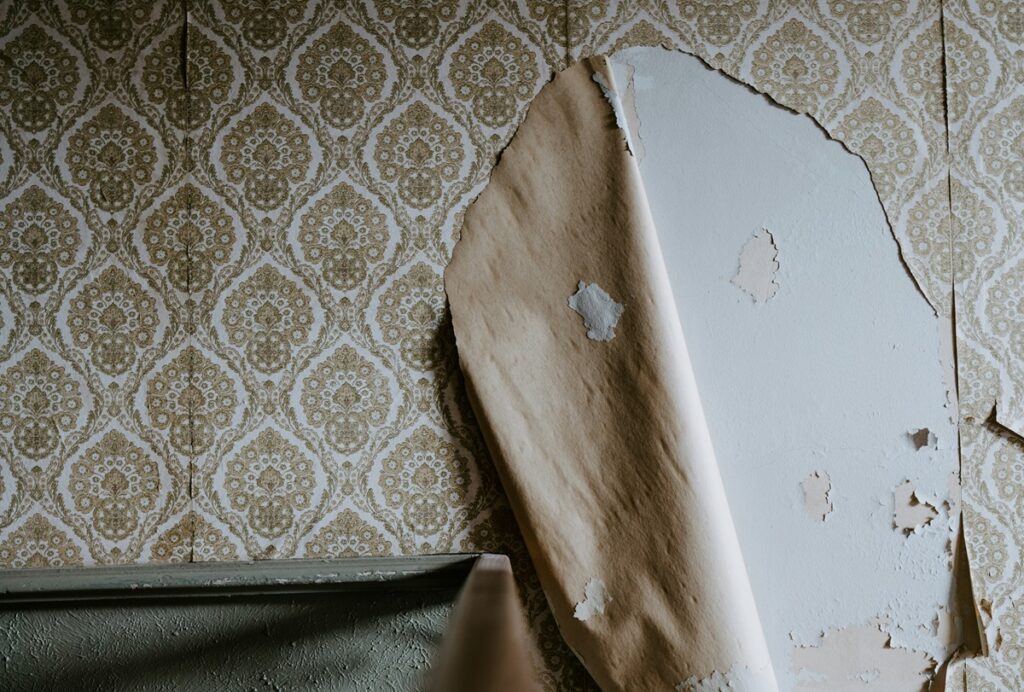
Watch for patterns like these:
- small raised paint bubbles
- peeling that returns after repainting
- wallpaper detaching from the wall
- hairline cracks that widen over time
- paint that feels loose or thin in one damp-looking area
Paint failure does not always mean a leak, but repeated paint failure in the same spot should never be ignored. It is often one of the earliest visible clues that the wall is dealing with more moisture than it should.
4. Drywall That Feels Soft, Swollen, or Slightly Spongy
Drywall should feel firm. If a section of wall feels softer than the surrounding area, slightly swollen, or subtly spongy when pressed, that is a major warning sign. Moisture weakens drywall over time, especially if the material has been repeatedly damp or has stayed wet longer than it should.
You do not need to press hard. A gentle touch is enough to compare suspicious areas with a clearly dry part of the wall nearby. Focus on places where hidden leaks commonly develop, such as under windows, behind washing machines, near tubs and showers, under sinks, or along exterior walls.
Signs to watch for include:
- a wall surface that gives slightly under pressure
- subtle bulging or unevenness
- baseboard areas that feel swollen
- trim that no longer sits flush against the wall
If you find a soft area, avoid cutting into the wall immediately unless you already know the area is safe and the cause is minor. First, compare the spot with nearby dry sections and look for related signs such as staining, odor, swelling, or recurring paint failure. For the actual confirmation process, use the separate guide on how to detect moisture without opening walls.
5. Warped Baseboards or Trim That No Longer Sit Flat
Baseboards and trim are often the first building materials to show subtle signs of hidden moisture in walls. Because these materials sit close to the floor and along seams, they are especially vulnerable to slow leaks, condensation, and moisture that travels downward inside wall cavities.
If hidden moisture is present, wood and composite trim materials may begin to absorb water. Over time, this can cause swelling, distortion, or separation from the wall surface.
Look for warning signs such as:
- Baseboards pulling slightly away from the wall
- Gaps forming between trim and drywall
- Warped or bowed sections of molding
- Paint cracking along trim edges
- Baseboards that feel swollen or rough to the touch
Warped trim often appears before larger wall damage becomes obvious. If baseboards no longer sit flat—especially in bathrooms, kitchens, laundry rooms, or along exterior walls—check the surrounding area for odor, stains, soft drywall, or recurring paint failure.
6. Cold or Damp Patches on One Section of Wall
A wall that feels unusually cold or damp compared to surrounding surfaces can signal trapped moisture behind drywall. Even when moisture is not visible, it can change how the wall retains temperature and humidity.
This symptom is especially common in:
- Exterior walls exposed to rain
- Walls behind plumbing fixtures
- Rooms with high humidity
- Basements or lower-level walls
You may notice this difference when:
- Running your hand across the wall
- Standing near one section that feels cooler
- Touching areas near baseboards or corners
A cold patch alone does not confirm a hidden leak, but when paired with discoloration, odor, or swelling, it strengthens the likelihood of trapped moisture inside the wall cavity.
7. Recurring Mold Spots in the Same Location
If mold spots keep returning to the same area—even after cleaning—it usually means moisture is still present behind the surface. Mold rarely grows without moisture, so repeated growth is often a sign of hidden dampness inside walls.
This pattern commonly appears:
- Along baseboards
- Near windows
- Behind furniture placed against exterior walls
- Around plumbing fixtures
- Inside closets
Surface cleaning may remove visible mold temporarily, but if moisture remains trapped behind drywall, mold often returns. When this happens, addressing the moisture source becomes more important than repeated cleaning alone.
If mold growth is already present or spreading, move from symptom-checking to cleanup guidance. Use how to remove mold permanently for safe cleanup steps, but fix the moisture source first or the growth may return.
8. Higher Humidity or Condensation in One Room
A room that feels consistently humid compared to nearby areas may indicate hidden moisture buildup inside walls. Even when the rest of the house feels comfortable, one room may develop excess humidity if moisture is leaking into enclosed spaces.
Common warning signs include:
- Windows fogging frequently in one room
- Condensation forming on nearby surfaces
- A damp or heavy indoor air feeling
- Clothing or fabrics feeling slightly moist
This symptom often occurs when moisture escapes slowly into wall cavities and raises humidity levels in surrounding air. Bathrooms, laundry rooms, and kitchens are especially prone to this issue, but it can also affect bedrooms or living areas located near plumbing lines.
A hygrometer can help confirm whether one room is staying more humid than the rest of the home, but humidity readings should support the visible signs rather than replace them.
9. Unexplained Increases in Water Bills
An unexpected increase in your water bill can support the suspicion of hidden wall moisture when it appears with stains, soft drywall, damp trim, or the sound of running water when fixtures are off.
Signs that a plumbing leak may be present include:
- A steady rise in water usage without lifestyle changes
- The sound of running water when fixtures are off
- Moisture symptoms near plumbing walls
- Recurring dampness in one location
Water usage patterns can sometimes reveal problems before visible damage appears. If your bill increases unexpectedly and moisture signs appear nearby, checking wall areas near pipes becomes especially important.
10. Recurring Paint or Wall Repairs That Never Last
When paint, patches, or wall repairs repeatedly fail in the same area, moisture may be working behind the surface. Many homeowners repaint or patch walls to fix cosmetic damage, only to see the same problem return months later.
This often happens when:
- A stain reappears after repainting
- Cracks return in the same location
- Paint continues bubbling despite repairs
- Drywall repairs fail prematurely
Persistent repair failures usually mean the root cause has not been addressed. Cosmetic improvements cannot fix moisture problems permanently if water is still entering the wall.
Common Sources Behind These Hidden Moisture Signs
The signs above can come from several moisture sources. Common possibilities include:
- Small plumbing leaks behind sinks, tubs, or appliances
- Roof leaks allowing water to travel downward into walls
- Window or exterior wall leaks during heavy rain
- Condensation forming inside poorly ventilated spaces
- High indoor humidity that remains trapped in enclosed areas
If the signs point to an active leak and you cannot see the source, move from symptom-checking to the separate guide on how to find hidden water leaks inside walls.
When the Signs Are Strong Enough to Confirm Moisture
One faint mark does not always justify opening a wall. Confirmation becomes more important when several symptoms appear in the same area or keep returning after cleaning, repainting, or drying the surface.
Take the next step when you notice combinations such as:
- Musty odor plus staining or bubbling paint
- Soft drywall plus warped baseboards or trim gaps
- Cold damp patches that return after rain, showers, or laundry use
- Recurring mold spots in the same location
- A rising water bill plus moisture signs near plumbing walls
For the actual testing process, use how to detect moisture without opening walls before cutting into drywall.
Why These Hidden Wall Moisture Signs Should Not Be Ignored
Hidden wall moisture usually becomes more expensive the longer it stays active. Drywall can soften, paint can fail, trim can swell, insulation can hold dampness, and mold growth becomes more likely when materials remain wet.
The risk increases when the same area keeps showing new stains, odor, swelling, or recurring mold spots. That pattern usually means the source has not been corrected, even if the surface looks dry for a while.
If visible mold is already present, shift from symptom-checking to safe cleanup guidance in how to remove mold permanently, while still fixing the moisture source first.
When to Call a Professional
Call a professional when the signs suggest an active leak, unsafe conditions, structural damage, or mold growth beyond a small surface issue.
Safety note: Do not cut into a wall if water may be near electrical wiring or outlets, sewage contamination, major mold growth, or structural damage. Turn off power to affected areas when water is near electrical components and call a qualified professional if the source or severity is unclear.
You should consider contacting a professional if:
- Moisture signs continue spreading
- You detect strong persistent odors
- Large areas of drywall feel soft
- Mold growth becomes visible
- You suspect a plumbing leak inside a wall
- Water damage appears near structural components
A professional inspection can help confirm whether the moisture is active, where it may be coming from, and whether opening the wall is necessary.
What to Do After You Notice Hidden Wall Moisture Signs
After you notice hidden wall moisture signs, the goal is not to cover them up. The goal is to confirm whether moisture is active, identify the likely source, and stop the problem before repainting or repairing the surface.
- Check nearby plumbing, windows, exterior walls, bathrooms, laundry areas, and baseboards for related signs.
- Watch whether the odor, stain, cold patch, or paint failure gets worse after rain, showers, laundry use, or humid weather.
- Avoid repainting, caulking over stains, or replacing trim until the moisture source is fixed.
- Use how to detect moisture without opening walls if you need to confirm the problem before opening drywall.
- Use how to prevent mold behind walls for long-term prevention after the moisture source is under control.
Frequently Asked Questions About Hidden Moisture in Walls
Can moisture be trapped inside walls without visible leaks?
Yes. Moisture can enter walls through small plumbing leaks, condensation, or exterior gaps that do not produce visible puddles. In many cases, moisture spreads slowly inside wall cavities before appearing on the surface.
How long does it take for mold to grow inside walls?
Mold can begin forming within 24 to 48 hours when moisture remains trapped inside walls. The exact timing depends on temperature, humidity levels, and the type of materials affected. If mold growth is suspected, addressing moisture quickly is essential.
Can drywall dry on its own after getting wet?
Drywall can sometimes dry if moisture exposure is brief and airflow is strong. However, drywall that remains wet for extended periods often becomes weakened or damaged. If moisture is trapped inside walls, professional drying methods may be required.
Should I open a wall if I suspect moisture inside?
Opening a wall should usually be a last step after confirming moisture through observation or testing. Cutting into drywall too early can increase repair costs if the problem location is uncertain.
How do professionals detect moisture inside walls?
Professionals may use moisture meters, infrared cameras, and humidity readings to find damp areas without unnecessary wall damage.
What moisture level is dangerous for drywall?
Moisture levels that remain elevated compared to nearby dry areas may indicate potential damage. Exact thresholds vary by material. For drywall, wood, and wall-reading ranges, see moisture levels that indicate water damage.
Bottom Line: Hidden Wall Moisture Signs Should Be Checked Early
One faint mark does not always prove serious damage, but clusters of symptoms deserve attention. Musty odor, staining, soft drywall, warped trim, cold damp patches, recurring mold spots, and paint failure in the same area are stronger warnings than any single sign alone.
Do not repaint, cover stains, or replace trim until the moisture source is corrected. If the same signs keep returning, confirm the moisture problem before opening the wall or making cosmetic repairs.
12 Comments
Comments are closed.