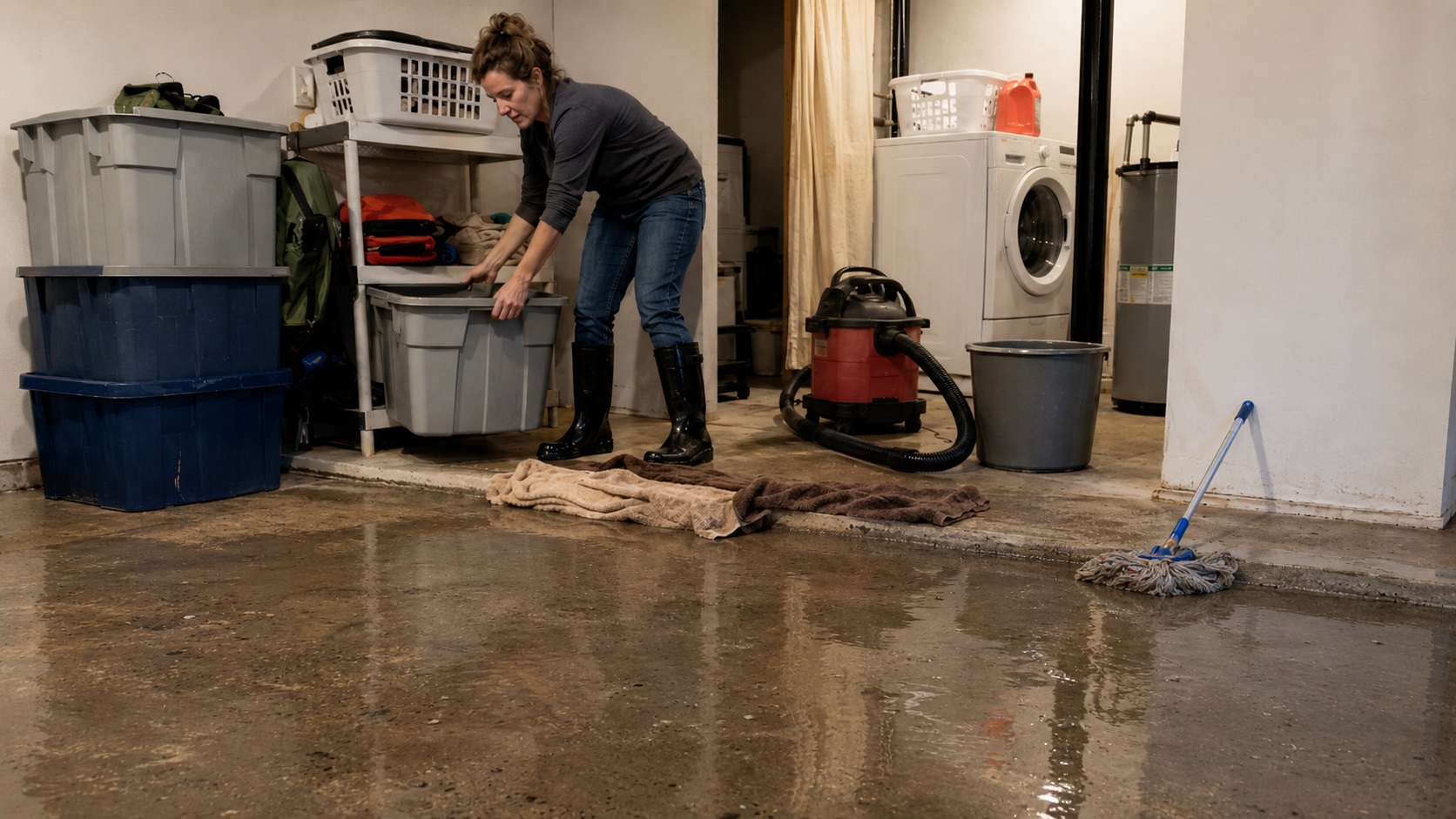
What to Do Immediately After Home Flooding
When your home floods, do not rush in with towels, fans, or a wet/dry vacuum. First, make sure the area is safe. Floodwater can hide electrical hazards, sewage, sharp debris, unstable flooring, gas appliance issues, and contaminated mud. A flooded room may look like a cleanup problem, but it can also be a safety problem.
The safest order is: stay out until the area is safe, stop more water if you can do it safely, handle utilities from a dry location, document the damage, remove standing water, move wet items, begin drying, watch for hidden moisture, and call professionals when the damage is beyond safe homeowner control. That order matters because using electrical equipment too early can be dangerous, while waiting too long to dry wet materials can increase mold and structural damage.
This article gives the immediate action order after home flooding. For long-term prevention after the first response is under control, see how to prevent recurring moisture damage.
Do Not Enter Until You Know It Is Safe
Before entering a flooded room, pause and look for hazards. Do not step into standing water if it may be touching outlets, extension cords, appliances, sump pumps, water heaters, HVAC equipment, electrical panels, or plugged-in devices. Water can conduct electricity, and a room that looks calm can still be dangerous.
If the flooding followed a major storm, local emergency instructions come first. Do not return to a flooded home until authorities say it is safe. Floodwater may have damaged roads, foundations, utilities, and building systems. If the water is still rising or emergency officials have not cleared the area, wait.
Leave immediately if you smell gas, hear hissing, suspect a damaged gas line, or see floodwater around gas appliances. Do not turn lights on or off, use open flames, or try to relight equipment. Call the gas utility or emergency services from a safe location.
Look for structural warning signs before walking deeper into the space. Sagging ceilings, buckled floors, cracked walls, leaning cabinets, collapsed shelves, damaged stairs, and doors that no longer open normally can indicate movement or weakening. If the structure looks unstable, do not begin cleanup yourself.
Assume floodwater may be contaminated unless you know the source is clean. Outdoor floodwater, stormwater, sewer backups, drain overflows, and muddy water can carry bacteria, chemicals, fuel, pesticides, sewage, and sharp debris. Wear rubber boots, waterproof gloves, eye protection, long sleeves, and long pants if you must enter a safe cleanup area. Keep children, pets, older adults, and vulnerable people away from flooded spaces.
If you are unsure what dangers to check first, review safety hazards to watch for after flooding before beginning any cleanup. If utilities may be involved, use the dedicated guide on how to shut off utilities after flooding instead of guessing.
Stop the Water Source If You Can Do It Safely
Once safety is under control, try to stop more water from entering the home. Cleanup and drying will not work if water keeps flowing in. The right action depends on the source of the flood and whether you can reach the shutoff or source safely.
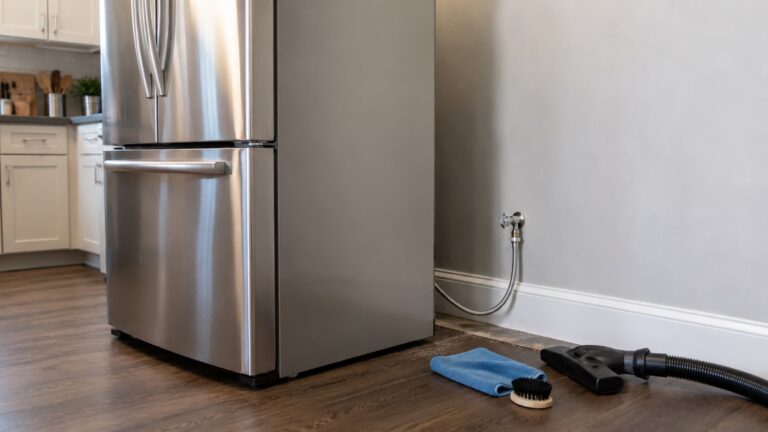
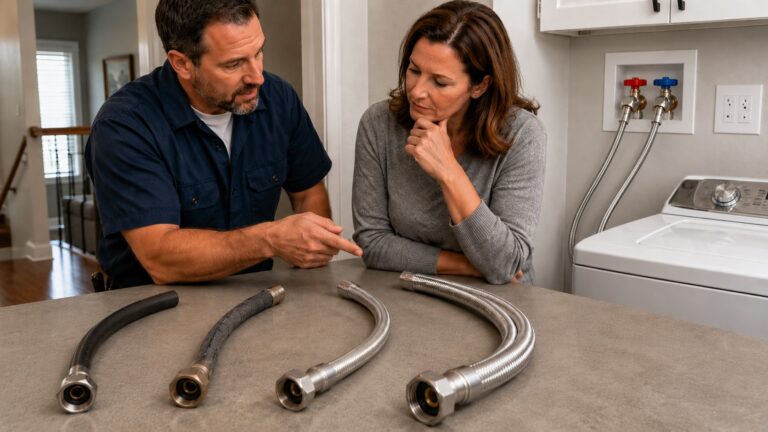
If the flooding is from a burst pipe, plumbing leak, water heater, toilet overflow, appliance hose, or fixture supply line, a shutoff valve may stop or reduce the water. Use a fixture valve, appliance valve, or main water shutoff only if you can reach it from a dry, safe location. Do not step into water near electrical equipment to reach a valve.
If the flood is from a sump pump failure, do not touch the pump, outlet, cord, or control equipment while standing in water. A failed sump pump can create both water damage and electrical risk. If the pump is submerged, the outlet is wet, or the area is unsafe, call a professional instead of trying to restart it.
If water is entering because of heavy rain, foundation seepage, window wells, exterior doors, or stormwater, you may not be able to stop it from inside. In that case, focus on keeping people safe, reducing interior exposure where possible, and calling for help if the water is rising. Temporary barriers or exterior drainage steps may help in some cases, but they should not put you in danger during active flooding.
If the source is sewage backup or drain overflow, treat the situation as contaminated. Avoid direct contact, keep people out of the area, and consider professional cleanup. Sewage-related flooding is not the same as a clean water leak from a supply line.
Stopping the source is part of the immediate response, but it is not the same as full cleanup. For the cleanup-specific sequence after the first safety steps, use emergency flood cleanup steps.
Shut Off Utilities Only From a Safe Location
Utilities can turn a flood into an immediate hazard. Electricity, gas, HVAC equipment, water heaters, furnaces, and major appliances may all be affected by standing water. The important rule is simple: shut off utilities only if you can do it safely from a dry location.
If the electrical panel is in a dry, accessible area and you can reach it without stepping into water, shutting off power to the affected area may reduce risk. If the panel is wet, surrounded by standing water, sparking, damaged, or difficult to reach, do not touch it. Call the utility company, electrician, emergency services, or a qualified professional.
Do not turn on flooded appliances to “test” whether they still work. Refrigerators, washers, dryers, water heaters, furnaces, HVAC equipment, sump pumps, and outlets may need inspection before use. Even if the water has receded, internal components may still be wet or damaged.
Gas appliances also need caution. If floodwater reached a gas water heater, furnace, boiler, stove, or gas line, do not relight the appliance yourself. If you smell gas or suspect a leak, leave immediately and call the gas utility or emergency services from outside the home.
HVAC systems should not be restarted automatically after flooding. Floodwater can affect electrical components, ductwork, insulation, filters, blower compartments, and controls. If the system was exposed to water, have it evaluated before use.
For the focused utility process, including water, gas, and electrical shutoff decisions, use how to shut off utilities after flooding.
Document the Flood Damage Before Major Cleanup
When the area is safe, document the damage before major cleanup changes the scene. Photos and videos can show the original water level, affected rooms, damaged belongings, wet flooring, soaked walls, mud, debris, and possible water entry points. This can help with insurance, contractor estimates, landlord communication, and repair planning.
Take wide photos of each affected room first. Then take closer photos of damaged walls, flooring, baseboards, cabinets, appliances, furniture, storage boxes, and water marks. If you can safely identify where water entered, photograph that area too.
Also photograph the highest visible water line on walls, doors, cabinets, furniture, and appliances before it dries or is wiped away.
Record the date and approximate time you discovered the flooding. Note whether the water came from a storm, plumbing failure, appliance leak, sump pump failure, sewer backup, drain overflow, or unknown source. If water is still entering, document that as well.
Do not let documentation delay urgent safety actions. If water is rising, utilities are unsafe, or people are at risk, safety comes first. But once immediate hazards are controlled, a few minutes of photos can preserve information that may be difficult to recreate later.
Do not throw away large amounts of damaged property before documenting it if insurance may be involved and it is safe to wait briefly. At the same time, do not keep contaminated or dangerous items inside the home just for photos. The insurance-specific workflow belongs in what to do immediately after water damage for insurance.
Remove Standing Water and Start Emergency Cleanup
After hazards are controlled and documentation is handled, begin removing standing water. The longer water remains in place, the farther it can move into flooring, drywall, cabinets, trim, subflooring, insulation, and stored belongings.
For small, low-risk clean-water events, mops, towels, buckets, squeegees, and a wet/dry vacuum may be enough to start. Use a wet/dry vacuum only when the outlet, cord, plug, and surrounding area are safe and dry. Never use an ordinary household vacuum to remove floodwater, and do not use a wet/dry vacuum for sewage or contaminated floodwater unless the equipment and cleanup plan are appropriate for that hazard.
For larger amounts of water, deeper basement flooding, or multiple affected rooms, pumps or professional extraction equipment may be needed. If the water source is still active, if the water is contaminated, or if electrical safety is uncertain, professional cleanup is safer than trying to manage everything with household tools.
Remove water from edges and low spots, not just the center of the room. Water often lingers along baseboards, under cabinets, near floor drains, around appliances, and at flooring transitions. These areas are also more likely to stay wet after the obvious puddles are gone.
Be careful with contaminated water. Sewage, muddy outdoor floodwater, stormwater, and drain backup require more protective handling than a clean supply-line leak. If you are not sure what kind of water entered the home, treat it cautiously.
Emergency cleanup is the bridge between the first response and full drying. The goal is to remove water, debris, and the wettest materials so the home can begin drying. For safe water extraction methods, see how to remove standing water safely. For the broader cleanup sequence, continue with emergency flood cleanup steps.
Move Wet Items and Separate What Cannot Be Saved
Once standing water removal has started, move wet items out of the affected area when it is safe. Wet belongings can hold moisture against floors, walls, cabinets, and baseboards. They can also slow drying and make it harder to see where water traveled.
Start with items that absorb water quickly. Cardboard boxes, paper products, books, rugs, carpet padding, mattresses, upholstered furniture, stuffed items, fabric storage, and insulation can become difficult to dry after flooding. If the water came from sewage, outdoor floodwater, or muddy stormwater, these items are much less likely to be safely salvageable.
Separate hard, cleanable items from soft, absorbent, or contaminated items. Hard plastic, metal, glass, and some sealed surfaces may be easier to clean and dry. Porous items that stayed wet, touched contaminated water, or smell musty may need to be discarded.
Carpet padding deserves special attention. Even if carpet looks like it might dry, padding underneath can hold water against the floor and subfloor. Wet padding can keep the room damp, create odor, and slow structural drying. In many flood situations, padding must be removed so the floor beneath can dry properly.
Do not drag contaminated items through clean rooms if you can avoid it. Create a removal path, bag smaller items when practical, and keep wet debris away from dry belongings. Wear gloves and boots while handling flood-damaged materials, and wash thoroughly afterward.
This immediate step is about sorting and reducing moisture load, not making every final salvage decision. For a more detailed material-by-material approach, use how to salvage materials after flood damage.
Begin Drying After Standing Water Is Removed
After standing water and the wettest belongings are removed, begin drying as soon as it is safe. Flood cleanup removes visible water. Drying removes moisture from materials, air, cavities, and surfaces. A room can look mostly clean while still holding moisture under flooring, behind trim, inside drywall, or under cabinets.
Use ventilation when conditions allow. If outdoor air is dry and safe, opening doors and windows can help move humid air out of the home. If outdoor air is very humid, stormy, smoky, or contaminated, open ventilation may not help and may even slow drying.
Fans can help move air across wet surfaces, but they should only be used when electrical conditions are safe. Do not place cords in wet areas or use plug-in fans near standing water. If mold is already widespread or contamination is present, avoid blowing air from affected areas into clean parts of the home.
Dehumidifiers can help lower indoor moisture once standing water is removed and power is safe. They are especially useful in basements, lower-level rooms, enclosed spaces, and humid climates. Empty the collection bucket often or use a safe drain setup if the unit allows it.
Drying should reach the edges of the room. Focus on baseboards, wall-floor joints, cabinet toe-kicks, closets, corners, under stairs, flooring seams, and appliance areas. These locations often stay wet after the center of the floor looks dry.
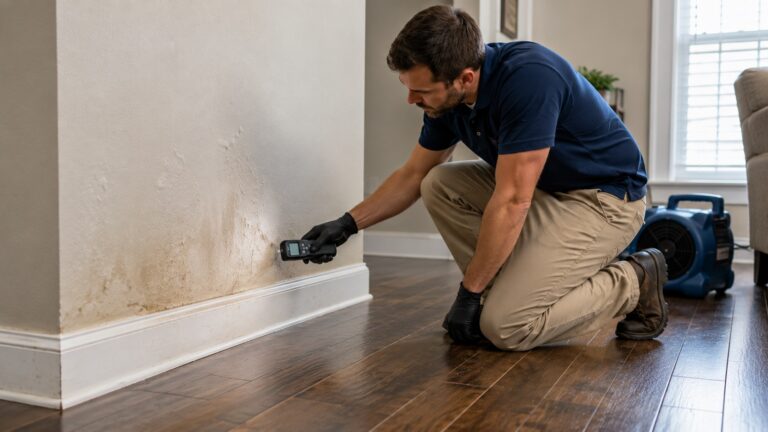
If you have a moisture meter, compare affected materials with similar dry materials in an unaffected room instead of relying only on touch.
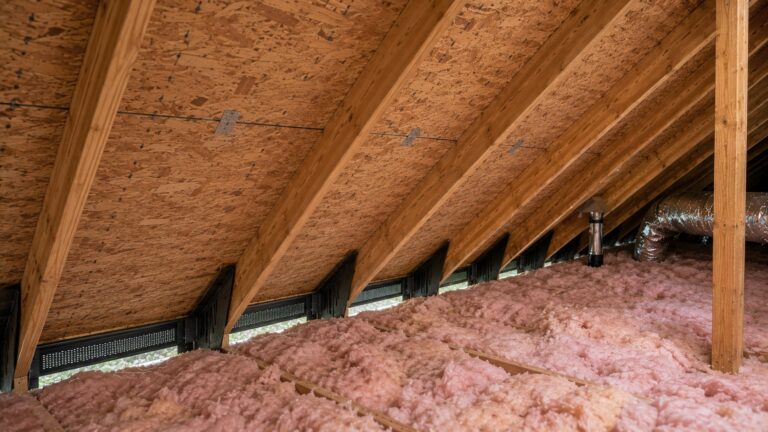
Do not assume drying is finished because the surface feels dry. Moisture can remain under flooring, inside drywall, behind baseboards, and in insulation. A full flood drying plan may require moisture testing, controlled dehumidification, material removal, and professional equipment. For the deeper drying process, use how to dry a house after flood damage.
Watch for Mold and Hidden Moisture
Mold risk rises when materials stay wet. The exact timing depends on temperature, humidity, material type, airflow, and contamination, but flood-damaged drywall, carpet padding, wood, paper, upholstery, and insulation should be dried or removed quickly. Waiting several days can allow moisture to move deeper into the home and make cleanup more difficult.
Watch for musty odor, dark staining, damp drywall, swollen baseboards, soft flooring, bubbling paint, peeling trim, cabinet swelling, and water trapped under flooring seams. These signs can appear after the visible floodwater has already been removed.
Drywall can wick water upward from the floor. The visible flood line may not show how far moisture traveled inside the wall. If lower drywall feels soft, crumbles, stains, or smells musty, hidden moisture may still be present.
Flooring can also hide water. Carpet padding, laminate, vinyl, engineered wood, and underlayment can trap moisture beneath the surface. Buckling, cupping, bubbling, soft spots, dark seams, or recurring dampness may mean the floor is not dry underneath.
Cabinets and built-ins are easy to overlook. Water can sit under toe-kicks, inside cabinet bases, behind back panels, and under vanities. These areas need airflow and inspection because they often dry more slowly than open floor surfaces.
For a focused explanation of the mold-risk window after water exposure, see how long water damage takes to cause mold. The key point is that mold prevention starts during the first response, not after the room already smells musty.
Call the Right Professionals Early
Home flooding often involves more than one type of problem. A plumber may be needed to stop a broken pipe, but a restoration company may be needed to dry the structure. An electrician may need to inspect wet electrical systems, while an HVAC technician may need to evaluate flooded equipment. Calling the right professional early can prevent unsafe cleanup and reduce secondary damage.
Call emergency services or the utility company if there is a gas smell, electrical danger, downed power lines, rising floodwater, trapped occupants, or an unsafe structure. These situations are not normal cleanup problems. They are safety emergencies.
Call a plumber if the flooding came from a burst pipe, water heater, toilet, drain, appliance supply line, or sewer backup. If you cannot stop the water safely, do not keep trying to manage the cleanup while the source remains active. Source control comes before drying.
Call an electrician if water reached outlets, panels, wiring, major appliances, or electrical equipment. Do not turn flooded electrical systems back on just because the room looks dry. Internal components may still be wet or damaged.
Call an HVAC technician if floodwater reached the furnace, air handler, ductwork, condenser controls, boiler, or other mechanical equipment. HVAC systems can spread contamination, moisture, or odor if restarted before inspection.
Call a water damage restoration company if multiple rooms are wet, the basement is finished, carpet and padding are soaked, wall cavities may be wet, cabinets are affected, insulation is wet, or the home cannot be dried quickly with safe homeowner methods. Professional drying equipment can make a major difference when moisture has moved into building materials. For a decision-focused guide, see when to call water damage restoration services.
What Not to Do Immediately After Home Flooding
Do not rush into standing water. Even shallow water can be dangerous if electricity, contamination, debris, or structural damage is involved. Check the area from a safe location before entering.
Do not use electrical equipment in wet areas until power safety is confirmed. Wet/dry vacuums, fans, pumps, dehumidifiers, and extension cords can all create hazards if used incorrectly around water.
Do not turn on flooded appliances to test them. Water heaters, furnaces, HVAC equipment, washers, dryers, refrigerators, sump pumps, and electrical outlets may need inspection before use.
Do not treat sewage or outdoor floodwater like a clean spill. Contaminated water can leave unsafe residue even after the visible water is gone. Protective gear and professional cleanup may be needed.
Do not mix cleaning chemicals. Bleach should never be mixed with ammonia or other cleaners. If disinfecting is needed, clean mud and debris first, follow the product label, and ventilate the area.
Do not wait several days to begin drying if the area is safe to work in. Wet materials can deteriorate quickly, and mold risk increases when drywall, carpet padding, wood, paper, and upholstery stay damp.
Do not throw everything away before documenting damage when it is safe to take photos. At the same time, do not keep contaminated, moldy, or unsafe items inside the home just for documentation. Safety and moisture control still come first.
Do not assume the home is dry because the water is gone. Water can remain under flooring, behind baseboards, inside drywall, under cabinets, and in insulation long after the surface looks cleaner.
FAQs About the First Steps After Home Flooding
What is the first thing to do after home flooding?
The first thing to do is make sure the area is safe. Do not enter standing water if electricity, gas, structural damage, sewage, or contamination may be present. Once people are safe, stop the water source if possible, handle utilities safely, document the damage, begin cleanup, and start drying.
Should I call insurance or clean up first?
Safety comes first. After immediate hazards are controlled, take photos and videos before major cleanup when it is safe. Then begin reasonable cleanup and drying steps to prevent more damage. If insurance is involved, contact your insurer as soon as practical, but do not delay urgent safety actions or necessary water removal.
Is it safe to enter a flooded room?
It depends on the conditions. Do not enter if water may be touching electrical systems, outlets, appliances, cords, or panels. Stay out if you smell gas, see structural damage, suspect sewage, or do not know the water source. When in doubt, wait for a qualified professional or local authority.
How quickly should I start drying after flooding?
Drying should begin as soon as the area is safe, the water source is controlled, and standing water is removed. The first 24 to 48 hours are especially important because wet building materials and belongings can begin developing mold, odor, swelling, and deterioration quickly, but contaminated water, electrical hazards, or unstable materials may require professional cleanup before normal drying methods are safe.
What should I remove first after a flood?
After safety and documentation, remove standing water and the wettest high-risk materials first. Carpet padding, soaked cardboard, paper products, wet rugs, upholstered items, and contaminated porous belongings can hold moisture and slow drying. Hard, nonporous items may be easier to clean and dry.
When should I call a restoration company?
Call a restoration company when flooding affects multiple rooms, finished basements, carpet and padding, drywall, insulation, cabinets, or subflooring. You should also call if the water is contaminated, sewage is involved, mold appears, strong odors develop, utilities were wet, or the home cannot be dried quickly with basic methods.
The First Response Sets the Direction for Recovery
What you do immediately after home flooding can affect safety, repair cost, mold risk, and how much of the home can be dried or saved. The right order is to stay out until the area is safe, stop more water if possible, handle utilities from a dry location, document the damage, remove standing water, move wet materials, begin drying, and monitor for hidden moisture.
Flood recovery does not end when the visible water is gone. Flooring, drywall, cabinets, trim, insulation, and stored belongings can stay wet after the room looks cleaner. If the flood involved contaminated water, wet utilities, large areas, or materials that cannot dry quickly, bring in qualified professionals early.