How to Prioritize Moisture Repairs in Your Home
Prioritize moisture repairs by risk, not by appearance. Stop active water and safety hazards first, find and correct the moisture source next, then protect structural materials, dry or remove wet materials, address mold or contamination risks, fix recurrence conditions, and handle cosmetic repairs last.
This order matters because a finished-looking repair can fail if the cause is still active. New drywall can get wet again if the leak remains, basement paint can peel if seepage continues, and new flooring can trap moisture if the subfloor was never dried.
Use this guide to rank competing repairs when several moisture problems appear at once. For broader context on serious moisture-related building issues, see the guide to structural moisture problems in homes. If you want the full process behind moisture detection, repair, and prevention, start with how to find, fix, and prevent moisture problems.
Why Moisture Repairs Should Be Prioritized by Risk, Not Appearance
The most visible moisture damage is not always the most urgent repair. A large brown ceiling stain may look alarming, but if the source was fixed and the material is now dry, it may be less urgent than a small active leak under a sink. A little water near electrical wiring may be more serious than a larger old stain on a wall. A soft floor near a toilet may deserve attention before peeling paint in a humid bathroom.
The highest priority is the problem that can create more damage if delayed: active water, safety risk, structural moisture, spreading dampness, contaminated materials, or a repair that will fail unless the source is corrected first.
A good repair priority system asks these questions first:
- Is water still entering or forming?
- Is there a safety hazard?
- Is the moisture affecting structural wood, subflooring, framing, ceilings, or insulation?
- Is the problem spreading into other rooms or materials?
- Is mold-like growth present or likely because materials stayed wet?
- Will the repair fail if the source is not corrected first?
- Is the damage cosmetic, functional, structural, or active?
This matters because moisture damage often creates a chain reaction. A roof leak can wet attic insulation, then ceiling drywall, then wall cavities. A plumbing leak can damage a cabinet, subfloor, baseboard, and ceiling below. Basement seepage can raise humidity, damage stored items, and contribute to mold risk. If you repair only the visible finish layer, the deeper moisture cycle may continue.
First Priority: Stop Active Water and Safety Hazards
The first priority is any moisture problem that is active, spreading, or unsafe. Active water can keep damaging materials every hour or every time it rains, the plumbing runs, or the HVAC system operates. Safety hazards also come before cosmetic repairs, monitoring, or long-term upgrades.
High-priority moisture situations include:
- Active plumbing leaks
- Roof leaks during rain
- Water entering through basement walls or floors
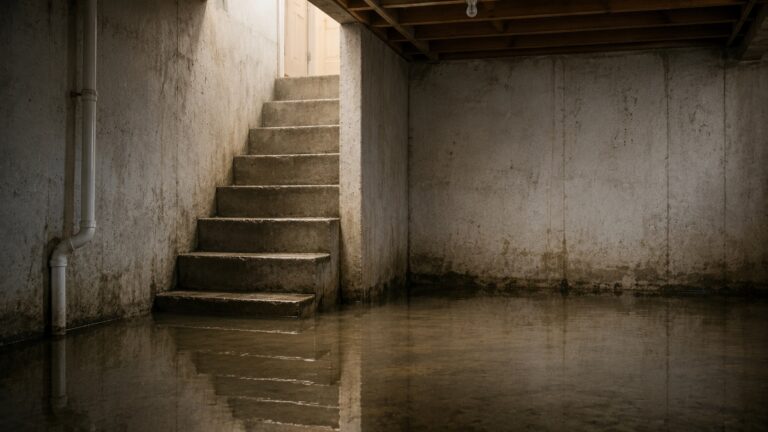
- Standing water in crawl spaces or basements
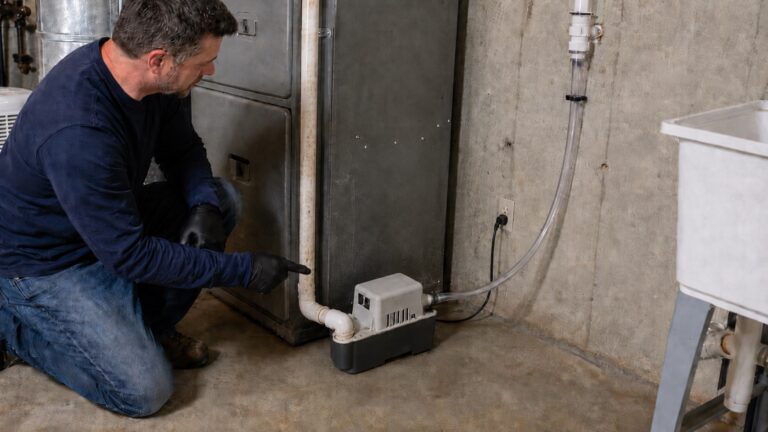
- HVAC condensate overflows
- Water near outlets, wiring, breaker panels, lights, or appliances
- Sagging ceilings or water-heavy drywall
- Soft, unstable, or collapsing flooring
- Contaminated water from sewage, floodwater, or drain backups
- Rapidly spreading moisture across floors, walls, ceilings, or cabinets
If water is actively entering, the first goal is to stop or contain it safely. That may mean shutting off a water supply valve, turning off the affected fixture, avoiding electrical areas, protecting nearby materials, or calling the right professional. The exact response depends on the source, but the priority is the same: active water must be controlled before finish repairs begin.
Water near electrical systems should be treated as urgent. Do not touch wet electrical fixtures, outlets, panels, wiring, breaker boxes, or appliances. If water is near electricity, stay out of the wet area and get qualified help before drying, cleaning, or investigating the source yourself.
Sagging ceilings also deserve immediate attention. Wet ceiling drywall can hold water above the surface and may fail suddenly. A ceiling stain that is dry and stable is one thing. A bulging, dripping, sagging, or soft ceiling is a higher priority because it can collapse and may indicate water is still trapped above it.
Contaminated water changes the repair order too. Clean water from a supply line is different from sewage, drain backup, floodwater, or water that has been sitting in dirty materials. Contaminated moisture can require removal, containment, and professional cleanup before normal repairs are considered.
If the situation involves active flooding, sewage, electrical danger, ceiling collapse risk, or unstable flooring, treat it as an emergency response first and a repair-planning problem second.
Once immediate water and safety hazards are controlled, do not jump straight to repainting, replacing trim, or installing new flooring. The next priority is finding out why the moisture happened and whether the source is fully corrected.
Second Priority: Find and Correct the Moisture Source
After active water and safety hazards are controlled, the next priority is source correction. This is where many moisture repairs fail. Homeowners often repair the visible damage before confirming why the material got wet. The repair may look finished for a while, but the same stain, odor, swelling, or mold-like growth returns because the source was never solved.
The moisture source is not always located directly behind the visible damage. A ceiling stain may come from a roof leak, bathroom fixture, attic condensation, HVAC drain line, or pipe above the ceiling. A wet baseboard may come from a window leak, exterior wall leak, plumbing line, floor moisture, or repeated mopping. A damp basement wall may be tied to grading, gutters, soil saturation, cracks, or interior humidity.
Before rebuilding, confirm whether the repair depends on any of these source corrections:
- Leaking supply lines, drain lines, valves, or appliance connections
- Roof leaks, flashing failures, vent leaks, or chimney leaks
- Window, door, siding, or exterior wall water intrusion
- Basement seepage from walls, floors, cracks, or floor-wall joints
- Crawl space water entry, damp soil, or failed vapor barriers
- HVAC condensate overflow, duct condensation, or drainage problems
- High humidity that keeps materials damp
- Condensation on cold surfaces caused by airflow, insulation, or humidity issues
- Poor grading, clogged gutters, short downspouts, or exterior drainage problems
If the source is not obvious, do not guess based only on the stain location. Look at timing, weather, plumbing use, humidity, and nearby materials. If symptoms appear after rain, exterior water entry or drainage may be involved. If they appear after showers, plumbing or ventilation may be involved. If they appear during cooling season, HVAC condensation or humidity may be involved. If the home has several damp areas, you may need to find the source of moisture in your home before deciding which repair belongs first.
Correcting the source should happen before replacing drywall, insulation, trim, flooring, cabinets, or paint. Otherwise, the new materials may be exposed to the same moisture cycle. In many cases, the most important repair is not the most visible one. It may be a roof flashing repair, plumbing correction, gutter improvement, drain repair, crawl space moisture correction, or ventilation upgrade that prevents the visible damage from returning.
Third Priority: Protect Structural Materials
Once the source is controlled or being addressed, the next priority is protecting structural materials. Moisture that affects finishes is a concern, but moisture that affects structural wood, subfloors, joists, beams, roof framing, wall framing, or load-bearing areas can create larger repair problems if ignored.
Structural moisture concerns deserve higher priority when you notice:
- Soft, sagging, or uneven floors
- Damp subflooring beneath bathrooms, kitchens, laundry rooms, or exterior doors
- Moisture staining on joists, beams, rafters, or roof sheathing
- Darkened, softened, or deteriorating wood
- Wet crawl space framing or insulation
- Basement framing in contact with damp foundation walls
- Ceiling materials sagging from water above
- Wall framing exposed to repeated leaks or condensation
- Cracking, movement, or deformation near long-term moisture areas
Structural materials are important because they are not just decorative. They support floors, walls, ceilings, roof systems, and loads. A stained baseboard may be a lower priority if it is dry and stable. A damp subfloor under that baseboard may be a higher priority because it can affect flooring, framing, and future repair costs.
Moisture in structural areas is also easier to underestimate. A finished surface may hide wet framing or subflooring. A crawl space may affect the floor above before the living area shows obvious damage. A roof leak may wet insulation and framing before the ceiling stain grows. This is why structural areas should be checked before closing cavities or covering damage with new finishes.
If structural moisture appears widespread, recurring, or connected to soft materials, it may need professional evaluation. The priority is not simply drying the visible surface; it is determining whether affected wood, sheathing, subflooring, or framing is still sound and whether the moisture source has stopped.
Fourth Priority: Dry Wet Materials Before Rebuilding
Drying should happen before rebuilding, repainting, or closing up wet areas. Replacing materials too soon can trap moisture behind new drywall, flooring, insulation, cabinets, trim, or paint. That can lead to recurring odor, staining, swelling, mold-like growth, and failed repairs.
Materials that often need careful drying or replacement decisions include:
- Drywall and joint compound
- Insulation
- Carpet and carpet padding
- Subflooring
- Hardwood, laminate, and engineered flooring
- Cabinet bottoms and toe-kick areas
- Baseboards and trim
- Wood framing
- Ceiling materials
- Concrete, masonry, and basement finishes
Surface dryness can be misleading. A wall may feel dry on the painted side while moisture remains behind it. Flooring may look normal while the subfloor is damp. A cabinet may be wiped clean while the bottom panel has absorbed water. Insulation may hold moisture even when the surrounding air feels dry.
Before rebuilding, confirm that the source has stopped and that materials are dry enough to repair safely. That may require time, airflow, dehumidification, selective removal, moisture readings, or professional drying equipment depending on the severity. The more porous the material and the longer it stayed wet, the more careful the decision should be.
Do not use new finishes to hide uncertain moisture. Paint, caulk, primer, flooring, and trim do not solve damp materials underneath. If moisture remains trapped, the repair may look finished briefly but fail later. This is one of the most common reasons homeowners end up repairing the same area more than once.
When the damage involves several areas, start by documenting what is wet, what is dry, what needs removal, and what can be monitored. A whole-home moisture inspection can help you avoid missing affected areas before repairs begin.
Fifth Priority: Address Mold Risk and Contaminated Materials
After active water, source correction, structural protection, and drying decisions, address mold risk and contaminated materials before closing walls, replacing flooring, or restoring finishes. Mold-like growth does not automatically mean every material must be removed, but it can change what can be cleaned, dried, saved, or safely covered.
Mold risk becomes more important when:
- Materials stayed wet for more than a short period
- Musty odors persist after drying and cleaning
- Visible mold-like growth appears on drywall, wood, insulation, carpet, cabinets, or stored items
- Moisture affected hidden cavities, crawl spaces, attics, or HVAC areas
- Growth keeps returning after surface cleaning
- Porous materials were wet from contaminated water
- The affected area is large, recurring, or difficult to access
The repair priority depends on the material and the extent of the problem. A small amount of surface growth on a cleanable, nonporous surface may be handled differently from mold-like growth inside wet drywall, insulation, carpet padding, or HVAC ductwork. Porous materials that stayed wet may not dry or clean reliably, especially if contamination is present.
Contaminated water also changes the repair order. Water from sewage backups, drain overflows, floodwater, or long-standing dirty water should not be treated like a simple clean-water spill. In those cases, removal, containment, and professional cleanup may need to happen before rebuilding.
If mold-like growth is extensive, hidden, recurring, related to contaminated water, or affecting HVAC systems or large areas, it may be time to hire a mold remediation professional. The goal is not to overreact to every small spot, but to avoid rebuilding over a moisture and contamination problem that has not been handled correctly.
Sixth Priority: Fix Drainage, Ventilation, Humidity, and Recurrence Conditions
Once the immediate source and damaged materials are addressed, the next priority is fixing the conditions that made the moisture problem likely to return. This step is often skipped because it may not look like a repair. But drainage, ventilation, humidity, and airflow problems can cause repeated moisture damage even after visible repairs are complete.
Recurrence conditions include:
- Gutters that overflow or discharge near the foundation
- Soil grading that slopes toward the home
- Basement or crawl space dampness
- Bathroom fans that are weak, blocked, or not used long enough
- Kitchen and laundry moisture without enough ventilation
- High indoor humidity
- HVAC condensation or airflow problems
- Cold surfaces that repeatedly collect condensation
- Closed rooms, packed closets, or poor air movement behind furniture
- Window, door, siding, or flashing details that keep allowing water entry
These issues may not damage materials as quickly as an active leak, but they often determine whether repairs last. A homeowner can replace stained drywall, but if the room still has high humidity and poor ventilation, moisture may return. A basement wall can be cleaned and painted, but if exterior water keeps collecting against the foundation, dampness may come back. A window trim repair may fail if wind-driven rain still enters around the opening.
This is where it helps to understand why some homes have ongoing moisture problems. Some homes do not have one dramatic failure. They have several conditions that keep adding moisture slowly. Repairs last longer when those conditions are corrected as part of the plan.
Fixing recurrence conditions may include improving drainage, adding or repairing ventilation, controlling indoor humidity, correcting HVAC condensation, sealing water entry points, managing crawl space or basement moisture, or changing storage and airflow habits. These steps should usually happen before final cosmetic restoration, especially if the affected area has failed before.
Seventh Priority: Handle Cosmetic Repairs Last
Cosmetic repairs should come after safety, active water control, source correction, drying, structural protection, mold or contamination handling, and recurrence prevention. Paint, trim, texture, flooring finish, cabinet panels, and decorative surfaces matter, but they do not solve moisture by themselves.
Cosmetic repairs include:
- Painting stained walls or ceilings
- Replacing baseboards or trim
- Installing new flooring finish
- Repairing drywall texture
- Replacing cabinet panels or toe-kicks
- Covering old stains
- Re-caulking purely decorative gaps
These repairs should wait until the area is dry and the source is corrected. If you repaint too early, stains may bleed through again. If you install flooring over a damp subfloor, the new flooring may cup, loosen, or trap moisture. If you replace trim before the wall or floor edge is dry, the new trim may swell or darken later.
This does not mean cosmetic repairs are unimportant. They restore the home after the moisture problem is solved. But they should be the final layer of the repair, not the first response. A clean-looking surface can hide an active problem, and that can make future repairs more expensive.
How to Prioritize Repairs When You Have Multiple Moisture Problems
When several moisture problems exist at the same time, organize them by urgency and consequence. Do not rank them only by appearance or by which contractor gave the first quote. Rank them by what can cause the most damage if delayed.
Use this repair priority order:
- 1. Immediate safety hazards: water near electricity, sagging ceilings, contaminated water, unstable floors, or structural danger.
- 2. Active water entry: plumbing leaks, roof leaks, basement seepage, appliance leaks, HVAC overflows, or water entering during rain.
- 3. Source control: repairing the leak, drainage issue, flashing failure, humidity problem, or condensation source.
- 4. Structural risk: damp joists, framing, subflooring, roof sheathing, beams, or load-bearing materials.
- 5. Mold or contamination risk: recurring growth, musty odor, wet porous materials, sewage, floodwater, or hidden contamination.
- 6. Materials that cannot dry safely: soaked insulation, carpet padding, deteriorated drywall, swollen cabinets, or wet layered flooring.
- 7. Recurrence conditions: poor drainage, high humidity, poor ventilation, cold-surface condensation, or crawl space moisture.
- 8. Cosmetic finishes: paint, trim, texture, finish flooring, and decorative restoration.
If the problem began with a single leak, flood, overflow, or sudden water event, also see how to prioritize repairs after water damage. That article can stay more focused on water-damage recovery, while this guide covers broader moisture repair decisions across the whole home.
If your budget is limited, the first money should go toward stopping water and preventing additional damage. It is usually better to fix the source and delay cosmetic work than to make the surface look finished while moisture continues underneath.
When several causes may be active, do not assume they are all one problem. A roof leak, damp crawl space, and bathroom ventilation issue may all create moisture symptoms in the same home. If you are unsure how the problems connect, it may help to diagnose multiple moisture problems in a home before committing to a repair sequence.
Document each problem before getting quotes. Note the location, timing, visible symptoms, suspected source, affected materials, and whether the problem is active or old. This makes conversations with contractors more focused and reduces the risk of paying for repairs that do not address the main source.
When to Call a Professional for Moisture Repairs
Some moisture repairs are safe for a homeowner to monitor or handle at a basic maintenance level. Others need professional evaluation because the source is hidden, the damage is structural, the water is contaminated, or the repair affects roofing, plumbing, foundations, HVAC systems, or mold-contaminated materials.
Call a professional when moisture involves:
- Active water that you cannot stop quickly
- Water near electrical systems
- Sagging ceilings, soft floors, or structural movement
- Damp joists, beams, rafters, roof sheathing, or subflooring
- Repeated basement seepage or foundation water entry
- Crawl space standing water, wet insulation, or damp structural wood
- Roof leaks, flashing failures, chimney leaks, or attic moisture near framing
- Hidden plumbing leaks inside walls, ceilings, floors, or slabs
- Large, recurring, hidden, or HVAC-related mold-like growth
- Repairs that have already failed once
A roofer may be needed when stains, attic moisture, wet insulation, or ceiling leaks appear after rain. If roof moisture keeps returning or flashing details appear to be involved, it may be time to hire a roofing contractor for moisture problems before repairing interior finishes.
A plumber may be needed when moisture appears near fixtures, under sinks, behind walls, below bathrooms, near appliances, under floors, or around supply and drain lines. If the source may be inside a wall, ceiling, floor, or slab, it may be time to hire a plumbing professional for leak repairs before replacing cabinets, flooring, drywall, or ceilings affected by the leak.
A basement waterproofing contractor may be needed when seepage, foundation dampness, sump pump problems, floor-wall joint water, or repeated basement water entry continues despite basic maintenance. If the home has recurring basement water, it may be appropriate to hire a basement waterproofing contractor before spending money on finished basement restoration.
A crawl space repair specialist may be needed when there is standing water, damp soil, wet vapor barrier surfaces, fallen insulation, damp joists, musty air, or soft flooring above the crawl space. These problems can affect the living space even when the crawl space itself is not used daily, so recurring crawl space moisture may need evaluation before interior flooring repairs continue. If the crawl space problem is active or structural, it may be time to hire a crawl space repair specialist.
A mold professional may be needed when growth is extensive, hidden, recurring, caused by contaminated water, or located inside HVAC systems, wall cavities, crawl spaces, attics, or large porous material areas. Mold cleanup should not be treated as a cosmetic step if the moisture source is still active.
A structural contractor or engineer may be needed when moisture has affected load-bearing components, floor framing, roof framing, beams, joists, or foundation-related materials. Structural concerns should move ahead of cosmetic restoration because covering weakened materials can hide a more serious problem.
FAQs About How to Prioritize Moisture Repairs in Your Home
What moisture repair should I do first?
Fix active water and safety hazards first. That includes active leaks, water near electrical systems, sagging ceilings, standing water, contaminated water, or moisture that is spreading quickly. After that, correct the moisture source before repairing finishes.
Should I fix the leak before replacing drywall?
Yes. The leak or moisture source should be corrected before drywall is replaced. If new drywall is installed while the source is still active, the new material can become wet again and the repair may fail.
How do I prioritize moisture repairs with a limited budget?
Use your budget first on repairs that stop active water, correct the source, protect structural materials, or prevent spread. Delay paint, trim, texture, finish flooring, and other cosmetic work if needed. A clean-looking finish is less important than stopping the condition that caused the damage.
When is moisture damage urgent?
Moisture damage is urgent when water is active, near electricity, affecting ceilings or floors, entering during every rain, involving contaminated water, causing structural softness, or spreading into multiple materials. Urgency also increases when mold-like growth is extensive or recurring.
When should I call a professional instead of doing moisture repairs myself?
Call a professional when the source is hidden, the damage affects structural materials, the water may be contaminated, the problem keeps returning, mold-like growth is extensive, or the repair involves roofing, foundations, crawl spaces, HVAC systems, plumbing inside walls, or electrical-area moisture.
Conclusion
Moisture repairs should be prioritized in the order that prevents more damage, not the order that makes the surface look better fastest. Stop active water and safety hazards first, correct the source, protect structural materials, dry or remove wet materials, address mold or contamination risks, fix recurrence conditions, and leave cosmetic repairs for last.
If moisture problems affect several areas of the home, organize them by what is active, unsafe, structural, spreading, or recurring before spending money on decorative repairs. Once the source is corrected and the home is dry, you can build a long-term plan to prevent moisture problems across your entire home.
Key Takeaways
- Prioritize moisture repairs by risk, not by appearance.
- Active water, electrical hazards, contaminated water, sagging ceilings, and unstable floors come first.
- The moisture source must be corrected before rebuilding, repainting, or replacing finishes.
- Structural materials, wet porous materials, and mold or contamination risks should be handled before cosmetic work.
- If several problems exist, rank them by what can spread, return, damage the structure, or make repairs fail if delayed.